
Fractality in Nature
Fractality in nature describes a fundamental pattern in which similar shapes repeat across different scales, from the microscopic to the cosmic.
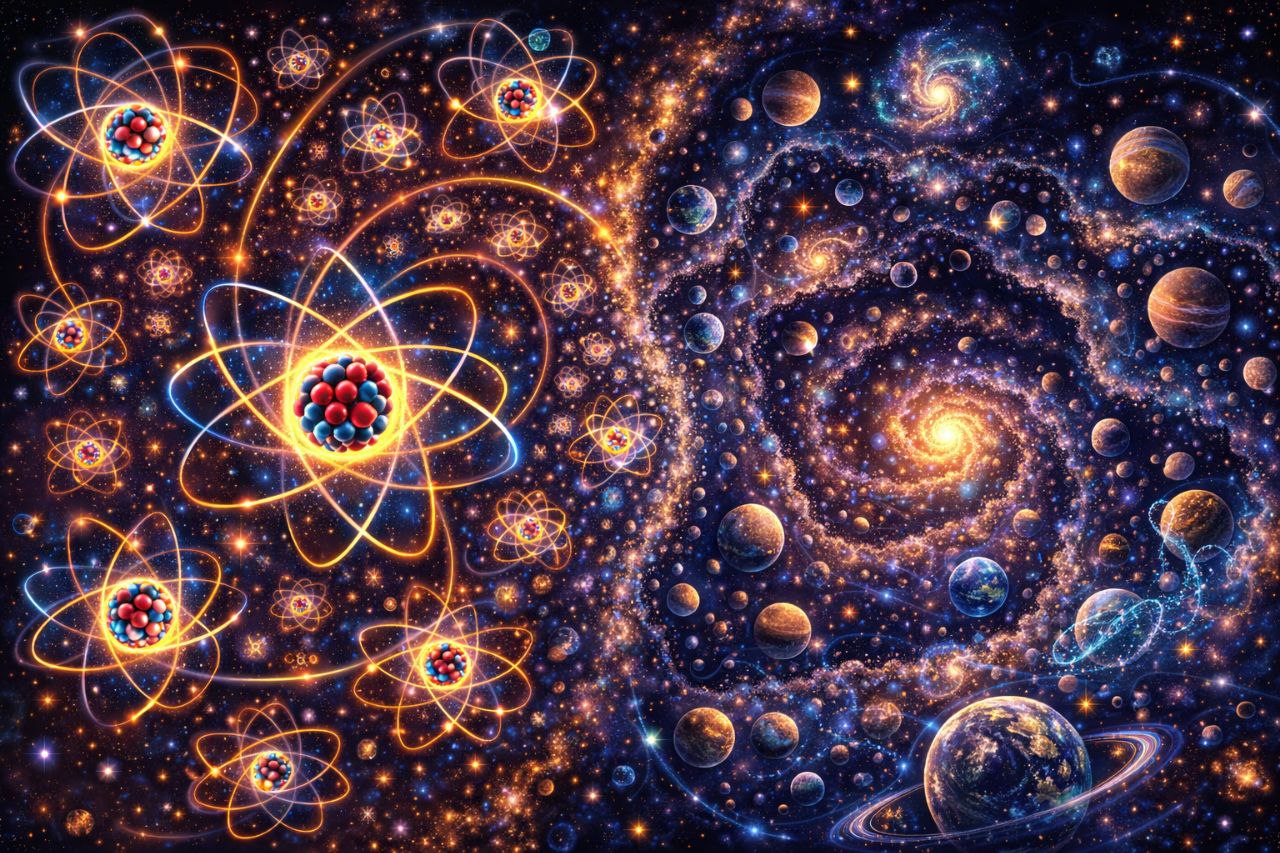
Fractality in nature describes a fundamental pattern in which similar shapes repeat across different scales, from the microscopic to the cosmic.
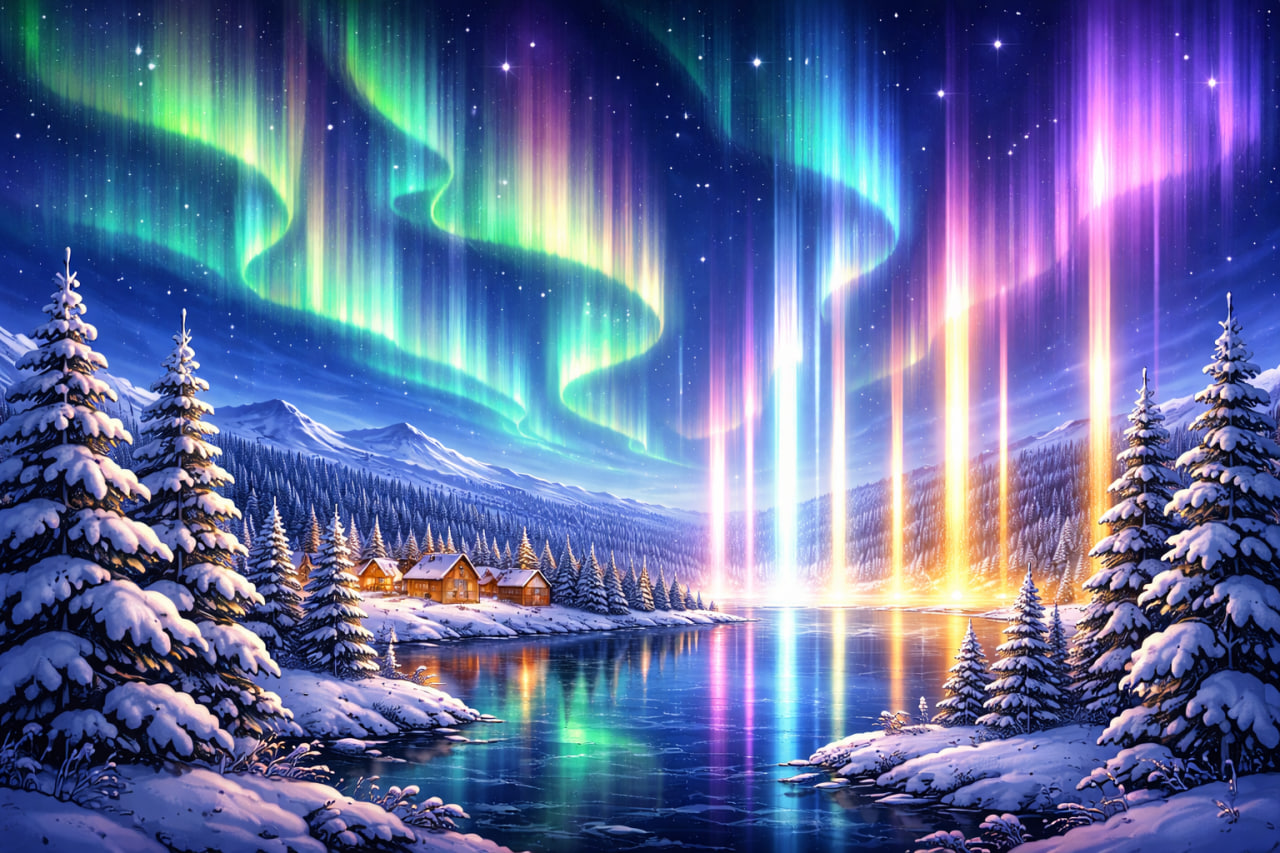
The northern lights and light pillars are two of the most striking atmospheric optical phenomena, often observed in cold, high-latitude regions.
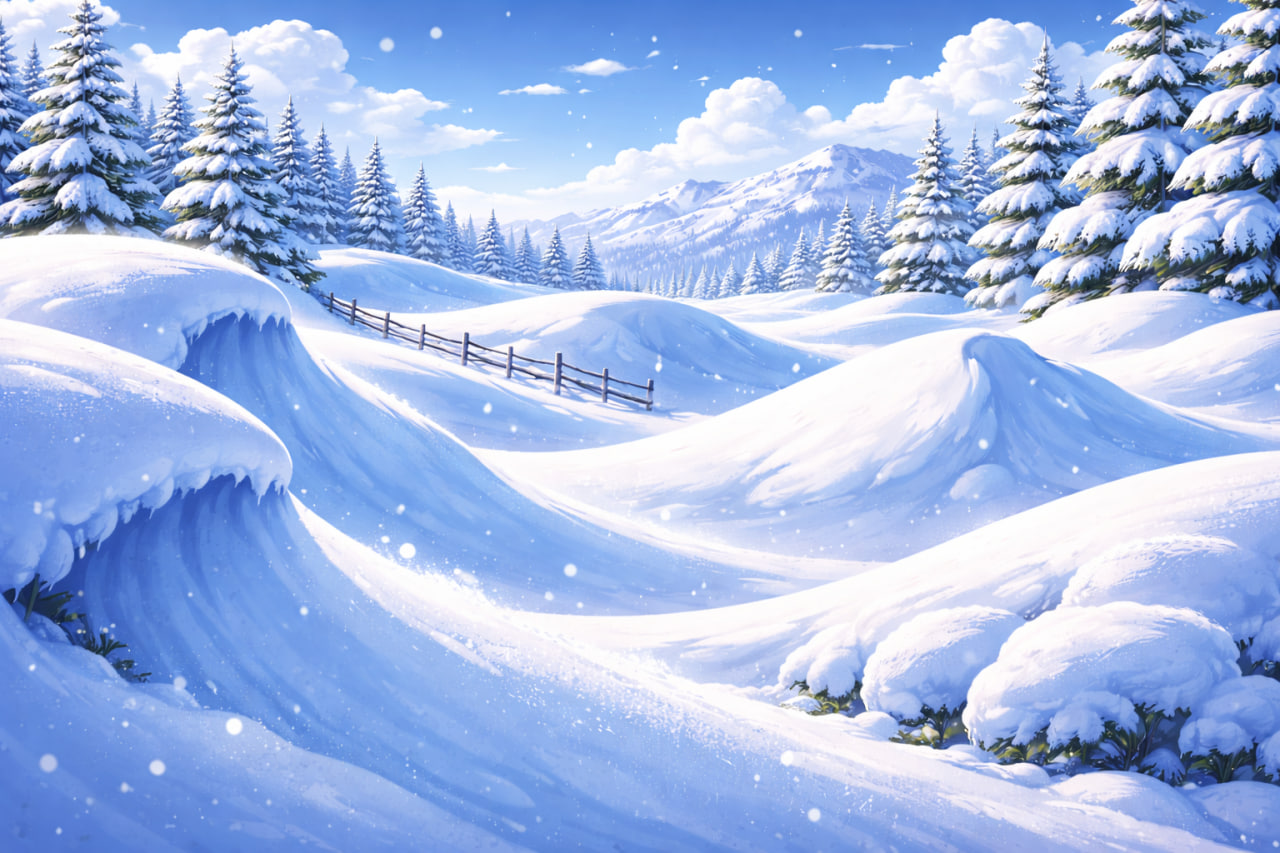
Snowdrifts are one of the most recognizable and visually striking features of winter landscapes, formed not simply by snowfall, but by the complex interaction between snow, wind, terrain, and...
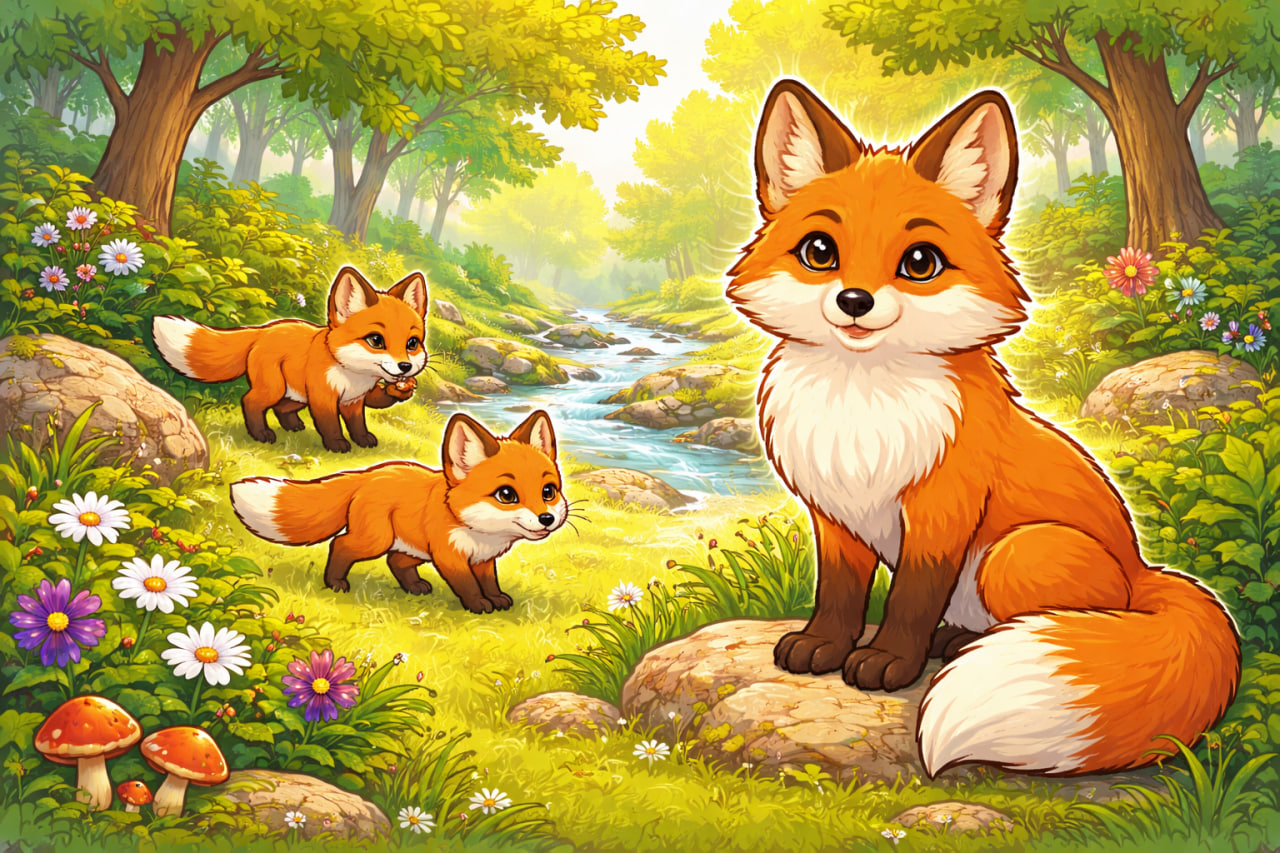
Foxes are among the most widespread and adaptable mammals on the planet, inhabiting environments ranging from frozen tundra to dense forests and even large cities.
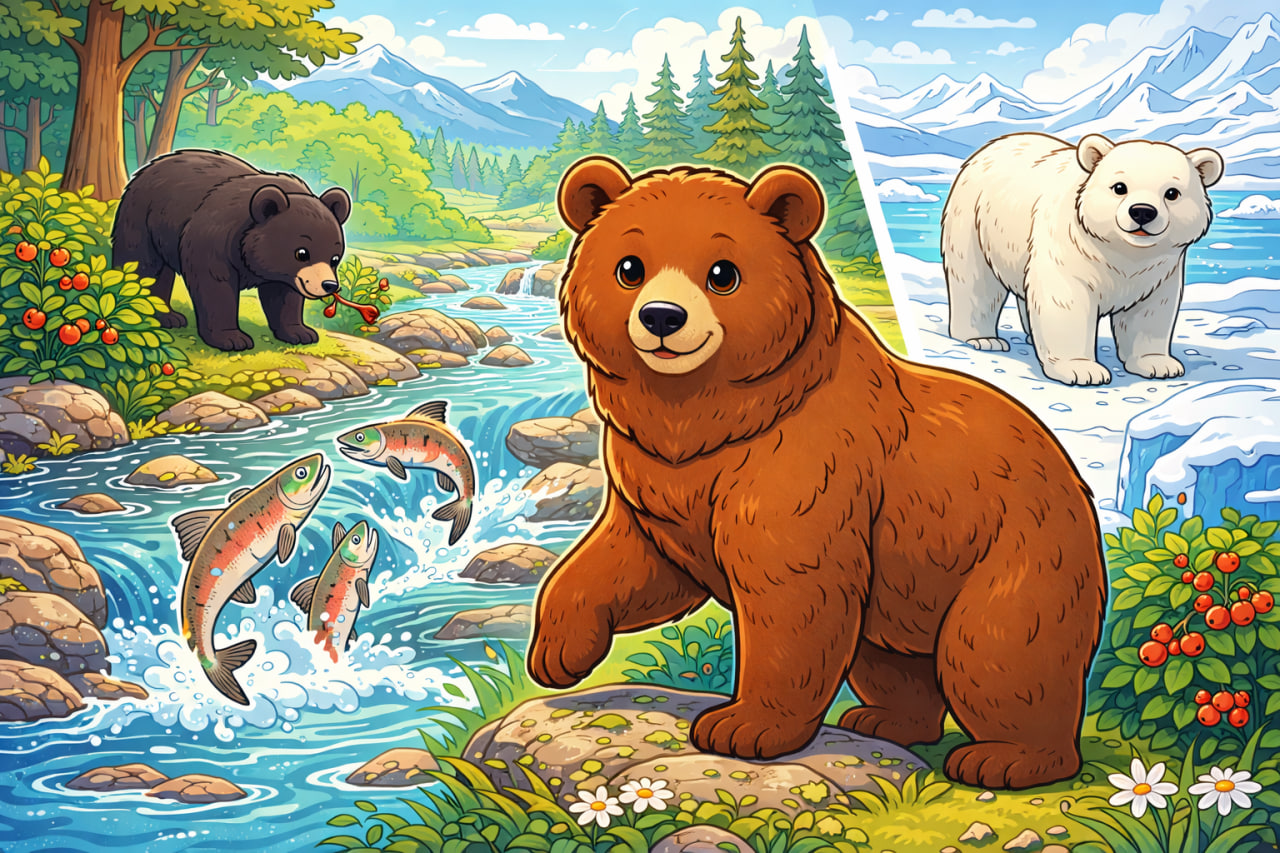
Bears are among the most impressive land mammals on Earth, combining immense physical strength with surprising intelligence and adaptability.

The idea that human words, emotions, and intentions can influence nature has fascinated researchers, philosophers, and spiritual traditions for centuries.
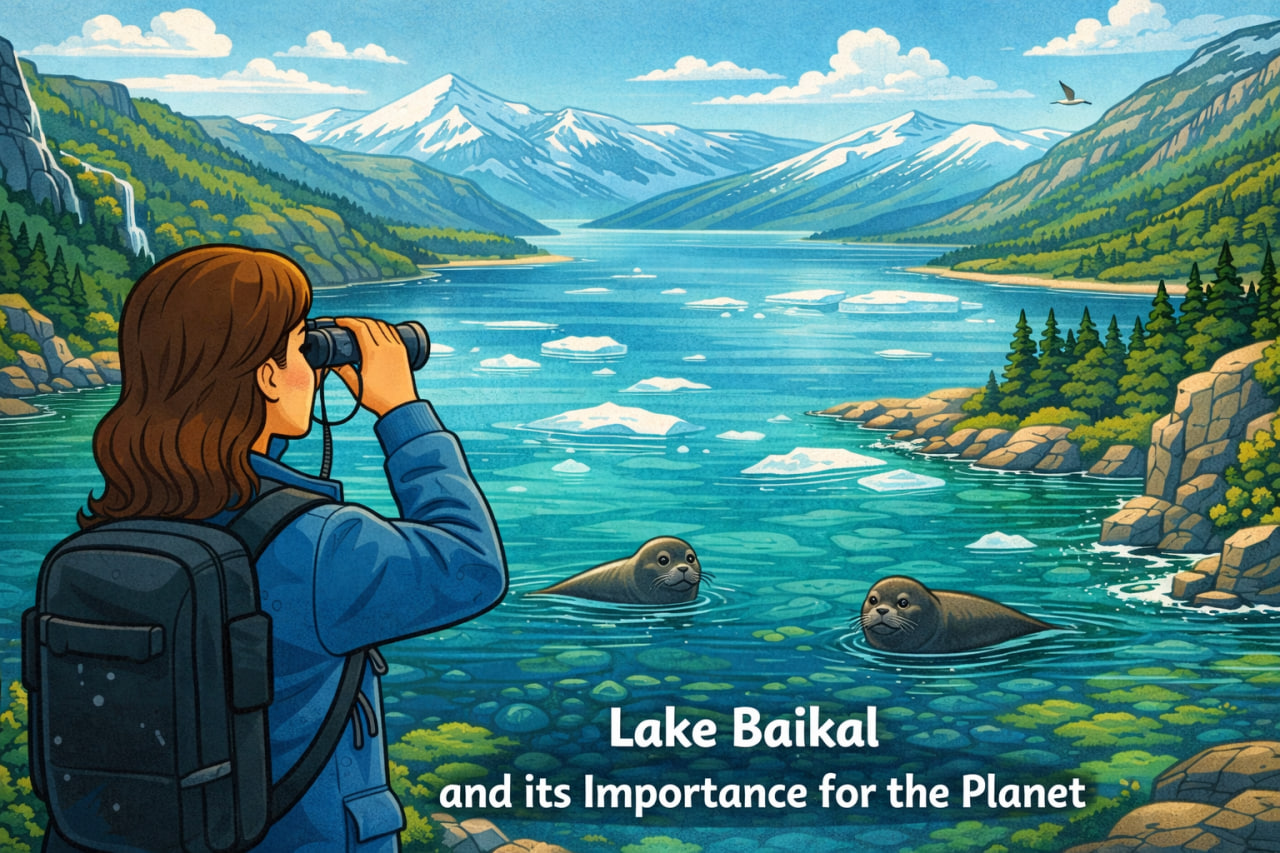
Lake Baikal is far more than a natural landmark of Siberia; it is one of the most important freshwater ecosystems on Earth.
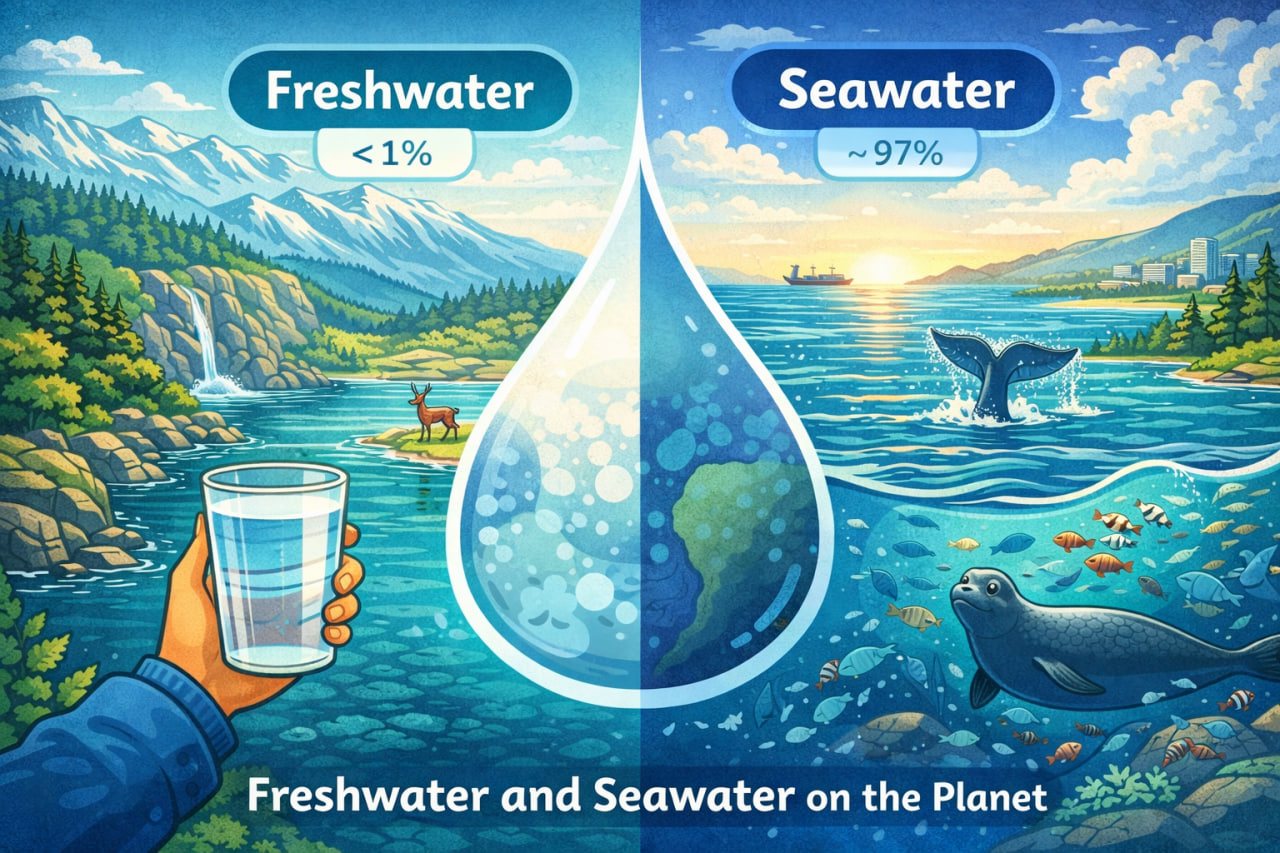
Water covers most of Earth’s surface, yet not all water is equally available or suitable for life and human use.
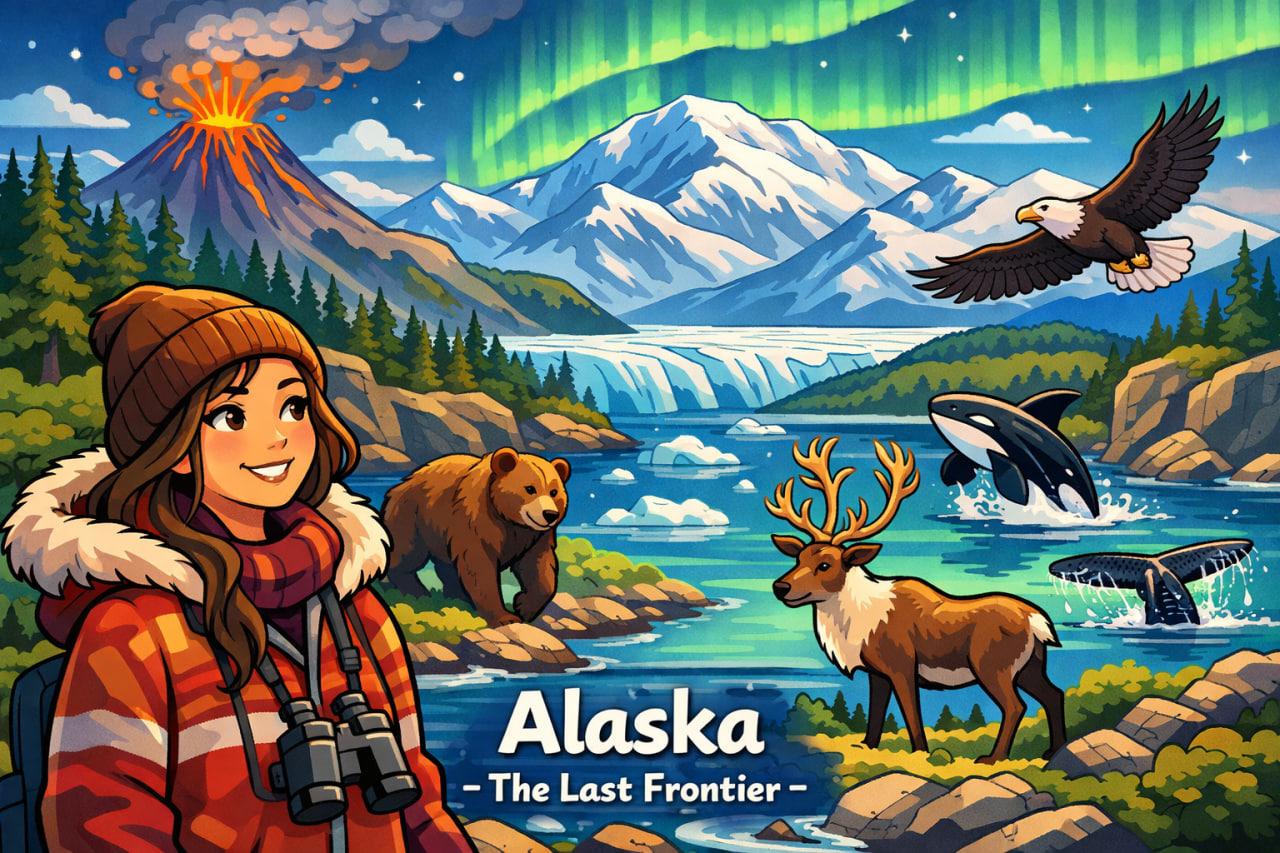
Alaska is one of the most extraordinary regions on Earth, known for its vast landscapes, extreme climates, and powerful natural forces.

The Mediterranean Sea is often seen as a familiar and well-mapped body of water, yet its history reaches back hundreds of millions of years into Earth’s deep past.