
The Volga River: History, Nature, and Cultural Significance
The Volga River, often called the “mother river” of Russia, is the longest river in Europe and one of the most influential waterways in human history.
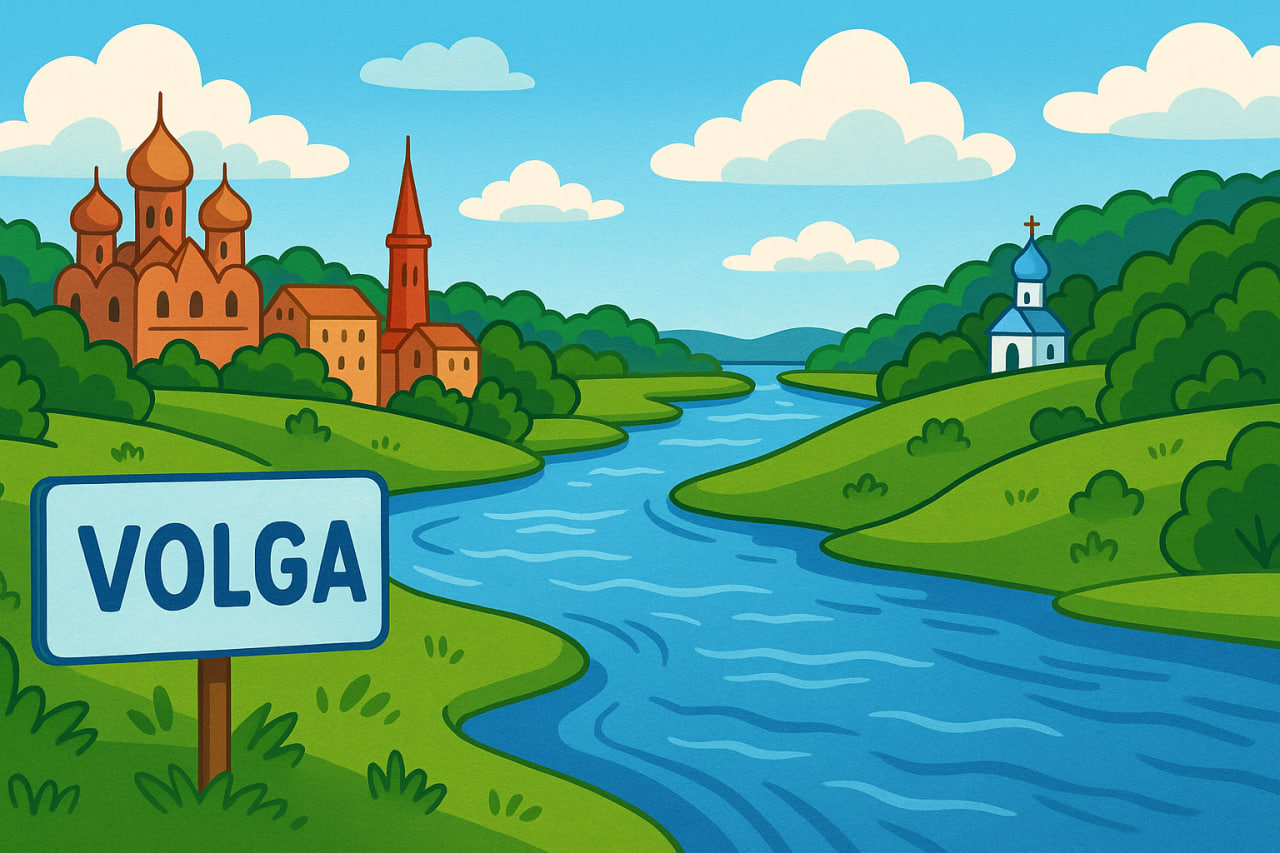
The Volga River, often called the “mother river” of Russia, is the longest river in Europe and one of the most influential waterways in human history.

Winter is a season of striking contrasts, shaping landscapes, ecosystems, and human behavior in profound ways.
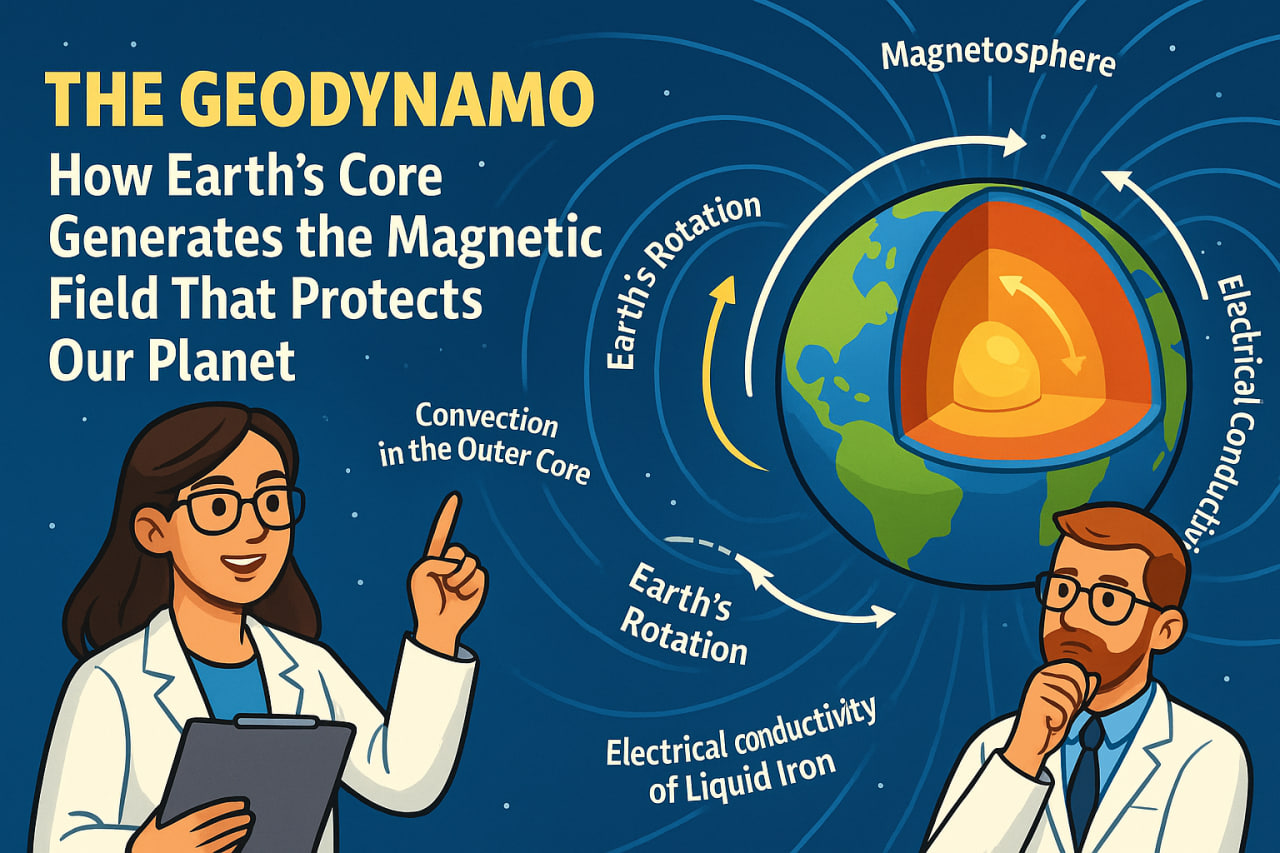
Earth’s magnetic field is one of the most important features of our planet — a protective shield that deflects harmful solar radiation, preserves our atmosphere, and enables life to thrive on...
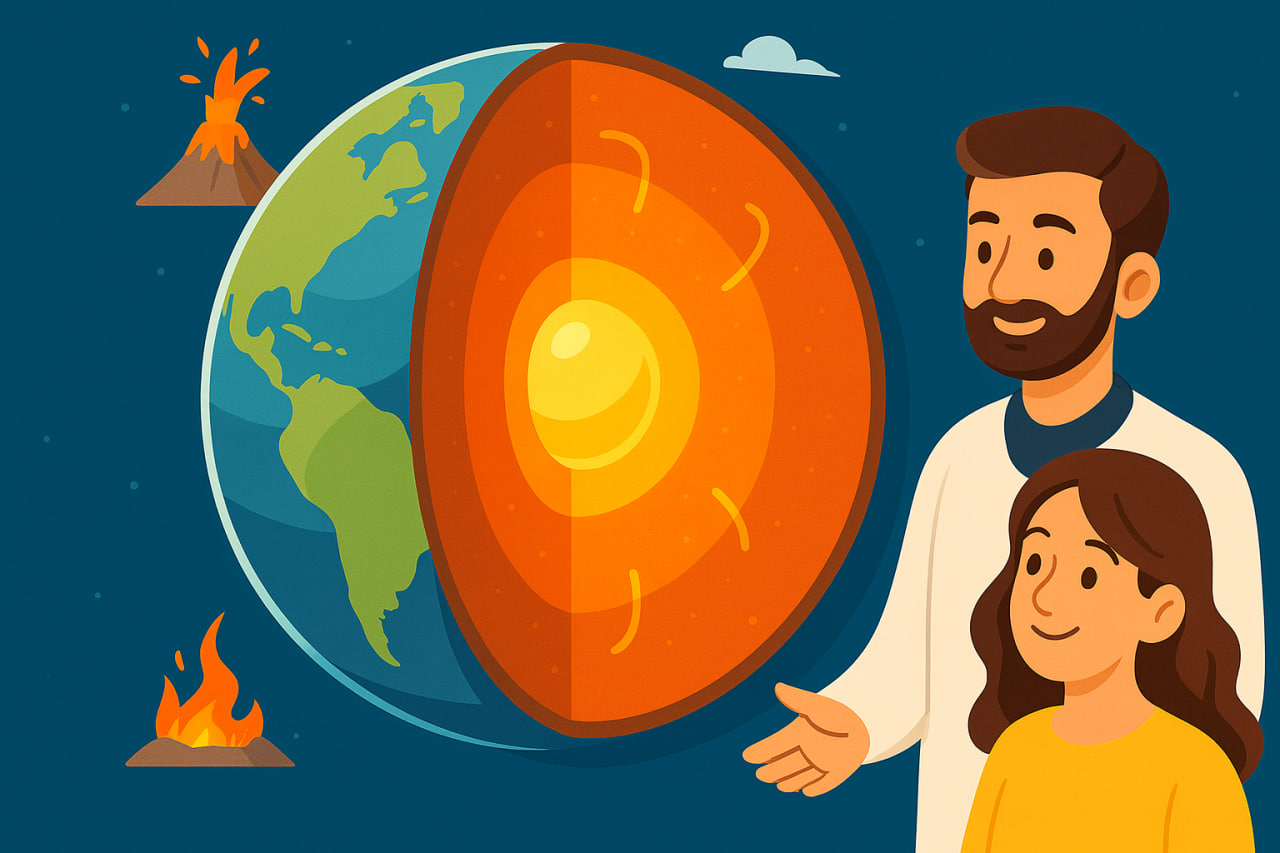
The interior of Earth is a dynamic, multilayered system filled with immense heat, pressure, and constant geological activity.
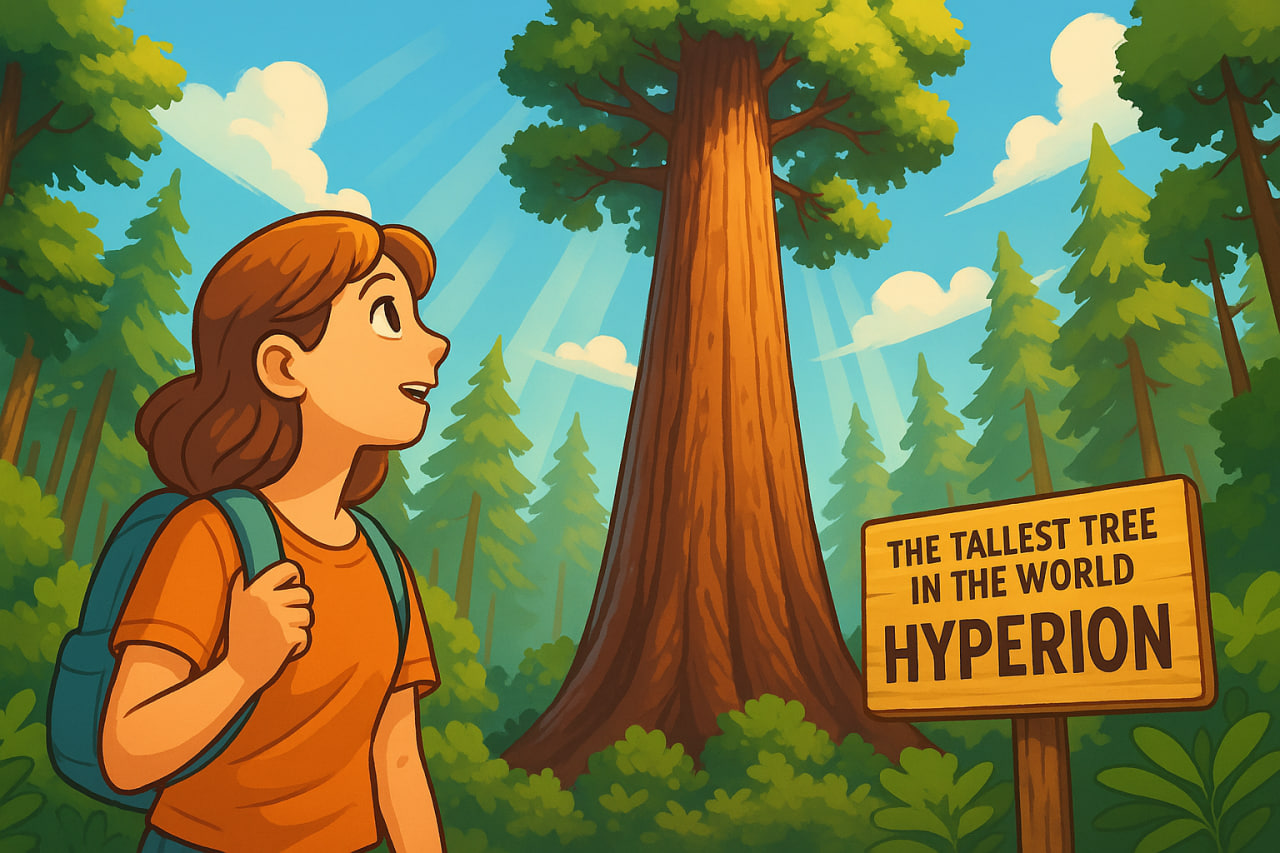
The tallest tree on Earth is a coast redwood (Sequoia sempervirens) named Hyperion, discovered in 2006 in a remote area of Redwood National Park in California.
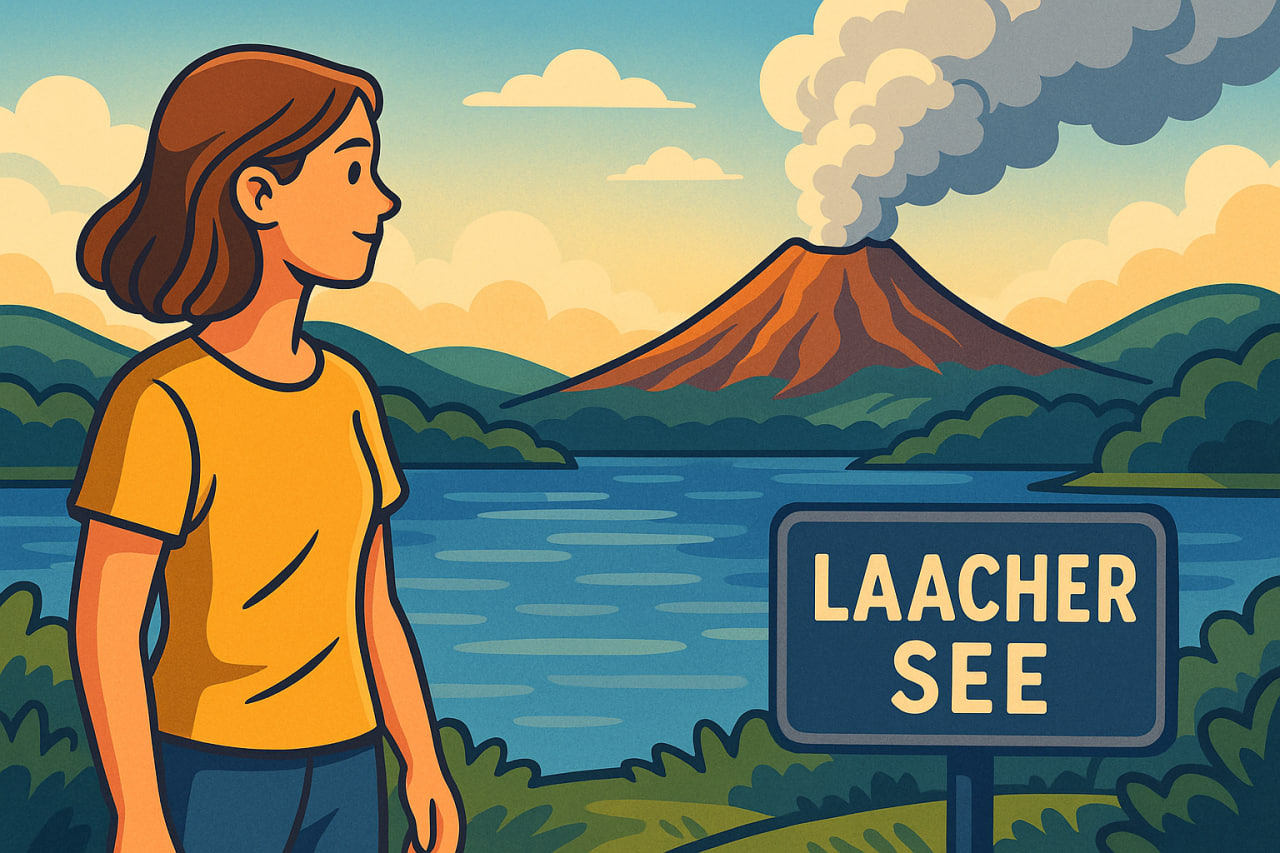
Laacher See, located in the Eifel region of western Germany, is one of Europe’s most fascinating volcanic lakes — and the site of a powerful eruption that occurred around 13,000 years ago.
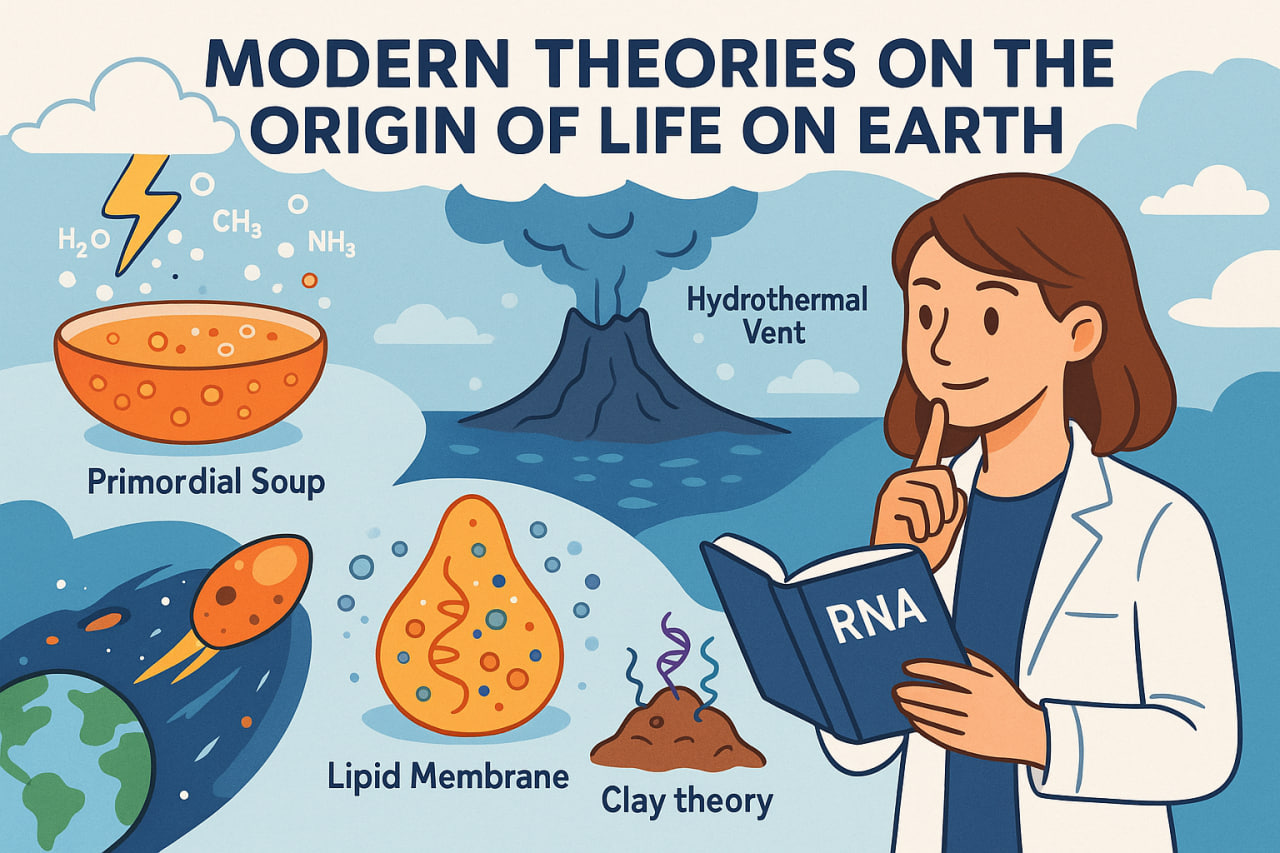
The origin of life on Earth remains one of the most profound and fascinating scientific questions of all time.
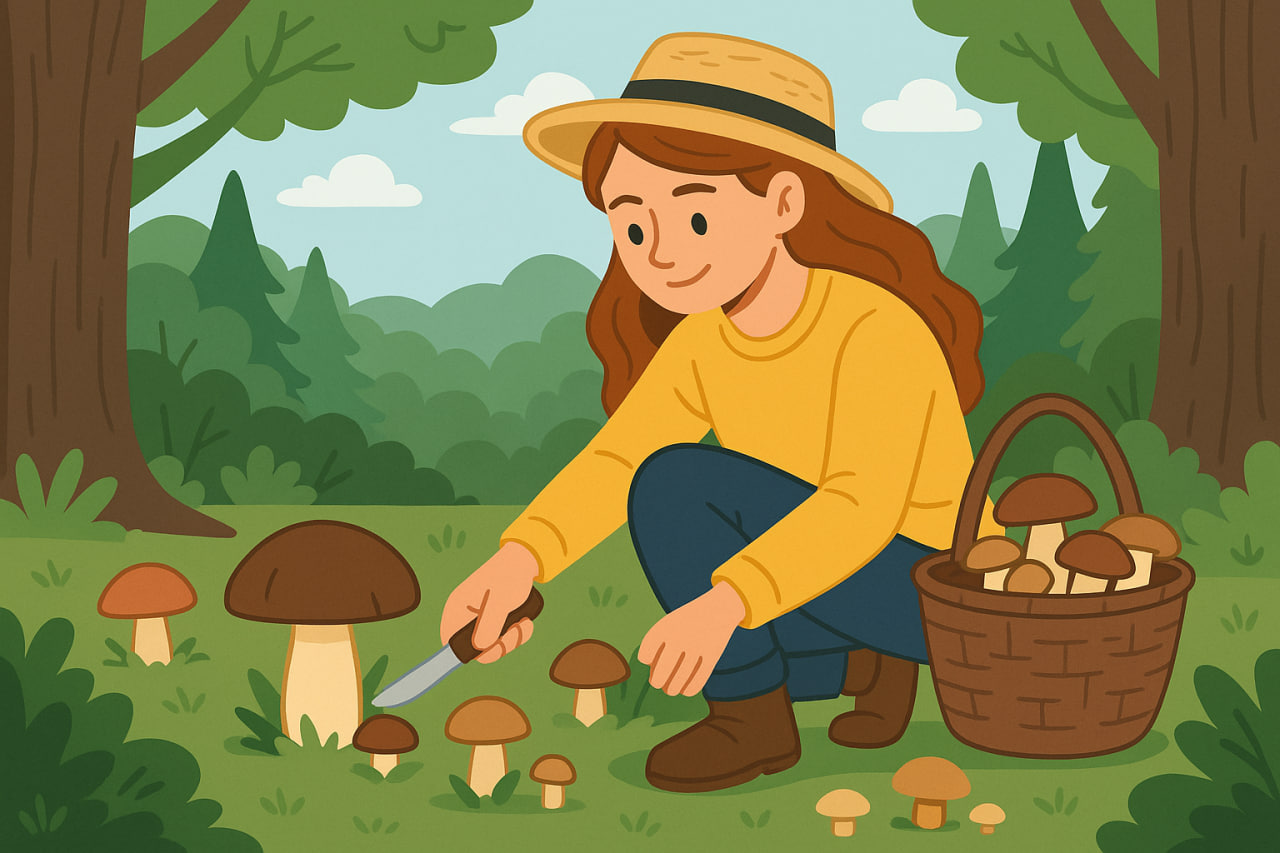
Harvesting mushrooms is a rewarding outdoor activity that combines nature exploration, knowledge of forest ecosystems, and careful identification skills.
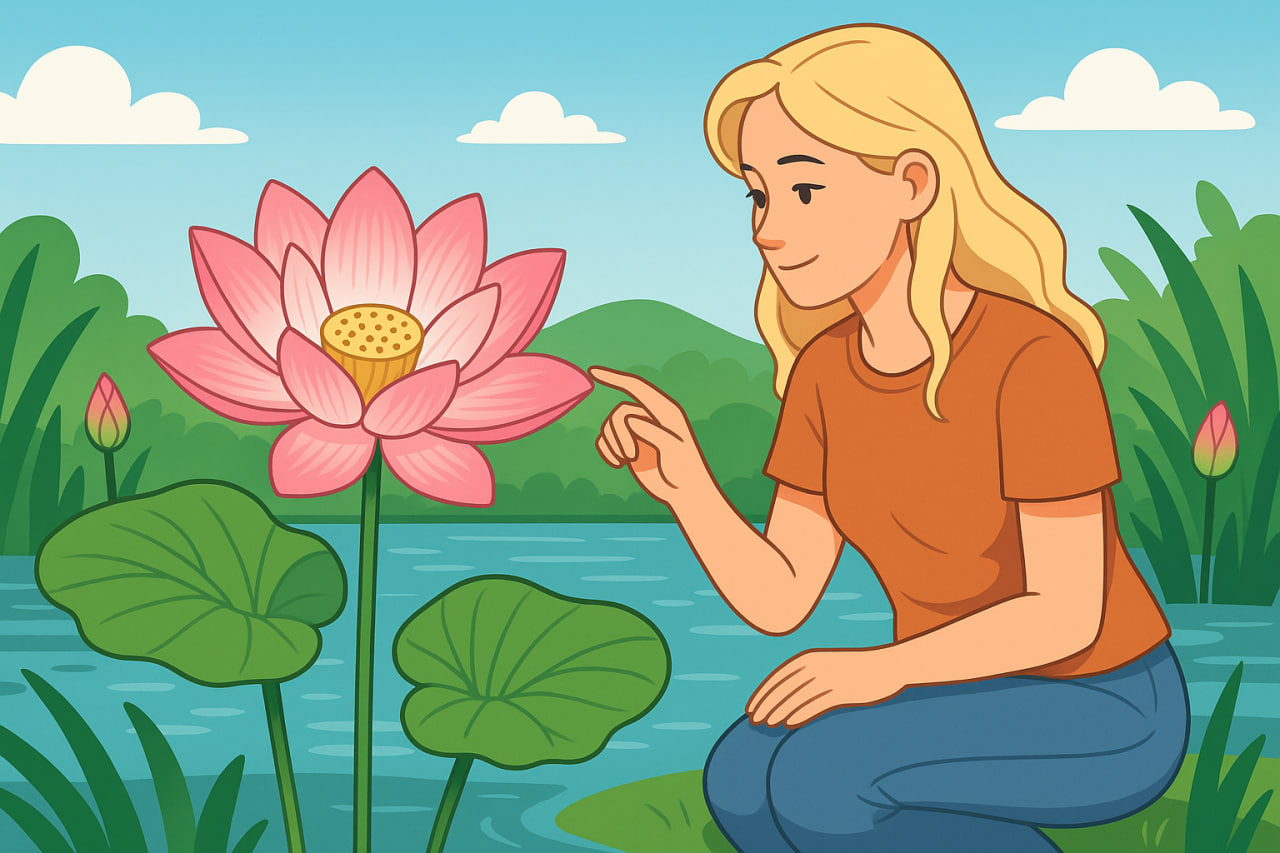
The lotus flower is one of the most admired and symbolically rich plants in the world, known for its beauty, resilience, and deep cultural significance.
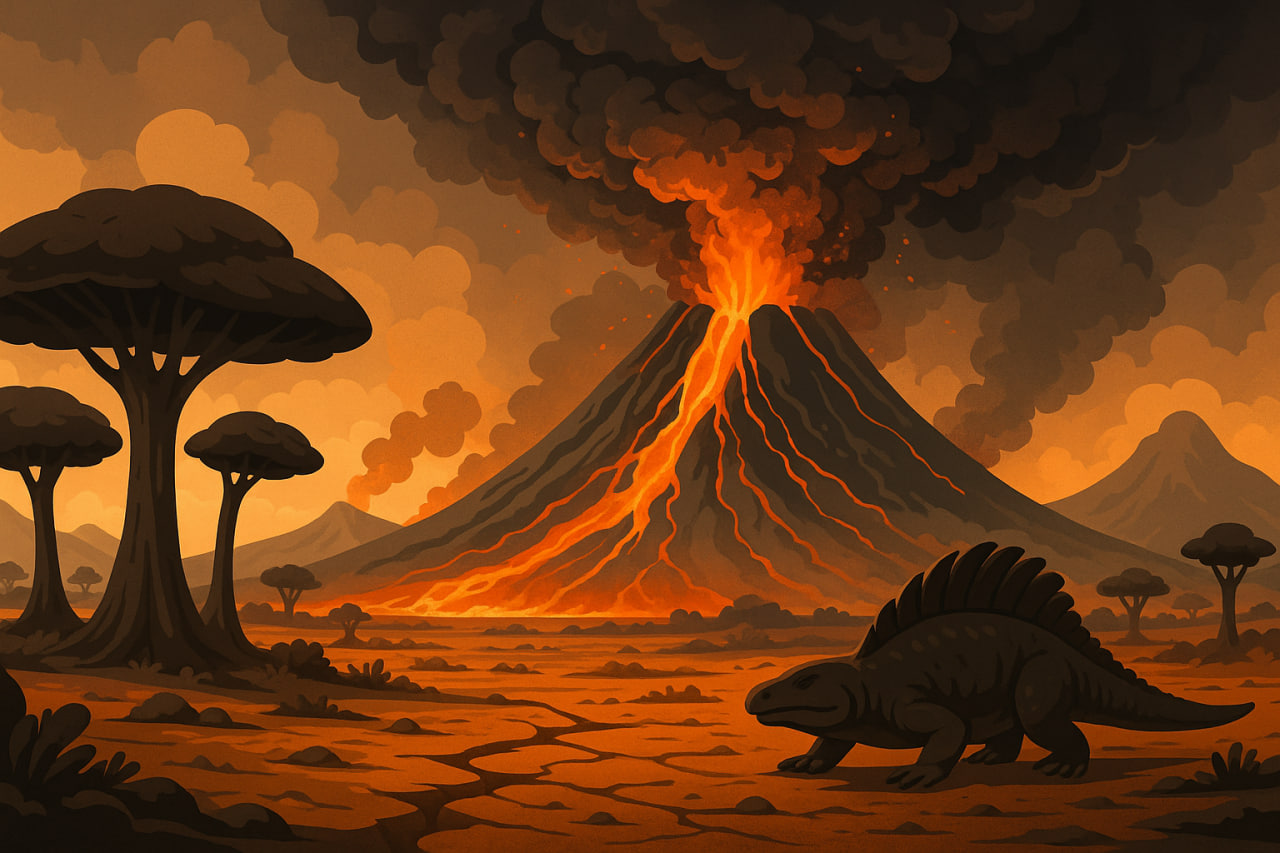
The Permian anomaly refers to a dramatic and still not fully understood period of geological and biological upheaval that occurred near the end of the Permian period, roughly 252 million...