
Bears: Biology, Behavior, and Their Role in Natural Ecosystems
Bears are among the most recognizable mammals on Earth, known for their strength, intelligence, and adaptability across diverse habitats.

Bears are among the most recognizable mammals on Earth, known for their strength, intelligence, and adaptability across diverse habitats.
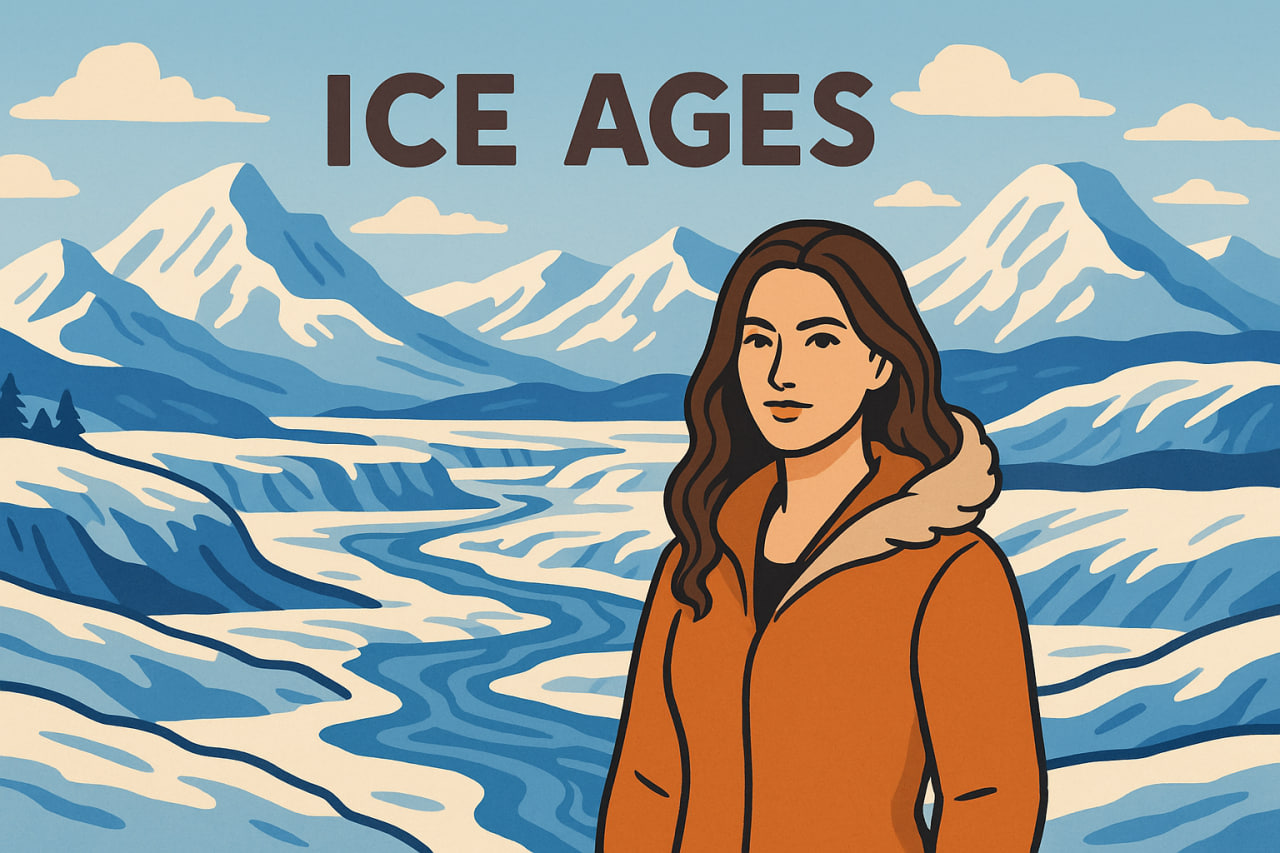
Earth’s ice ages, also known as glacial periods, are long intervals in which global temperatures drop significantly, allowing massive ice sheets to expand across continents.
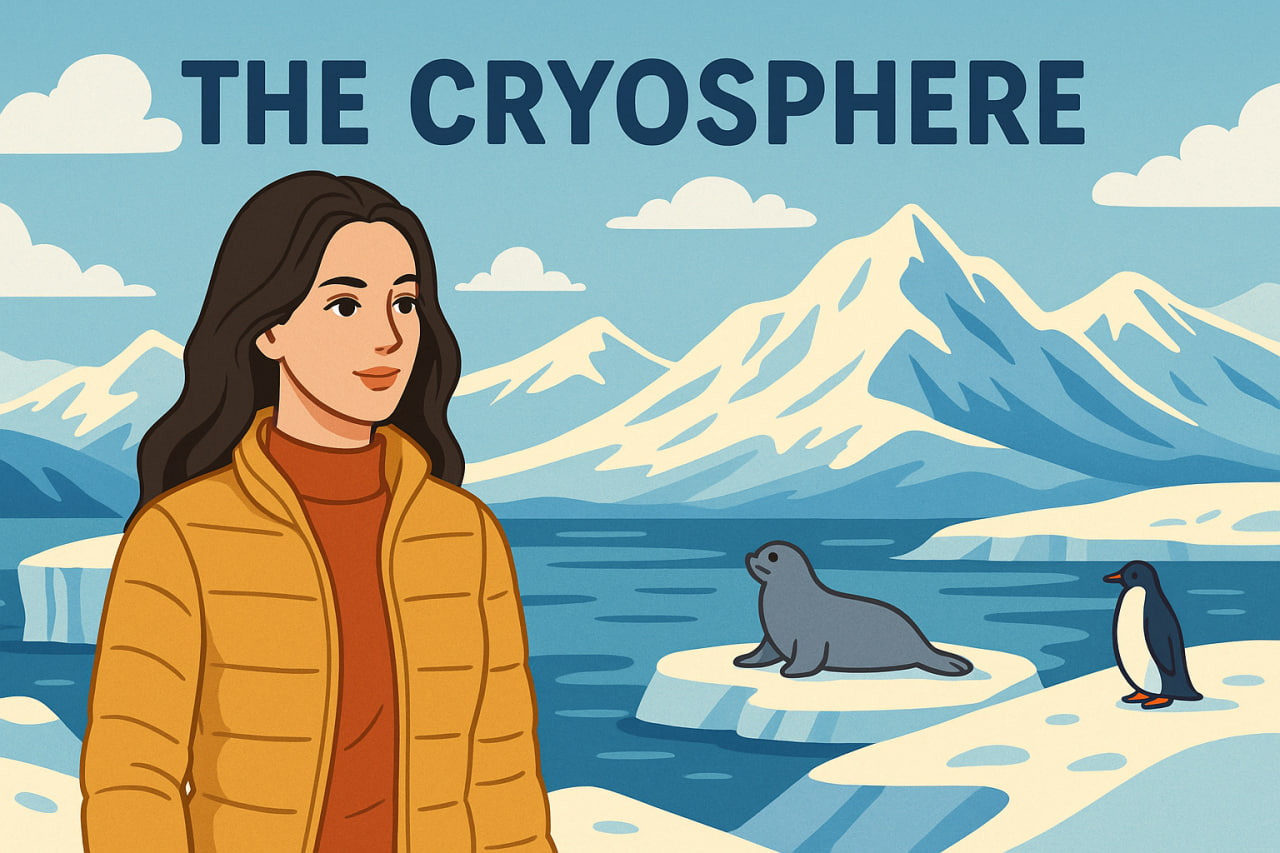
The cryosphere refers to all of Earth’s frozen water, including glaciers, ice caps, sea ice, snow cover, permafrost, and frozen lakes and rivers.

Green algal snow is a striking natural phenomenon observed in cold, snowy regions where microscopic algae grow directly on the snow’s surface.
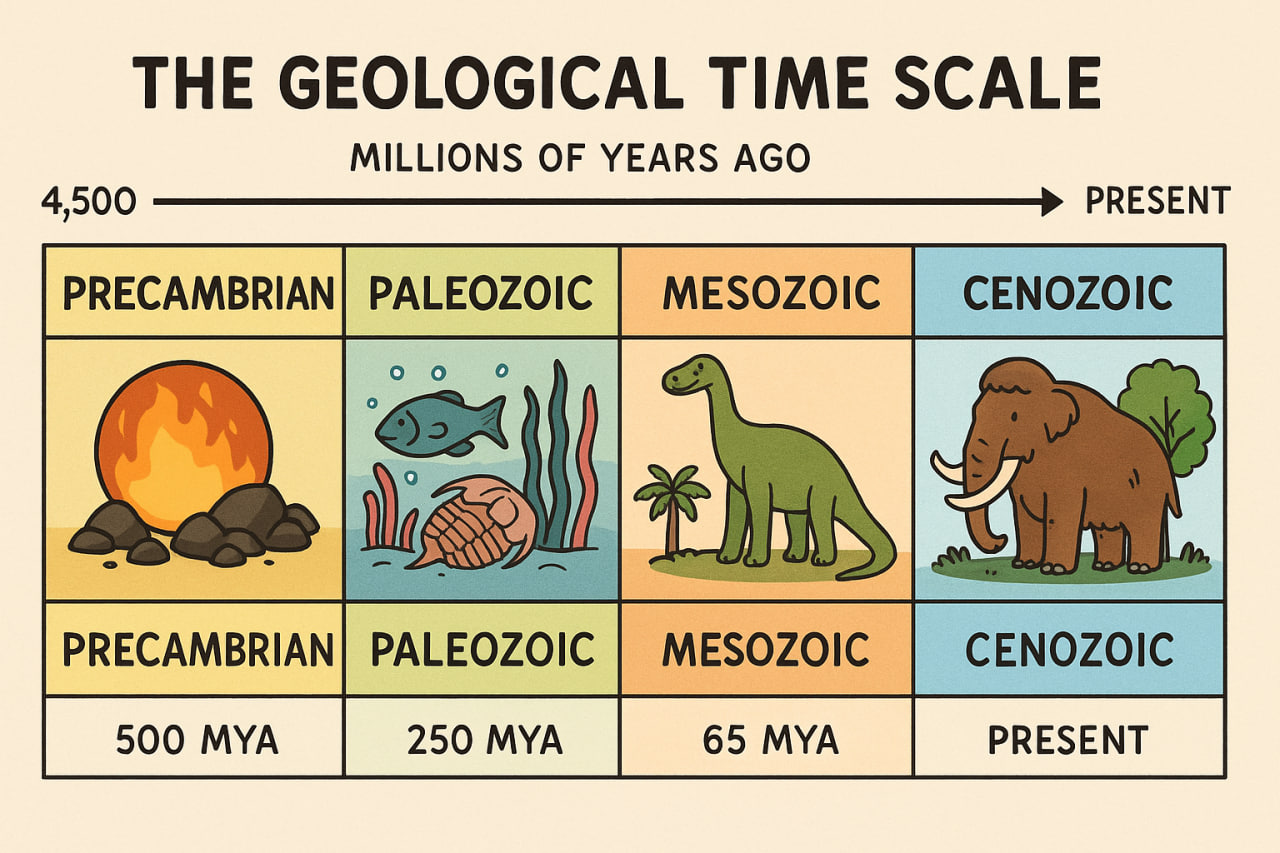
After its formation about 4.54 billion years ago, Earth went through several dramatic geological stages that transformed it from a molten sphere into the vibrant, life-sustaining planet we...
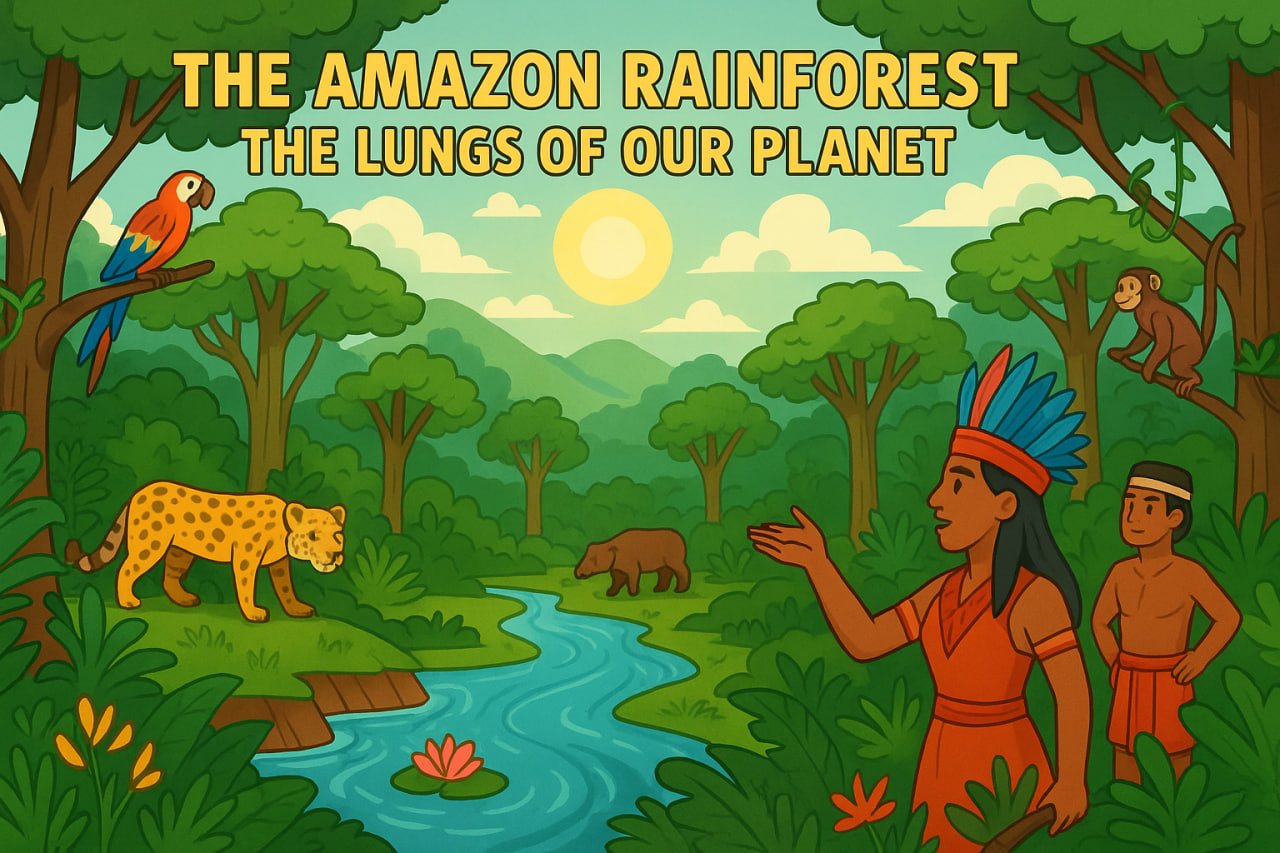
The Amazon Rainforest, stretching across nine South American countries, is the largest tropical rainforest on Earth — a living treasure of biodiversity and an essential regulator of the...
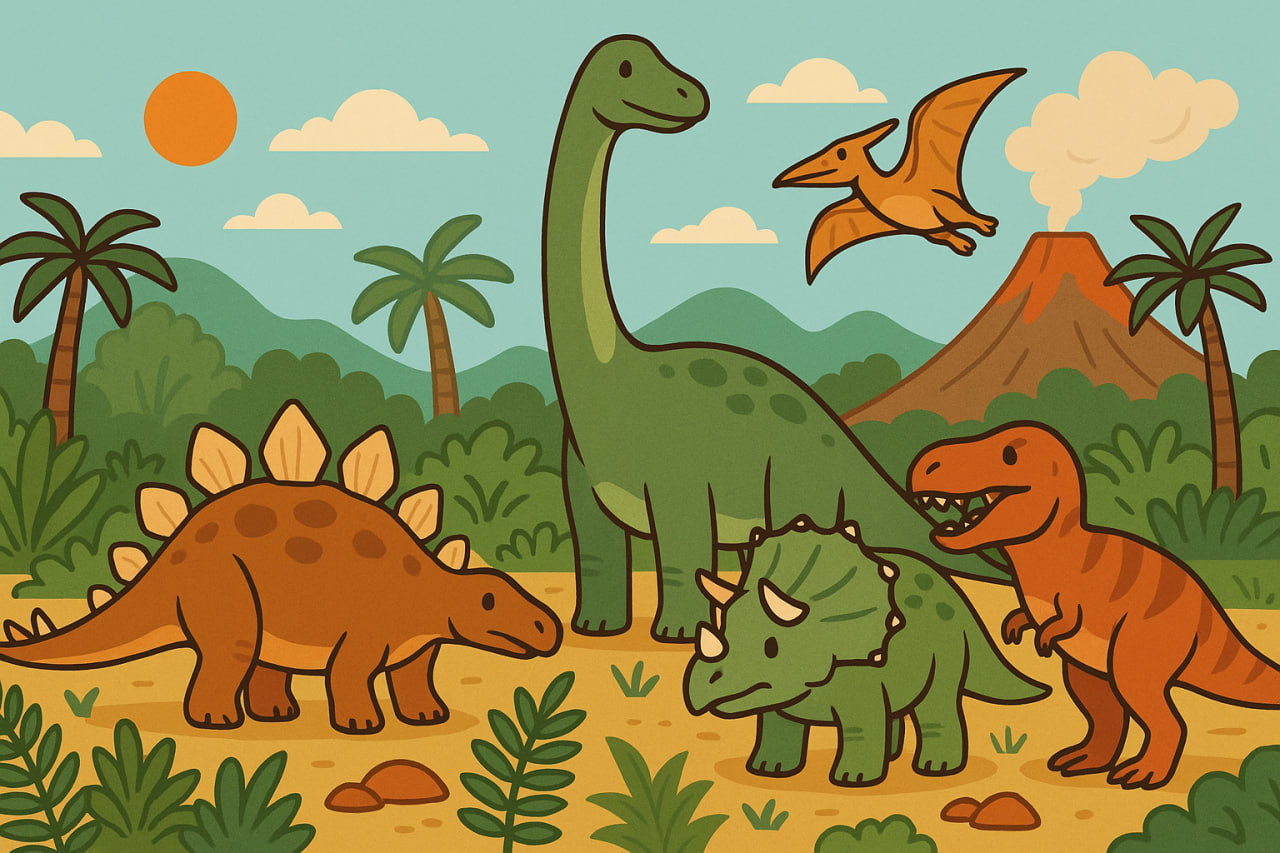
Long before humans appeared, Earth belonged to the dinosaurs — magnificent creatures that dominated land, sea, and sky for over 165 million years.
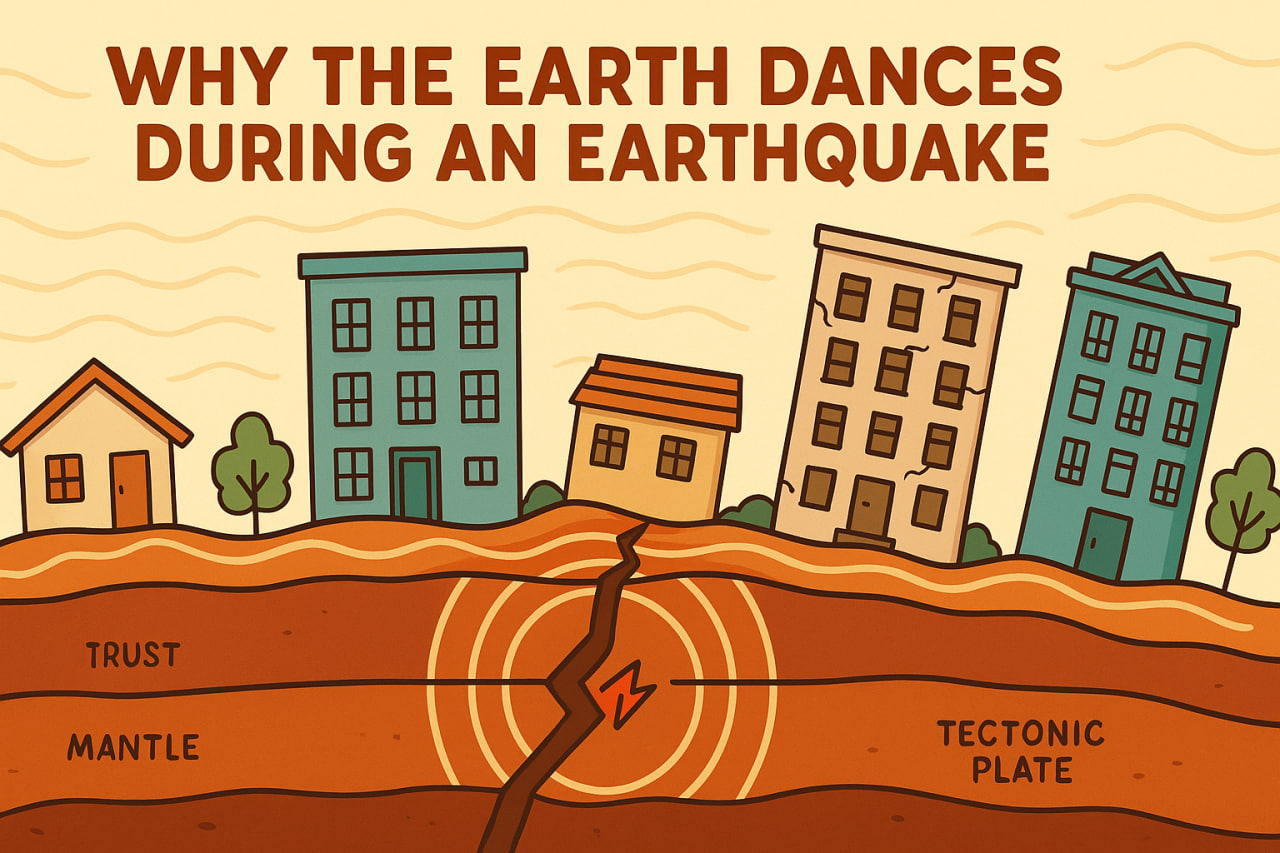
When an earthquake strikes, the ground beneath our feet can appear to move, ripple, and even dance. Streets twist, buildings sway, and the solid earth seems suddenly fluid.
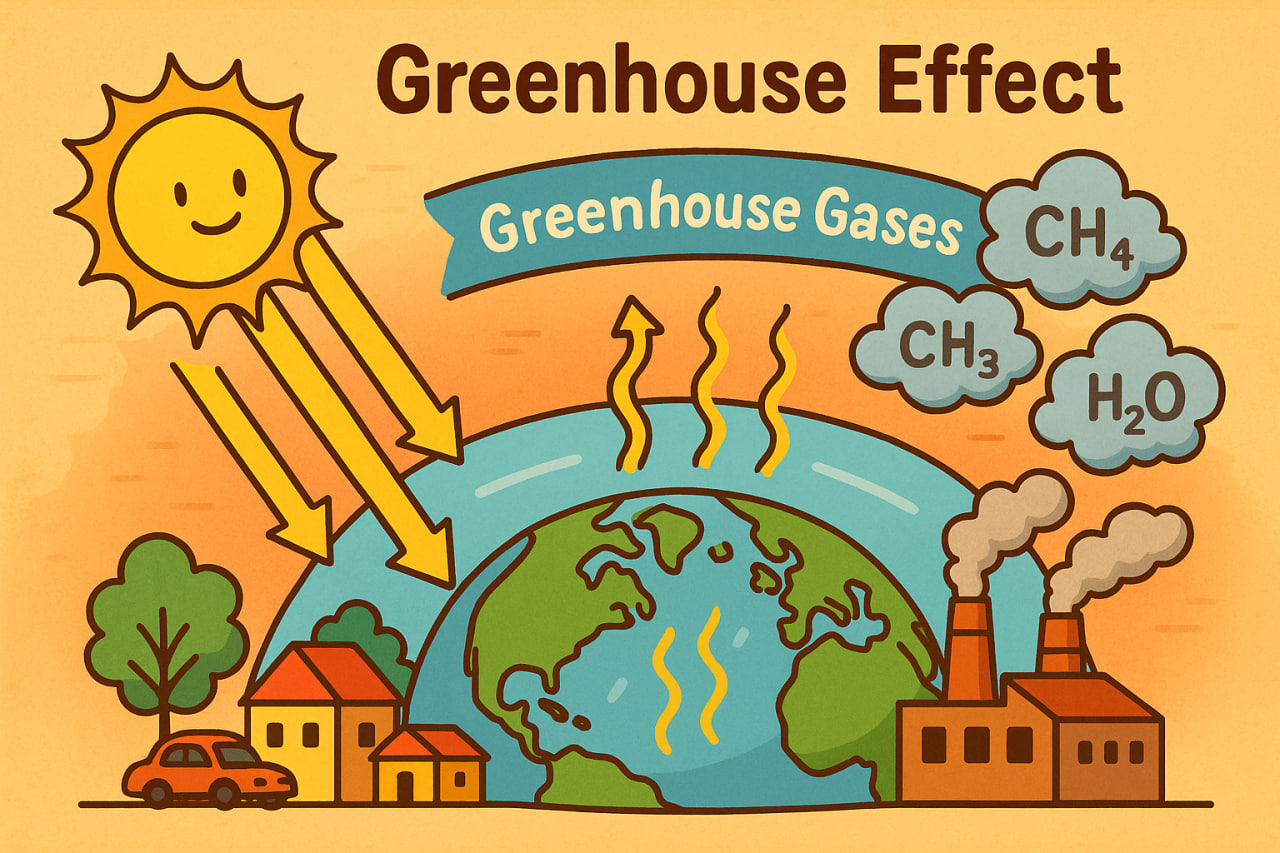
The greenhouse effect is a natural atmospheric process that helps regulate the Earth’s surface temperature and maintain conditions suitable for life.

Corals are marine organisms that form some of the most biodiverse and visually stunning ecosystems on Earth: coral reefs.