
Why Animals Hibernate: Survival Through Seasonal Sleep
Hibernation is a fascinating survival strategy used by many animals to cope with harsh environmental conditions, particularly cold winters and food scarcity.
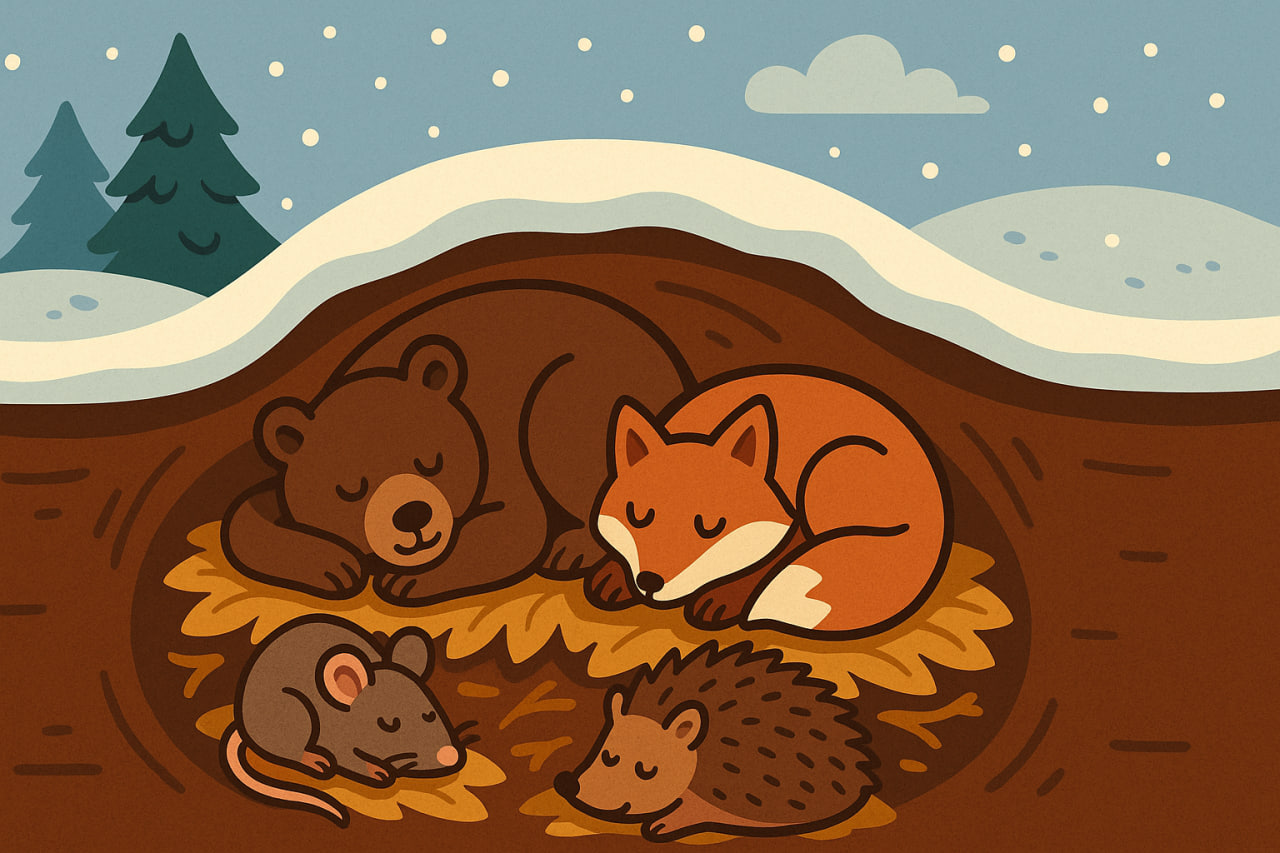
Hibernation is a fascinating survival strategy used by many animals to cope with harsh environmental conditions, particularly cold winters and food scarcity.
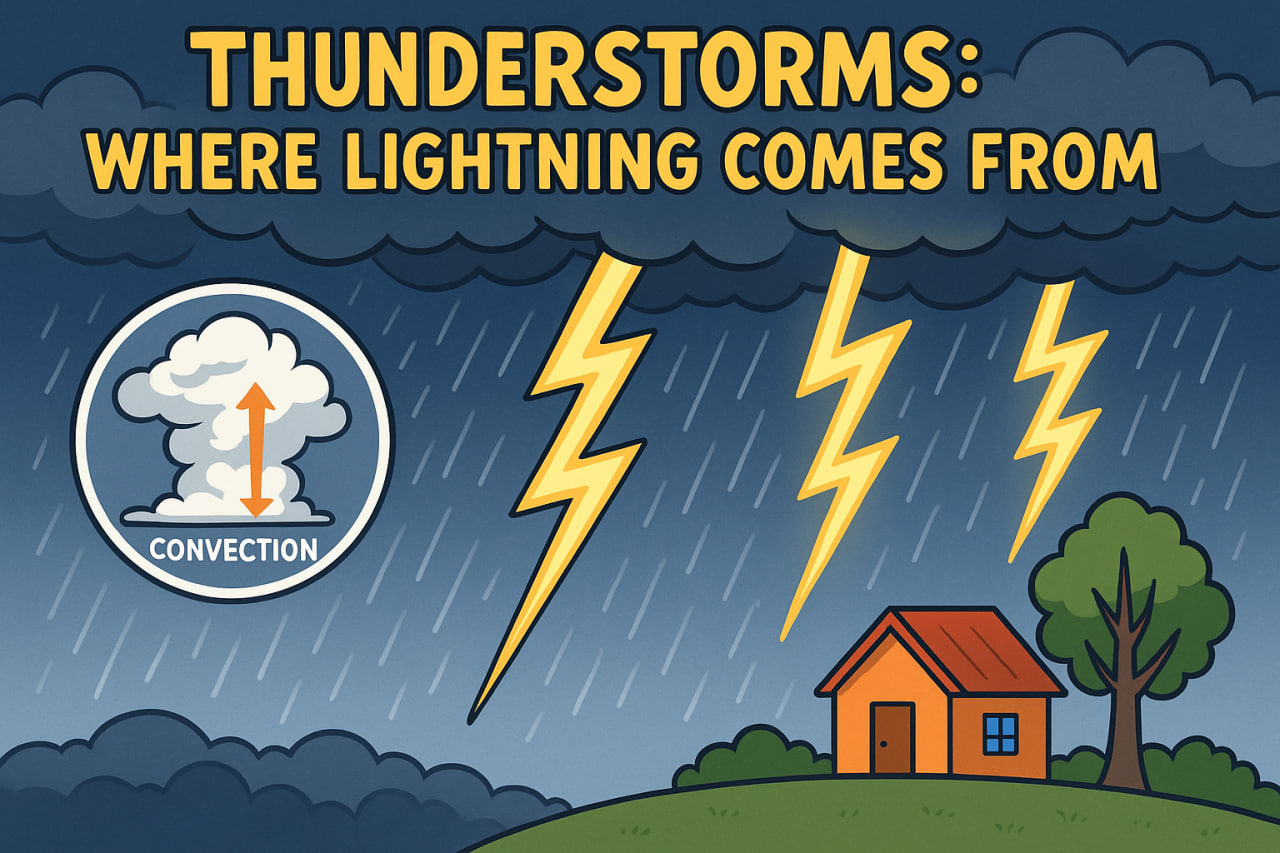
Thunderstorms are dramatic weather events that bring rain, wind, thunder, and lightning.
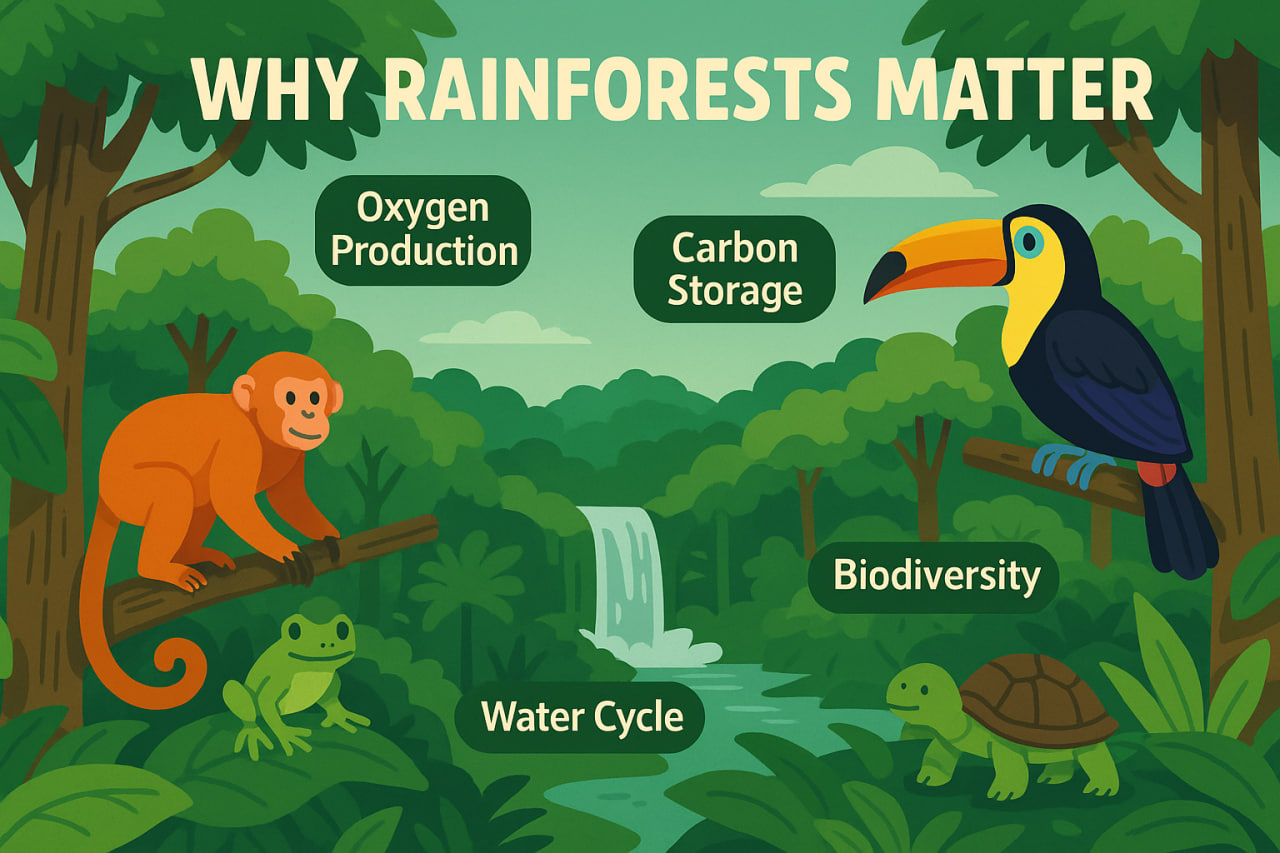
Rainforests are among the most vibrant and essential ecosystems on our planet. Although they cover only about 6% of Earth's surface, they support over half of all known species of plants and...
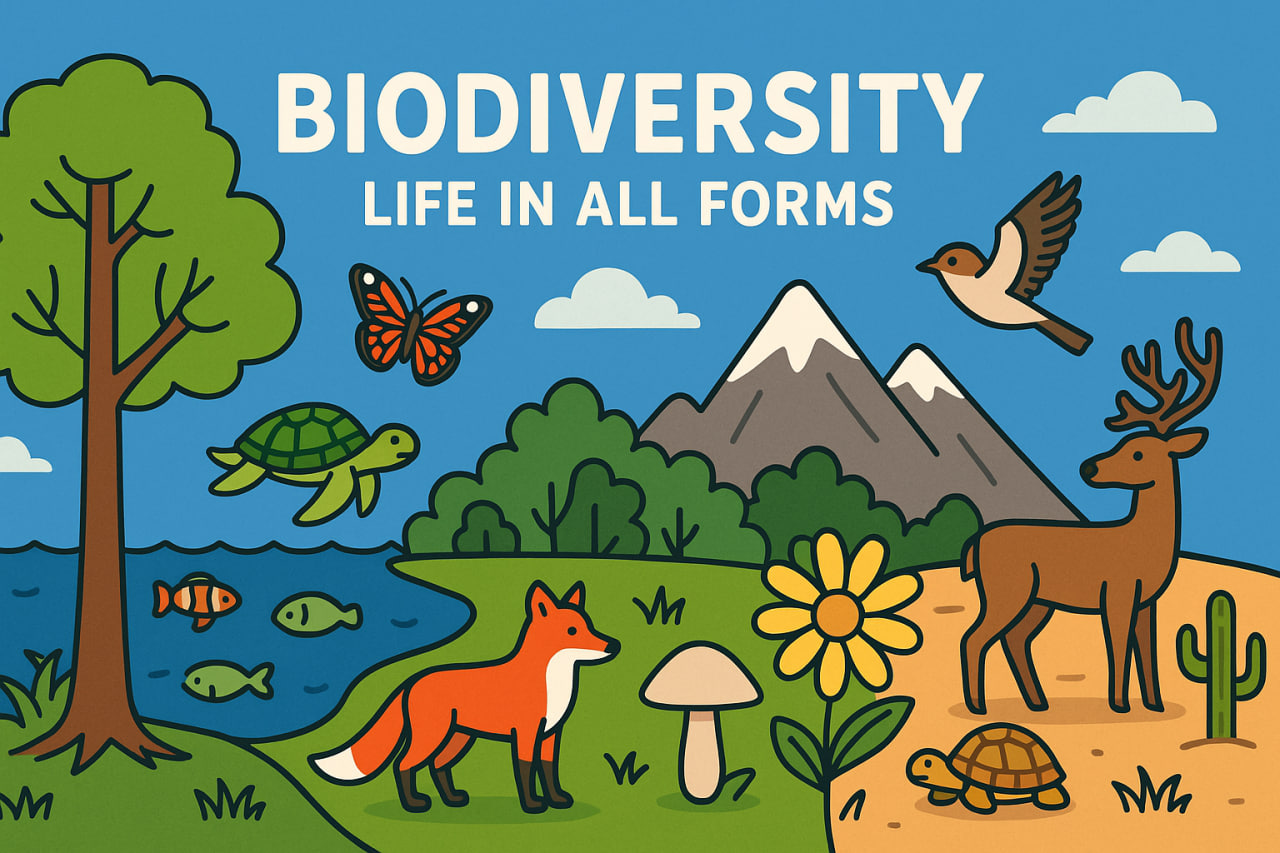
Biodiversity, or biological diversity, refers to the variety of life on Earth. It includes all plants, animals, fungi, and microorganisms, the ecosystems they form, and the genetic variation...
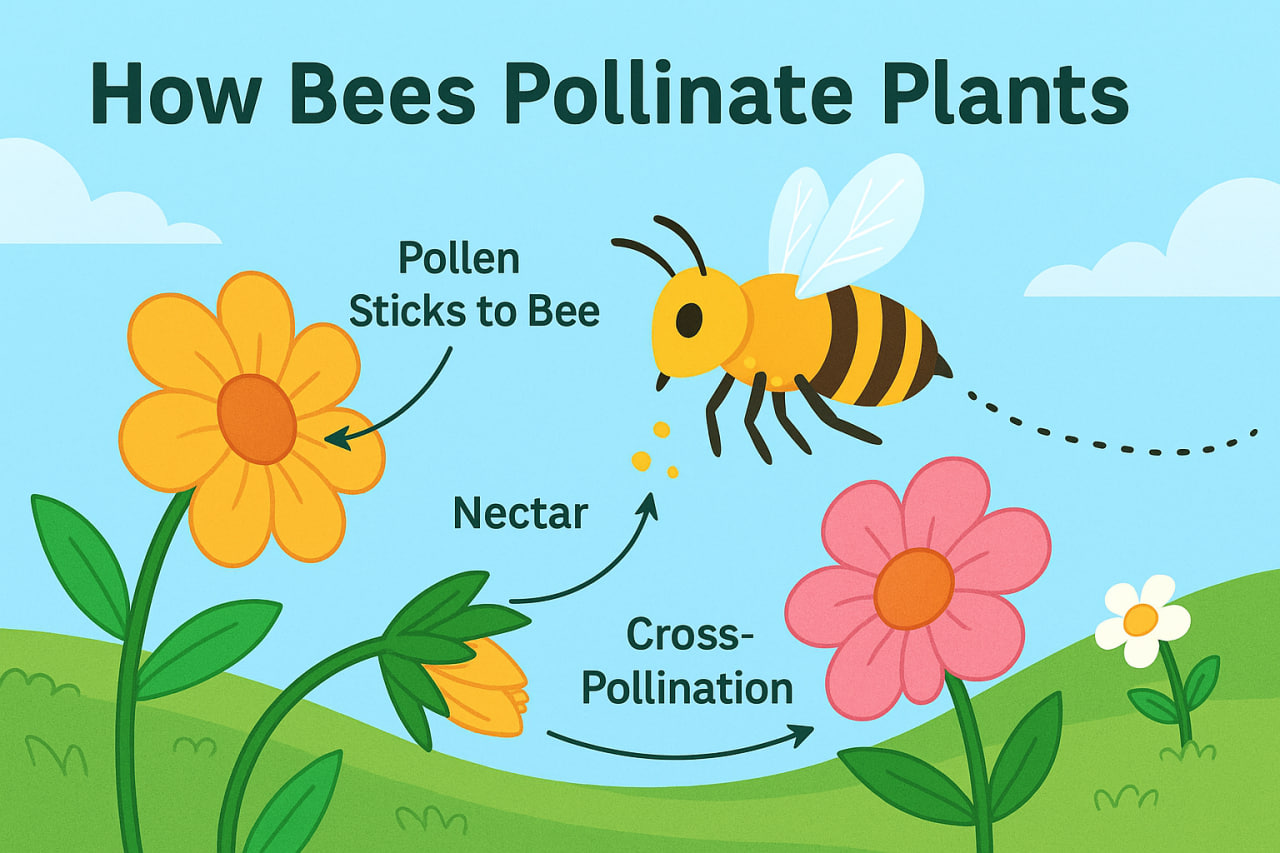
Bees are among the most effective and essential pollinators on Earth. Their ability to transfer pollen from flower to flower not only allows plants to reproduce, but also supports the...
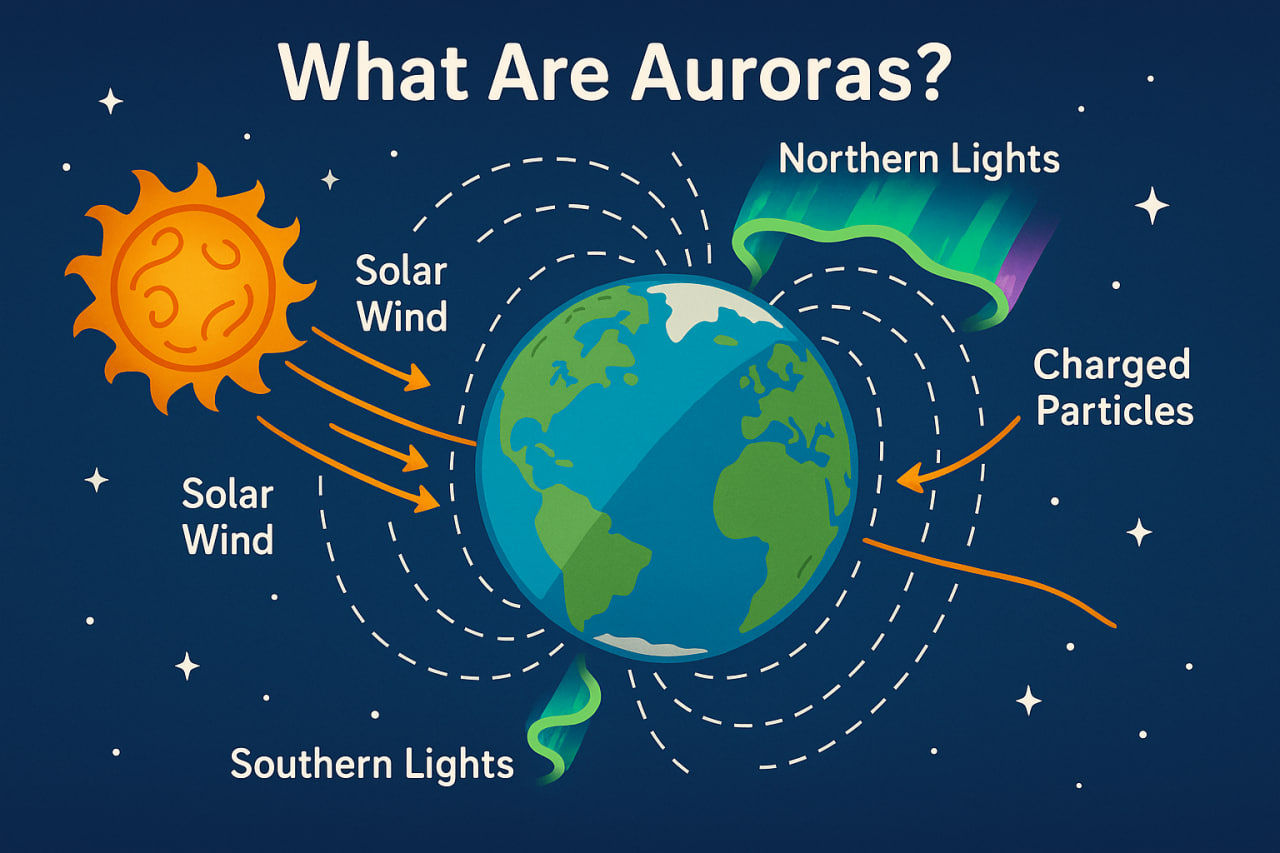
Polar auroras, also known as the Northern Lights (Aurora Borealis) and Southern Lights (Aurora Australis), are stunning light displays in the night sky near the poles.

Bird migration is one of nature’s most spectacular phenomena. Each year, billions of birds fly thousands of kilometers across continents and oceans.
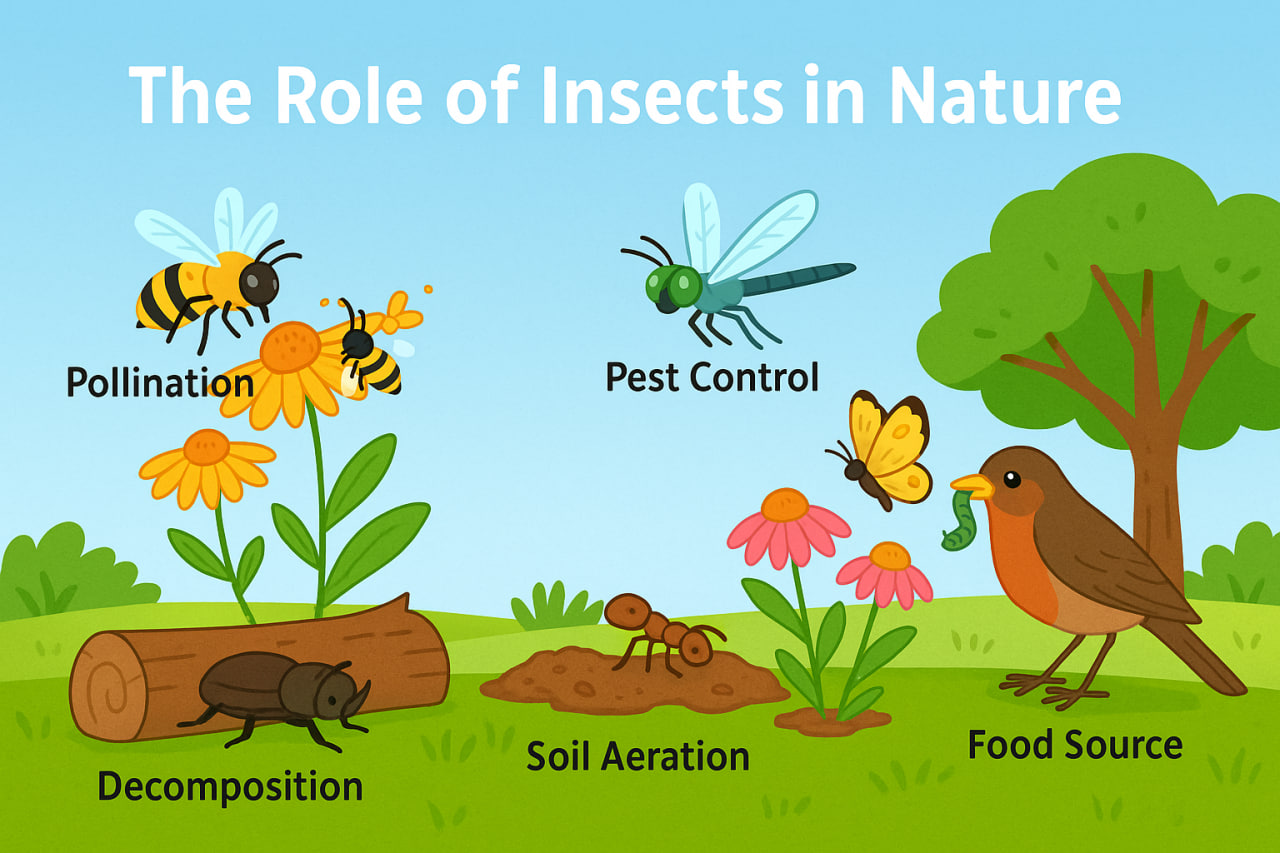
Insects may be small, but they are among the most important creatures on Earth. With over 5 million estimated species, insects play a crucial role in maintaining ecological balance.
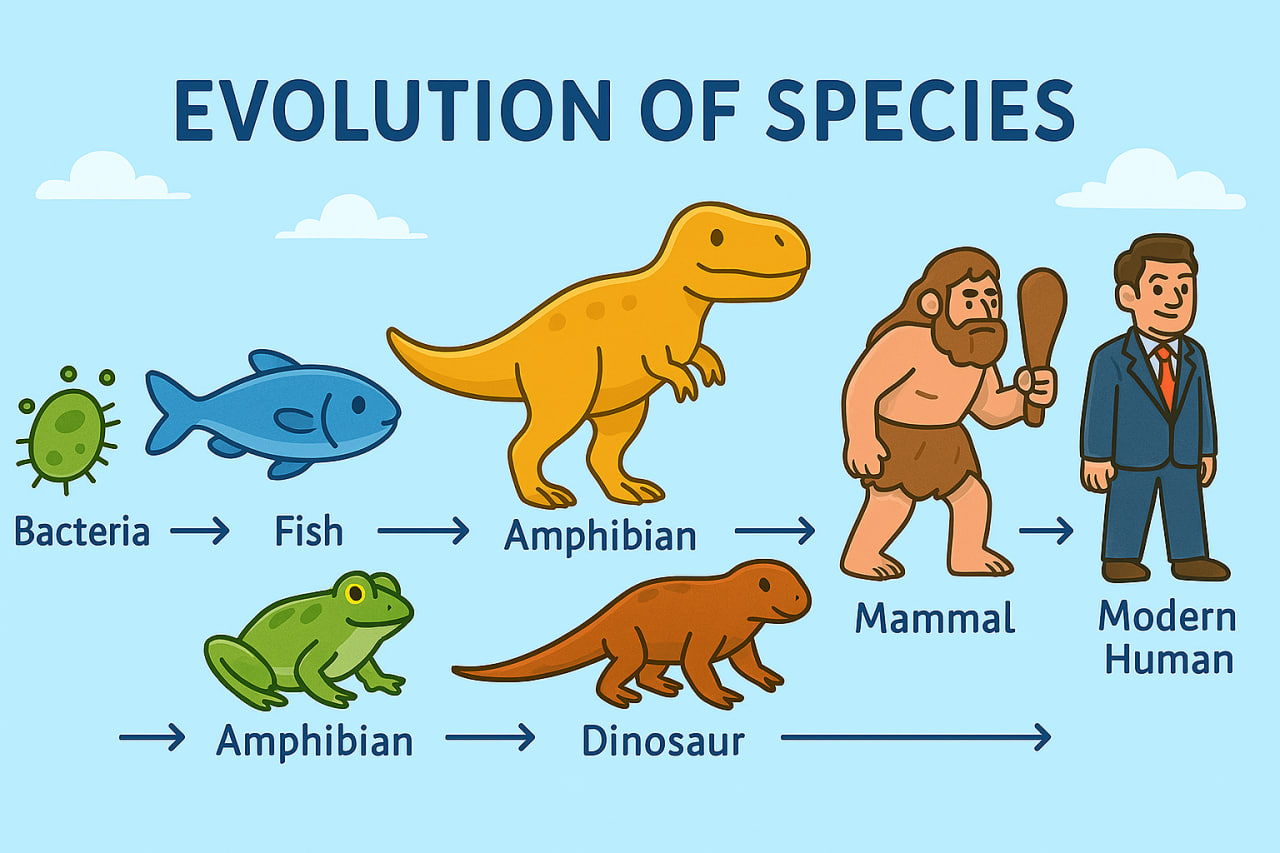
Life on Earth didn’t always look like it does today. Over billions of years, living organisms have undergone gradual, fascinating changes through a process called evolution.

Forests are among the most vital ecosystems on Earth. Covering about 31% of the planet’s land area, they provide food, shelter, clean air, and are home to more than 80% of terrestrial species.