
How Much CO₂ Do Volcanoes Emit Worldwide?
Volcanoes are among Earth’s most dramatic natural features, capable of shaping continents and influencing climate.
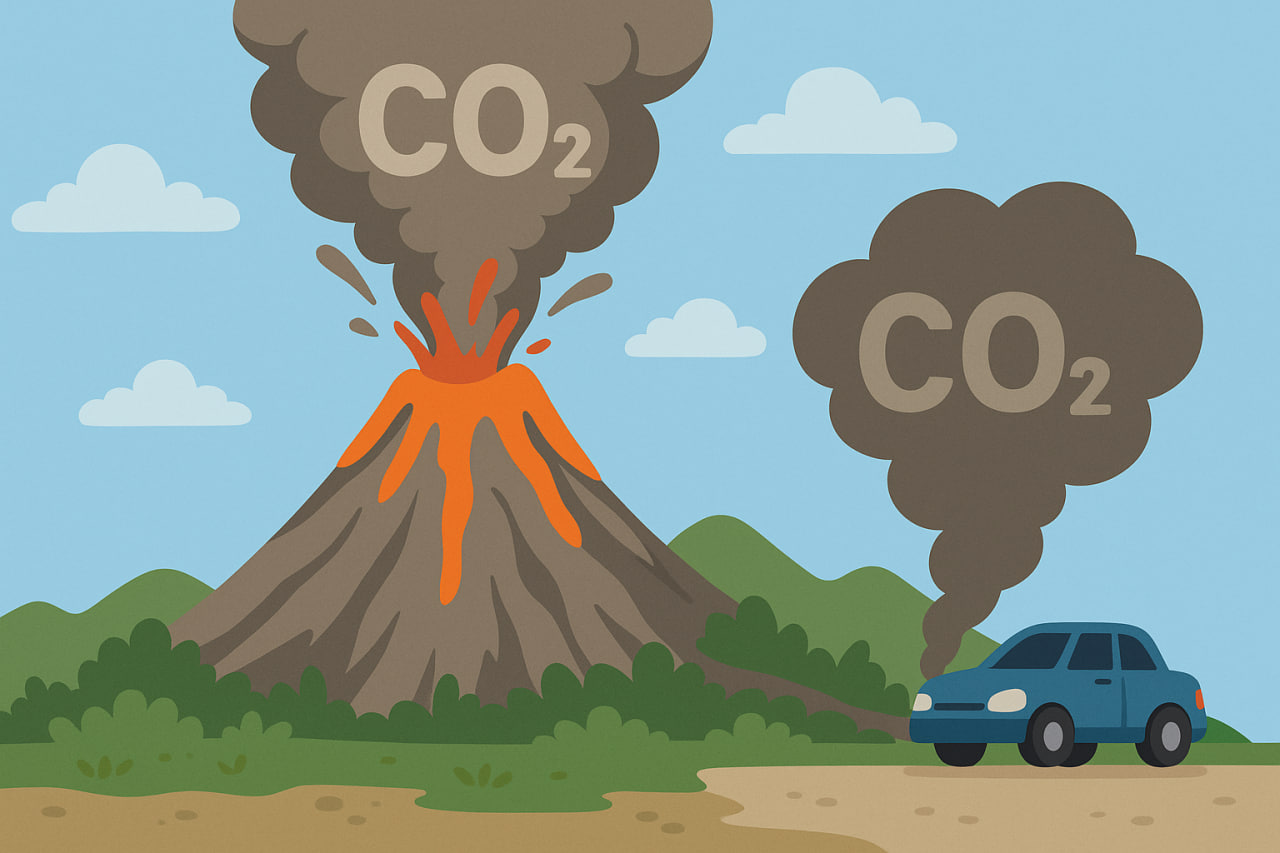
Volcanoes are among Earth’s most dramatic natural features, capable of shaping continents and influencing climate.
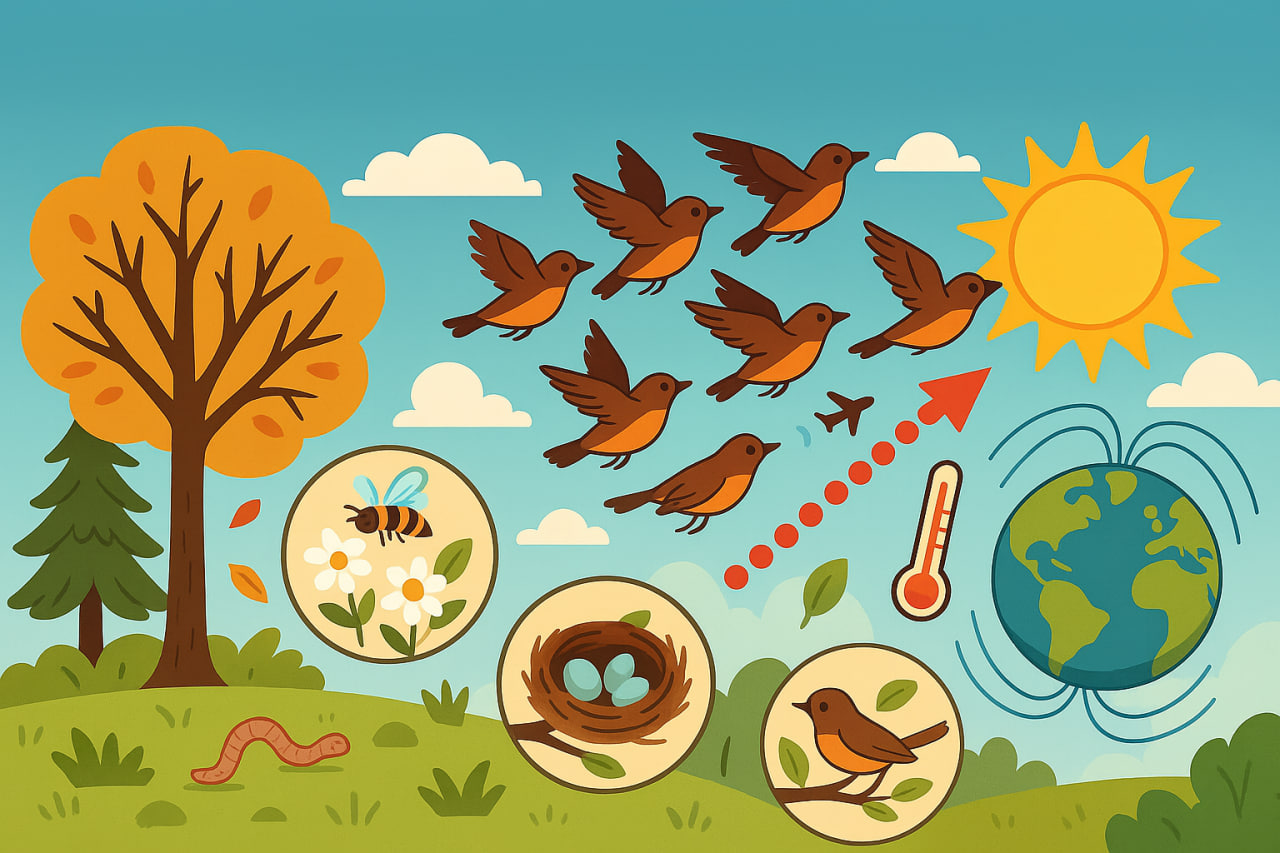
Each year, billions of birds around the world leave their summer homes and fly thousands of kilometers to warmer regions.
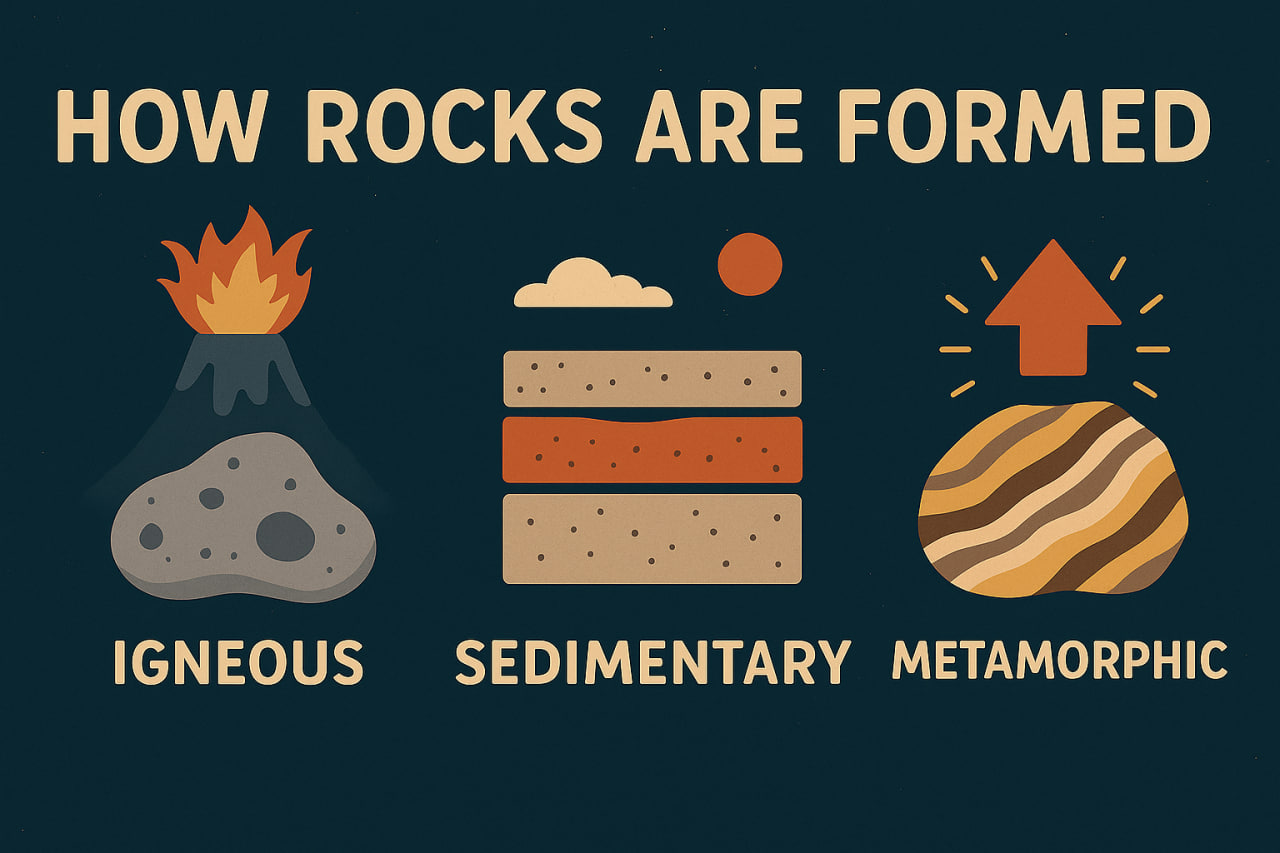
Rocks are the fundamental building blocks of Earth’s crust and have been forming for billions of years through dynamic geological processes.
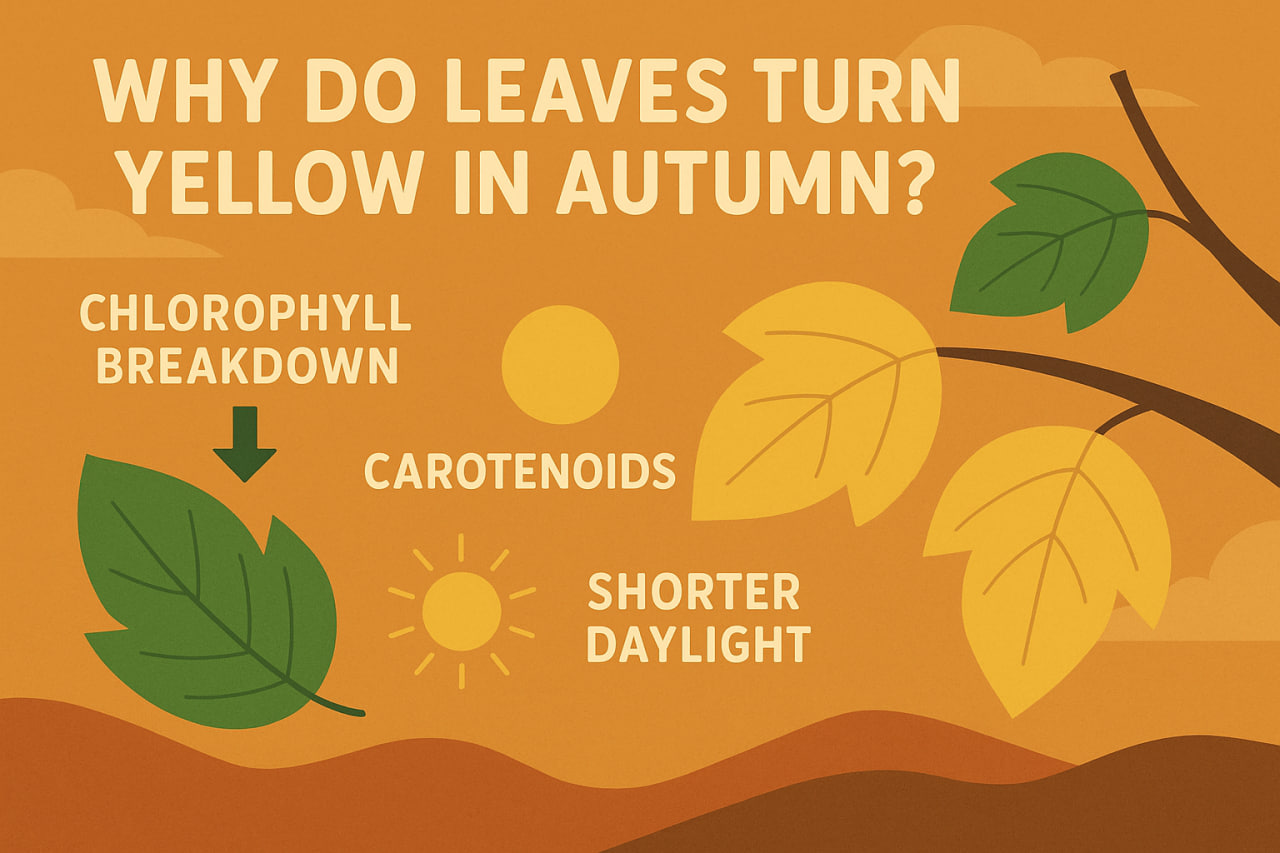
Each autumn, trees in temperate regions put on a dazzling display of color—greens fade into brilliant yellows, oranges, and reds. But why does this transformation happen?
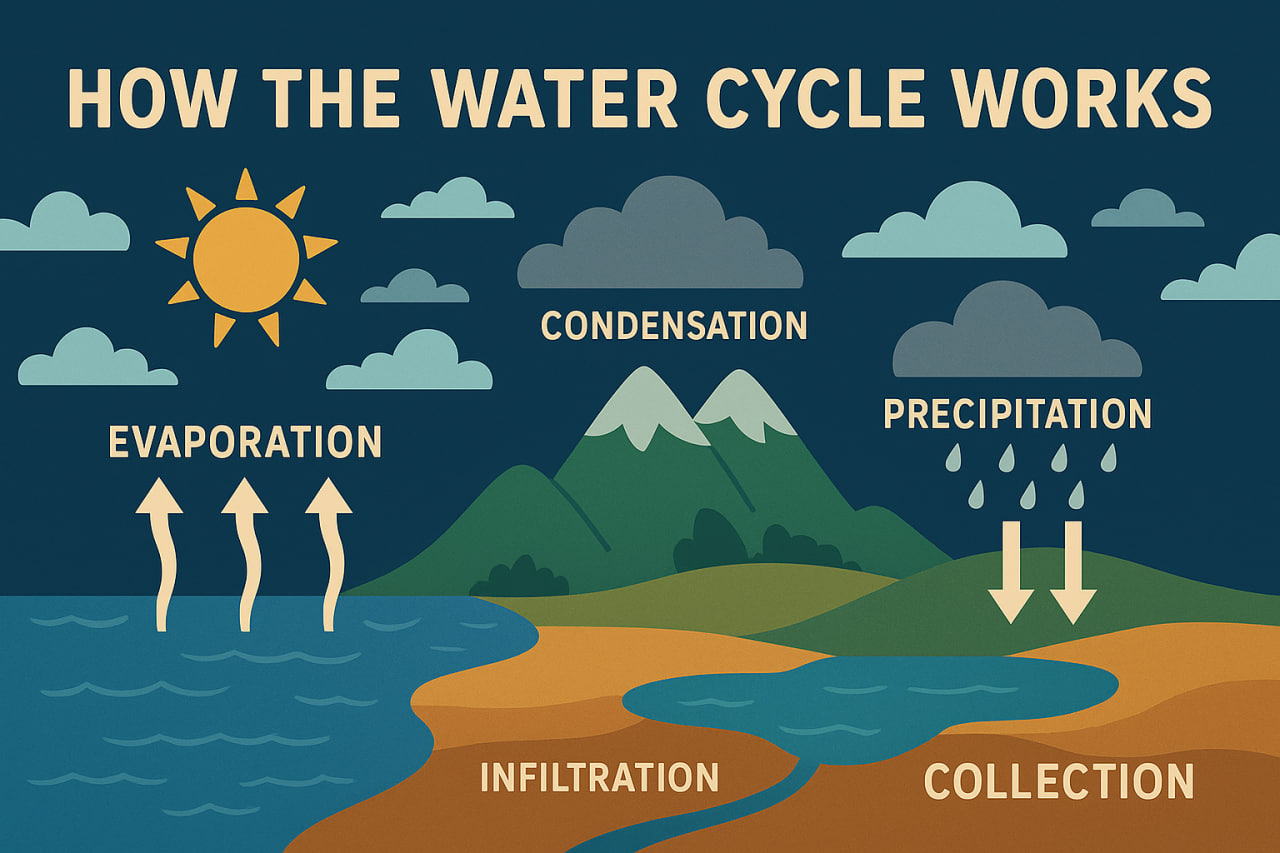
The water cycle, also known as the hydrologic cycle, is the continuous movement of water on, above, and below the surface of the Earth.
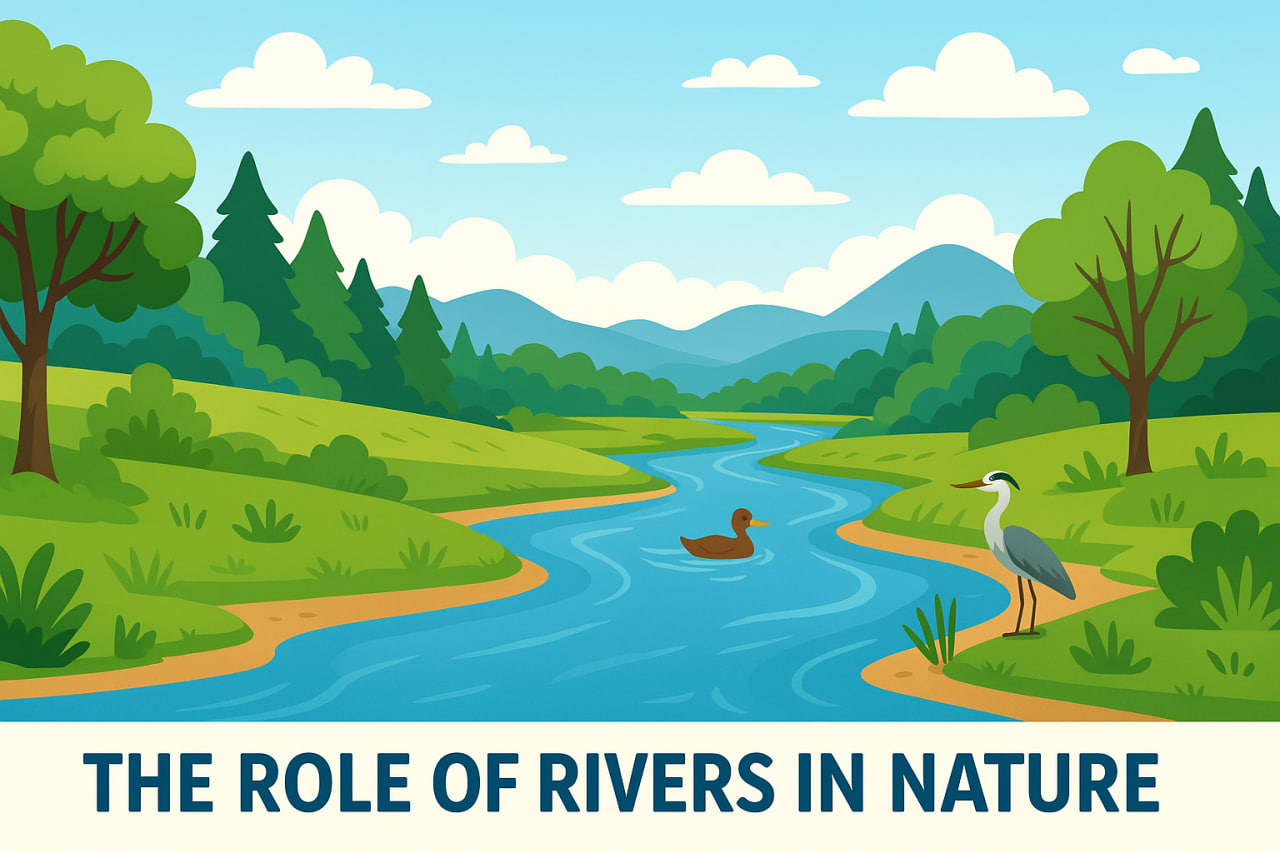
Rivers are more than flowing bodies of water—they are essential lifelines for ecosystems, landscapes, and human civilization.
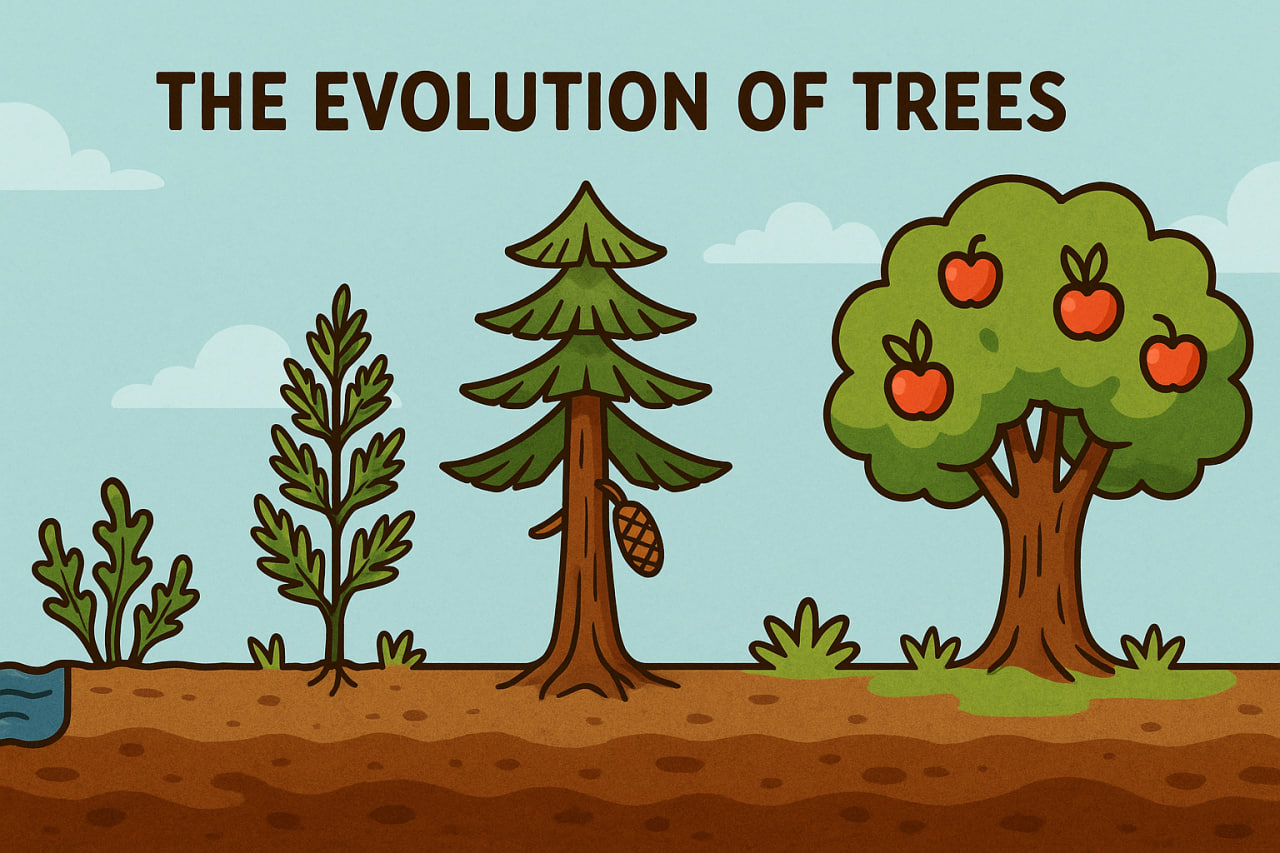
Trees are among the oldest and most important life forms on Earth. They have shaped the environment, stabilized ecosystems, and supported countless species — including humans.
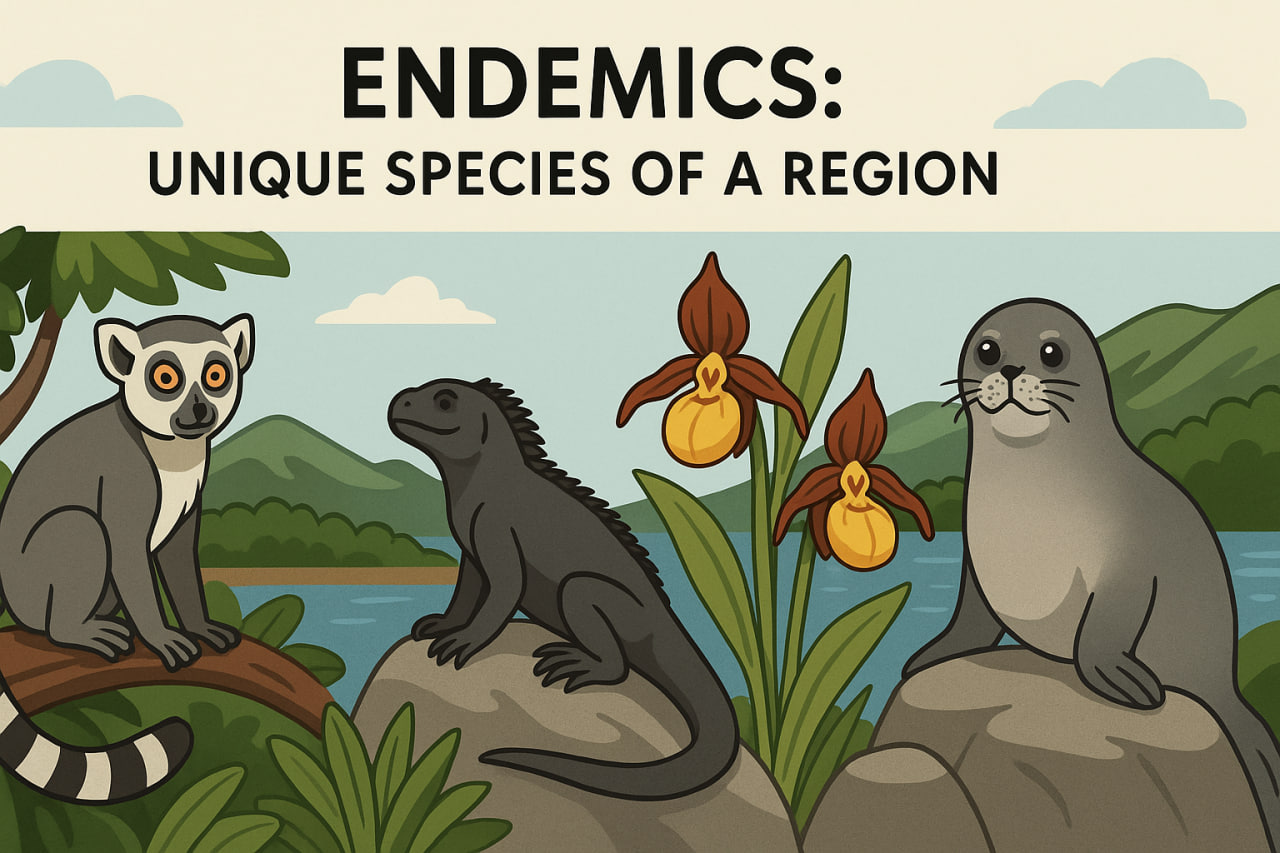
The natural world is filled with an incredible variety of plants and animals. Some of them are found all over the world, while others exist in only one specific place.
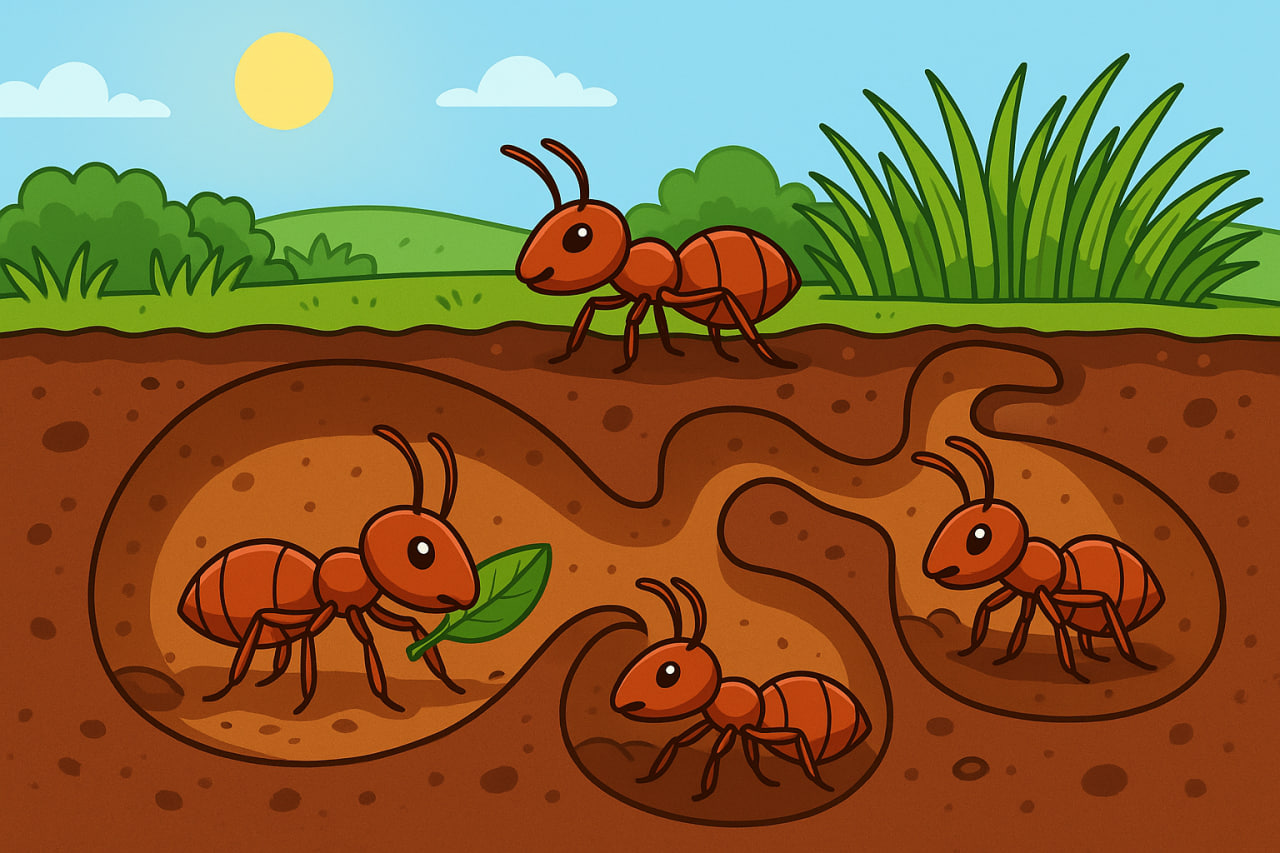
Ants are among the most organized and industrious creatures on Earth. Despite their size, they create complex colonies that can house millions of individuals.
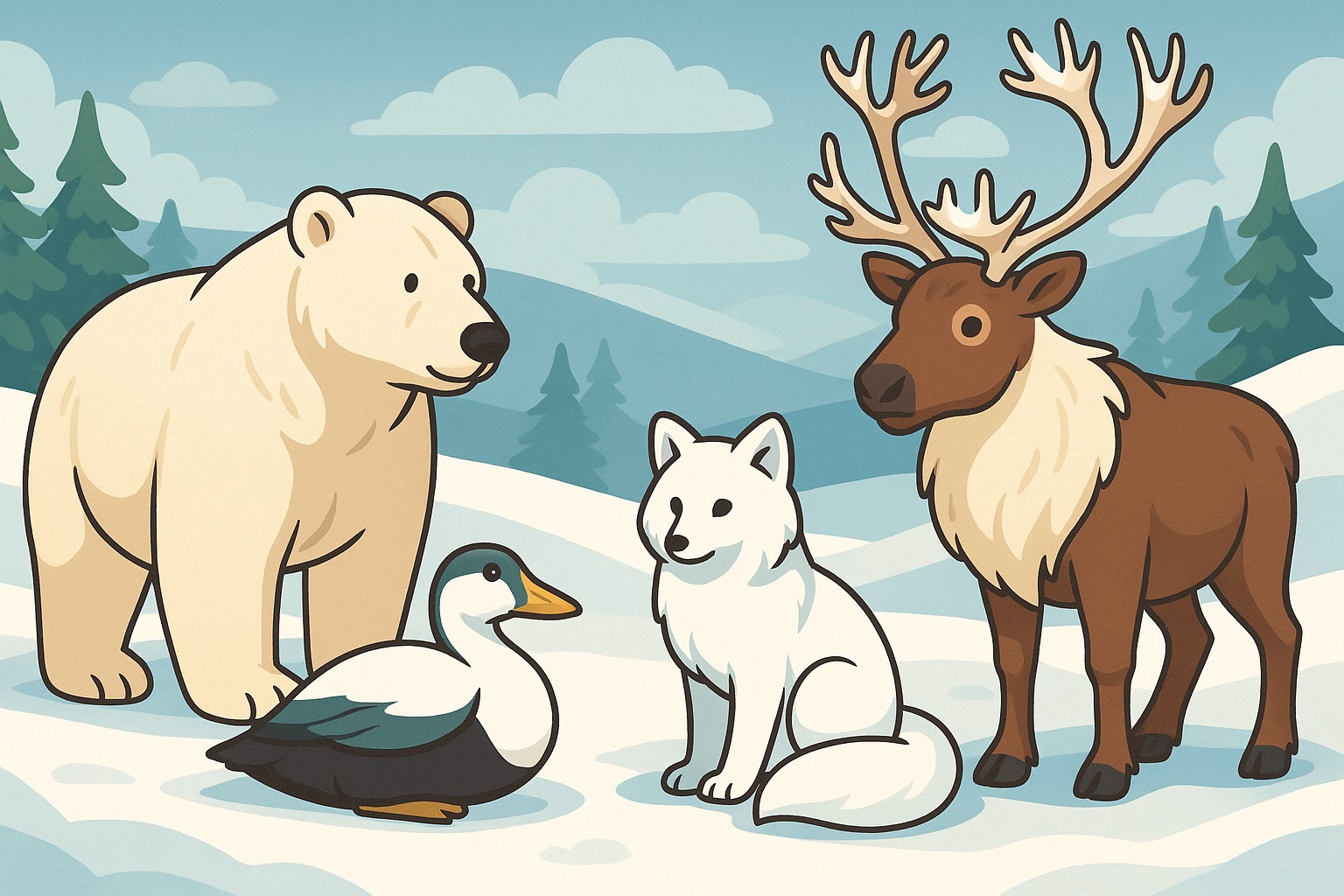
Surviving in cold environments like the Arctic, Alpine mountains, or taiga forests requires remarkable biological and behavioral adaptations.