
Would the Planet Be Healthier Without Humans?
The question of whether Earth would be better off without humanity is one of the most thought-provoking in modern science and philosophy.
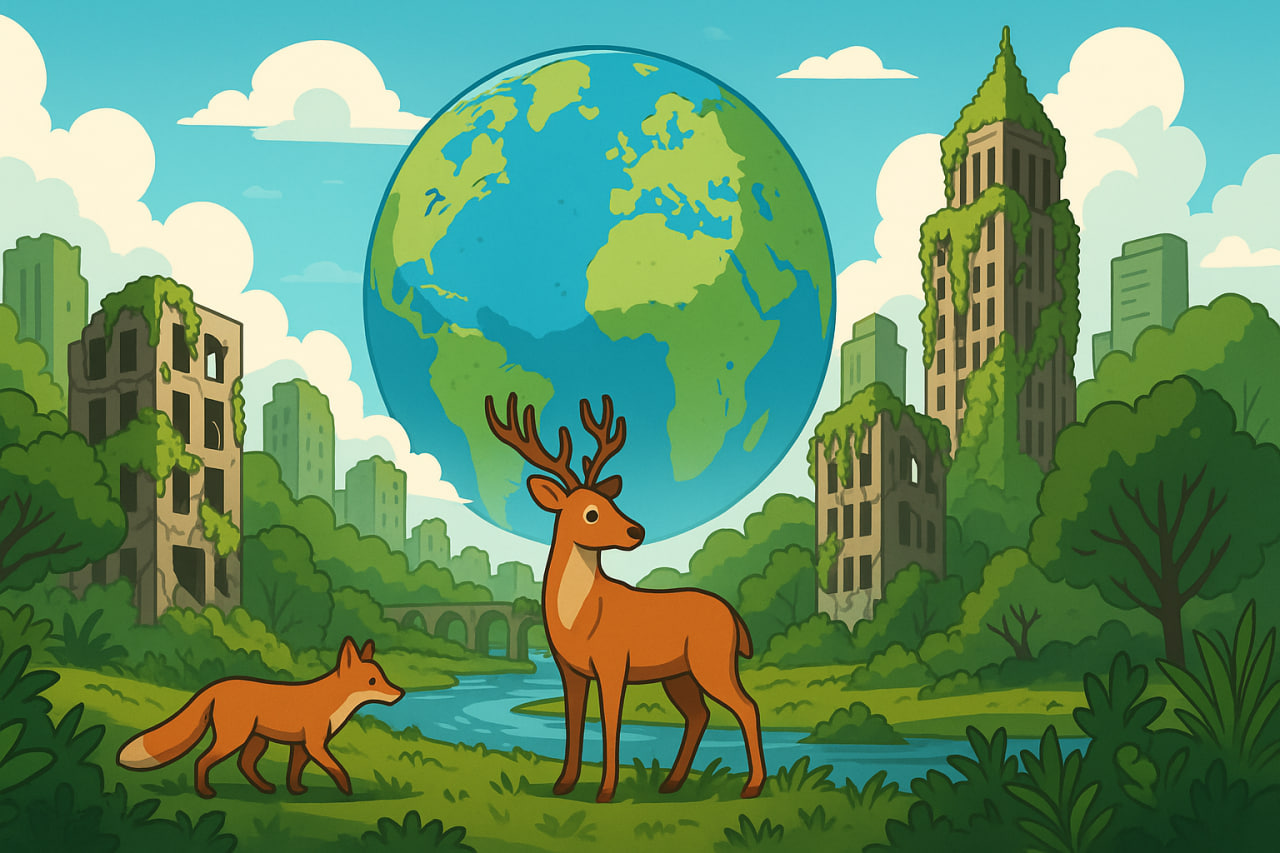
The question of whether Earth would be better off without humanity is one of the most thought-provoking in modern science and philosophy.
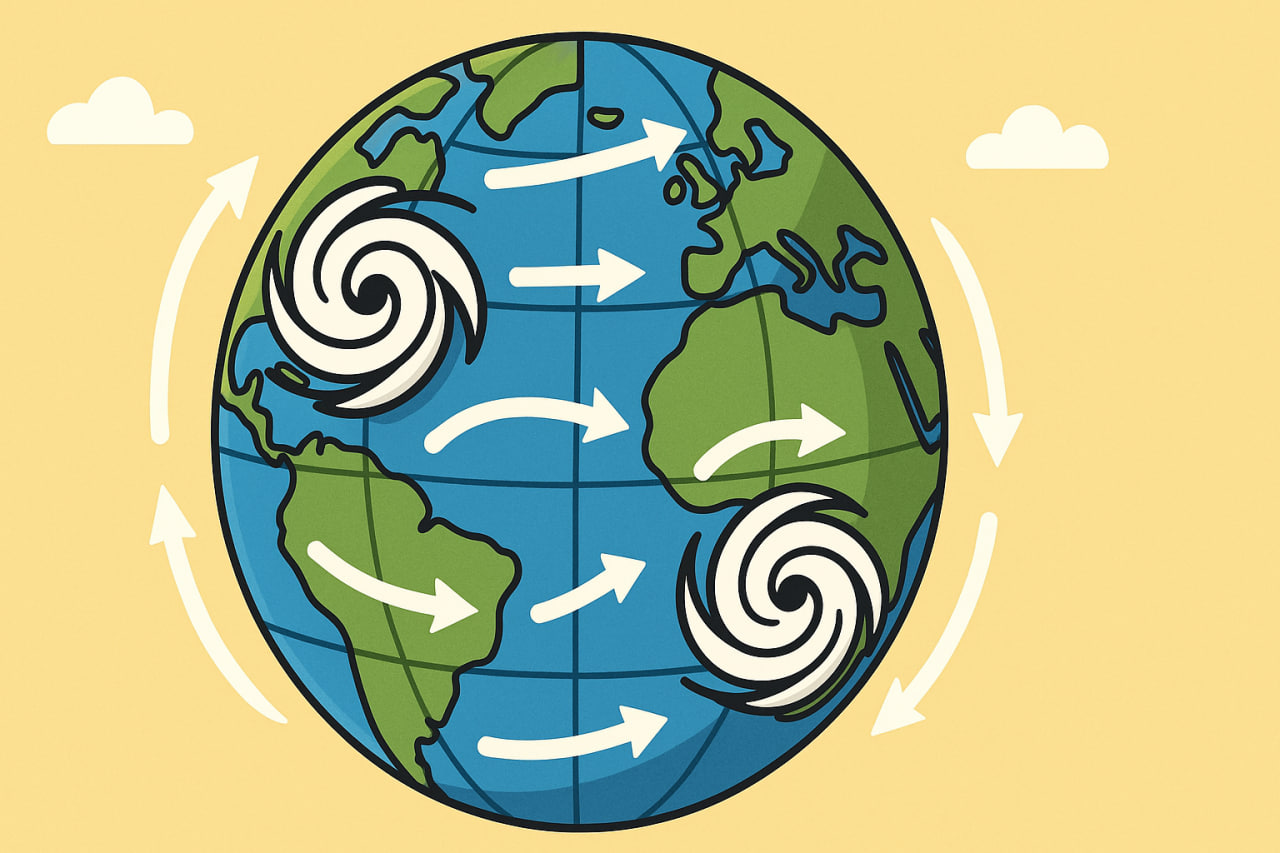
The Coriolis effect is one of the most fascinating physical phenomena that influences the movement of air, water, and even large-scale systems on Earth.
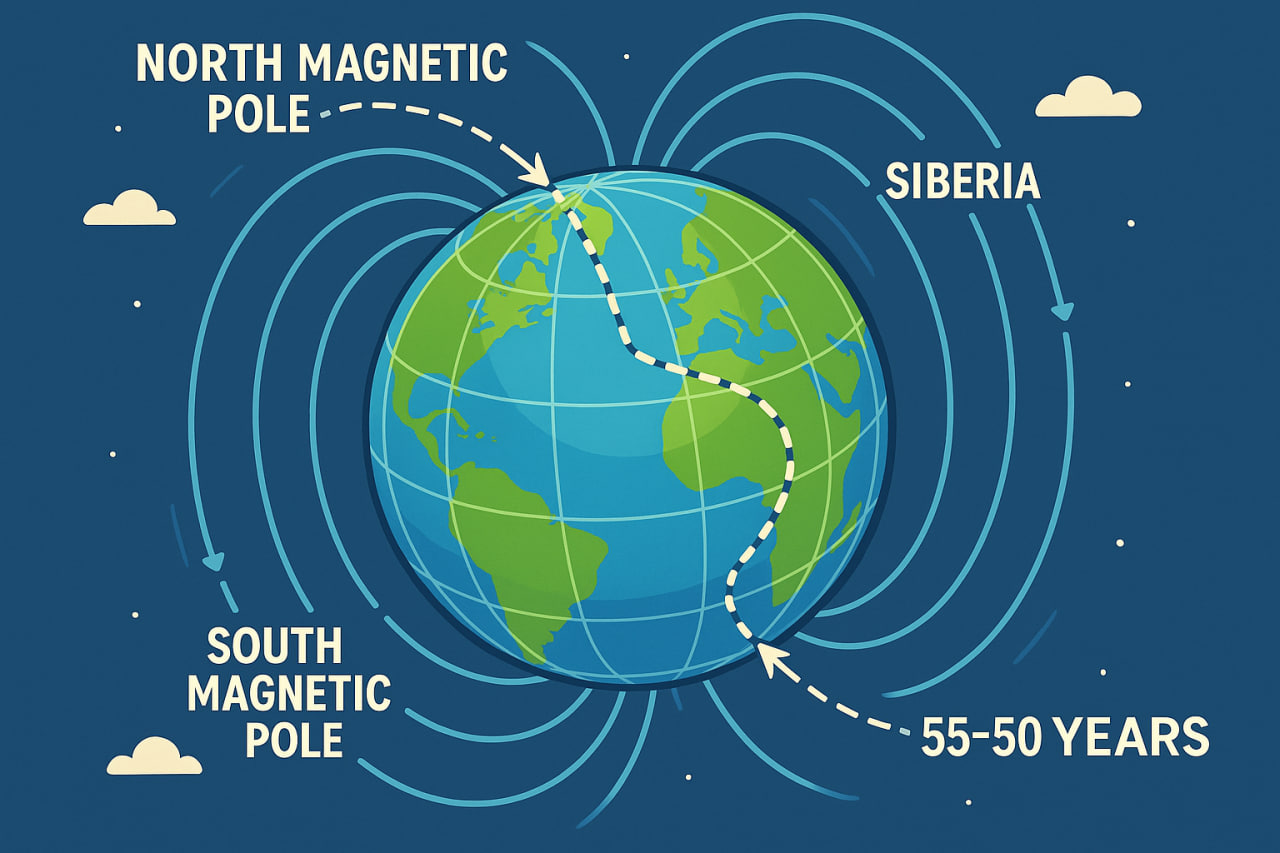
The magnetic field of the Earth protects our planet from solar radiation and cosmic particles. It is generated by the movement of molten iron in the outer core.
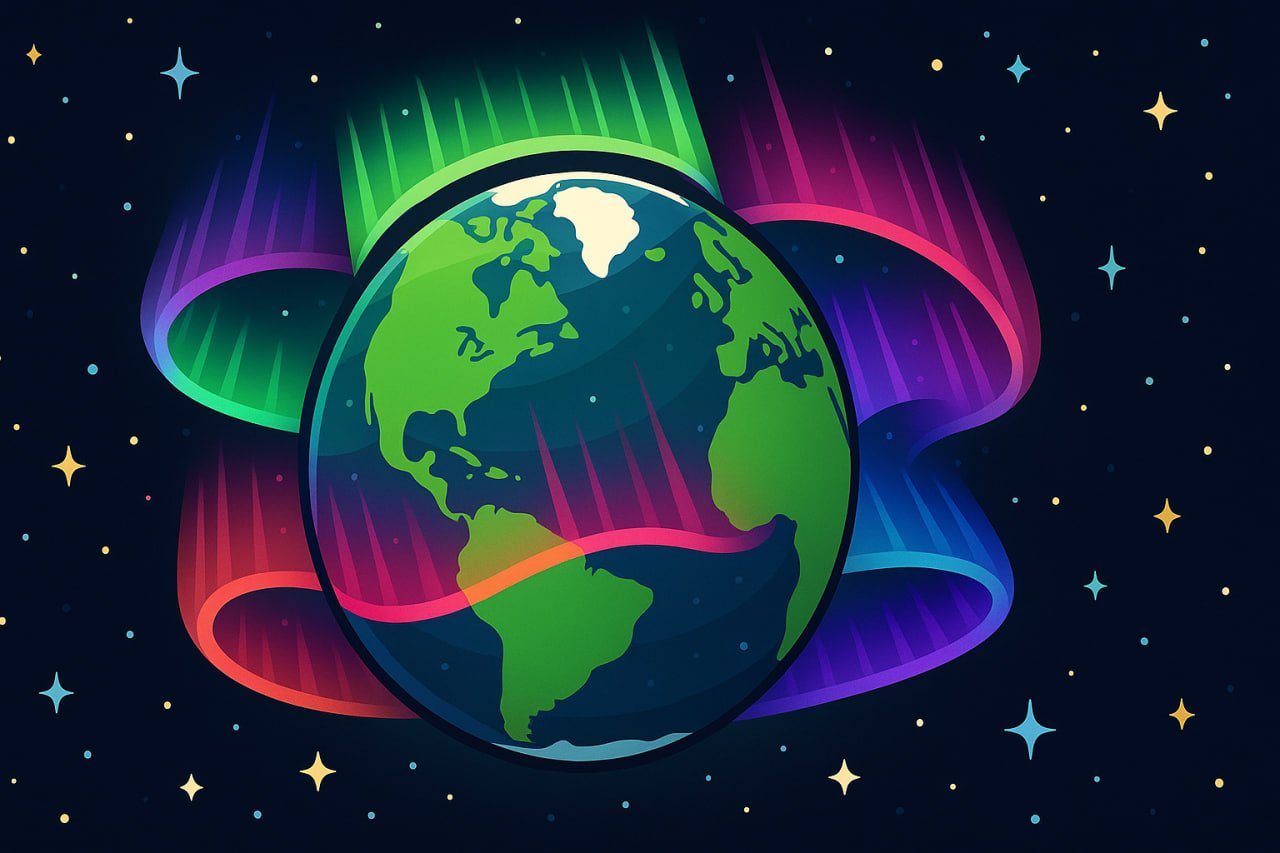
Auroras, also known as the northern and southern lights, are usually seen near the polar regions of Earth.

In recent years, scientists and skywatchers have discovered a mysterious atmospheric phenomenon known as STEVE (Strong Thermal Emission Velocity Enhancement).
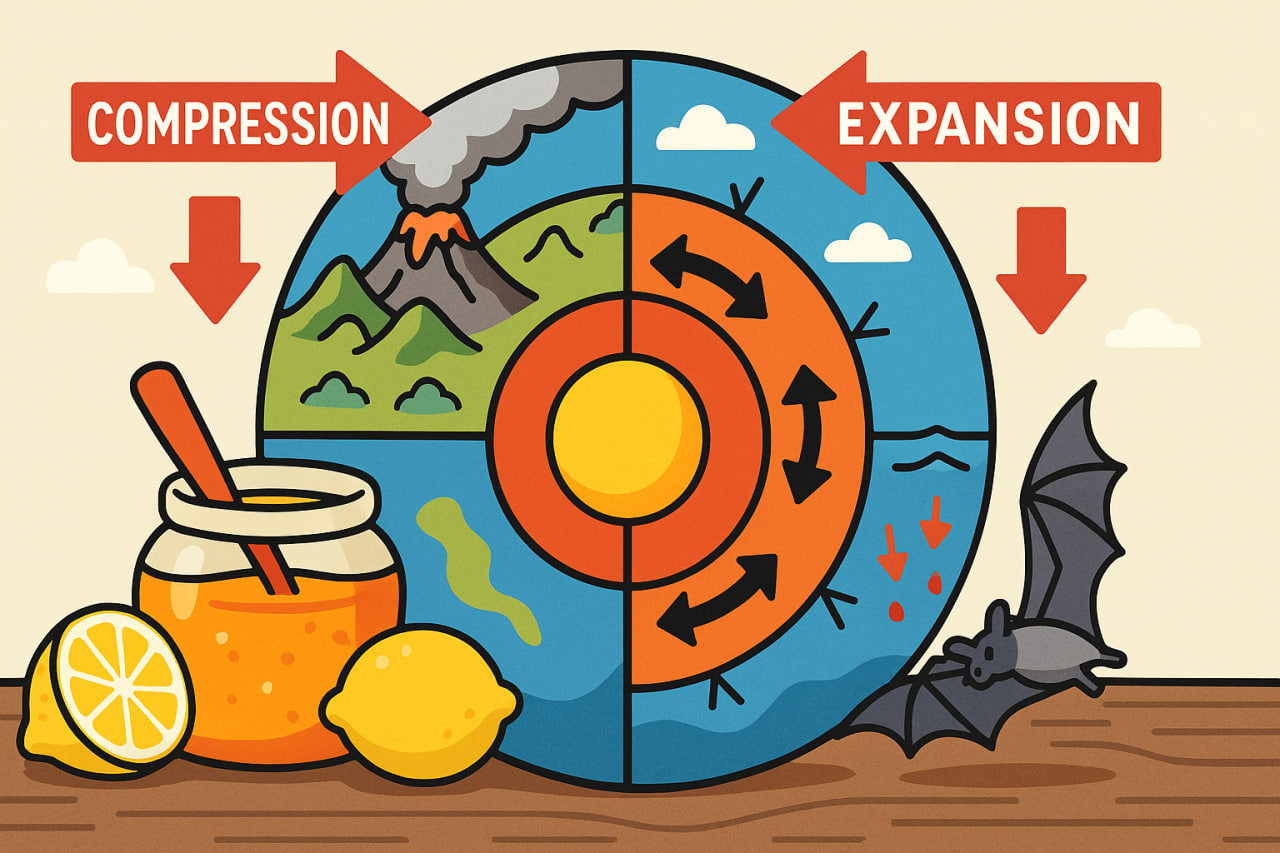
Planets, including Earth, are not static objects. Over geological timescales, they undergo cycles of compression and expansion caused by internal and external processes.
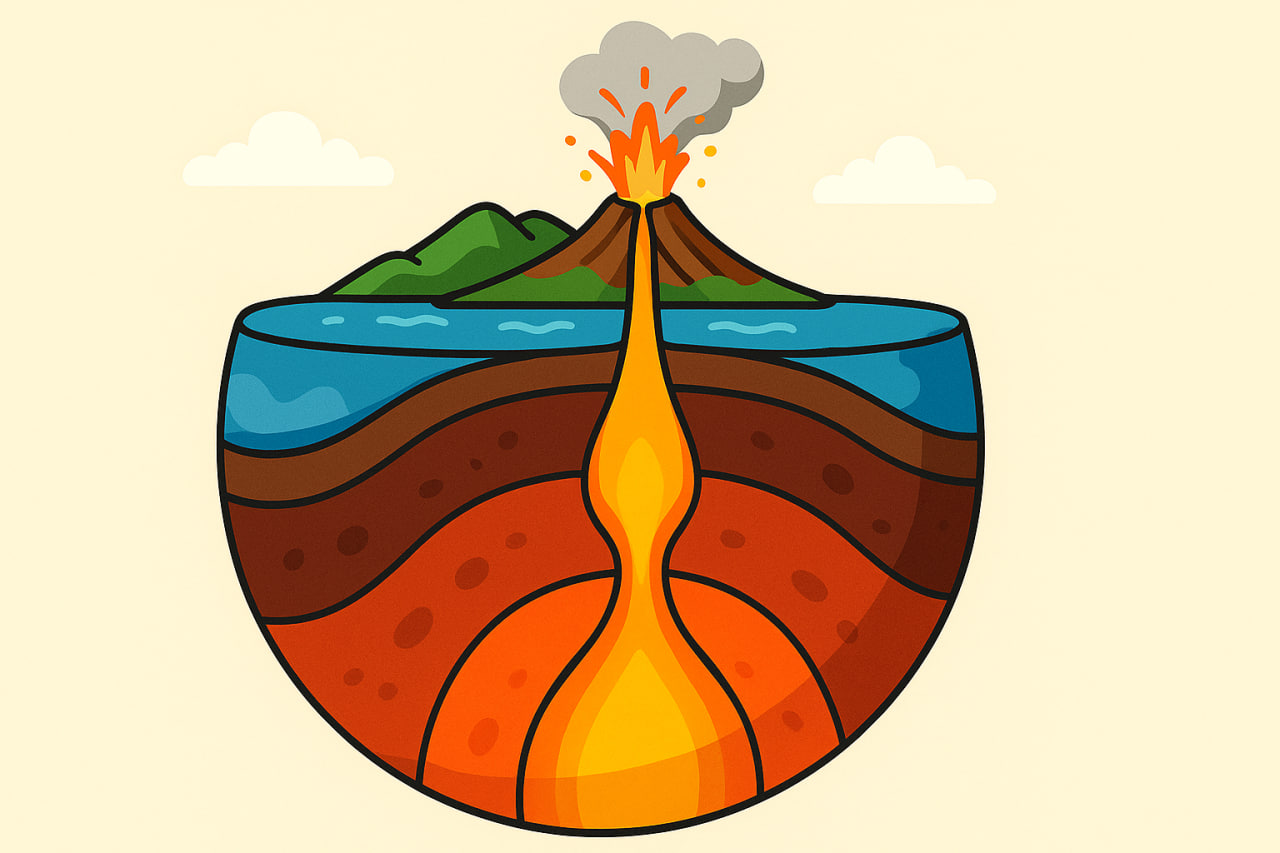
A mantle plume is a column of hot, solid rock rising from deep within the Earth’s mantle toward the surface.
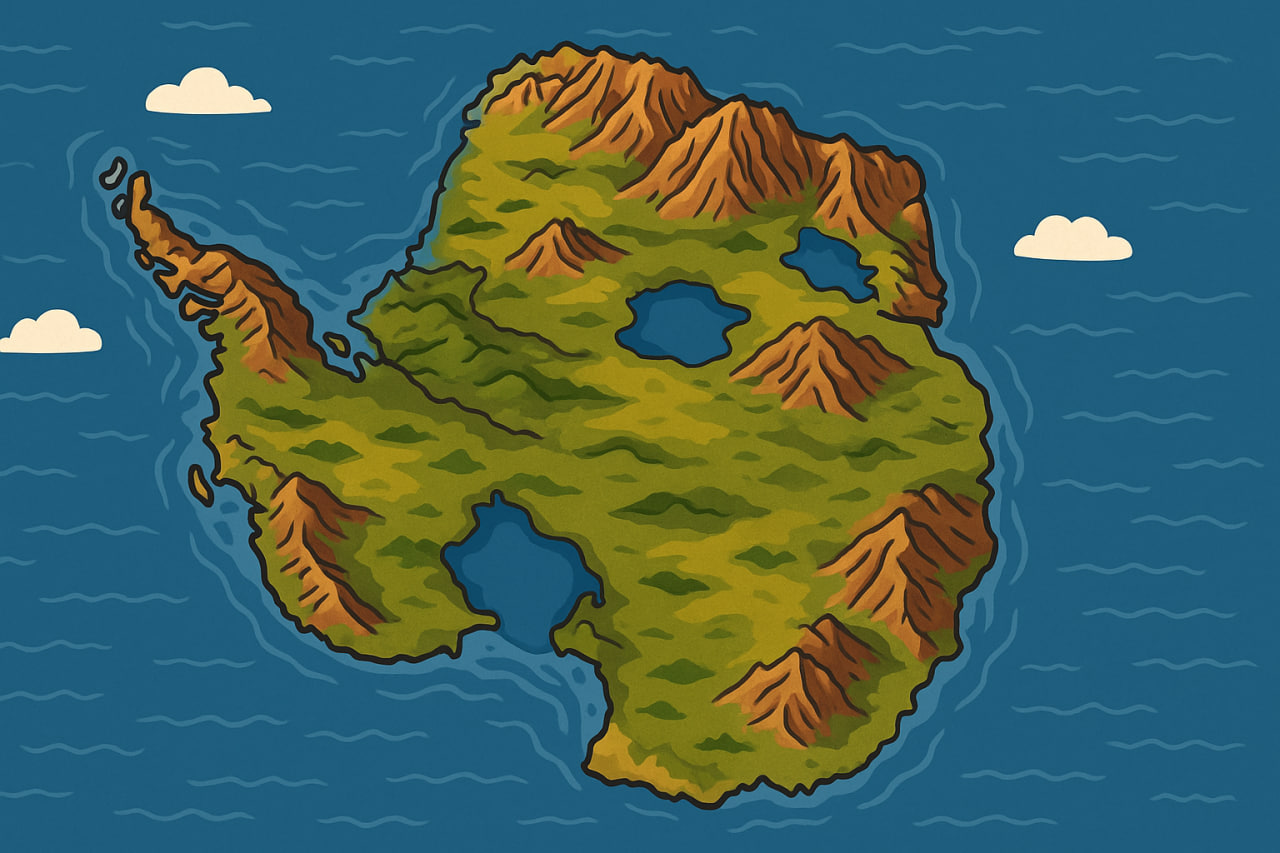
Antarctica contains about 70% of the world’s fresh water, locked in its massive ice sheets. The ice is up to 4.8 km thick in some places.

Urbanization is the process by which populations move from rural areas to cities, leading to the growth of urban settlements.
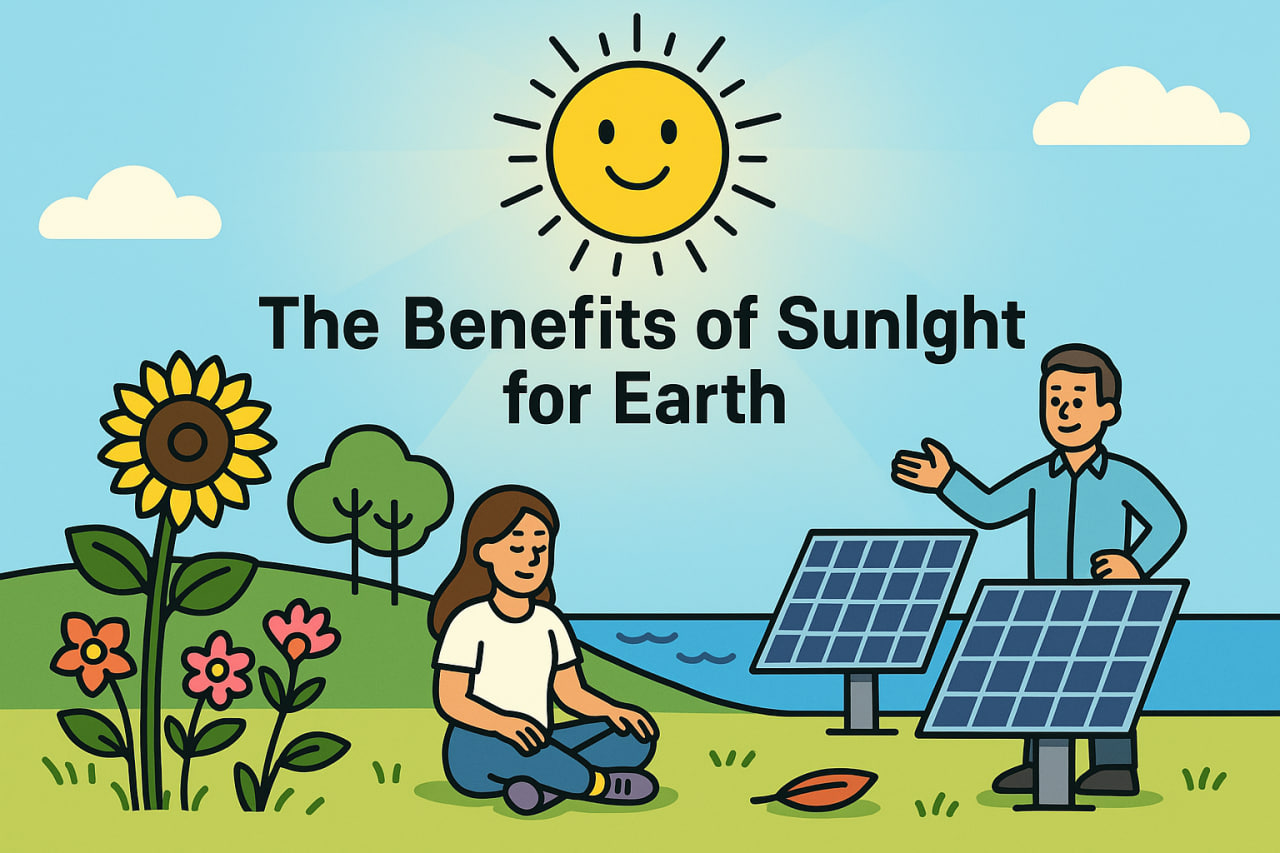
Sunlight is the primary source of energy for almost all life on Earth. Through photosynthesis, plants convert sunlight into chemical energy, forming the base of the food chain.