
Super Tsunamis: Causes and Consequences
A super tsunami is a rare and catastrophic type of tsunami, much larger and more destructive than typical ones.
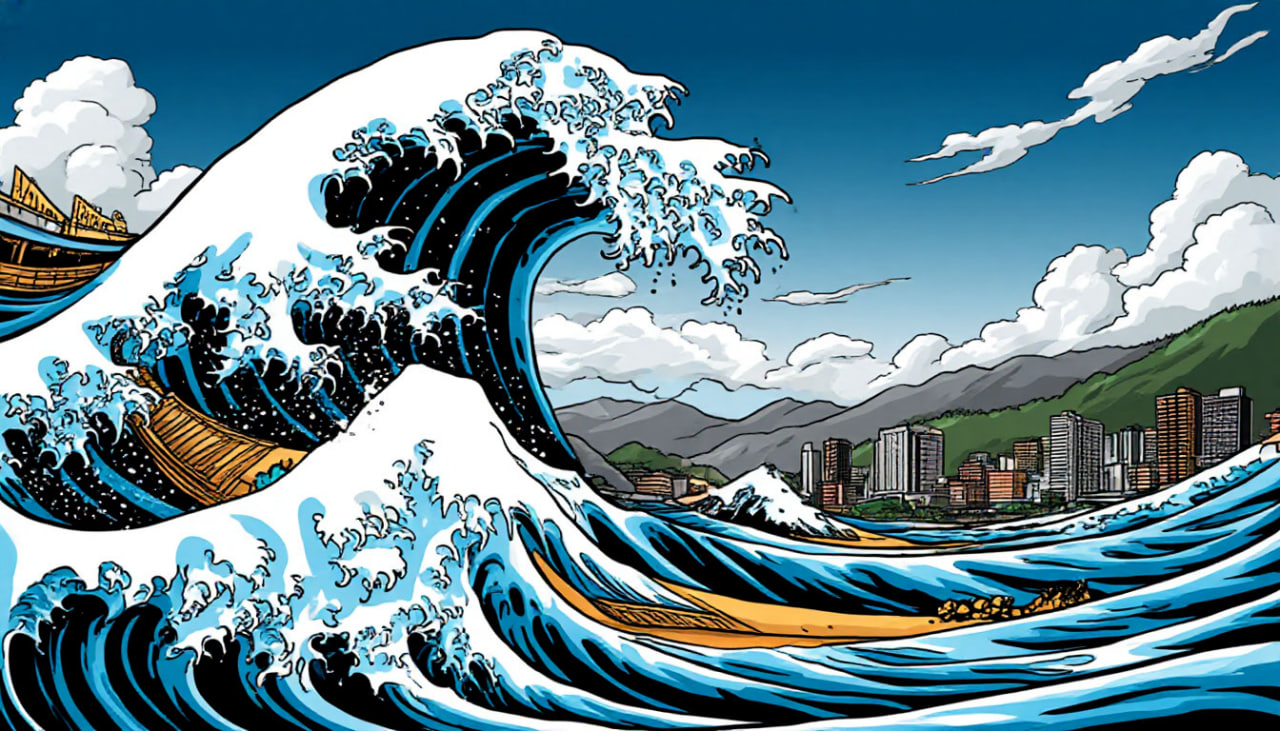
A super tsunami is a rare and catastrophic type of tsunami, much larger and more destructive than typical ones.
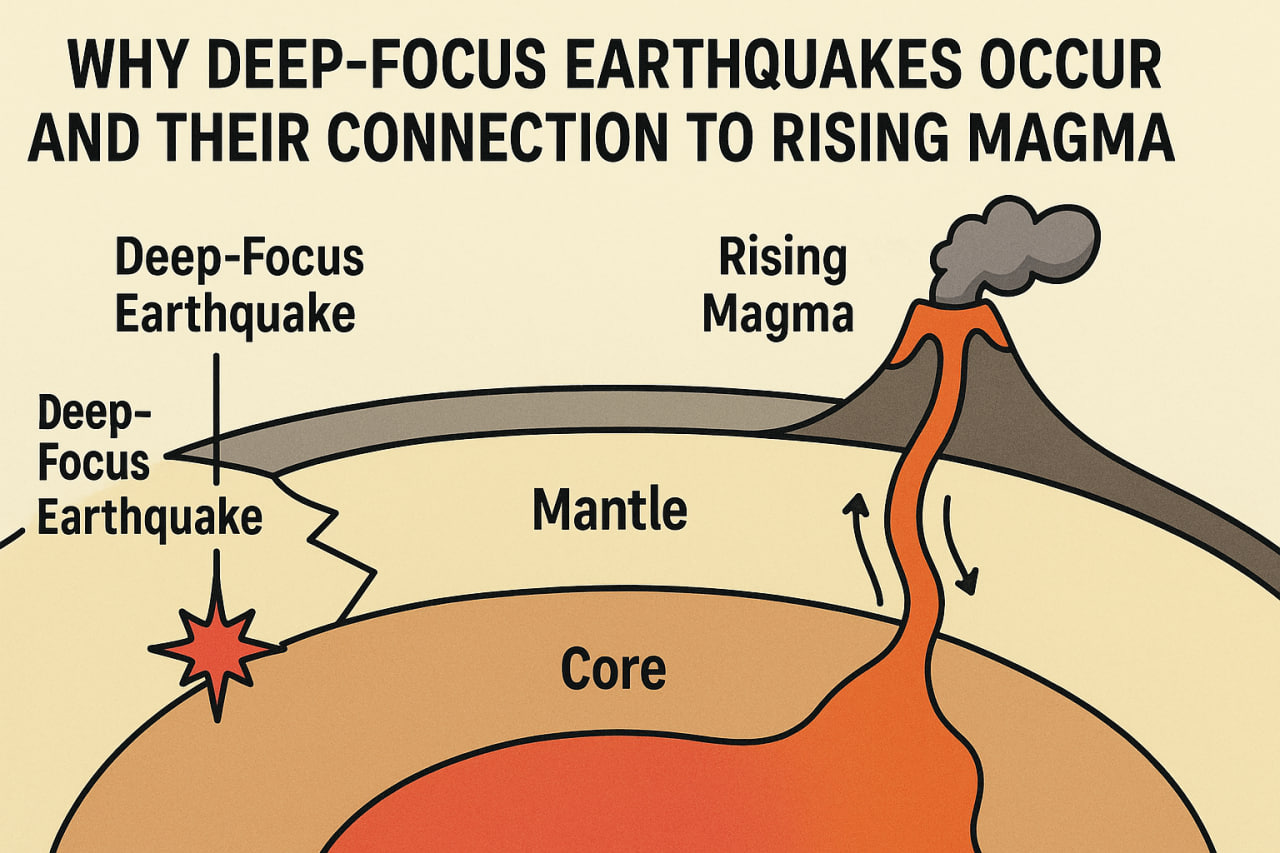
Deep-focus earthquakes are seismic events that occur at depths greater than 300 km below Earth’s surface, sometimes reaching 700 km.
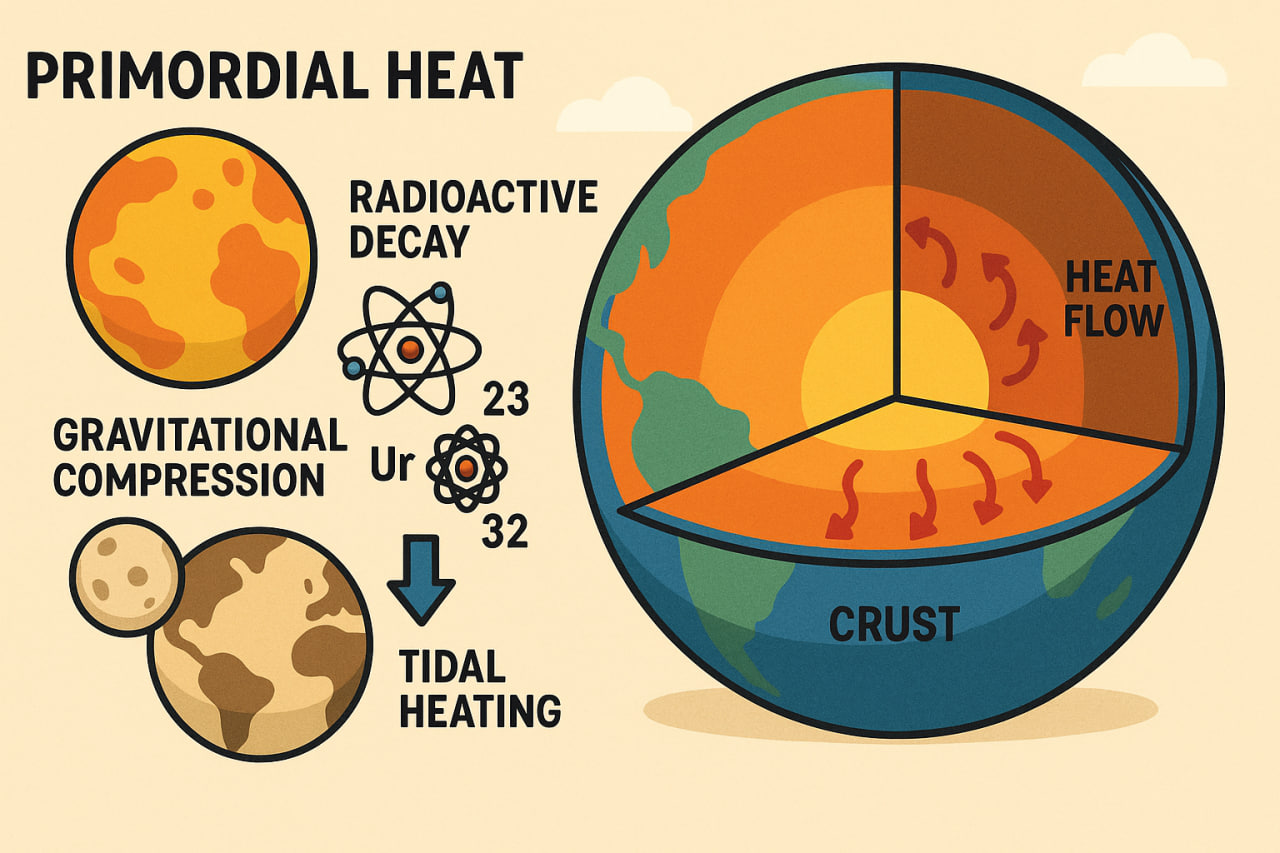
The Earth is not only warmed by the Sun but also heated from within. This internal heat is a driving force behind volcanic eruptions, earthquakes, and the movement of tectonic plates.
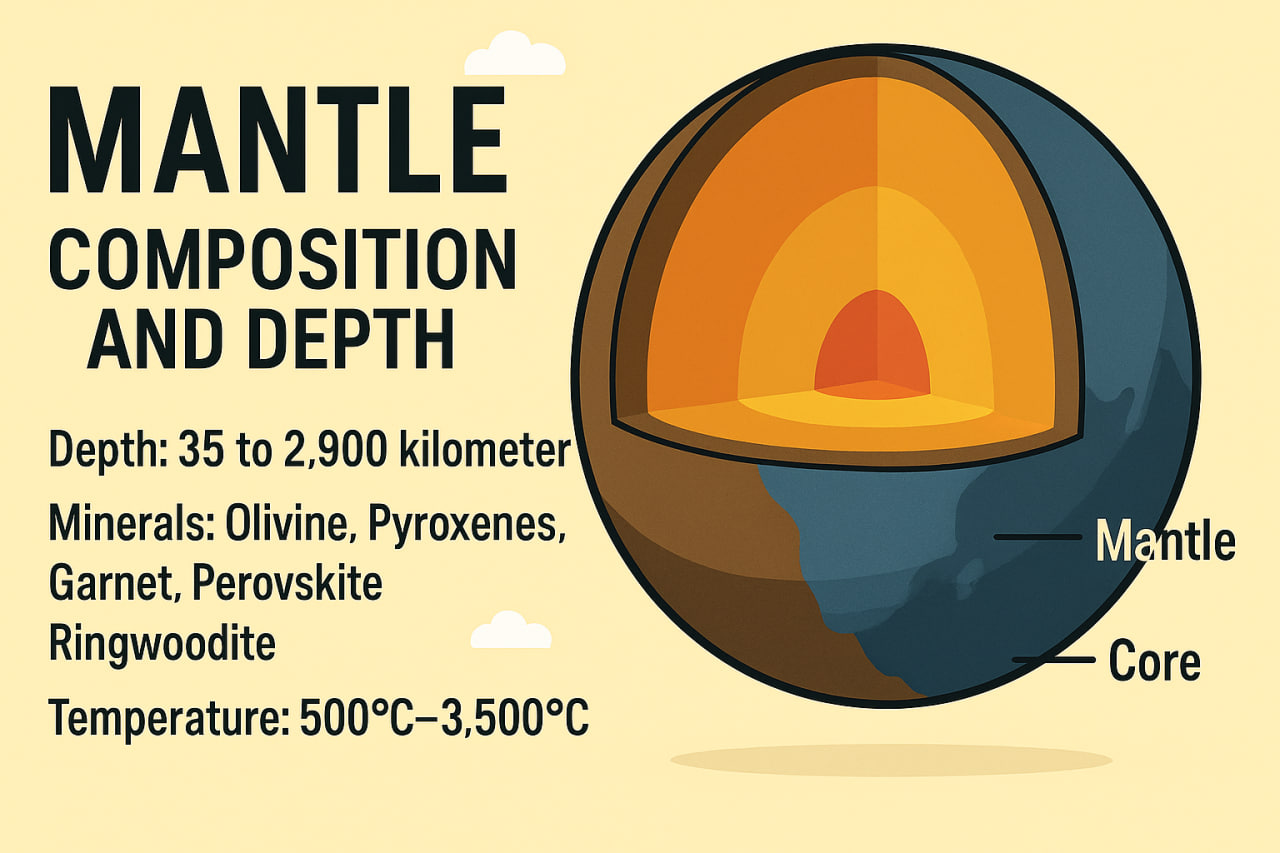
The mantle is the thick, rocky layer of Earth located between the crust and the core.

Nature encompasses all living organisms, landscapes, and physical phenomena that exist independently of human activity.
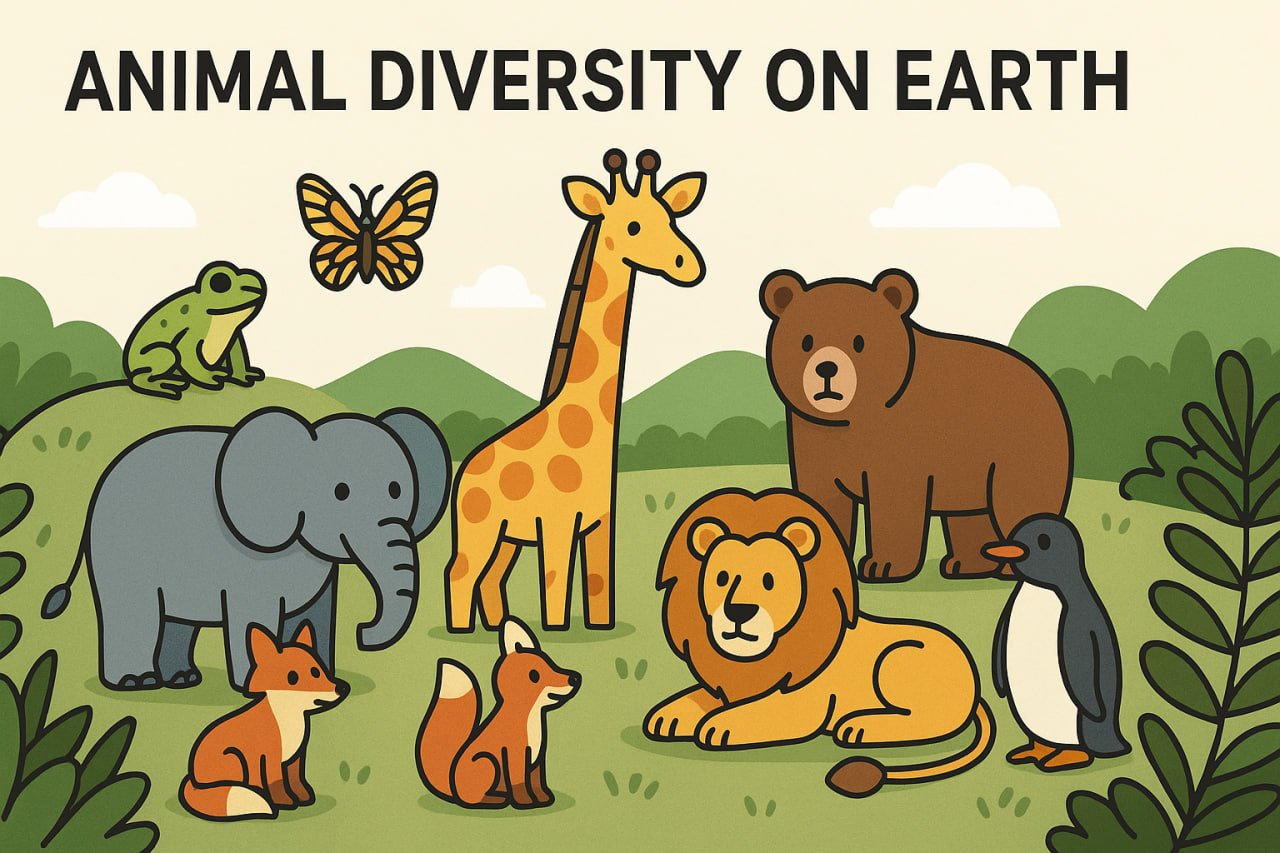
Animal diversity refers to the variety of animal species that inhabit Earth, ranging from microscopic organisms to the largest mammals.

Evolution is the process by which living organisms change and diversify over time. It explains how simple life forms that appeared billions of years ago gradually developed into the complex...
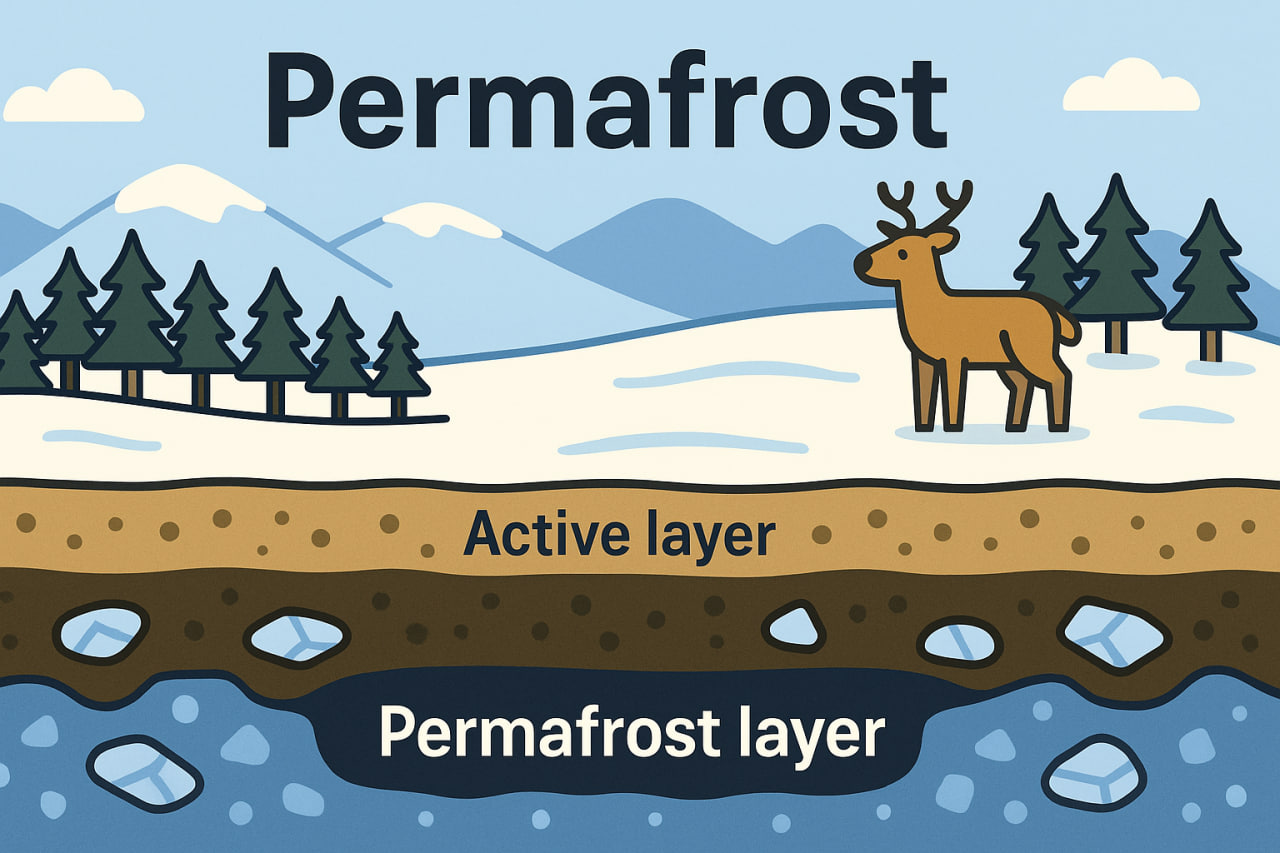
Permafrost is ground that remains frozen for at least two consecutive years. It is composed of soil, rocks, sand, and organic material bound together by ice.
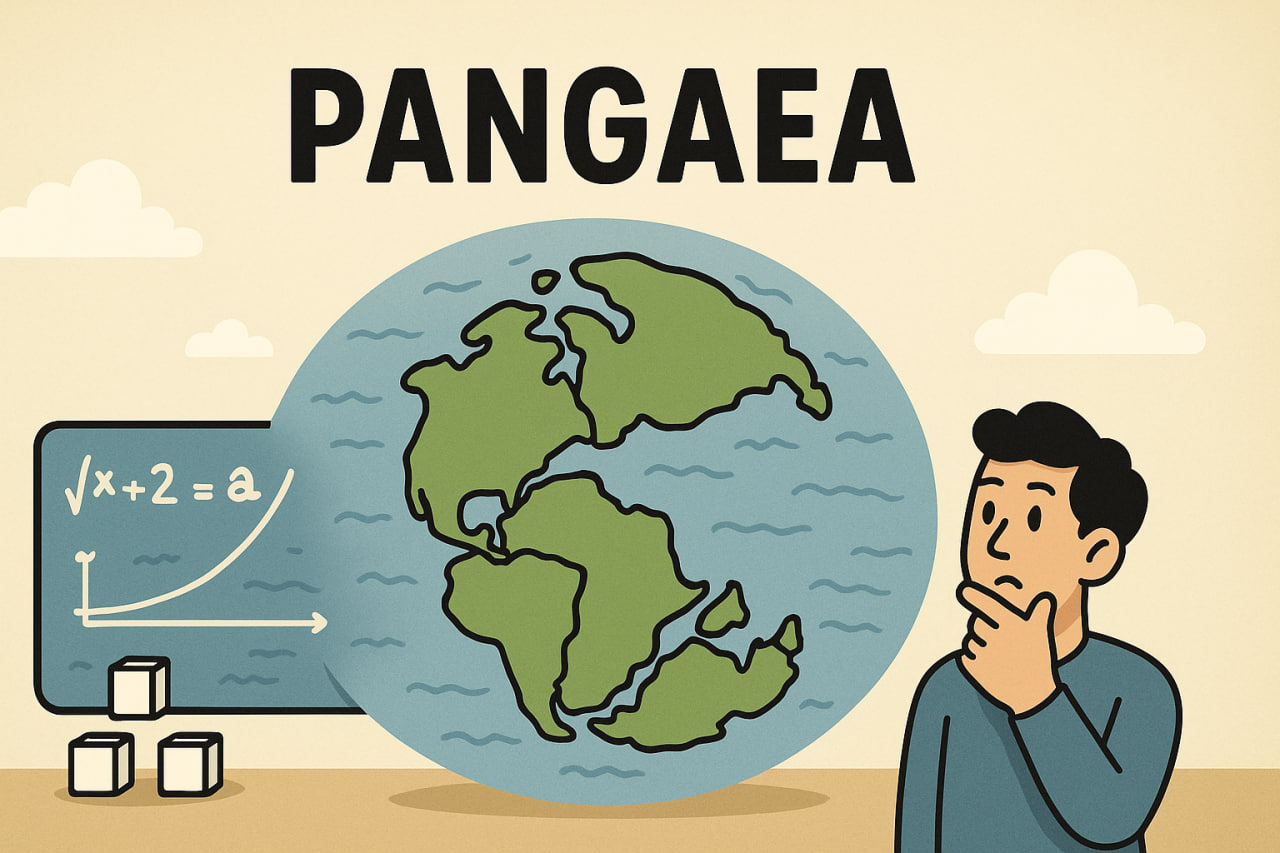
Pangaea was a massive supercontinent that existed about 335 to 175 million years ago during the late Paleozoic and early Mesozoic eras.
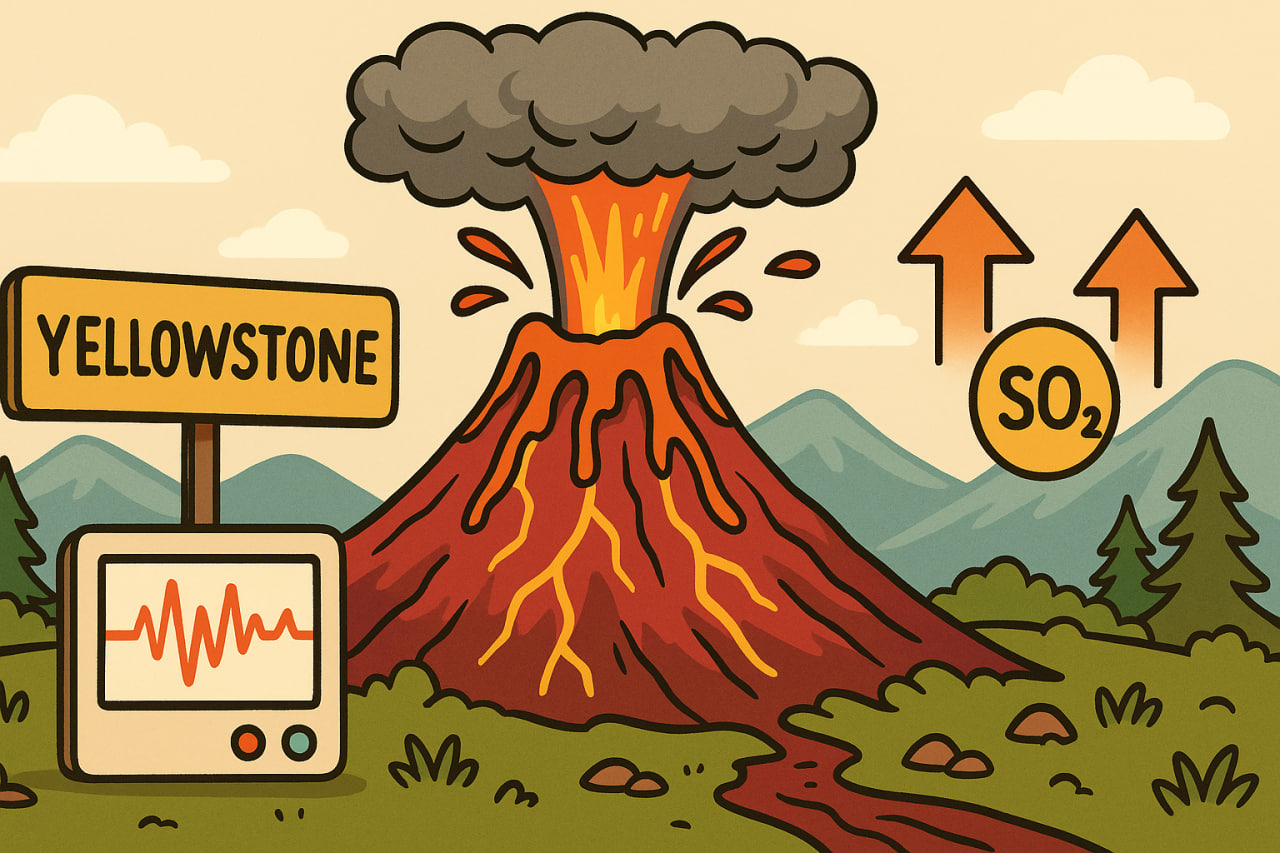
The Yellowstone supervolcano, located in Wyoming, USA, is one of the largest and most closely monitored volcanic systems in the world.