
Why Hydrogen Sulfide Exists at the Bottom of the Black Sea
The Black Sea is unique among the world’s seas because the deeper layers of its water contain high concentrations of hydrogen sulfide (H₂S), a toxic and foul-smelling gas.
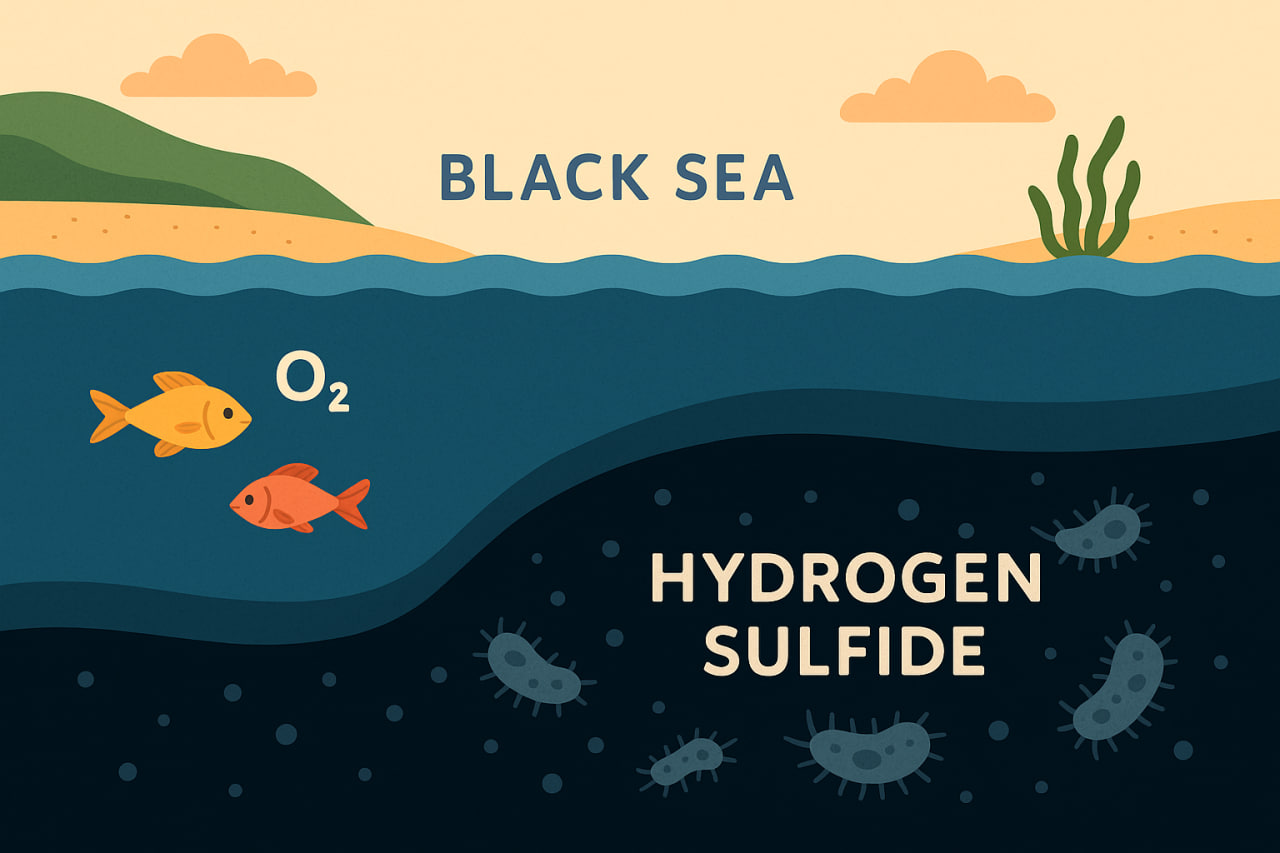
The Black Sea is unique among the world’s seas because the deeper layers of its water contain high concentrations of hydrogen sulfide (H₂S), a toxic and foul-smelling gas.
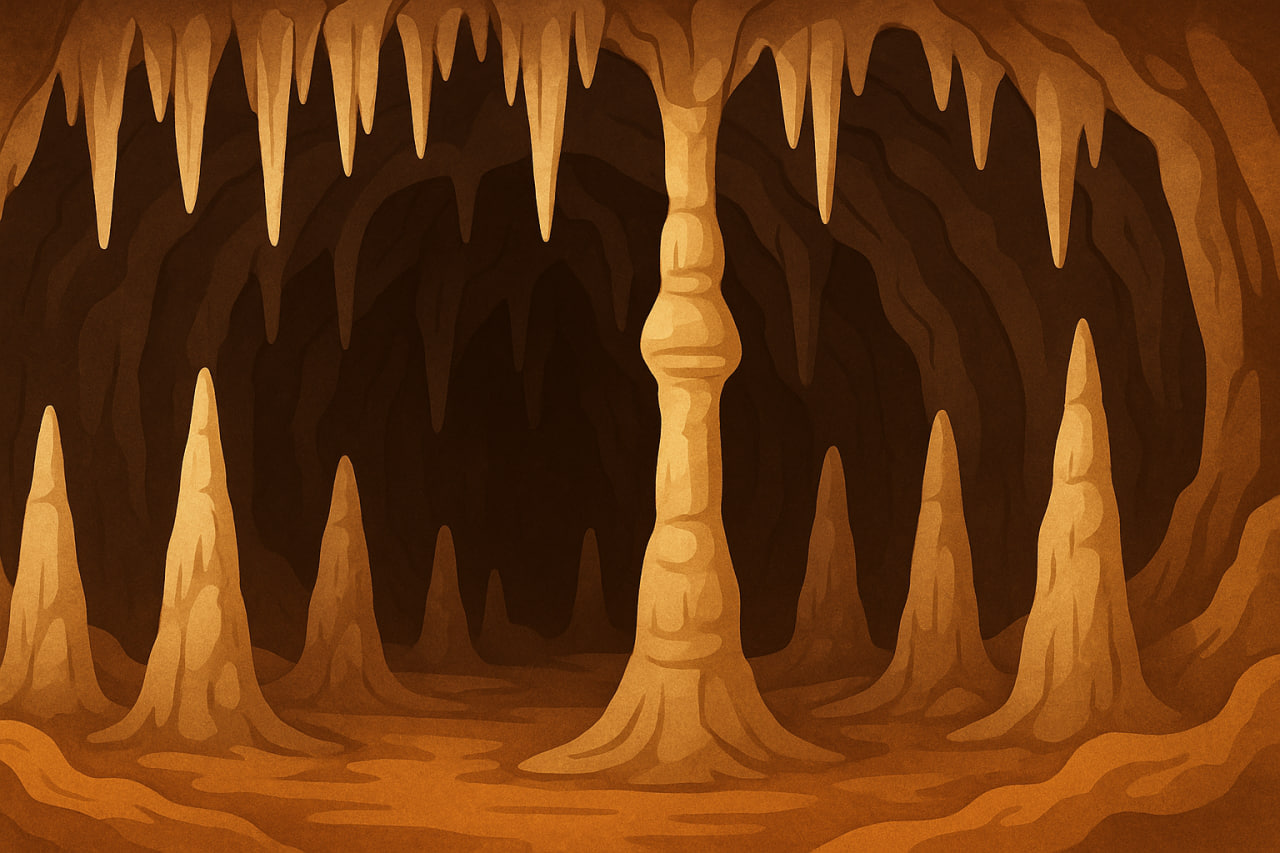
Inside caves, nature slowly creates stunning formations called stalactites and stalagmites.
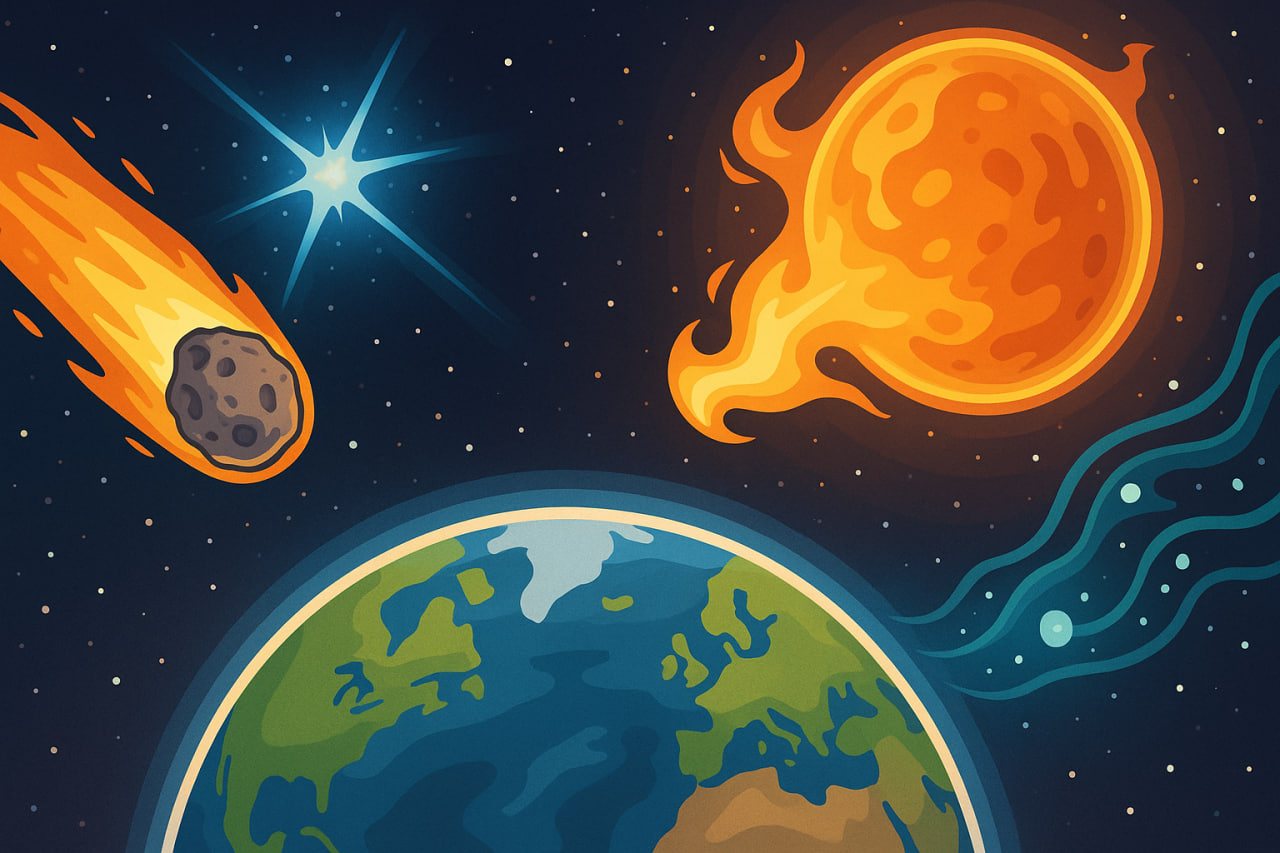
Space is vast and awe-inspiring, but it also contains dangers that could threaten life on Earth.
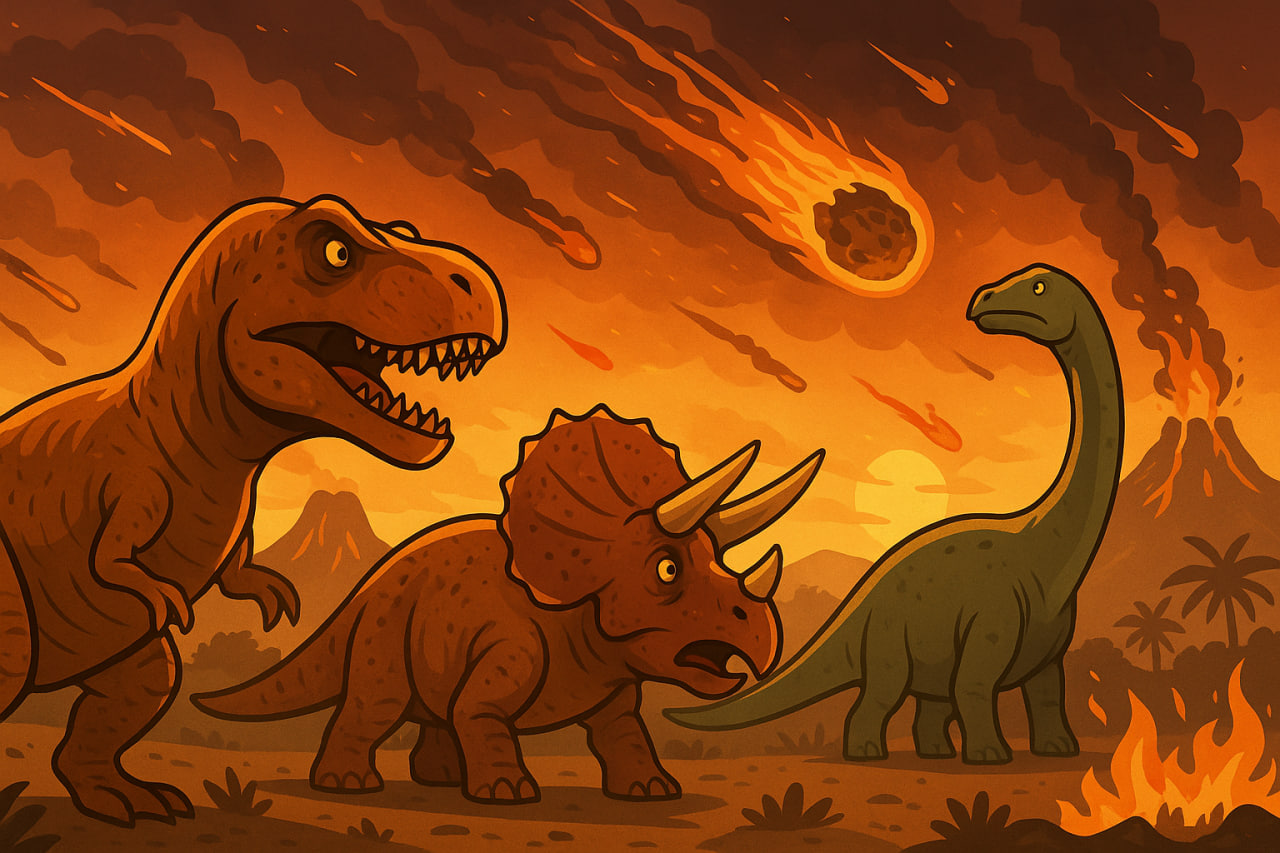
Dinosaurs dominated Earth for more than 160 million years, but around 66 million years ago, they suddenly disappeared in one of the most dramatic mass extinctions in history.
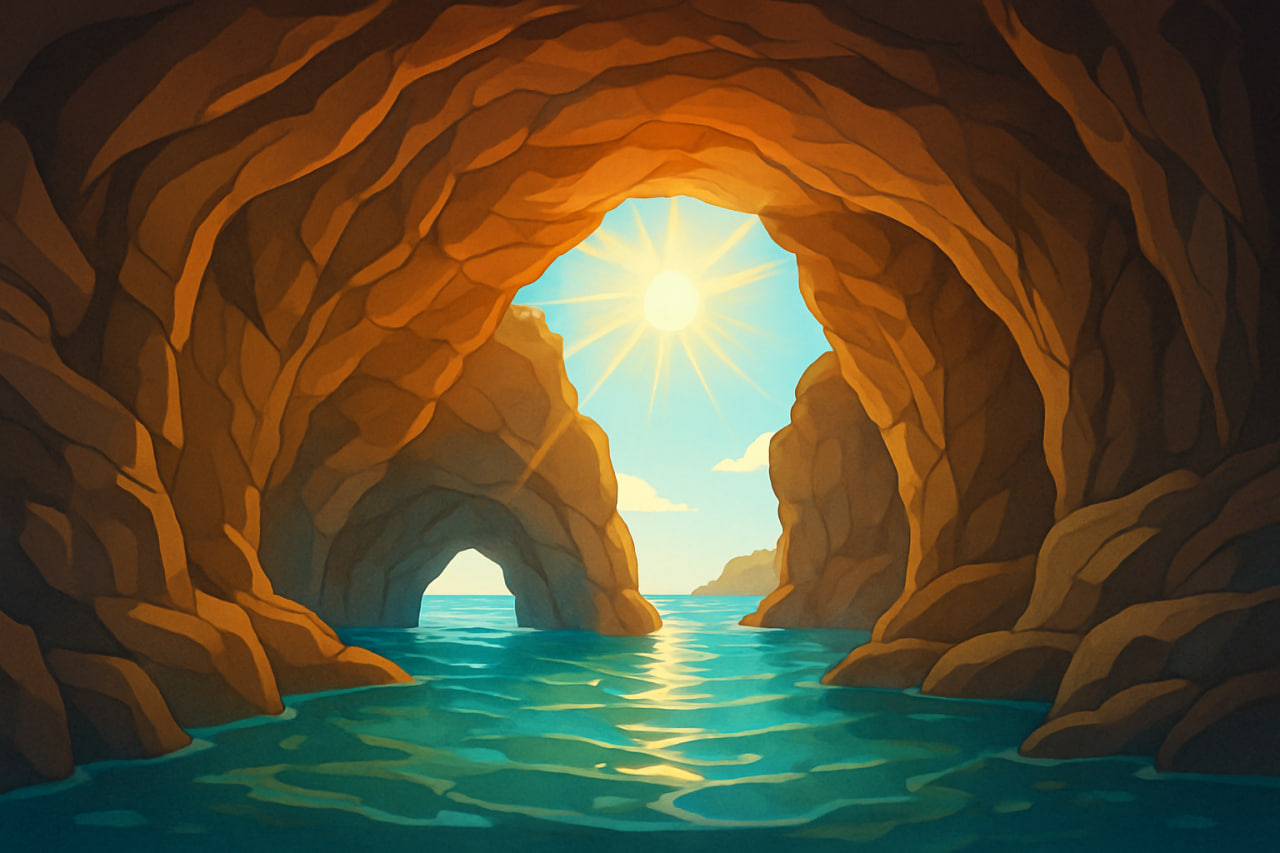
A grotto is a small cave or cavern, often with a picturesque or decorative appearance.
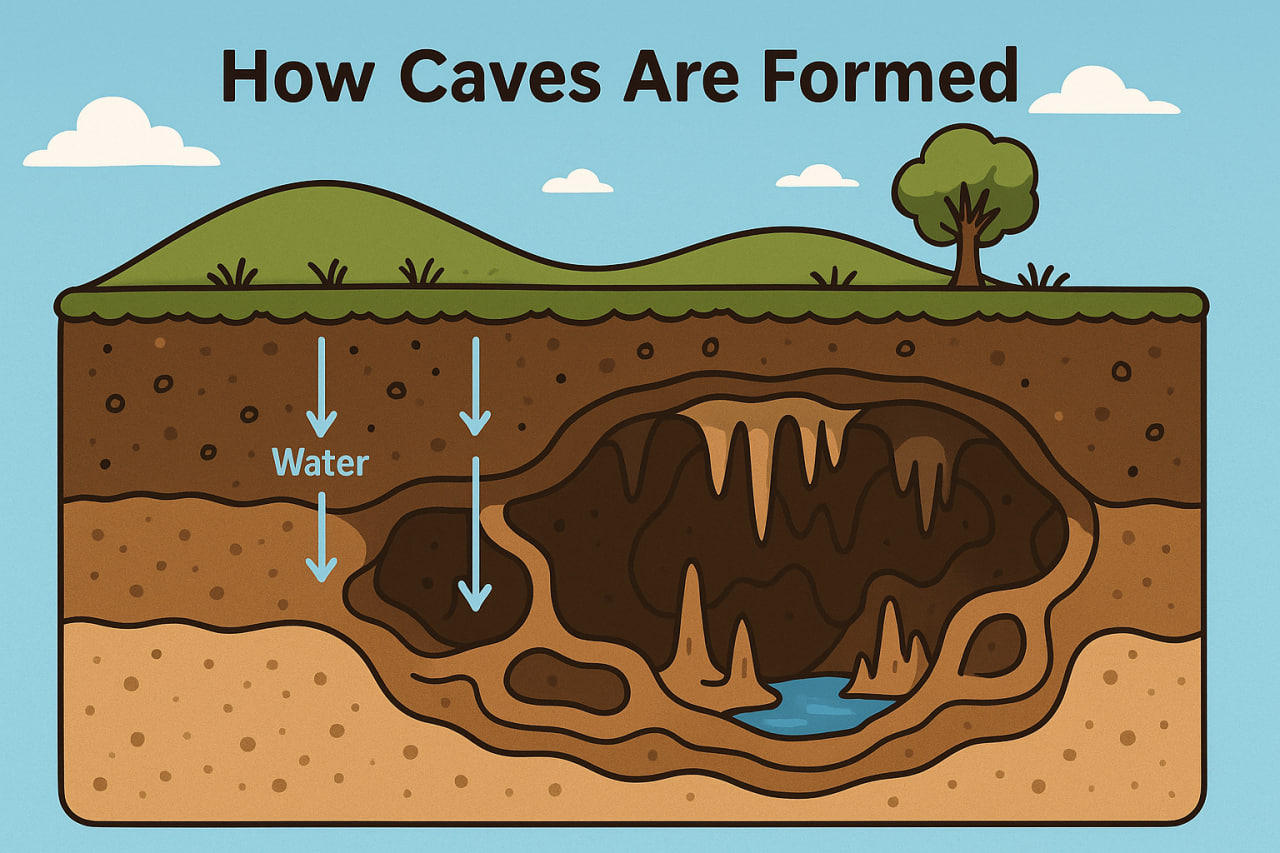
Caves are natural underground spaces that have fascinated humans for thousands of years. They can be small cavities or enormous labyrinths stretching for hundreds of kilometers.
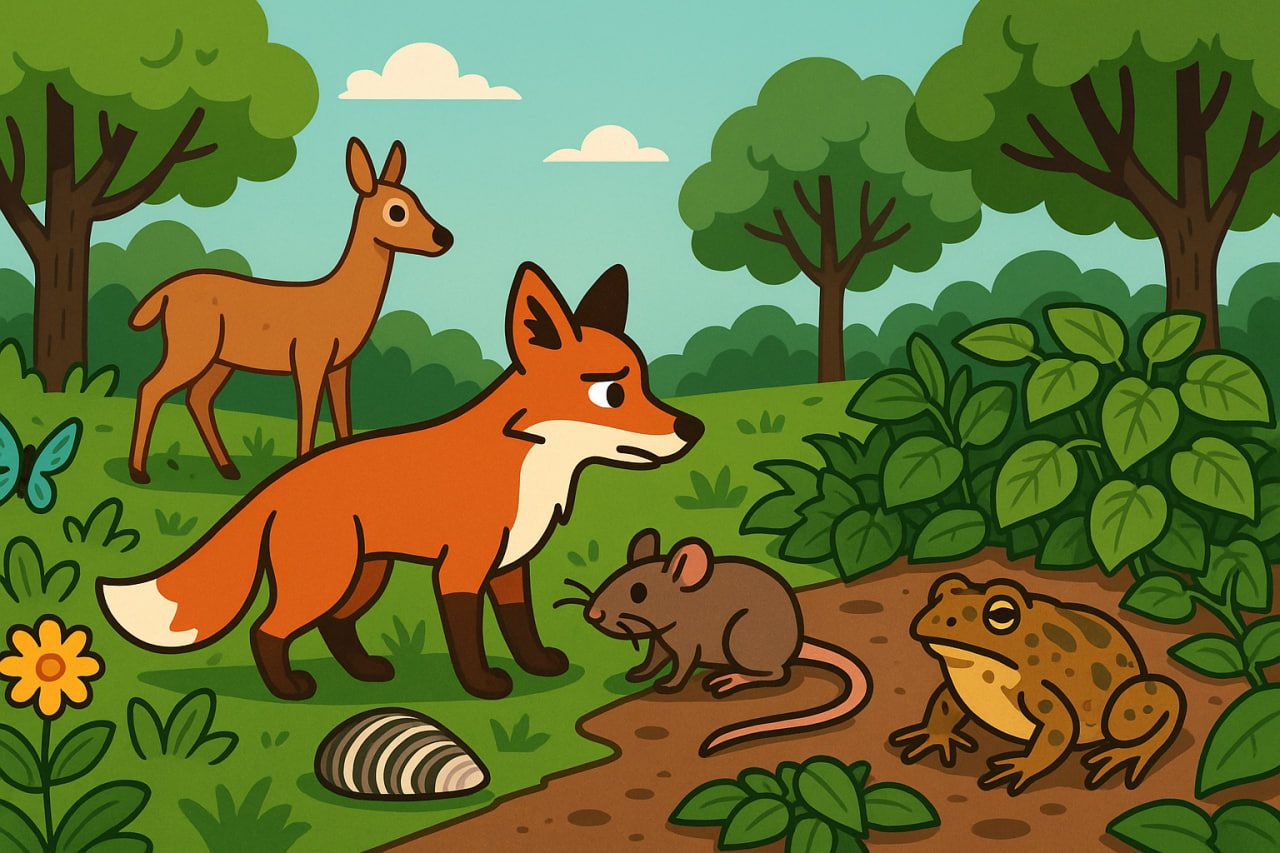
Invasive species are plants, animals, or microorganisms introduced—often by humans—into environments where they are not naturally found.
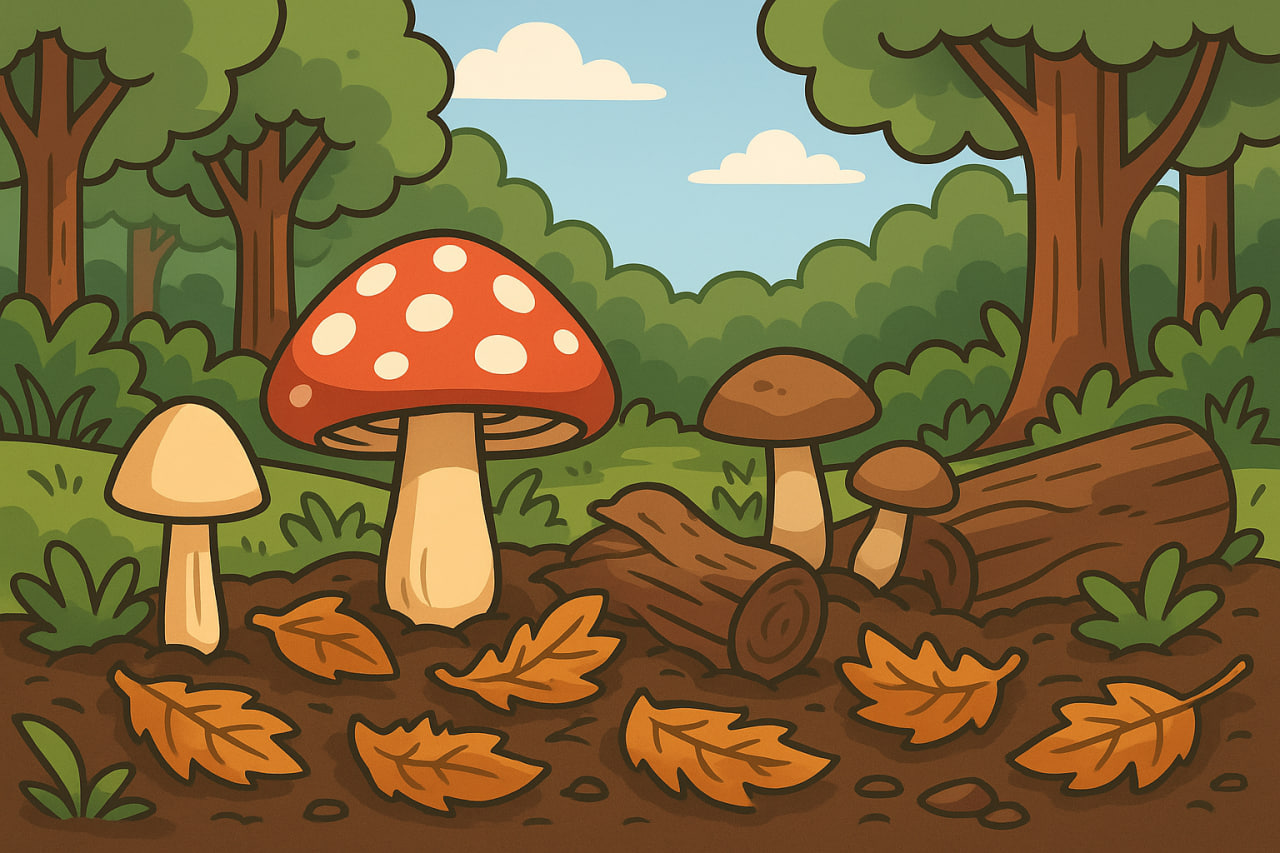
Fungi are essential players in the natural recycling system of ecosystems. Unlike plants, fungi do not produce their own food through photosynthesis.
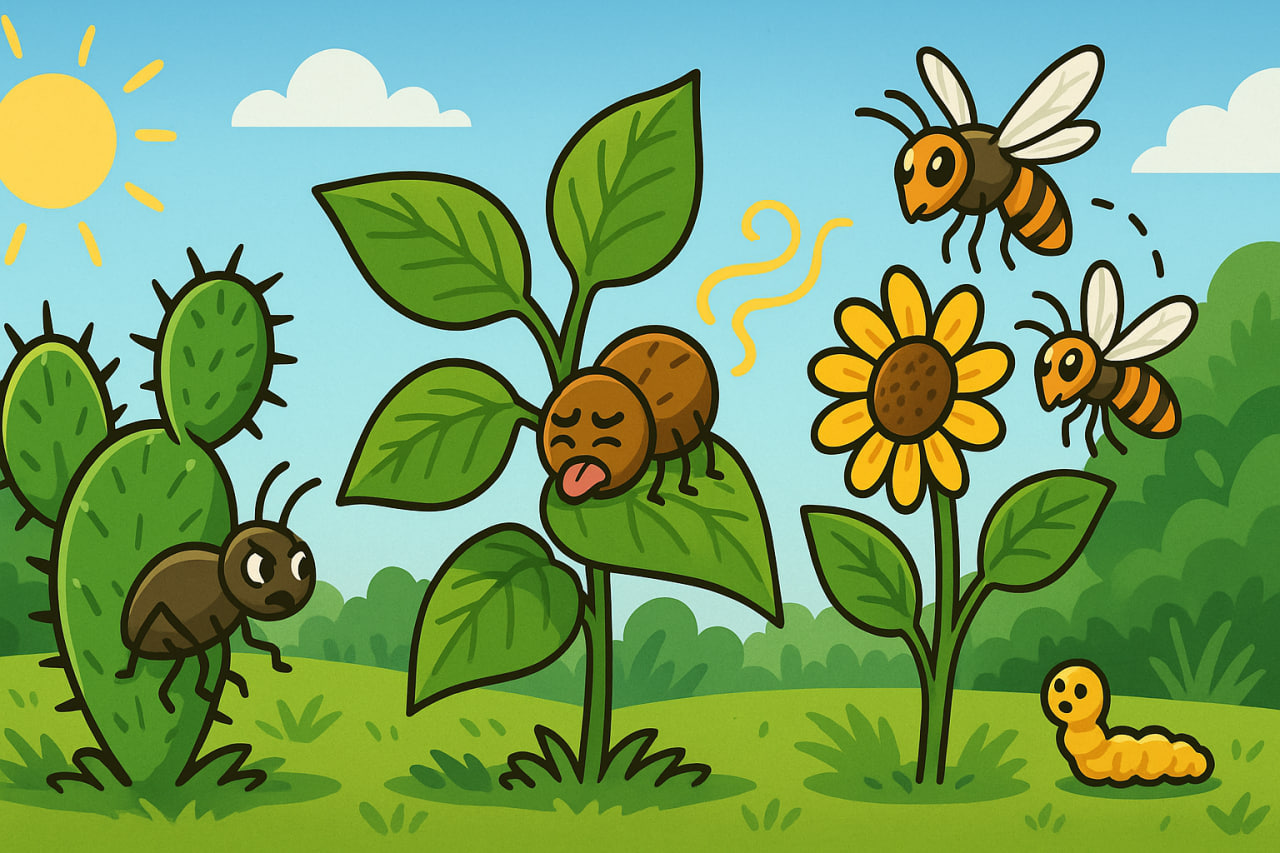
Plants may seem defenseless compared to animals, but they have developed remarkable strategies to survive in environments full of herbivores, insects, and pathogens.
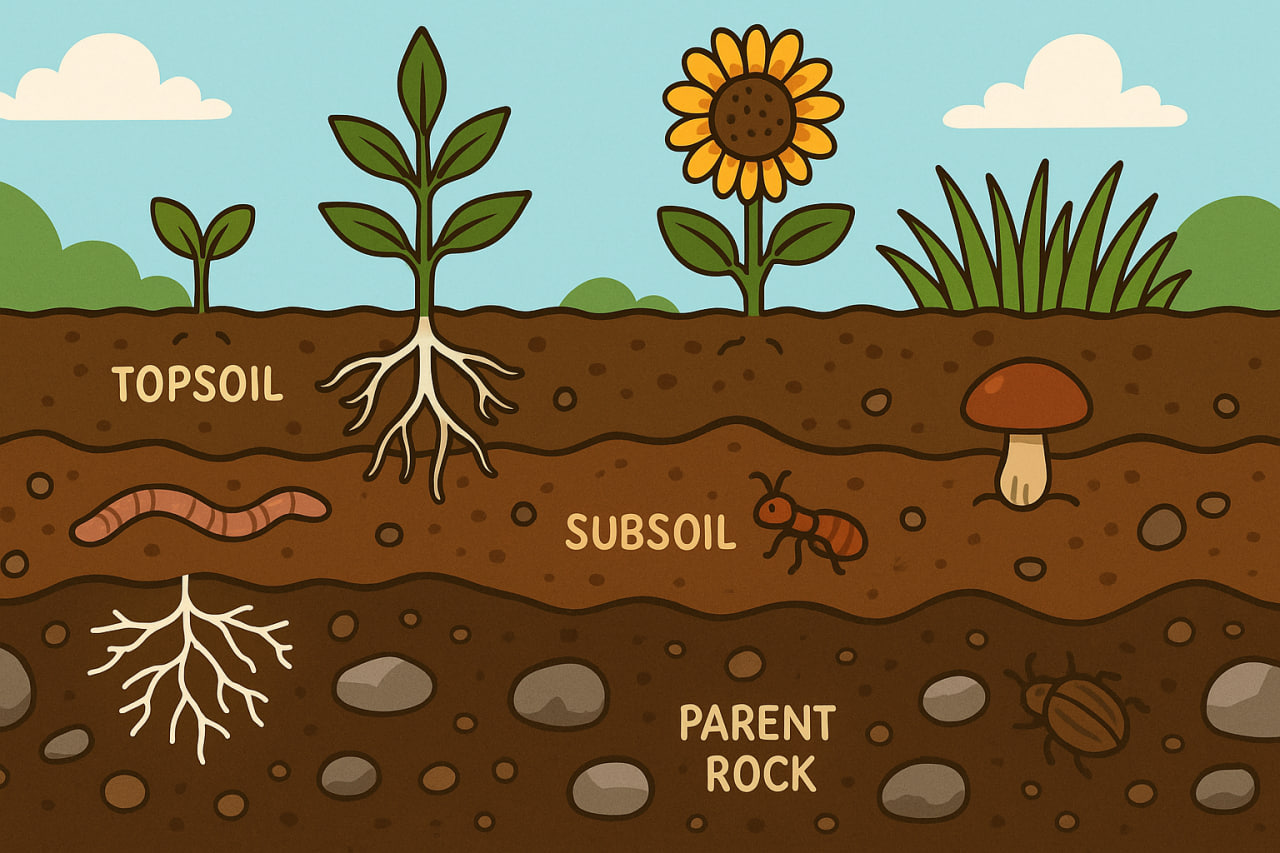
Soil is one of the most important natural resources on Earth. It forms the thin layer of material covering the land surface and serves as the foundation for plant growth, animal habitats, and...