
Ice Ages Explained: How They Happened and How Often They Returned
An ice age sounds like a frozen disaster from the distant past, but scientifically it is part of Earth’s long climate rhythm.
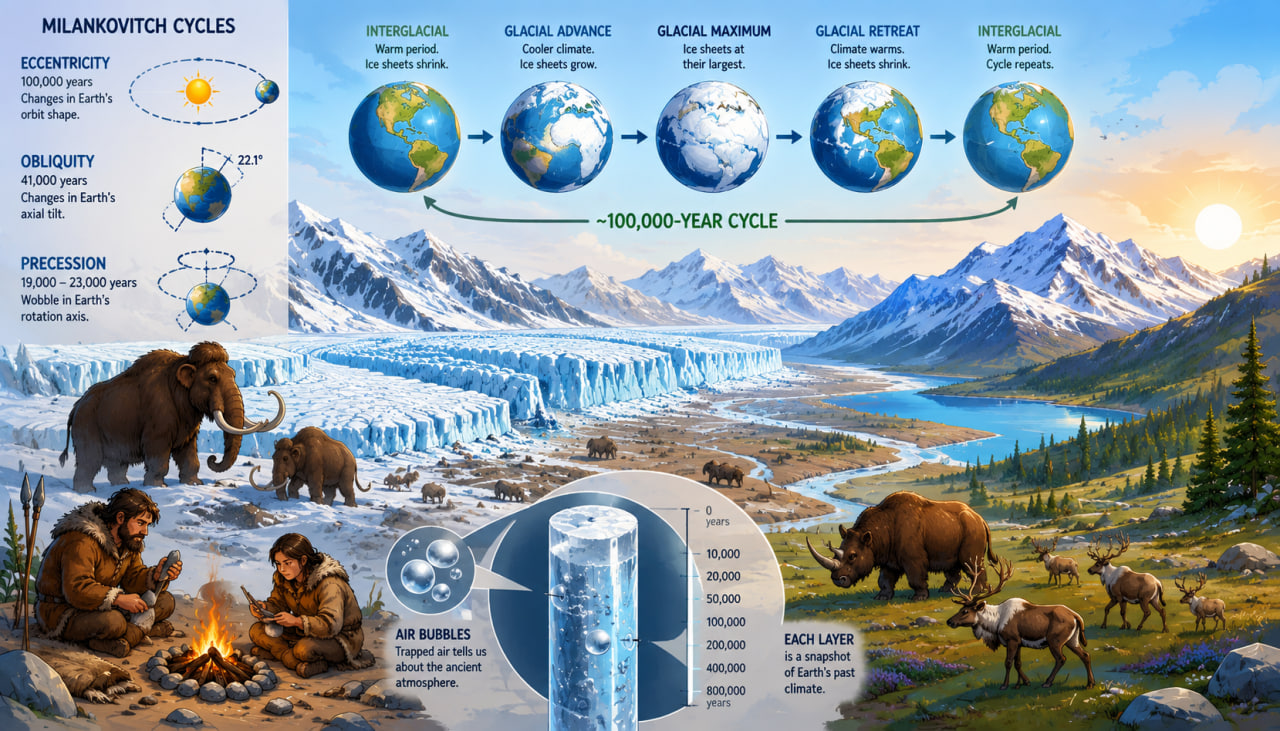
An ice age sounds like a frozen disaster from the distant past, but scientifically it is part of Earth’s long climate rhythm.
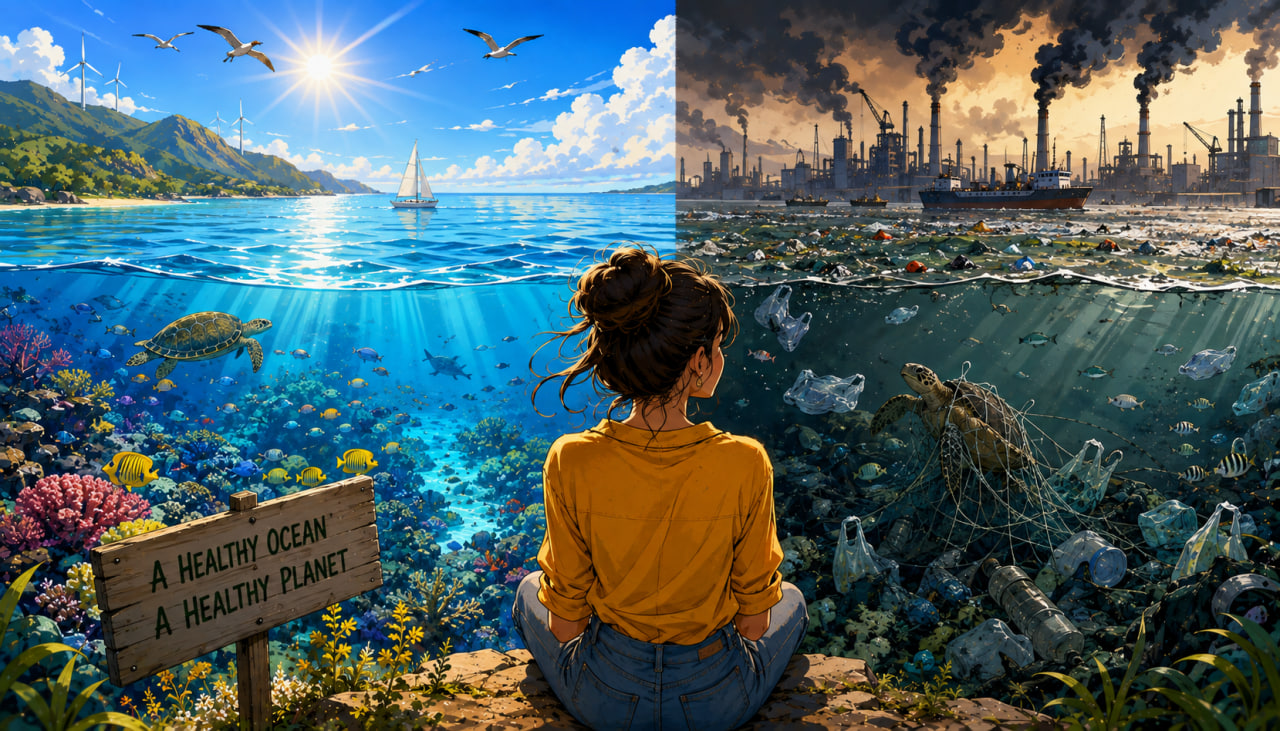
The ocean is not just a beautiful blue surface around the continents. It is Earth’s climate engine, oxygen factory, carbon storehouse, food source, transport system, biodiversity reservoir...
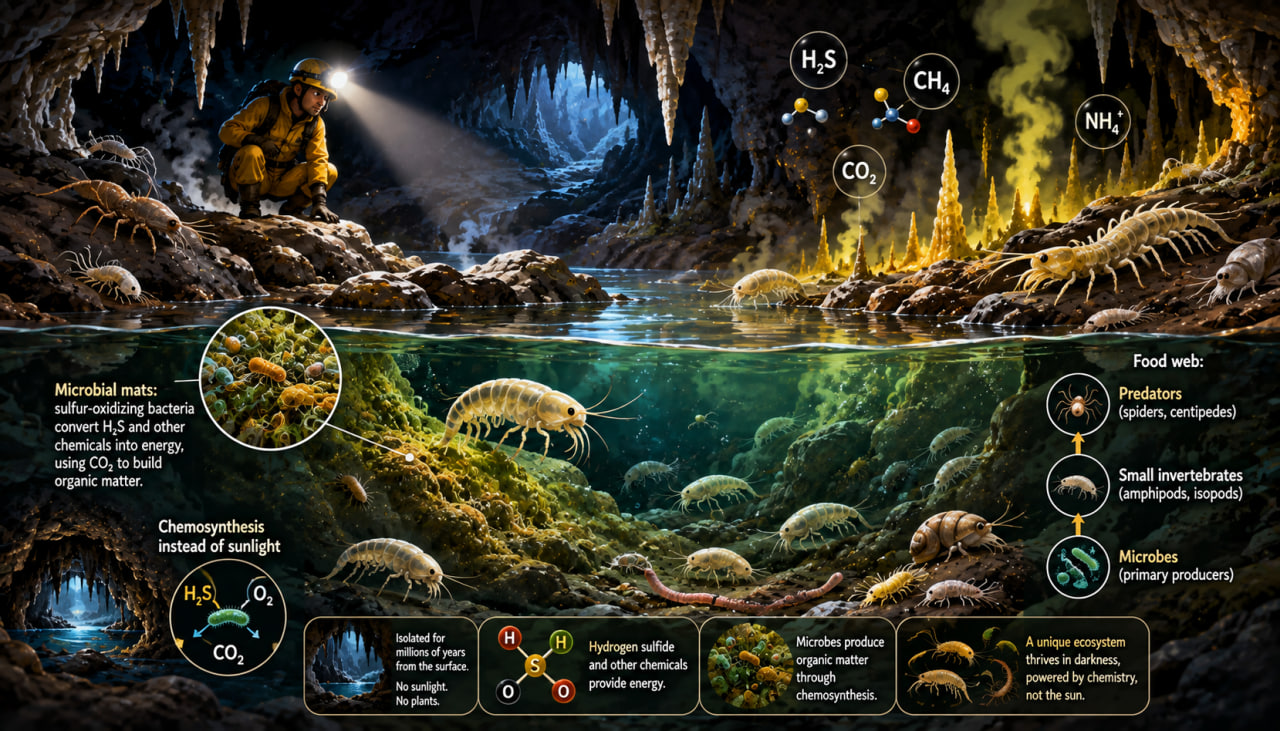
The most famous example is Movile Cave in southeastern Romania. Its chambers are dark, humid, poor in oxygen, and rich in carbon dioxide, methane, ammonium, and hydrogen sulfide.
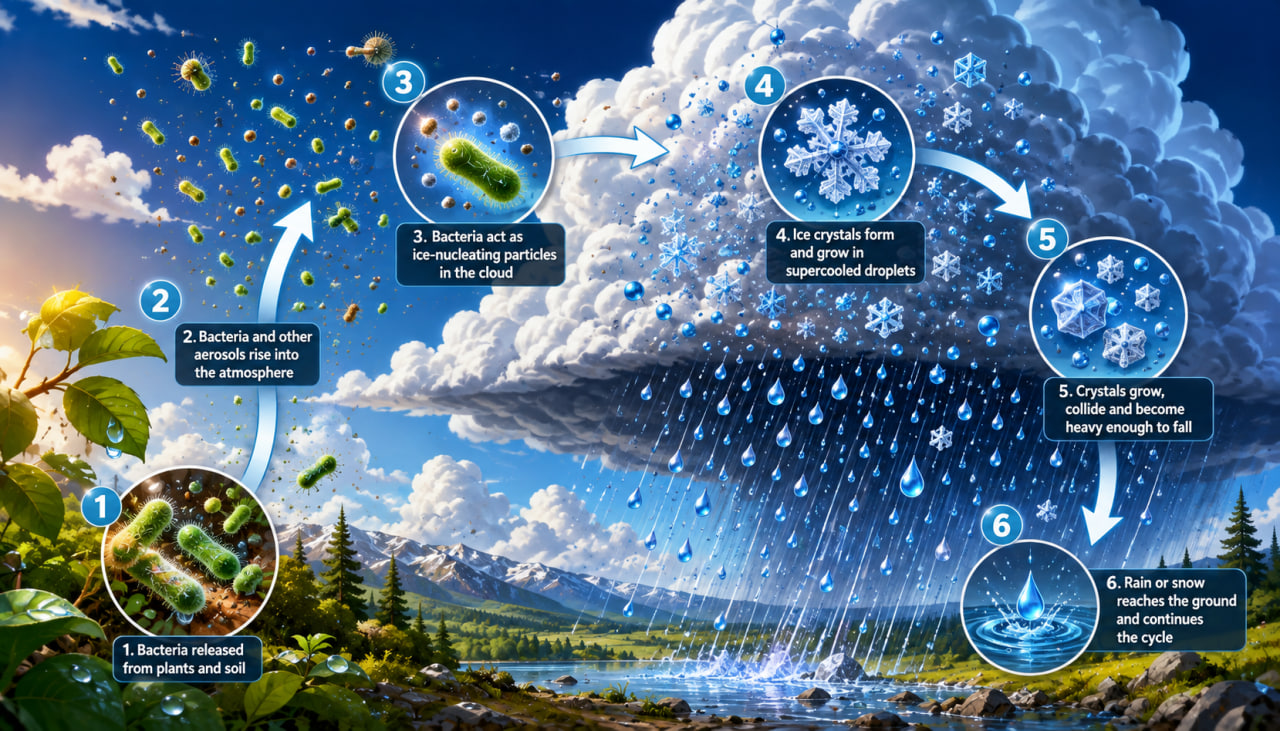
Among these microscopic passengers are bacteria capable of helping supercooled water freeze.
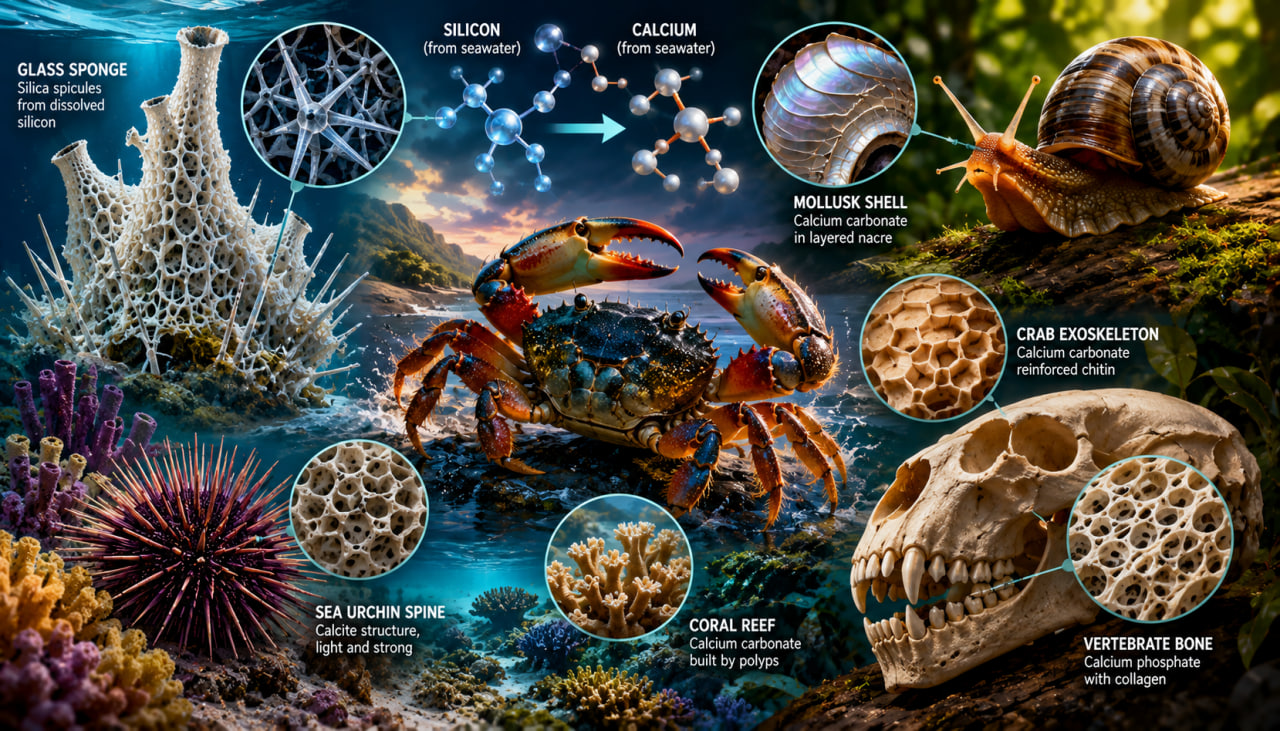
Nature builds hard materials without furnaces, factories, or extreme pressure. Marine sponges assemble glass-like frameworks from dissolved silicon. Mollusks grow shells from calcium carbonate.

Located in East Asia, Japan is an island nation with Tokyo as its capital and largest urban center.

Flowers are often associated with symmetry, fragrance, and bright colors. Yet some plants produce blossoms that resemble animals, smell like decaying flesh, hide underground, or bloom for...
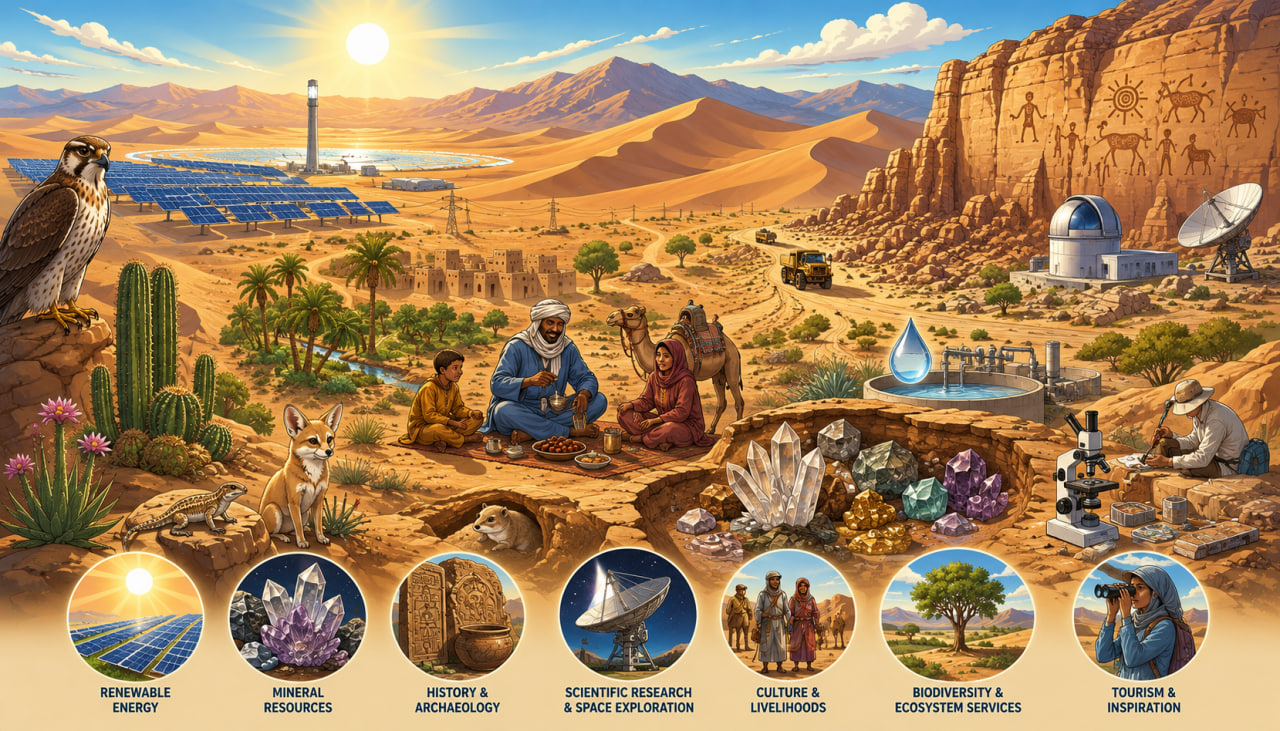
Deserts are often described as empty, hostile wastelands where almost nothing can survive.
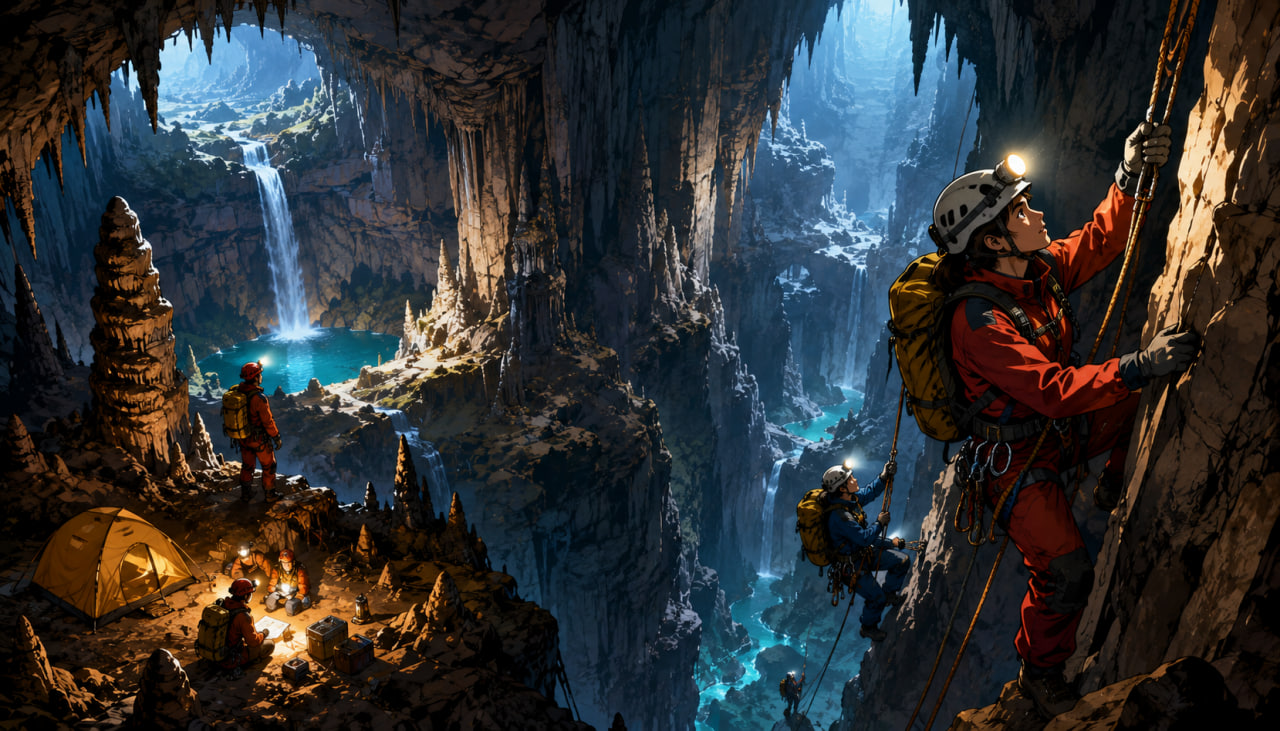
The deepest caves on Earth are not simply holes descending into the ground. They are enormous underground systems containing vertical shafts, flooded passages, waterfalls, narrow tunnels...
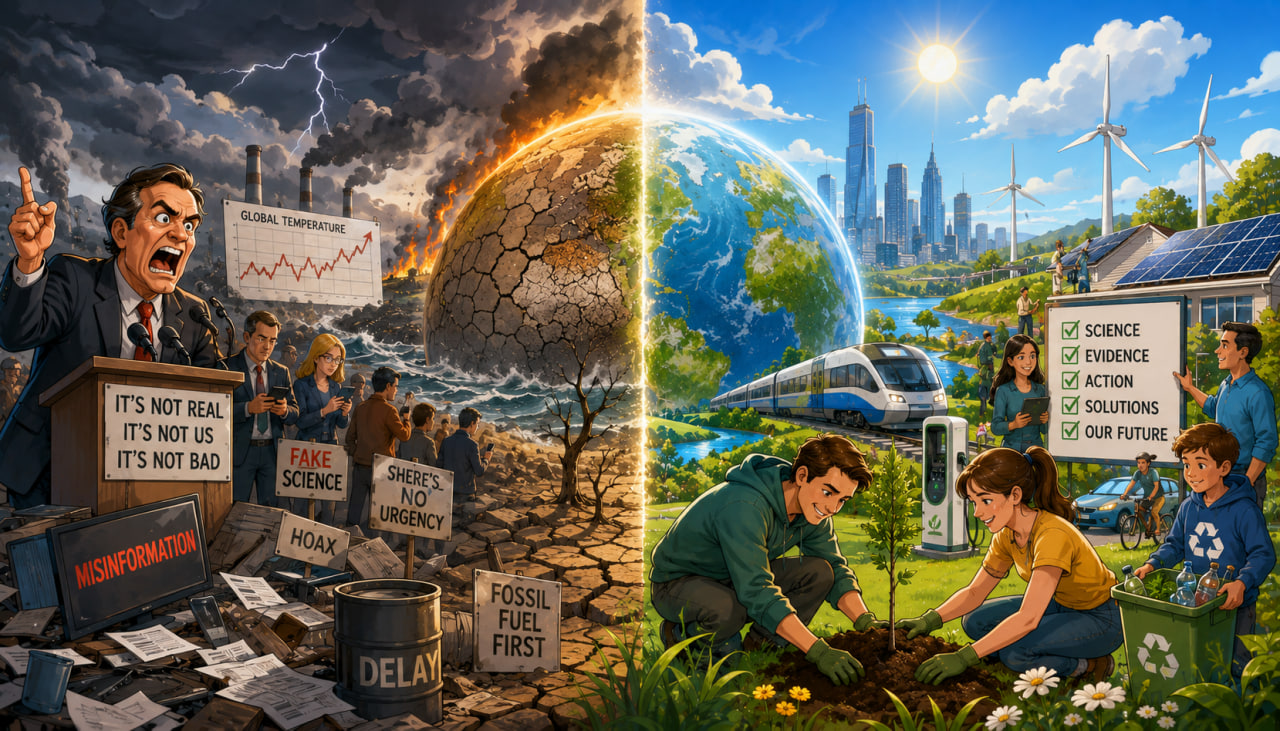
Scientific questioning is essential. Researchers constantly test measurements, improve climate models, and debate the effectiveness of different solutions.