
Climate and Volcanoes: How Eruptions Affect Global Temperatures
Volcanoes look like symbols of heat: glowing lava, ash clouds, fire fountains, and explosive energy from deep inside Earth.
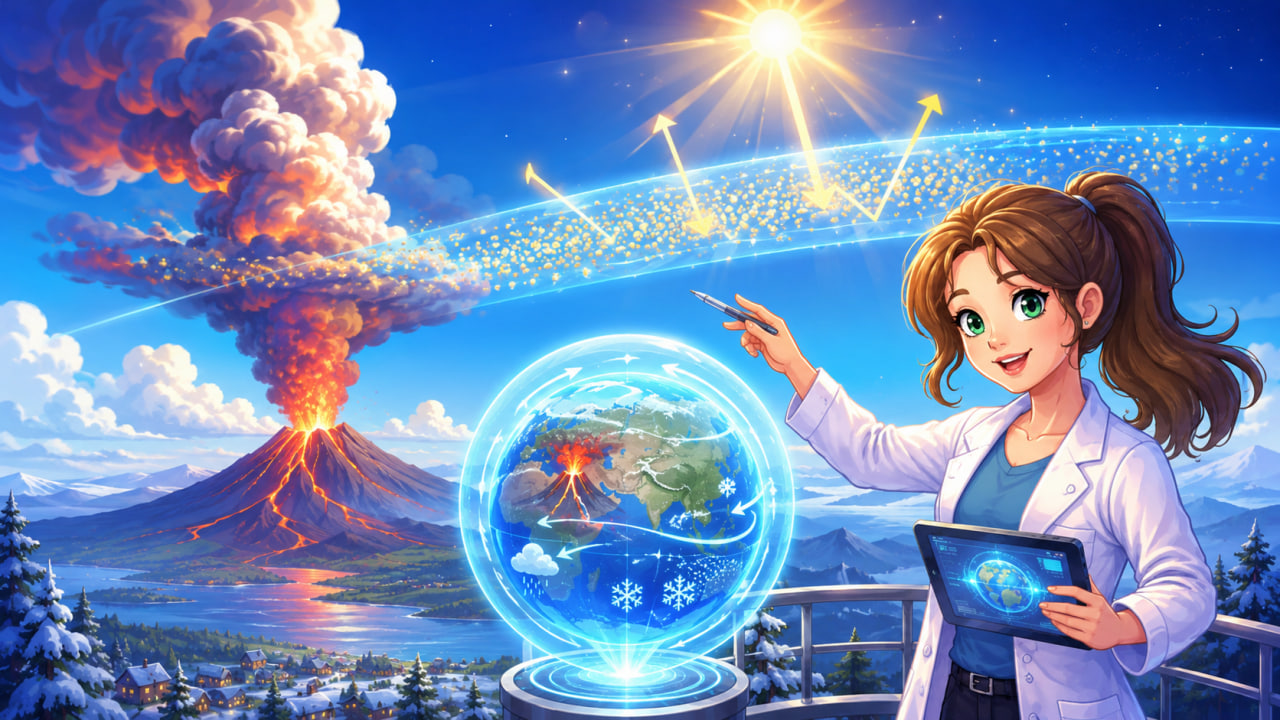
Volcanoes look like symbols of heat: glowing lava, ash clouds, fire fountains, and explosive energy from deep inside Earth.
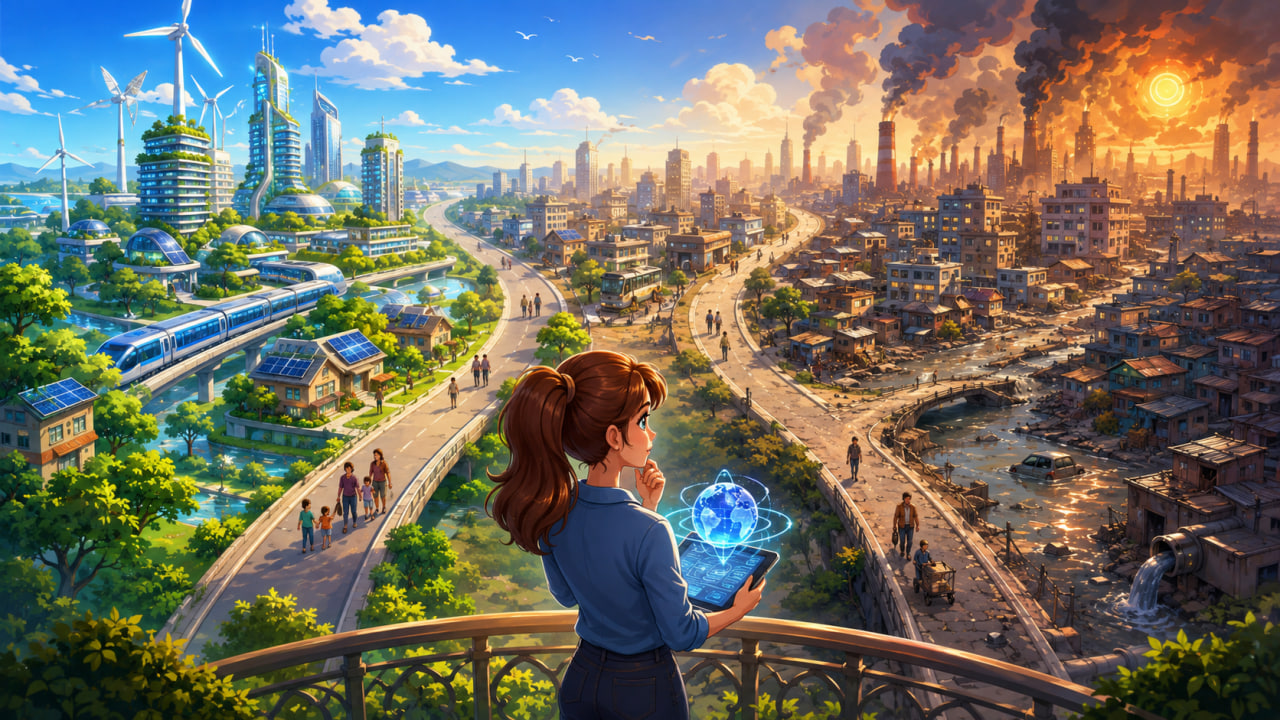
Humanity does not have one fixed future. The world of 2050 or 2100 will depend on choices made today: how we produce energy, how cities grow, how countries cooperate, how technology spreads...

The ocean is Earth’s greatest climate buffer. While people often focus on rising air temperatures, melting glaciers, and extreme weather, the largest share of excess heat trapped by...
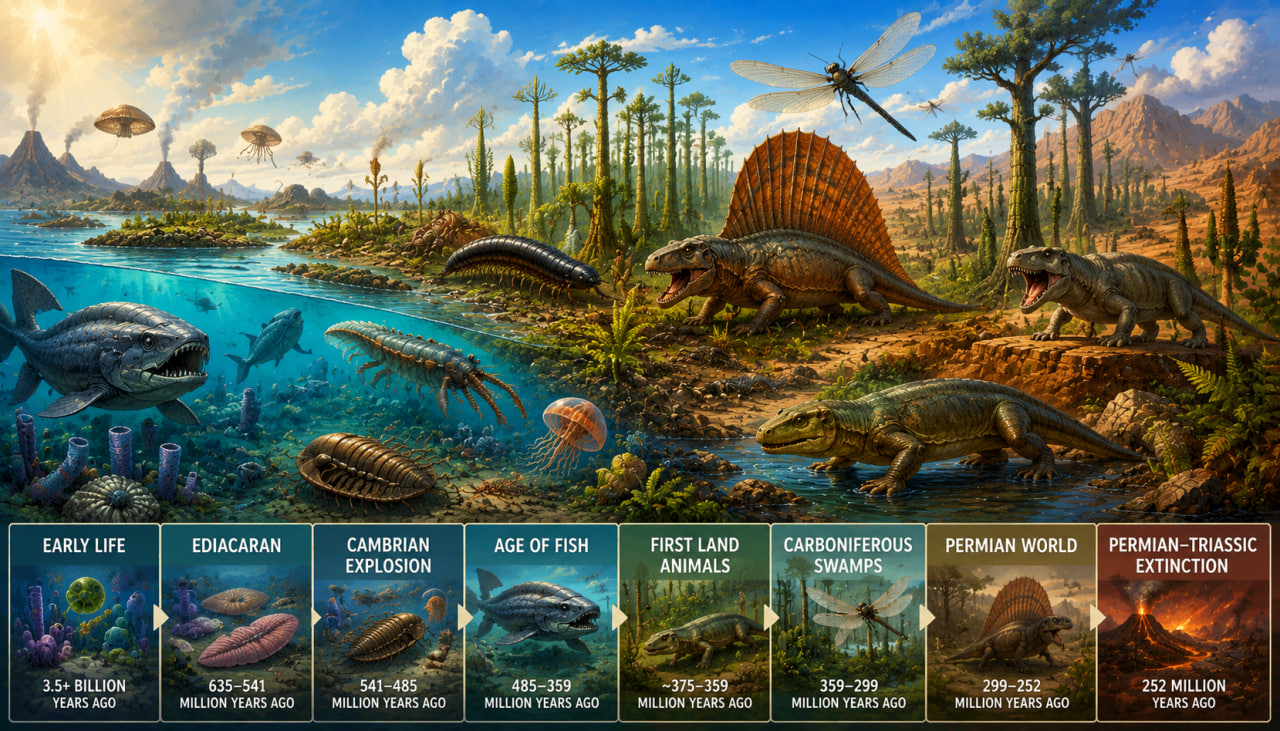
Dinosaurs often feel like the beginning of prehistoric life, but they were actually late arrivals in Earth’s story.
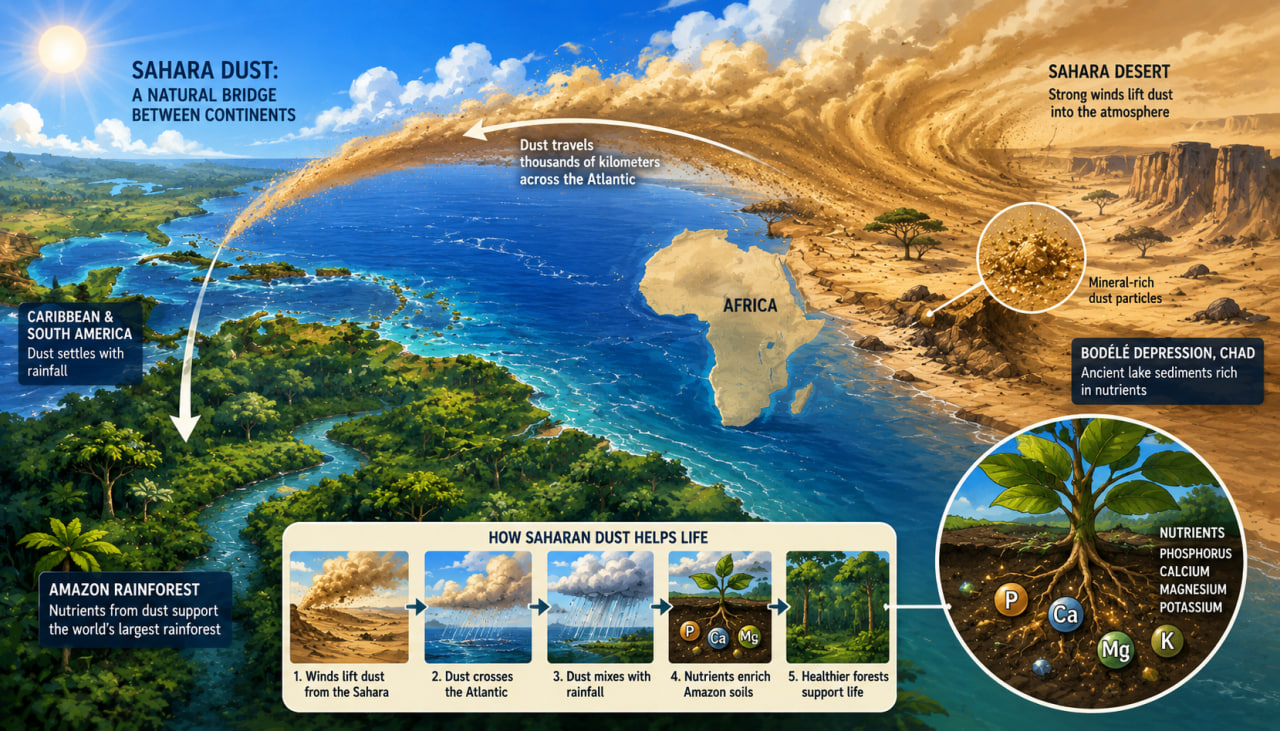
The Sahara Desert is often imagined as a vast, lifeless landscape of endless sand dunes and scorching temperatures.

For thousands of years, dragons have fascinated people across nearly every civilization.
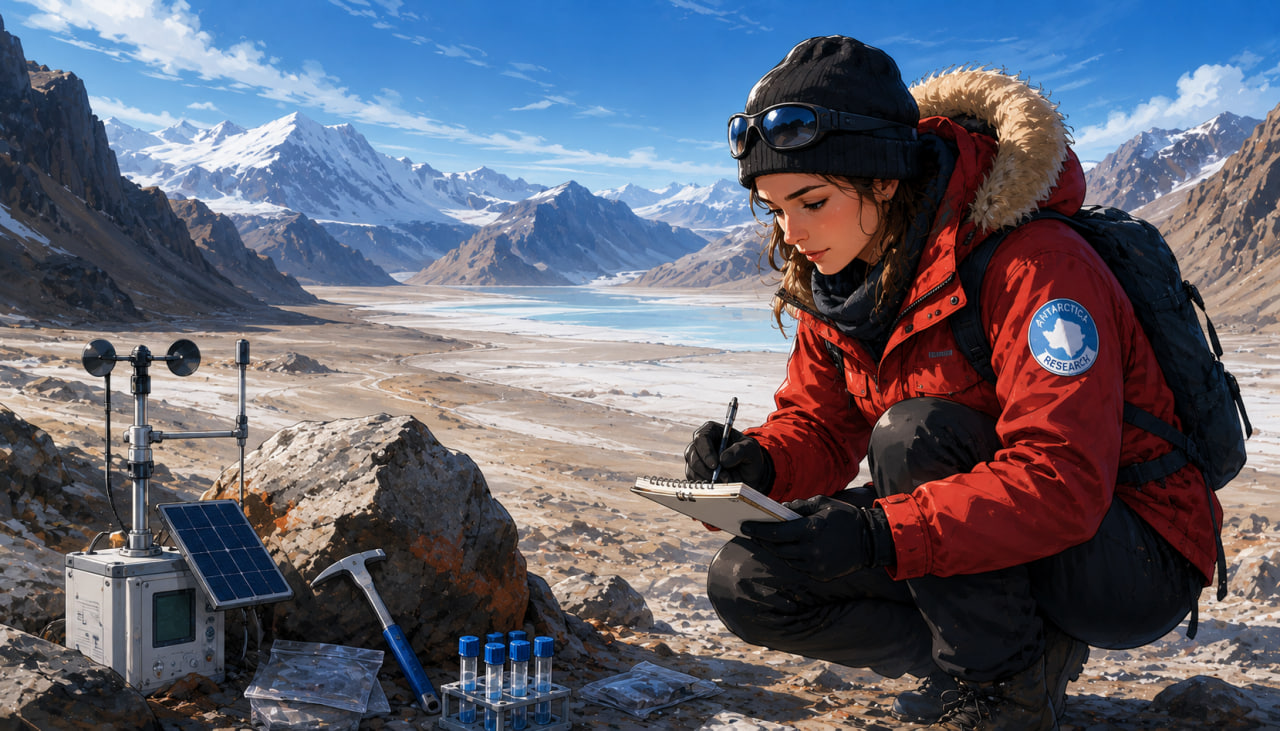
When most people imagine Antarctica, they picture endless snowfields, towering glaciers, and freezing temperatures.
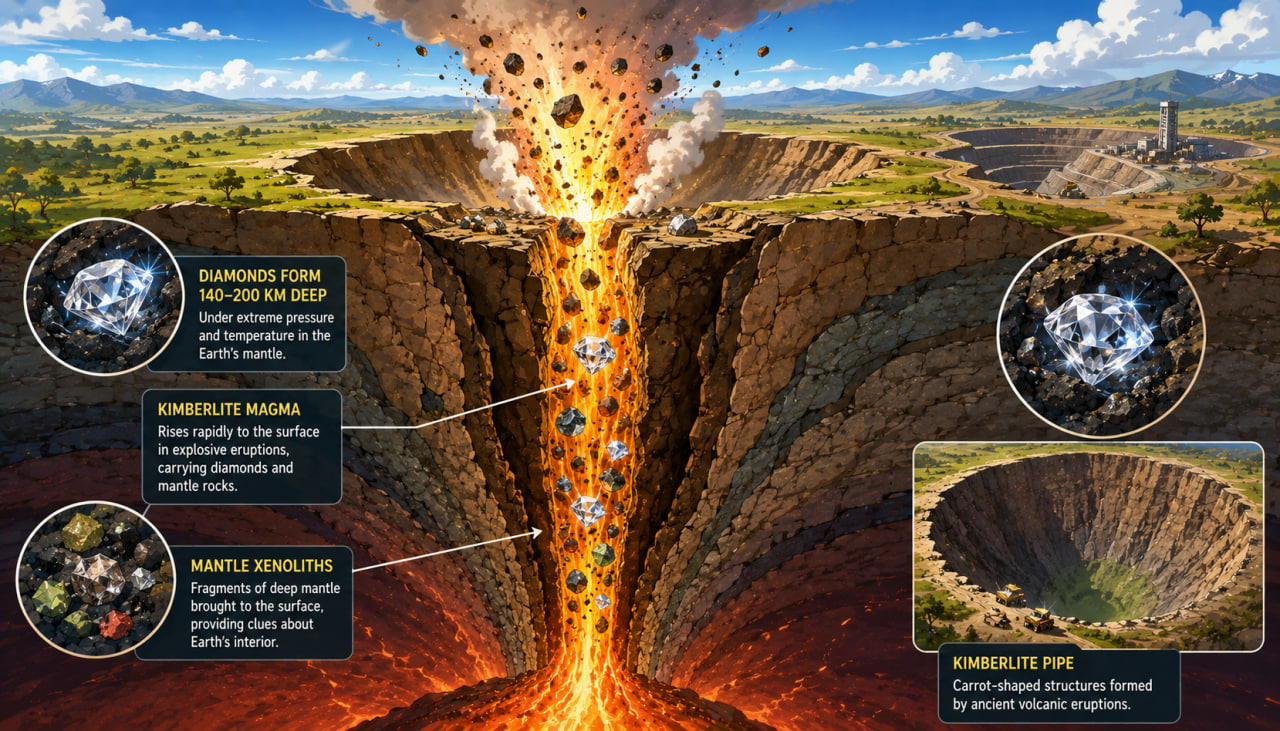
Diamonds are among the most valuable and fascinating natural materials on Earth, but few people realize that they originate far deeper than ordinary volcanoes can reach.
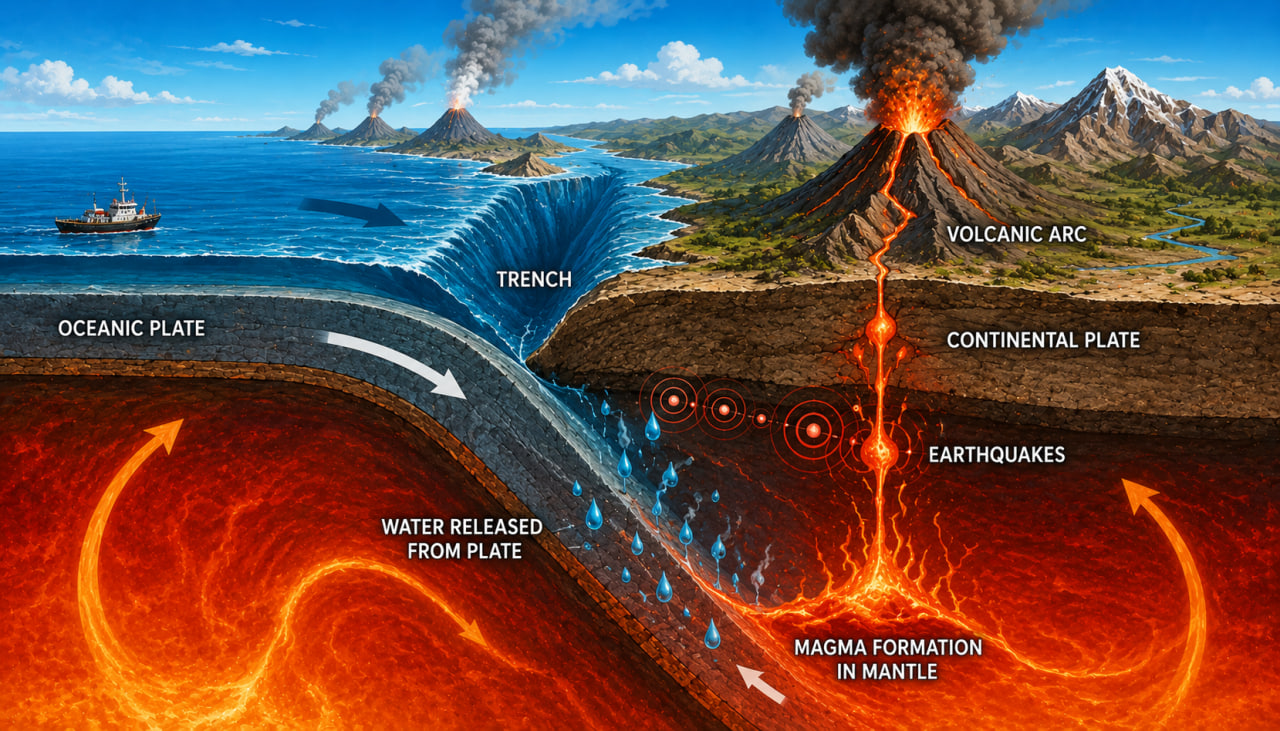
Deep beneath the oceans, invisible to most of humanity, enormous tectonic plates are constantly moving. Where these plates collide, one may sink beneath another in a process known as subduction.
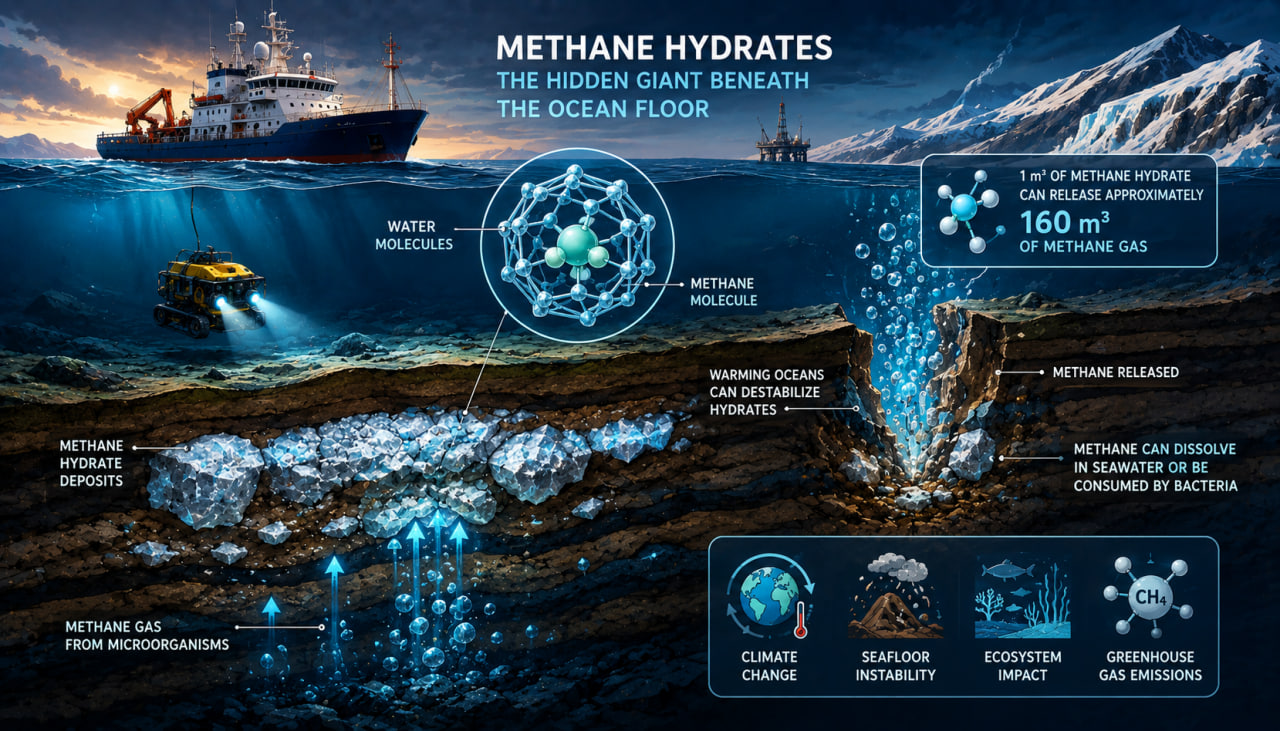
Far below the ocean's surface, beneath layers of sediment and icy cold seawater, lies one of Earth's largest hidden carbon reservoirs—methane hydrates.