
The Harm of Nanoplastics – Latest Research
Nanoplastics are tiny plastic particles smaller than 1 micrometer (µm). They form from the breakdown of larger plastics and are now found everywhere—from oceans and soil to the air we...
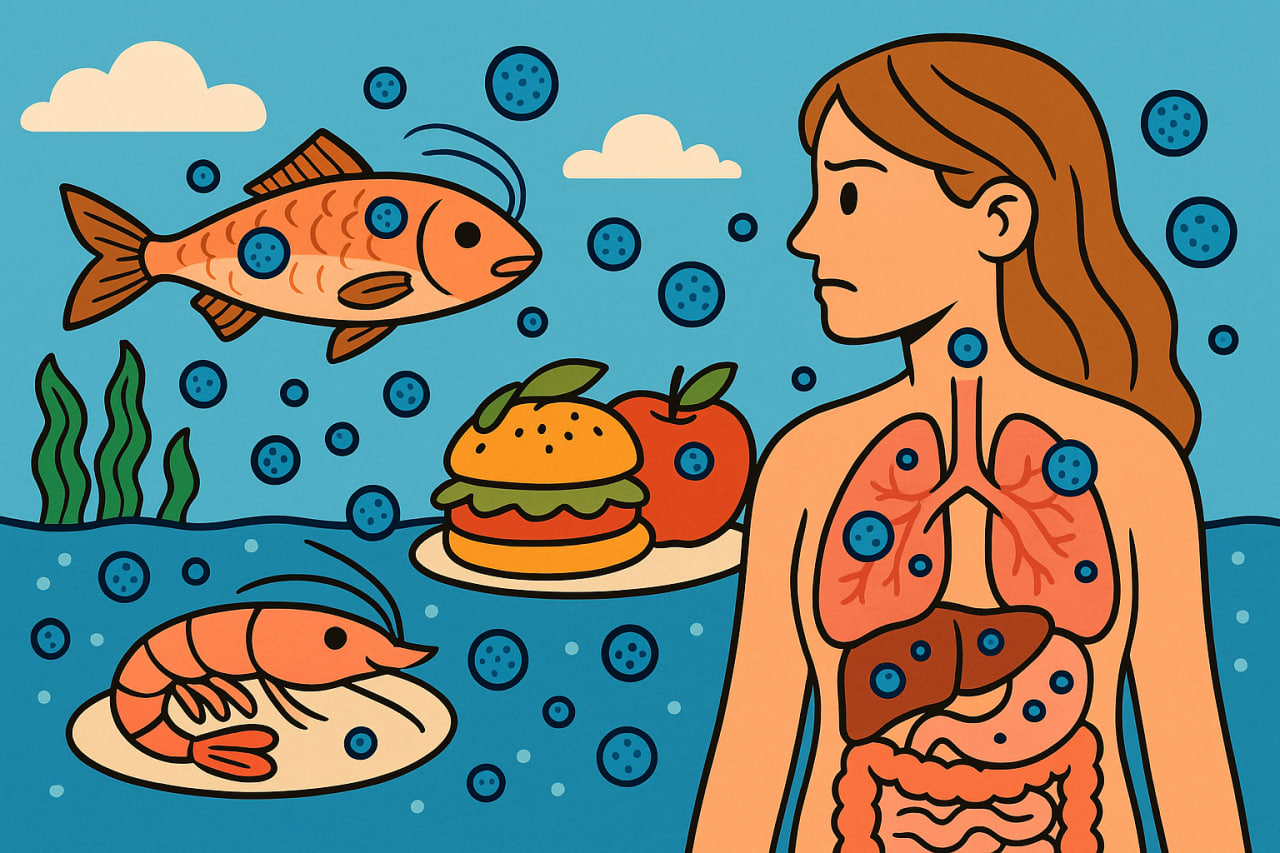
Nanoplastics are tiny plastic particles smaller than 1 micrometer (µm). They form from the breakdown of larger plastics and are now found everywhere—from oceans and soil to the air we...
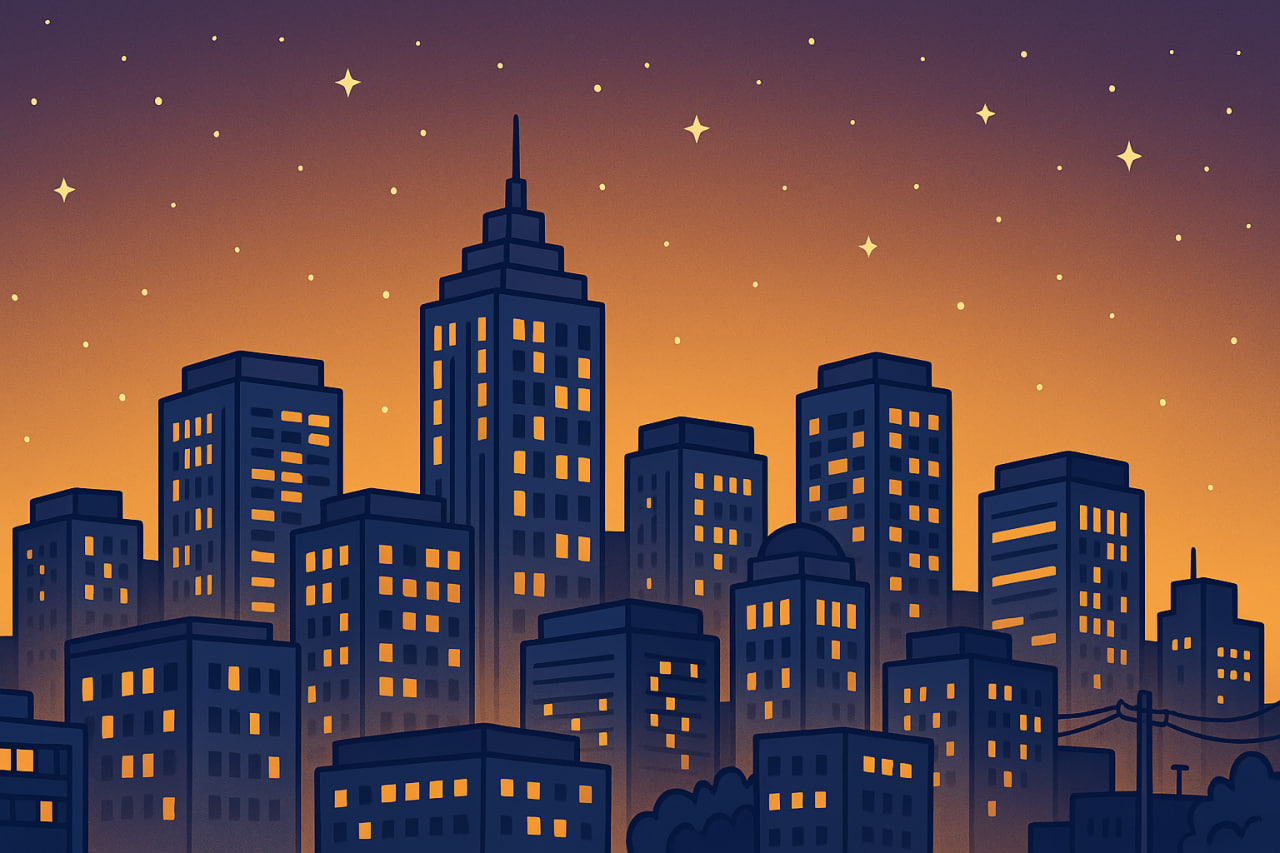
Light pollution is the excessive or misdirected use of artificial light that brightens the night sky and disrupts natural cycles.
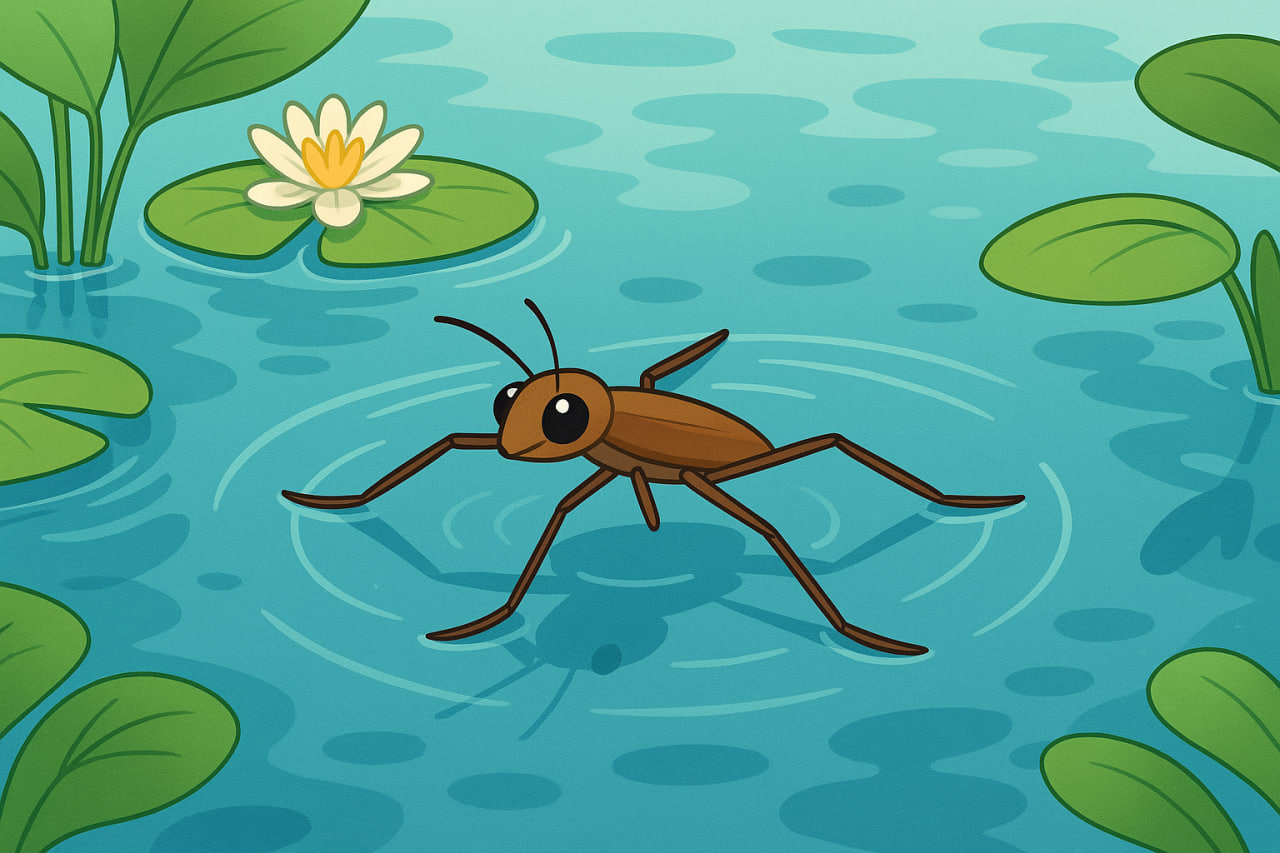
Water striders are fascinating insects known for their ability to walk effortlessly across the surface of ponds, lakes, and slow-moving streams.
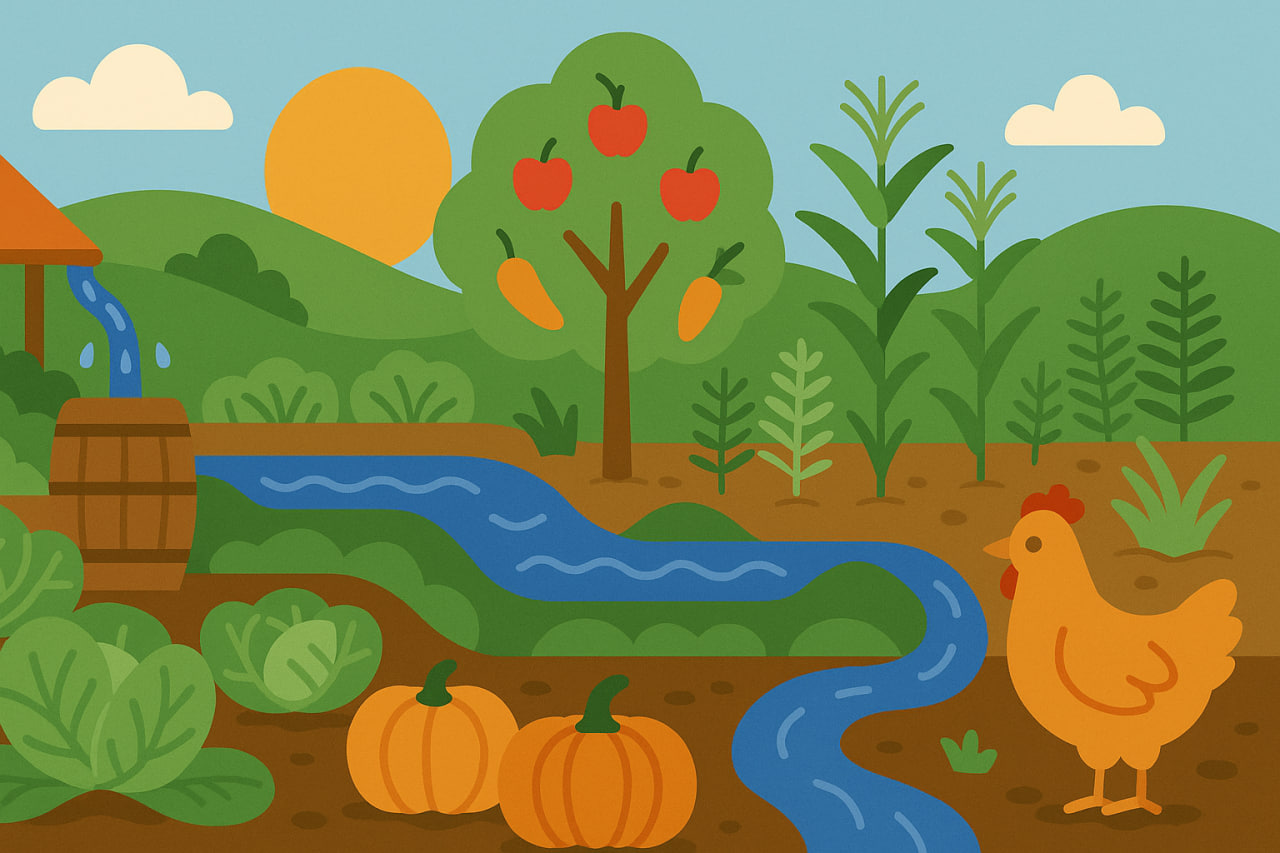
Permaculture is a sustainable approach to agriculture and living that works with nature rather than against it.
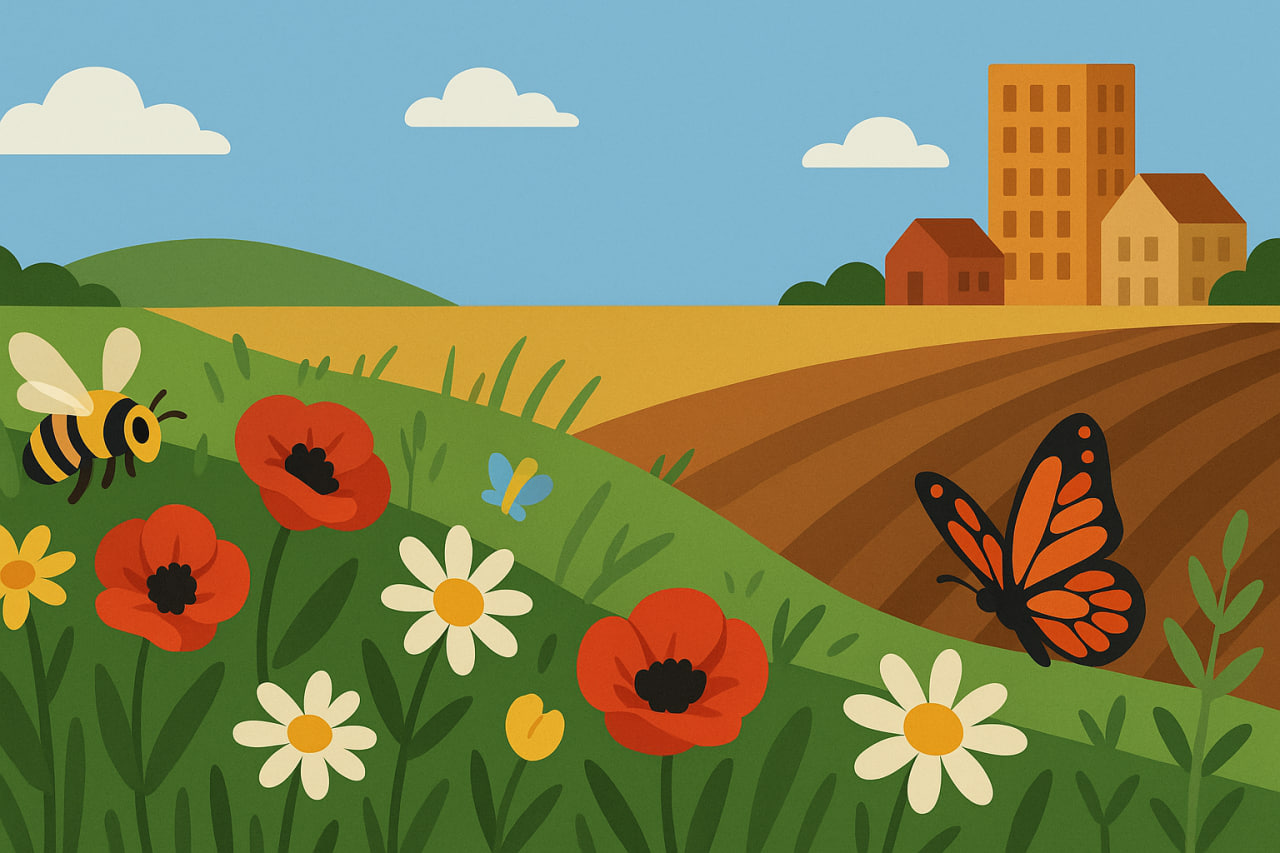
Wild meadows, once widespread across many regions, are now rapidly declining. These natural grasslands host a remarkable diversity of plants, insects, and animals, serving as important...
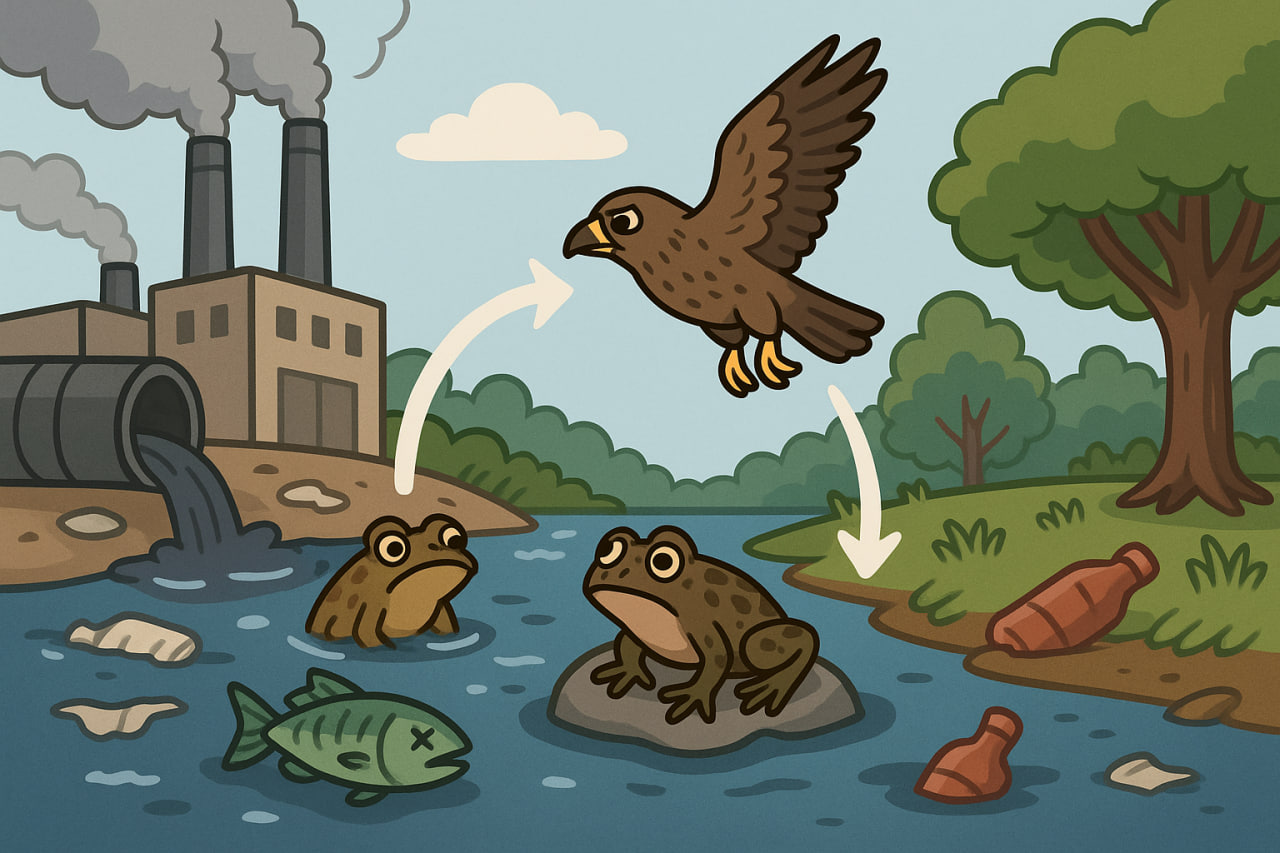
A food chain is the natural sequence in which organisms obtain energy by consuming other organisms.
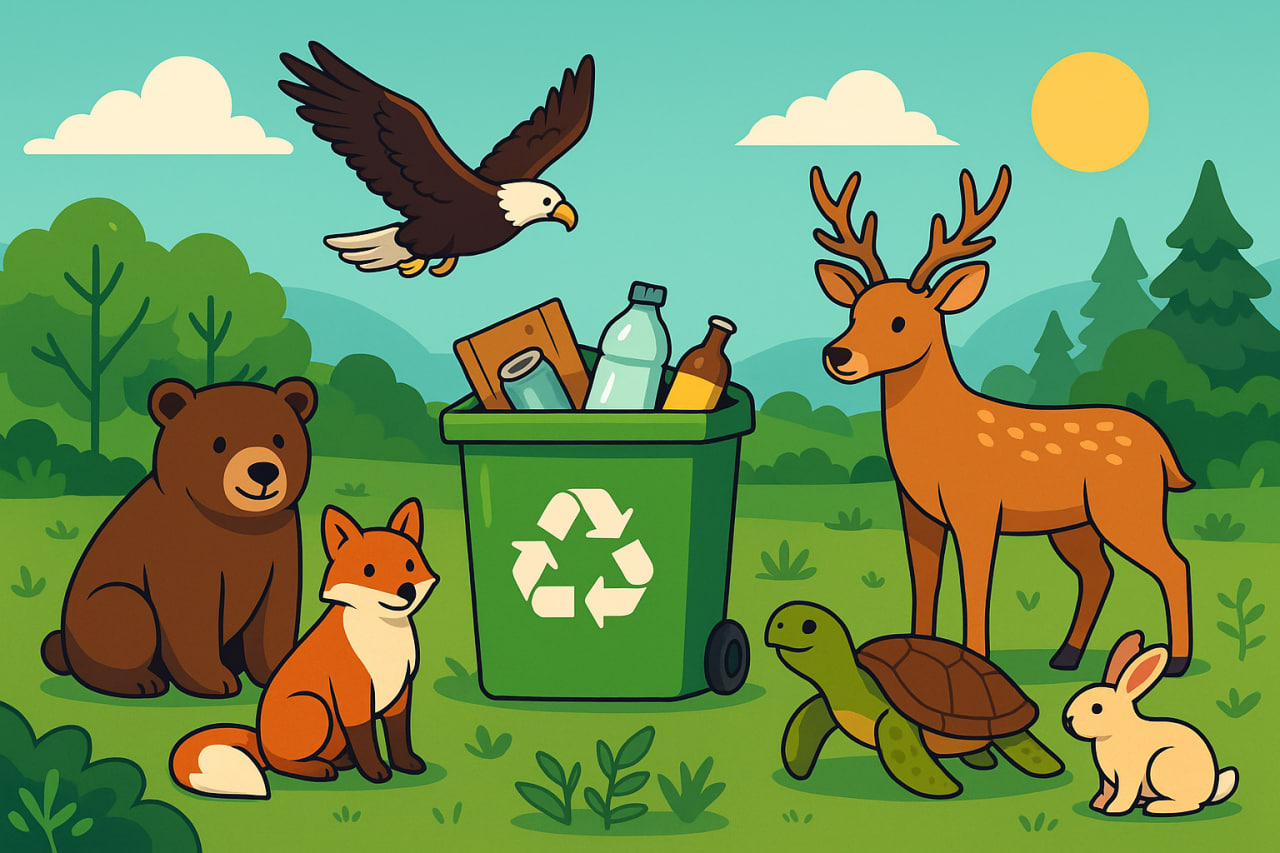
Recycling is often seen as an environmental responsibility that reduces landfill waste, conserves resources, and saves energy. But its role in protecting animals is equally important.
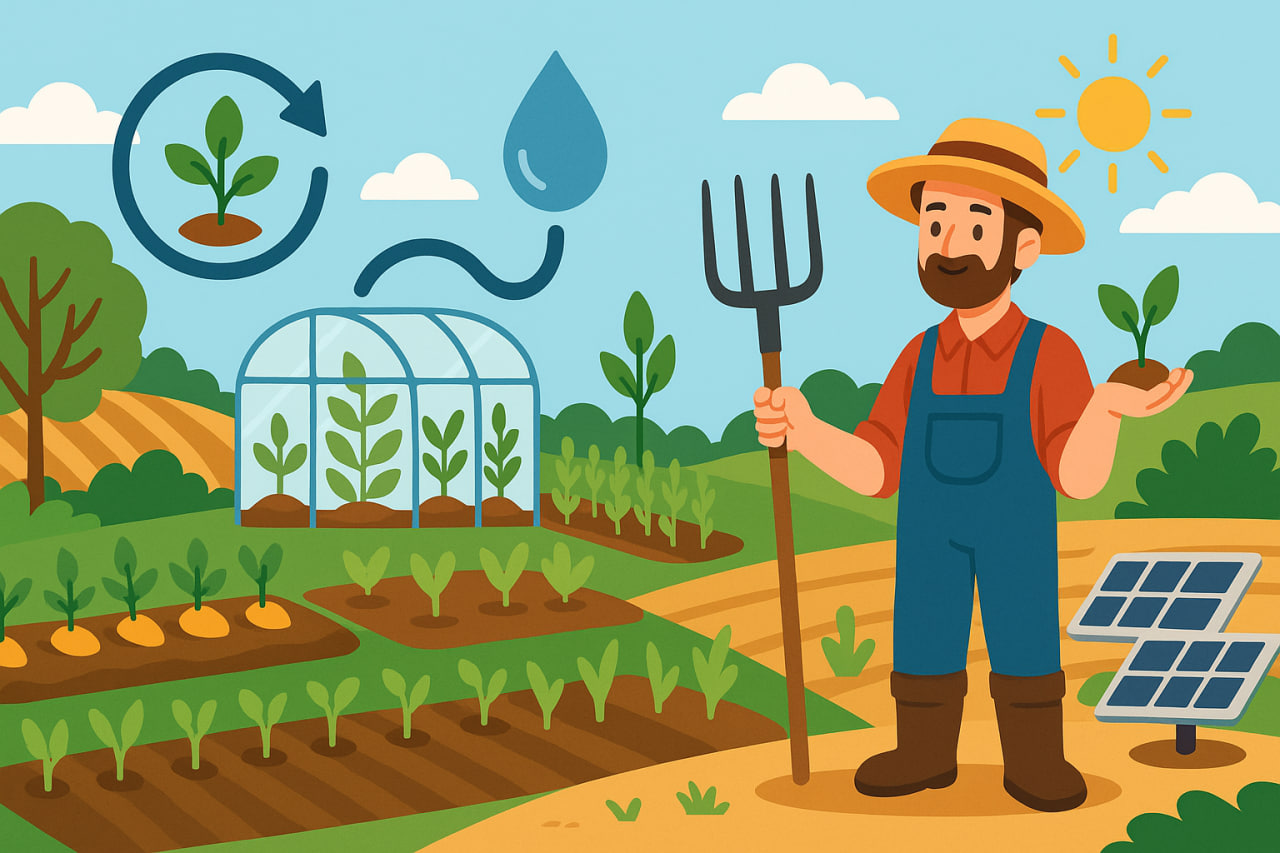
Sustainable agriculture is a farming approach that aims to meet current food needs without compromising the ability of future generations to meet their own.
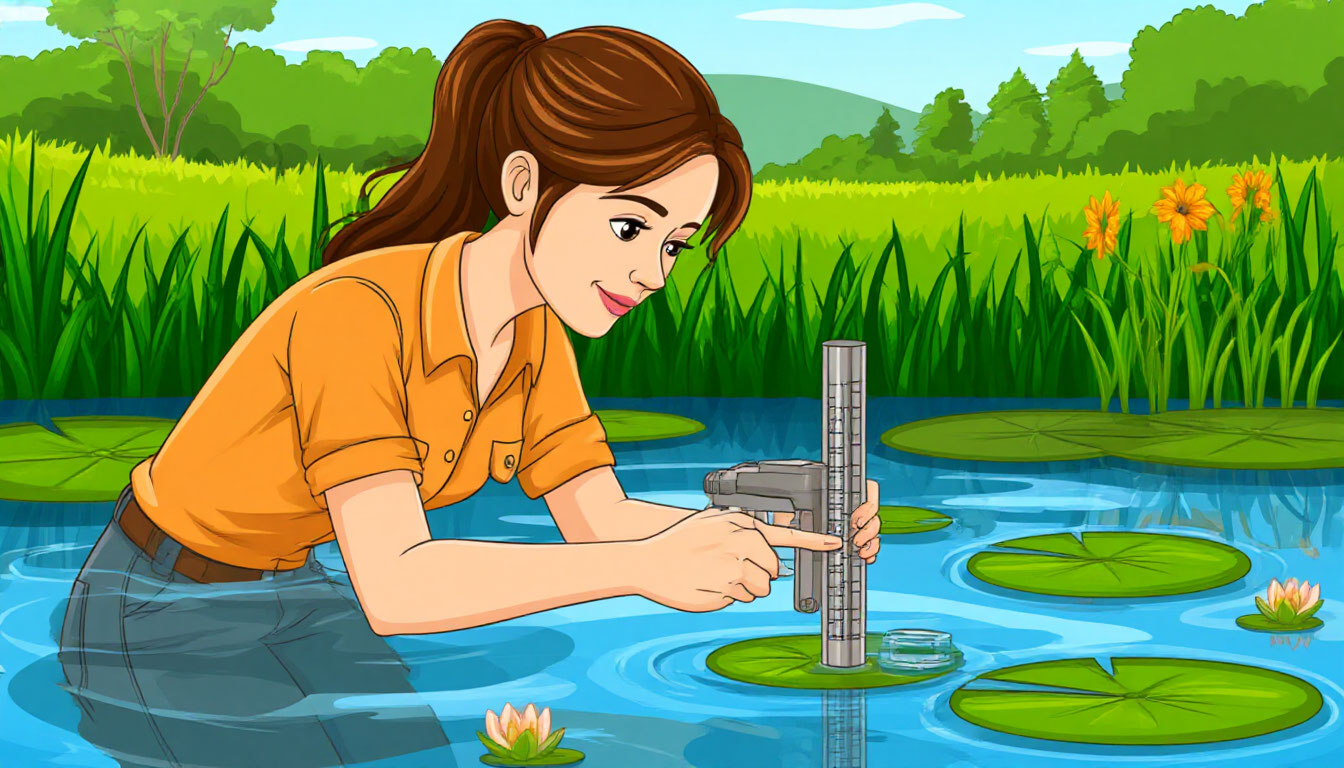
Water bodies—including rivers, lakes, wetlands, and oceans—are among the most vital natural resources on Earth.
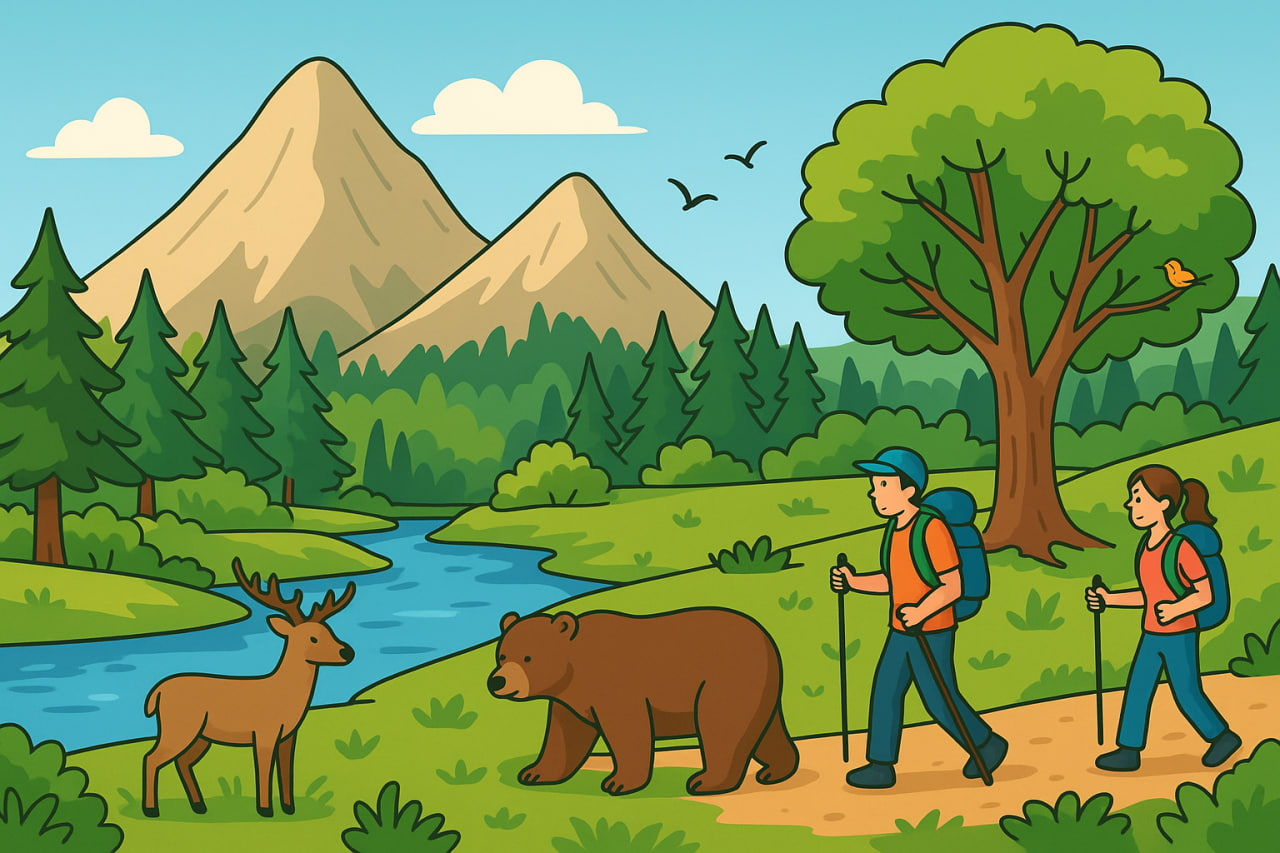
National parks are protected natural areas established to preserve ecosystems, wildlife, and cultural heritage.