
Eco-Technologies of the Future: What Cities Will Look Like
Urban environments are undergoing a transformation fueled by eco-technologies designed to reduce environmental impact and improve the quality of life.
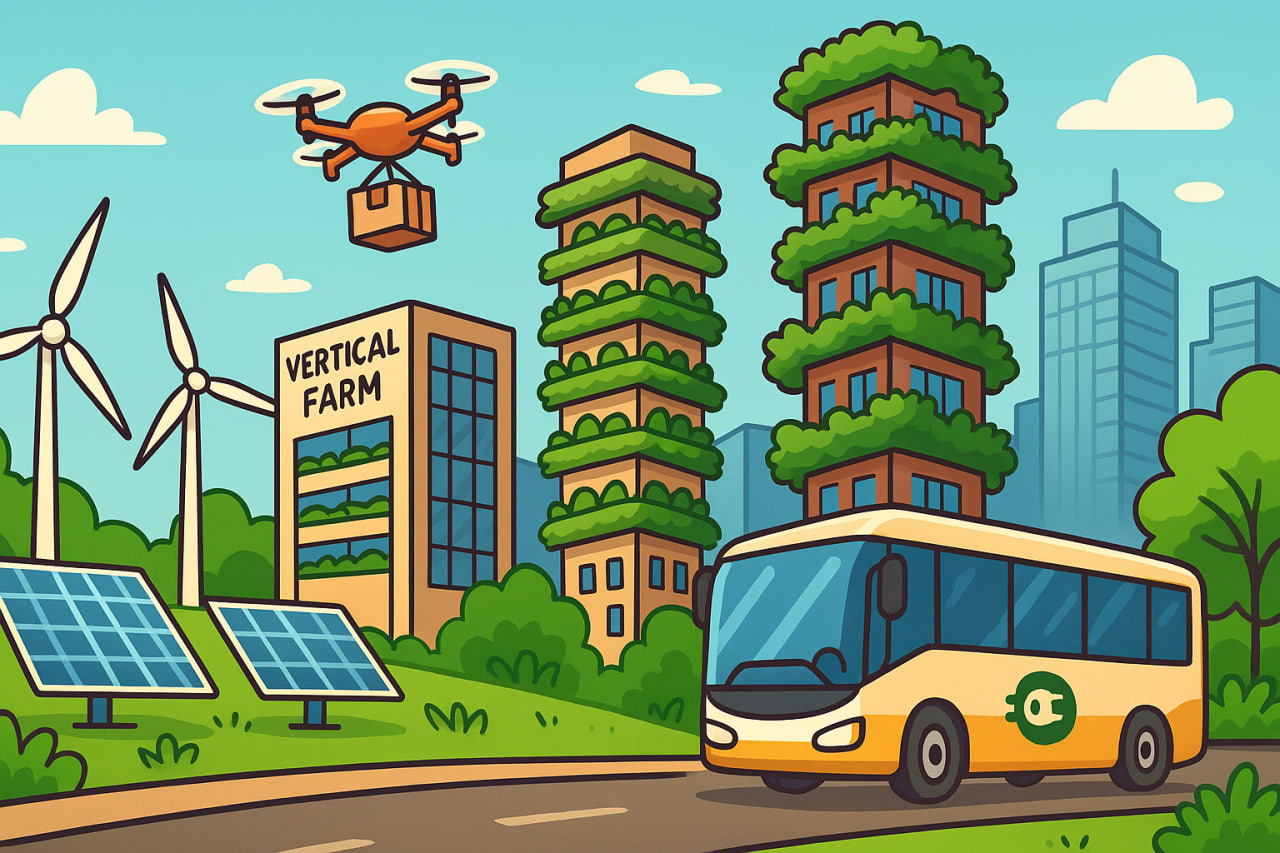
Urban environments are undergoing a transformation fueled by eco-technologies designed to reduce environmental impact and improve the quality of life.
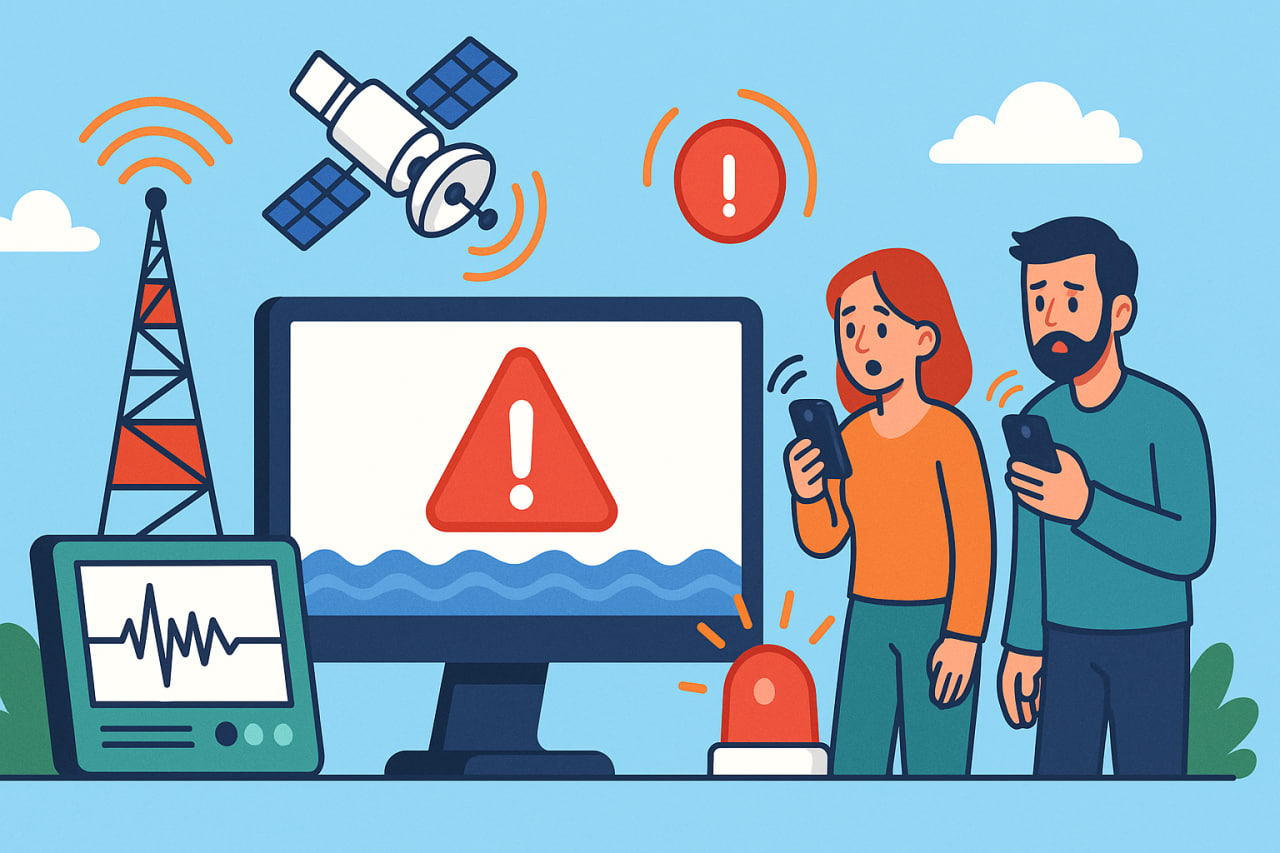
Early warning systems (EWS) are critical tools designed to reduce the impact of natural and man-made disasters by providing advance alerts to populations and emergency responders.
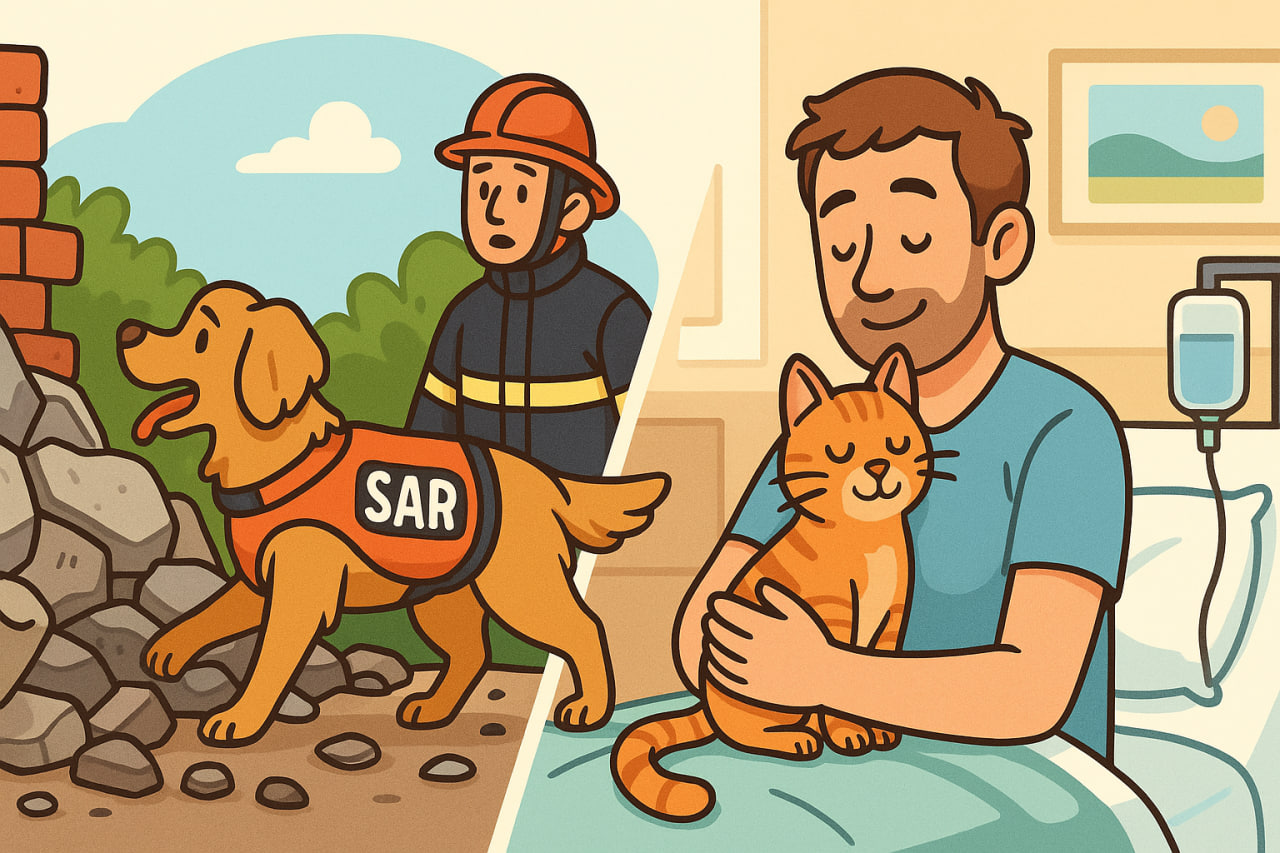
Dogs and cats are traditionally seen as companions, but many of them take on much more specialized and impactful roles in human society.
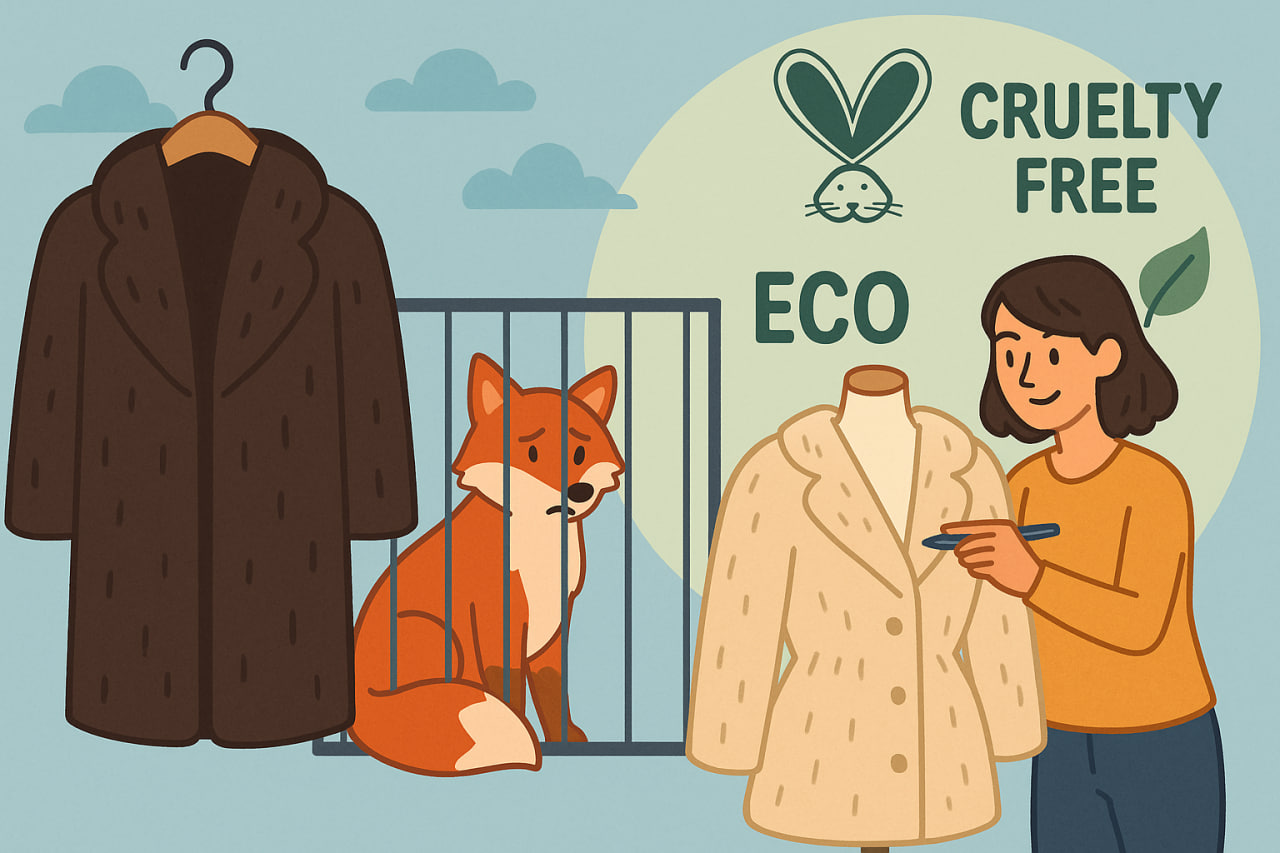
The global fur industry has long been associated with luxury and fashion. However, in recent decades, a growing movement has emerged against the use of animal fur in clothing and accessories.
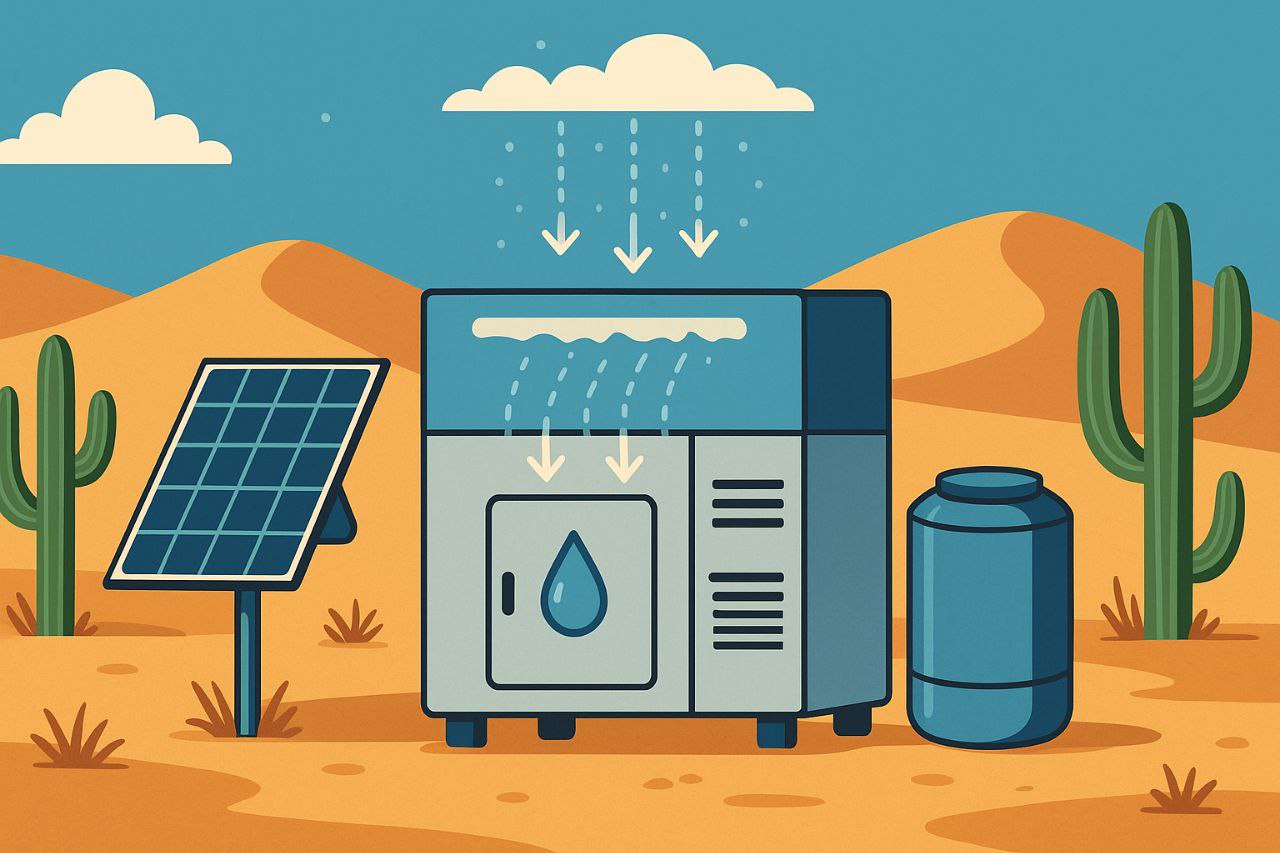
In arid regions where freshwater is scarce, such as deserts, atmospheric water generators (AWGs) offer an innovative way to extract drinking water from the air.
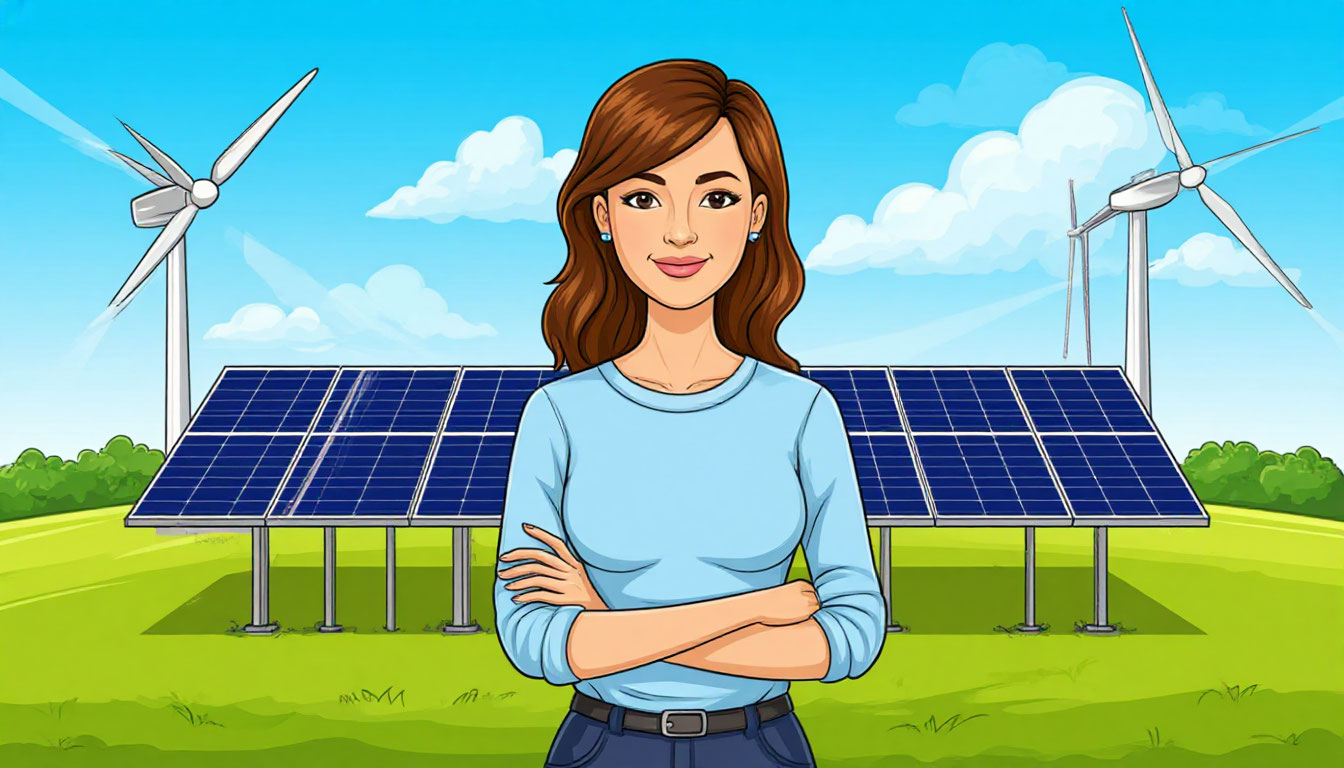
As the world searches for clean, renewable alternatives to fossil fuels, wind and solar energy have emerged as two of the most promising and widely used sources of sustainable power.

Cities are often seen as concrete jungles, but even the busiest urban environments can support rich biodiversity.

As urban environments grow denser and taller, the need for green spaces becomes more urgent.
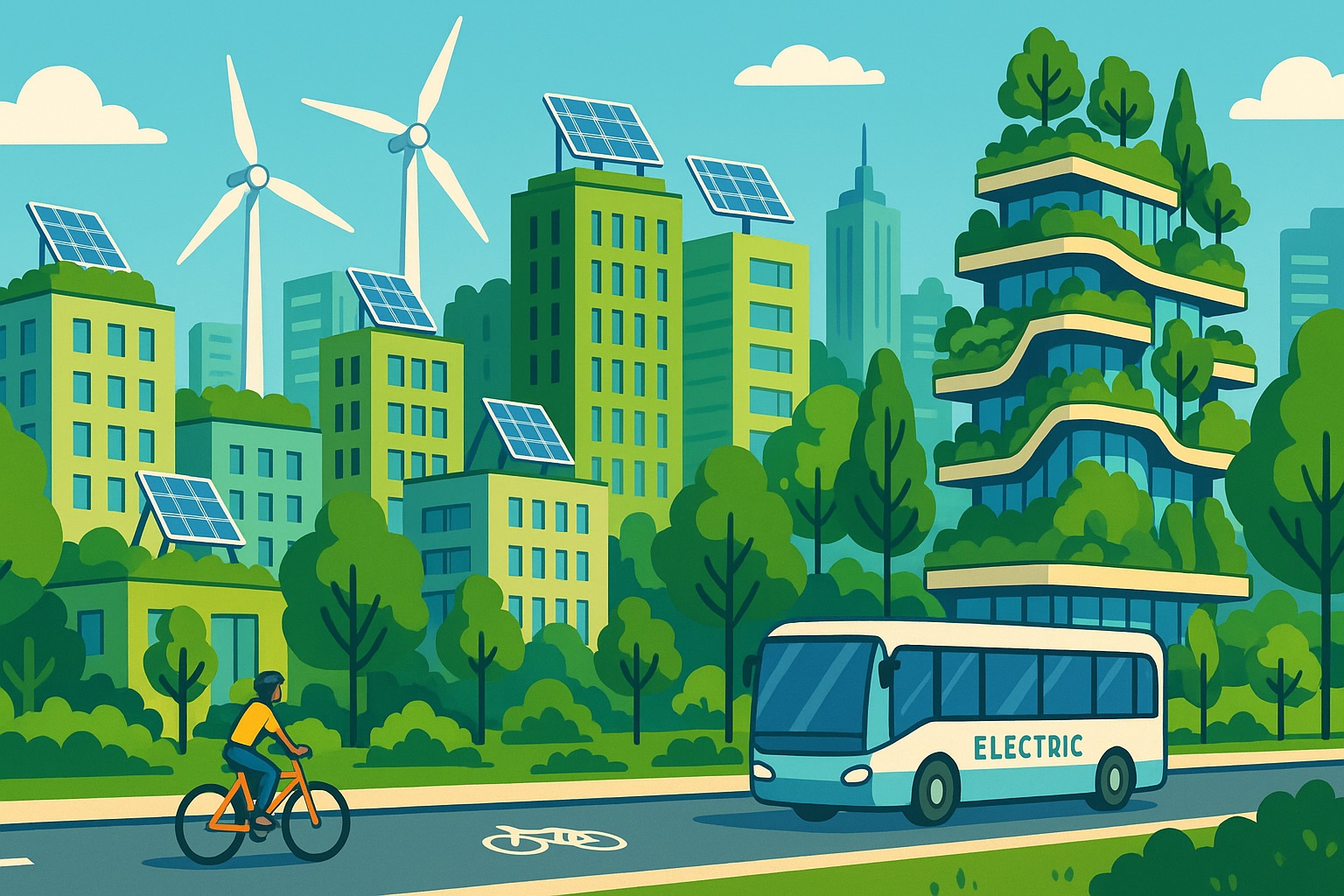
As urban populations continue to rise, cities face mounting challenges: air pollution, traffic congestion, heatwaves, and dwindling green spaces. The answer?
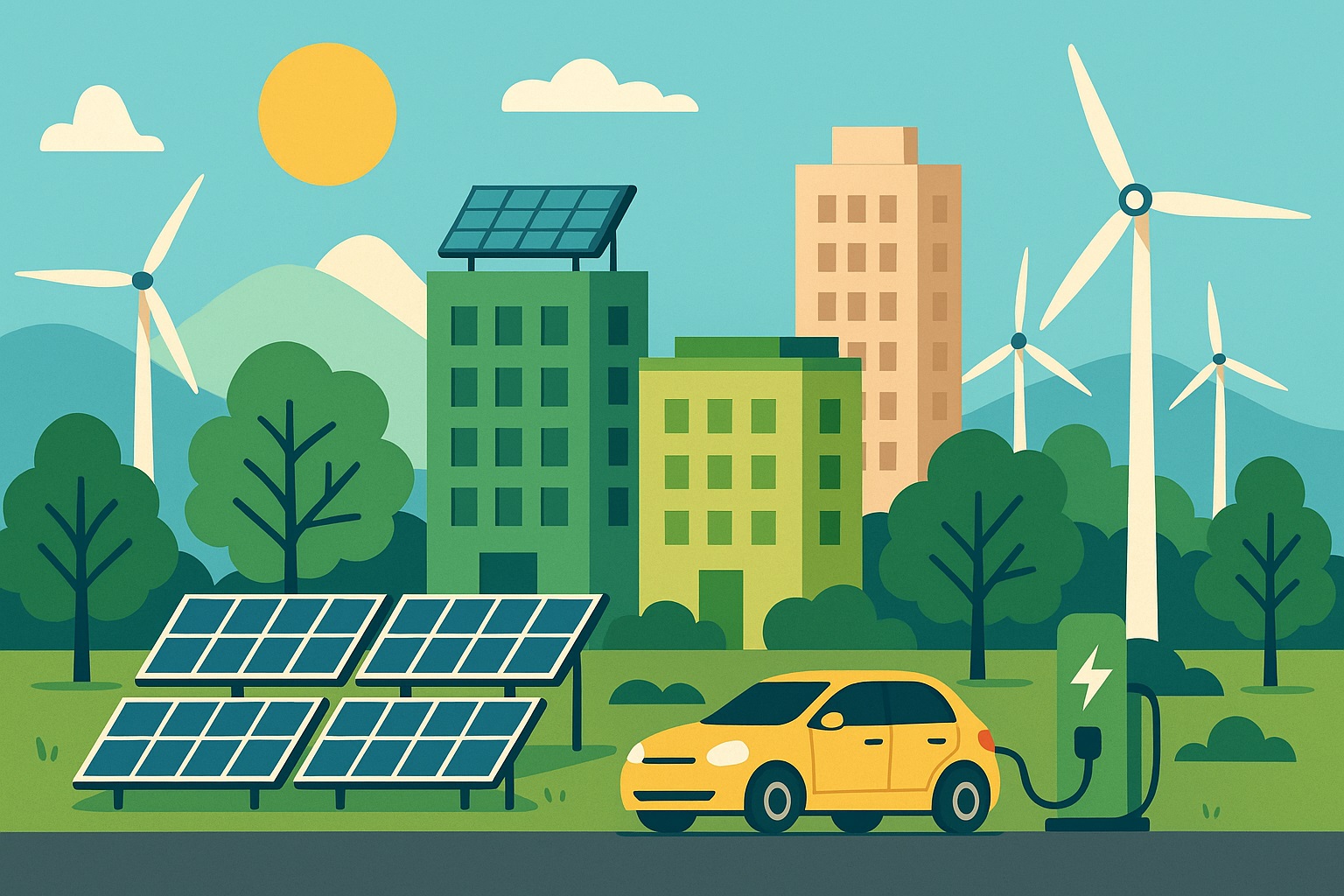
As cities grow and the effects of climate change intensify, the need for sustainable energy solutions becomes urgent.