
What Is Sustainable Agriculture?
Sustainable agriculture is a farming approach that aims to meet current food needs without compromising the ability of future generations to meet their own.
Useful articles about nature and the world around us
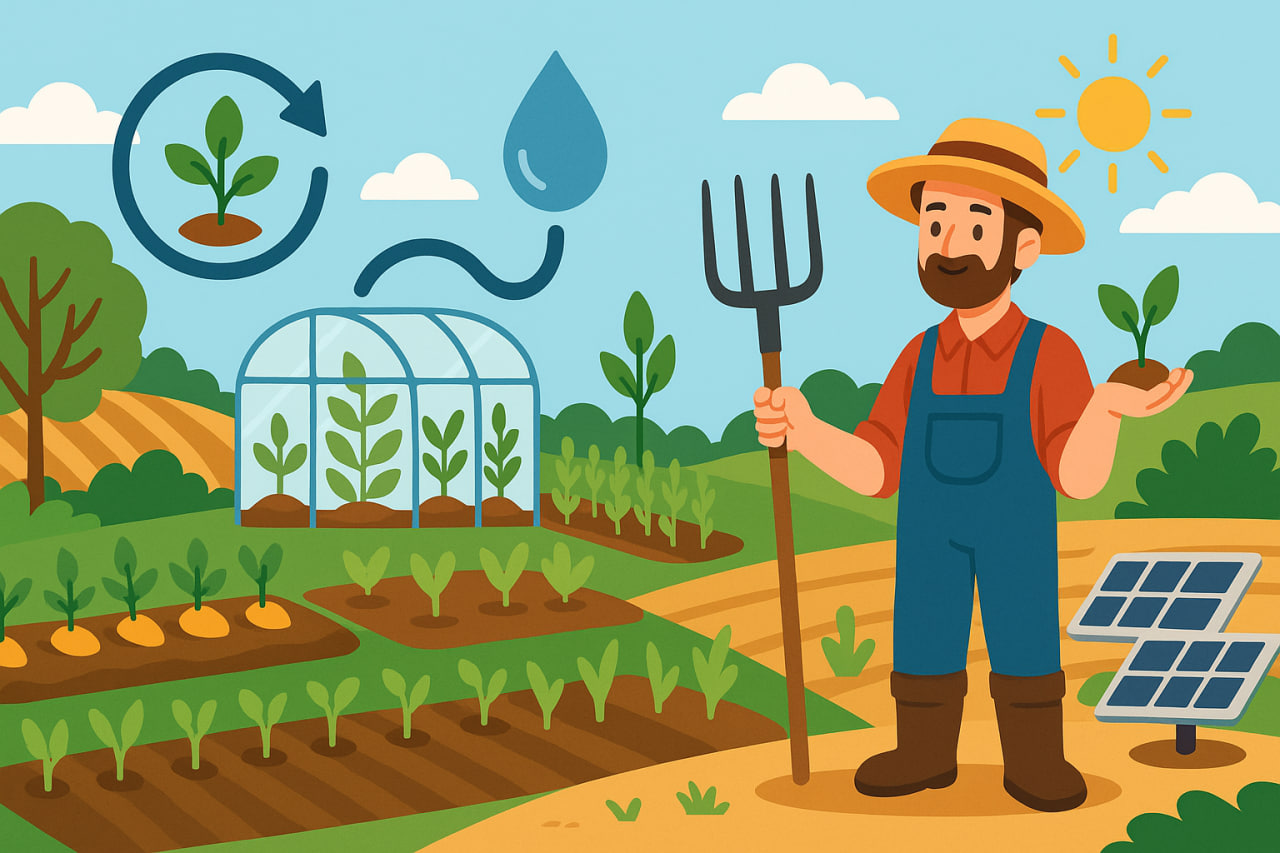
Sustainable agriculture is a farming approach that aims to meet current food needs without compromising the ability of future generations to meet their own.

Water bodies—including rivers, lakes, wetlands, and oceans—are among the most vital natural resources on Earth.

Winter presents harsh conditions for animals: freezing temperatures, snow-covered landscapes, and limited access to food.
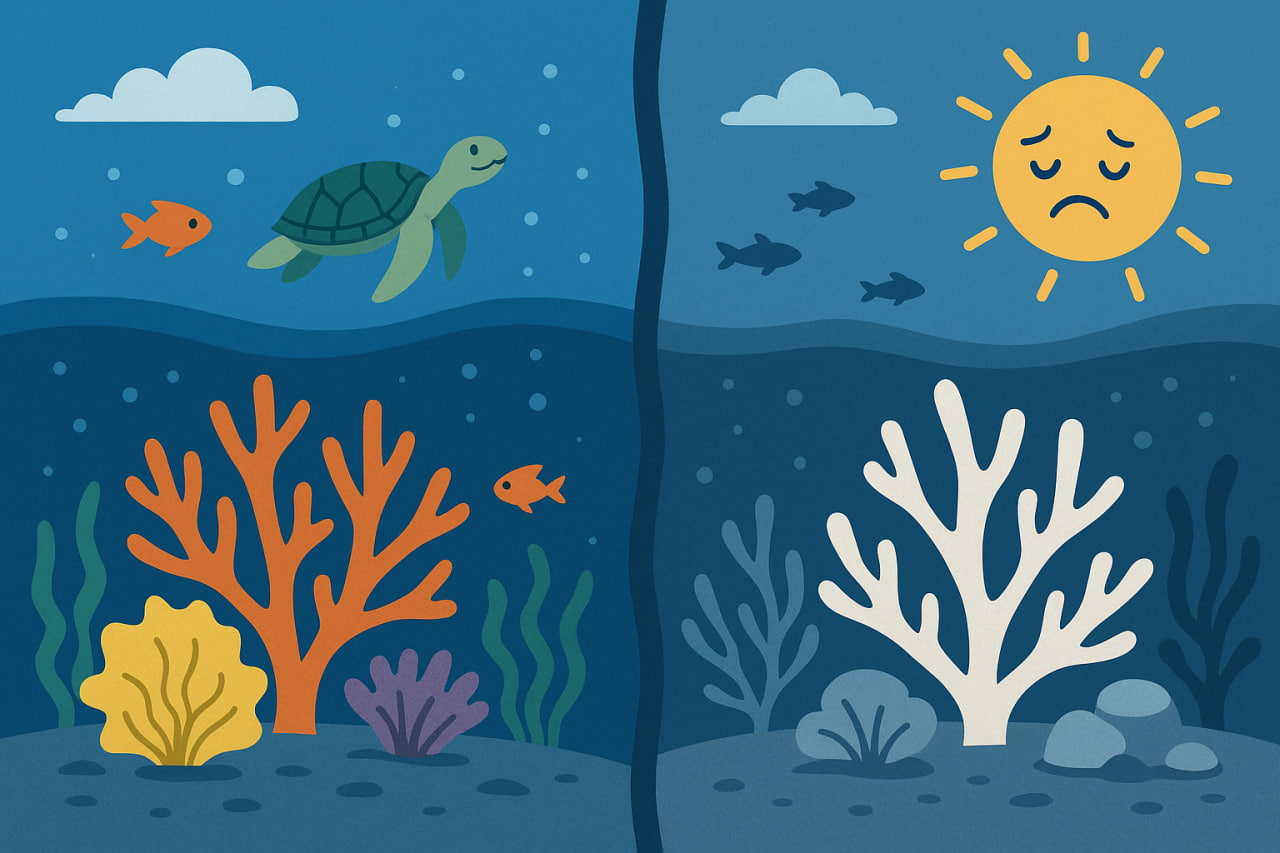
Coral reefs are among the most vibrant and diverse ecosystems on Earth, but in recent decades, they have begun to lose their color in a process known as coral bleaching.
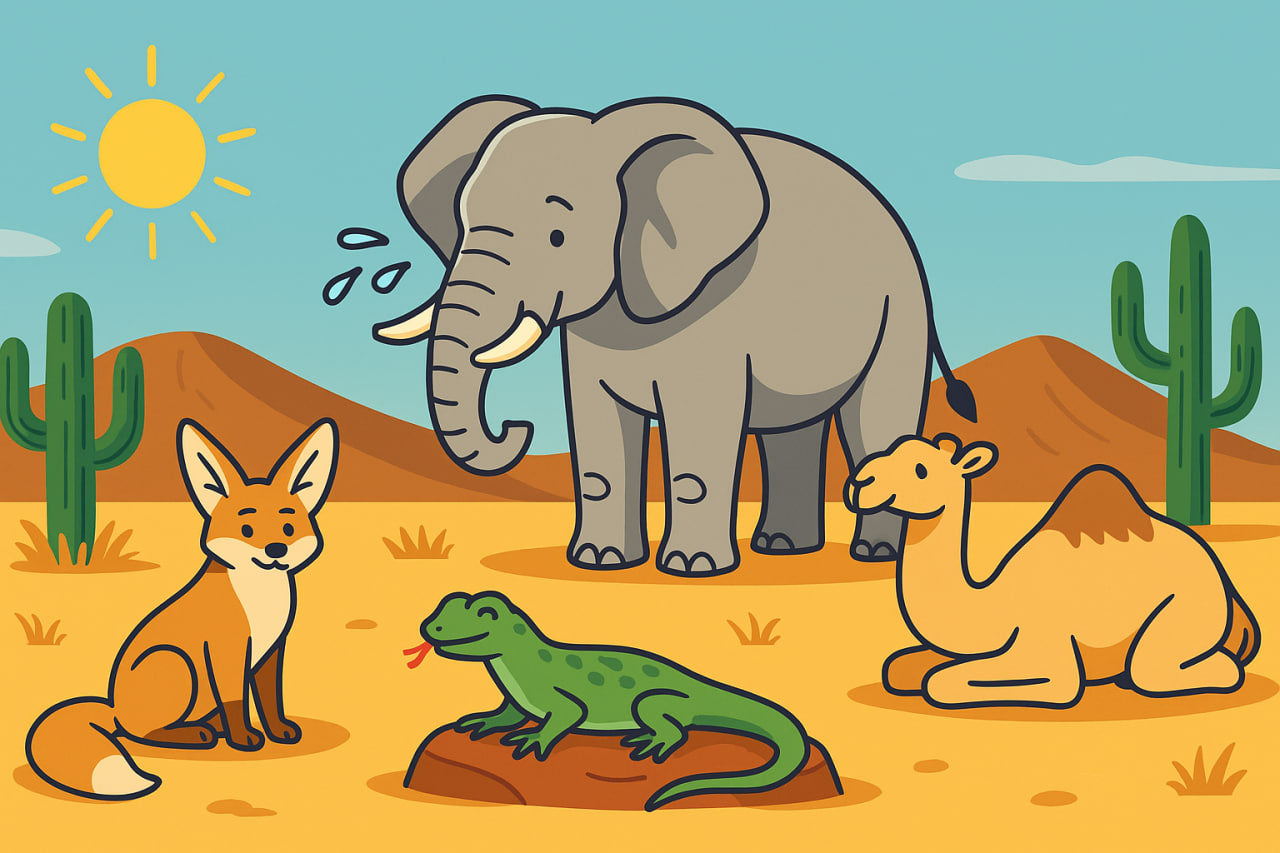
High temperatures present serious challenges for animals, especially those living in deserts or tropical environments.
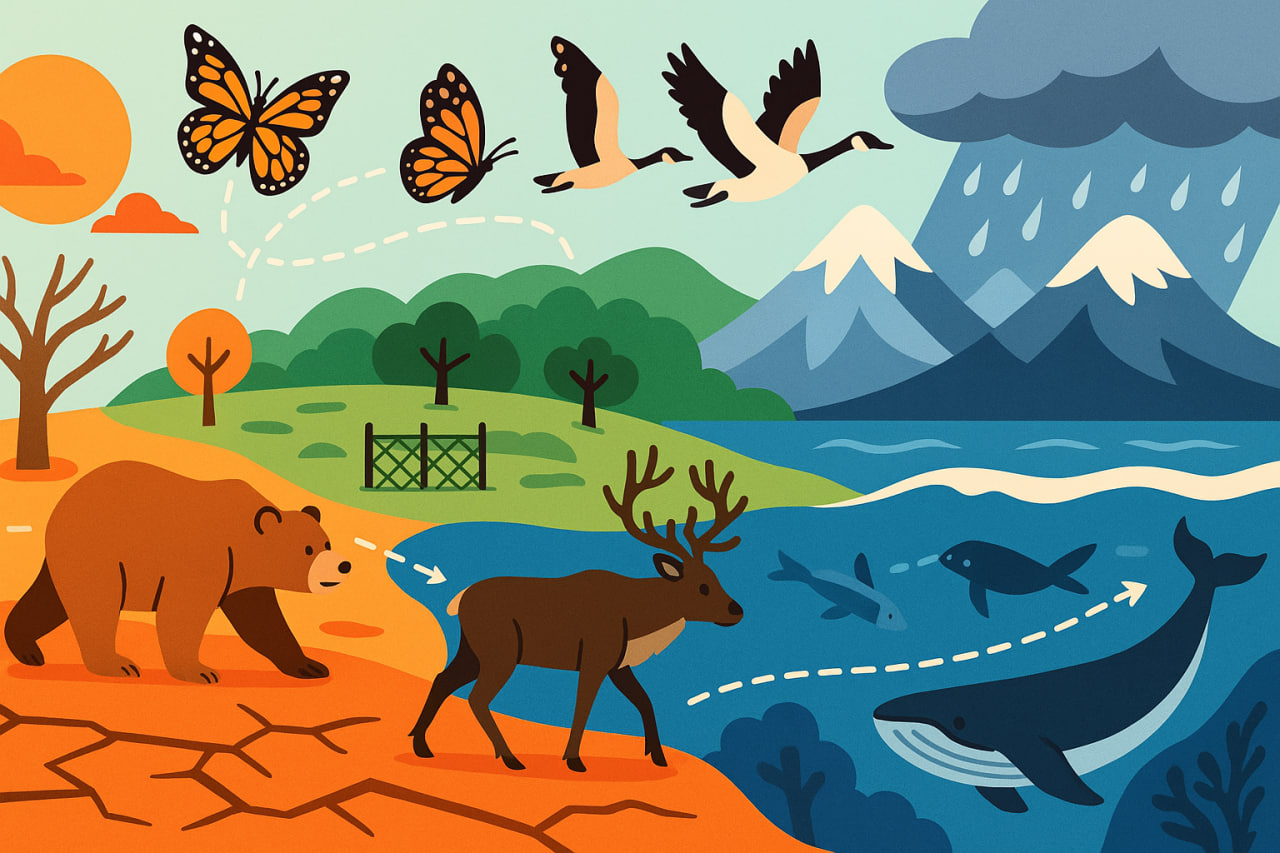
Migration is a critical survival strategy for many animal species, helping them find food, reproduce, and avoid extreme conditions.
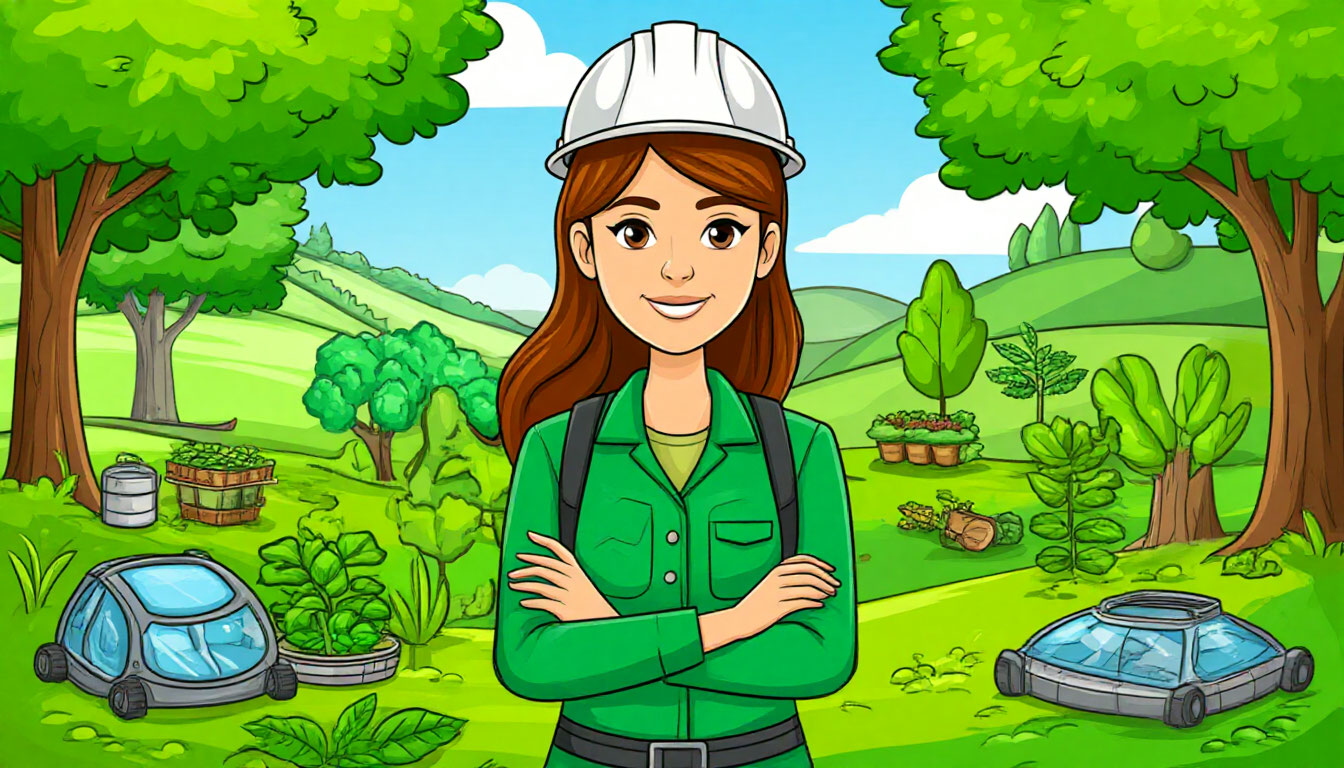
Ecology is the scientific study of the relationships between living organisms and their environment.
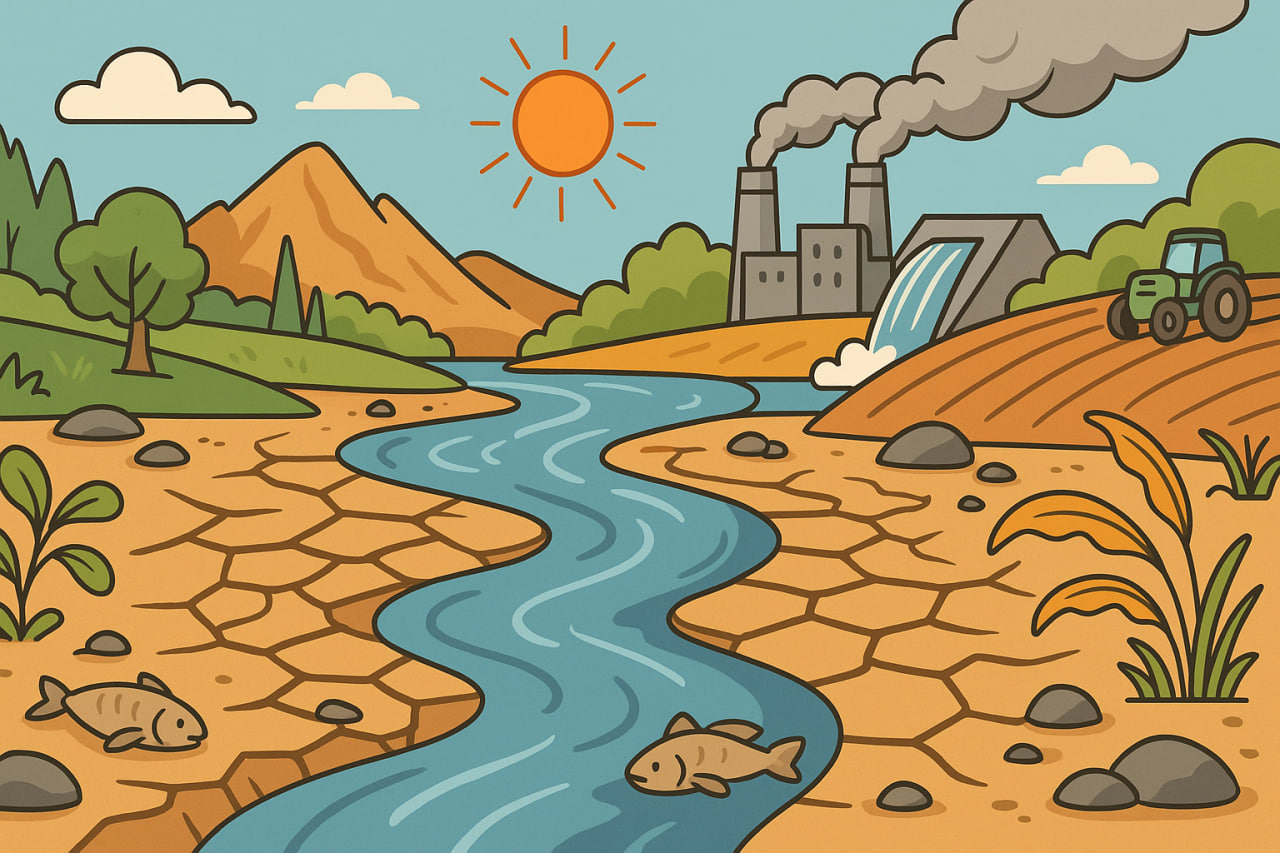
Rivers are vital freshwater systems that support ecosystems, agriculture, and human settlements.
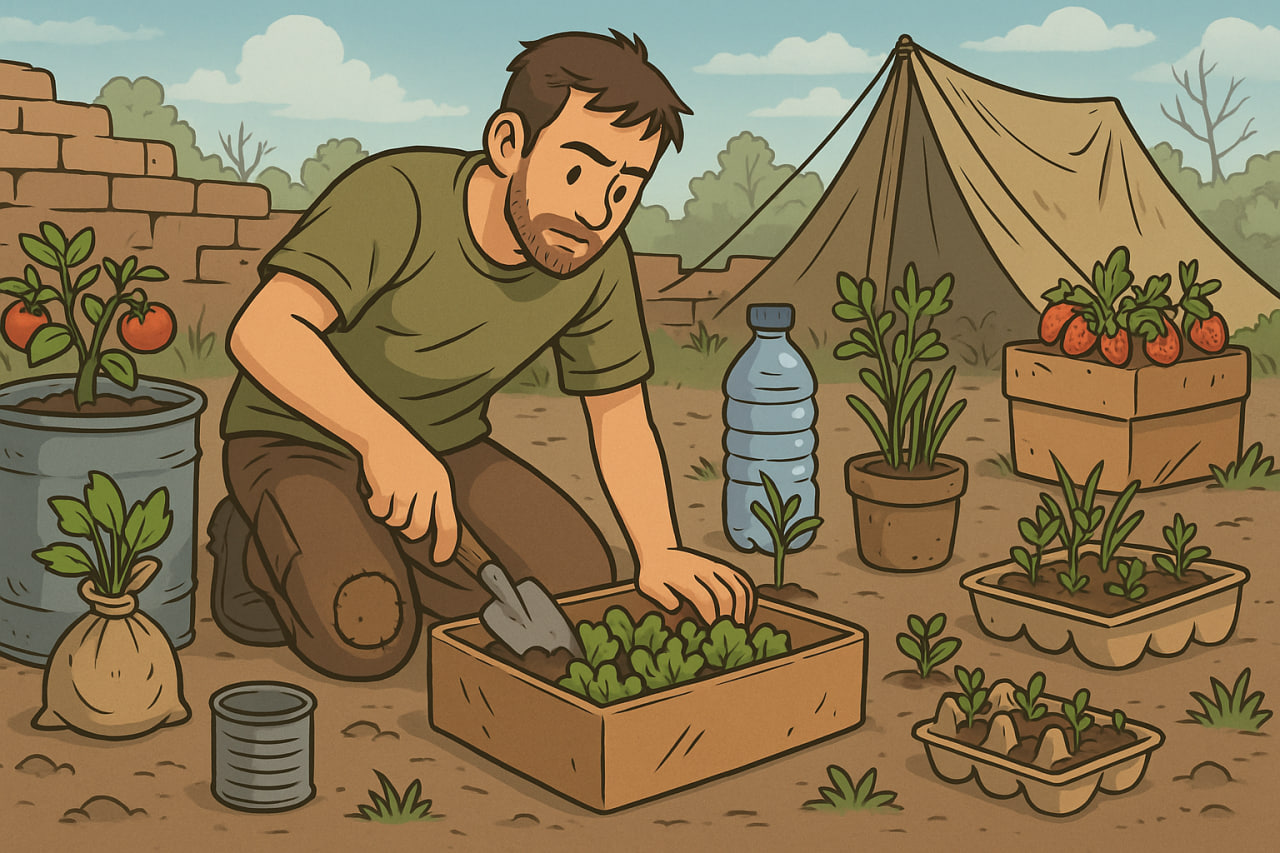
In times of natural disasters, wars, or prolonged crises, access to fresh produce becomes limited or even impossible.
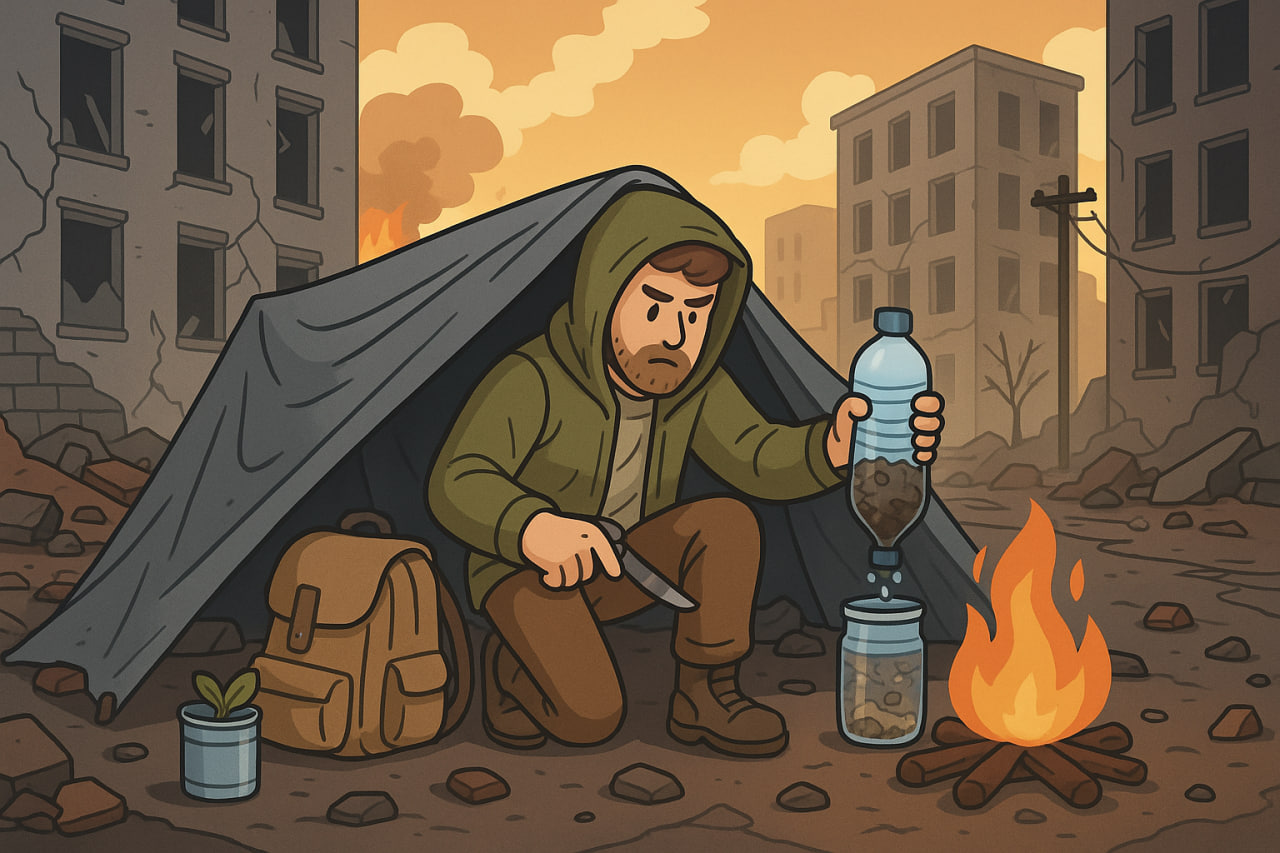
Urban environments are not designed for prolonged survival without functioning infrastructure.