
How Rocks Are Formed
Rocks are the fundamental building blocks of Earth’s crust and have been forming for billions of years through dynamic geological processes.
Useful articles about nature and the world around us
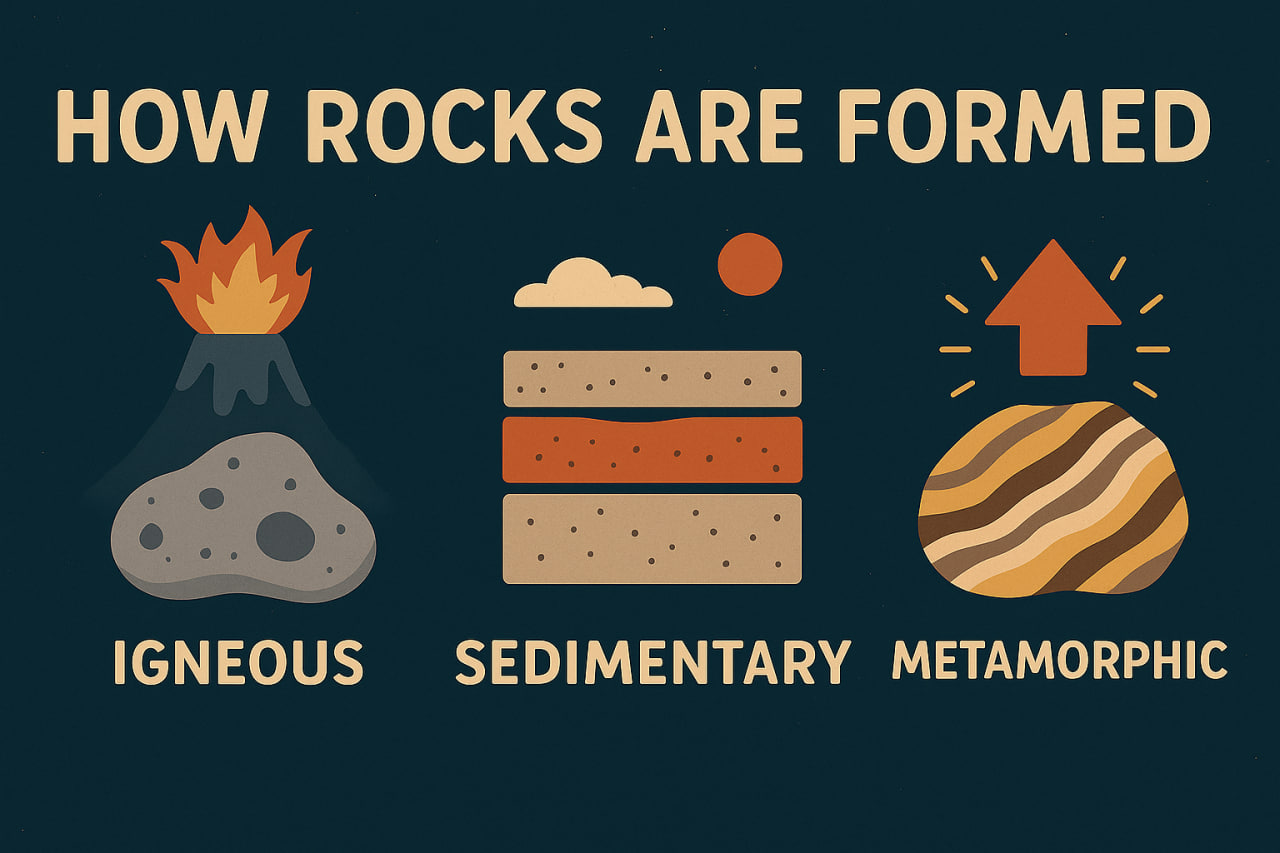
Rocks are the fundamental building blocks of Earth’s crust and have been forming for billions of years through dynamic geological processes.
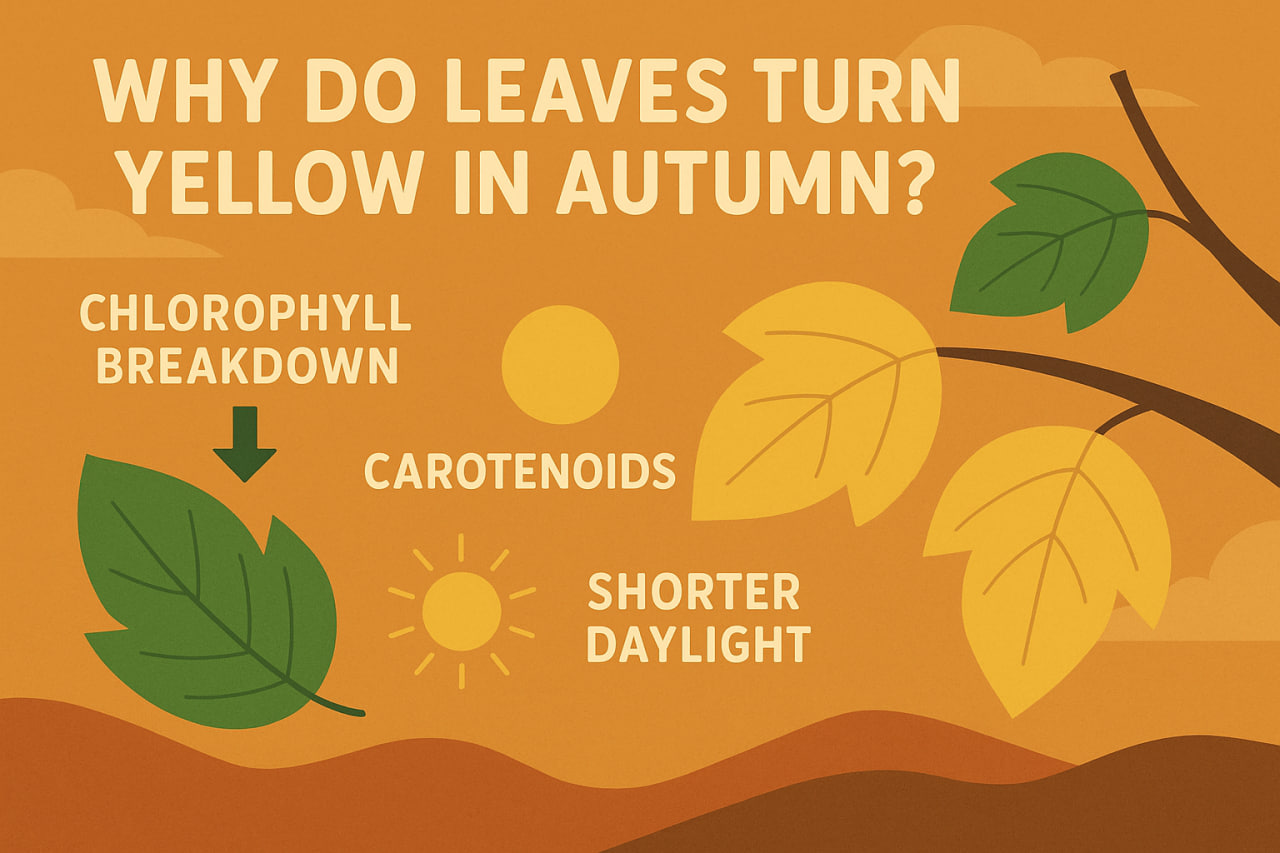
Each autumn, trees in temperate regions put on a dazzling display of color—greens fade into brilliant yellows, oranges, and reds. But why does this transformation happen?
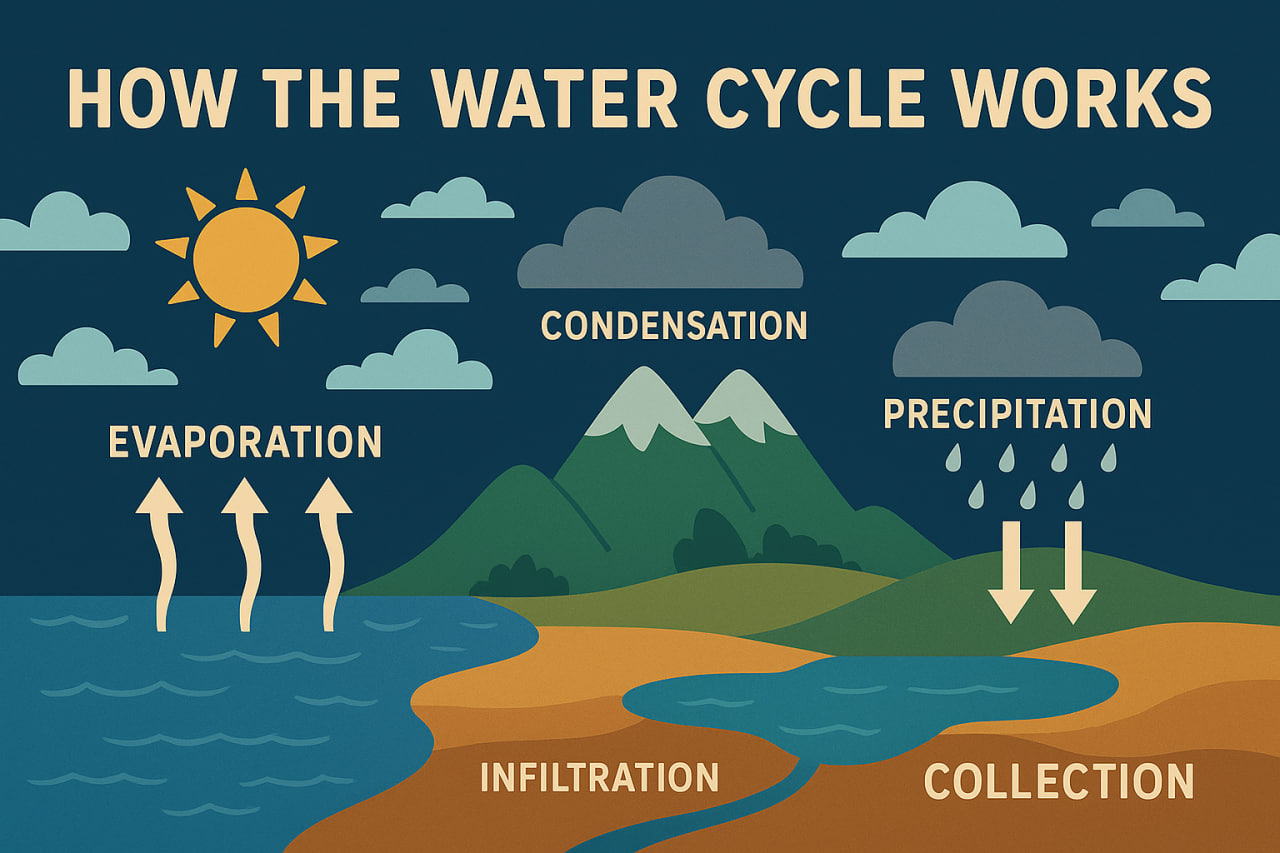
The water cycle, also known as the hydrologic cycle, is the continuous movement of water on, above, and below the surface of the Earth.
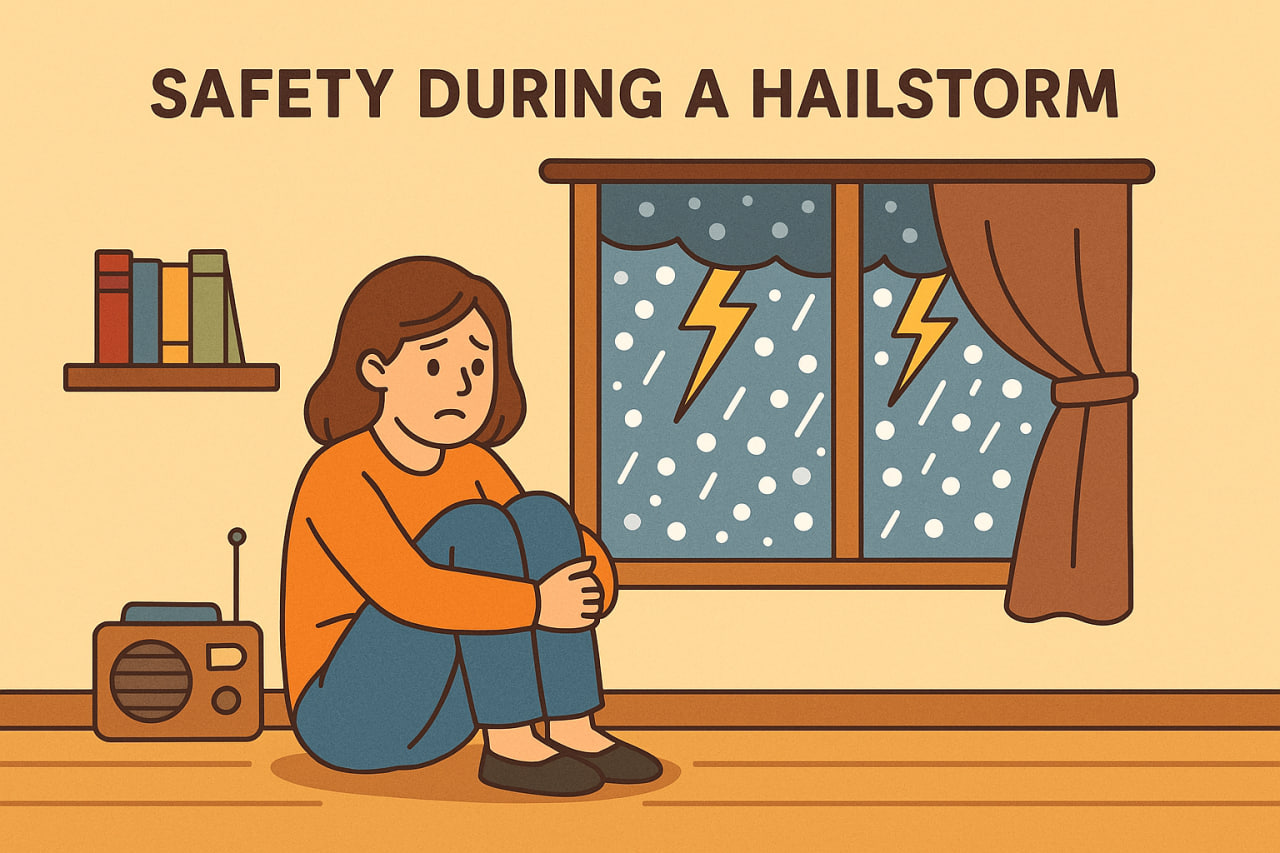
Hailstorms can occur suddenly and cause serious damage and injuries if proper safety measures are not taken.
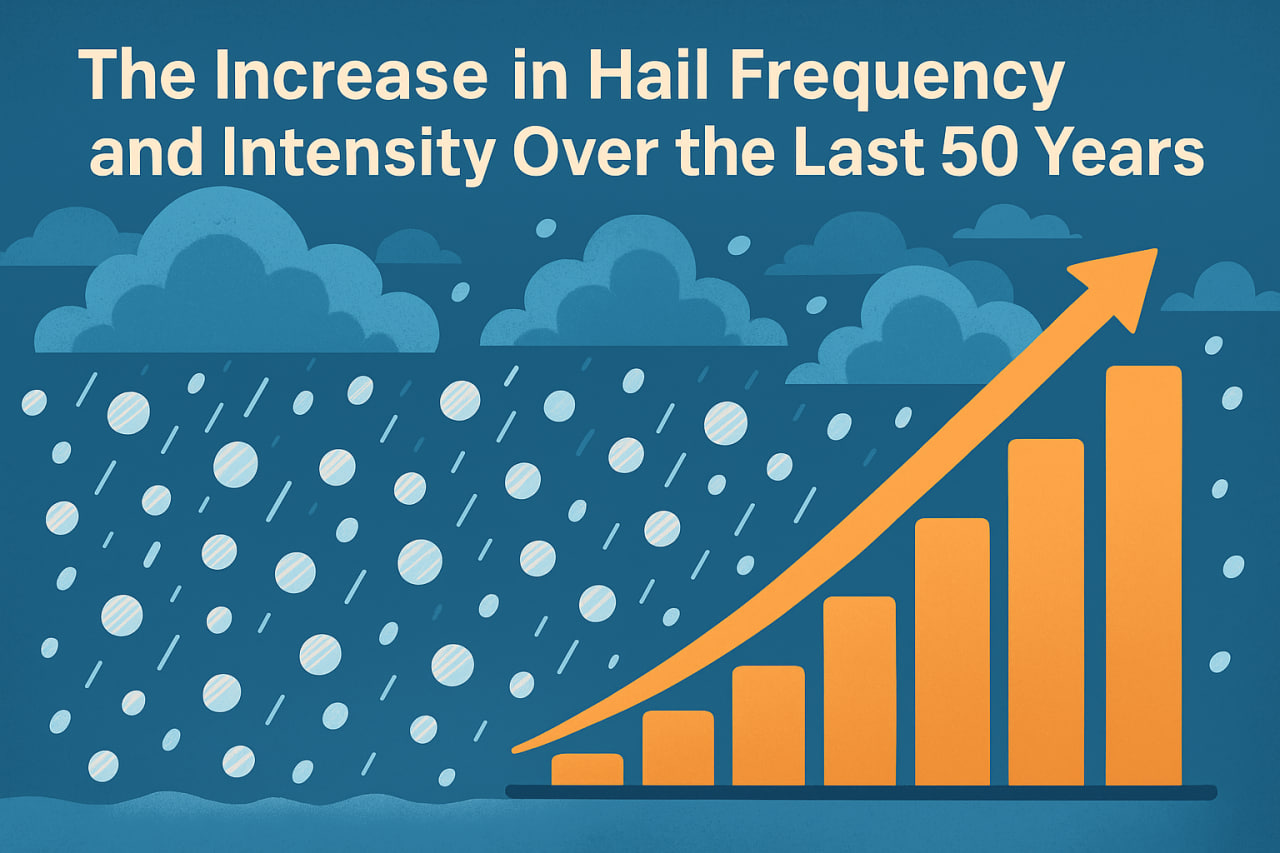
Over the past five decades, researchers and meteorologists have documented a noticeable increase in the frequency and intensity of hailstorms in various parts of the world.
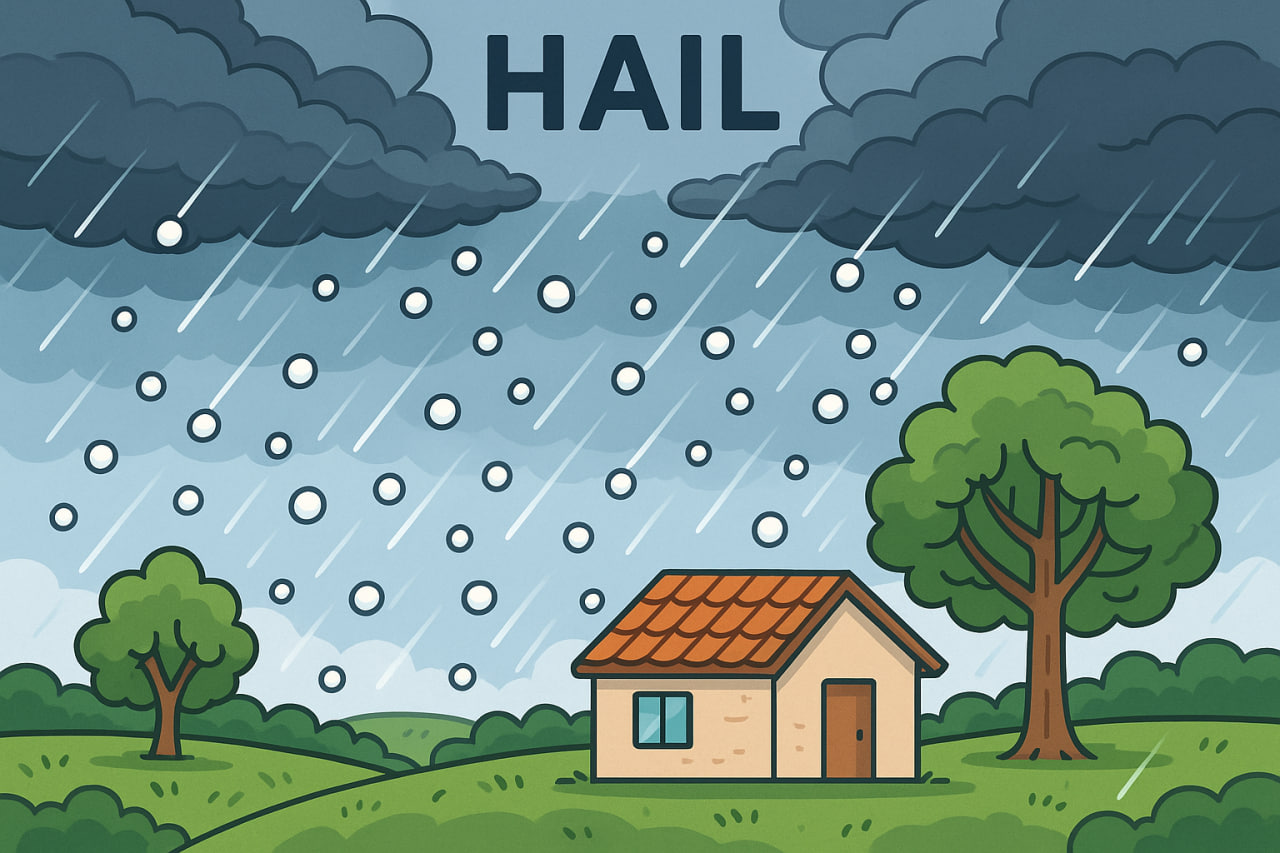
Hail is a type of solid precipitation that forms during strong thunderstorms. Unlike snow, which forms in cold weather, hail is made of layered ice pellets that grow larger while being tossed...
Rivers are more than flowing bodies of water—they are essential lifelines for ecosystems, landscapes, and human civilization.
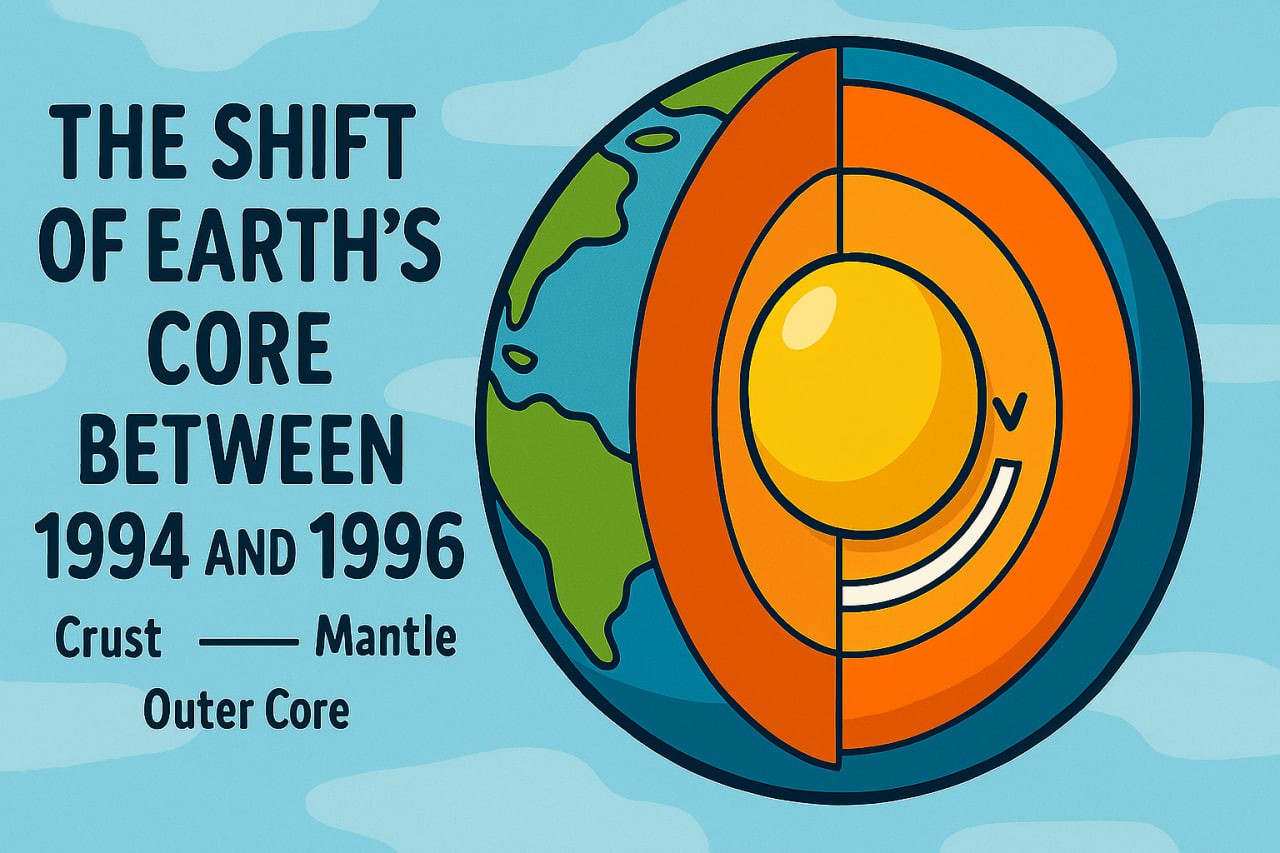
Between 1994 and 1996, a subtle but intriguing event occurred deep inside our planet — a possible change in the rotation rate of Earth’s inner core.
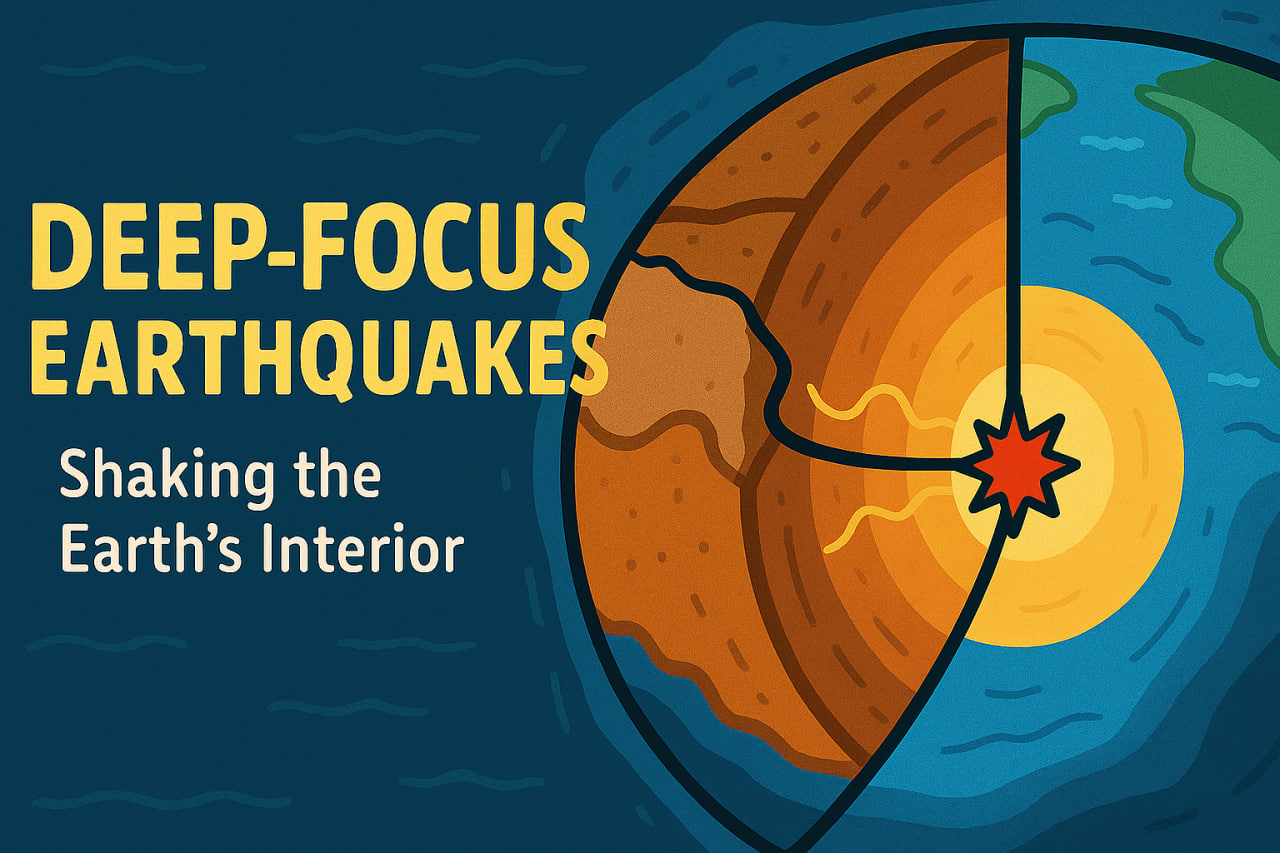
Most people associate earthquakes with shaking ground and damaged buildings near the surface. But not all earthquakes happen close to the Earth's crust.
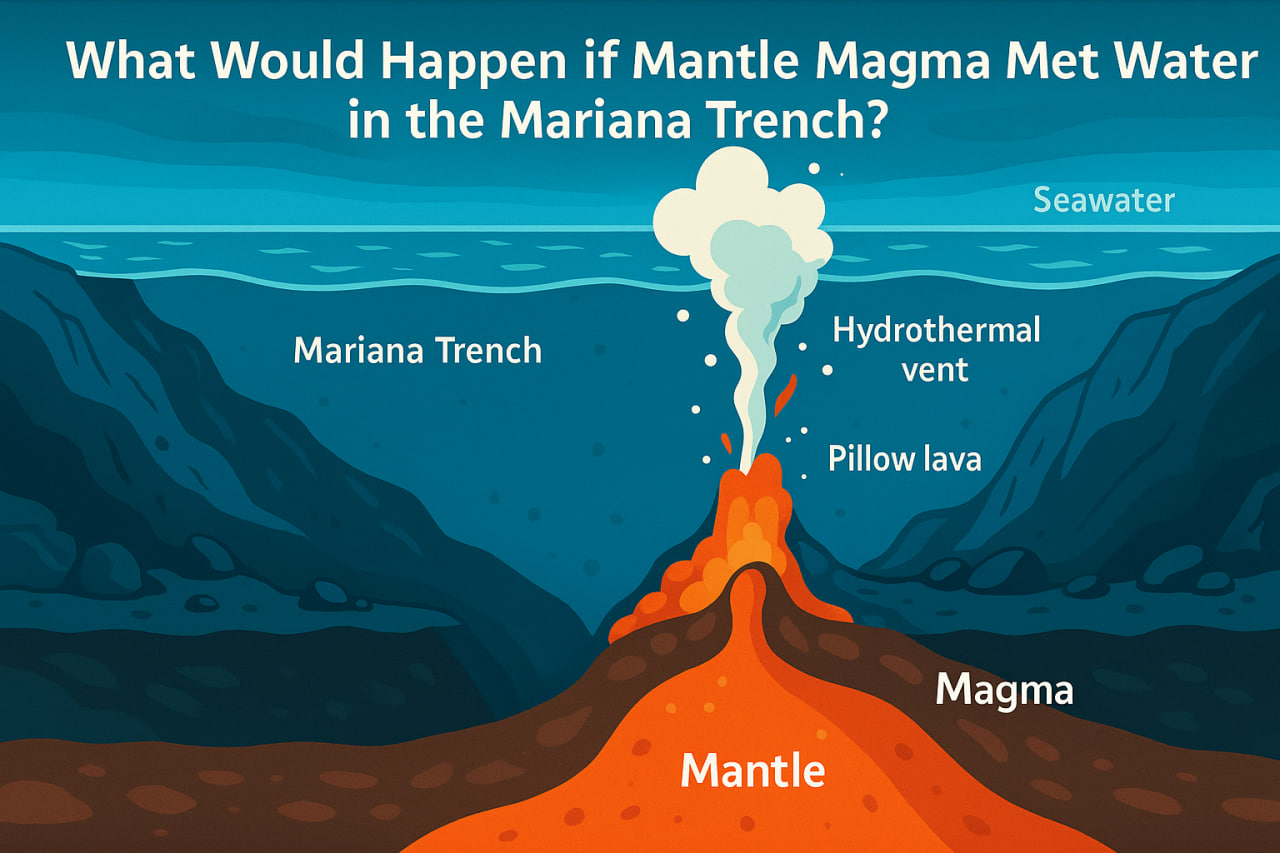
The Mariana Trench is the deepest known part of Earth's oceans, reaching nearly 11 kilometers (7 miles) below sea level.