
Why the Amazon Rainforest Matters
The Amazon Rainforest is the largest tropical rainforest on Earth, stretching across nine South American countries and covering more than 5.5 million square kilometers.
Useful articles about nature and the world around us
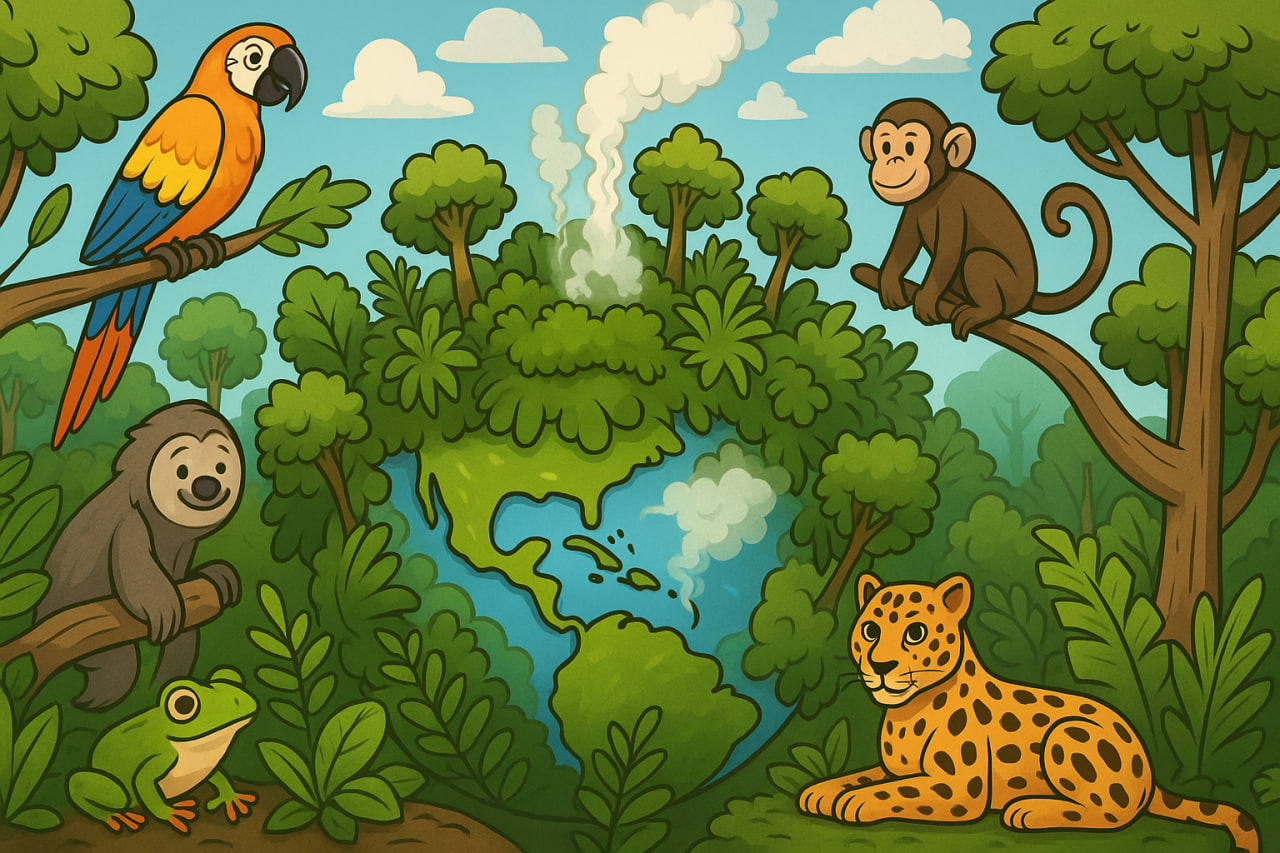
The Amazon Rainforest is the largest tropical rainforest on Earth, stretching across nine South American countries and covering more than 5.5 million square kilometers.
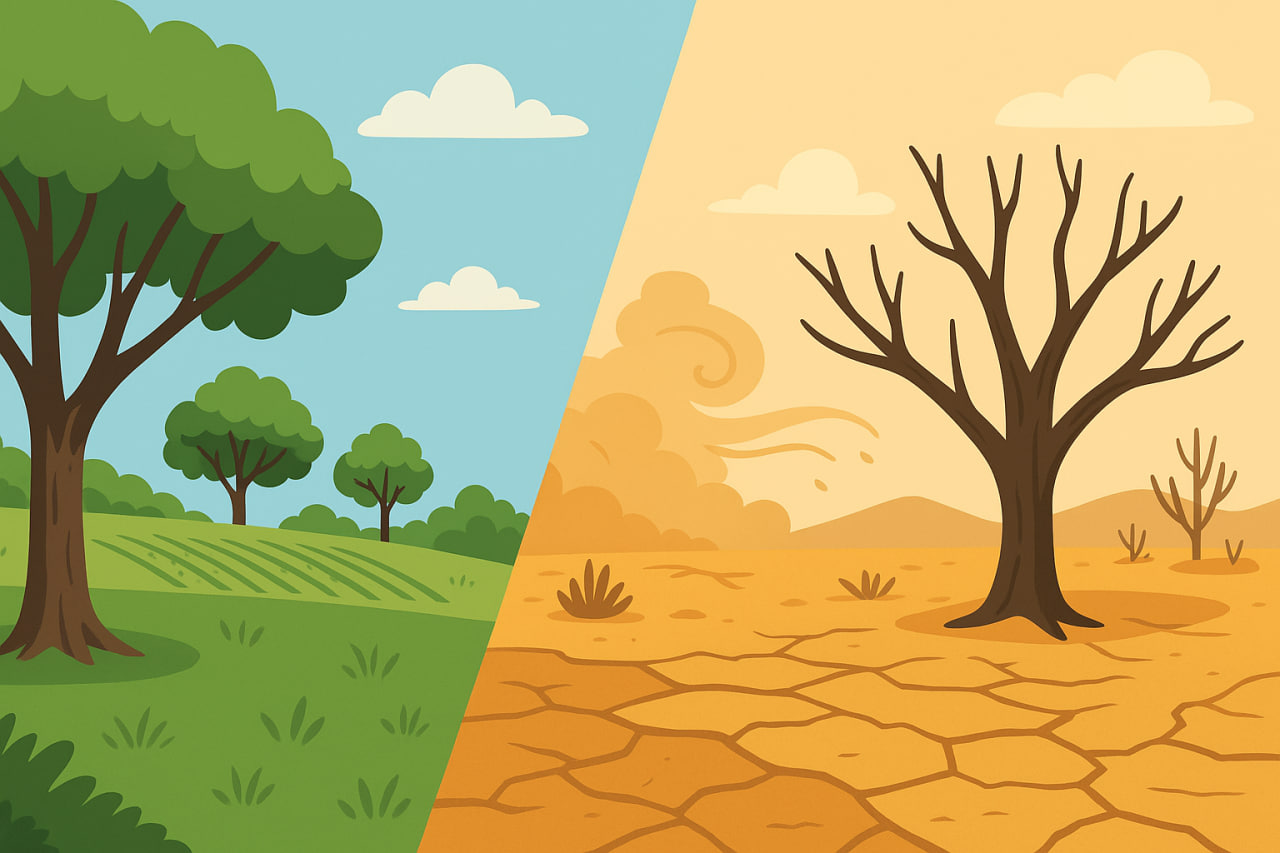
Desertification is the process by which fertile land gradually turns into arid desert, making it unsuitable for agriculture, forests, or other natural ecosystems.
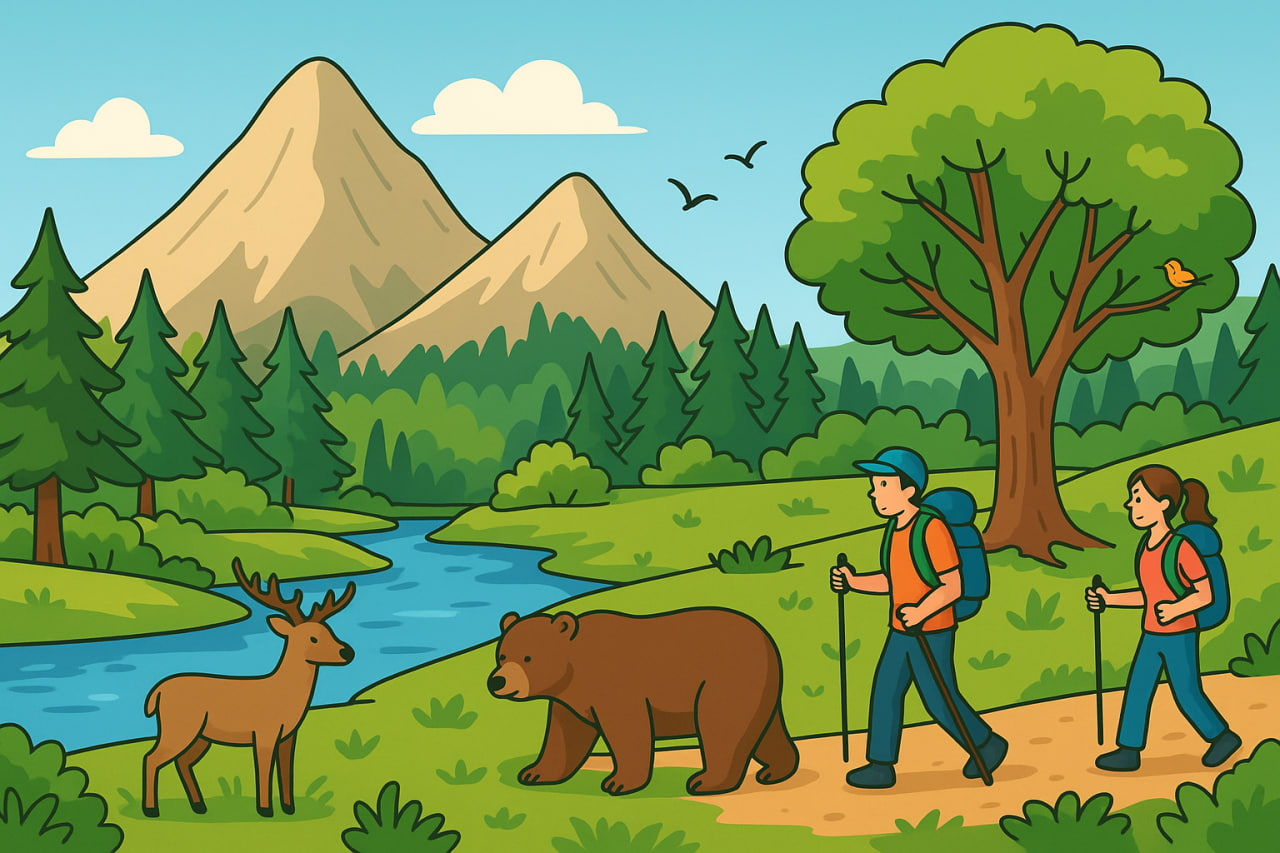
National parks are protected natural areas established to preserve ecosystems, wildlife, and cultural heritage.
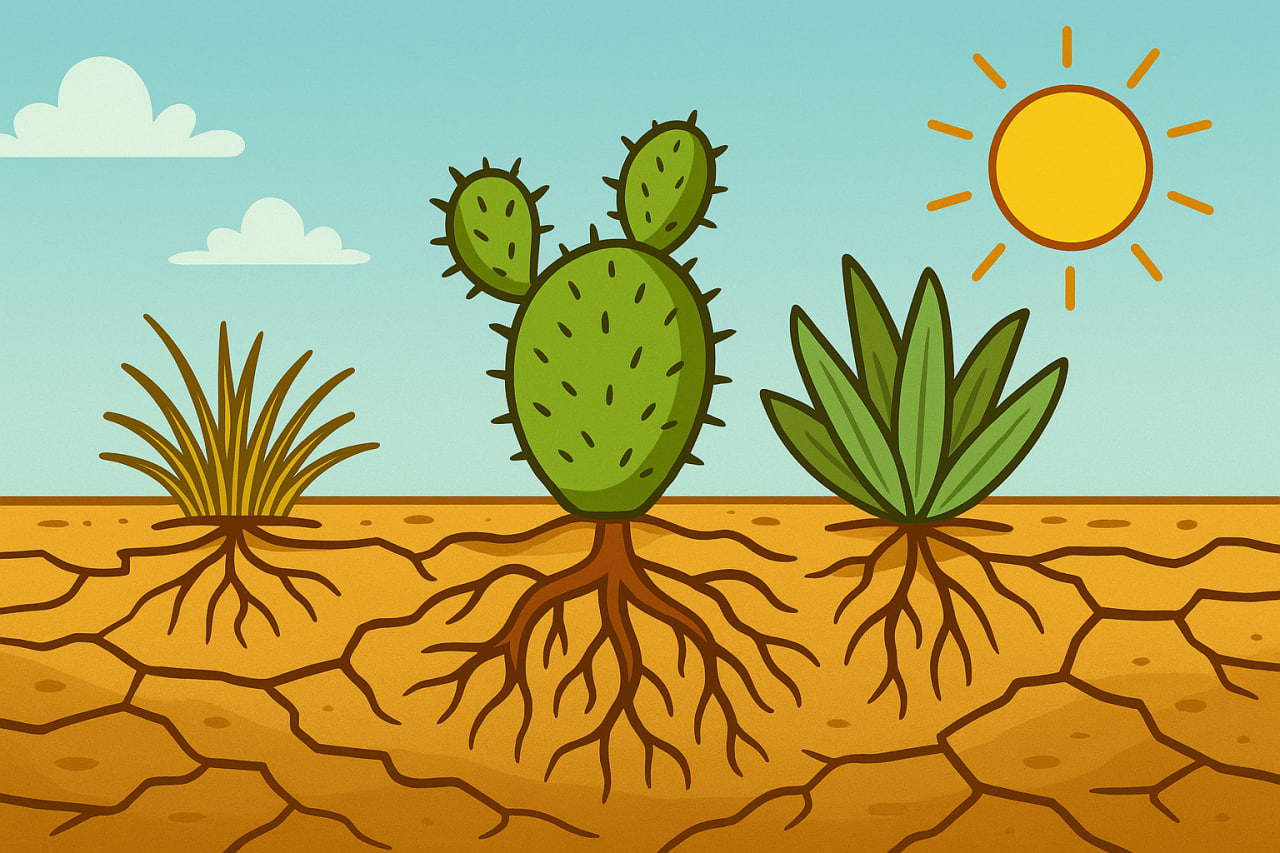
Drought is one of the most challenging conditions that plants must endure, especially in arid and semi-arid regions.
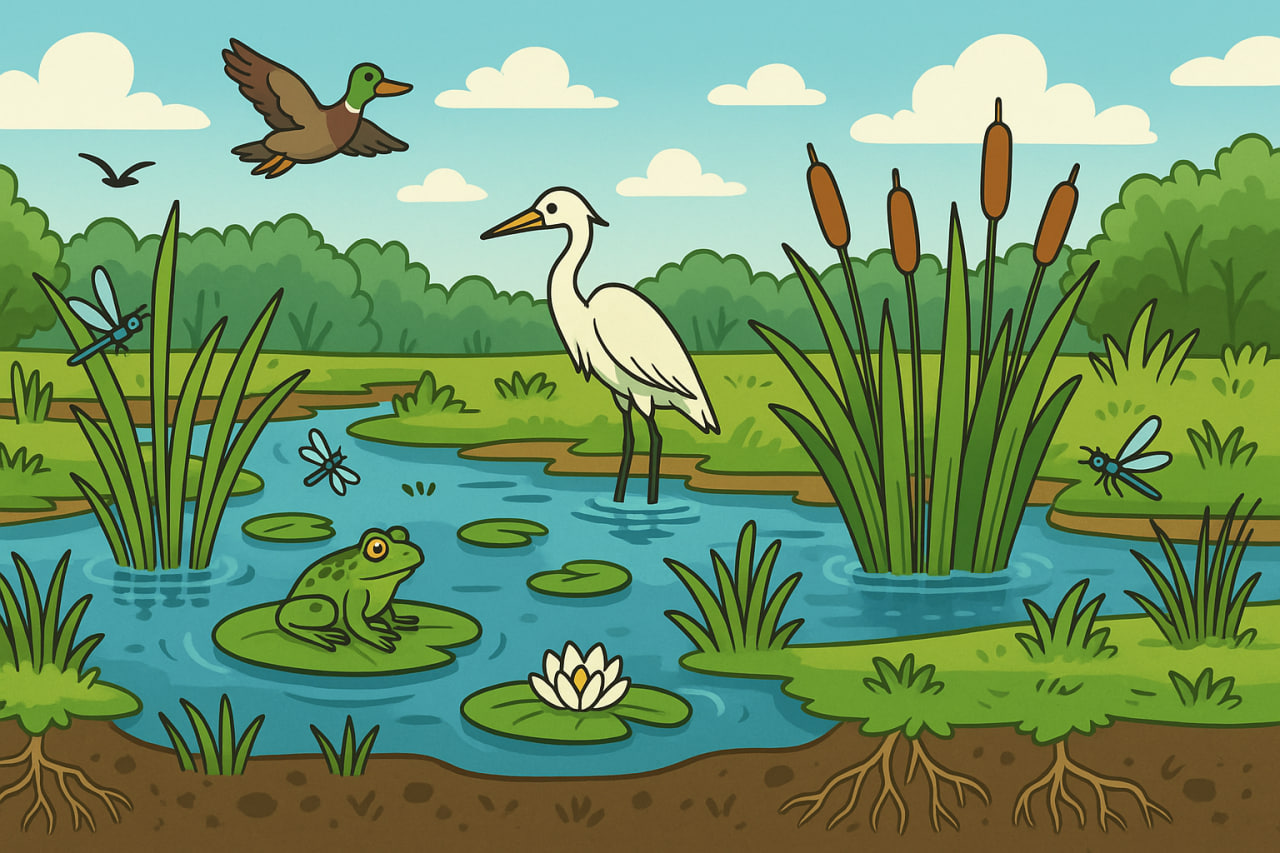
Wetlands are unique ecosystems that exist at the interface between land and water. They include marshes, swamps, bogs, and fens, and are found on every continent except Antarctica.
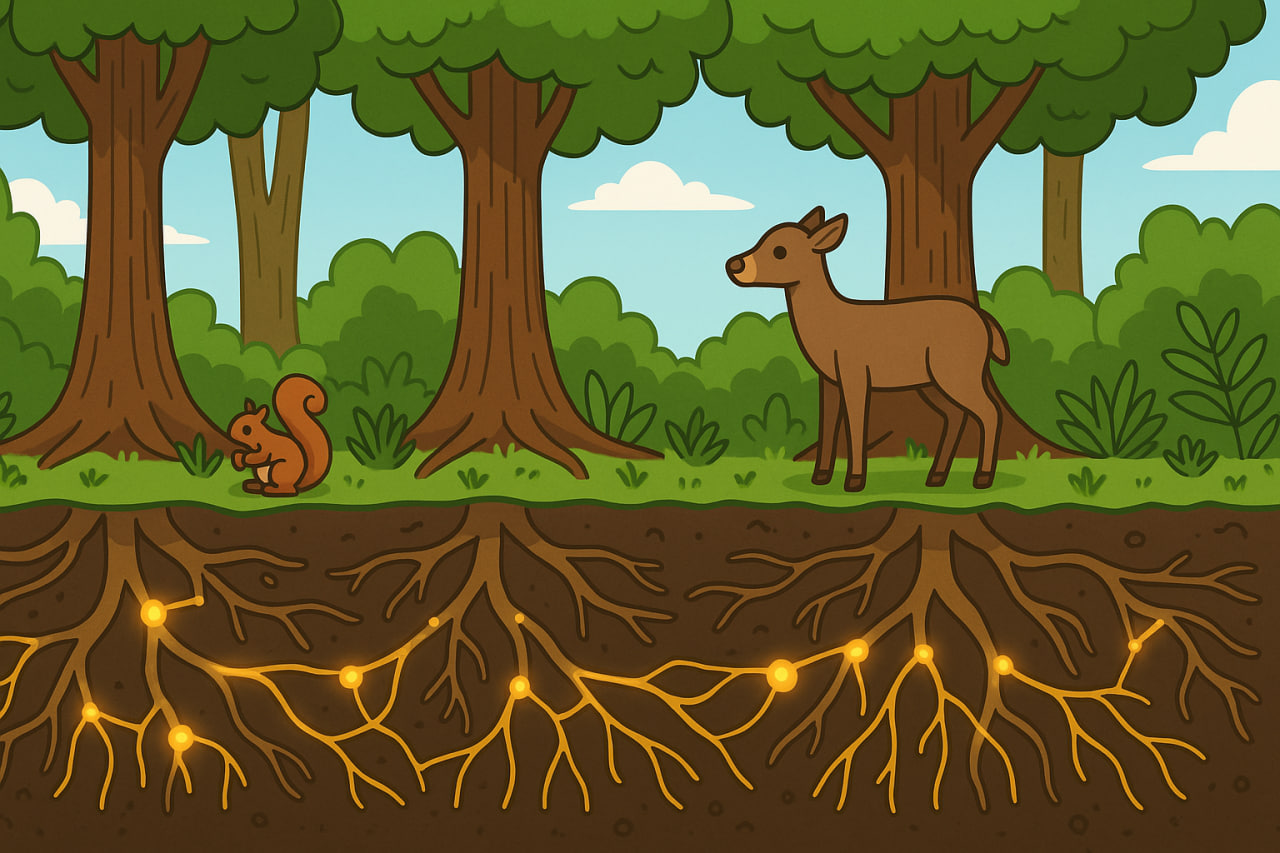
Although they may seem silent and solitary, trees are part of intricate networks that allow them to communicate, share resources, and defend themselves.
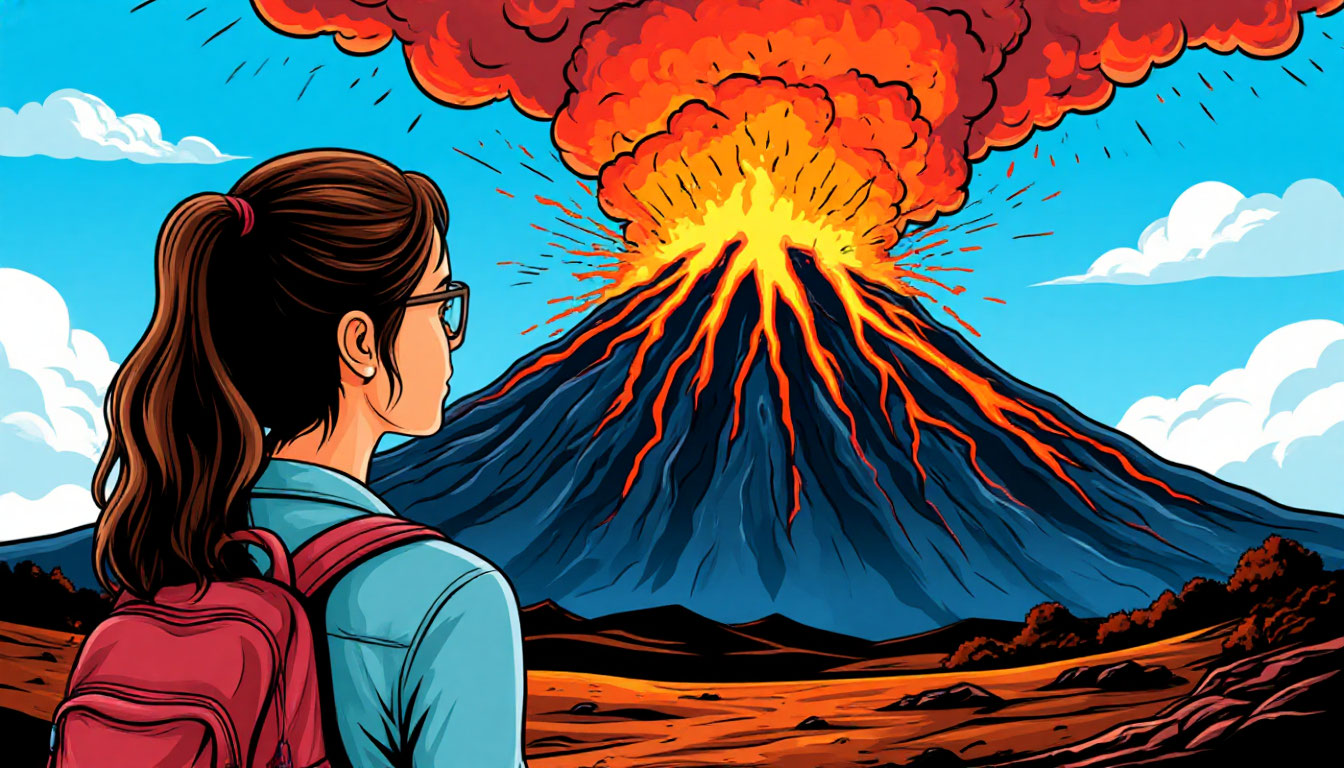
Volcanoes are among Earth’s most powerful natural phenomena, capable of shaping landscapes, triggering natural disasters, and even altering global climate patterns.
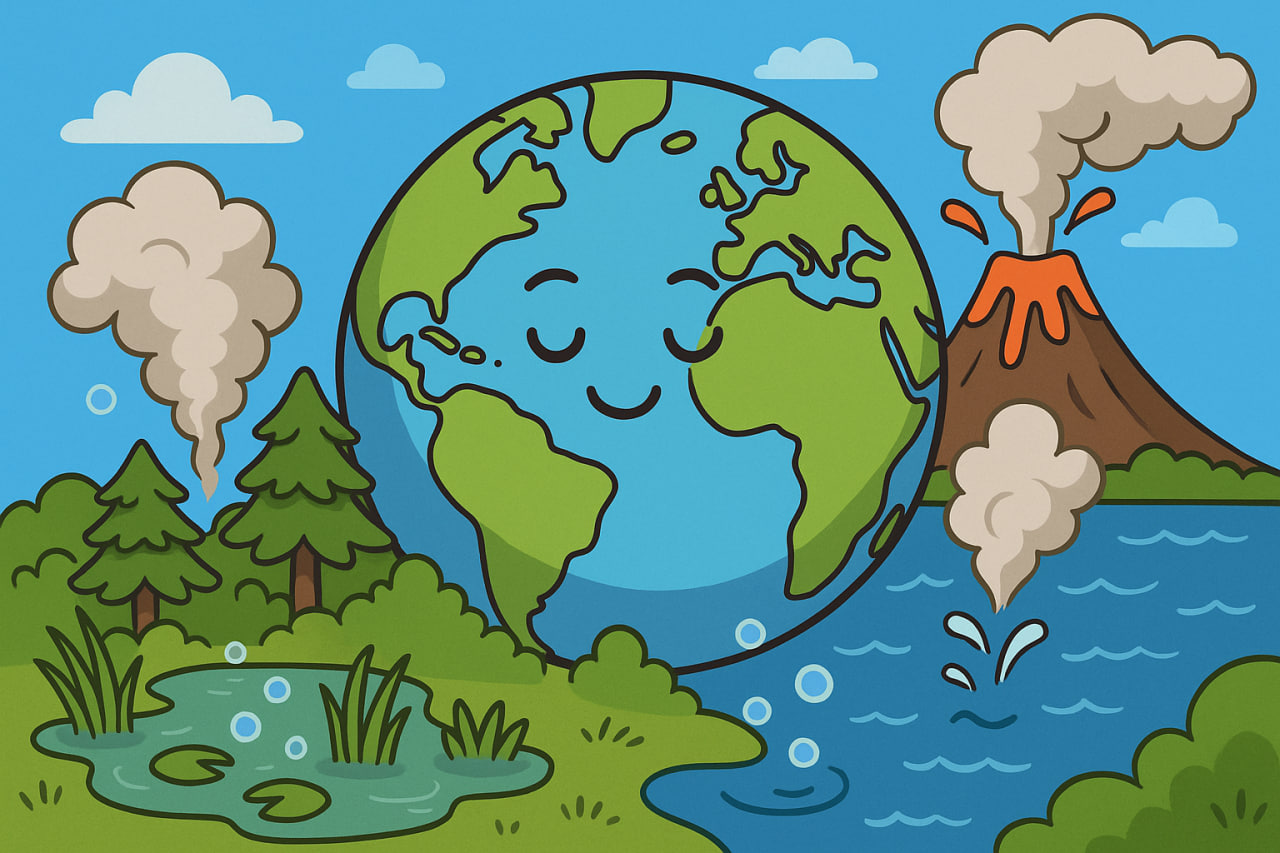
When discussing greenhouse gases, most attention focuses on human activities such as burning fossil fuels and industrial pollution.
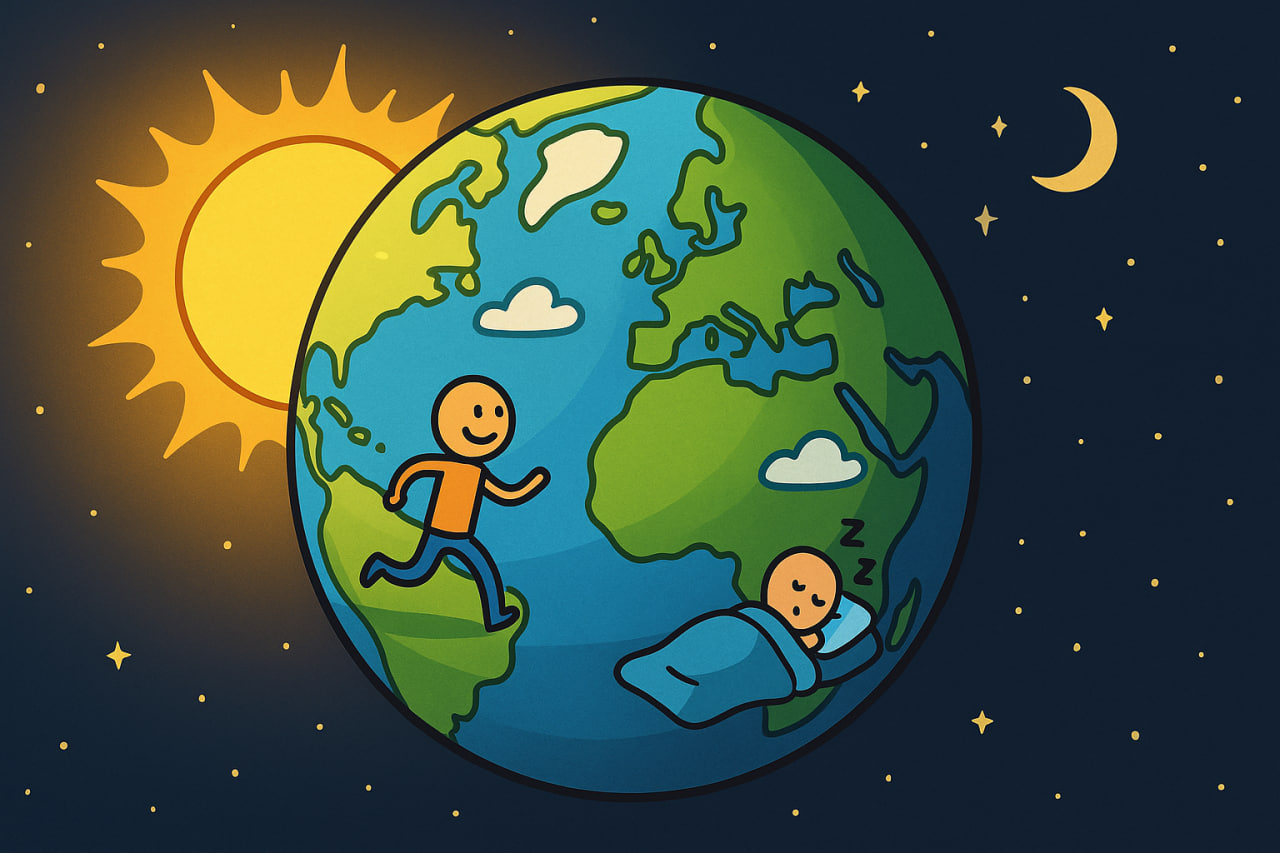
Every 24 hours, we experience the change from day to night and back again — a rhythm so natural we often take it for granted. This daily cycle is caused by the rotation of the Earth on its axis.
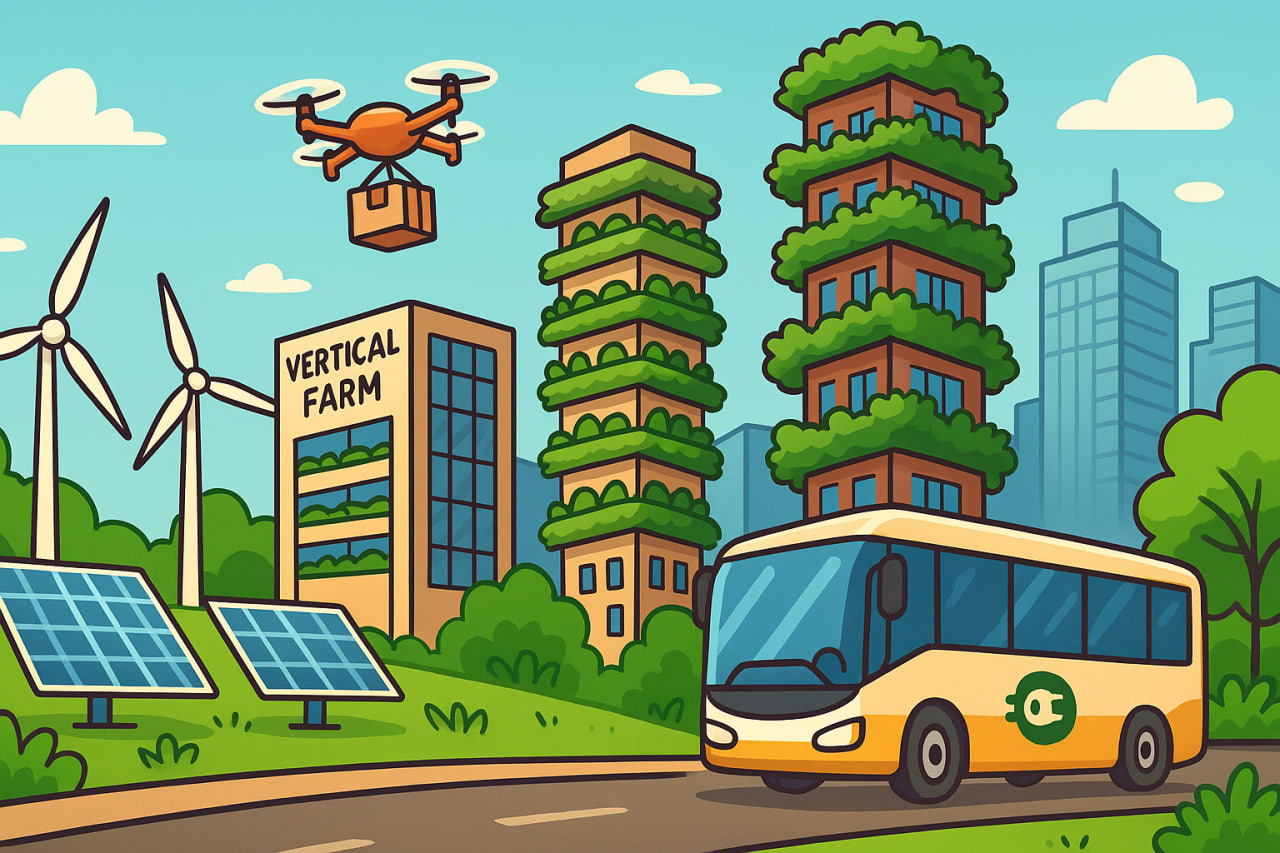
Urban environments are undergoing a transformation fueled by eco-technologies designed to reduce environmental impact and improve the quality of life.