
How Early Warning Systems for Disasters Work
Early warning systems (EWS) are critical tools designed to reduce the impact of natural and man-made disasters by providing advance alerts to populations and emergency responders.
Useful articles about nature and the world around us
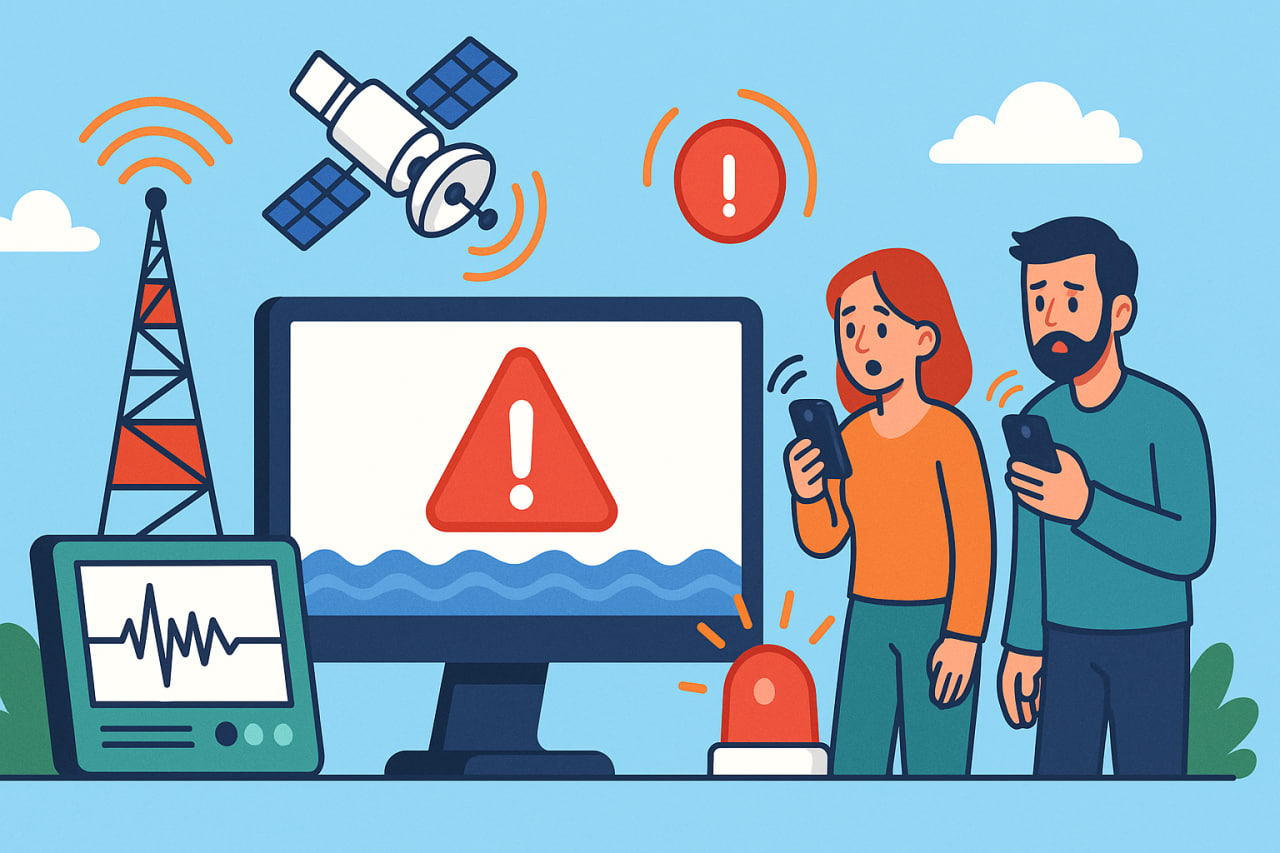
Early warning systems (EWS) are critical tools designed to reduce the impact of natural and man-made disasters by providing advance alerts to populations and emergency responders.
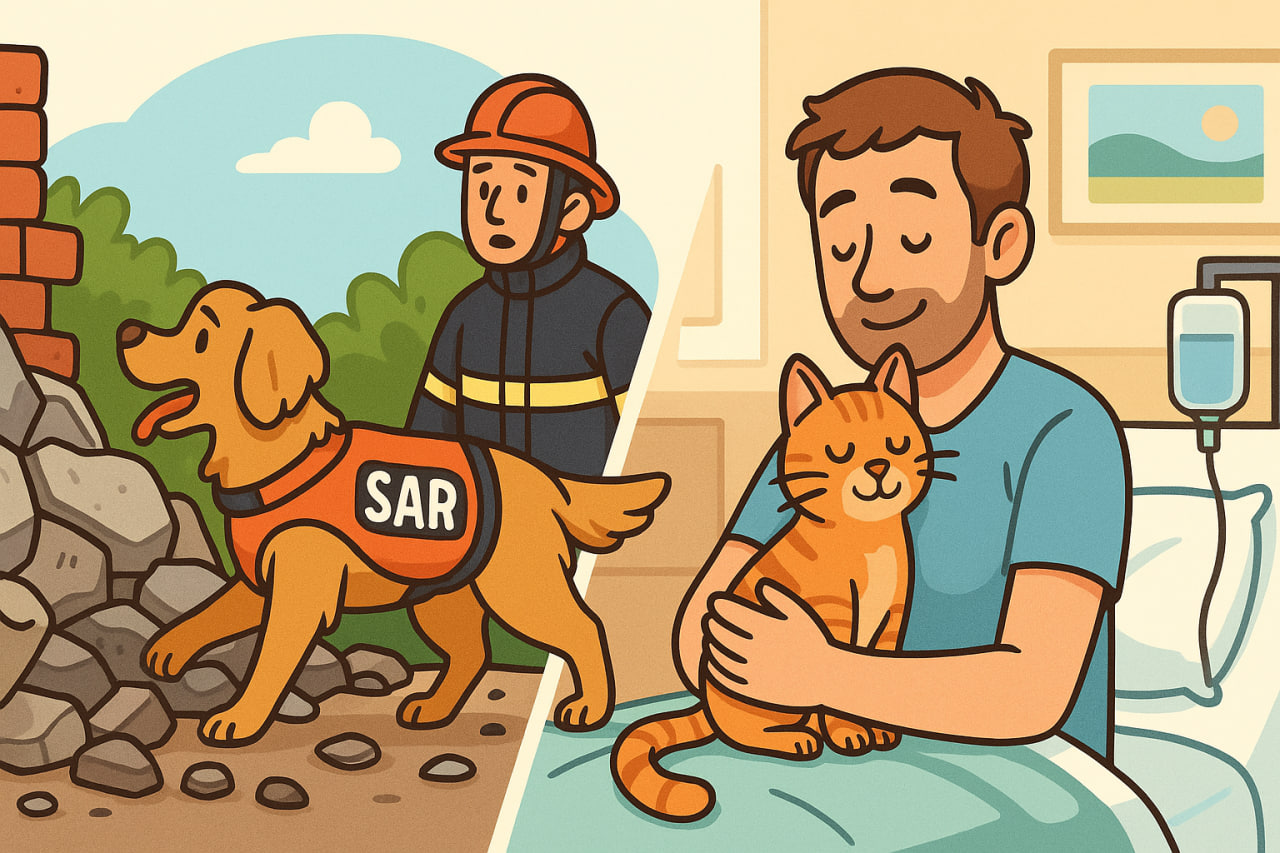
Dogs and cats are traditionally seen as companions, but many of them take on much more specialized and impactful roles in human society.
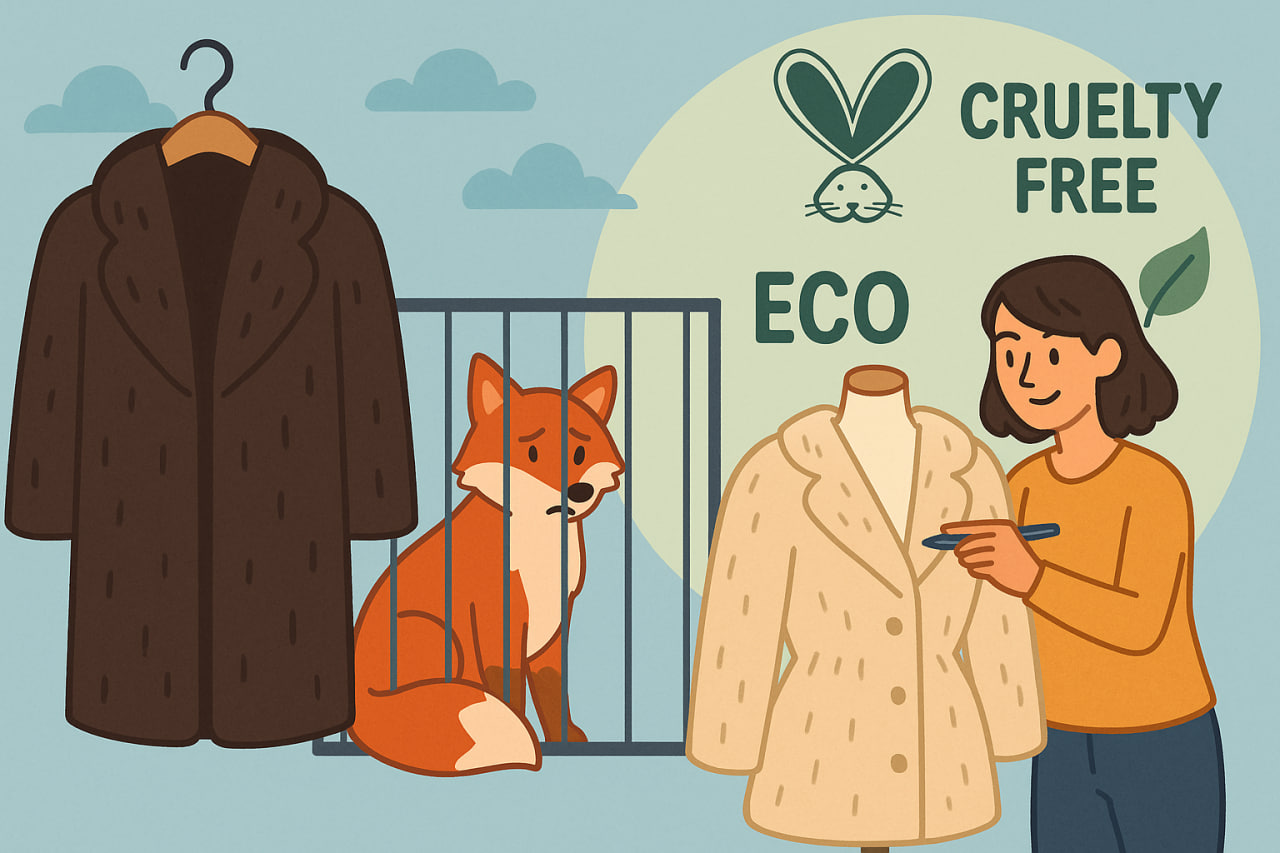
The global fur industry has long been associated with luxury and fashion. However, in recent decades, a growing movement has emerged against the use of animal fur in clothing and accessories.
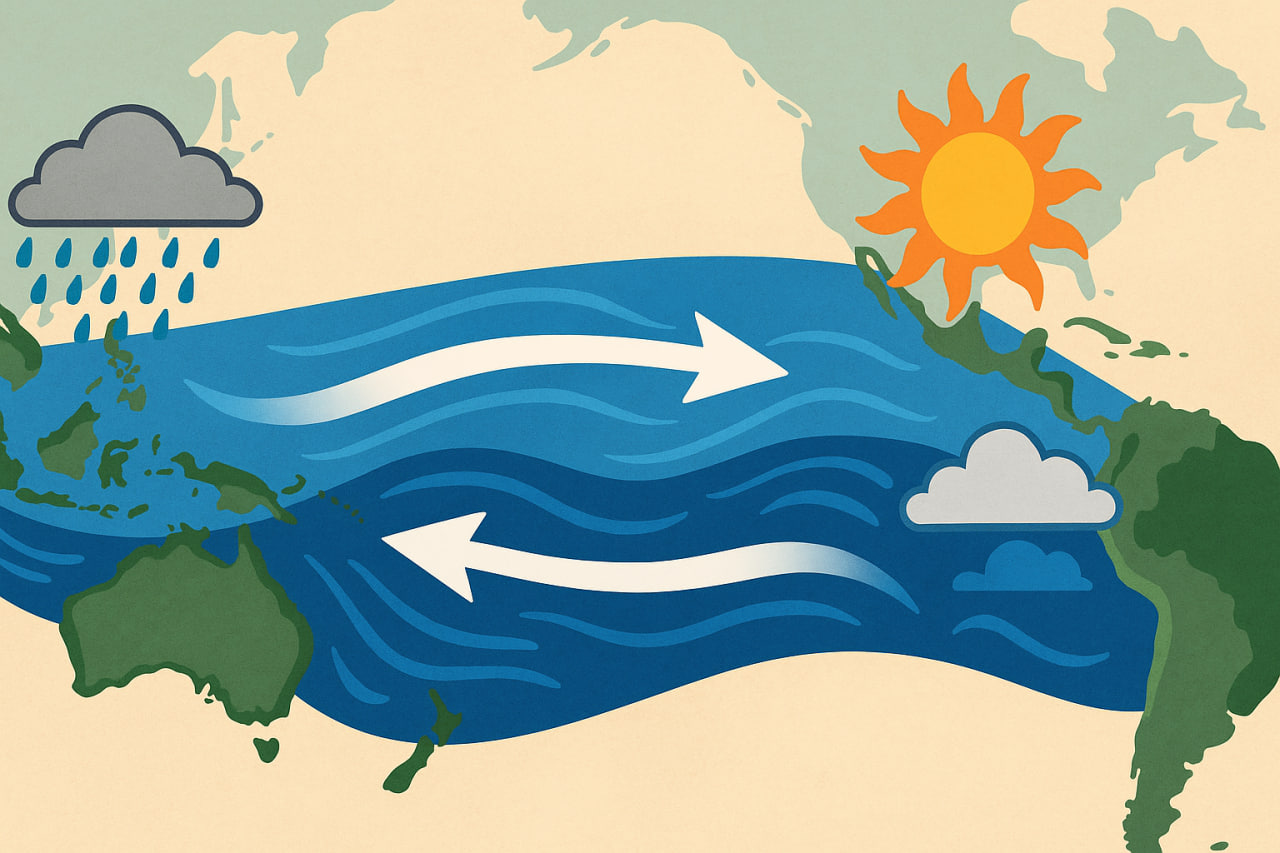
La Niña is a natural climate pattern that affects weather and ocean conditions around the world.
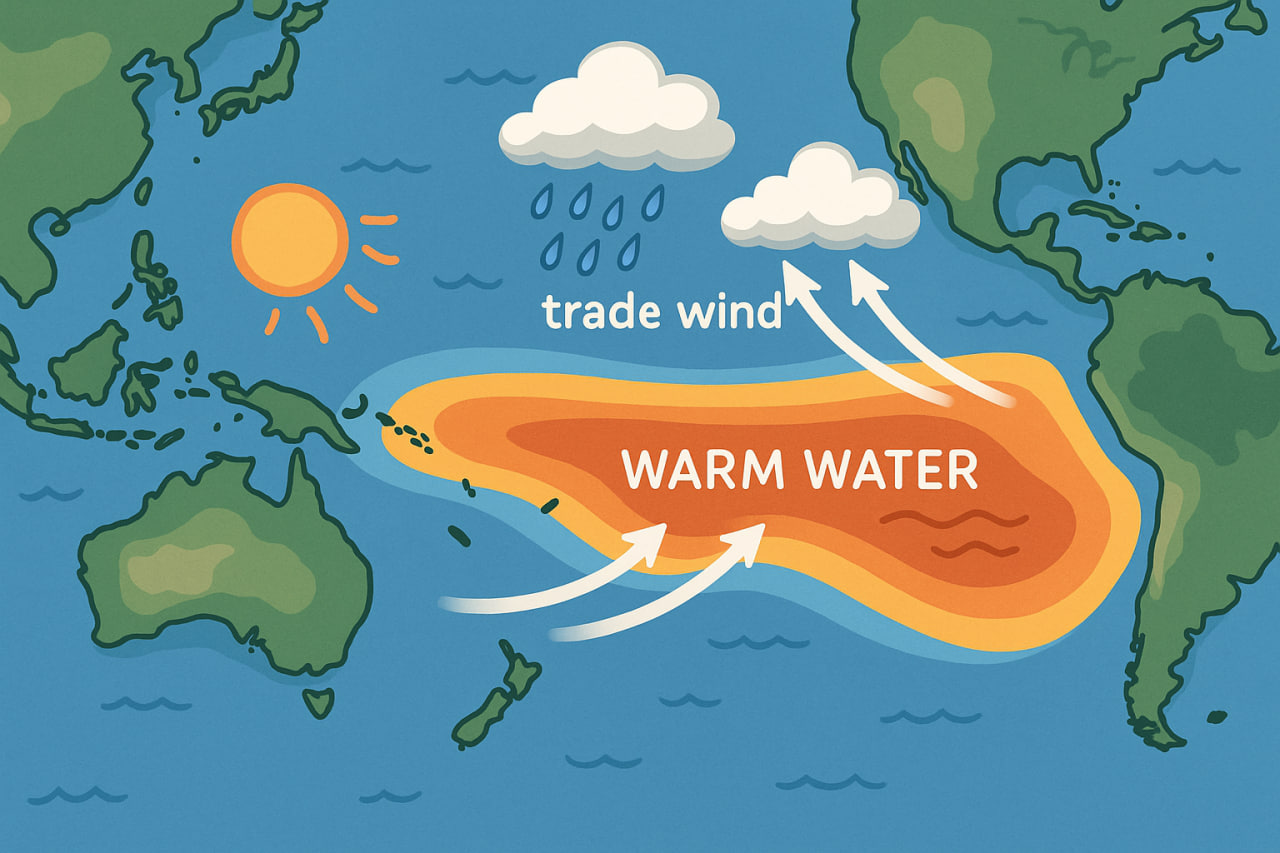
El Niño is a powerful and irregular climate pattern that affects weather systems across the globe.
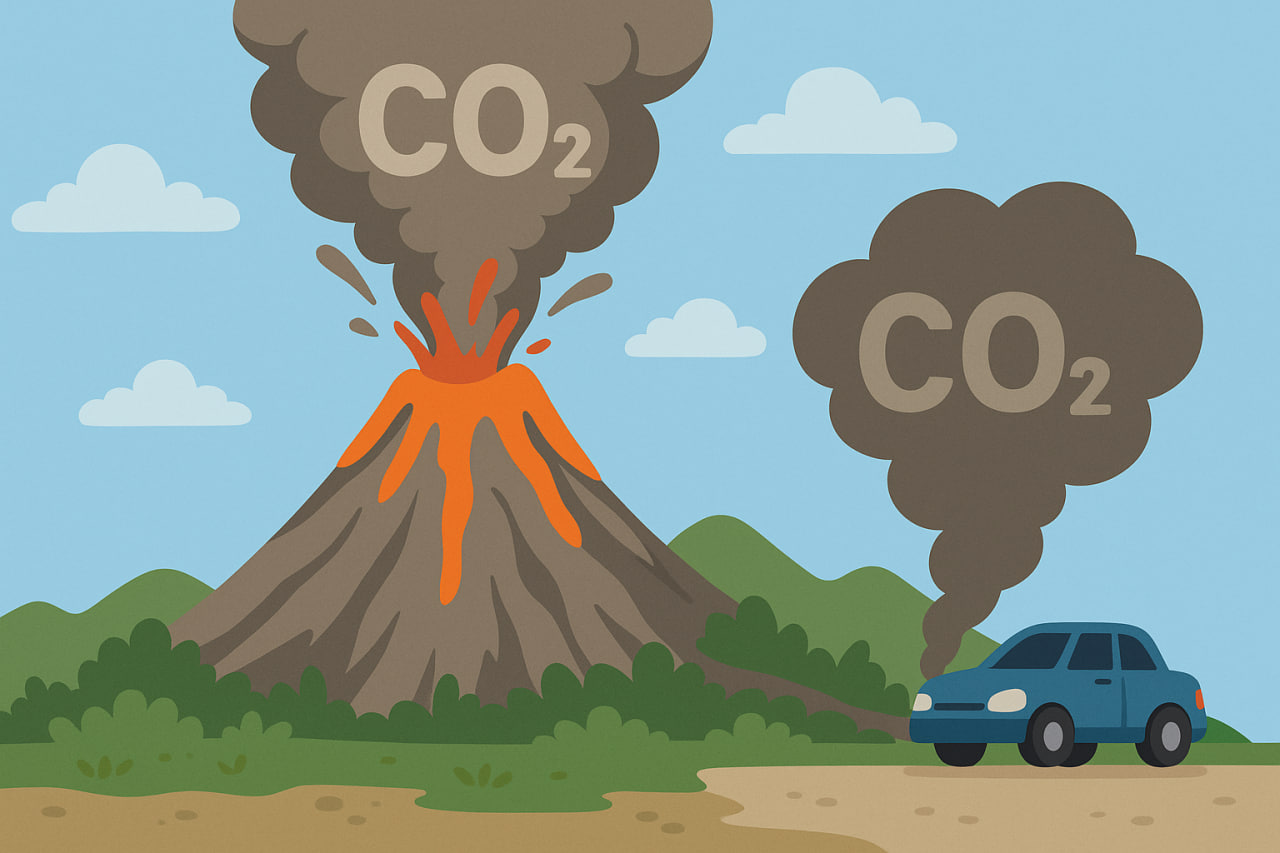
Volcanoes are among Earth’s most dramatic natural features, capable of shaping continents and influencing climate.
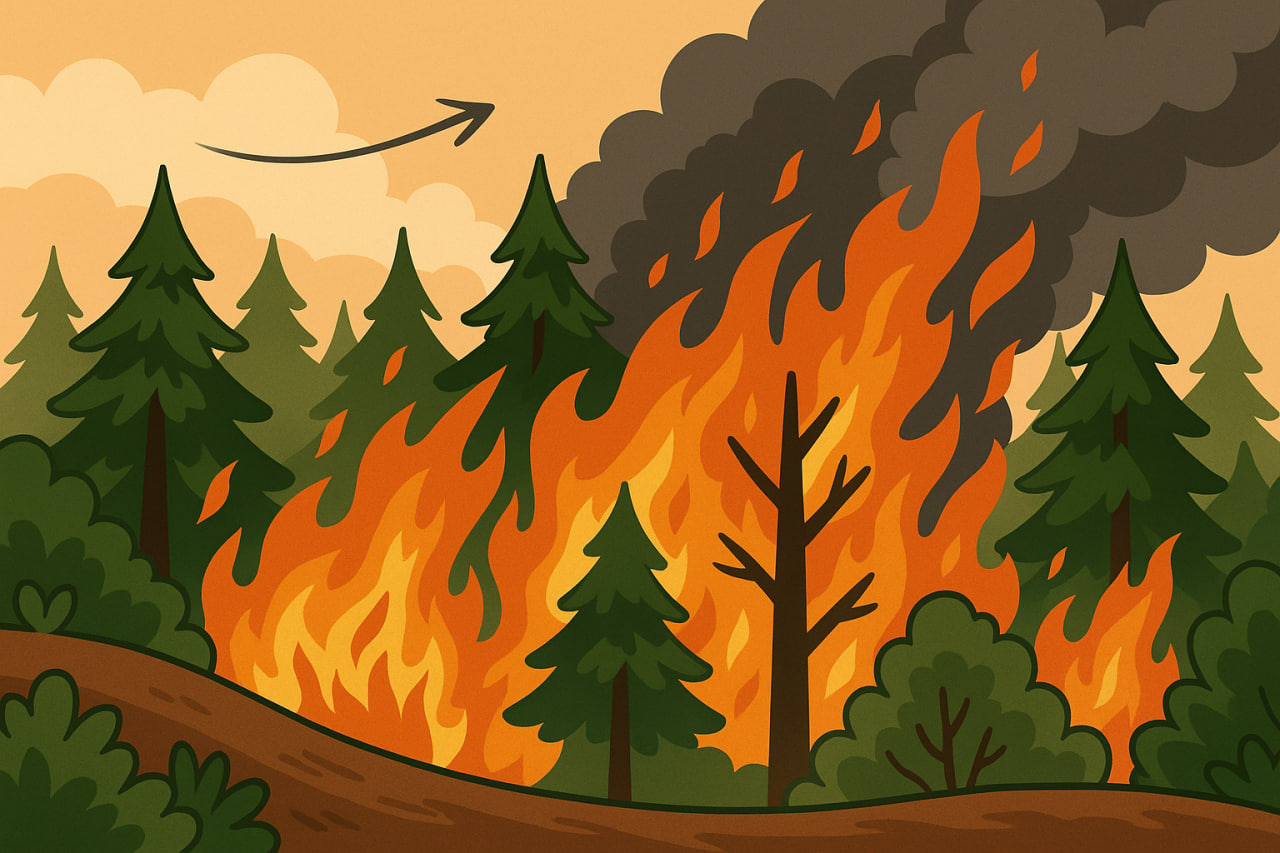
Wildfires are powerful and fast-moving natural events that can devastate entire landscapes within hours.
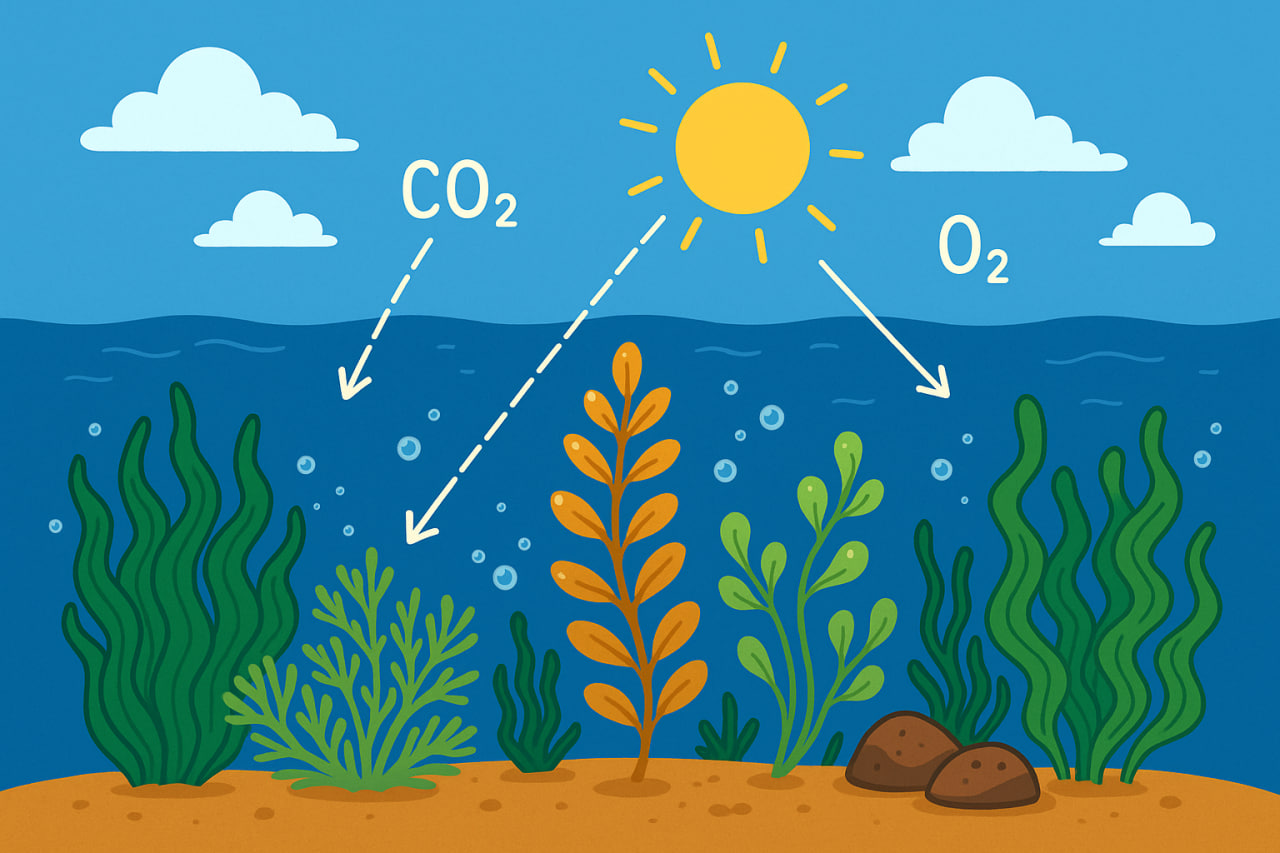
Algae, though often overlooked, play a central role in producing oxygen and maintaining the health of the planet’s oceans.
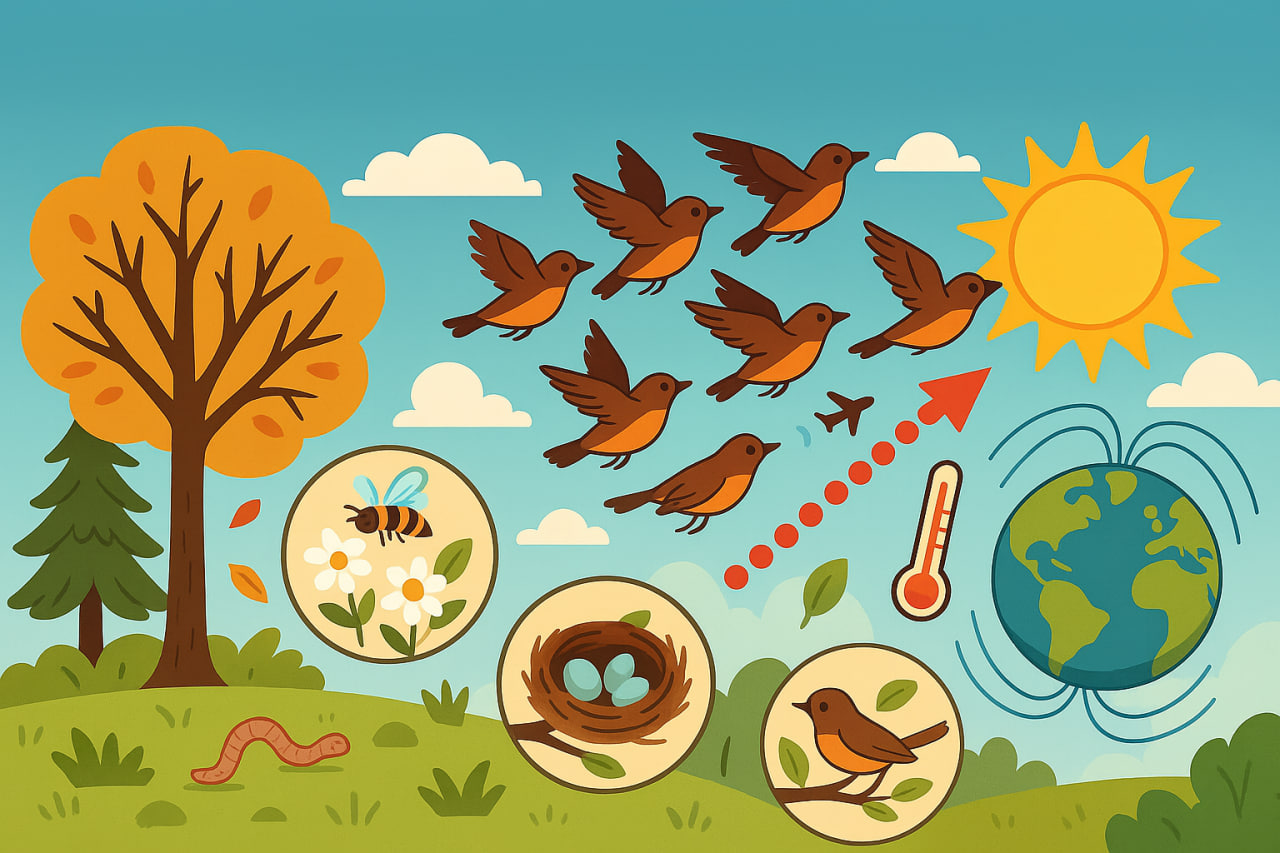
Each year, billions of birds around the world leave their summer homes and fly thousands of kilometers to warmer regions.
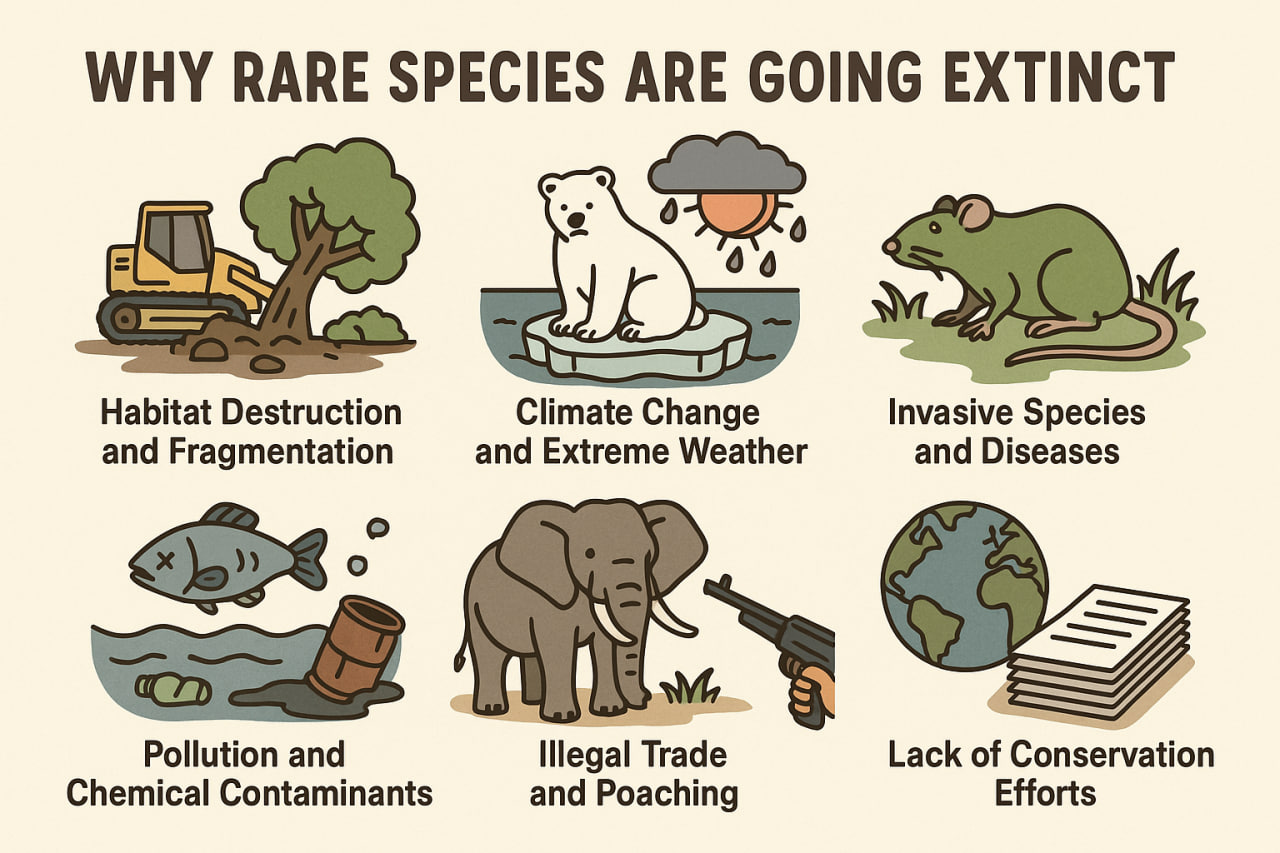
The extinction of rare species is a critical issue that threatens the balance of ecosystems and the biodiversity of our planet.