
Supervolcanoes of Earth and Their Eruptions
Supervolcanoes are among the most powerful natural forces on the planet, capable of releasing thousands of times more material than typical volcanic eruptions.
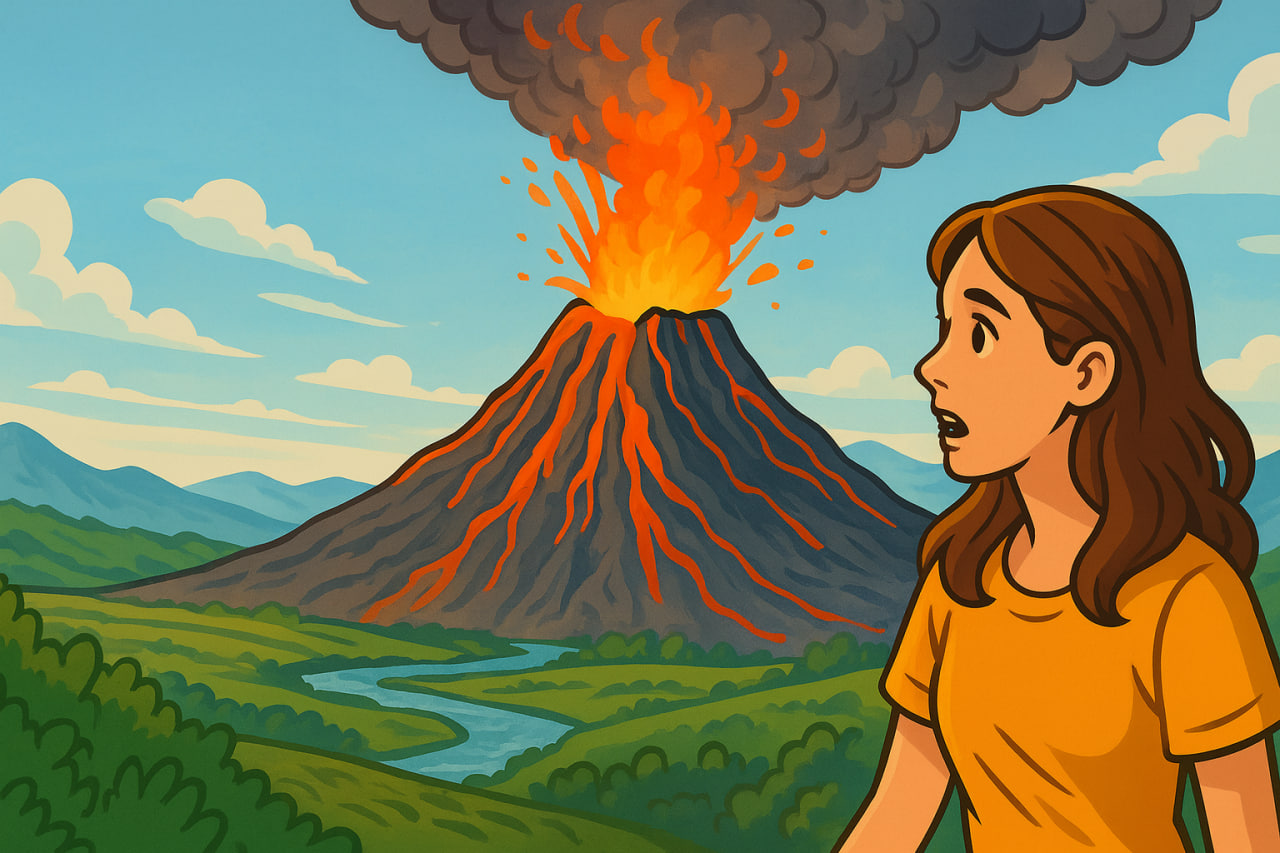
Supervolcanoes are among the most powerful natural forces on the planet, capable of releasing thousands of times more material than typical volcanic eruptions.
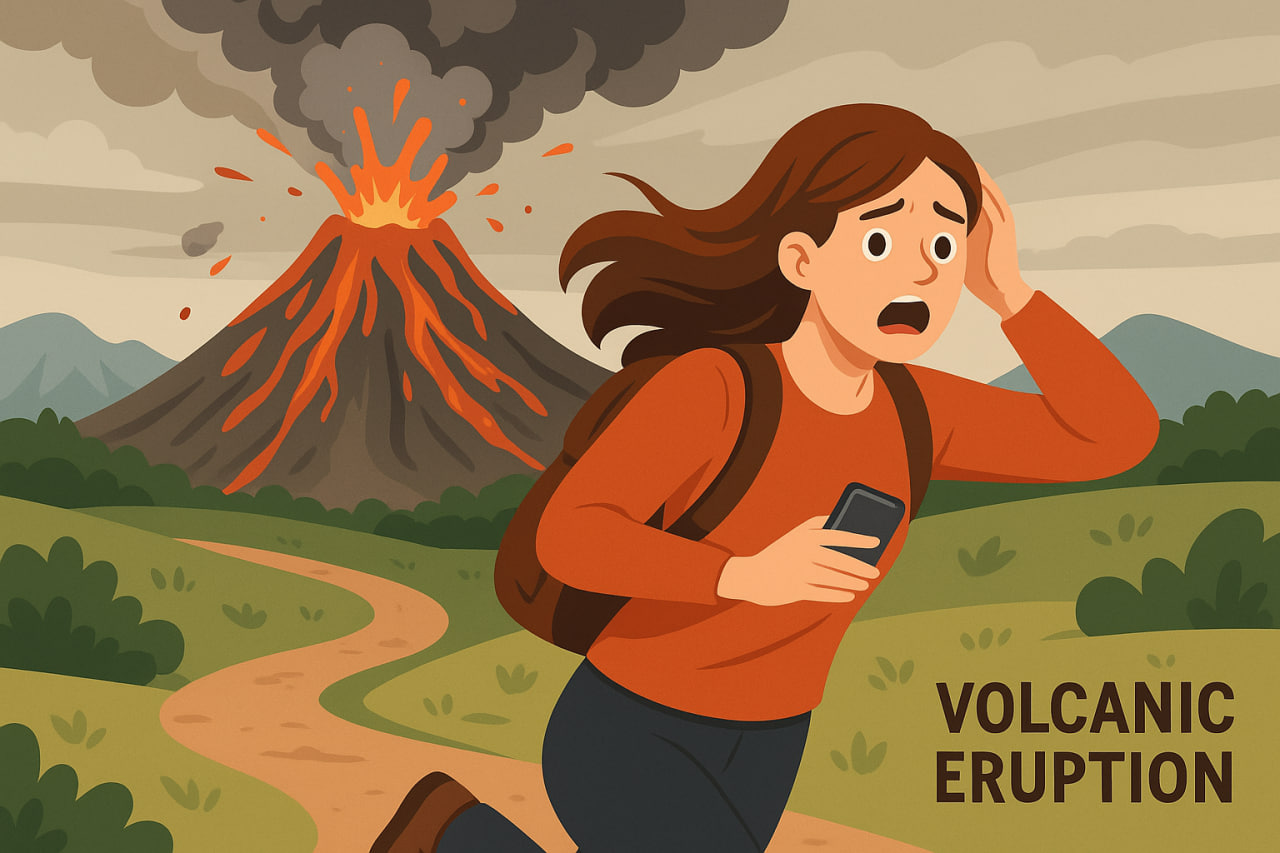
A volcanic eruption is one of the most dangerous natural events on Earth, capable of releasing ash clouds, lava flows, toxic gases, and fast-moving pyroclastic currents.
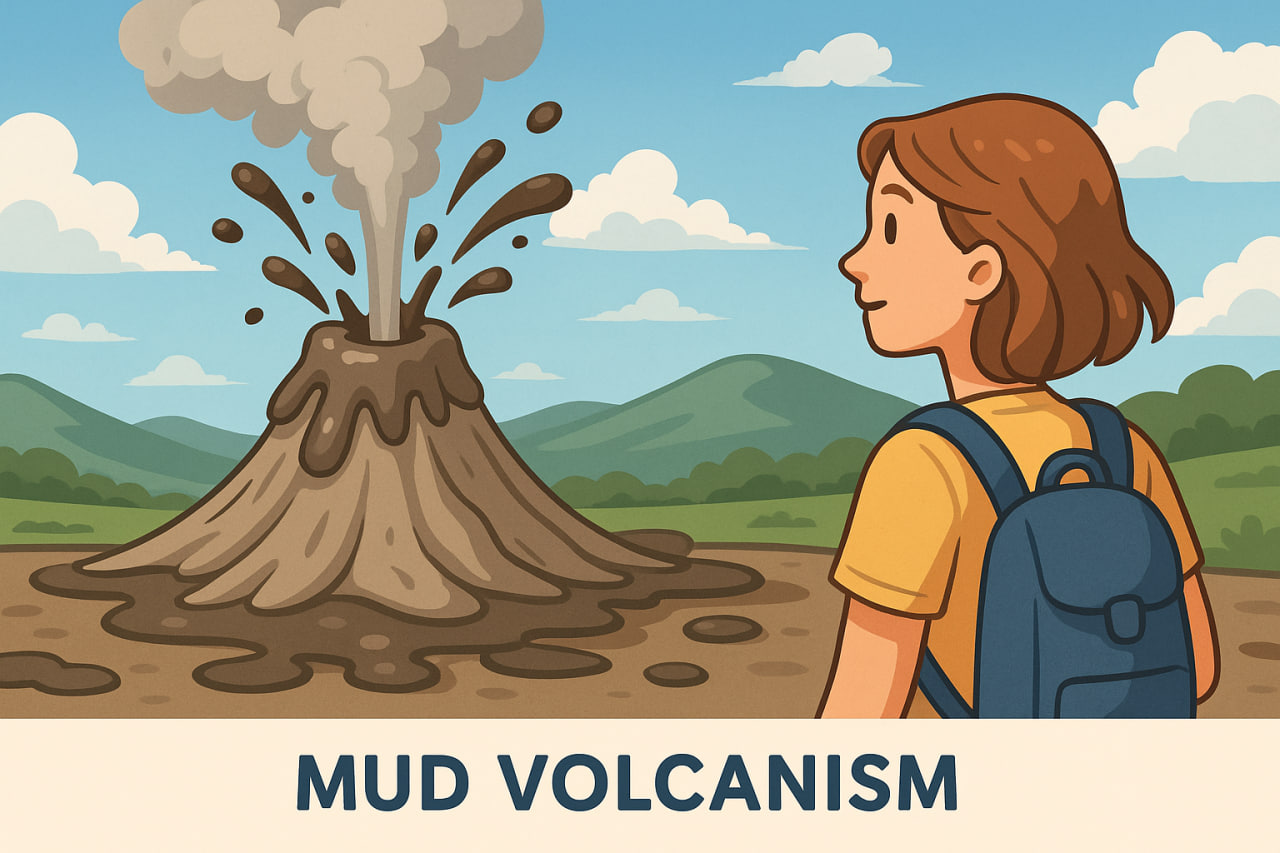
Mud volcanism is a fascinating geological process in which mixtures of water, gases, and fine sediments erupt from the Earth’s subsurface, forming structures that resemble traditional lava...
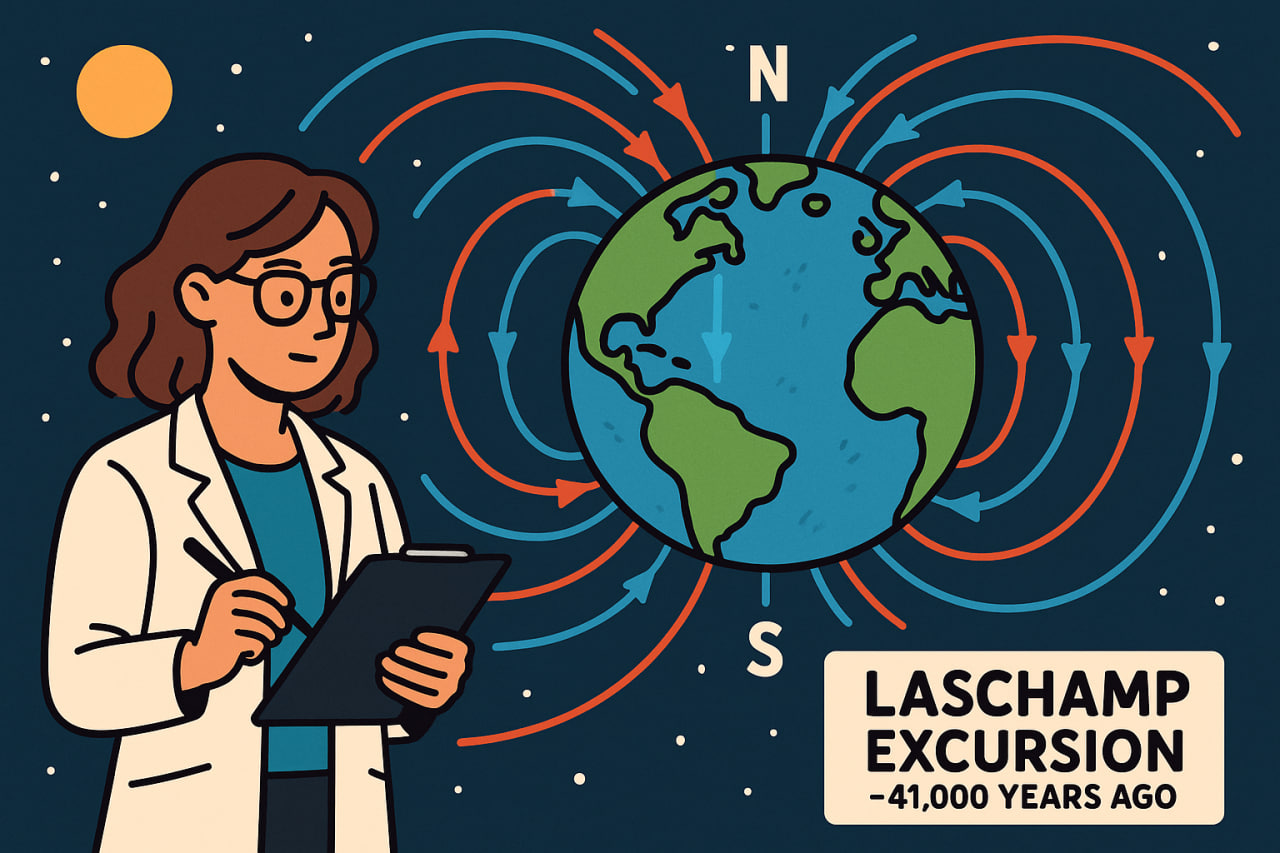
The Laschamp Excursion was a dramatic geomagnetic event that occurred approximately 42,000 years ago, during which Earth’s magnetic field weakened drastically and temporarily reversed its...
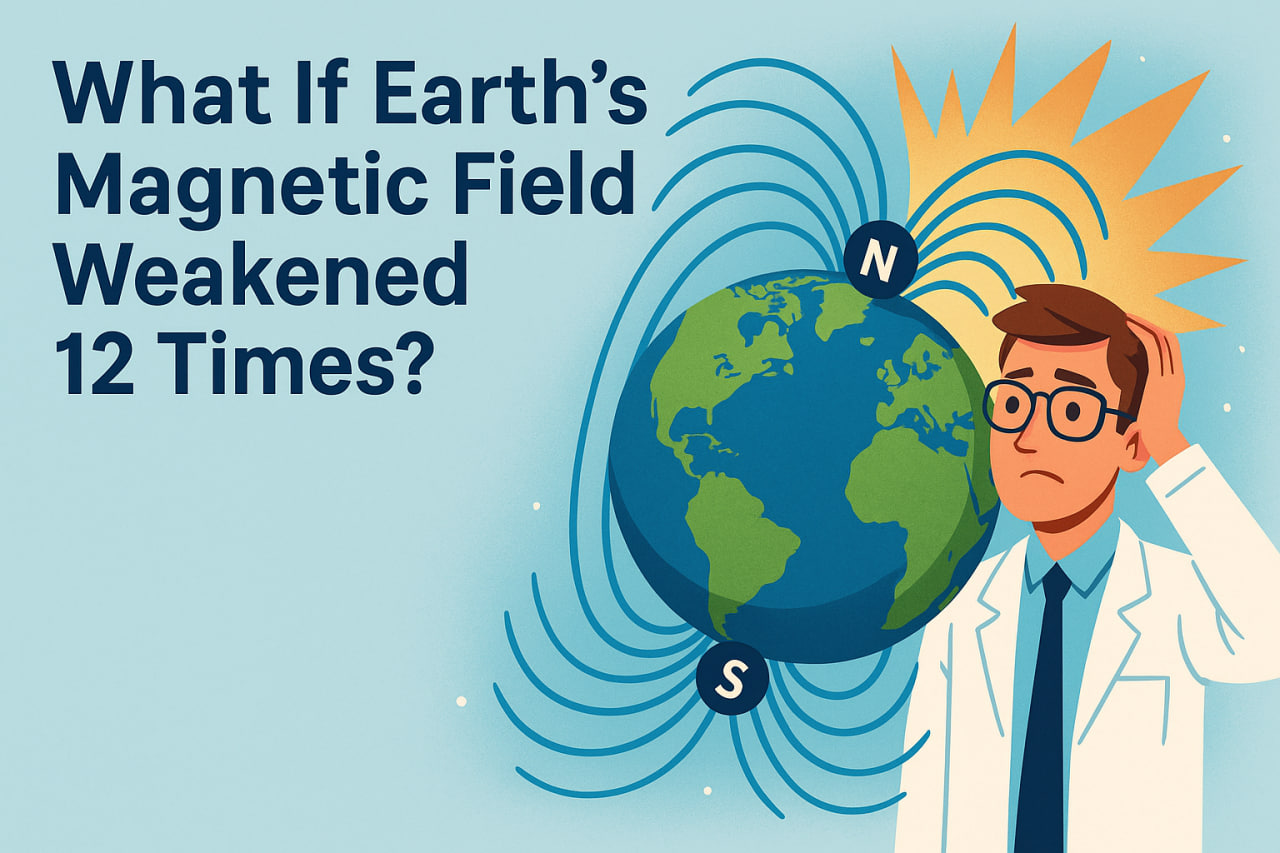
Earth’s magnetic field is an essential shield that protects the planet from solar wind, cosmic radiation, and charged particles from the Sun.
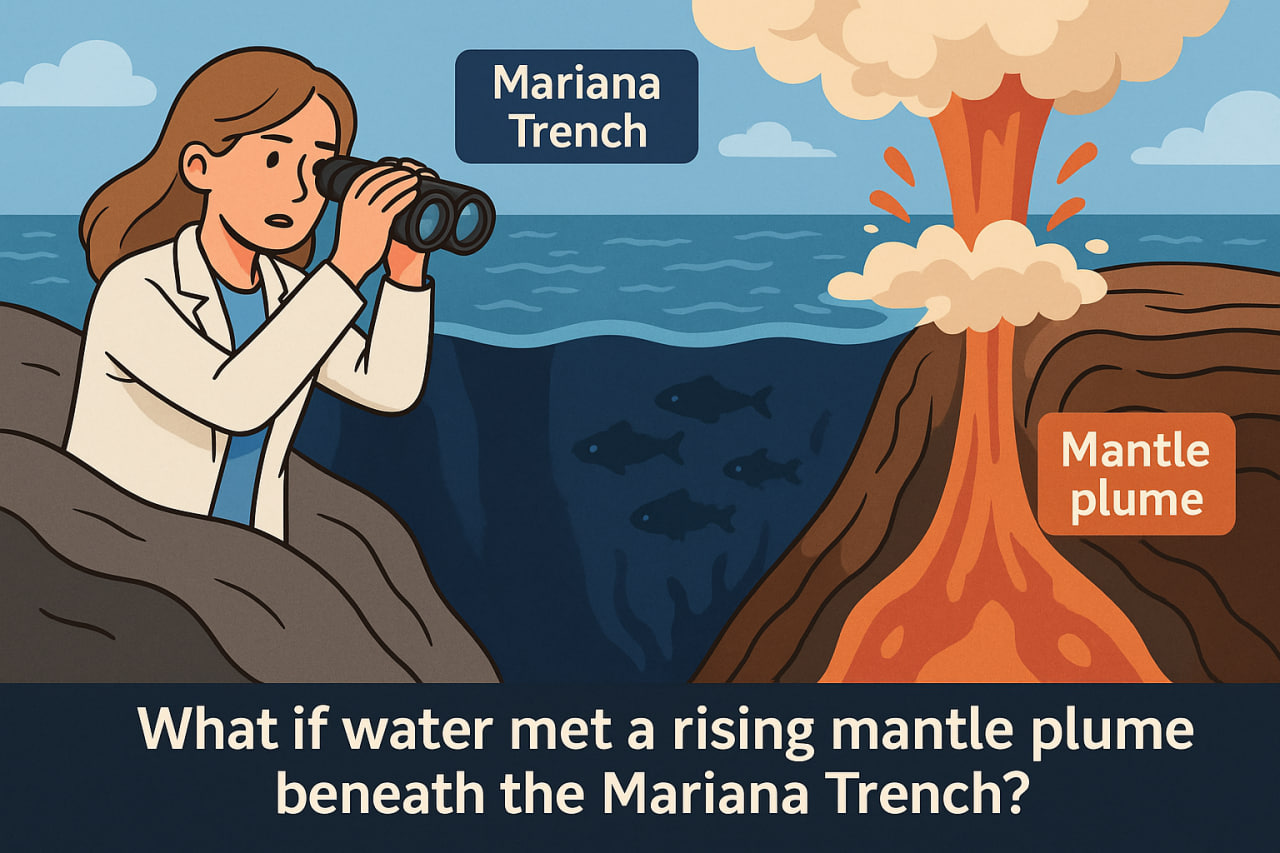
The Mariana Trench is the deepest part of the world’s oceans, plunging nearly 11 kilometers beneath the surface.
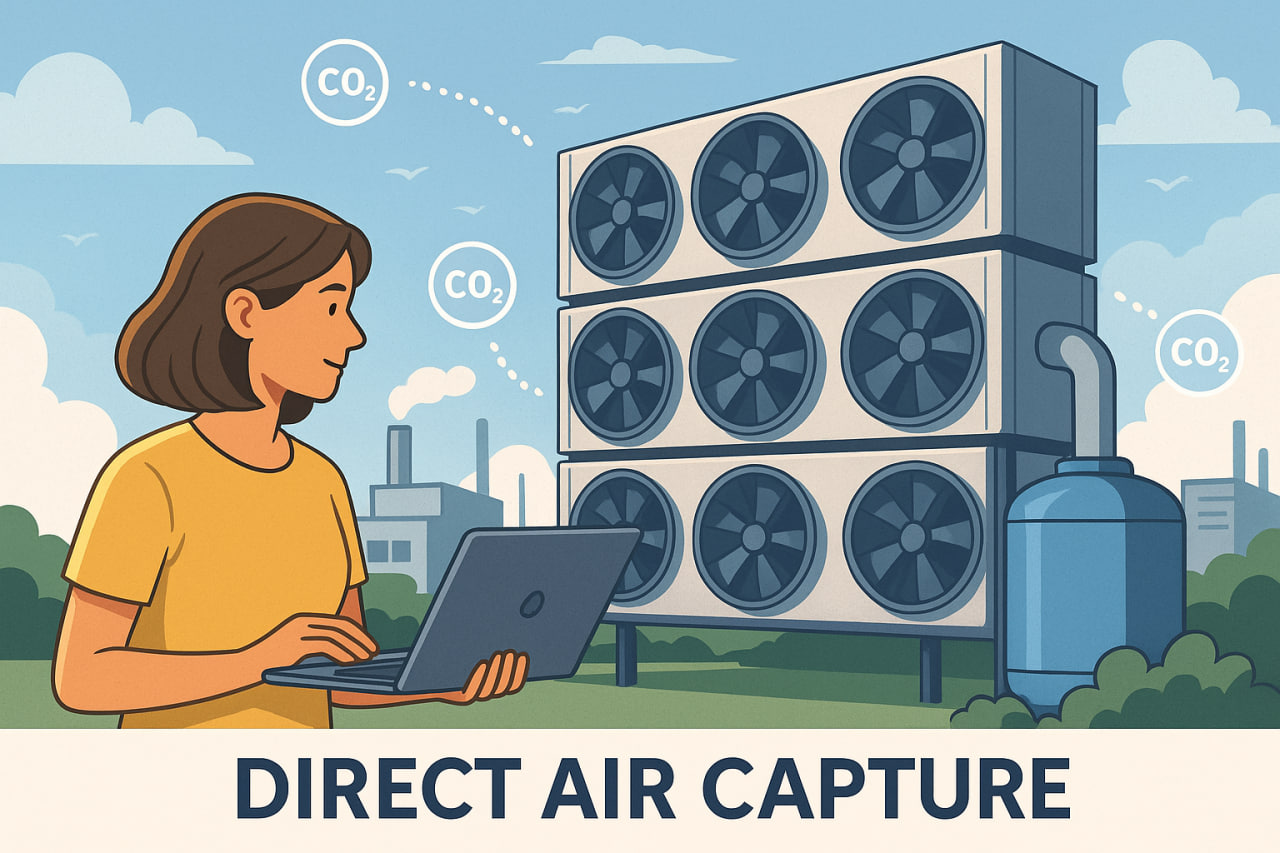
Direct Air Capture (DAC) systems are an innovative climate technology designed to remove carbon dioxide directly from the air, helping reduce global greenhouse gas concentrations.
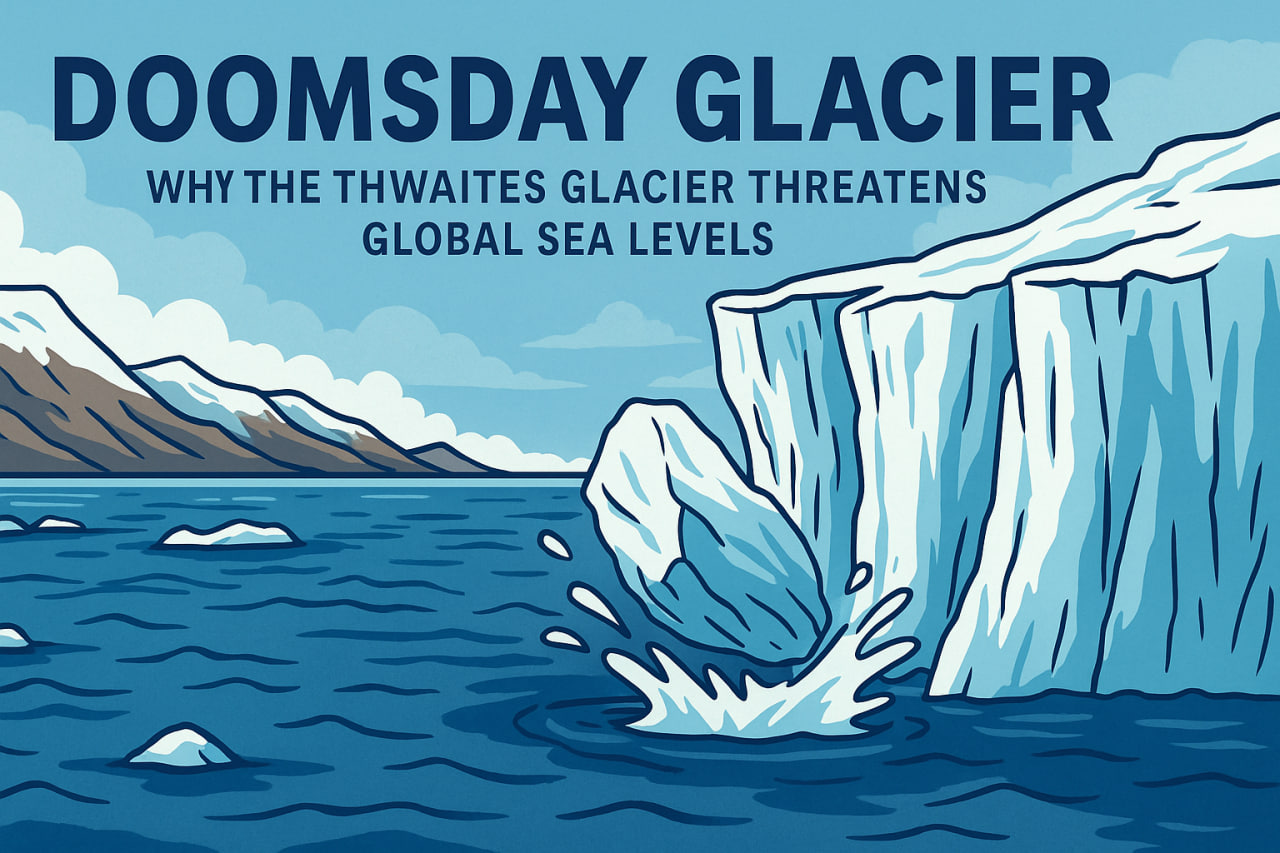
The Thwaites Glacier in West Antarctica — often called the “Doomsday Glacier” — is one of the most critical and unstable ice formations on Earth.
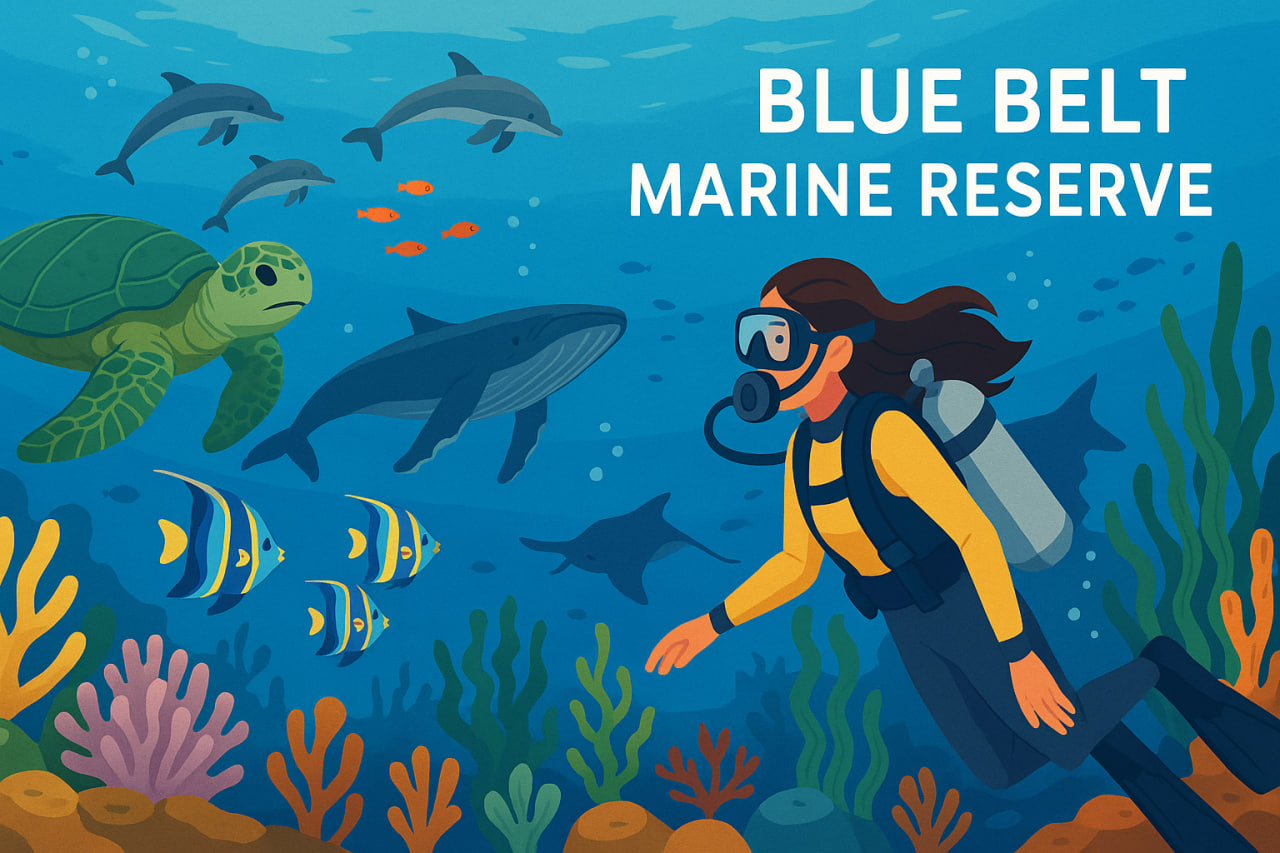
The Blue Belt Marine Reserve is an ambitious international conservation initiative designed to protect vast areas of the world’s oceans, preserve biodiversity, and support the health of...
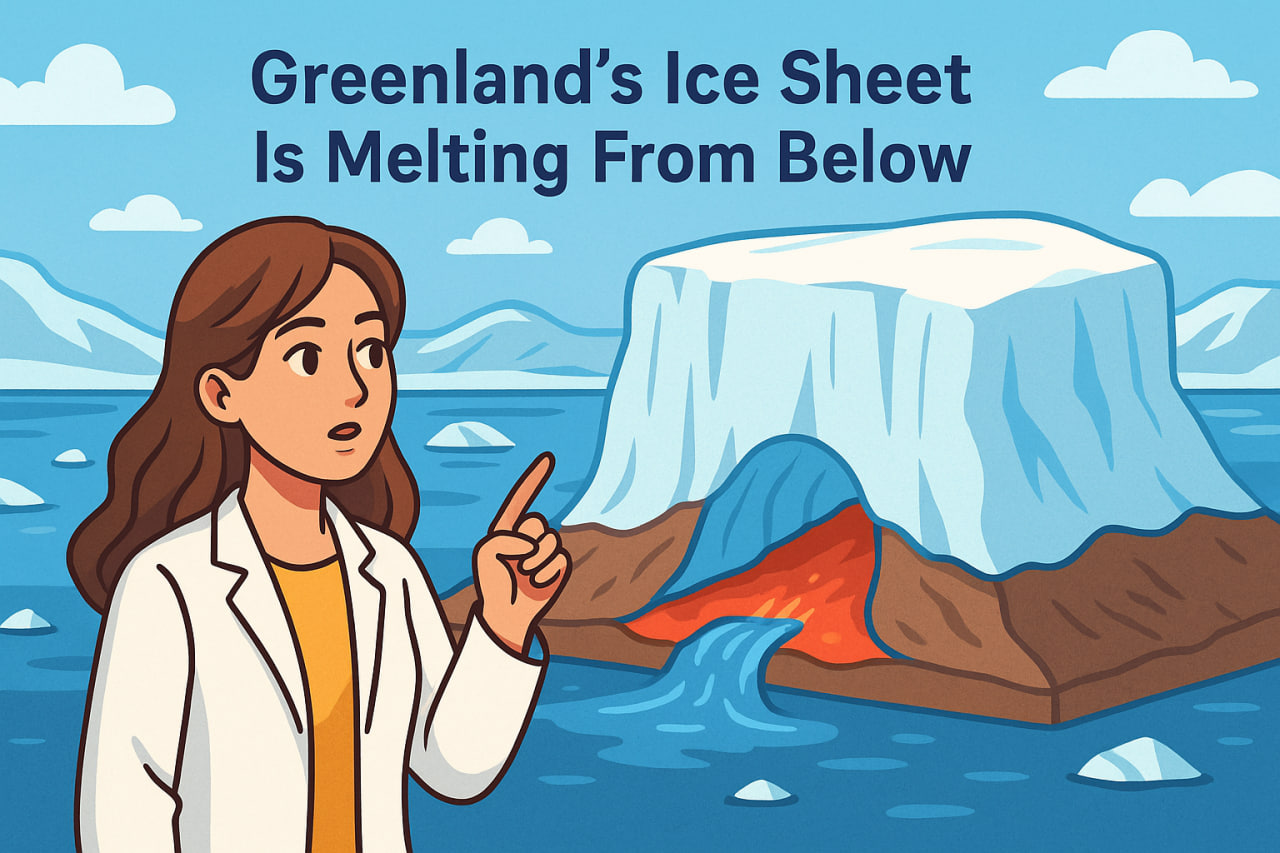
The Greenland Ice Sheet, one of the largest bodies of frozen freshwater on Earth, has long been understood to be melting from the top due to rising air temperatures.