
Weather Control Technologies
Humanity has always been fascinated by the idea of influencing the weather, from ancient rain rituals to modern atmospheric science.
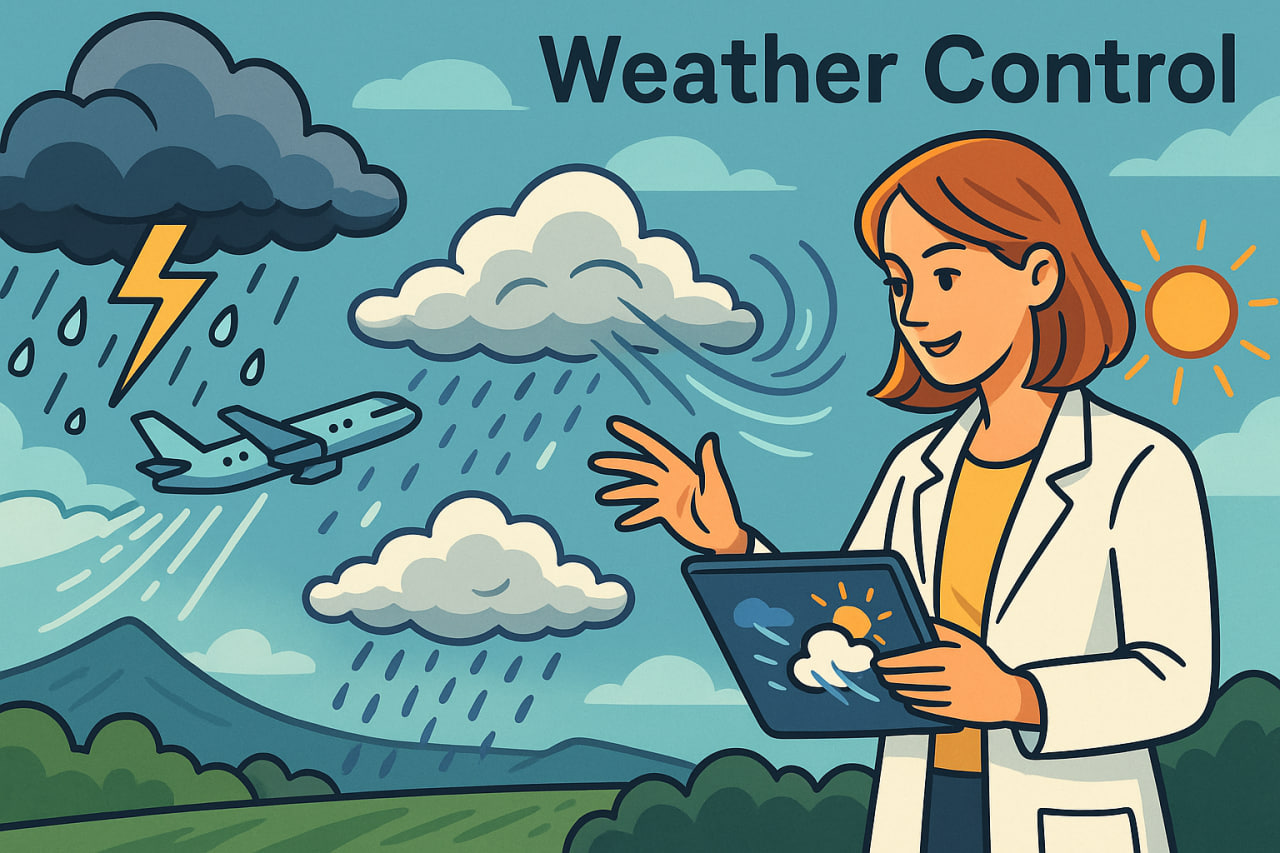
Humanity has always been fascinated by the idea of influencing the weather, from ancient rain rituals to modern atmospheric science.
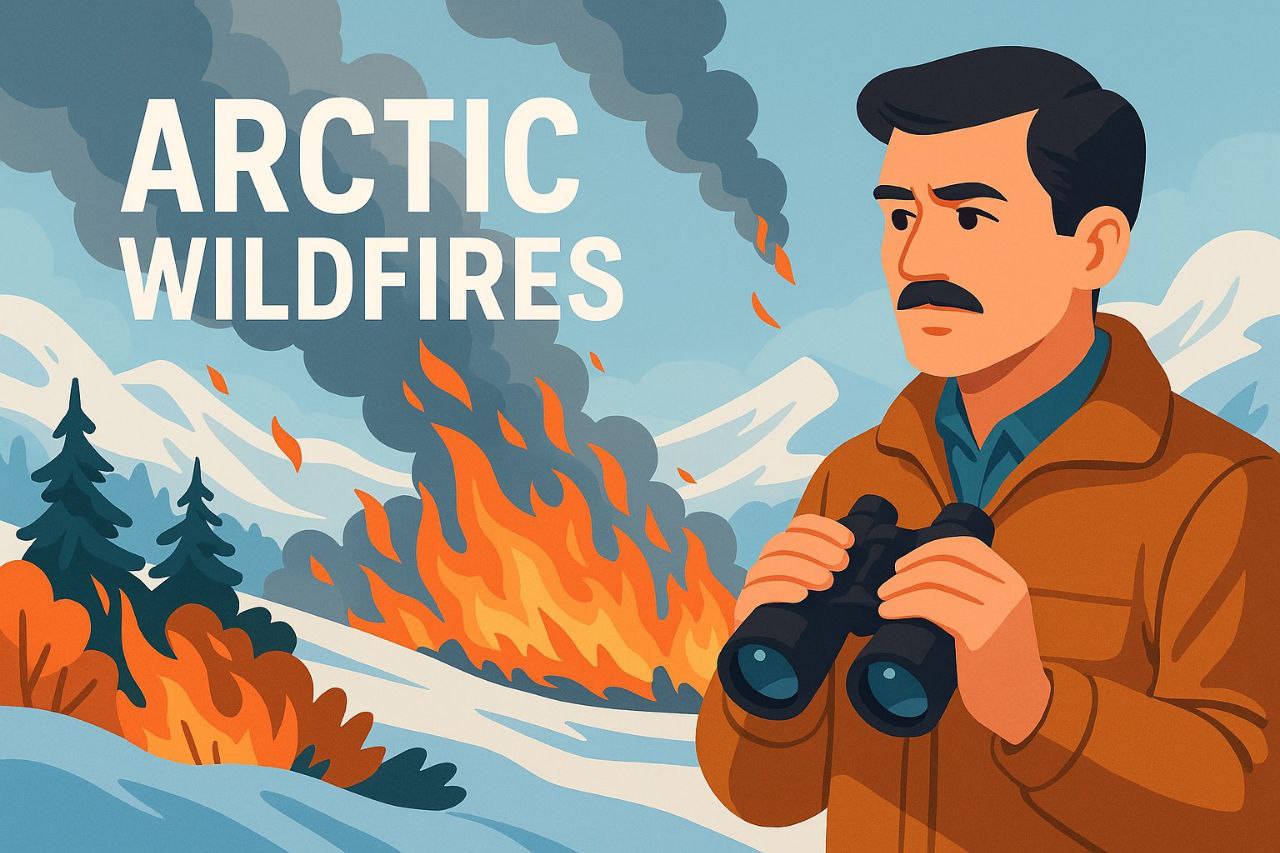
Arctic wildfires have become one of the most alarming indicators of rapid climate change in high-latitude regions.
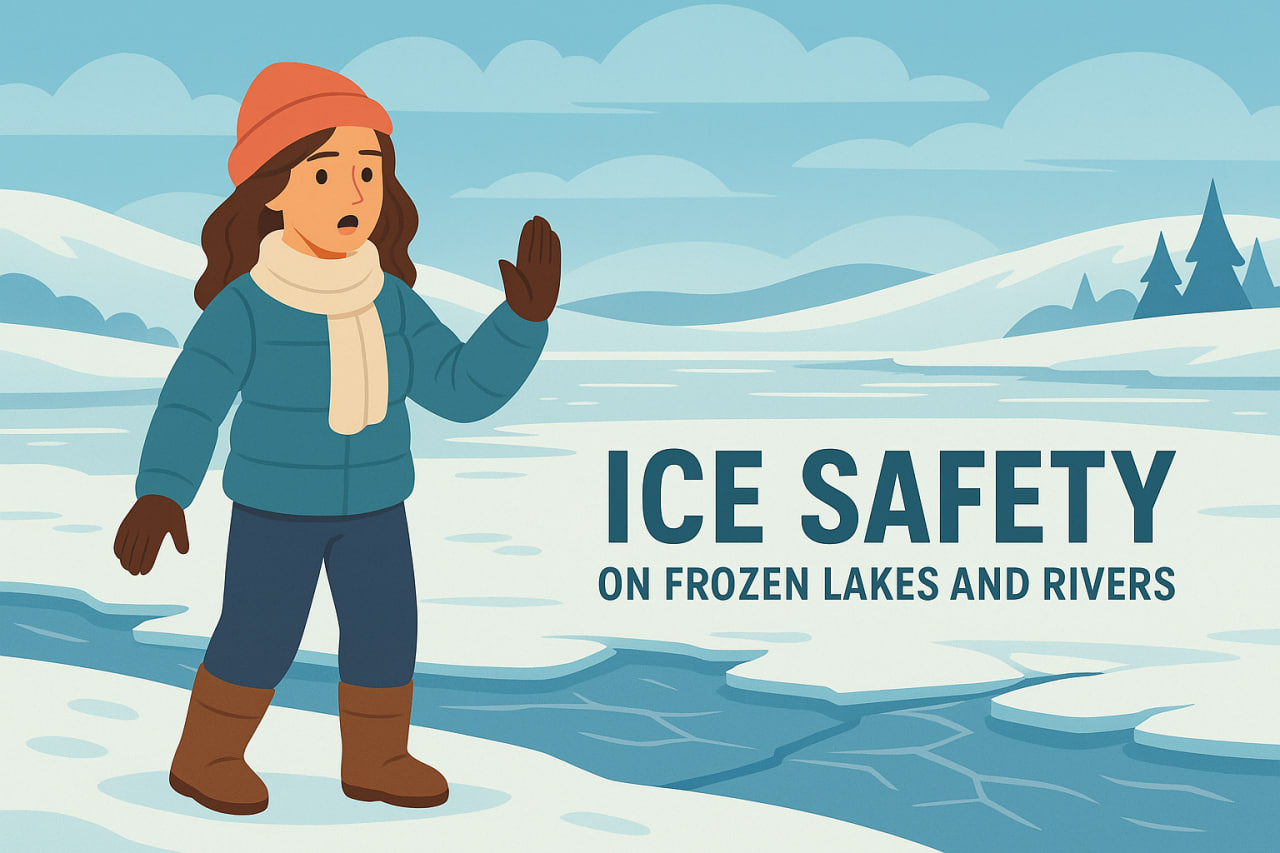
Ice safety is an essential topic for anyone who spends time near frozen lakes, rivers, or ponds during winter.
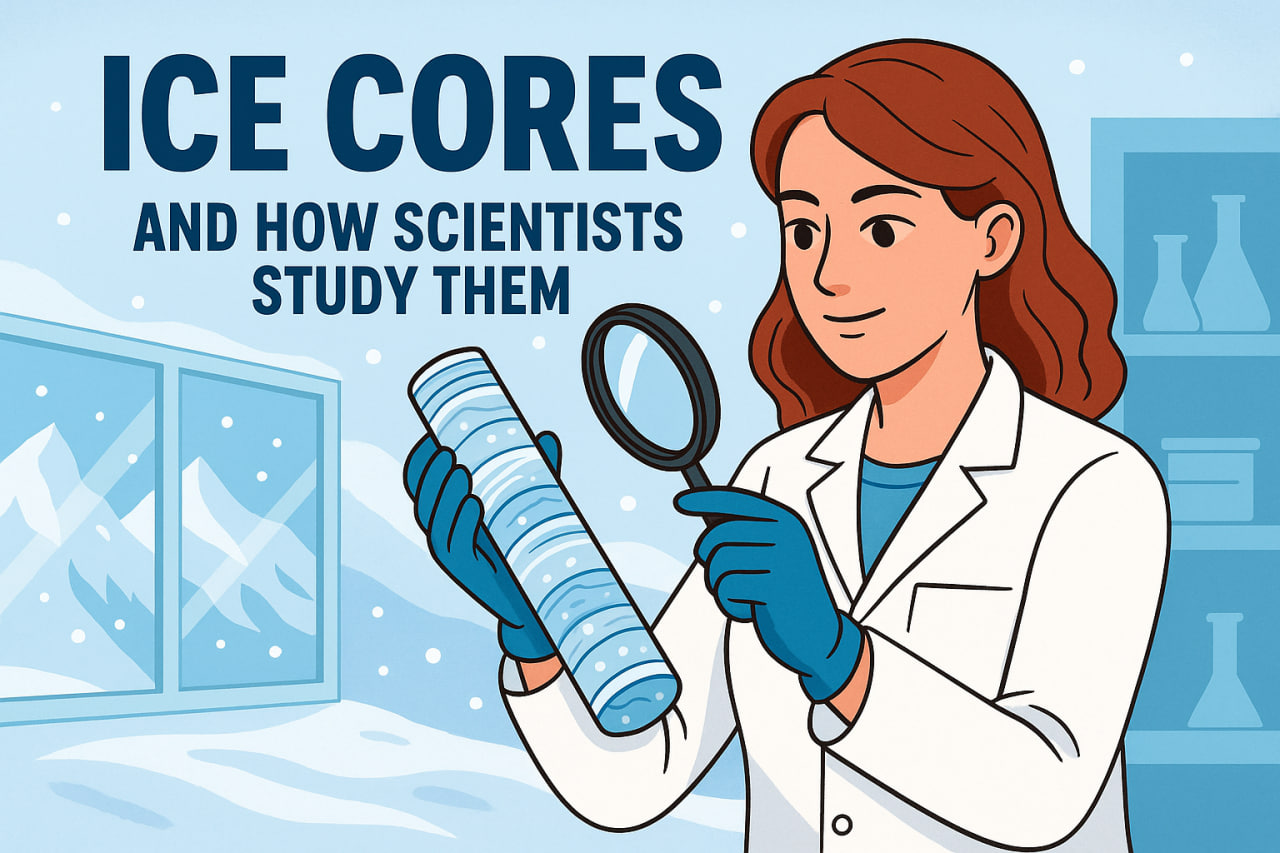
Ice cores are cylindrical samples drilled from ice sheets or glaciers, preserving thousands of years of climate history within their layers.
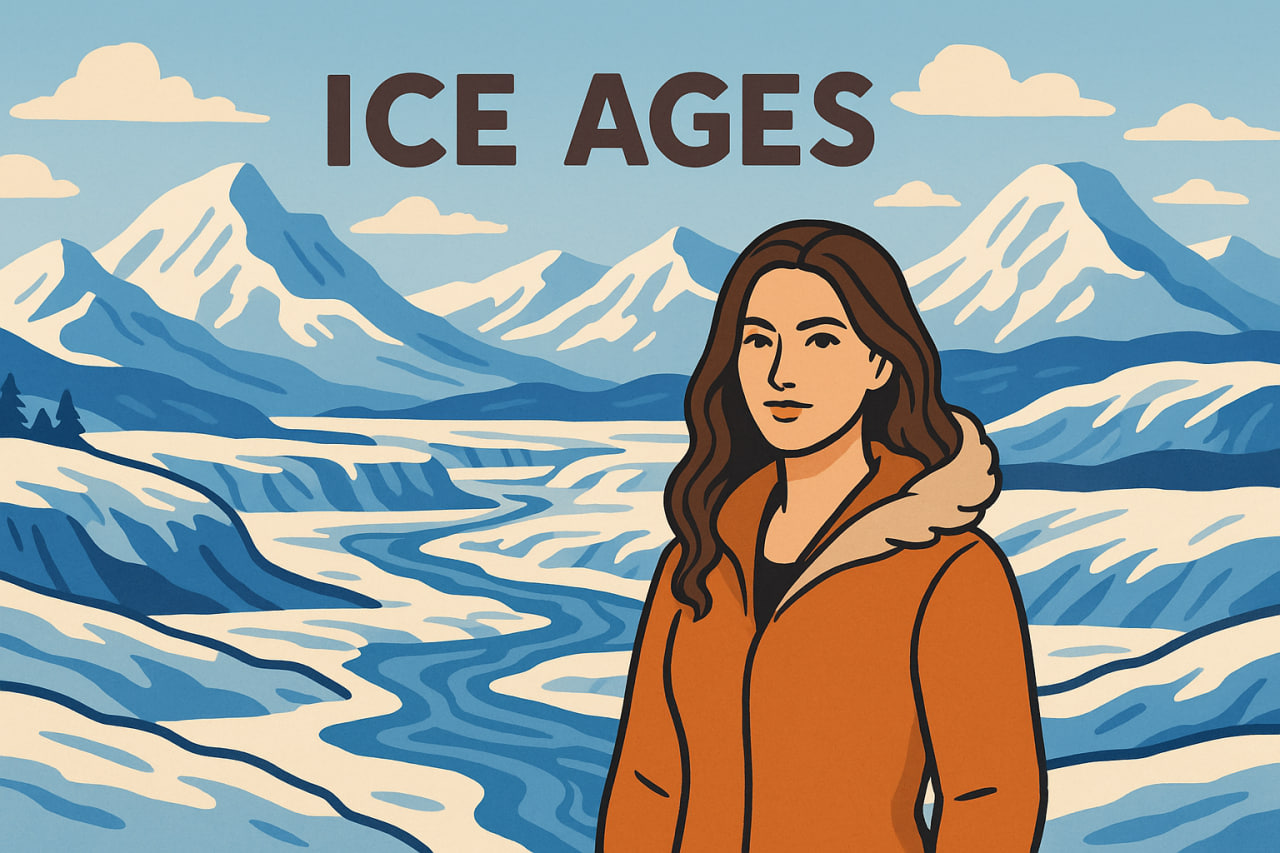
Earth’s ice ages, also known as glacial periods, are long intervals in which global temperatures drop significantly, allowing massive ice sheets to expand across continents.
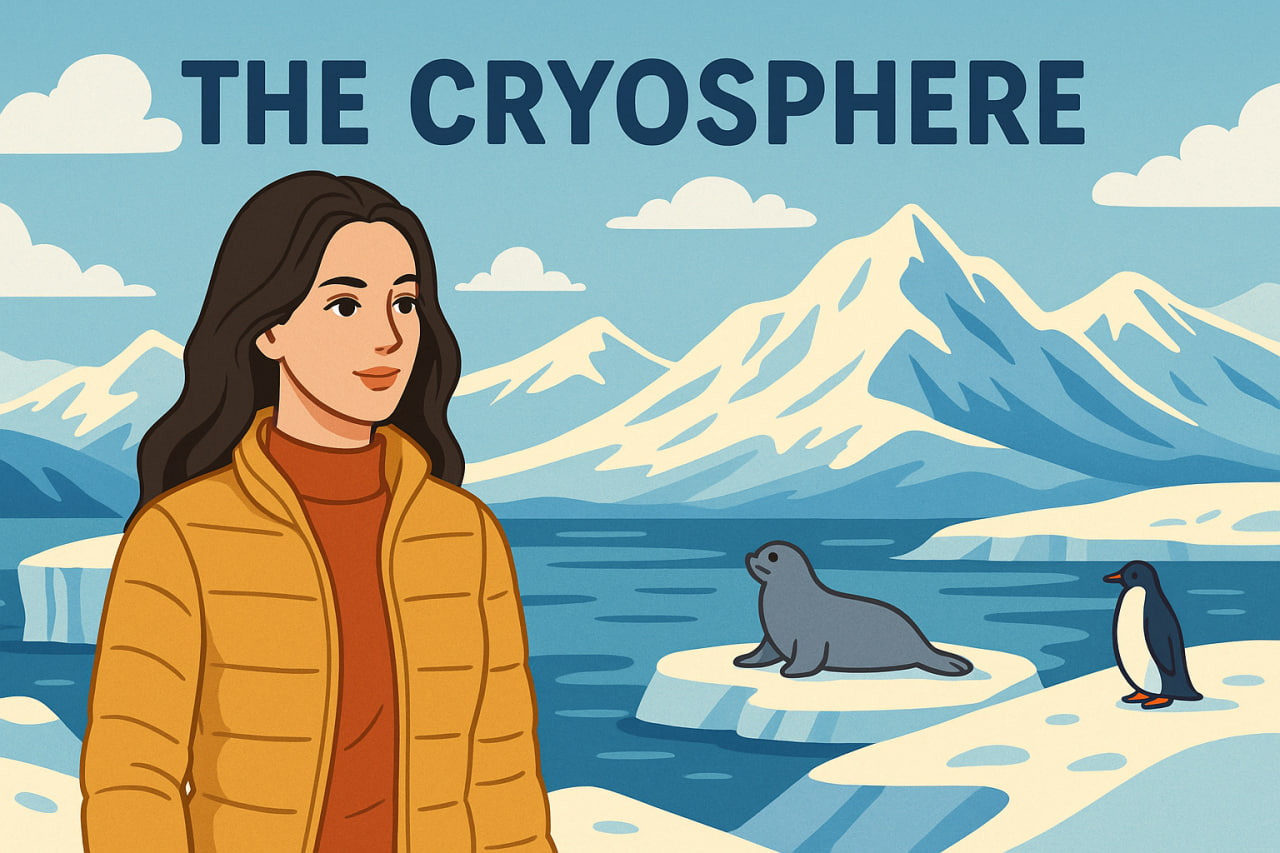
The cryosphere refers to all of Earth’s frozen water, including glaciers, ice caps, sea ice, snow cover, permafrost, and frozen lakes and rivers.
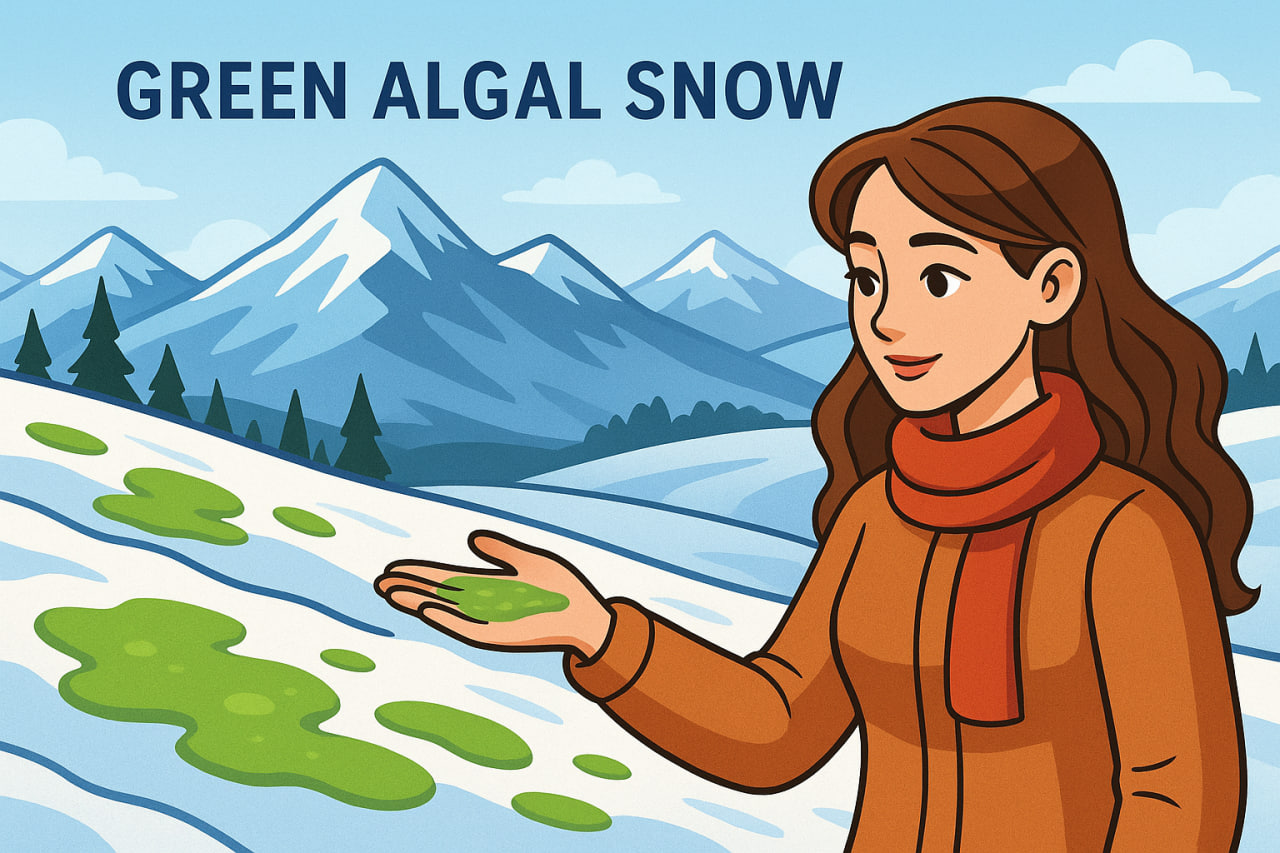
Green algal snow is a striking natural phenomenon observed in cold, snowy regions where microscopic algae grow directly on the snow’s surface.
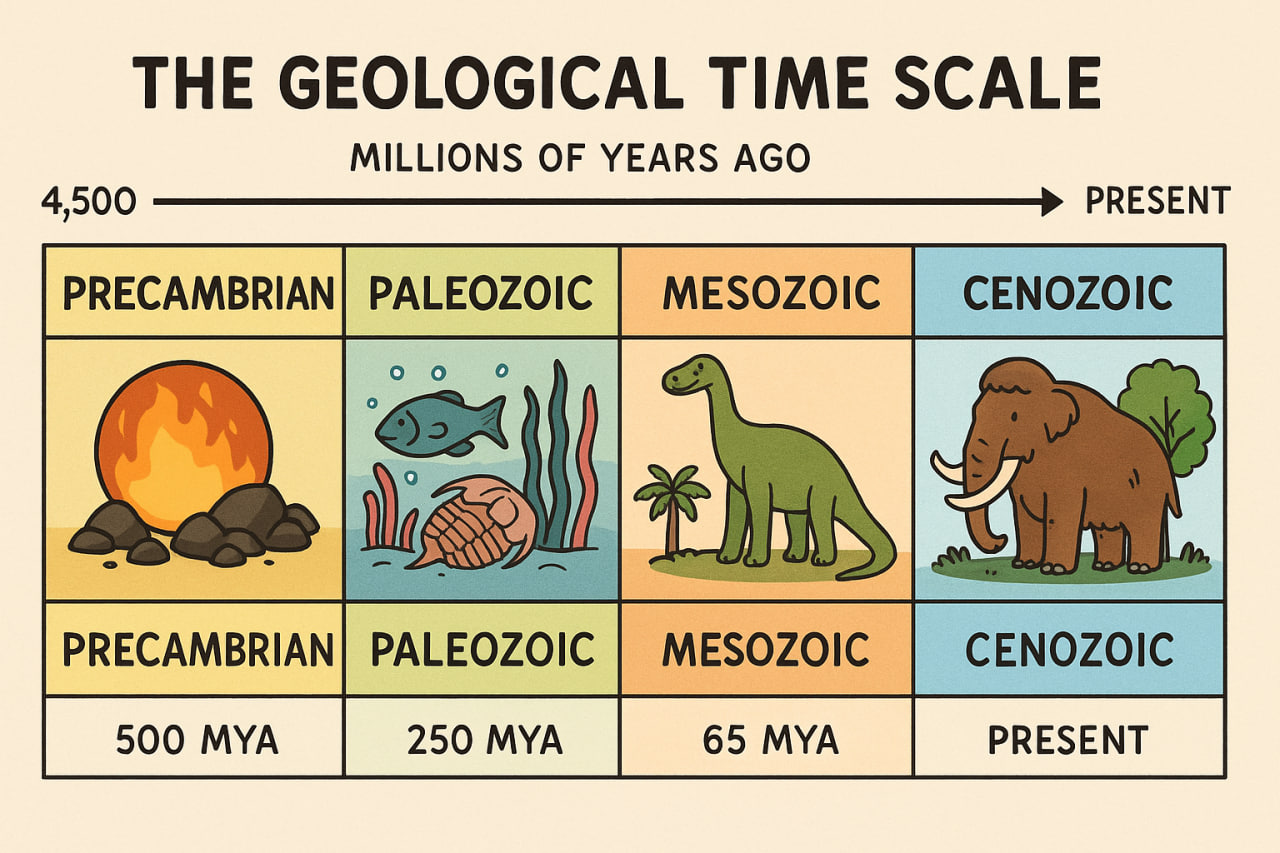
After its formation about 4.54 billion years ago, Earth went through several dramatic geological stages that transformed it from a molten sphere into the vibrant, life-sustaining planet we...
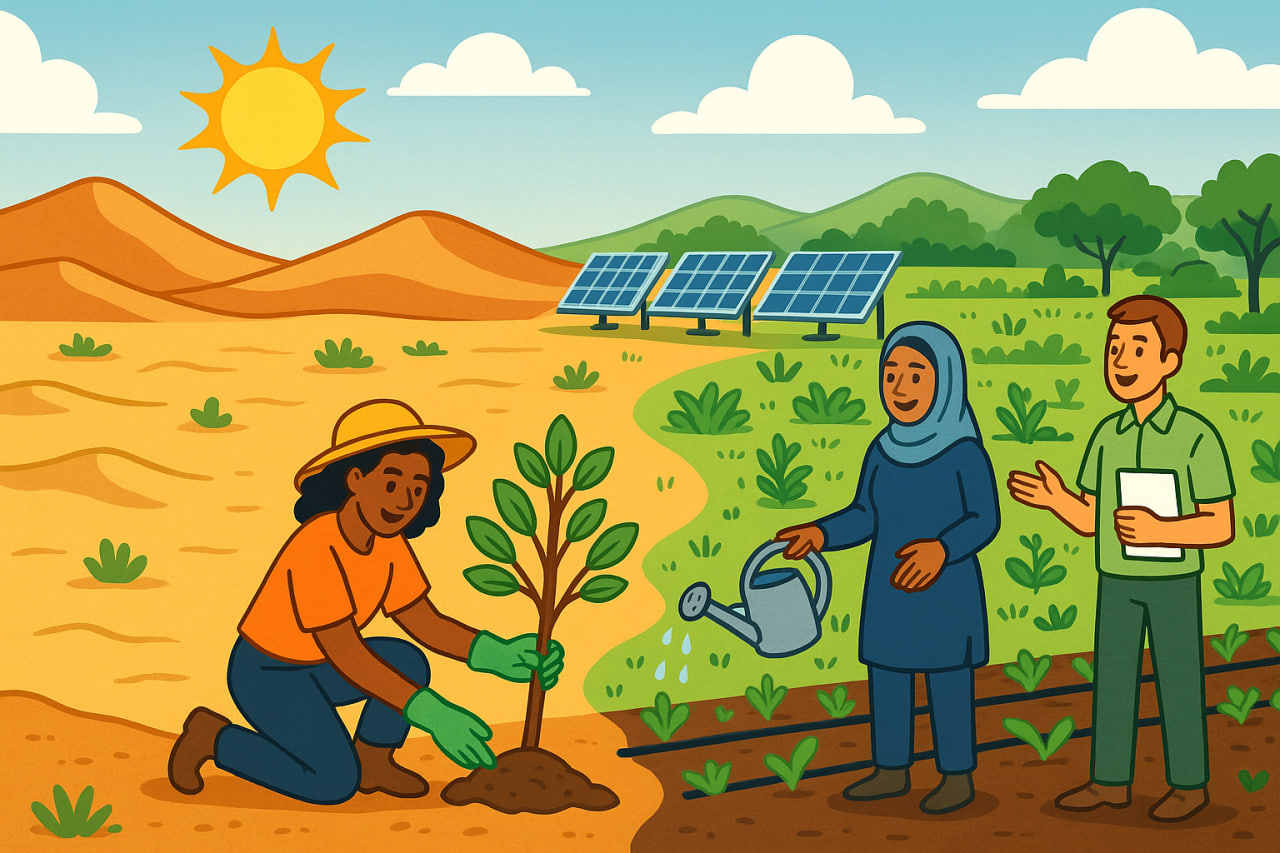
The idea of transforming a dry, barren desert into a green oasis may sound like a miracle — yet it’s a goal that science, technology, and human determination are gradually making real.
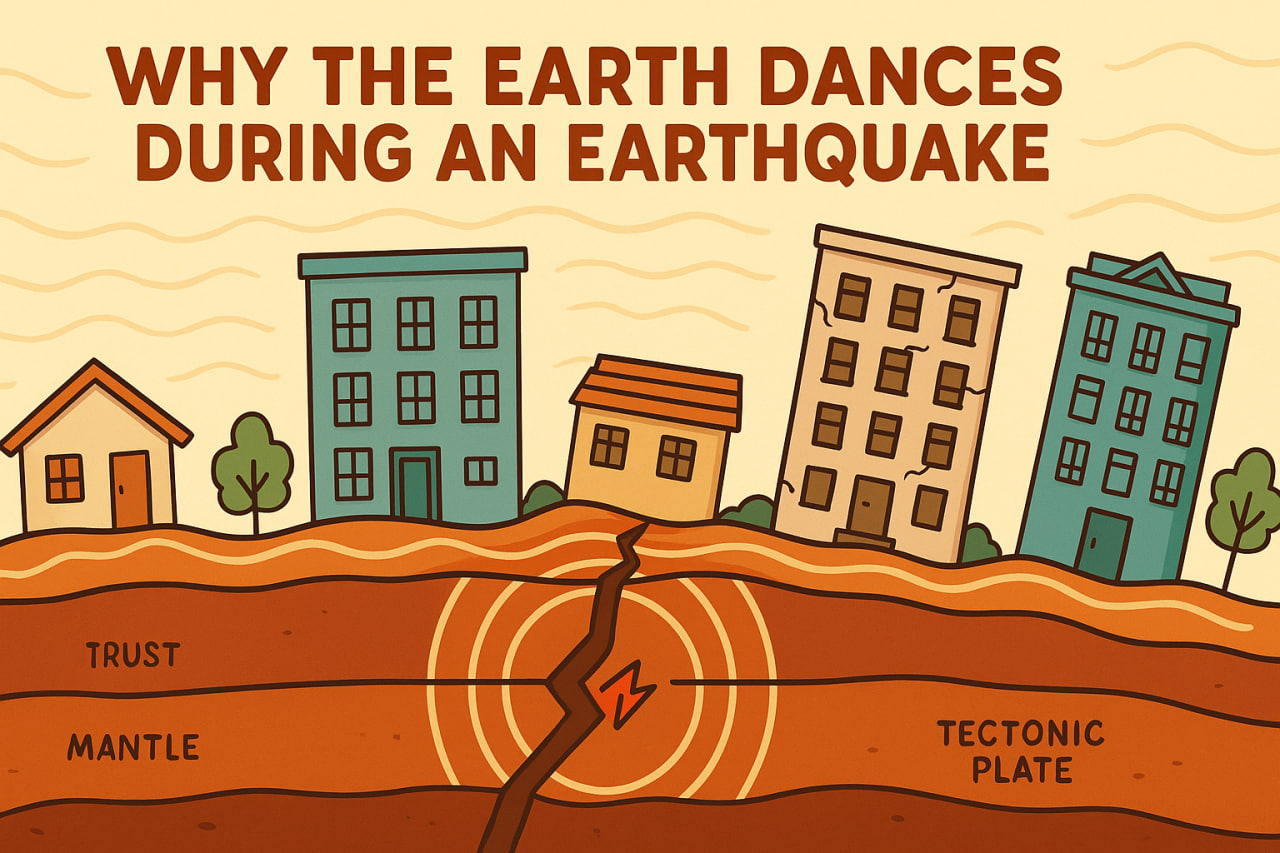
When an earthquake strikes, the ground beneath our feet can appear to move, ripple, and even dance. Streets twist, buildings sway, and the solid earth seems suddenly fluid.