
How Flooding Happens: When Water Takes Over the Land
Flooding is one of nature’s most powerful and destructive forces. It can turn calm rivers into raging torrents, submerge entire neighborhoods, and reshape landscapes within hours.
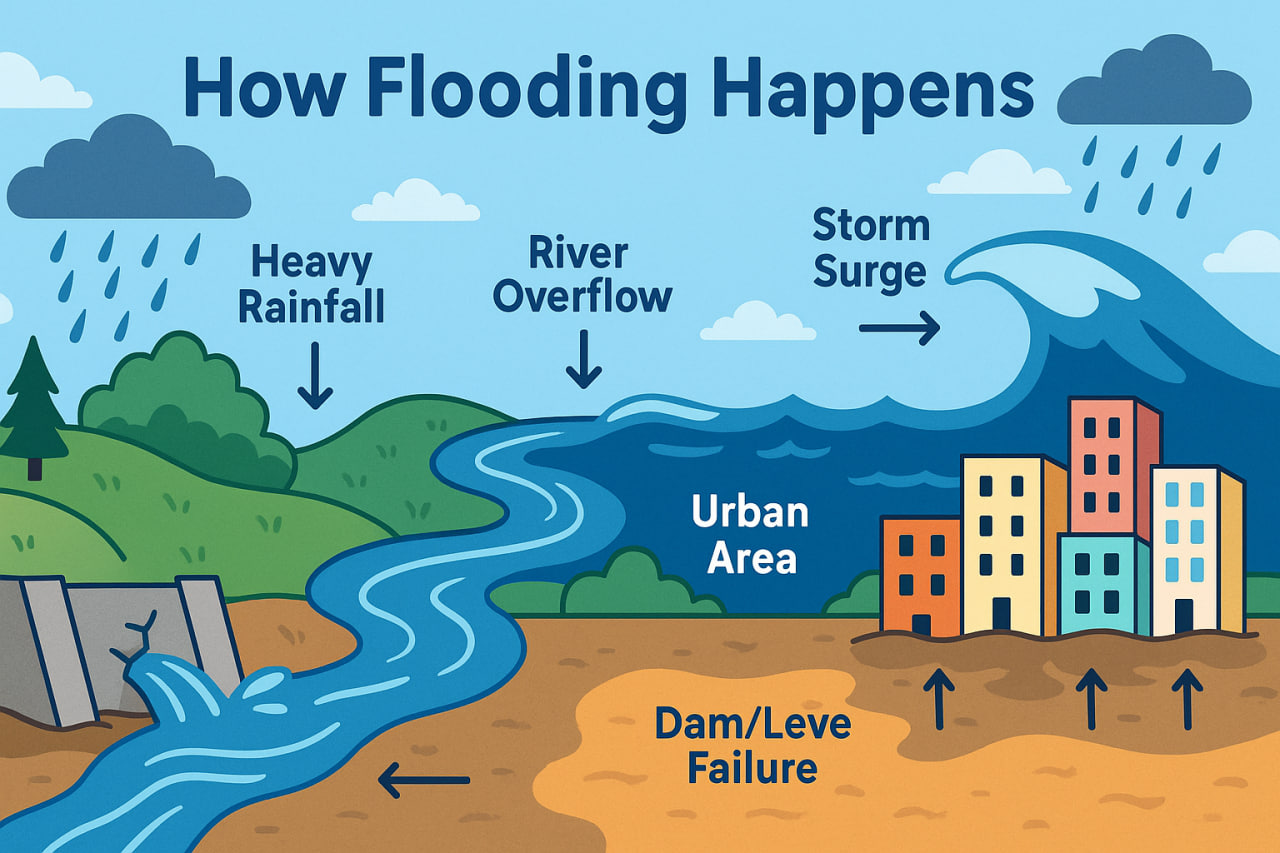
Flooding is one of nature’s most powerful and destructive forces. It can turn calm rivers into raging torrents, submerge entire neighborhoods, and reshape landscapes within hours.
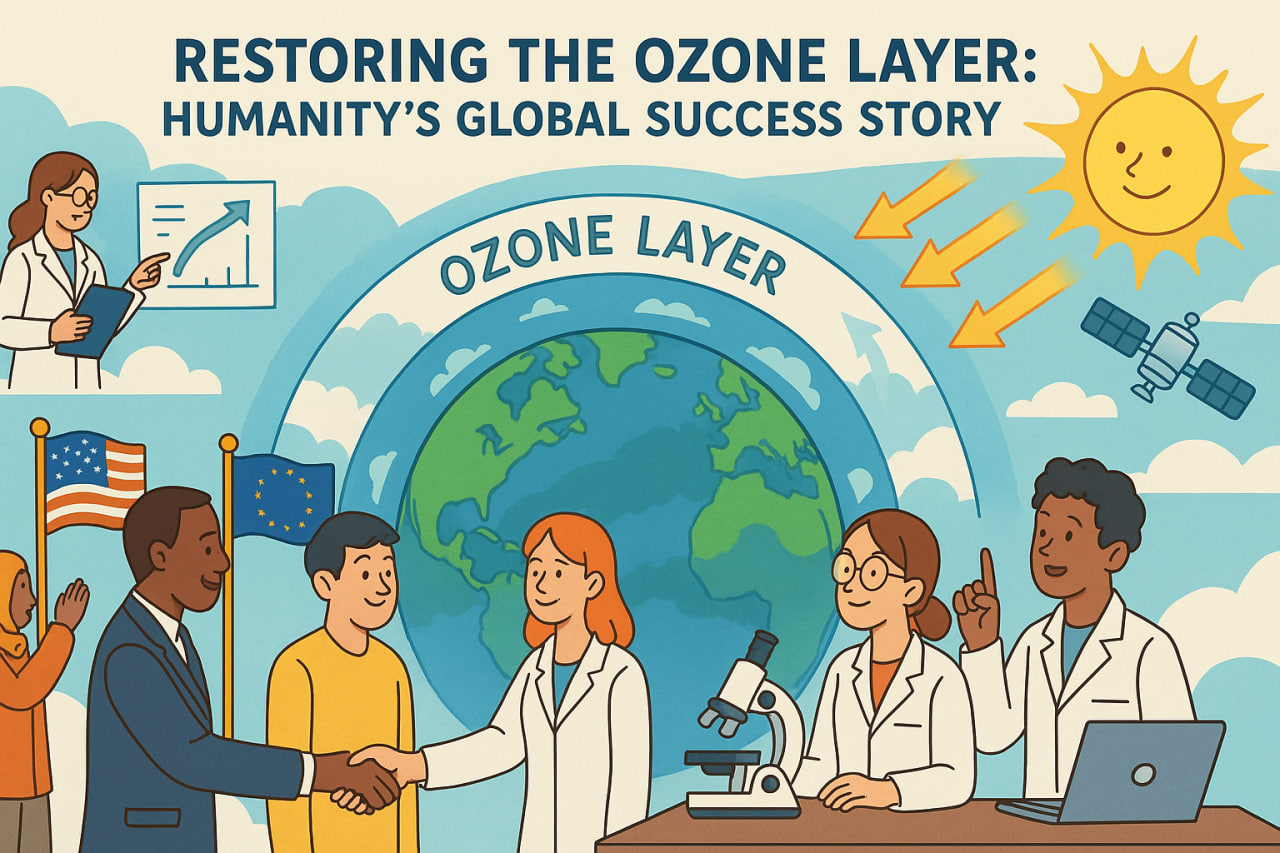
In an age of environmental crises, the recovery of the ozone layer stands as one of humanity’s most inspiring success stories.
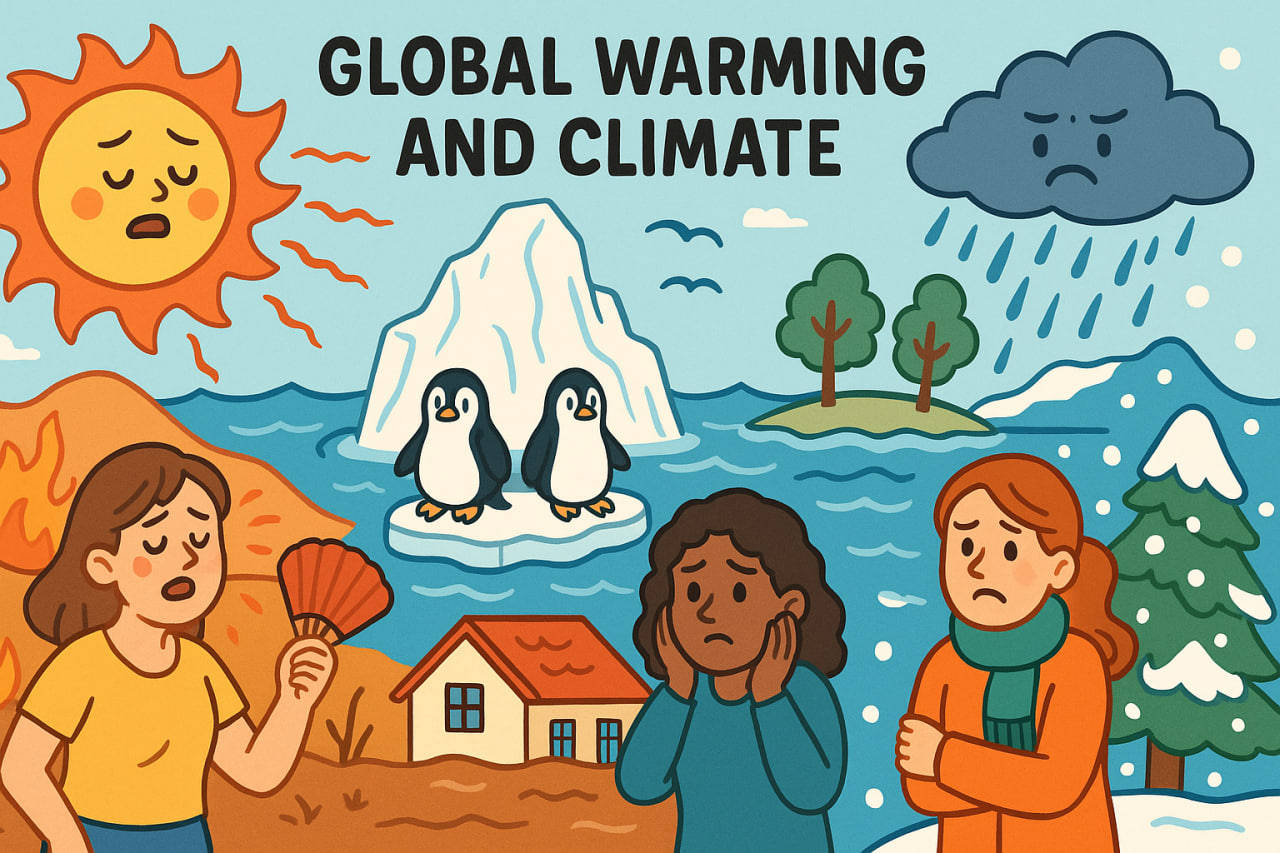
Global warming refers to the long-term increase in Earth’s average surface temperature, primarily driven by the accumulation of greenhouse gases such as carbon dioxide, methane, and nitrous...
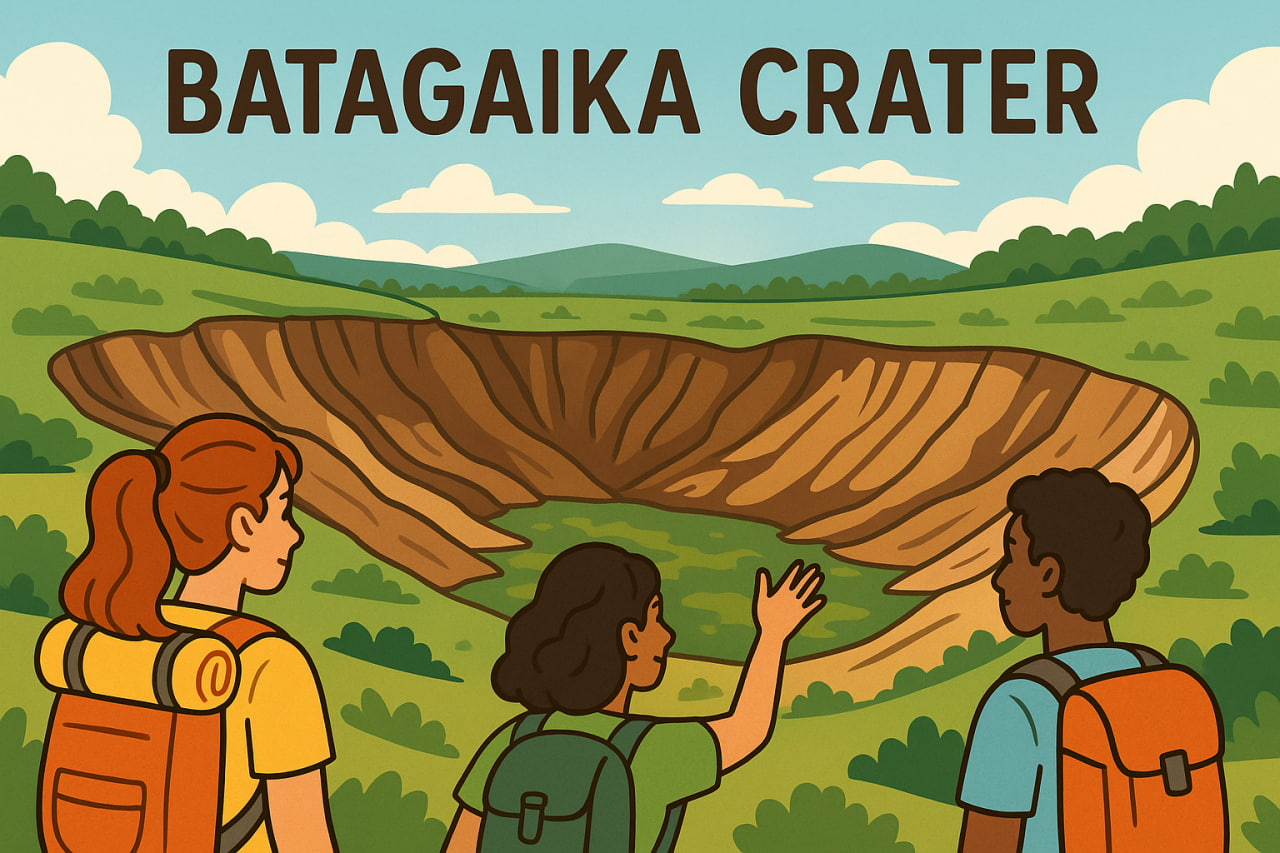
The Batagaika Crater, located in the Sakha Republic (Yakutia) in Siberia, is one of the most dramatic geological formations linked to climate change and permafrost thaw.
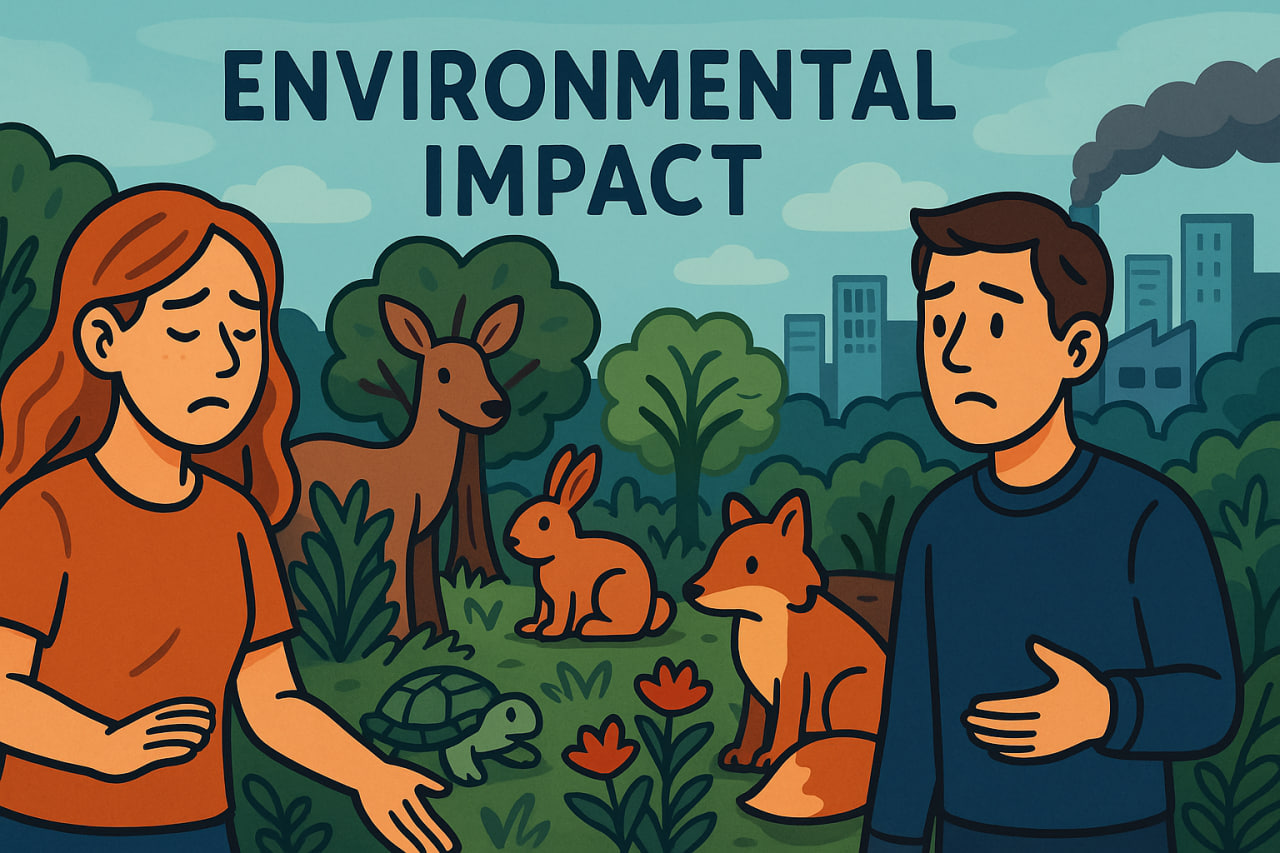
Over the past thousand years, both humans and animals have shaped the natural environment in significant ways, although the scale of influence differs greatly between them.
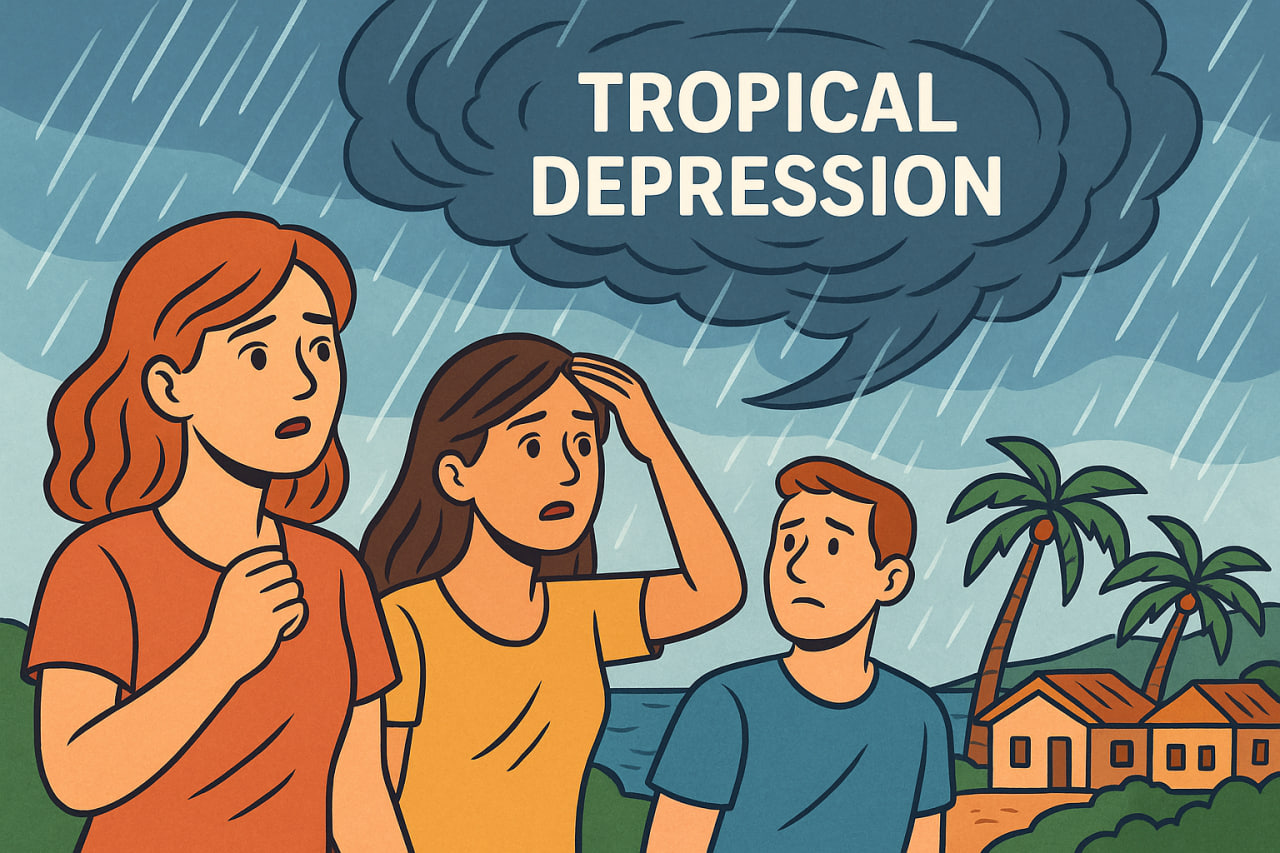
A tropical depression is a type of tropical weather system characterized by organized clouds and thunderstorms with a defined circulation pattern.
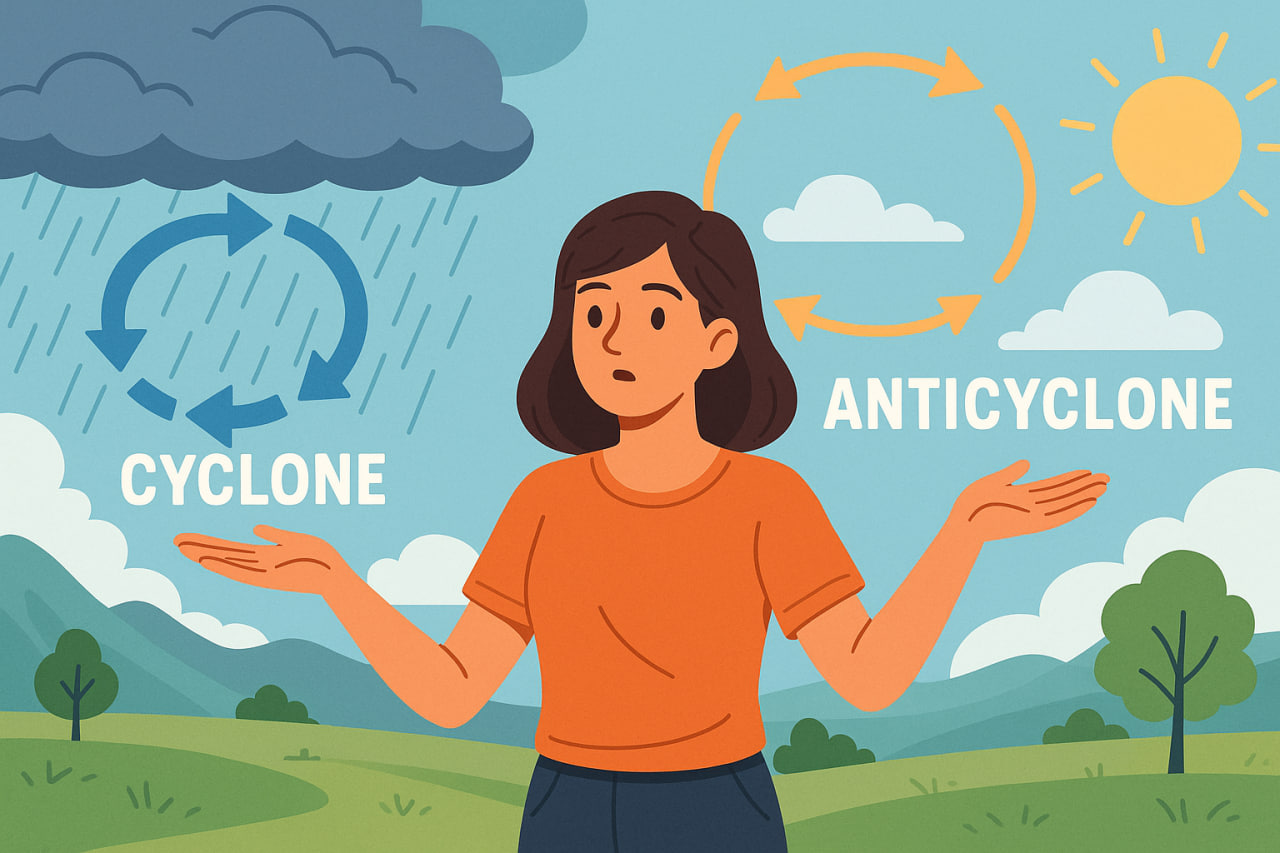
A cyclone and an anticyclone are two large-scale atmospheric pressure systems that play a major role in shaping weather patterns around the world.
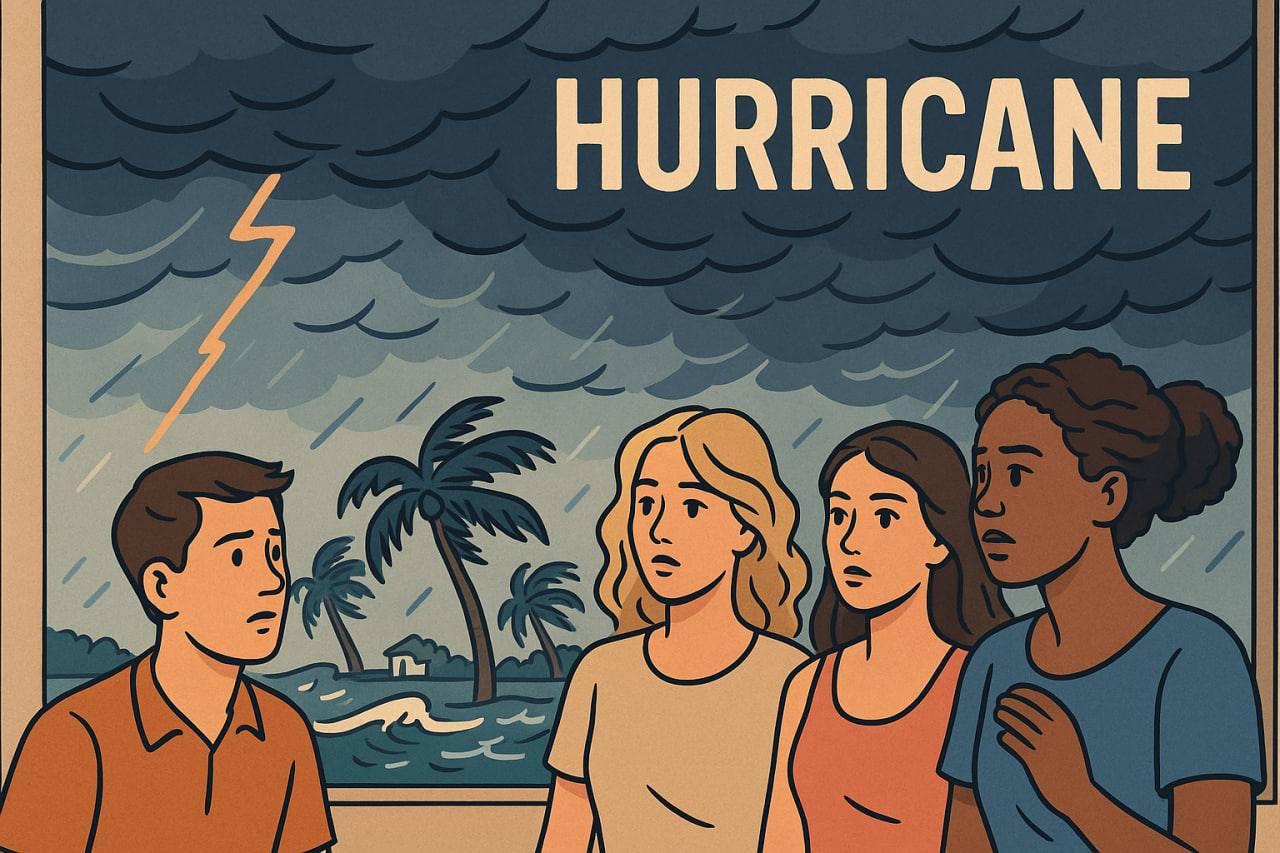
A hurricane is a large and powerful tropical cyclone characterized by strong winds, heavy rainfall, and a rotating storm system formed over warm ocean waters.
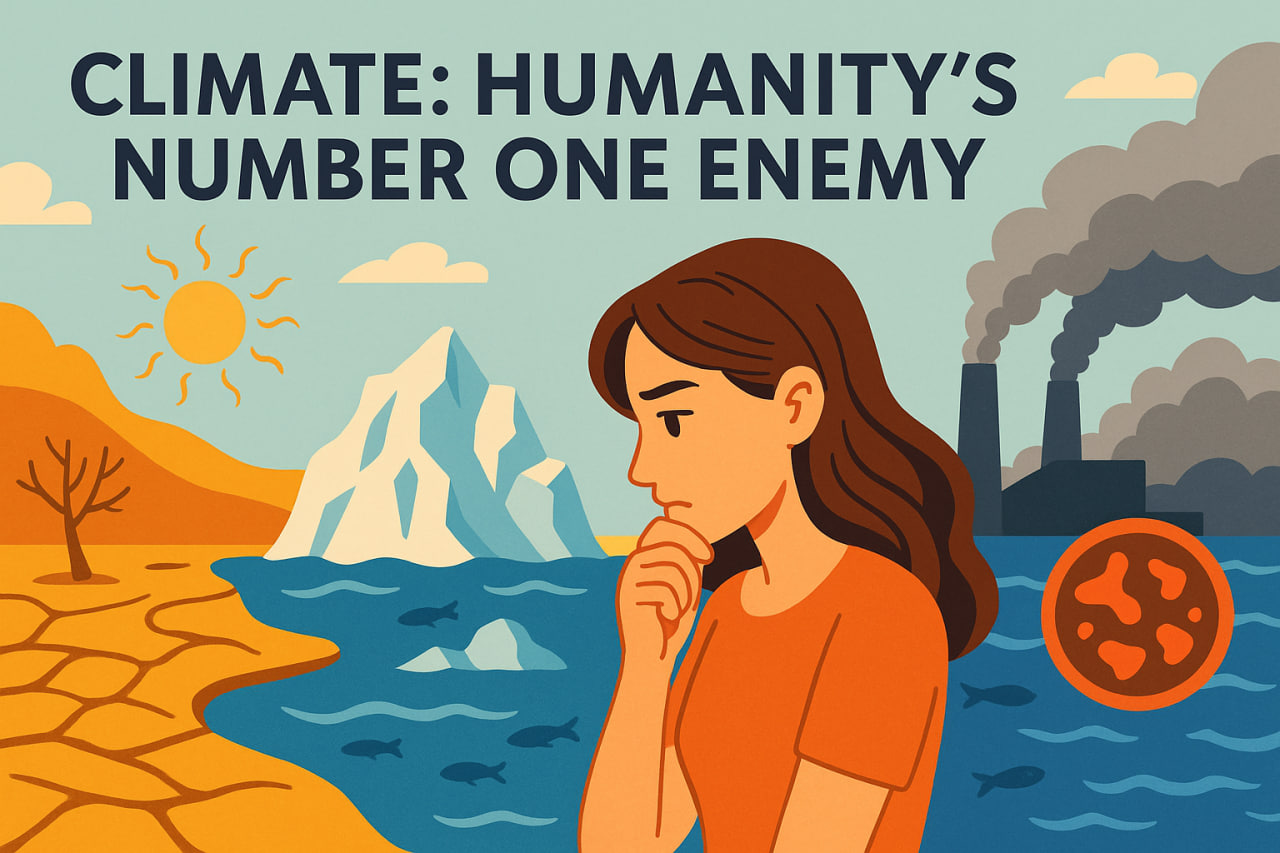
Climate operates as one of the most powerful forces shaping life on Earth, influencing ecosystems, weather patterns, and the stability of environments humans depend on.
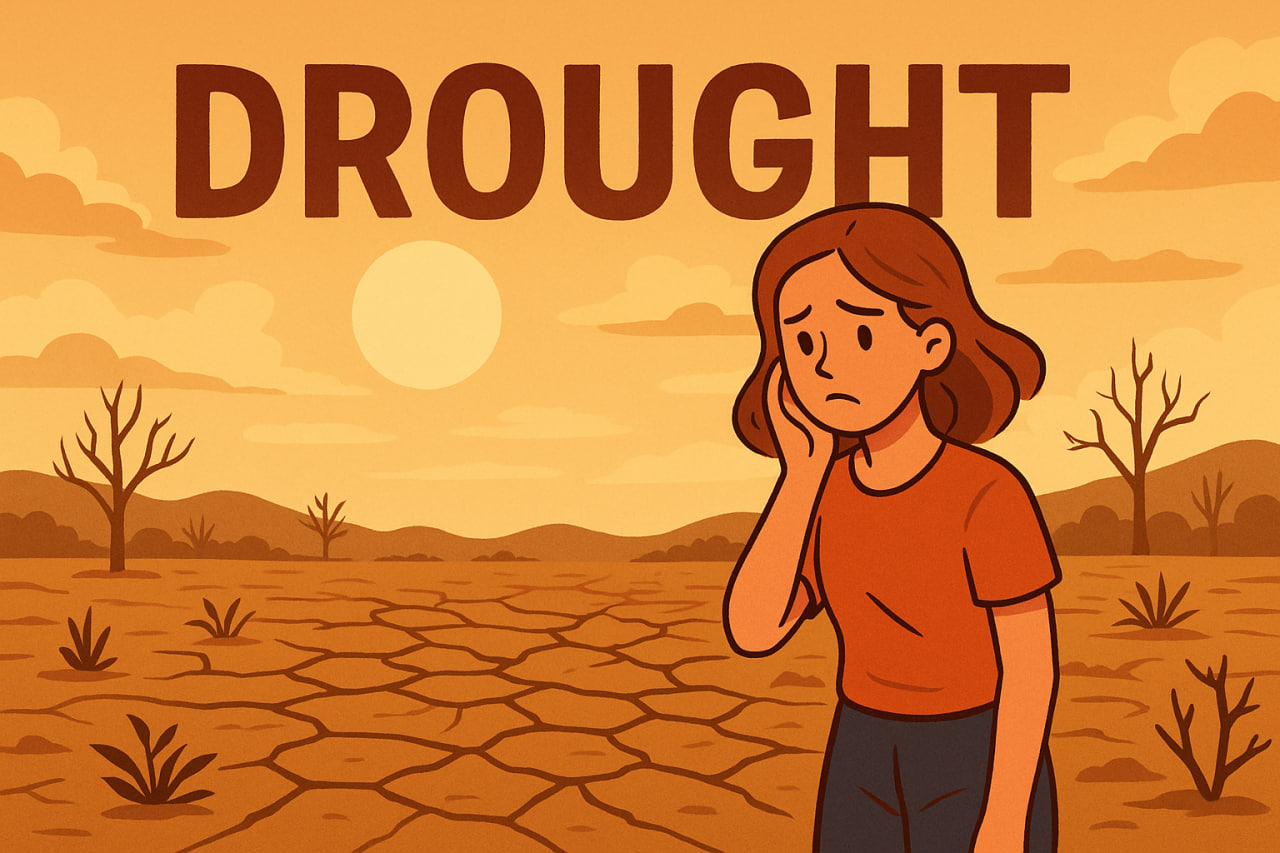
Drought is a prolonged period of unusually low rainfall that leads to water shortages across landscapes, affecting agriculture, ecosystems, and human populations.