
Ancient Monuments Aligned with the Precessional Cycle
Long before the invention of telescopes or modern astronomy, ancient civilizations observed the slow dance of the stars.
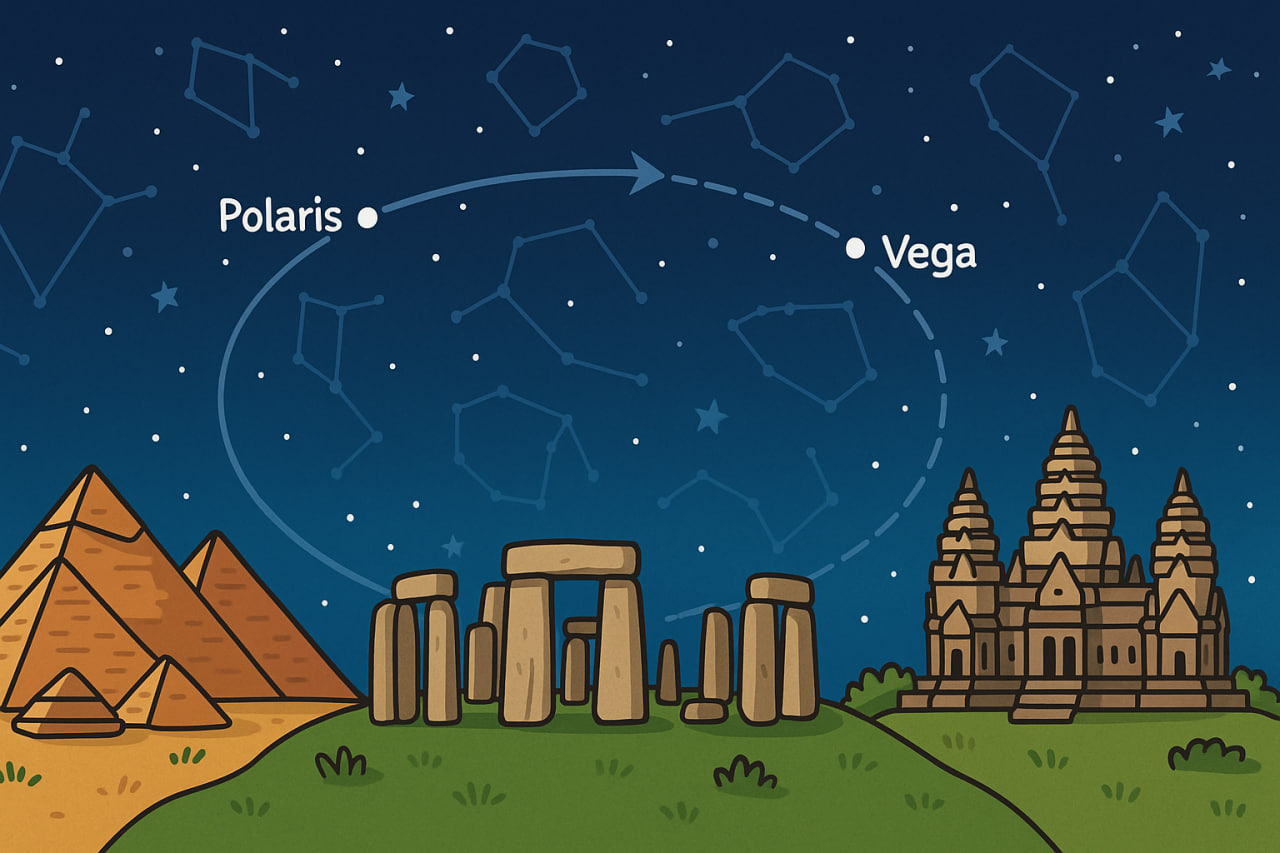
Long before the invention of telescopes or modern astronomy, ancient civilizations observed the slow dance of the stars.
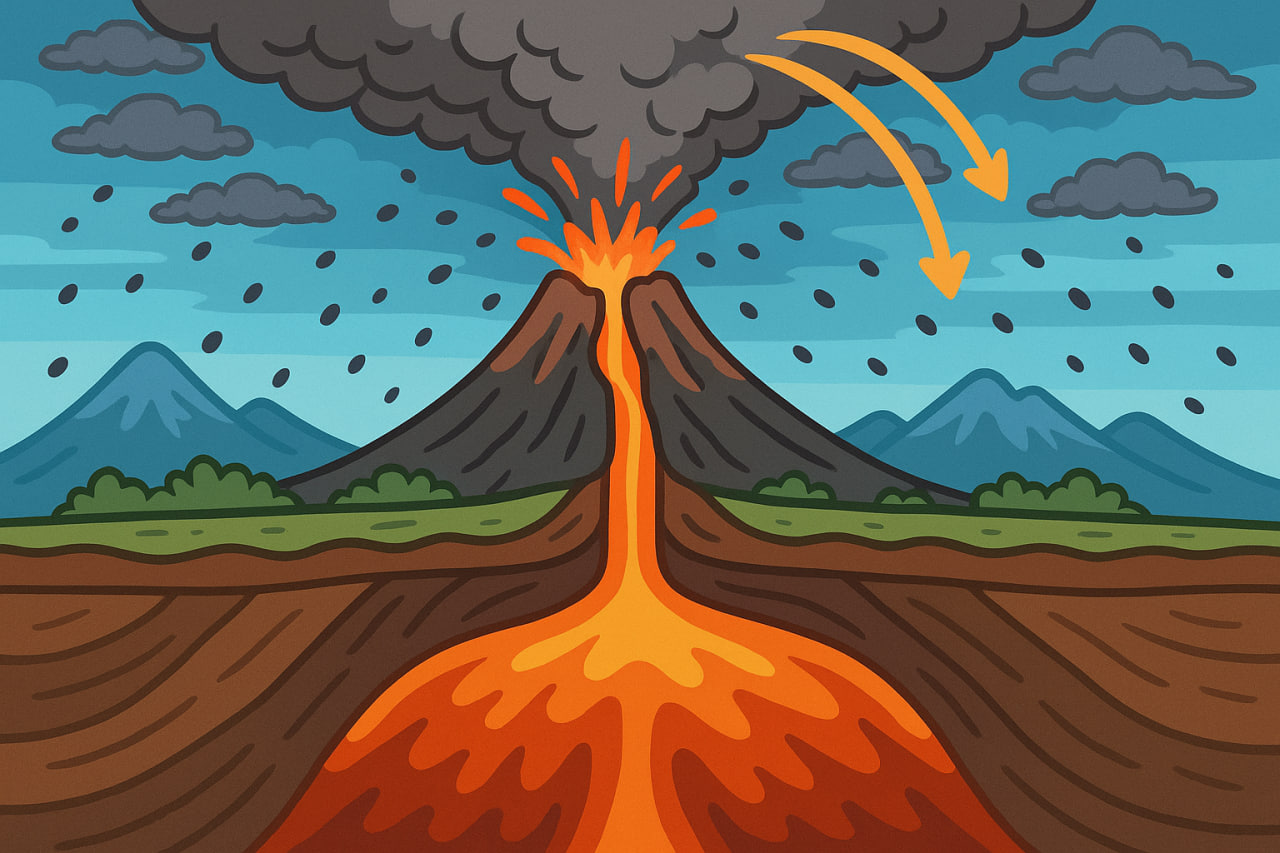
Supervolcanoes are among the most powerful natural forces on Earth. Unlike regular volcanoes, whose eruptions can devastate nearby regions, supervolcanoes can alter the planet’s climate...
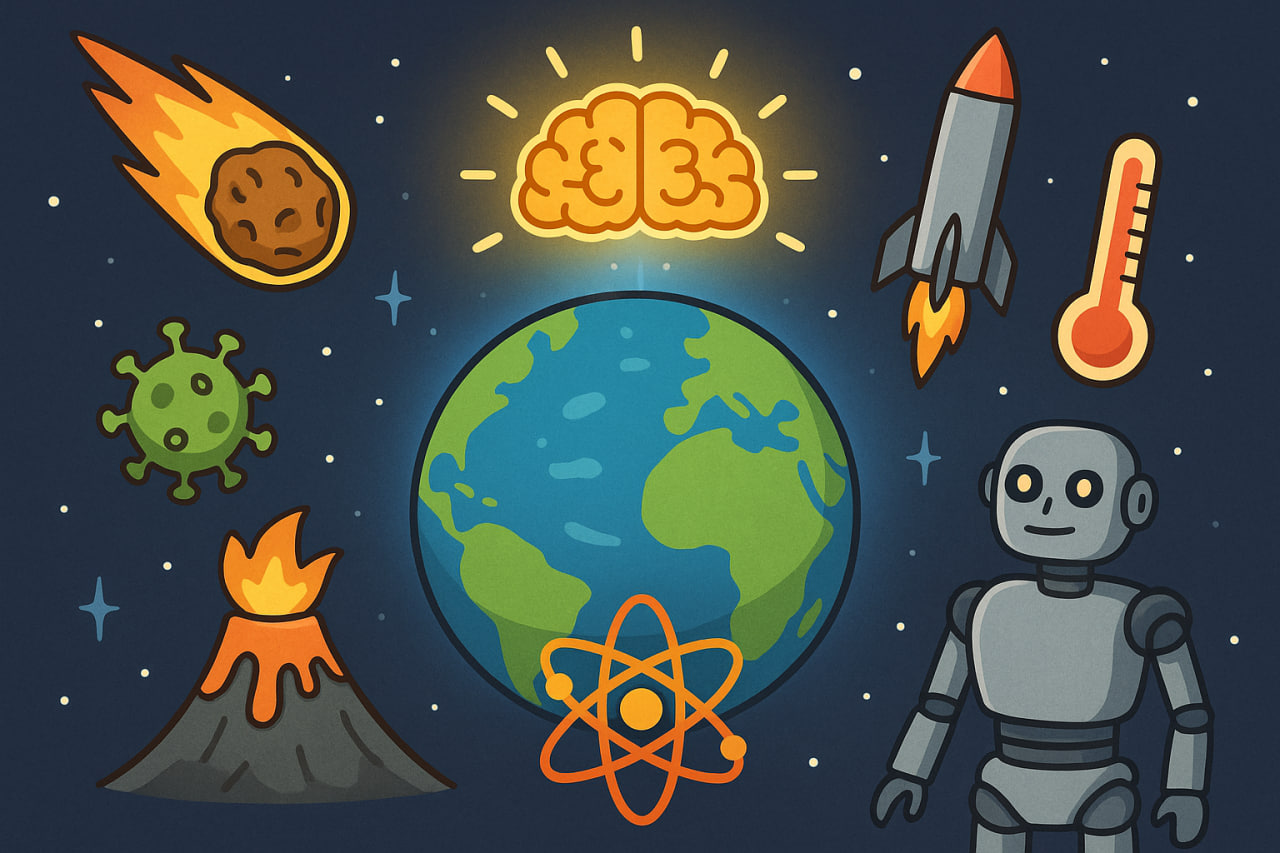
The concept of “Doomsday” — the end of the world — has existed for thousands of years in myths and religions. But modern science approaches this question differently.
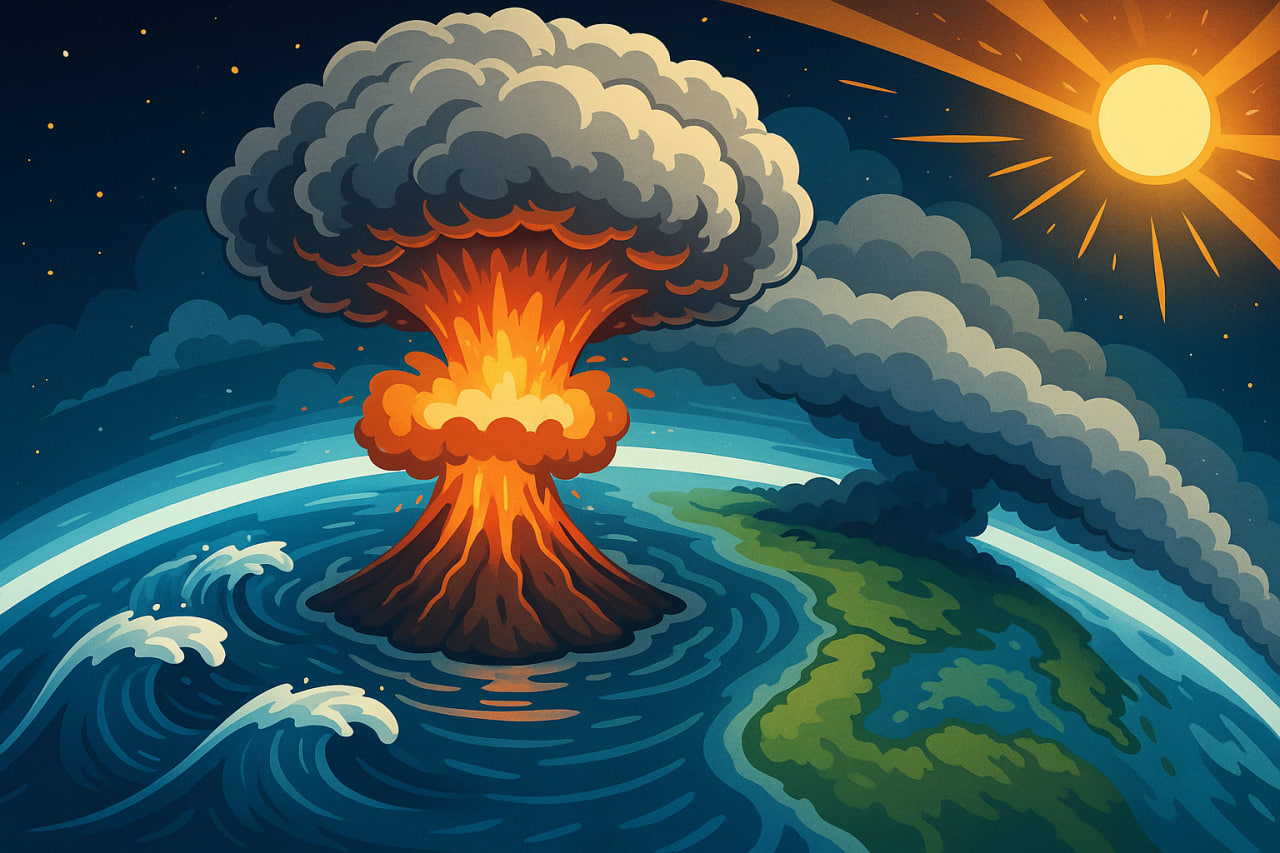
The 2022 eruption of Hunga Tonga–Hunga Haʻapai was one of the most powerful volcanic explosions ever recorded, sending shockwaves around the world and reaching the edge of space.
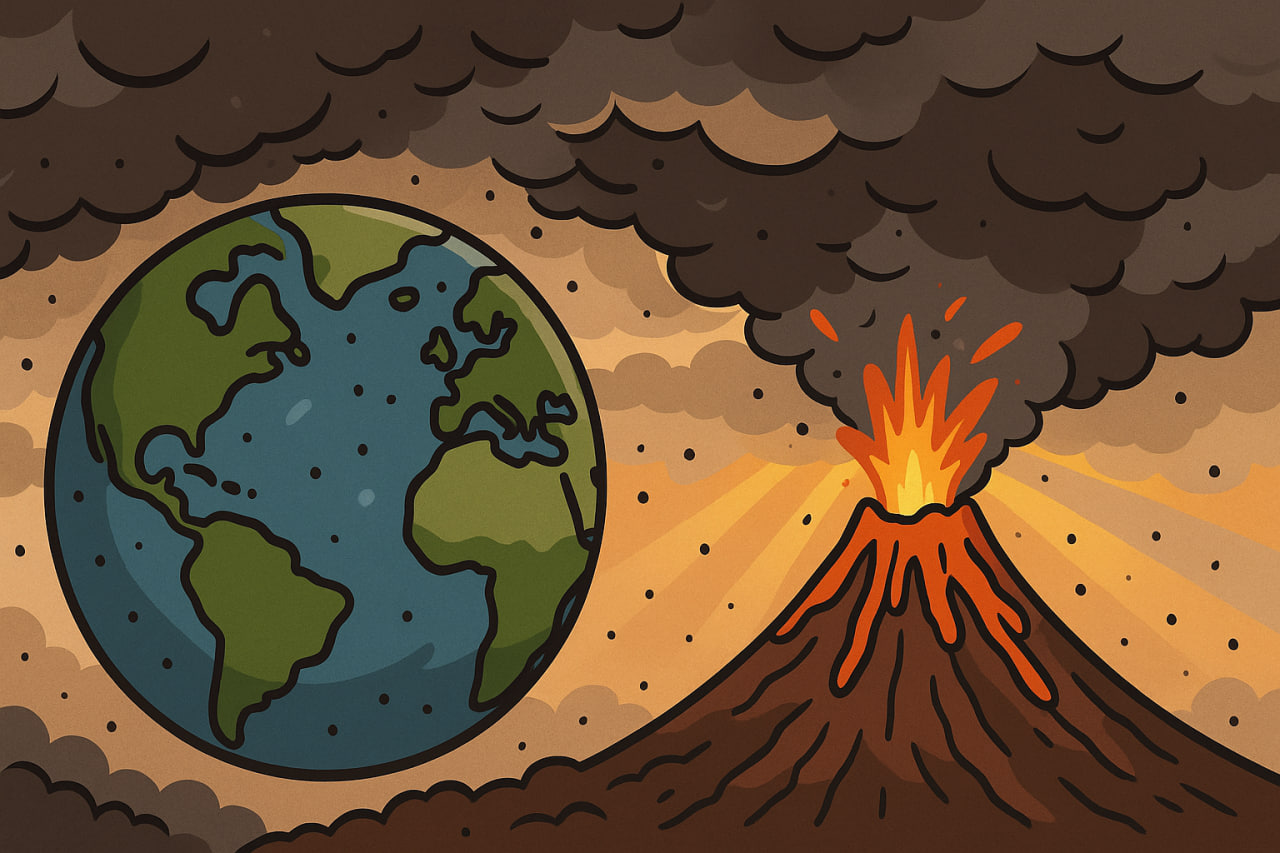
Throughout history, volcanic eruptions have dramatically shaped the Earth’s climate. Among the most powerful natural events, a massive eruption can release enough ash and gas to block...
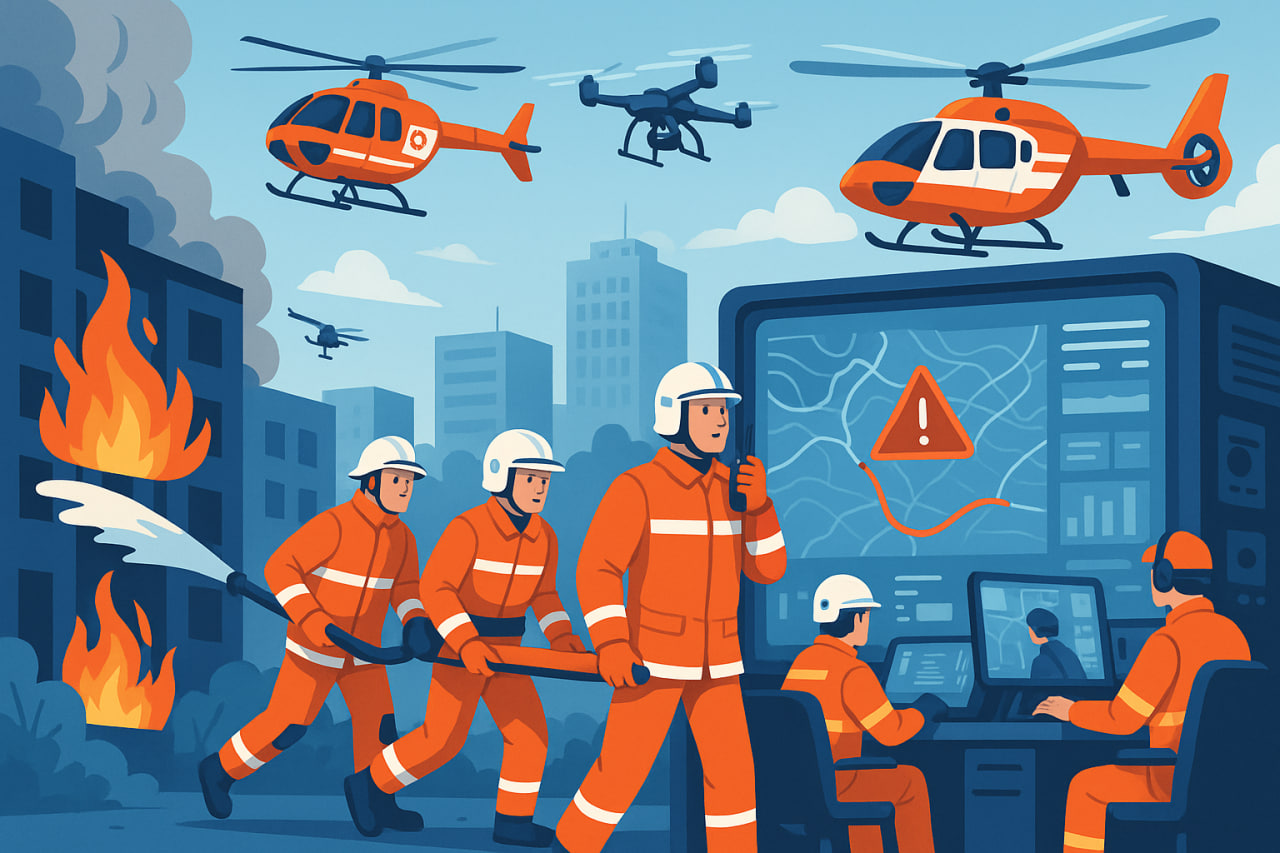
In today’s rapidly changing world, disasters — both natural and man-made — pose growing challenges to global safety.
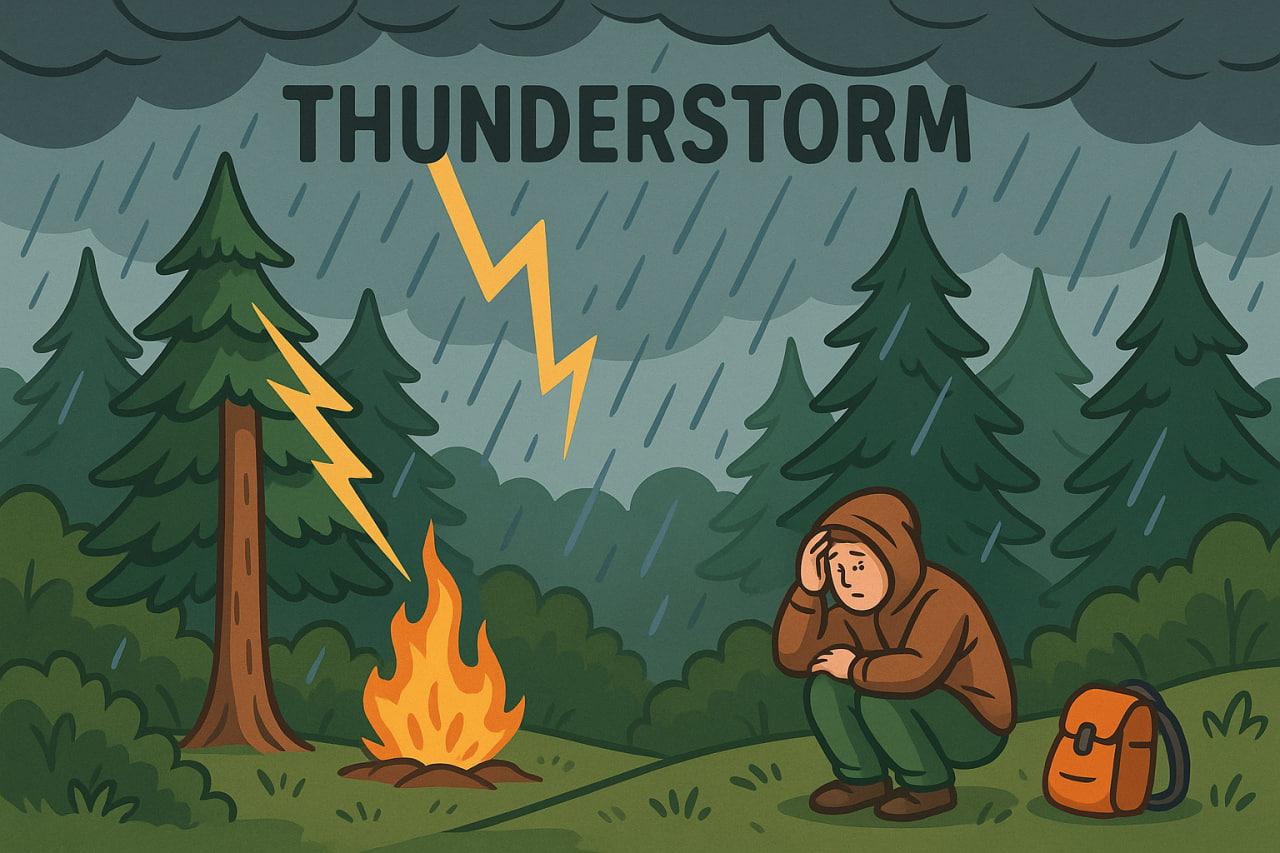
Being caught in a thunderstorm in the forest can be frightening, but knowing what to do can save your life. Thunderstorms are dangerous because of lightning, strong winds, and falling branches.
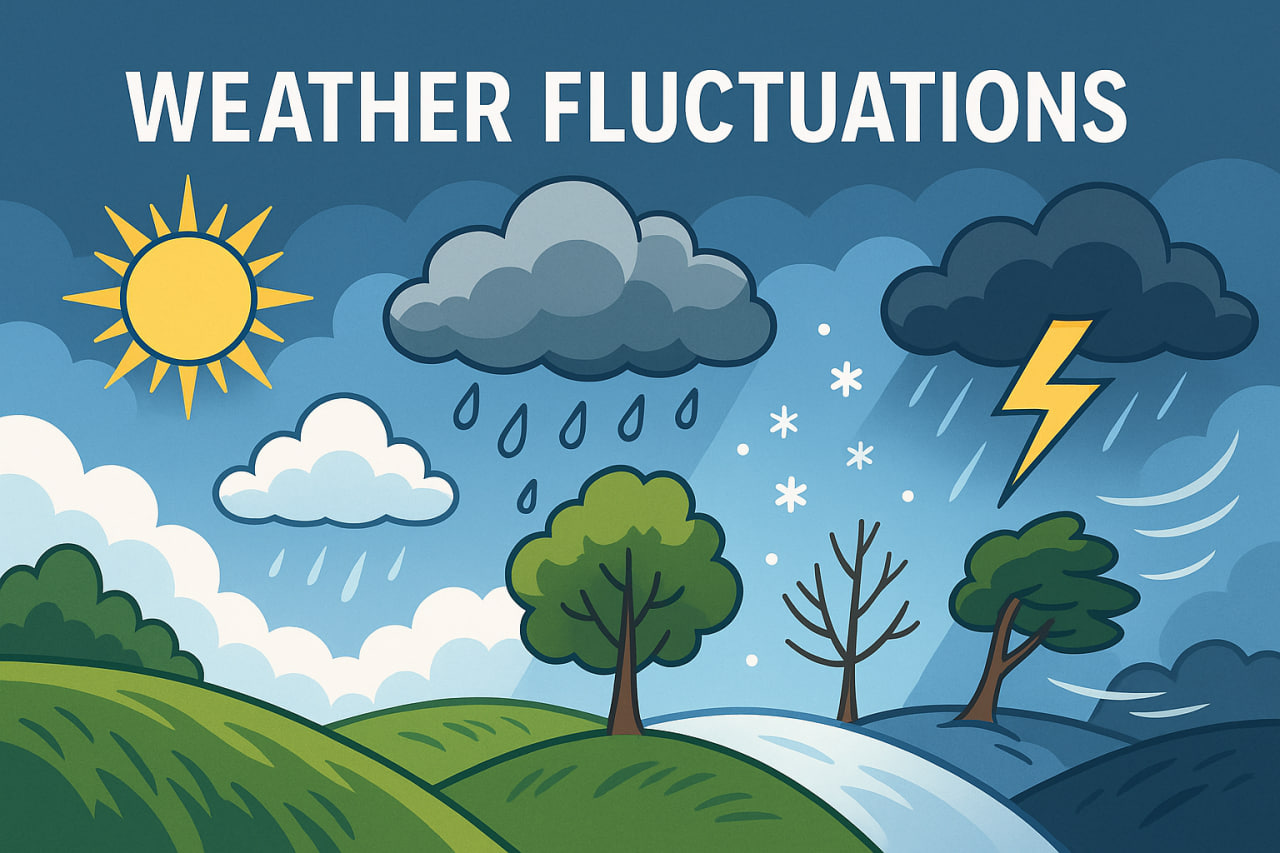
Weather fluctuations — sudden shifts in temperature, pressure, humidity, and wind — are natural but increasingly frequent in the modern world.
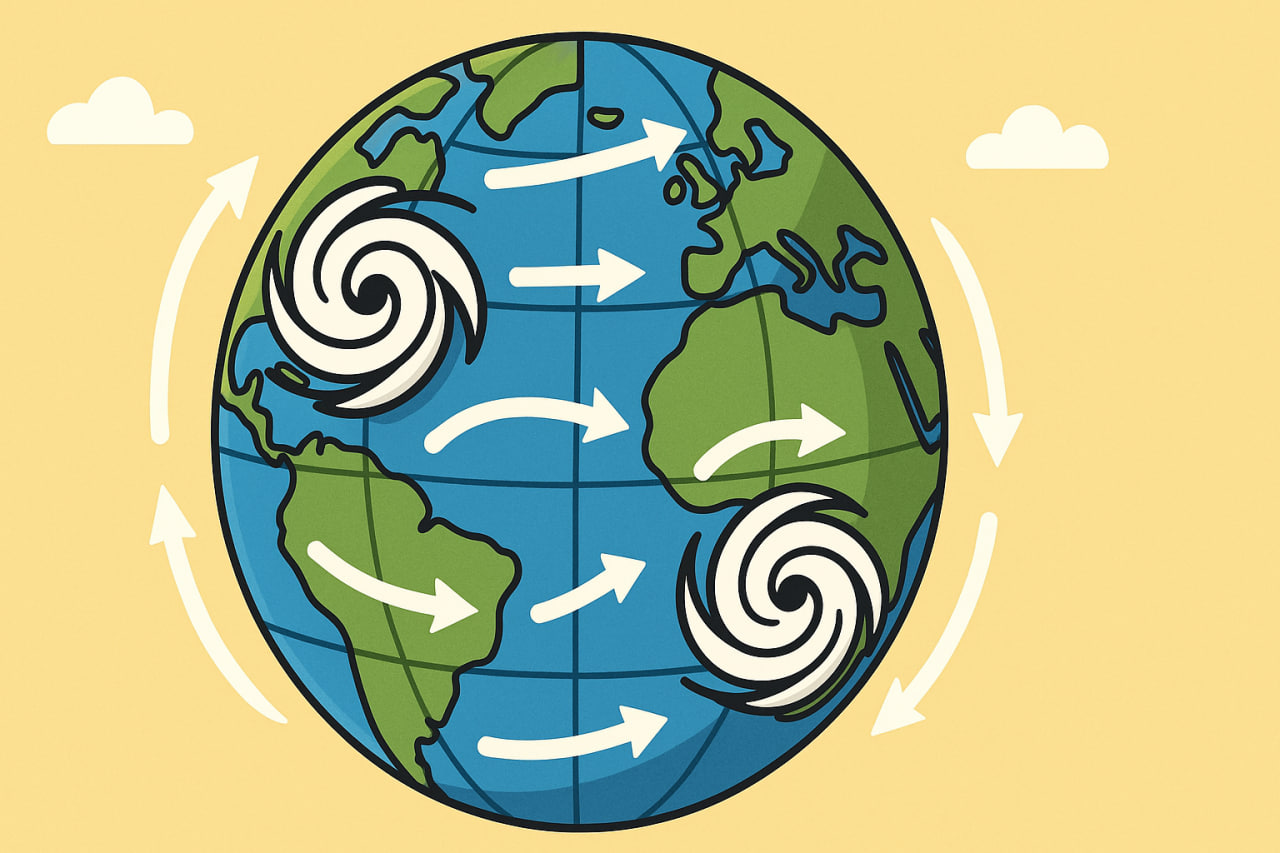
The Coriolis effect is one of the most fascinating physical phenomena that influences the movement of air, water, and even large-scale systems on Earth.
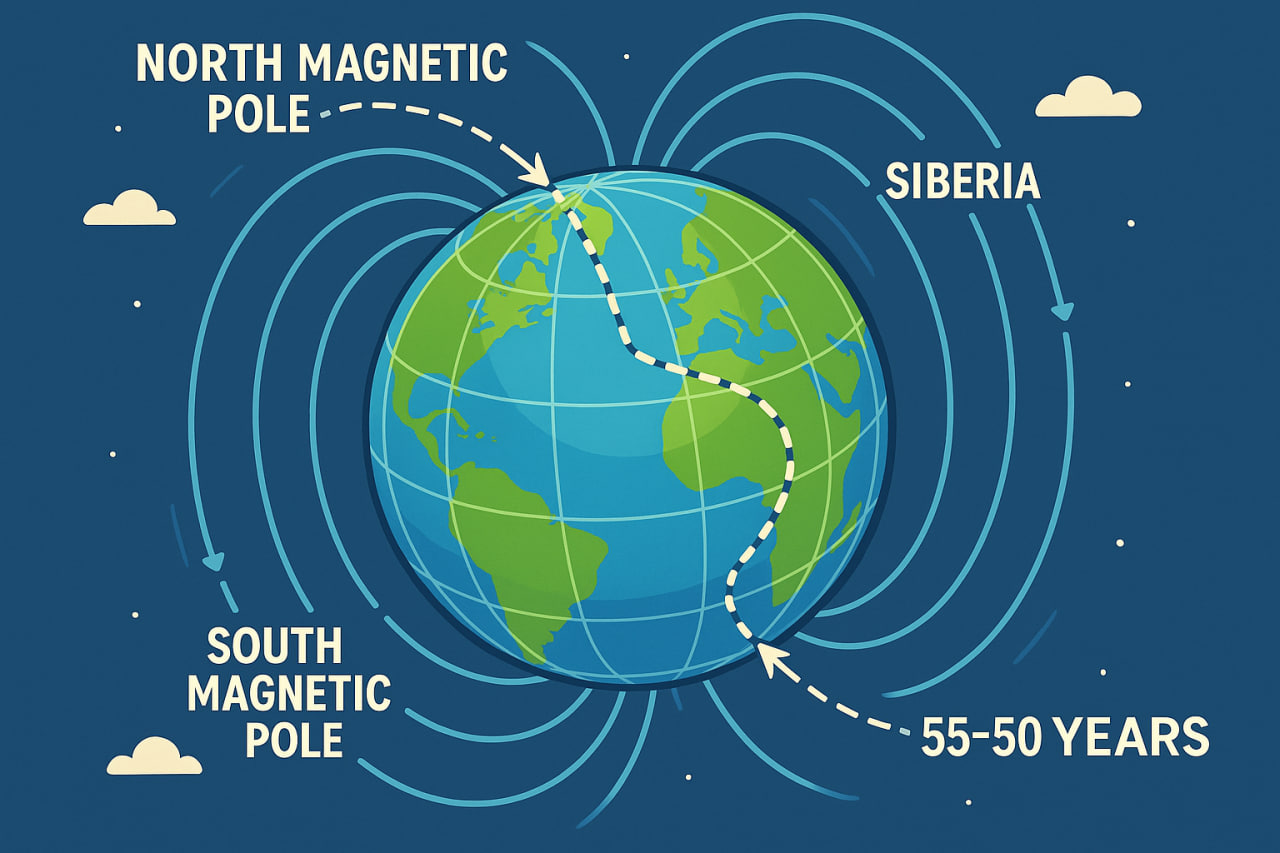
The magnetic field of the Earth protects our planet from solar radiation and cosmic particles. It is generated by the movement of molten iron in the outer core.