
What Would Happen If the Younger Dryas Ice Age Happened Again Today?
Around 12,900 years ago, the Earth suddenly plunged back into near-glacial conditions after a long period of warming — an event known as the Younger Dryas.
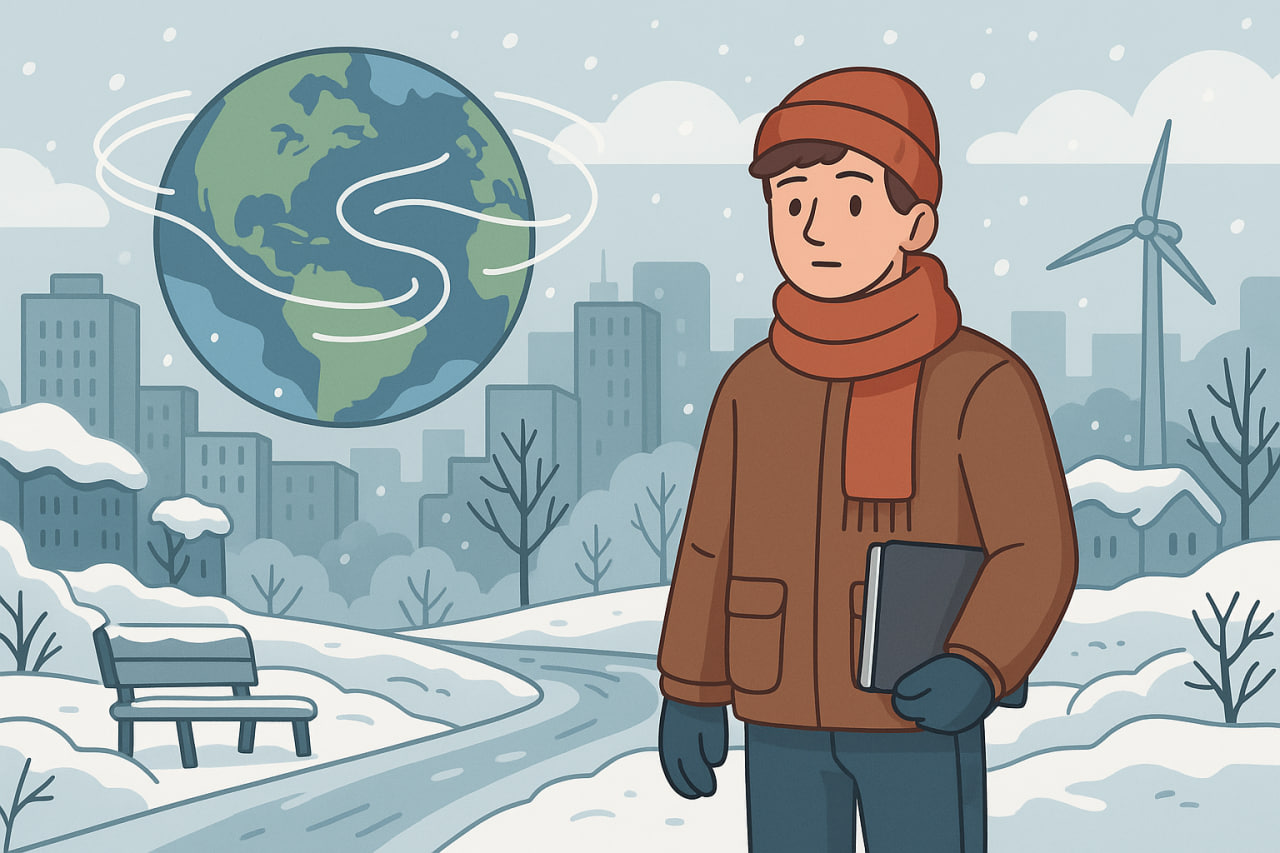
Around 12,900 years ago, the Earth suddenly plunged back into near-glacial conditions after a long period of warming — an event known as the Younger Dryas.
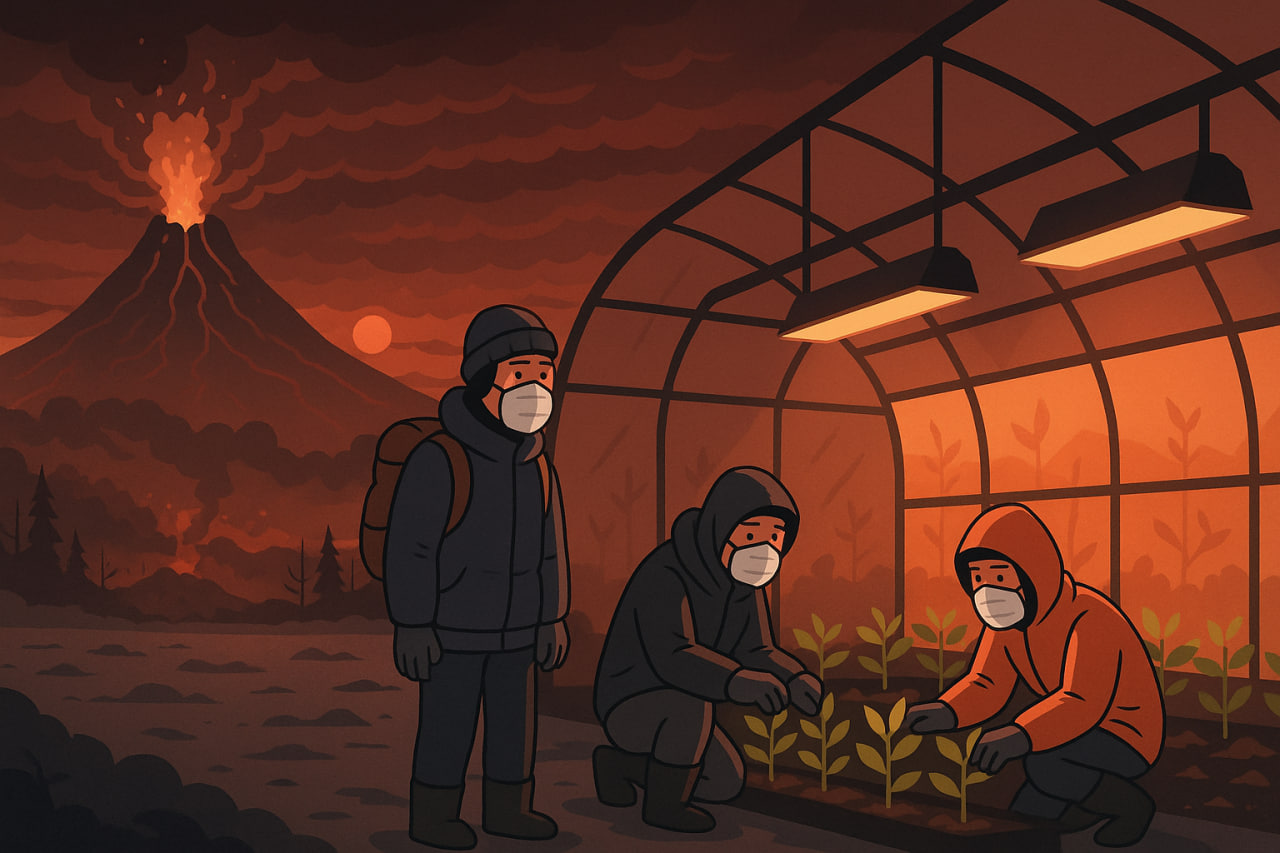
A volcanic winter is one of the most dramatic natural disasters that could affect life on Earth.
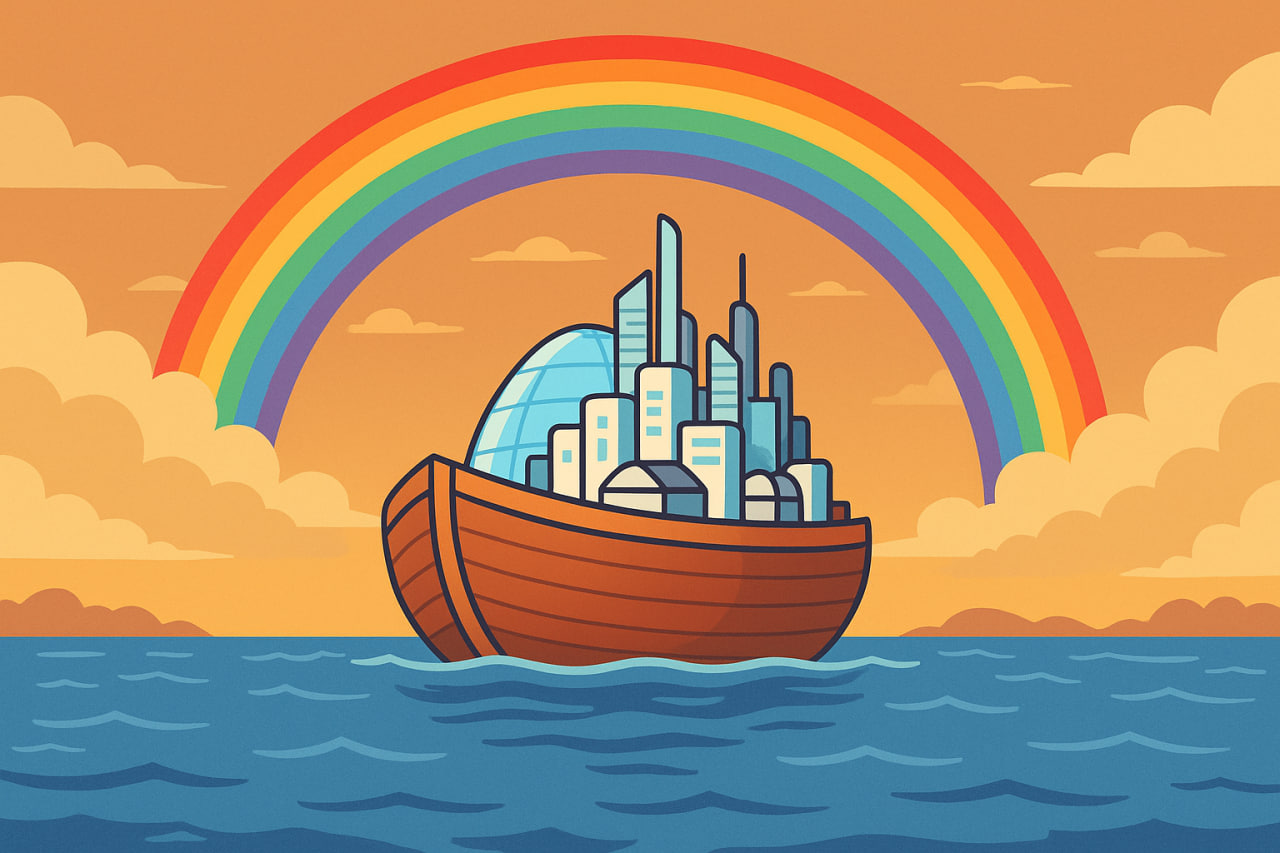
The Biblical Flood, also known as the Great Flood of Noah, is one of the most famous cataclysms described in ancient texts.
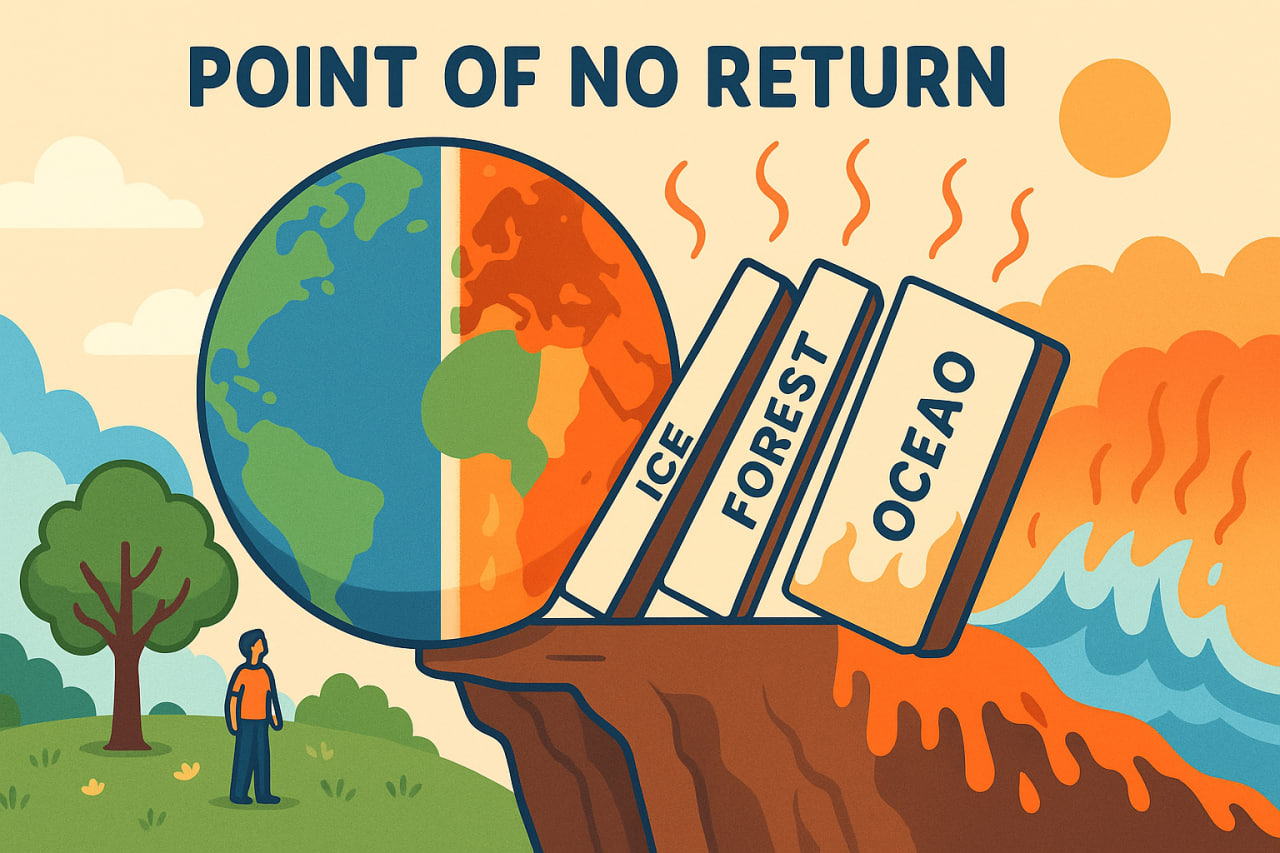
The term “point of no return” in climate science refers to a critical threshold beyond which environmental changes become self-sustaining and irreversible.
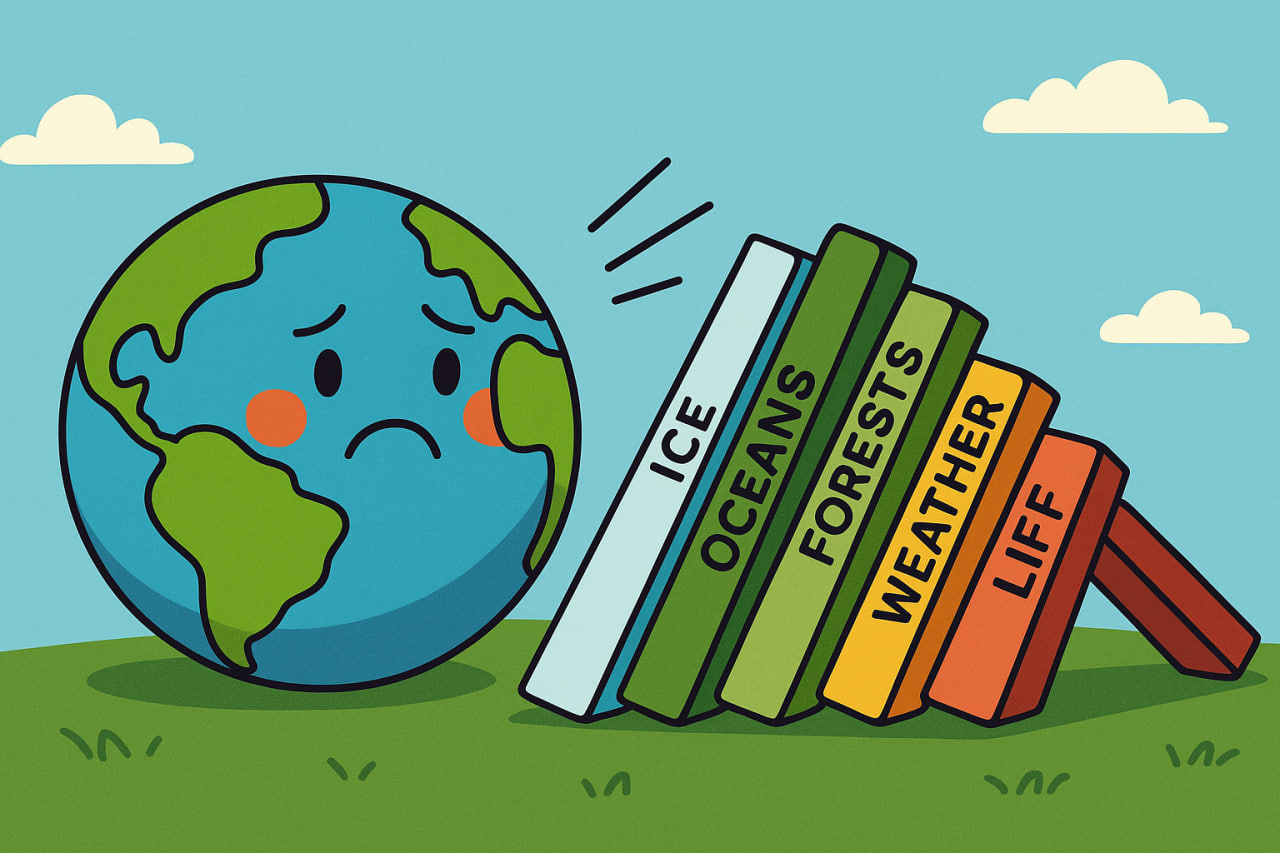
The climate system of our planet functions like a complex web — every part, from the oceans to the atmosphere, is connected.
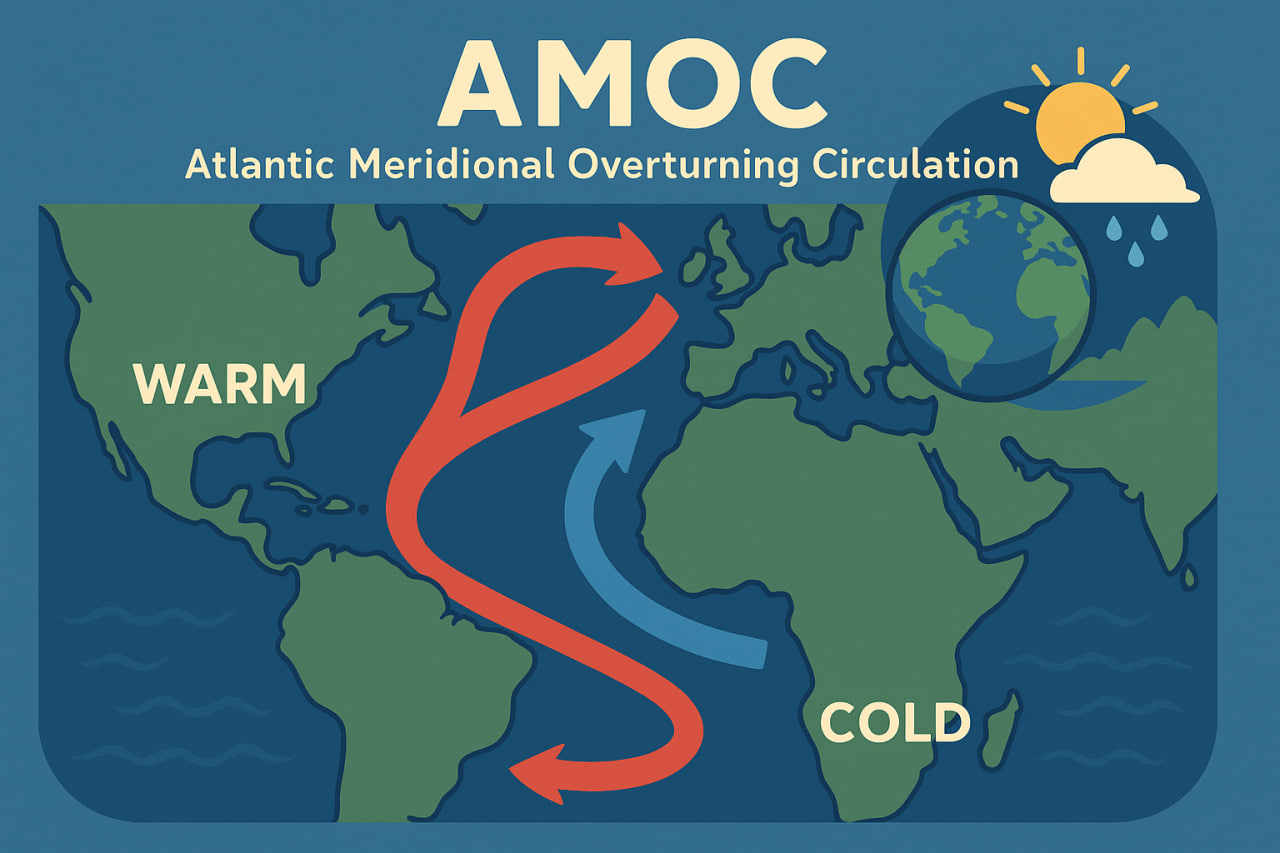
Beneath the surface of the Atlantic Ocean flows one of the most important systems regulating our planet’s climate — the Atlantic Meridional Overturning Circulation, or AMOC.
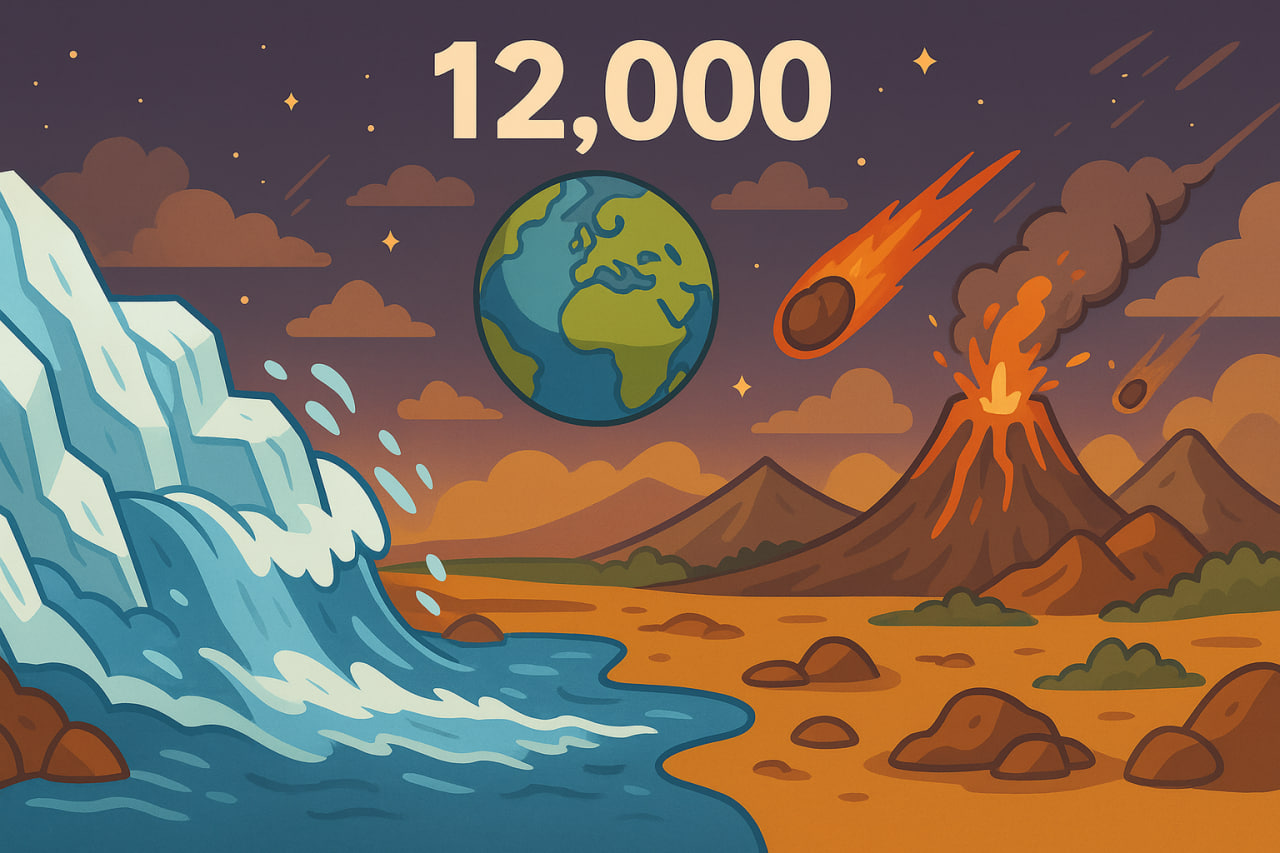
Roughly 12,000 years ago, our planet went through one of the most turbulent and transformative periods in its history.
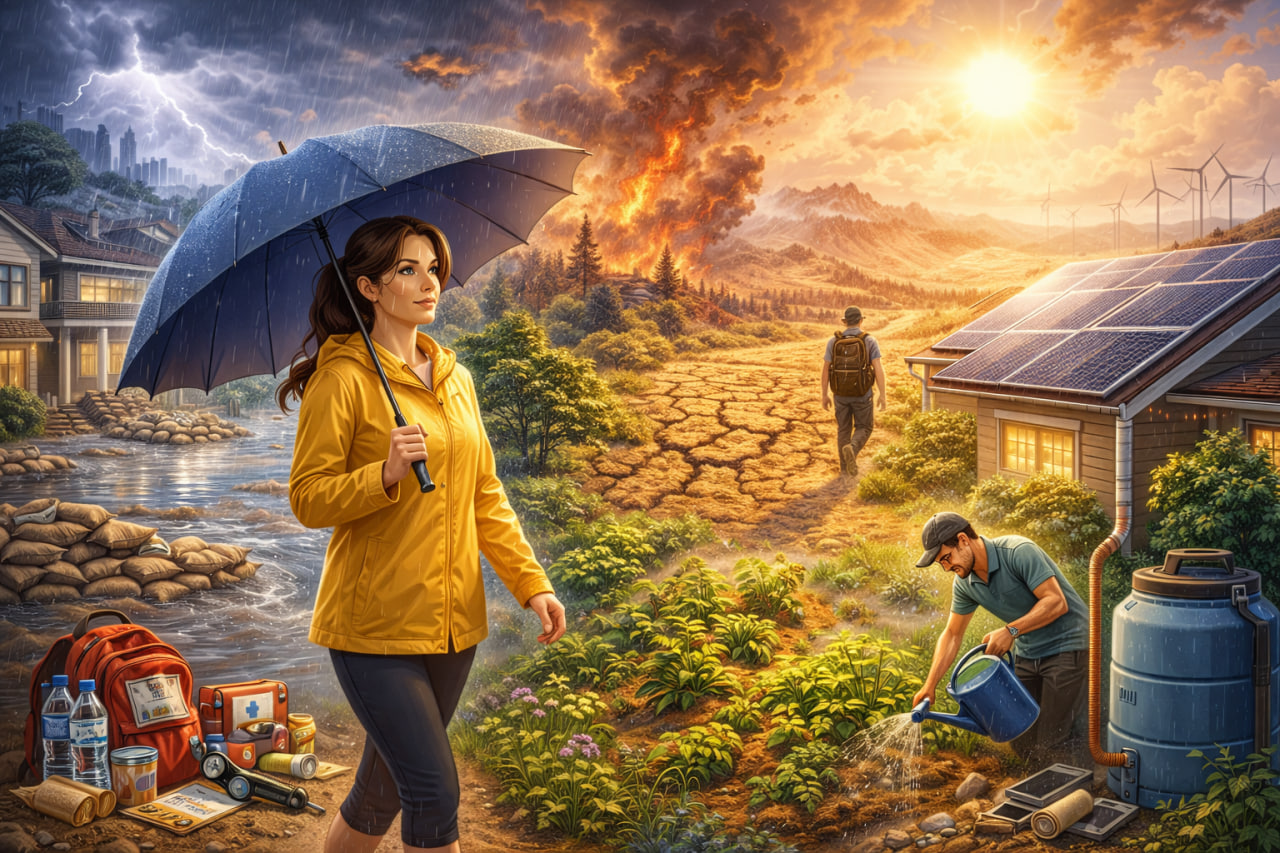
In an era defined by rising global temperatures, extreme weather events, and environmental instability, adapting to the realities of climate change is no longer a distant concern — it is a...
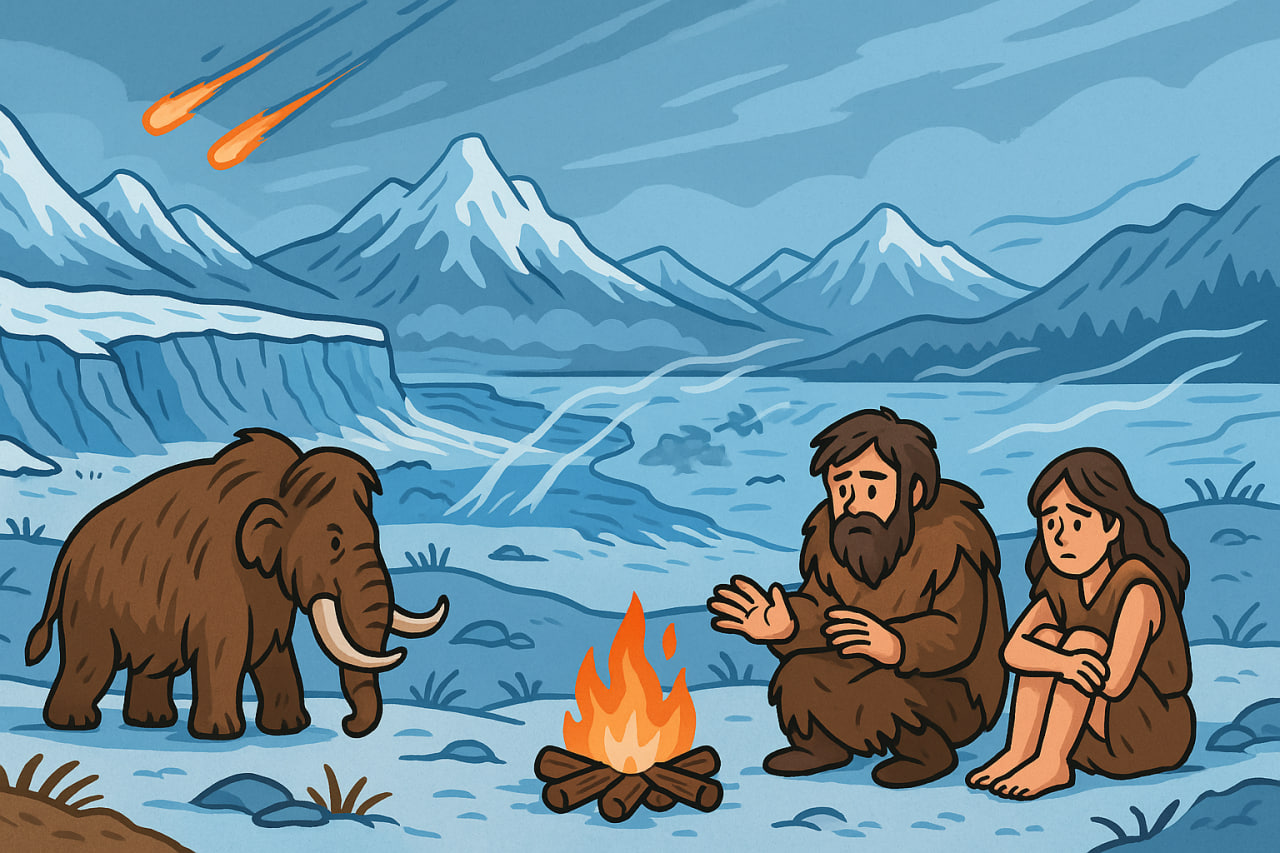
About 12,900 years ago, just as the Earth was warming after the last Ice Age, the planet experienced a shocking climatic reversal.
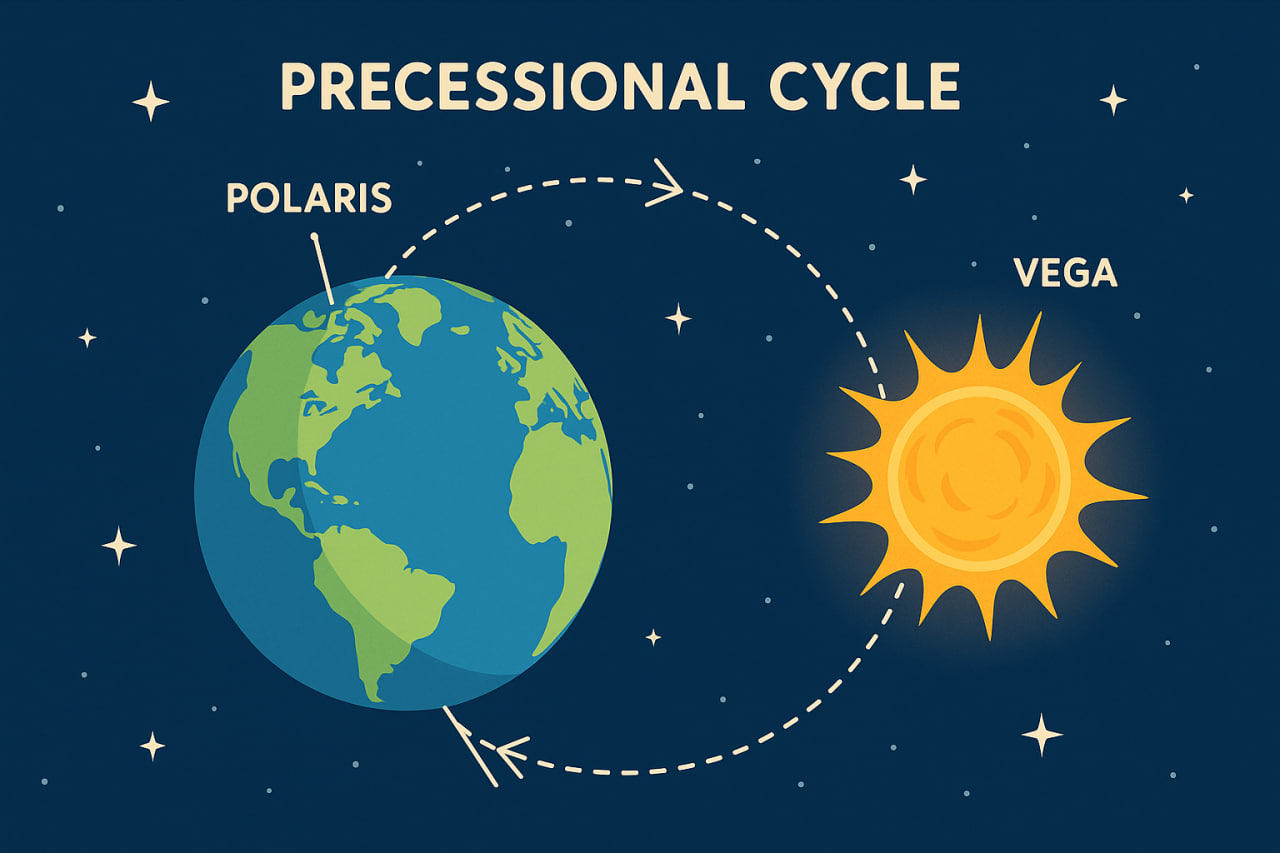
Every 26,000 years, Earth completes a slow and graceful motion known as axial precession — a subtle “wobble” in its rotational axis that alters the orientation of the planet relative to the...