
What Makes Autumn Special?
Autumn, also known as fall, is one of the four main seasons of the year and is often considered the most colorful.
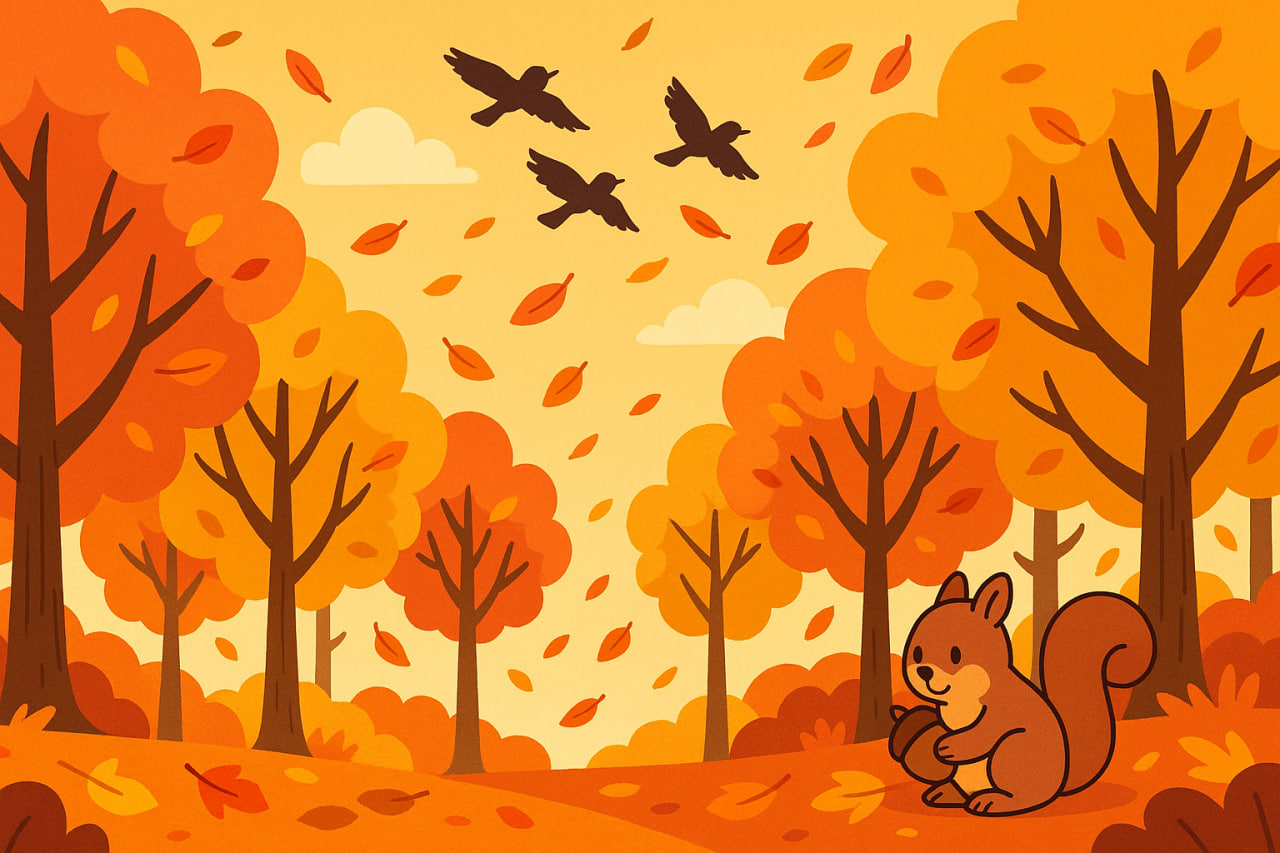
Autumn, also known as fall, is one of the four main seasons of the year and is often considered the most colorful.
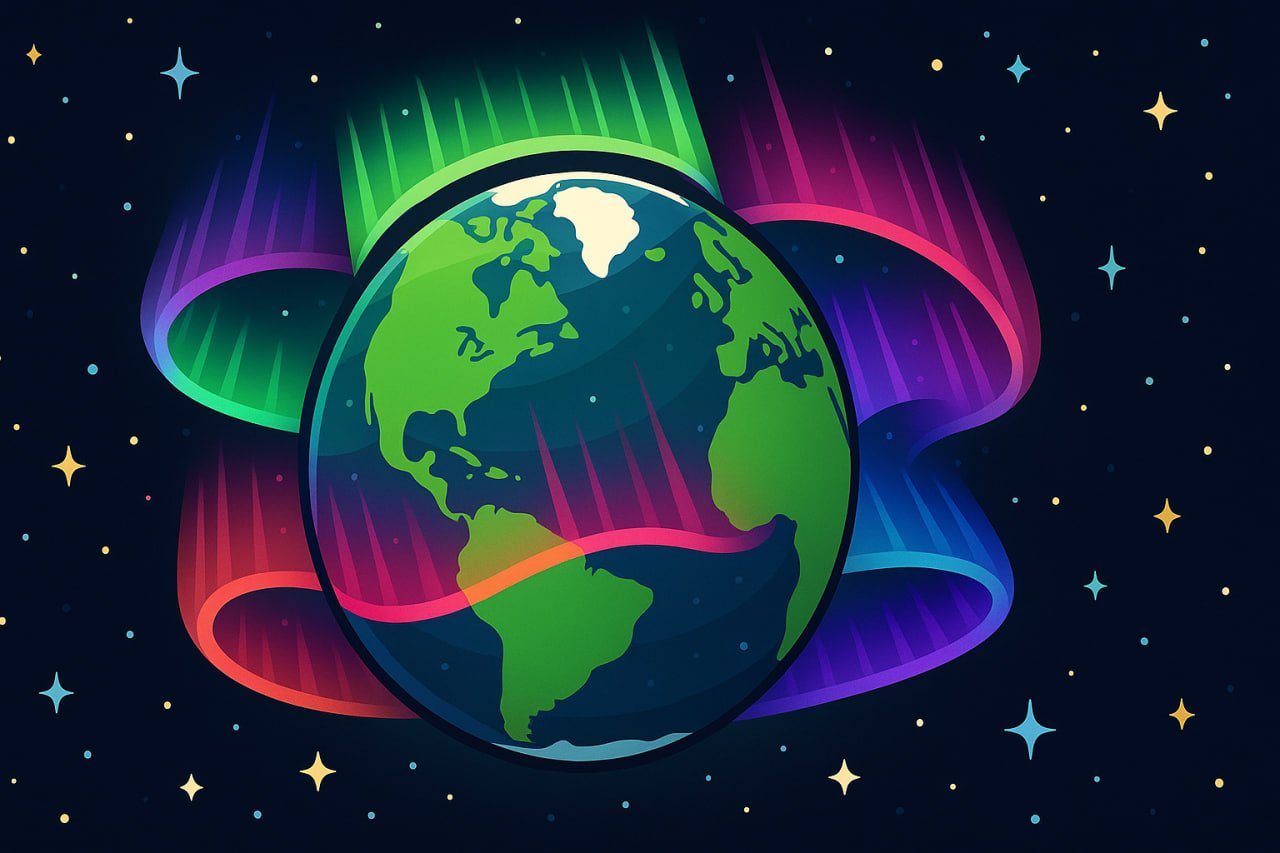
Auroras, also known as the northern and southern lights, are usually seen near the polar regions of Earth.
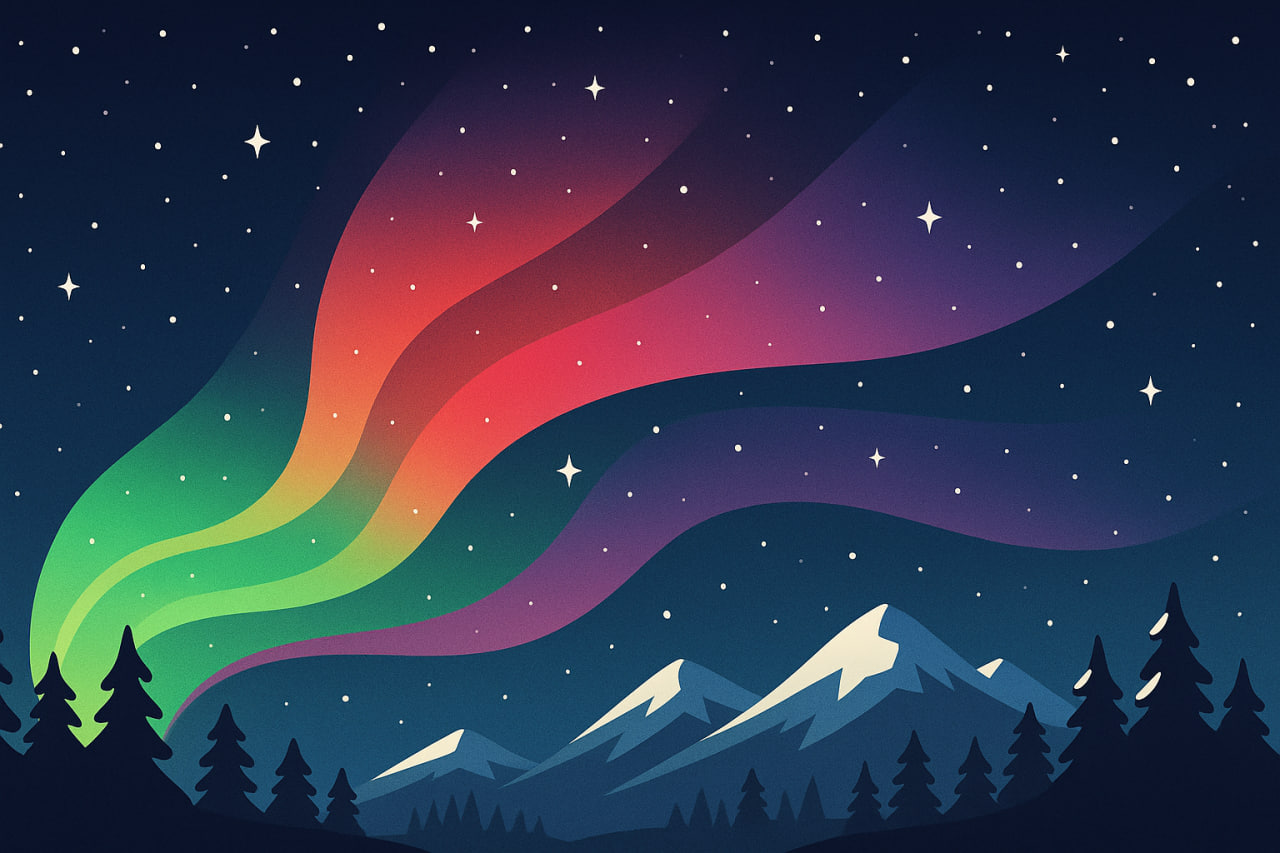
The aurora, also known as the northern or southern lights, is one of the most spectacular natural phenomena on Earth.
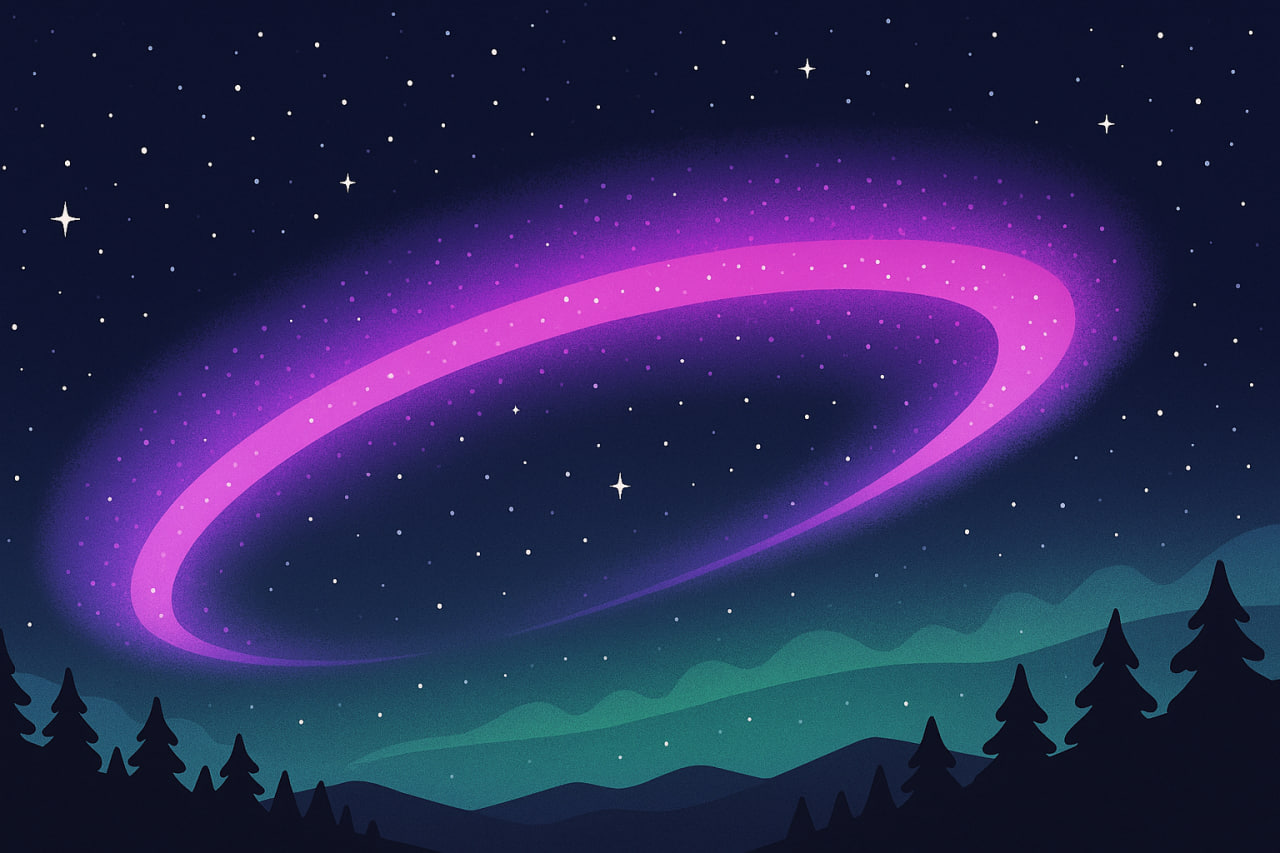
In recent years, scientists and skywatchers have discovered a mysterious atmospheric phenomenon known as STEVE (Strong Thermal Emission Velocity Enhancement).
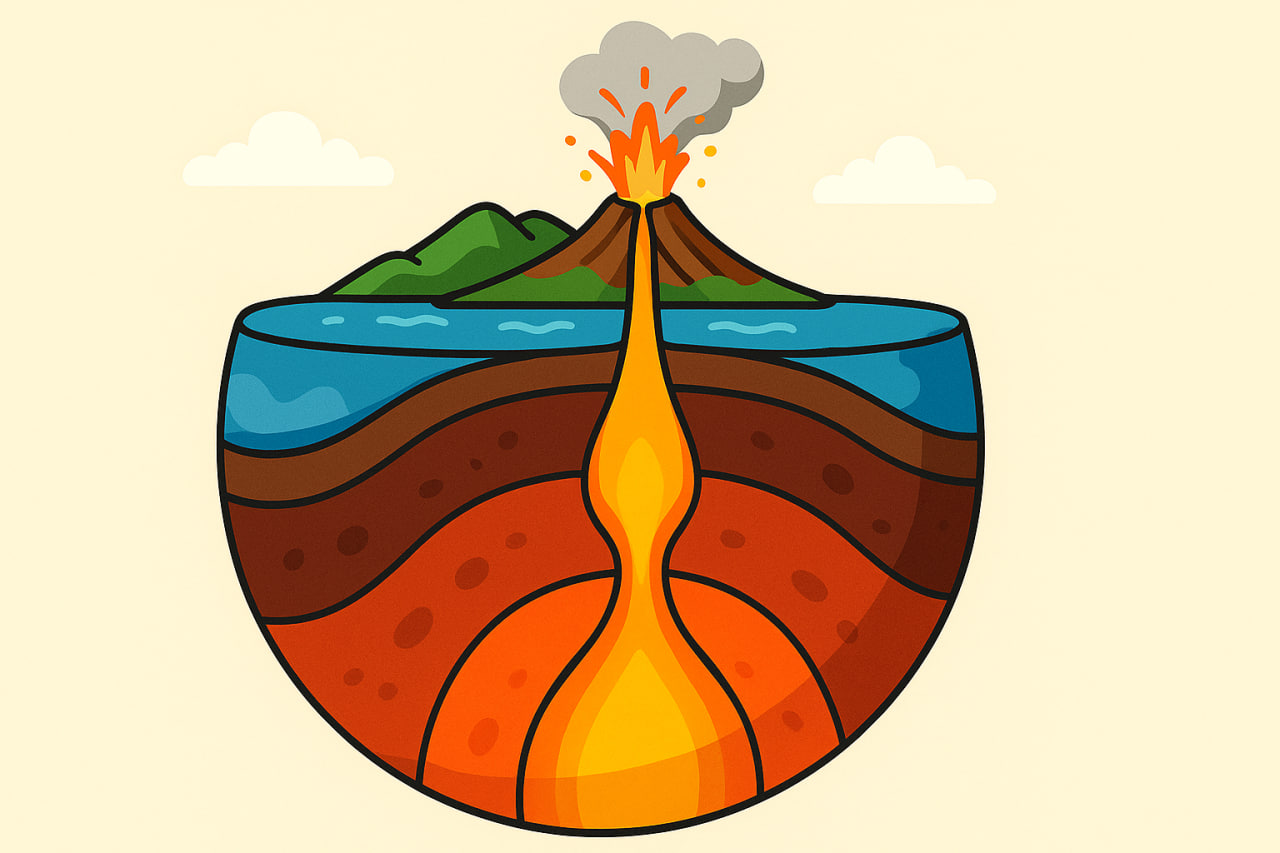
A mantle plume is a column of hot, solid rock rising from deep within the Earth’s mantle toward the surface.
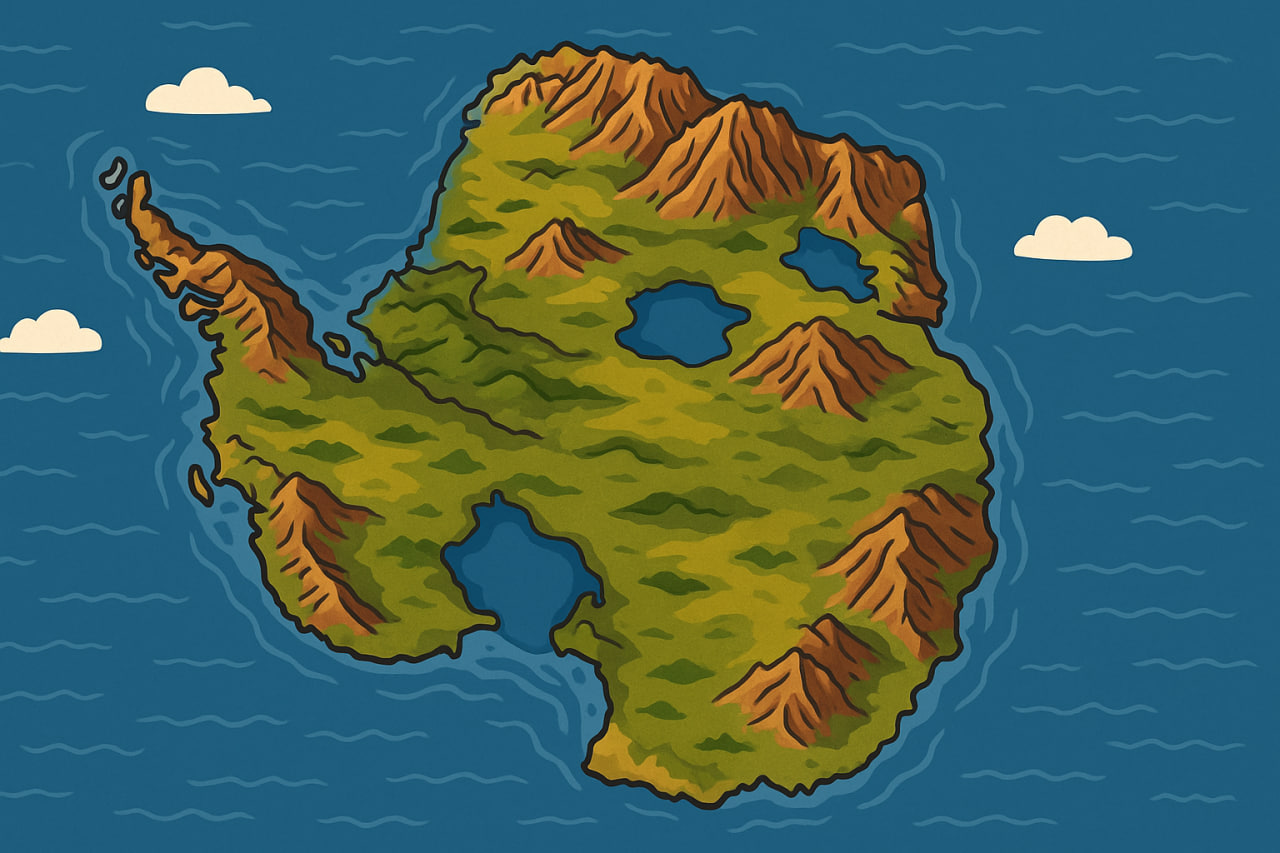
Antarctica contains about 70% of the world’s fresh water, locked in its massive ice sheets. The ice is up to 4.8 km thick in some places.

Air travel today is considered one of the safest forms of transportation. Statistically, flying is far safer than driving a car.
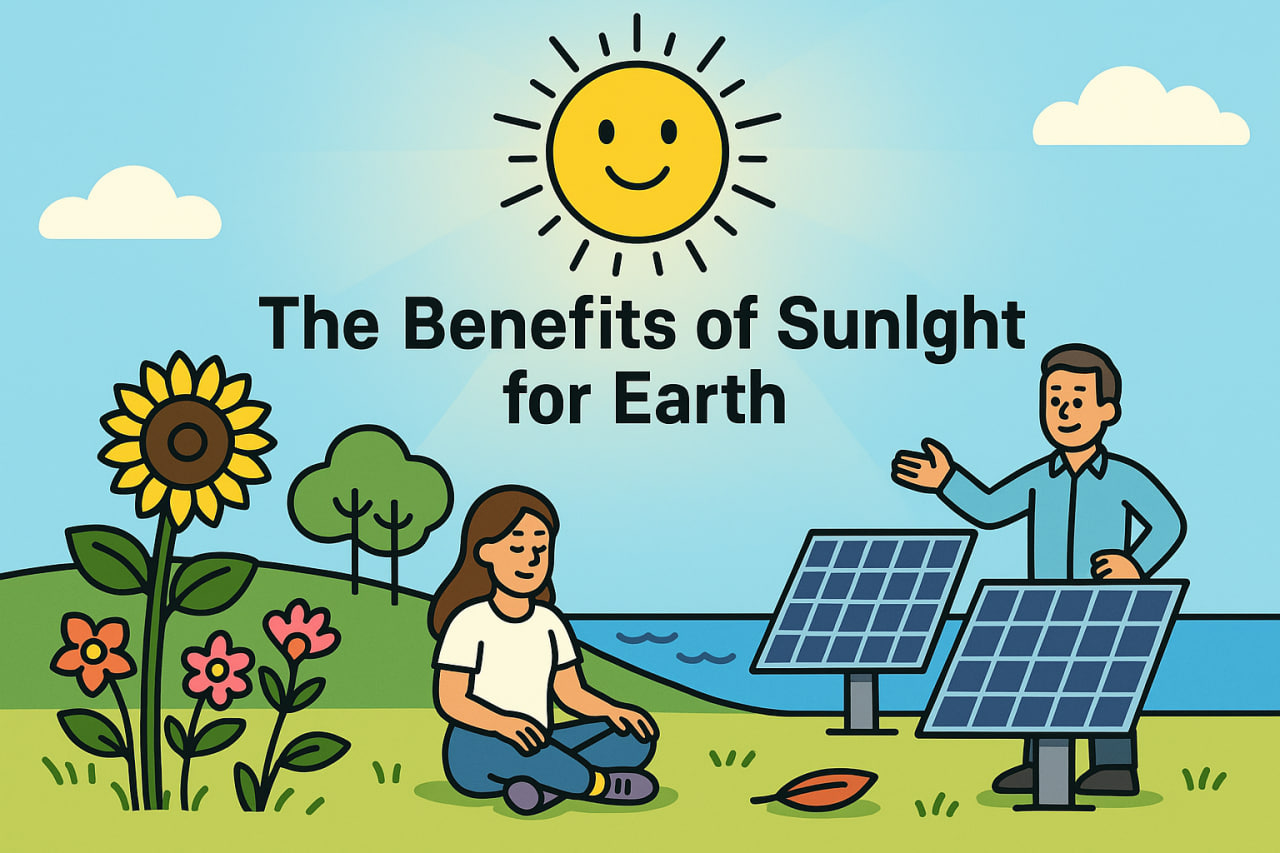
Sunlight is the primary source of energy for almost all life on Earth. Through photosynthesis, plants convert sunlight into chemical energy, forming the base of the food chain.
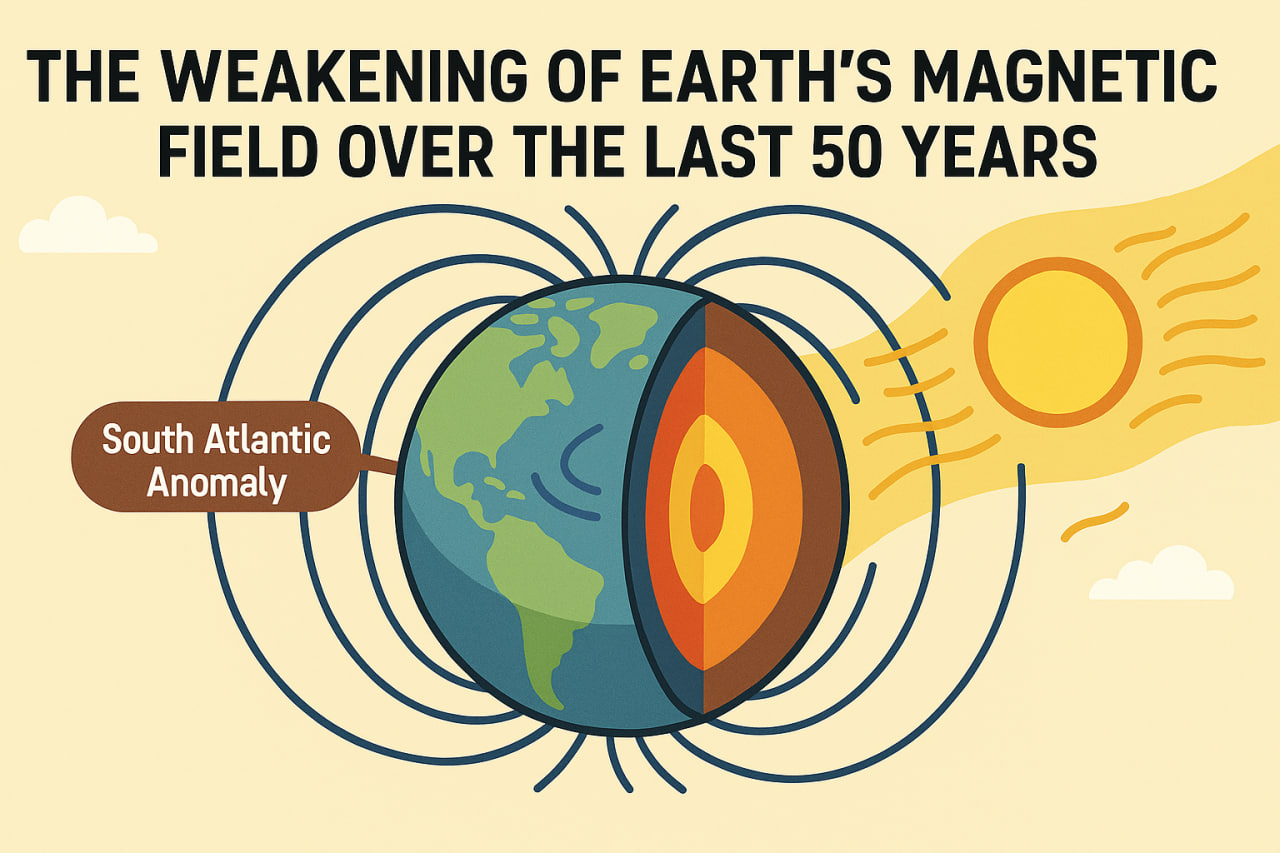
The magnetic field of Earth is generated by the motion of molten iron and nickel in the outer core. This process, called the geodynamo, creates a protective shield around the planet.
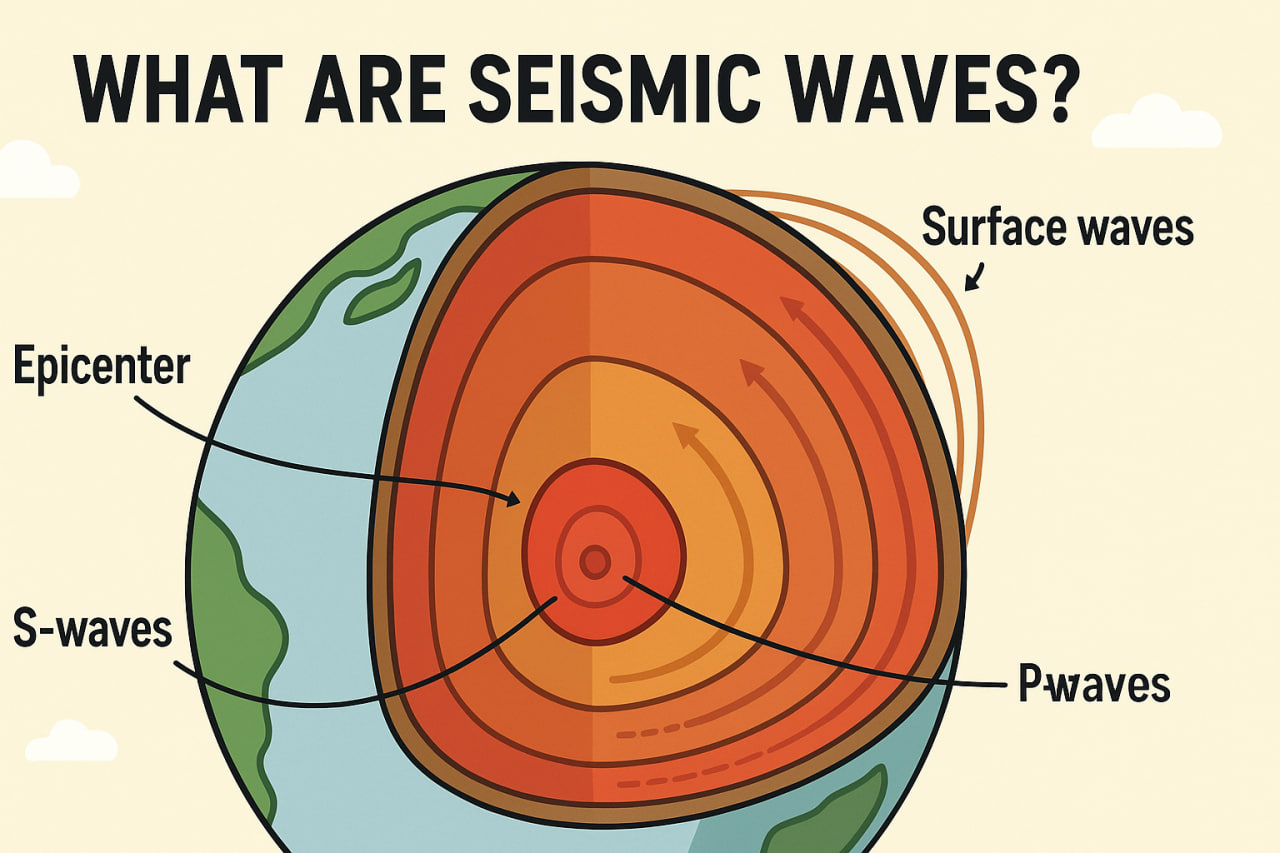
Seismic waves are vibrations that travel through Earth, usually generated by earthquakes, volcanic eruptions, explosions, or other strong disturbances.