
Super Tsunamis: Causes and Consequences
A super tsunami is a rare and catastrophic type of tsunami, much larger and more destructive than typical ones.
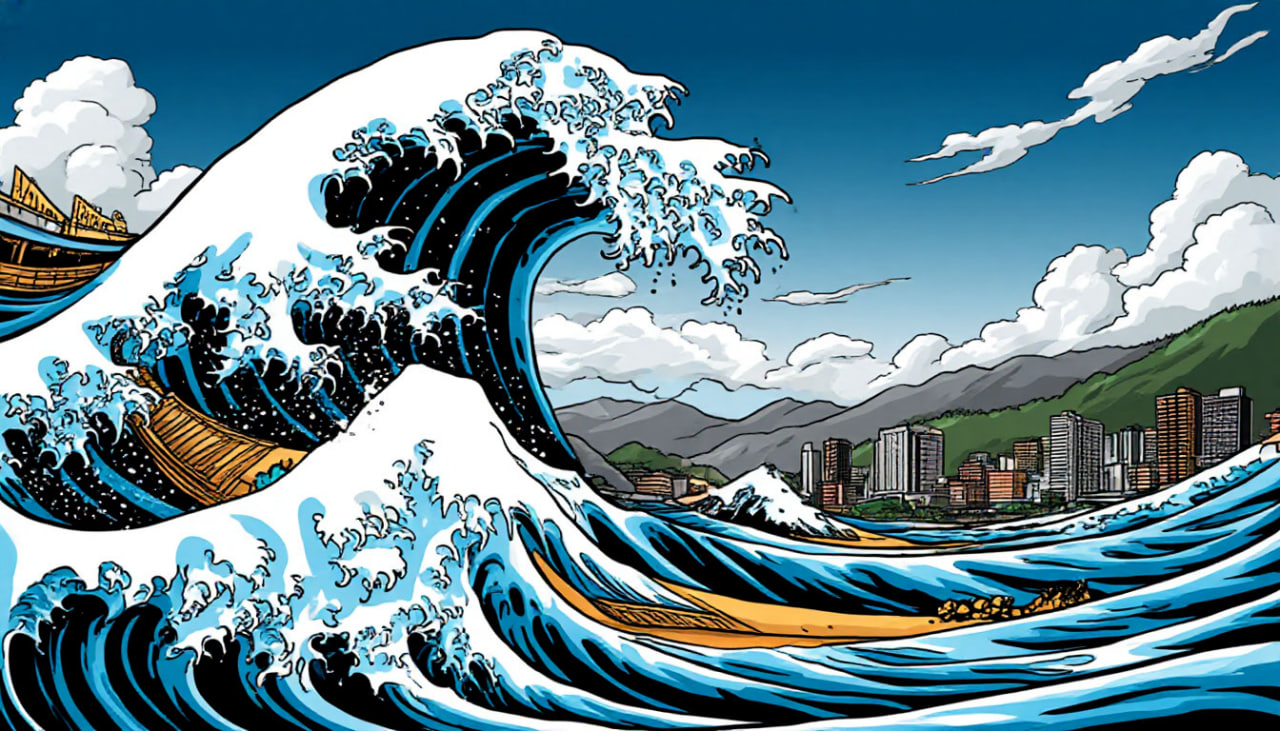
A super tsunami is a rare and catastrophic type of tsunami, much larger and more destructive than typical ones.
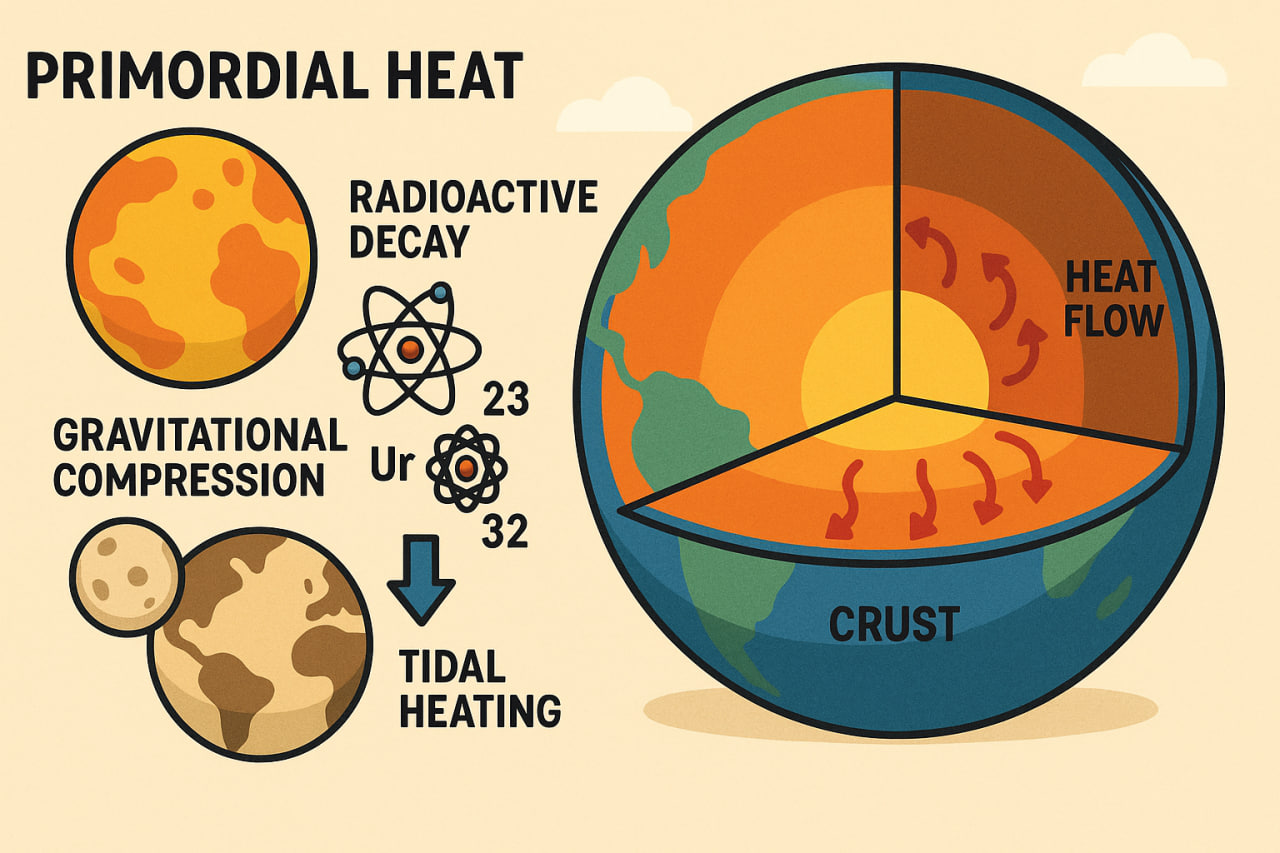
The Earth is not only warmed by the Sun but also heated from within. This internal heat is a driving force behind volcanic eruptions, earthquakes, and the movement of tectonic plates.
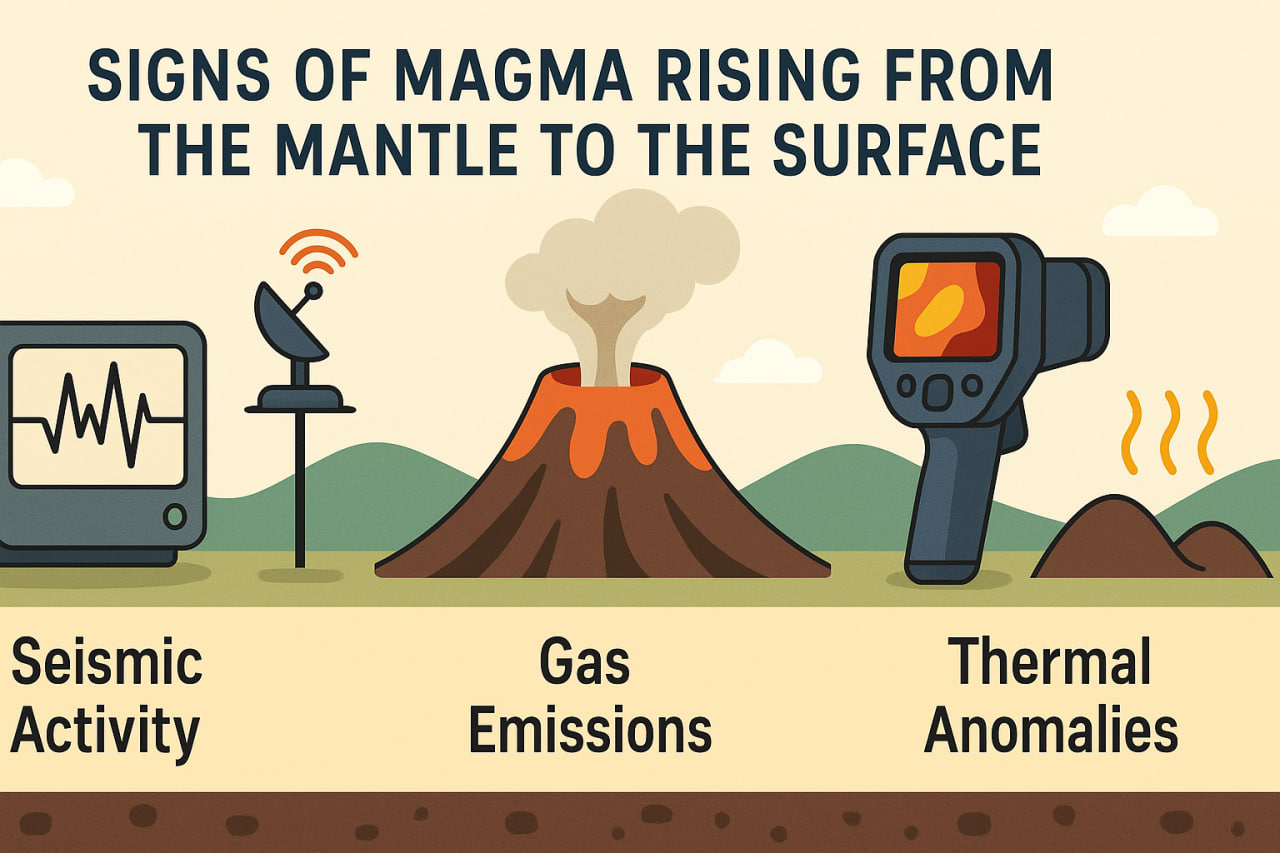
One of the clearest indicators of magma movement is seismic activity. As magma pushes through cracks in the Earth’s crust, it causes small earthquakes called volcanic tremors.
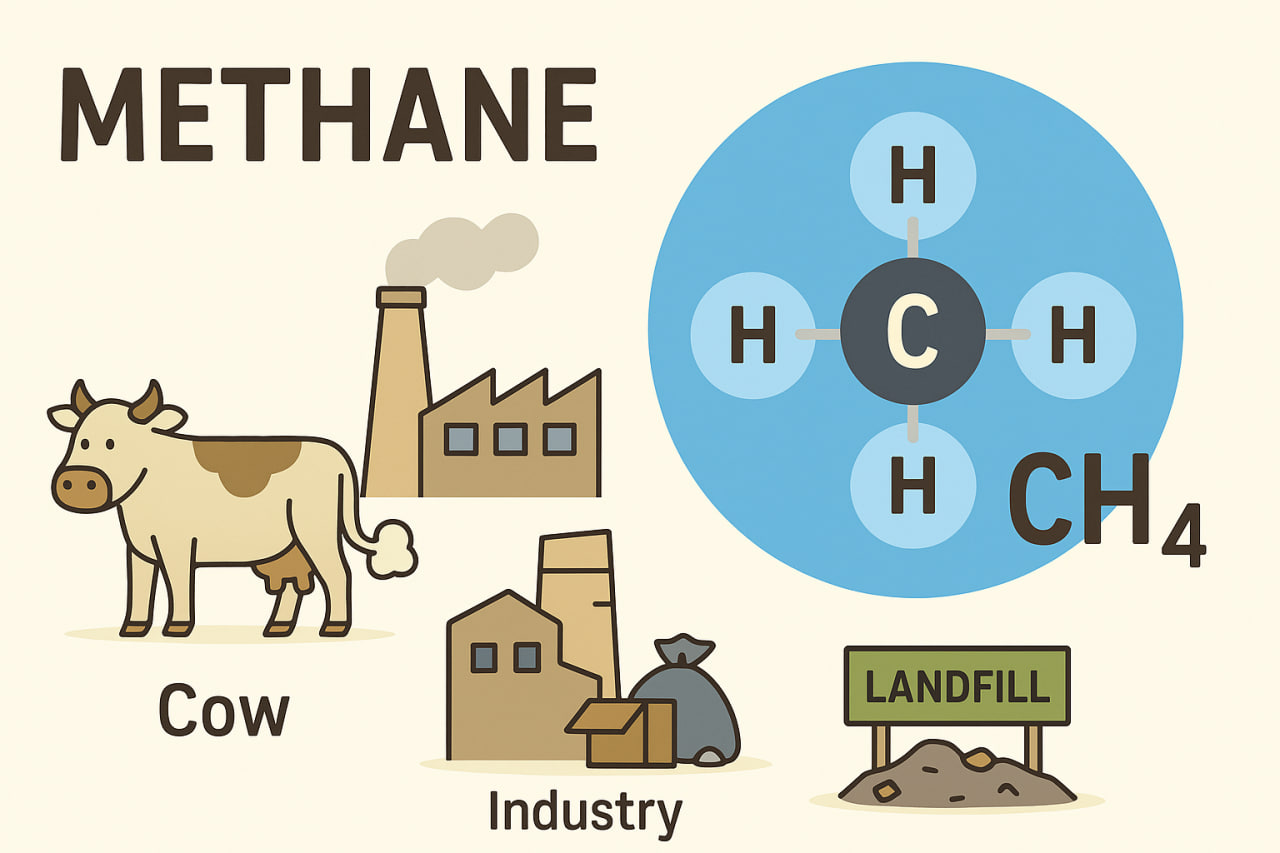
Methane (CH₄) is a simple hydrocarbon composed of one carbon atom and four hydrogen atoms. It is the main component of natural gas and one of the most abundant organic molecules on Earth.
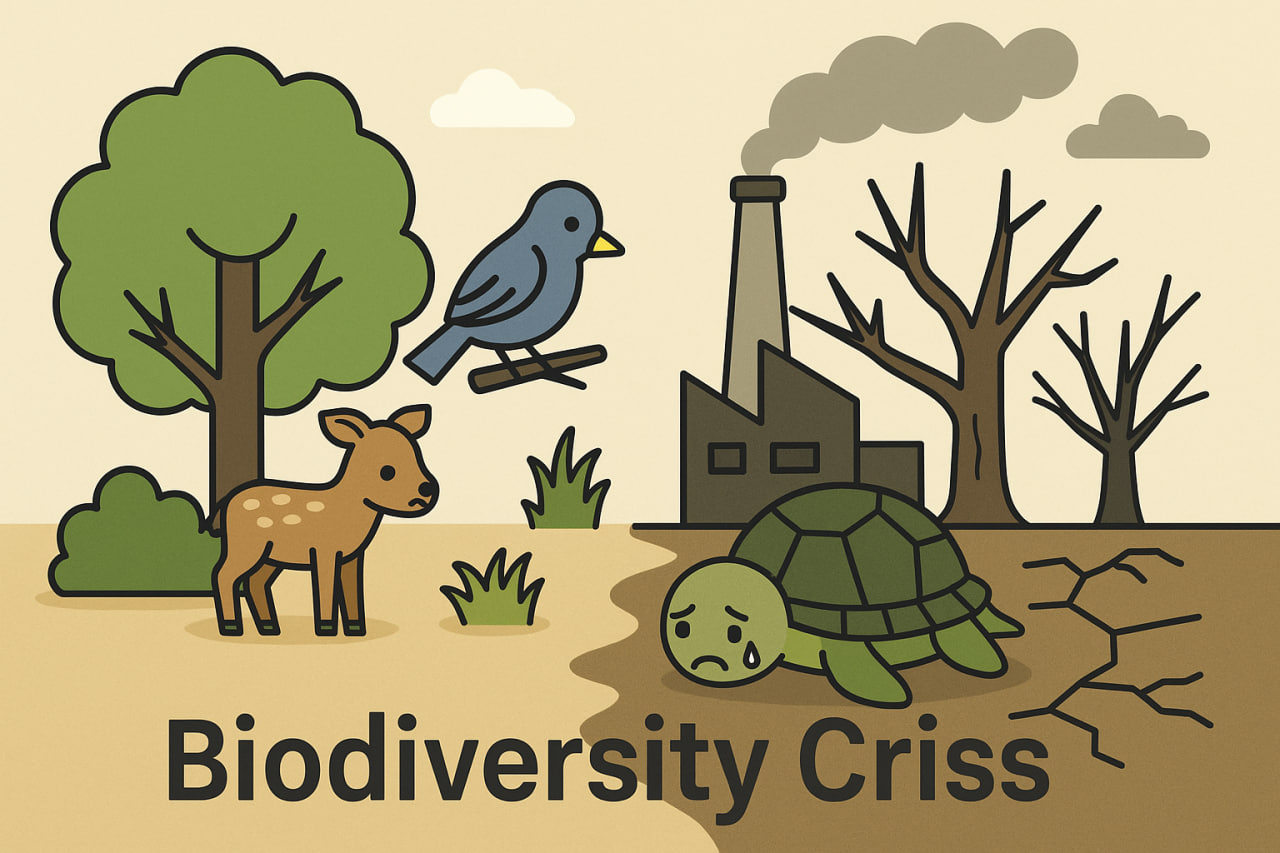
The biodiversity crisis refers to the rapid decline in the variety of species, ecosystems, and genetic diversity on Earth, primarily caused by human activities.
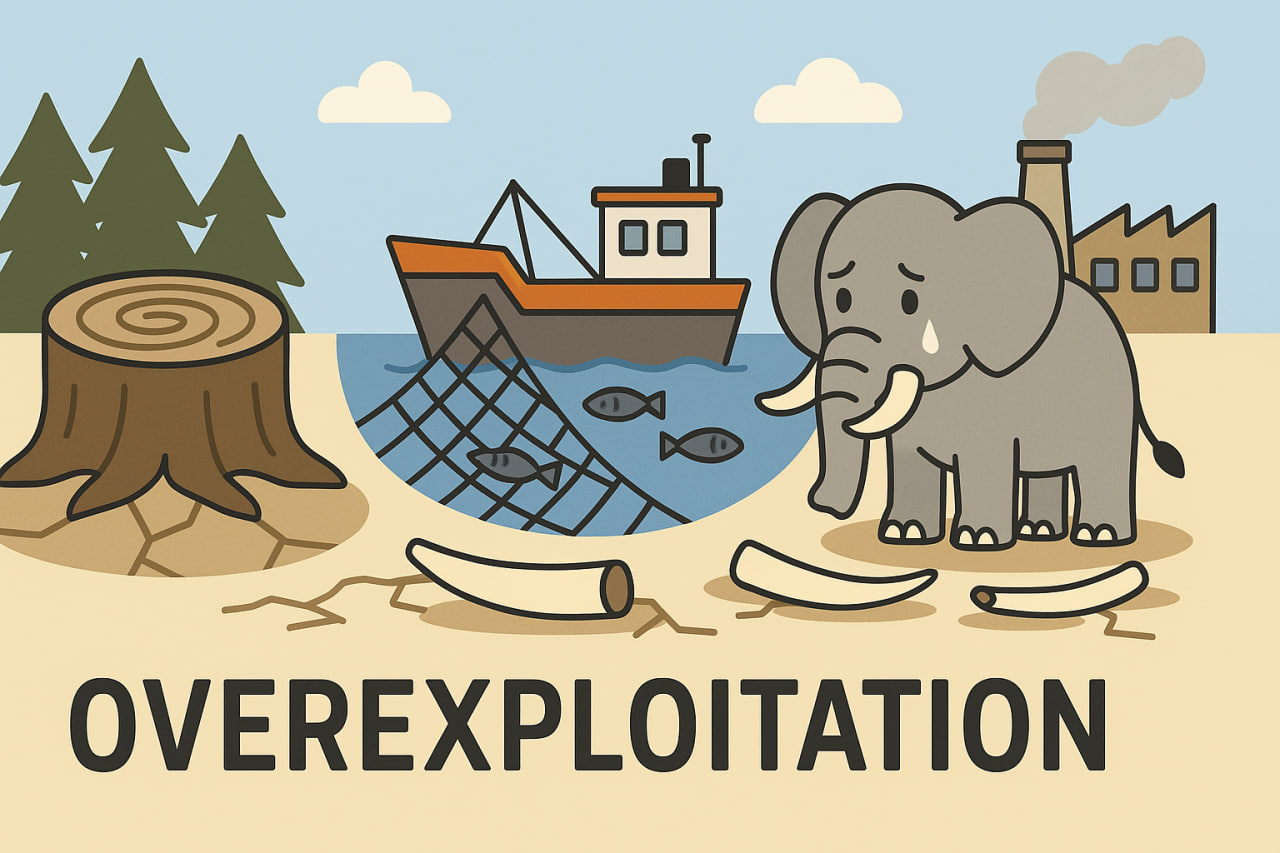
Overexploitation refers to the unsustainable use of natural resources at a rate faster than they can replenish. It affects wildlife, forests, oceans, soil, and freshwater systems.
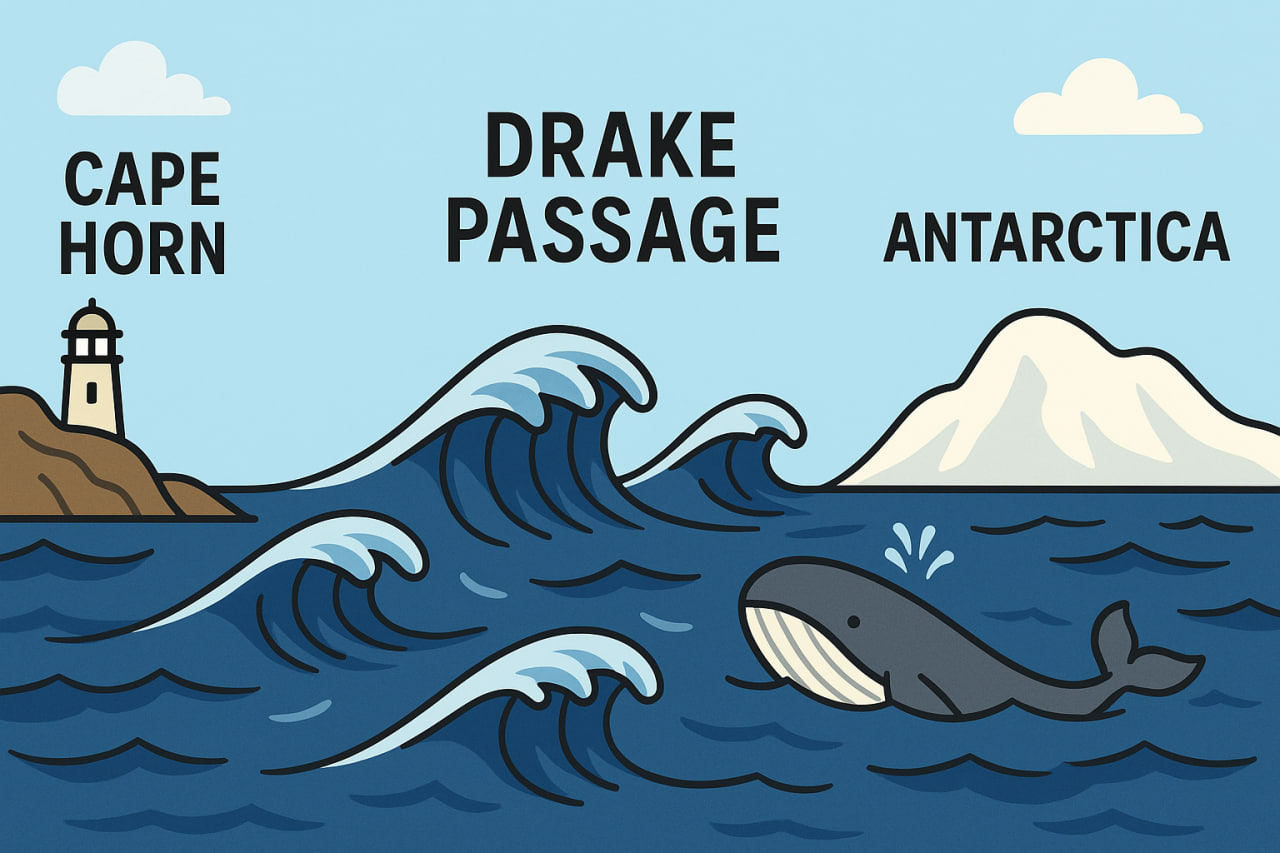
The Drake Passage is a body of water that lies between the southern tip of South America (Cape Horn, Chile) and the northernmost part of the Antarctic Peninsula.
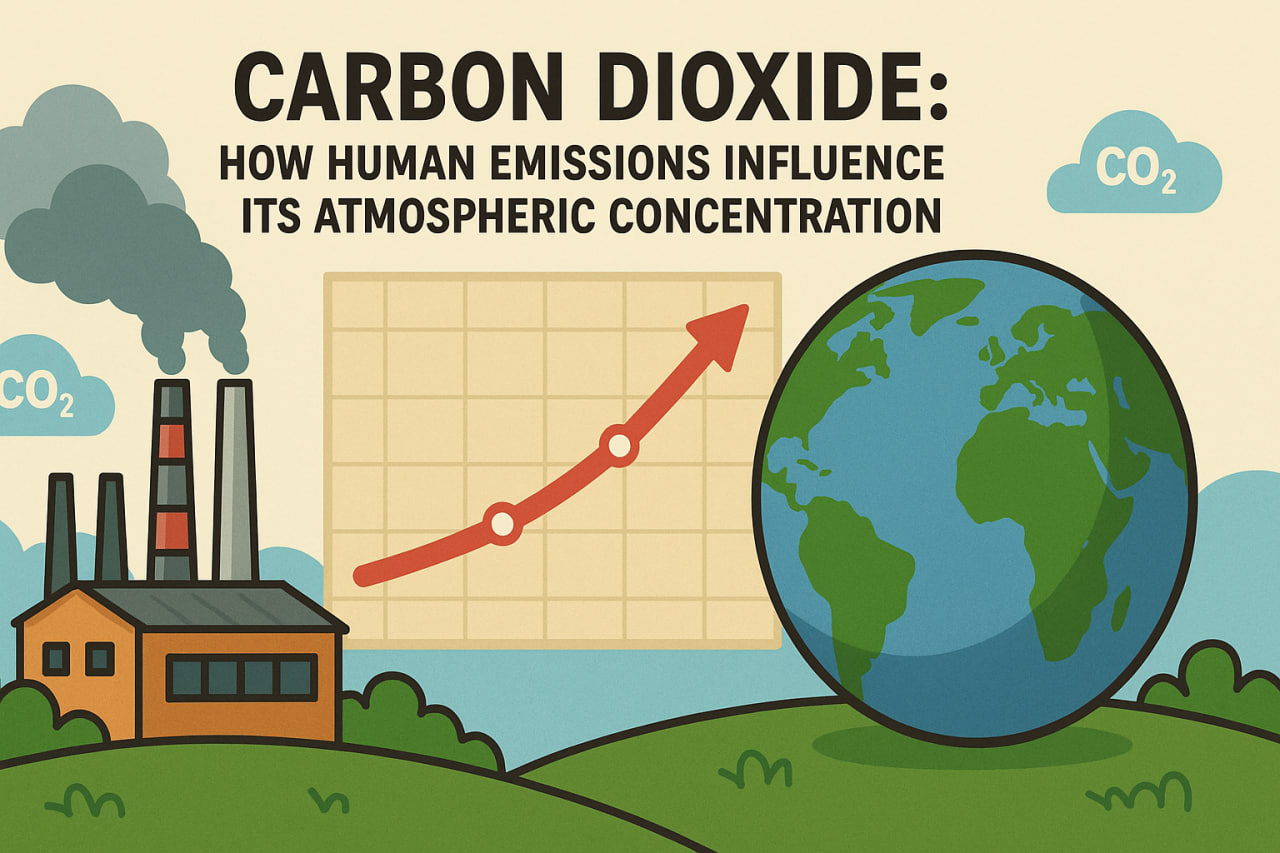
Carbon dioxide (CO₂) is a naturally occurring greenhouse gas in Earth’s atmosphere. It plays a crucial role in regulating global temperature by trapping heat from the Sun.
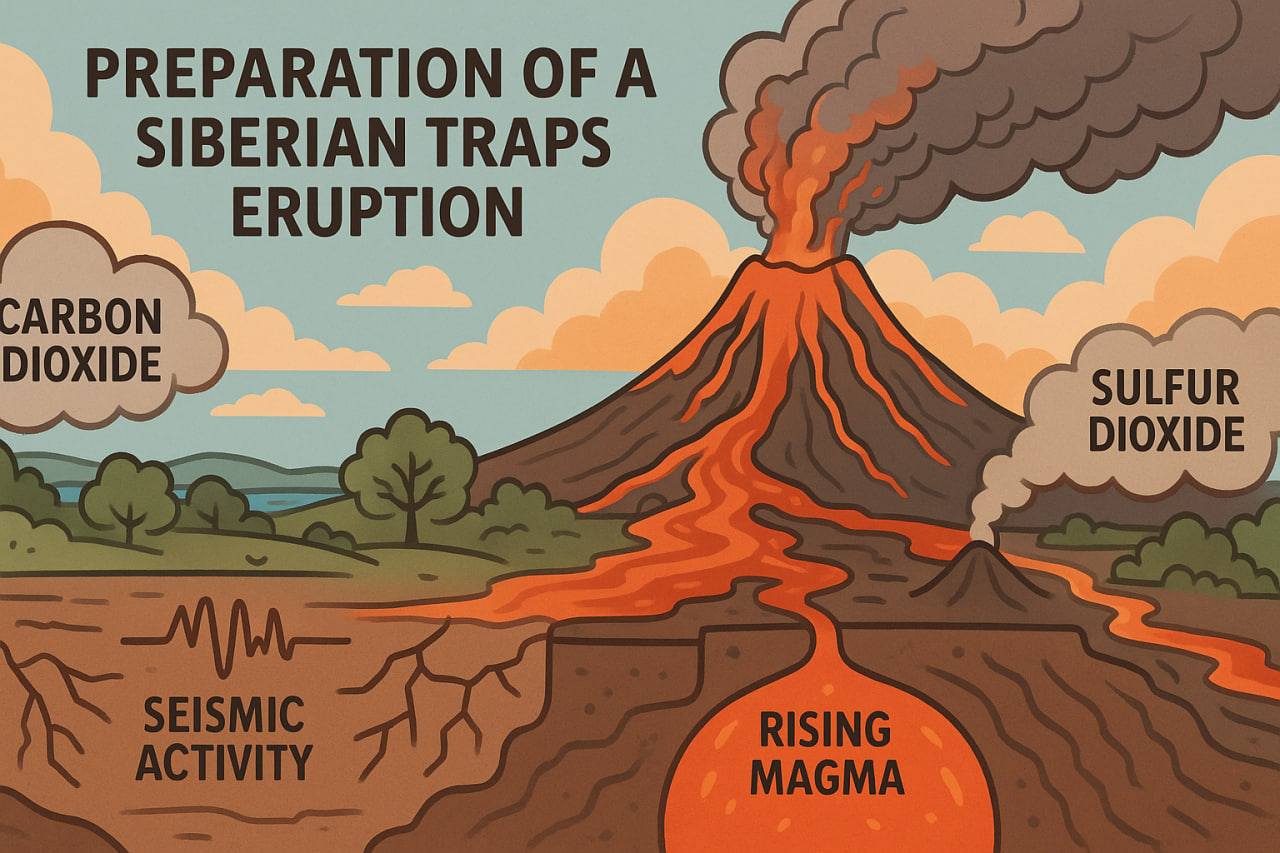
The Siberian Traps are one of the largest large igneous provinces on Earth, located in present-day Siberia, Russia.
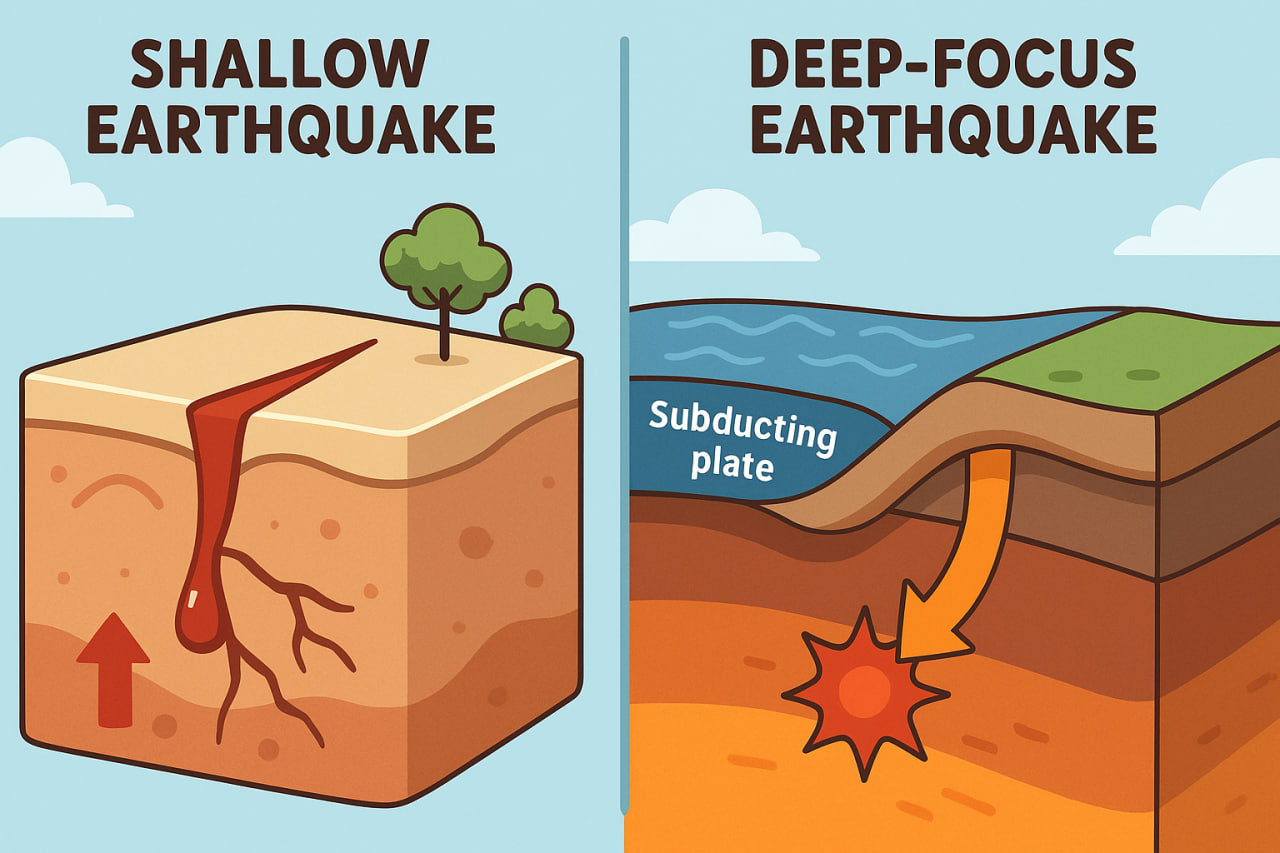
Earthquakes are sudden releases of energy in the Earth’s crust or mantle, producing seismic waves.