
Doomsday from a Scientific Perspective: How Close Is Humanity to the End?
The concept of “Doomsday” — the end of the world — has existed for thousands of years in myths and religions. But modern science approaches this question differently.
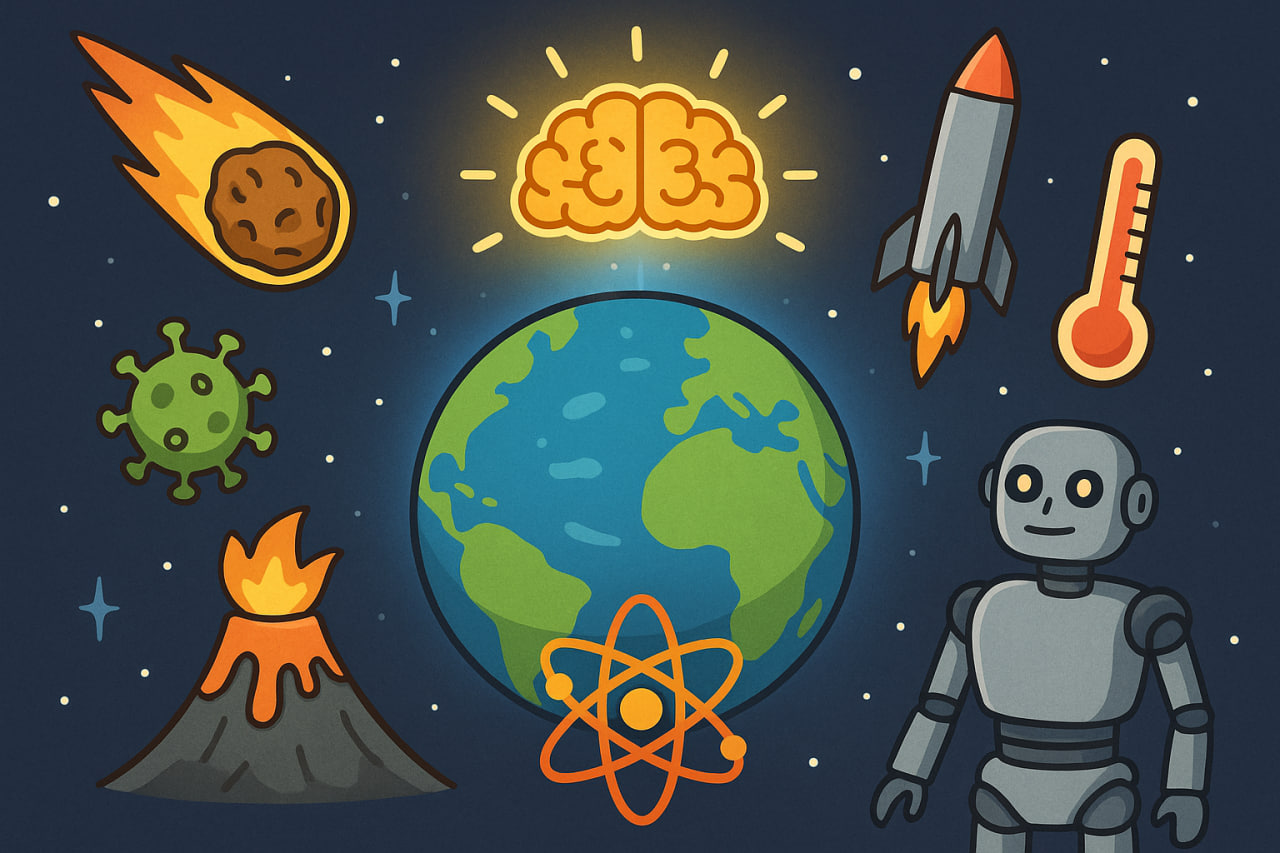
The concept of “Doomsday” — the end of the world — has existed for thousands of years in myths and religions. But modern science approaches this question differently.
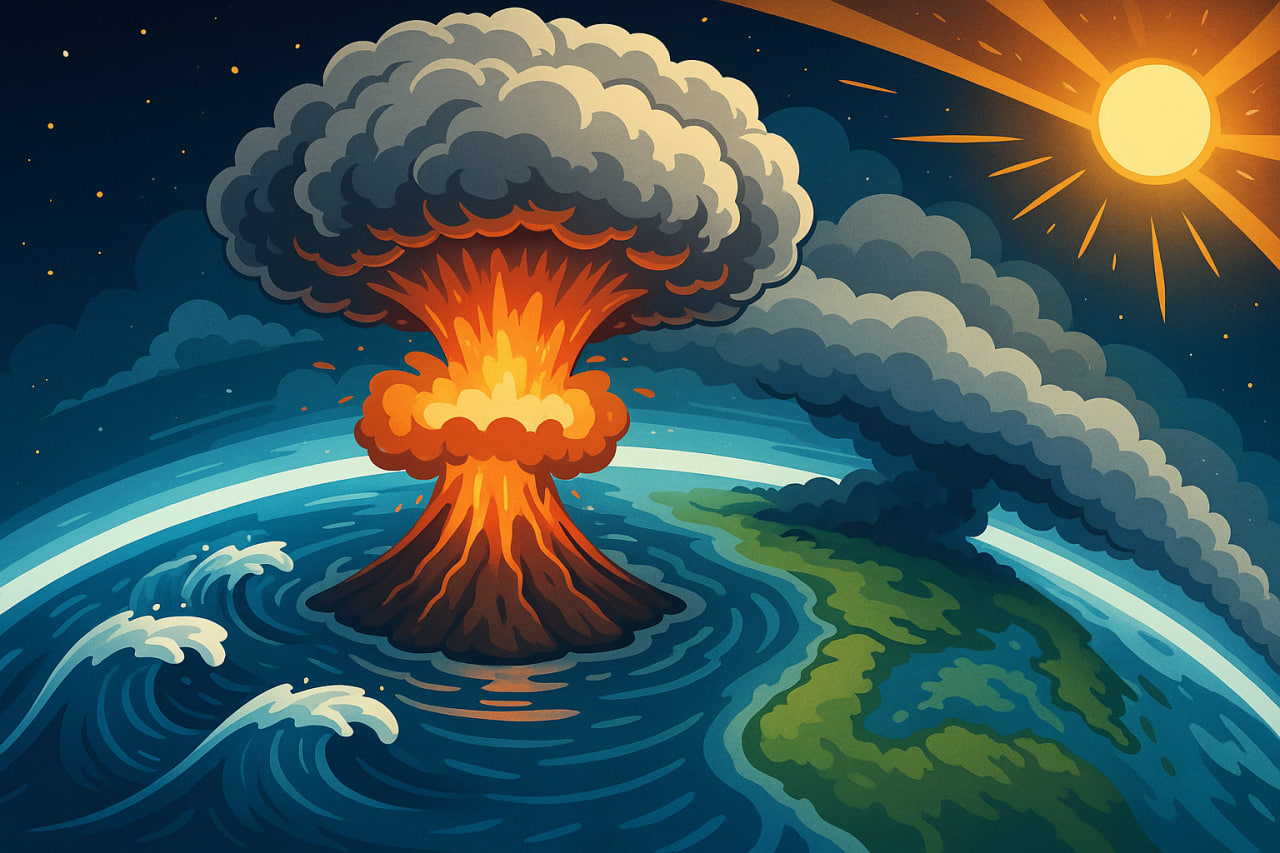
The 2022 eruption of Hunga Tonga–Hunga Haʻapai was one of the most powerful volcanic explosions ever recorded, sending shockwaves around the world and reaching the edge of space.
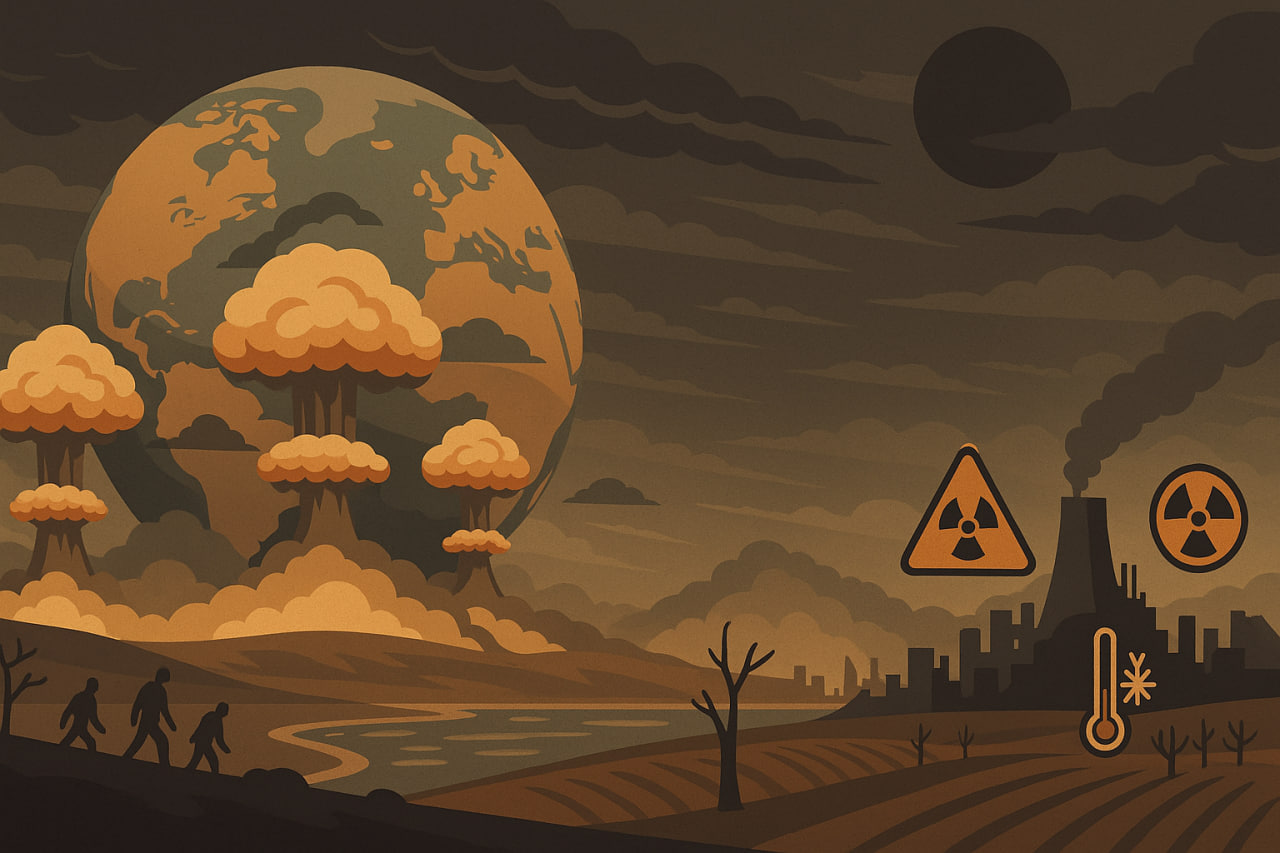
The idea of using all nuclear weapons ever created is one of the darkest scenarios imaginable for humanity.
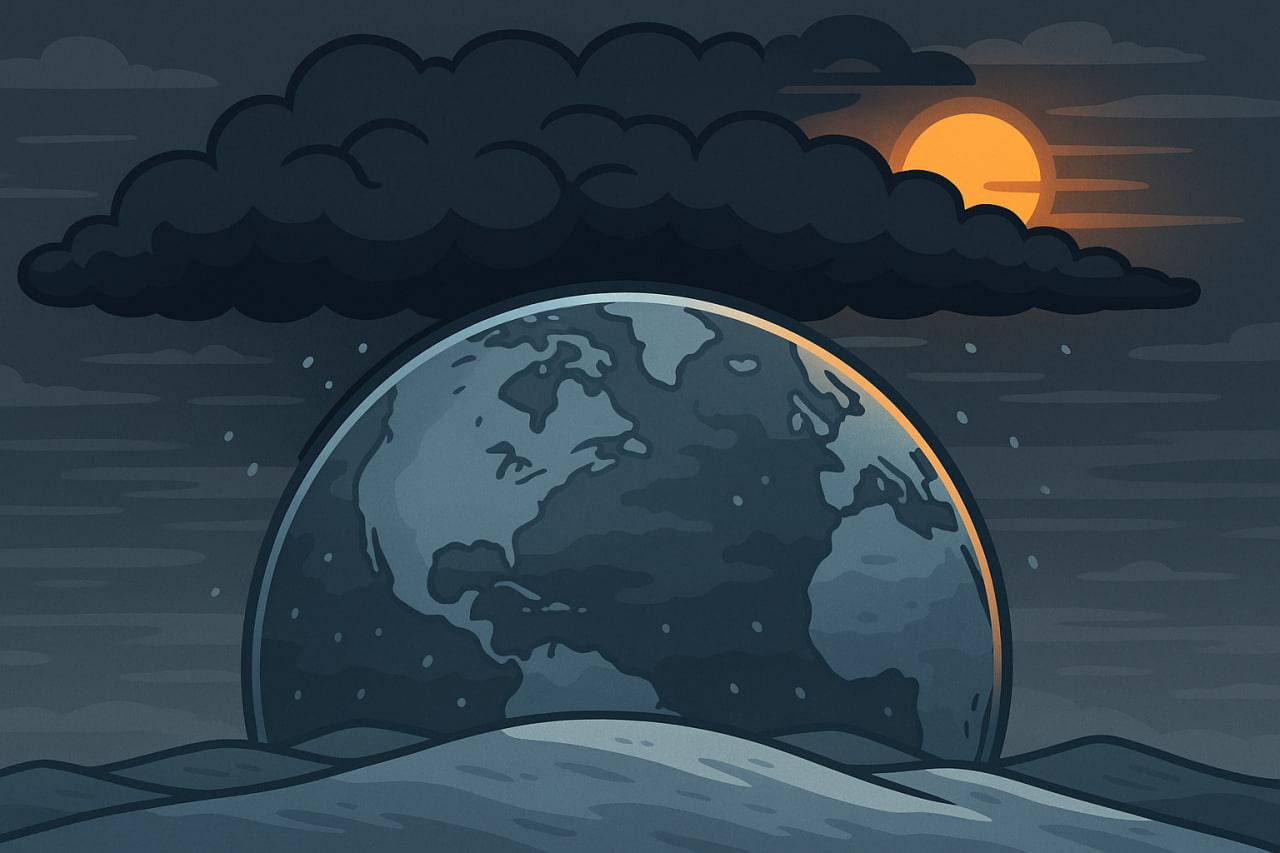
The term “nuclear winter” describes a devastating climatic consequence of large-scale nuclear war — a drastic and prolonged global cooling caused by massive fires, smoke, and soot filling the...
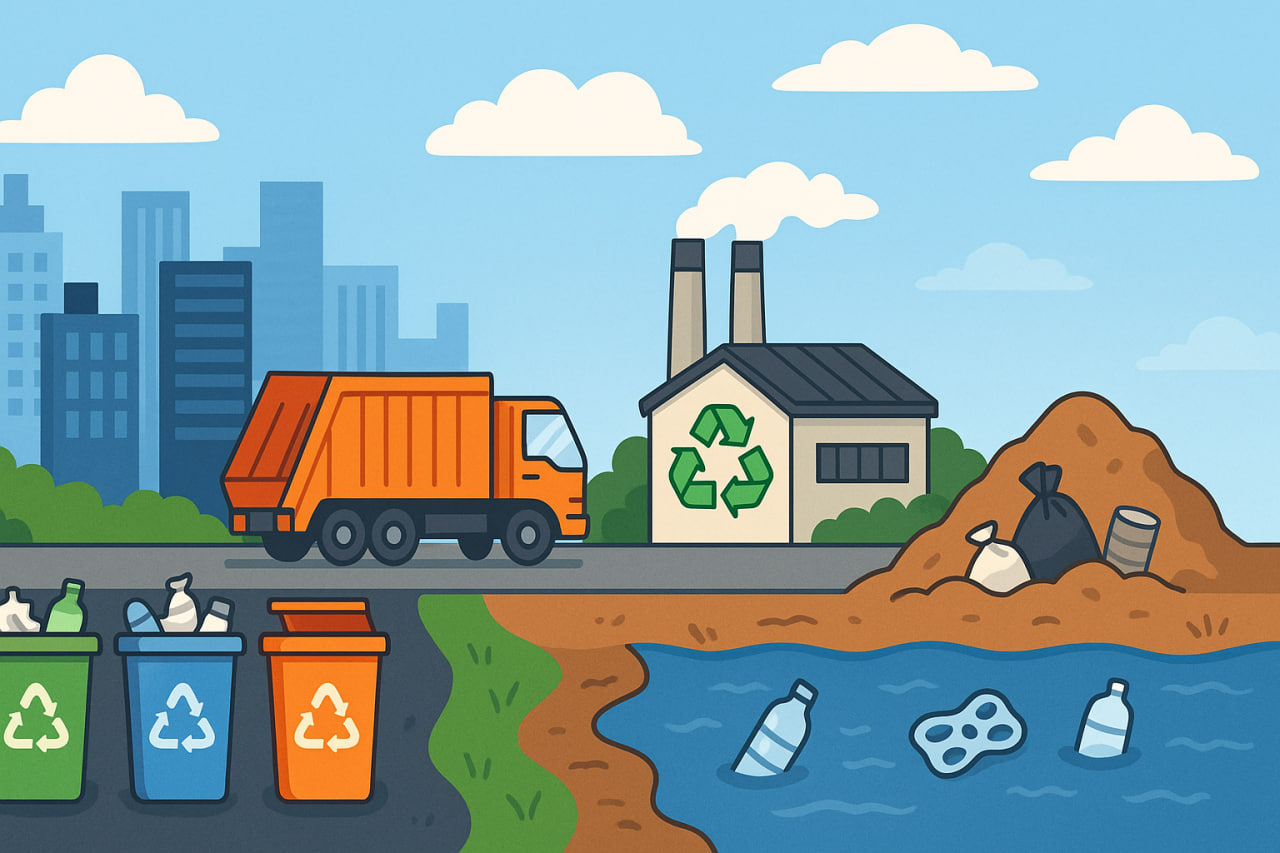
Every day, billions of people around the world throw something into the trash — a bottle, a plastic wrapper, or leftover food.
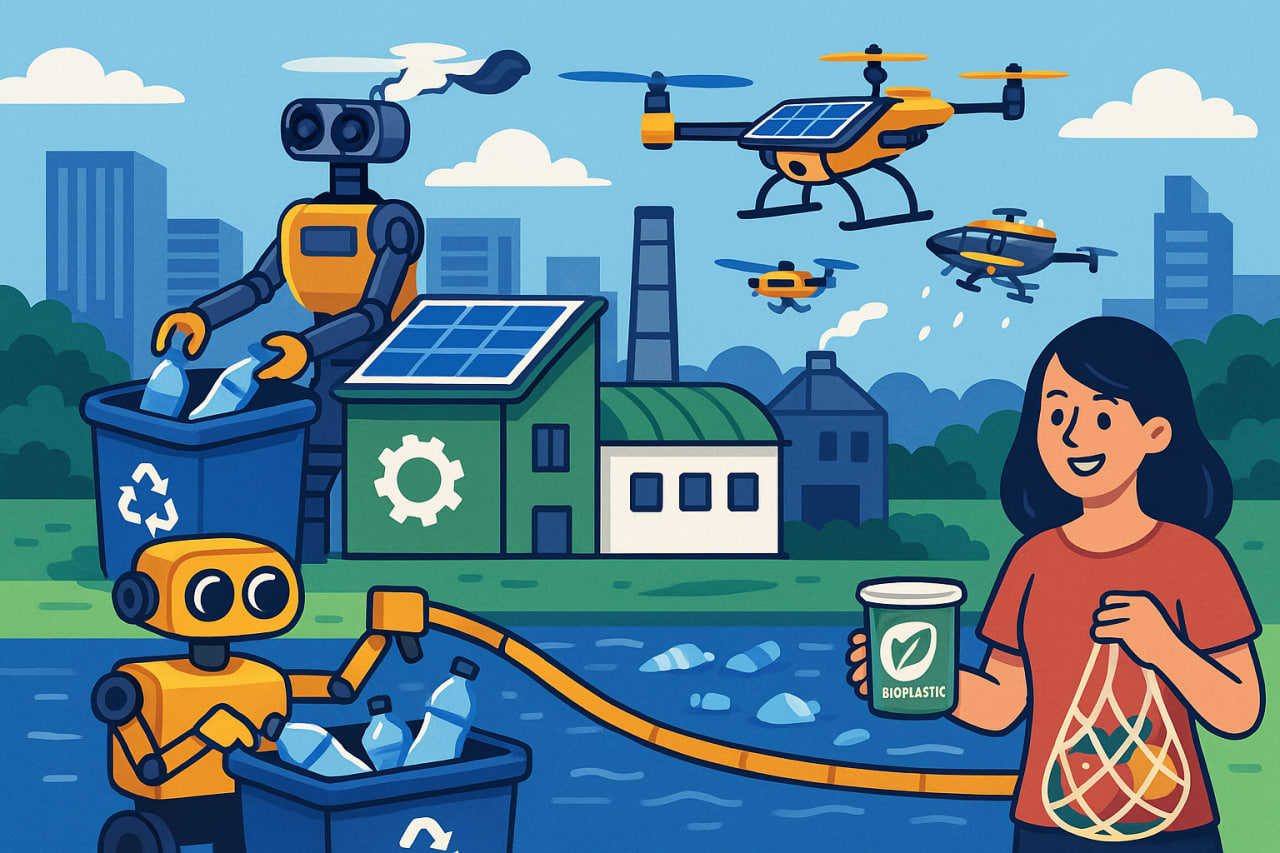
The growing amount of waste on our planet has become one of humanity’s greatest environmental challenges.
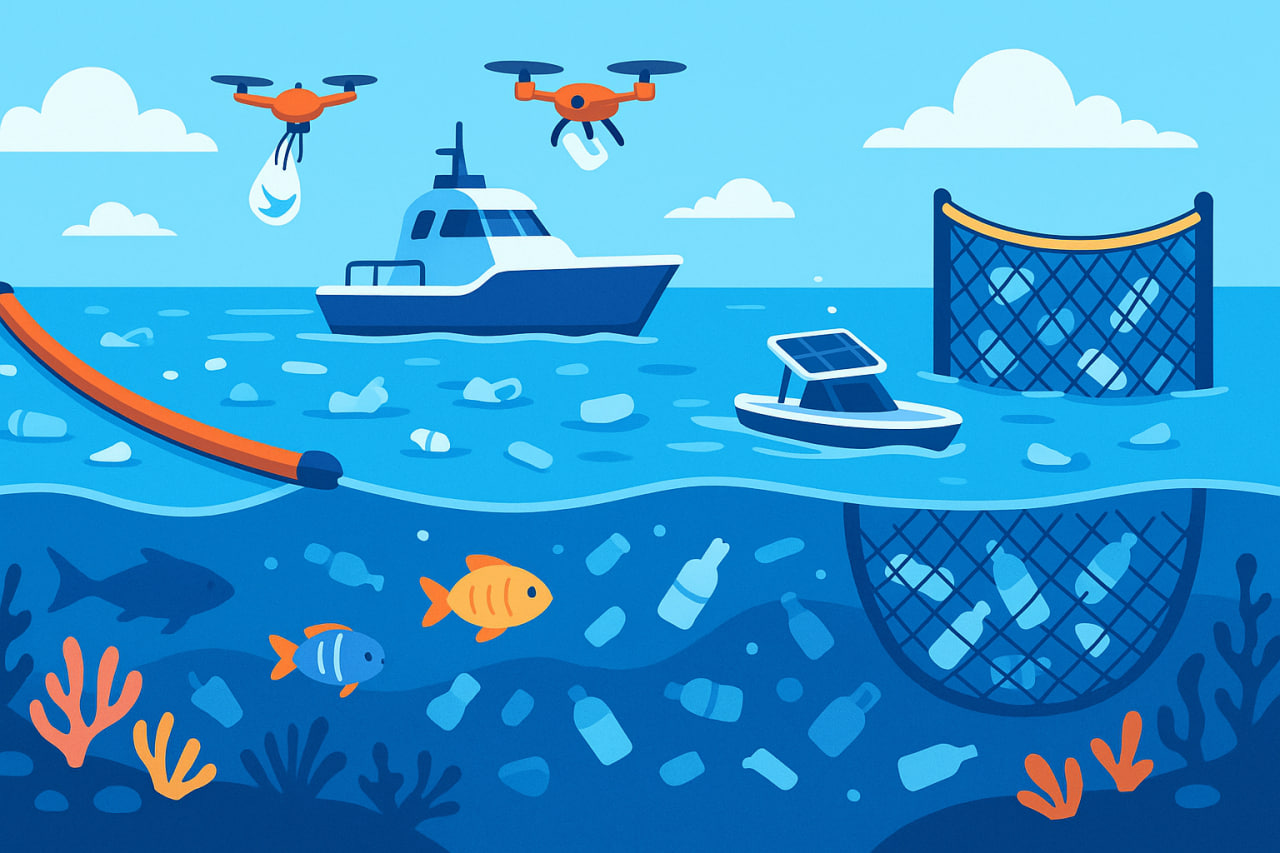
The ocean covers more than 70% of Earth’s surface and sustains all life on the planet. It provides food, regulates the climate, and produces over half of the oxygen we breathe.
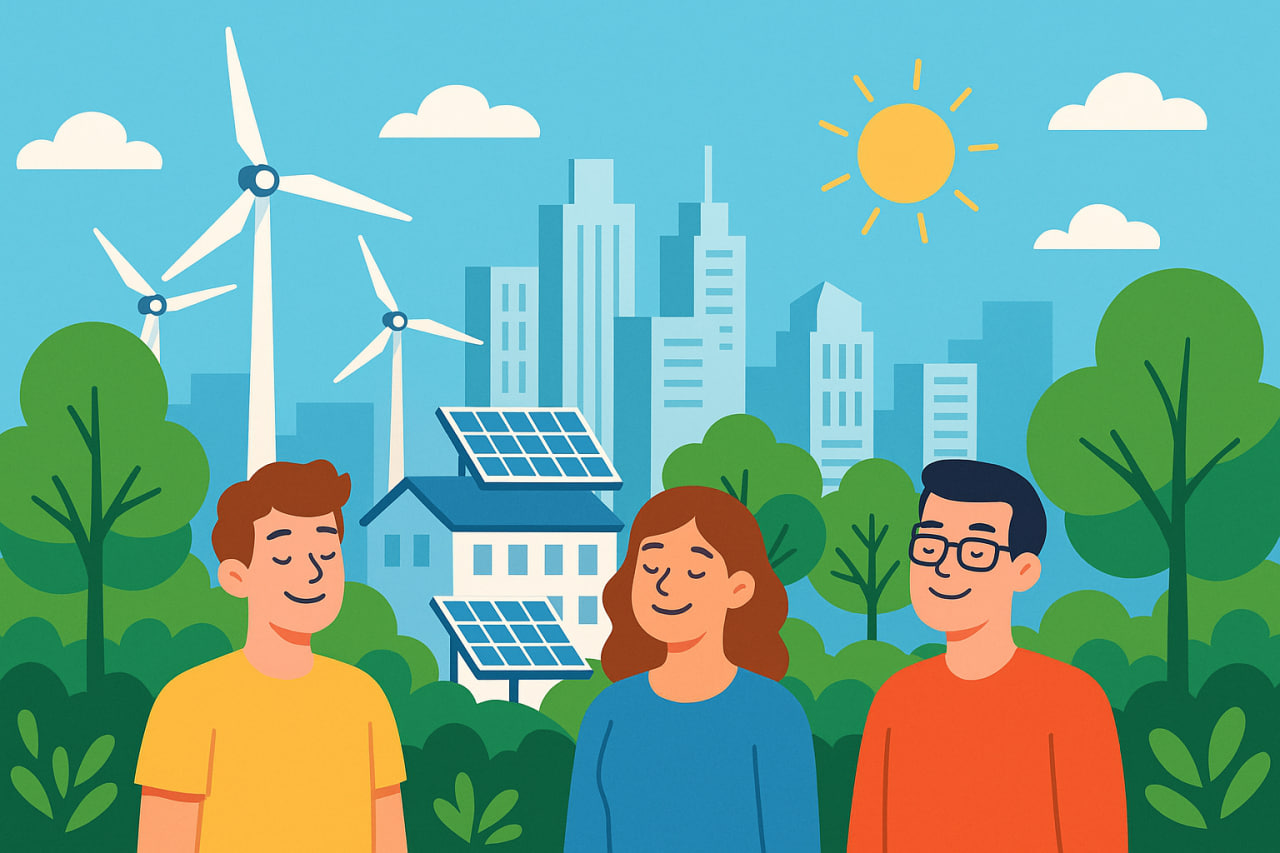
Air is the most vital resource on Earth — we can live weeks without food or days without water, but only minutes without air. Yet, despite its importance, clean air is becoming increasingly rare.
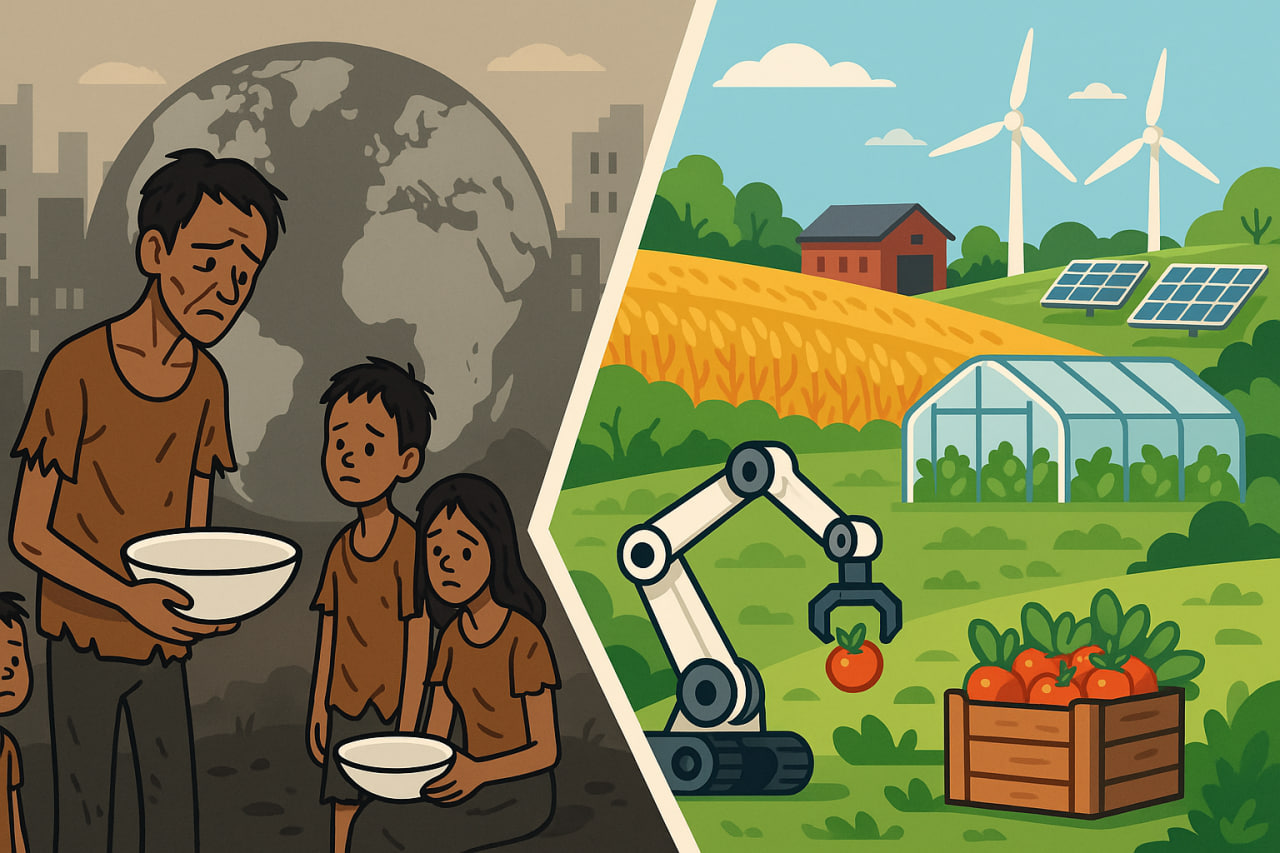
Food — the foundation of human survival — is becoming increasingly scarce for millions across the planet.
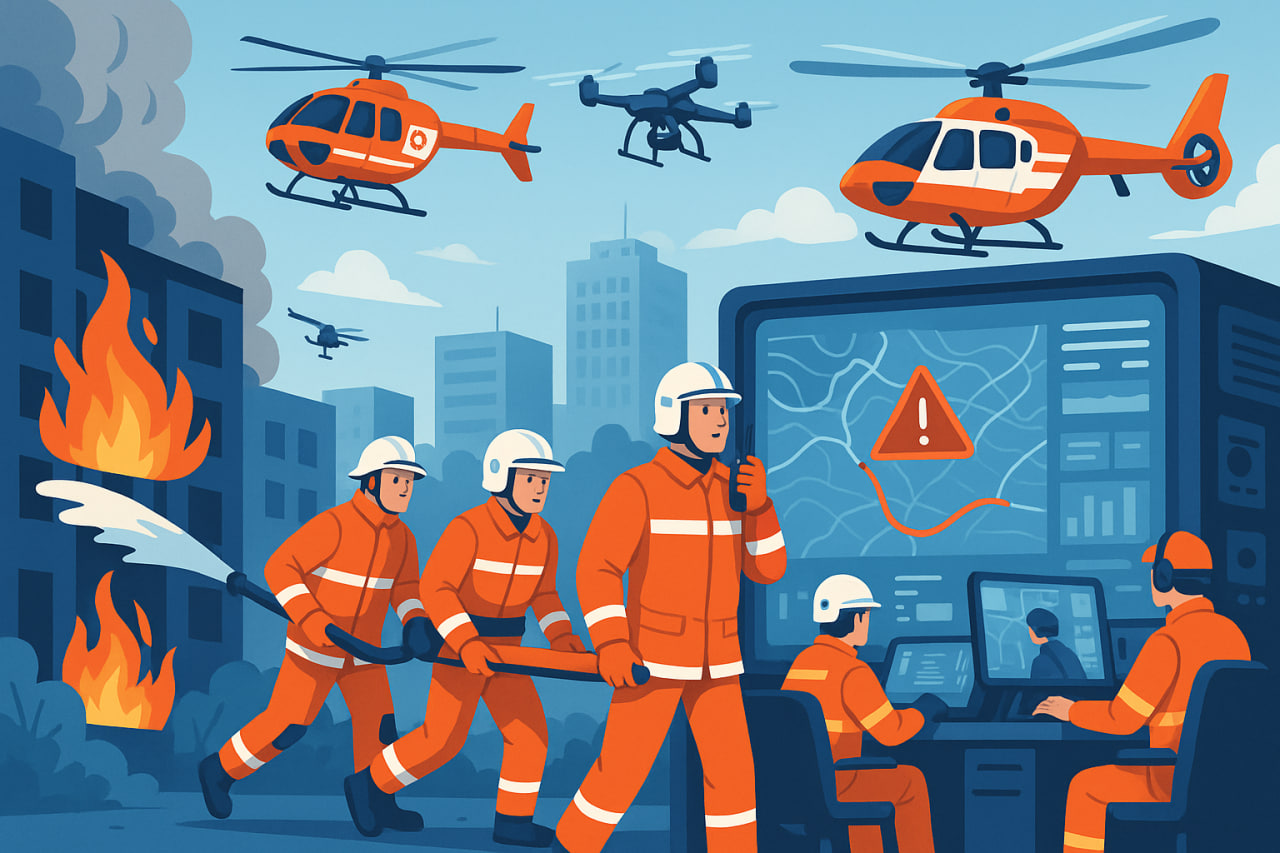
In today’s rapidly changing world, disasters — both natural and man-made — pose growing challenges to global safety.