
Doomsday Glacier: Why the Thwaites Glacier Threatens Global Sea Levels
The Thwaites Glacier in West Antarctica — often called the “Doomsday Glacier” — is one of the most critical and unstable ice formations on Earth.
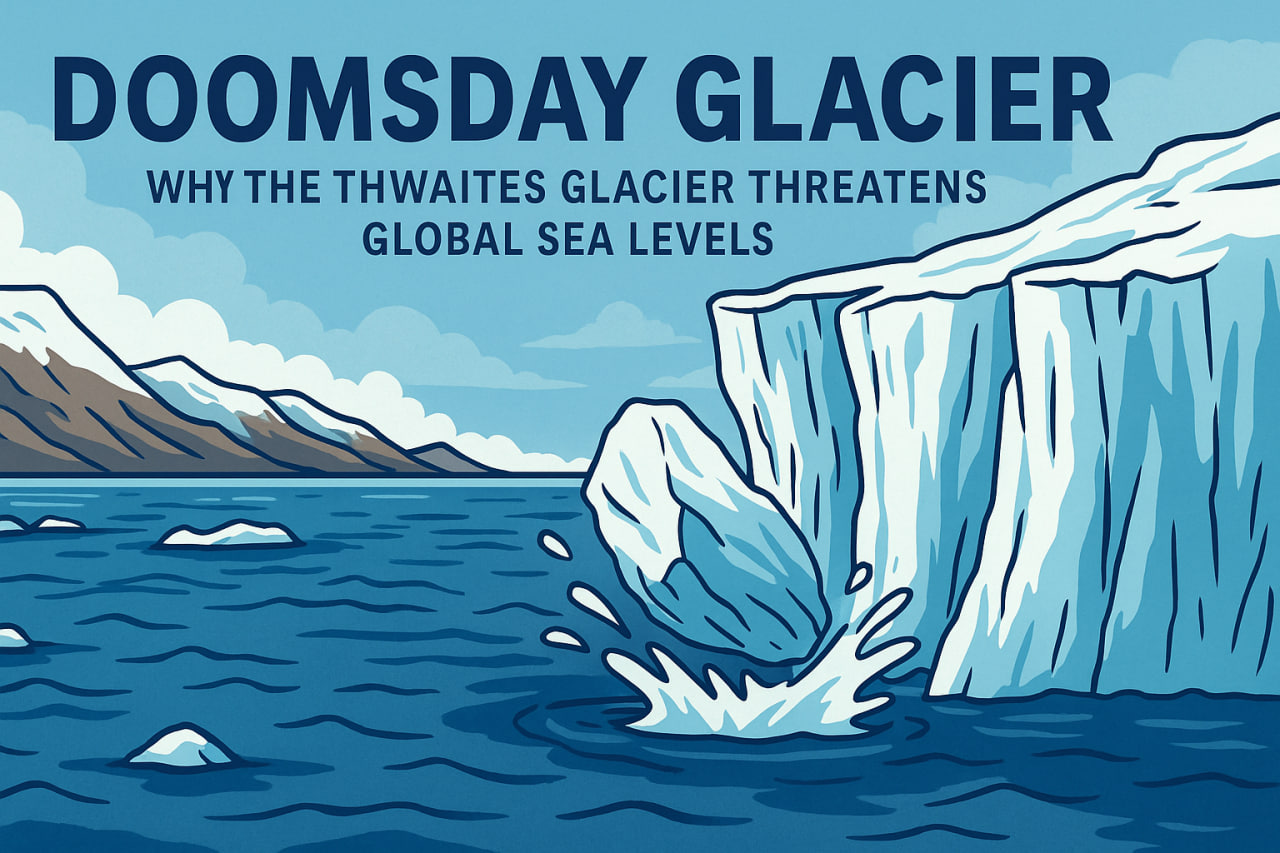
The Thwaites Glacier in West Antarctica — often called the “Doomsday Glacier” — is one of the most critical and unstable ice formations on Earth.
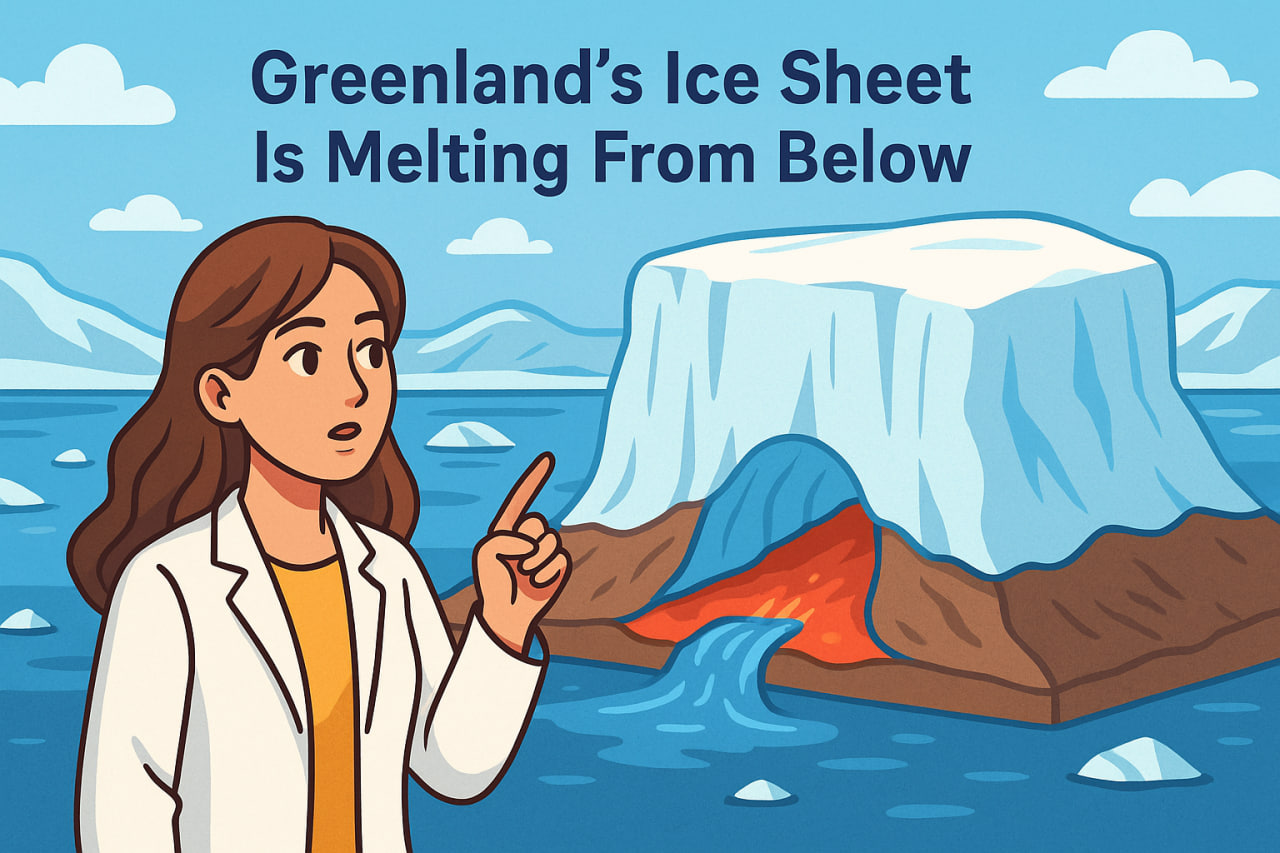
The Greenland Ice Sheet, one of the largest bodies of frozen freshwater on Earth, has long been understood to be melting from the top due to rising air temperatures.
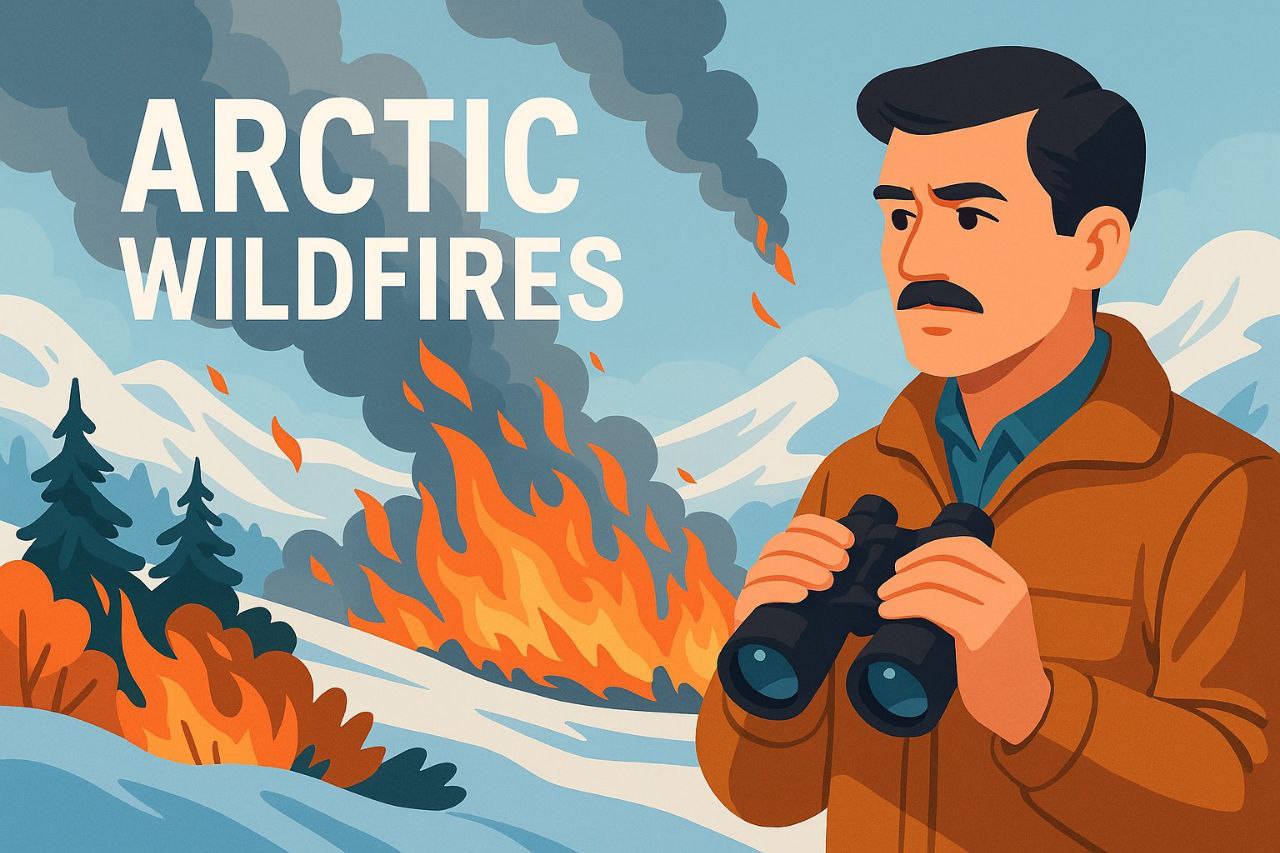
Arctic wildfires have become one of the most alarming indicators of rapid climate change in high-latitude regions.
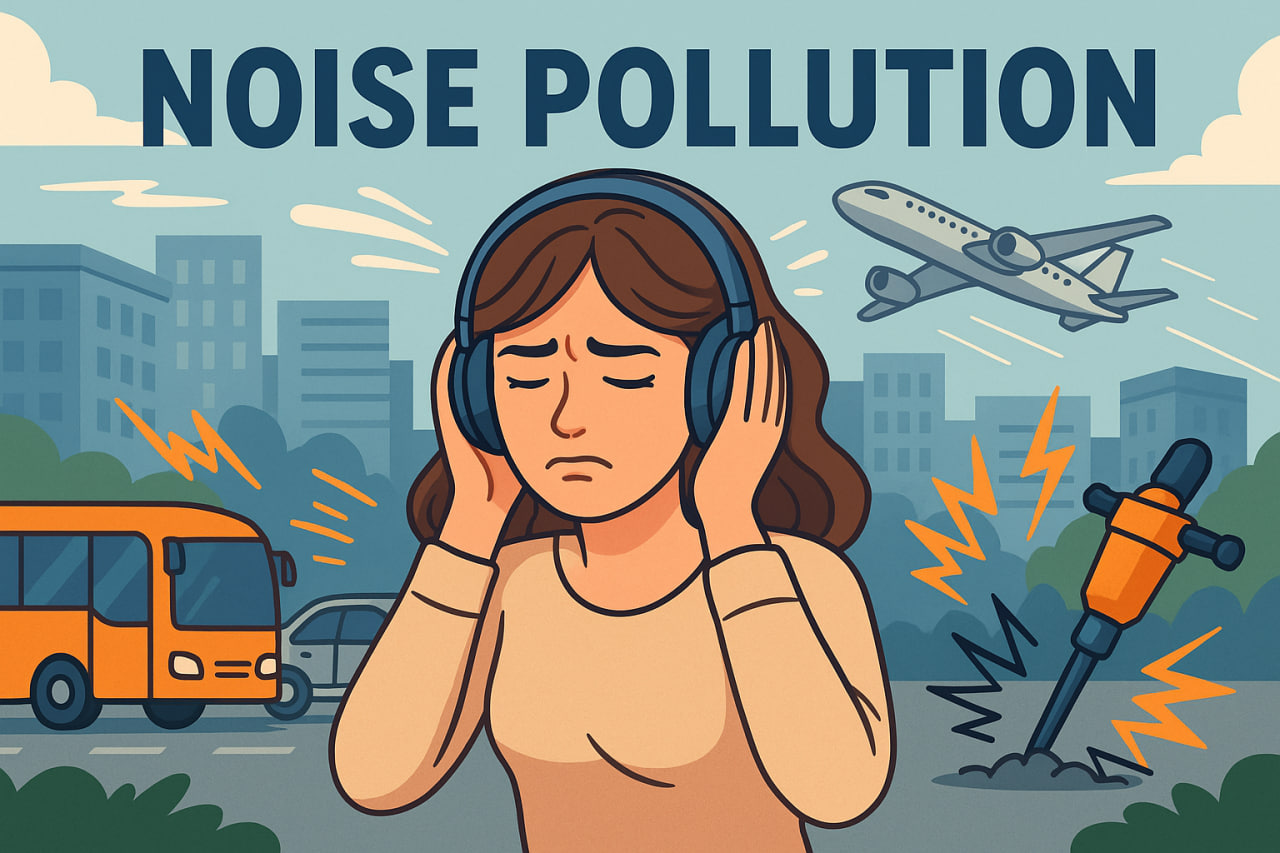
Noise pollution refers to unwanted or harmful levels of sound that disrupt natural environments, human health, and daily activities.
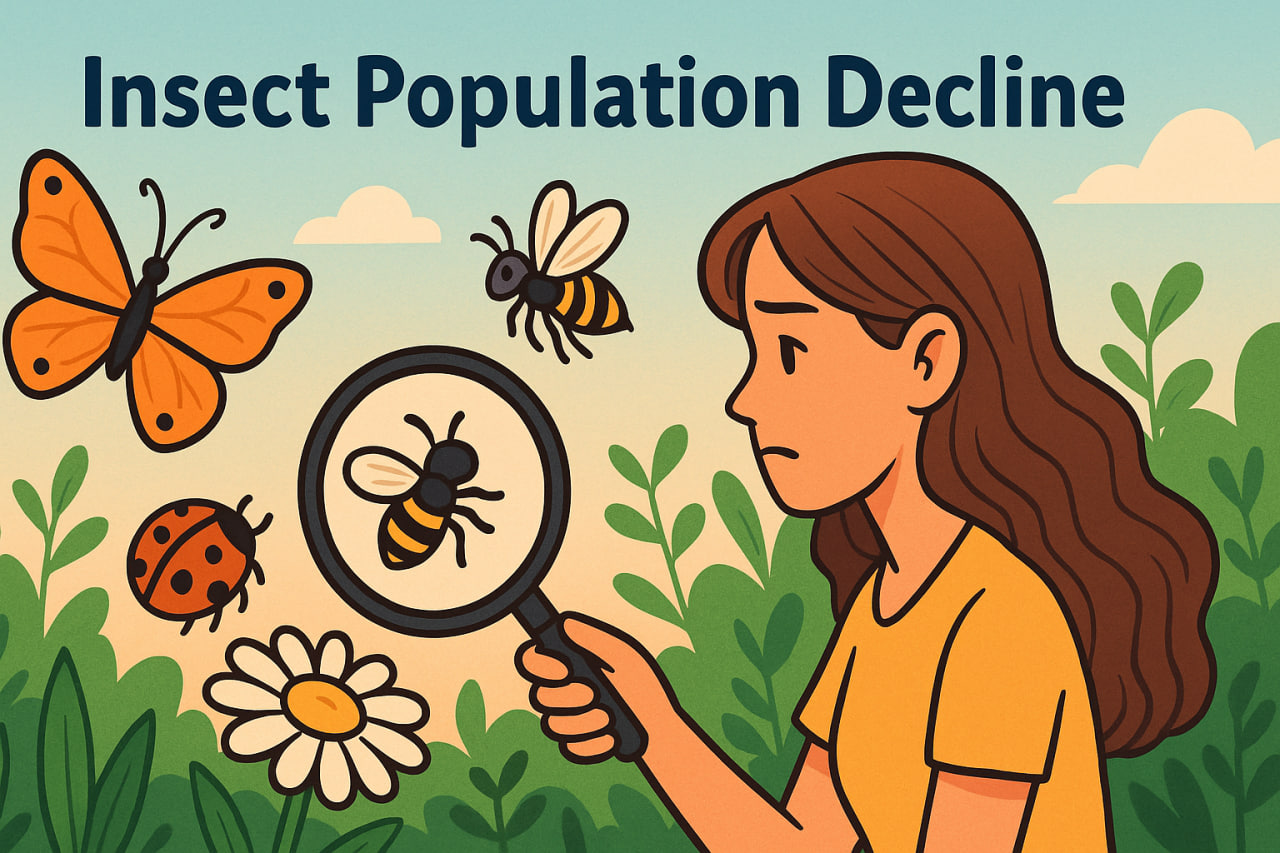
Insect populations around the world have experienced a dramatic decline over the past century, raising concerns among scientists, ecologists, and policymakers.

The world’s oceans cover more than 70% of Earth’s surface and are vital for climate regulation, weather systems, biodiversity, and human life.
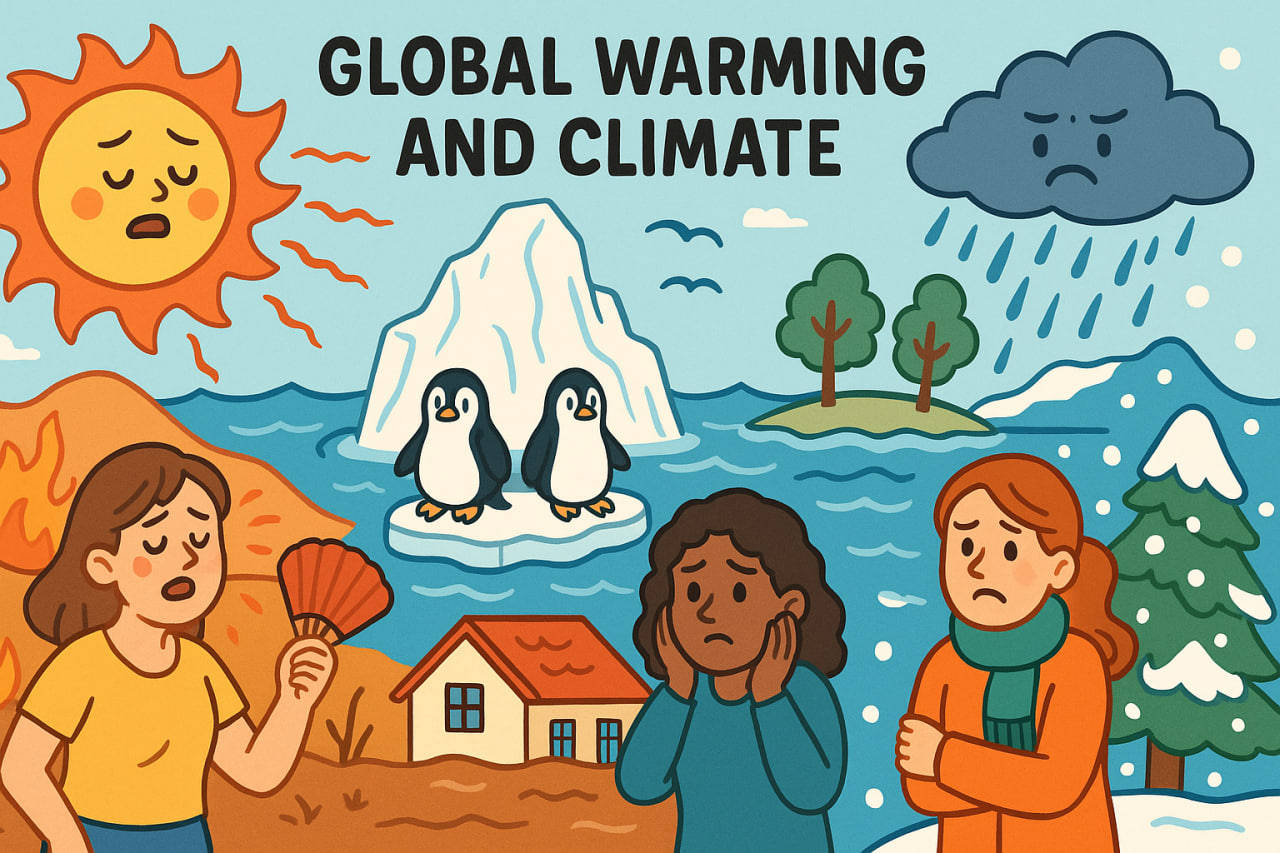
Global warming refers to the long-term increase in Earth’s average surface temperature, primarily driven by the accumulation of greenhouse gases such as carbon dioxide, methane, and nitrous...
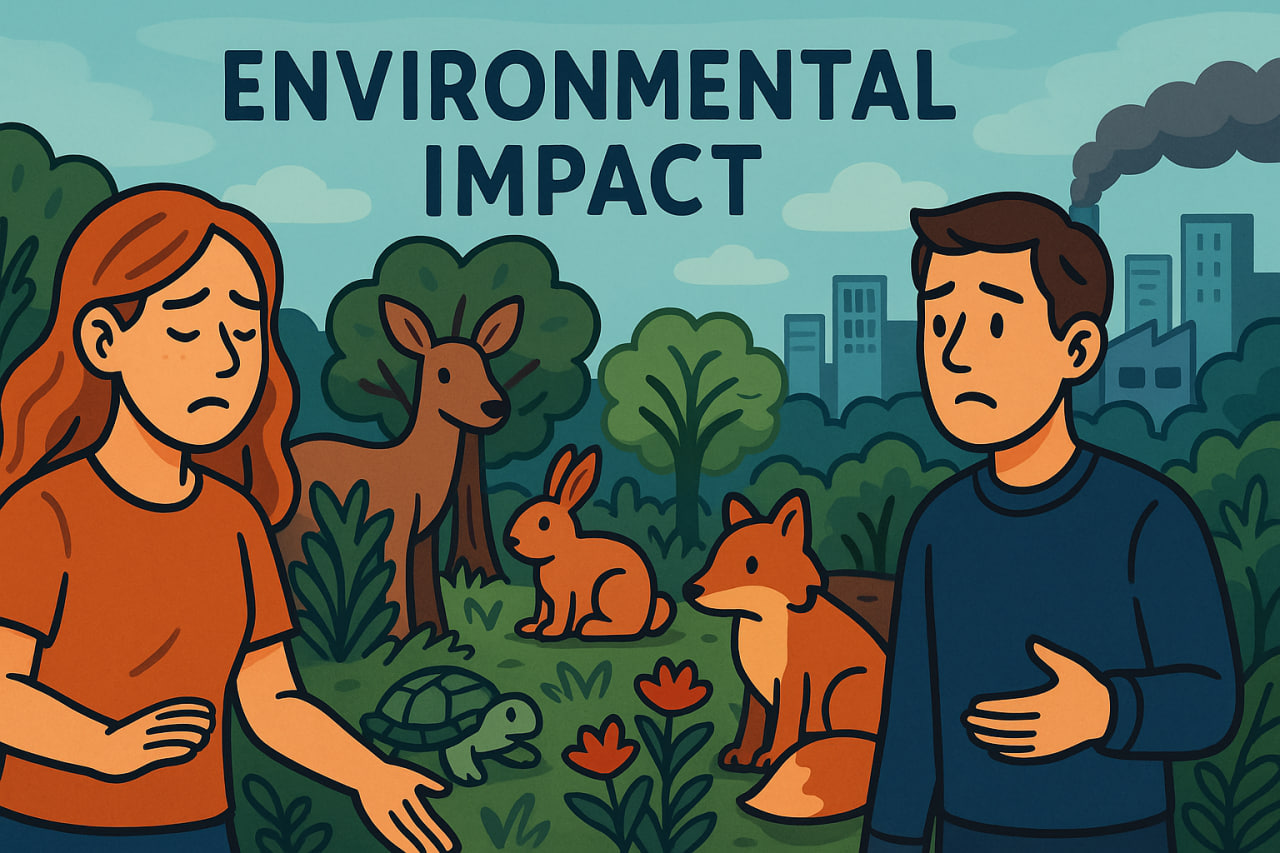
Over the past thousand years, both humans and animals have shaped the natural environment in significant ways, although the scale of influence differs greatly between them.
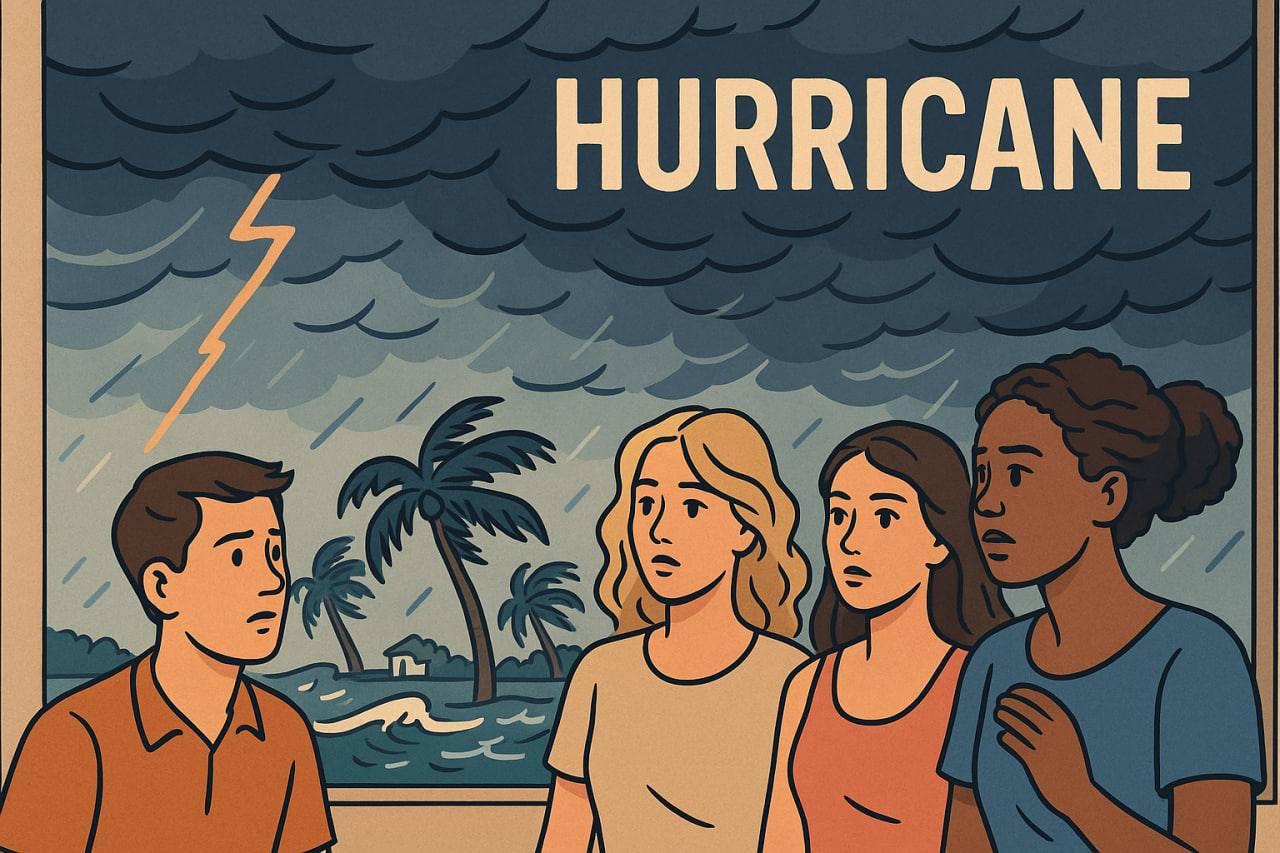
A hurricane is a large and powerful tropical cyclone characterized by strong winds, heavy rainfall, and a rotating storm system formed over warm ocean waters.
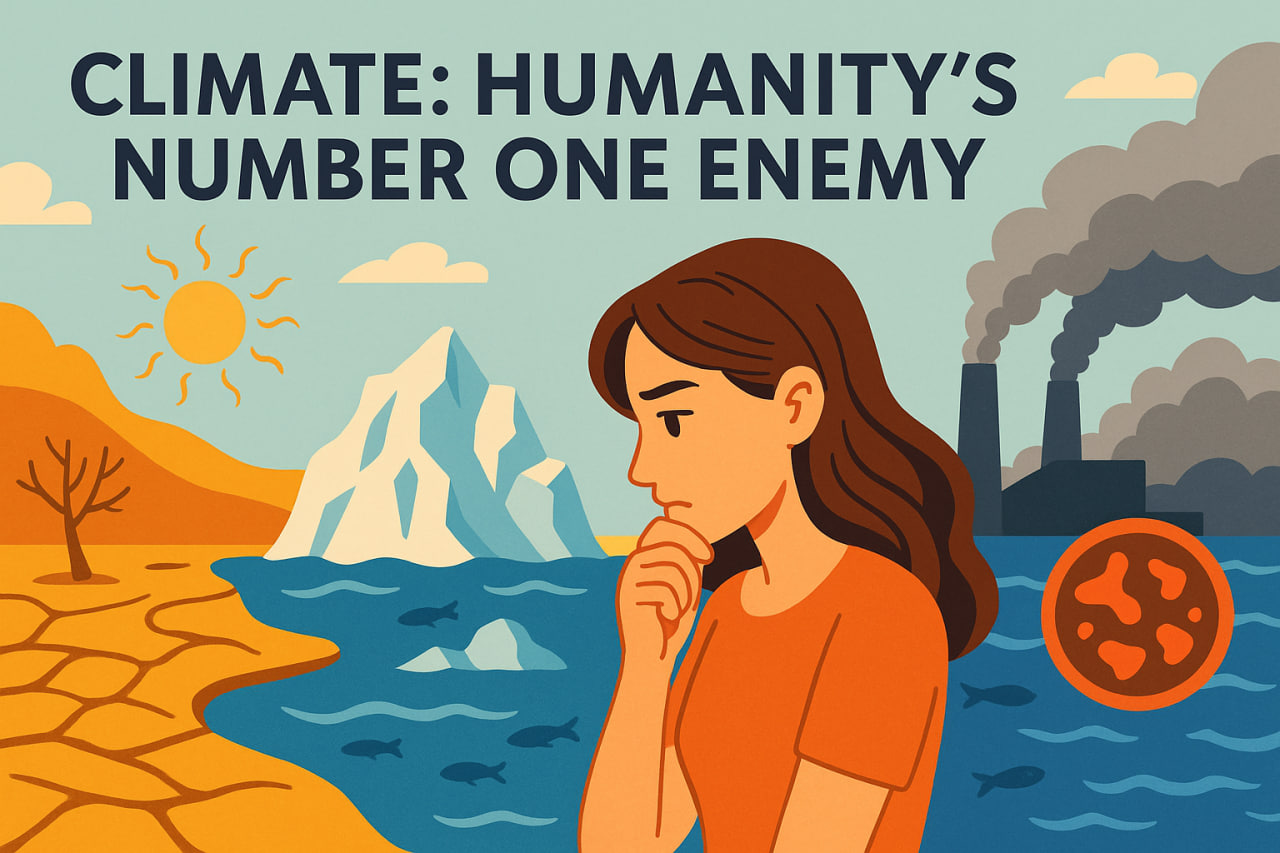
Climate operates as one of the most powerful forces shaping life on Earth, influencing ecosystems, weather patterns, and the stability of environments humans depend on.