
Drought
Drought is a prolonged period of unusually low rainfall that leads to water shortages across landscapes, affecting agriculture, ecosystems, and human populations.
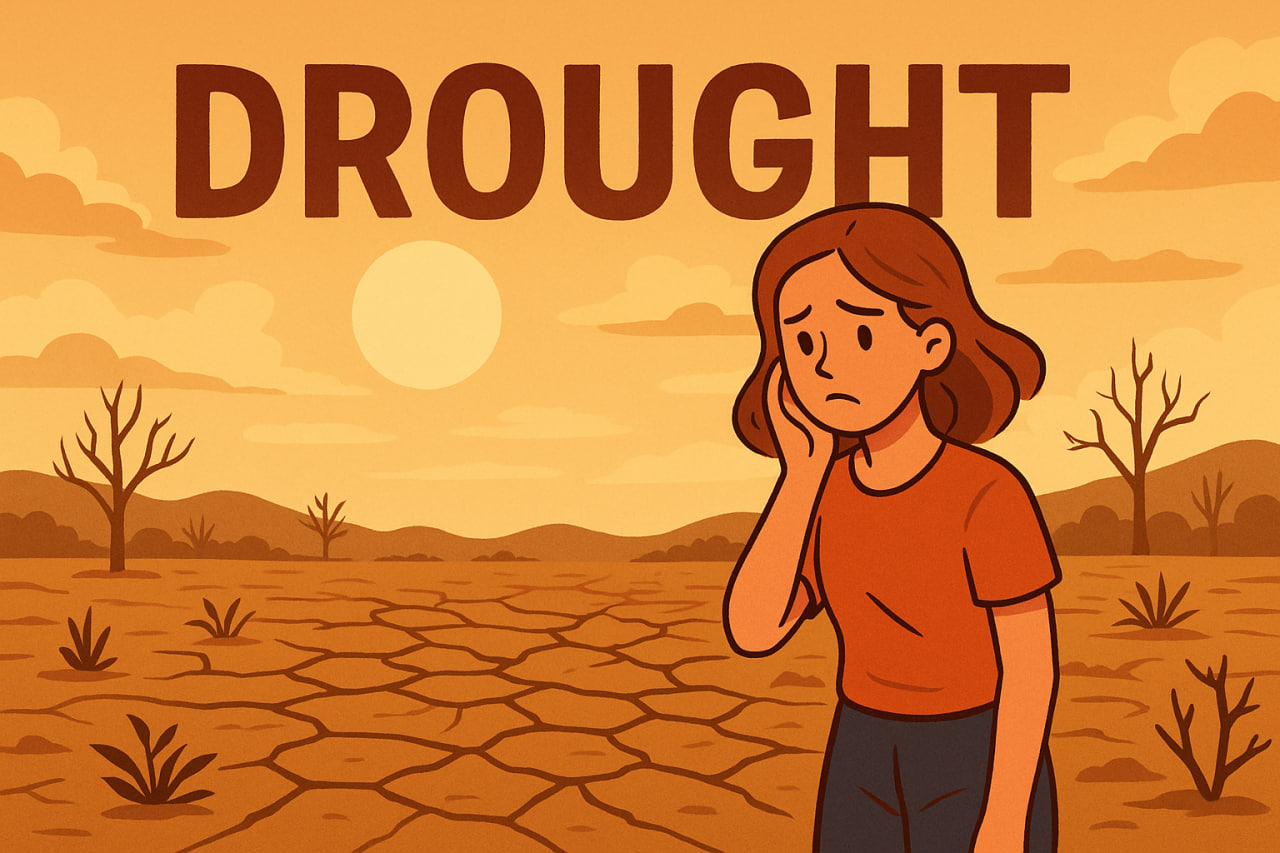
Drought is a prolonged period of unusually low rainfall that leads to water shortages across landscapes, affecting agriculture, ecosystems, and human populations.
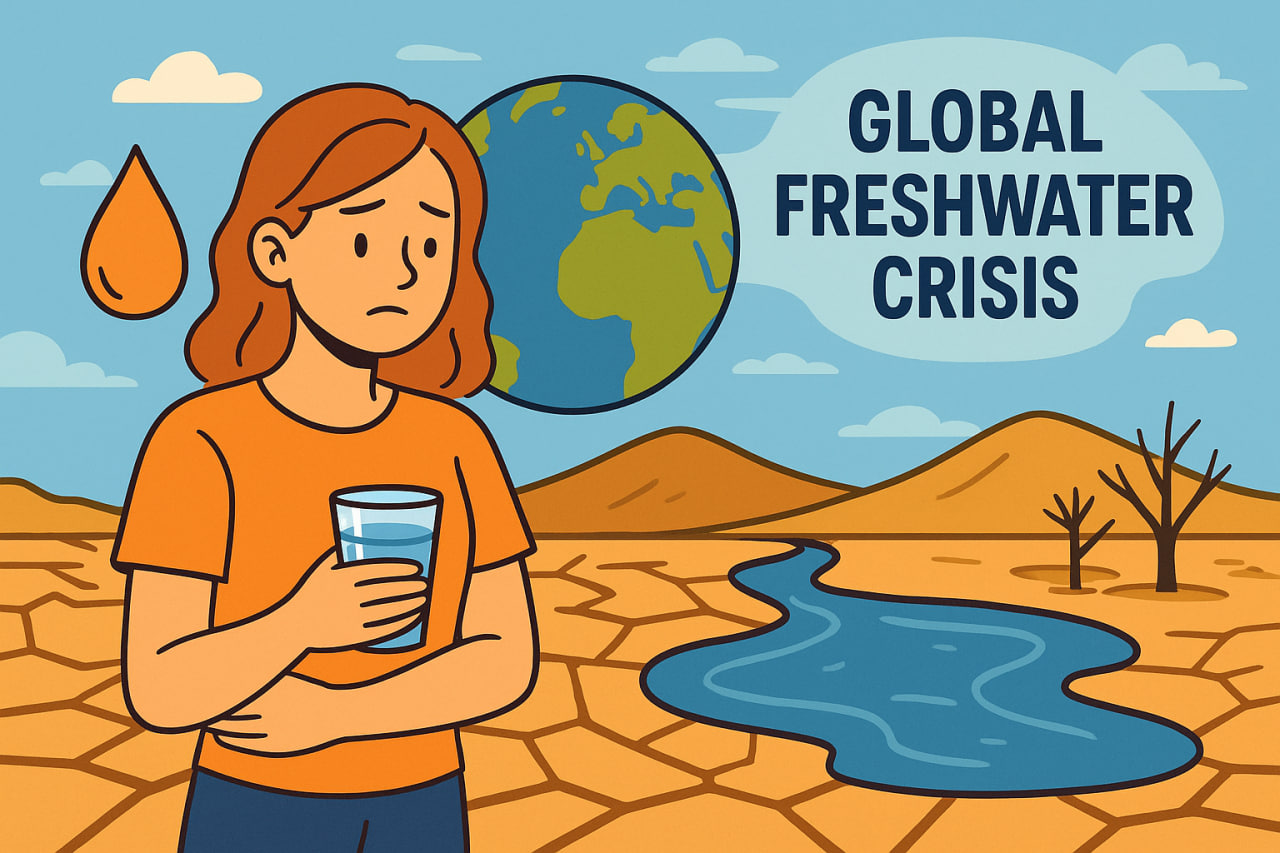
Freshwater is one of the most essential resources for life, yet it represents only a small fraction of the planet’s total water supply.
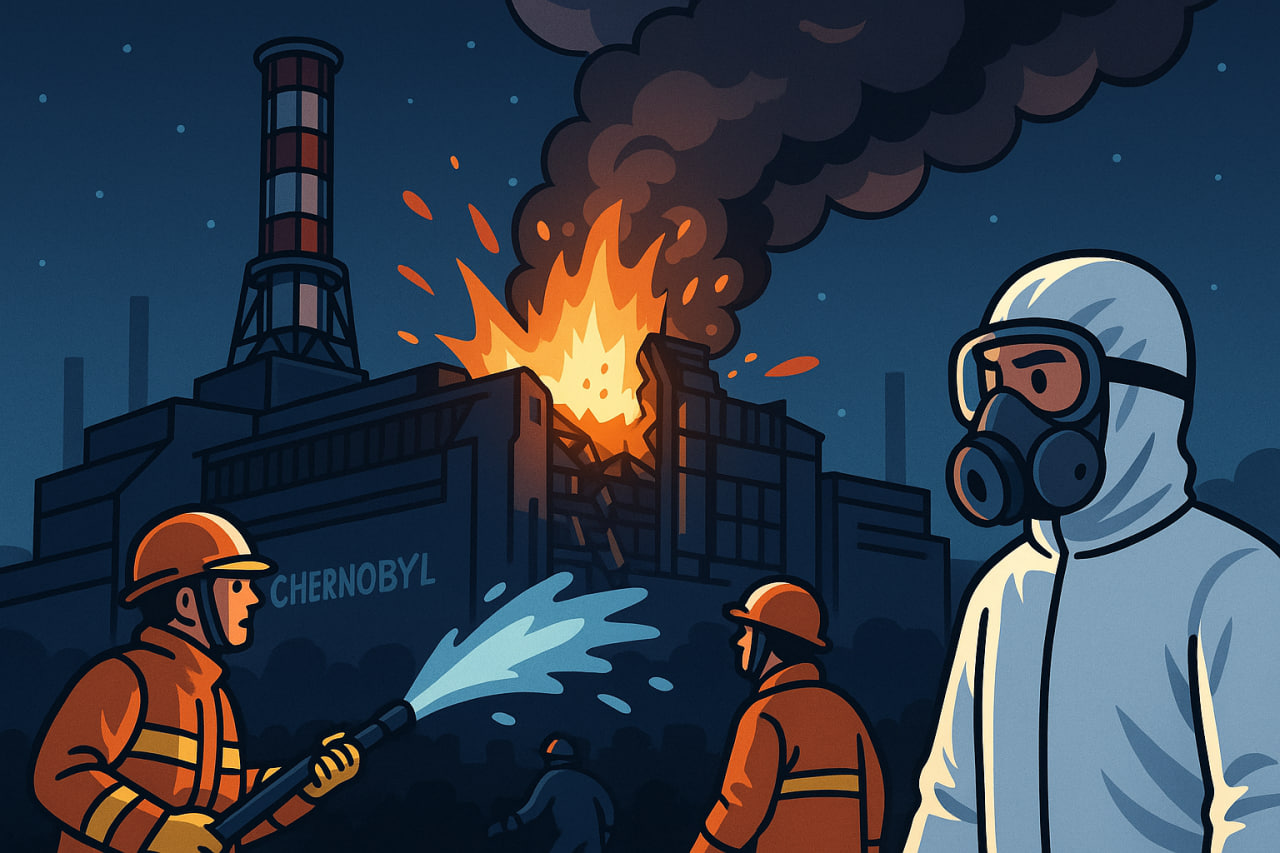
On April 26, 1986, at 1:23 a.m., the world witnessed one of the most catastrophic technological accidents in history—the explosion at Reactor No.
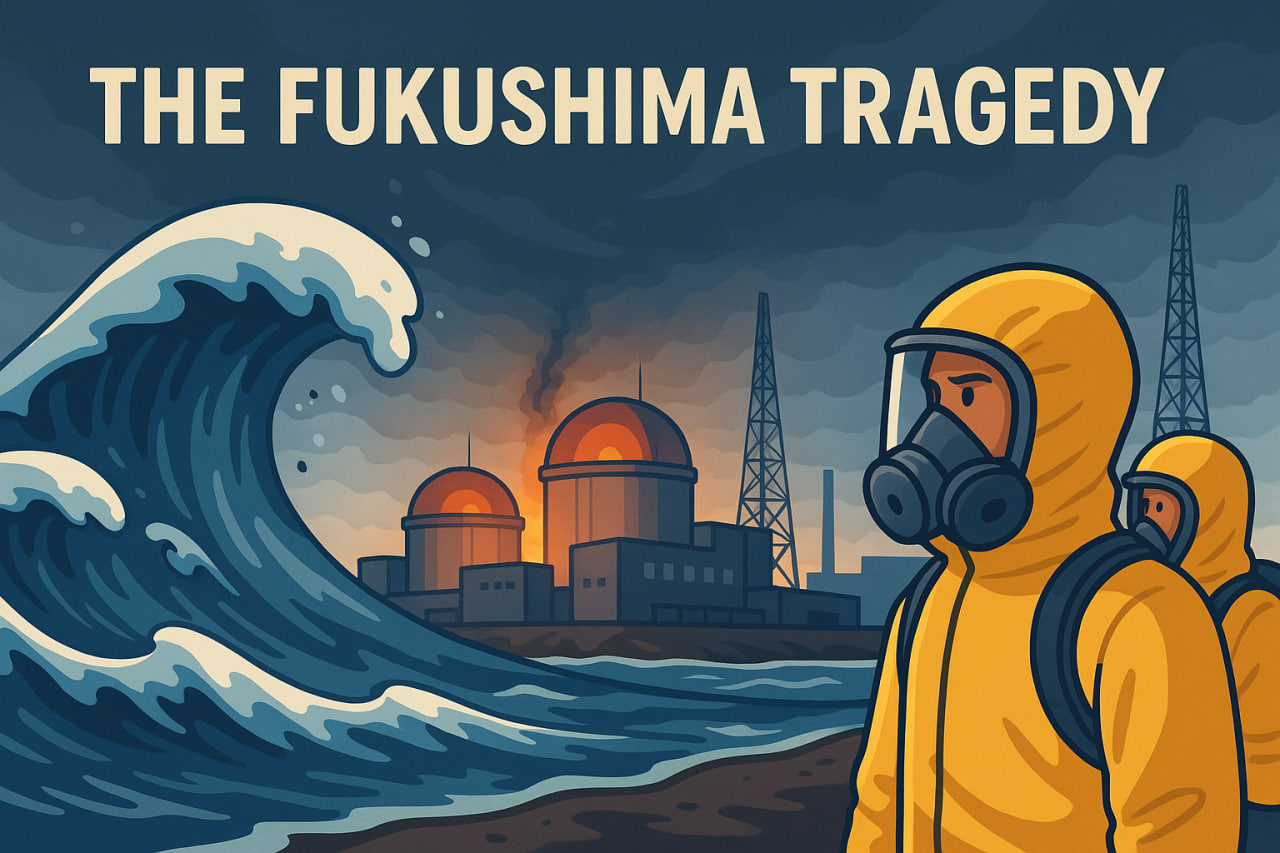
On March 11, 2011, the world witnessed one of the most devastating technological disasters since Chernobyl—the Fukushima Daiichi nuclear accident in Japan.
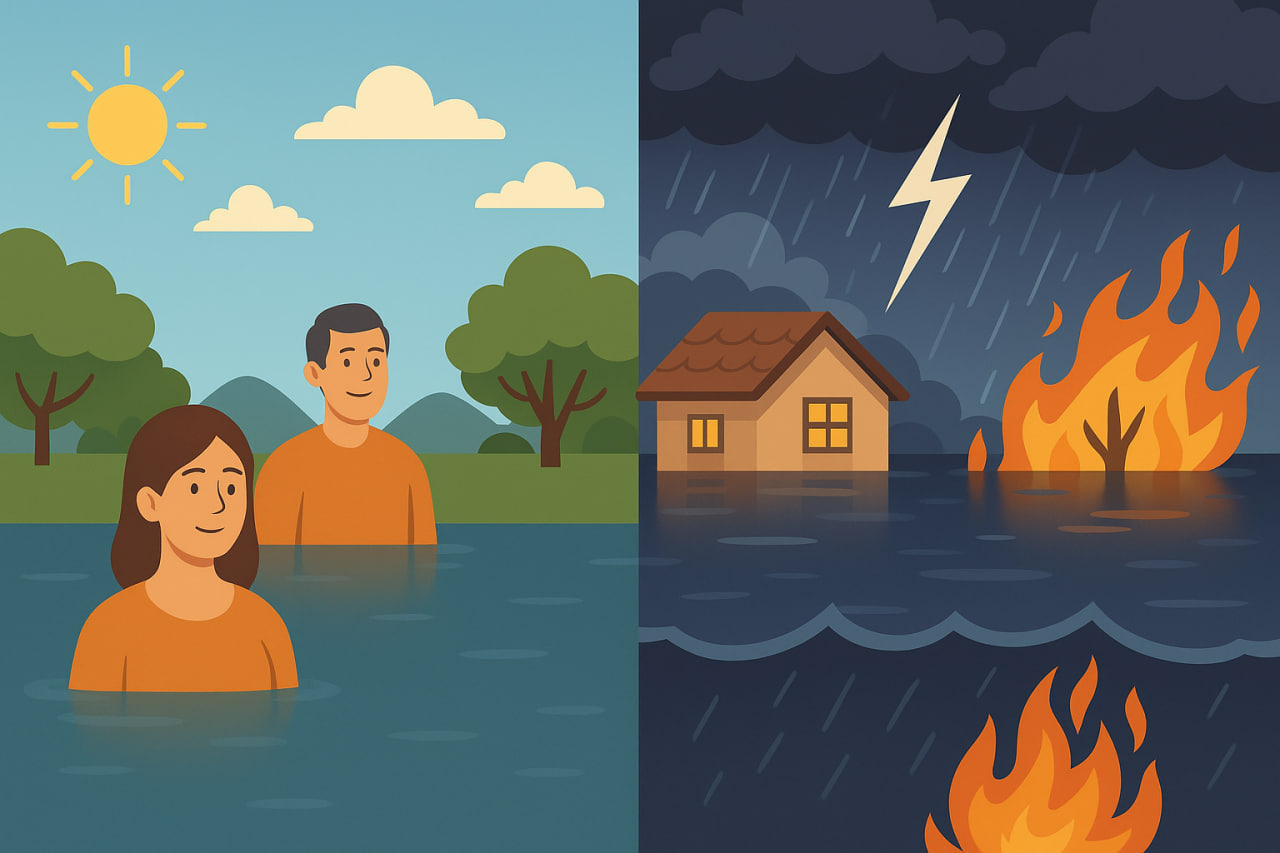
Throughout Earth’s history, our planet has endured countless natural disasters — some predictable, others striking with terrifying suddenness.
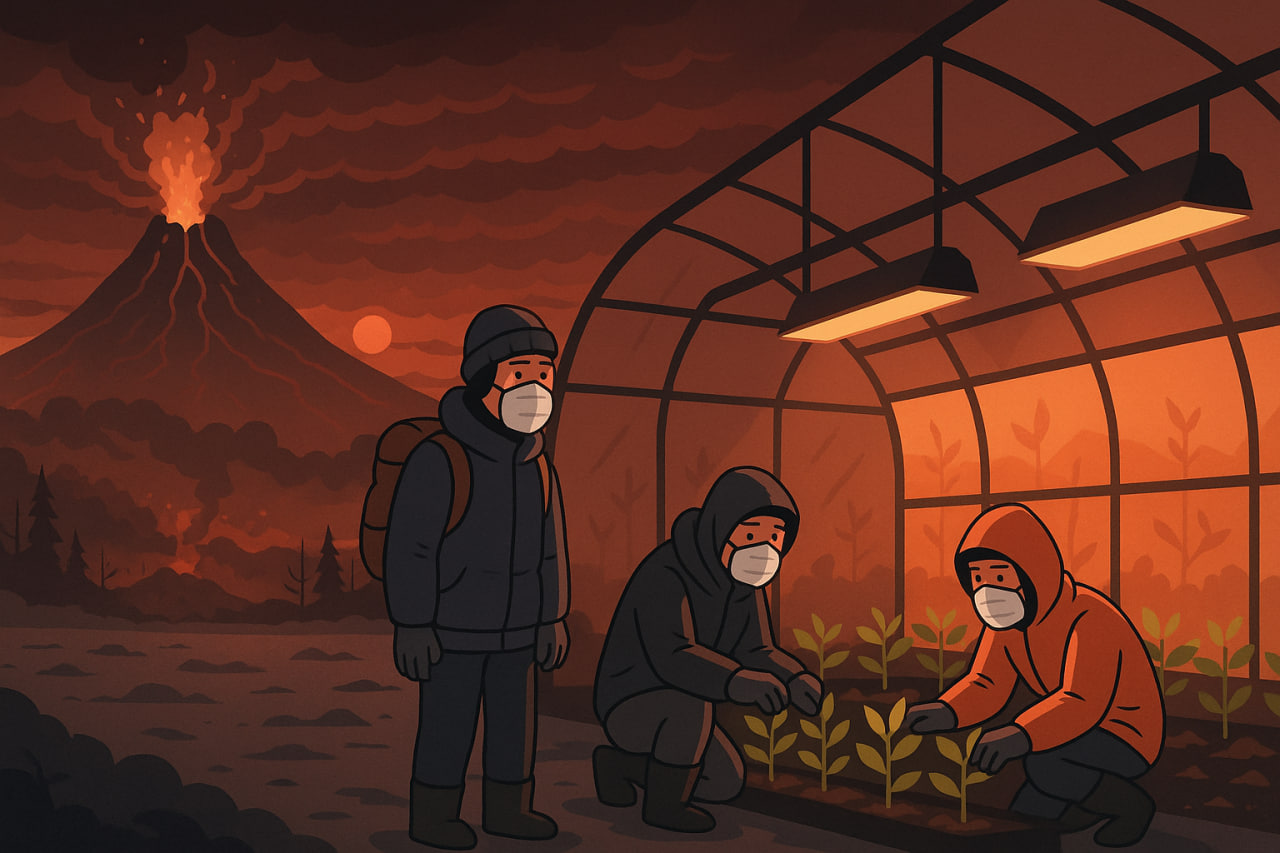
A volcanic winter is one of the most dramatic natural disasters that could affect life on Earth.
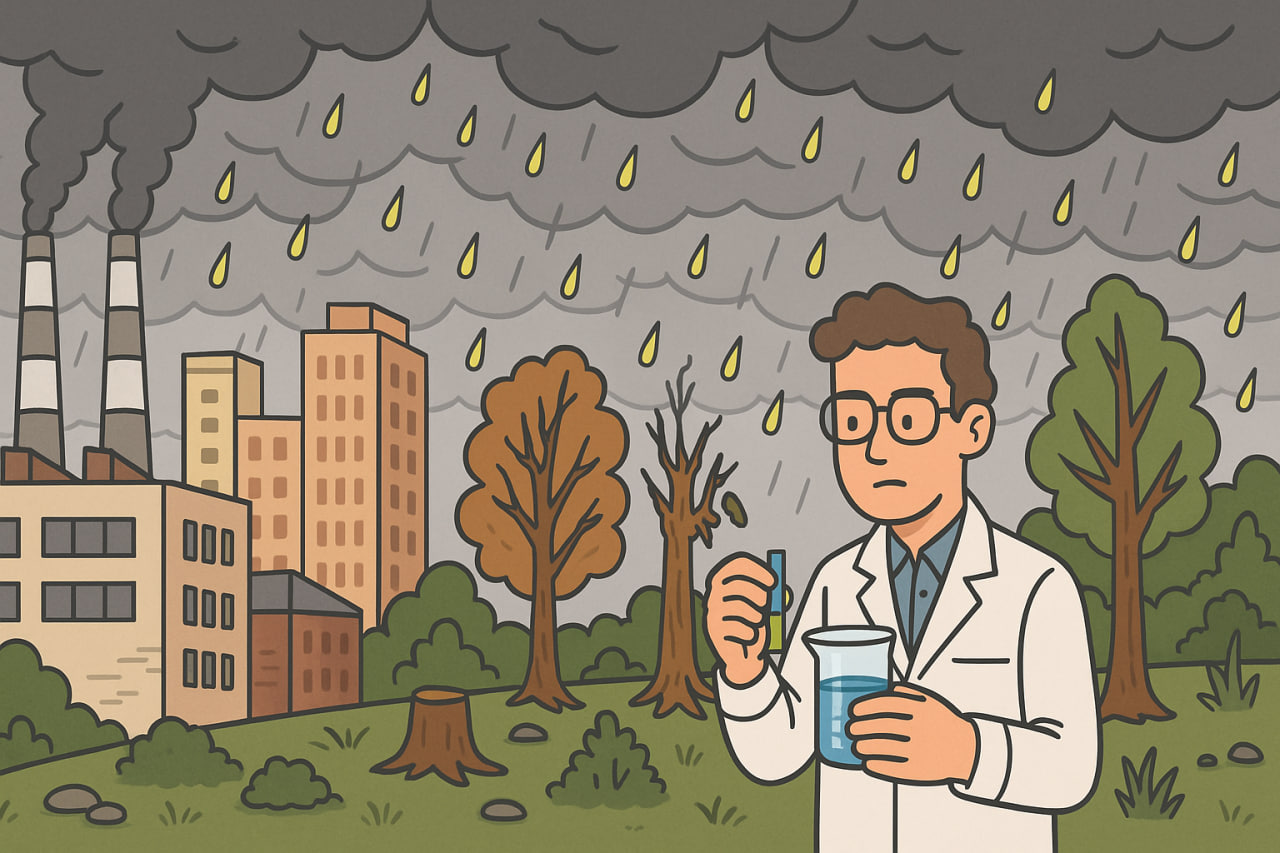
Acid rain is one of the most harmful forms of atmospheric pollution. It occurs when sulfur dioxide (SO₂) and nitrogen oxides (NOₓ) emitted into the air react with water vapor, oxygen, and...
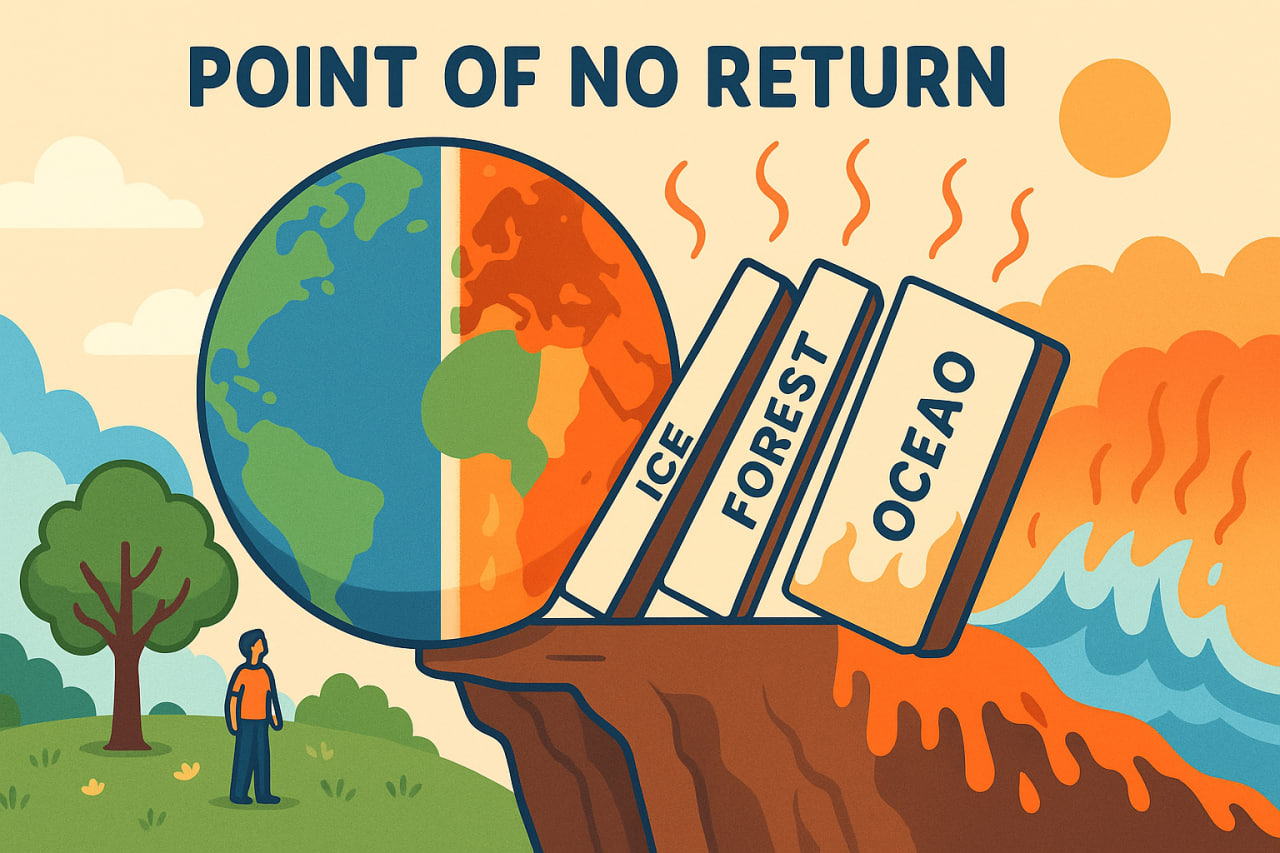
The term “point of no return” in climate science refers to a critical threshold beyond which environmental changes become self-sustaining and irreversible.
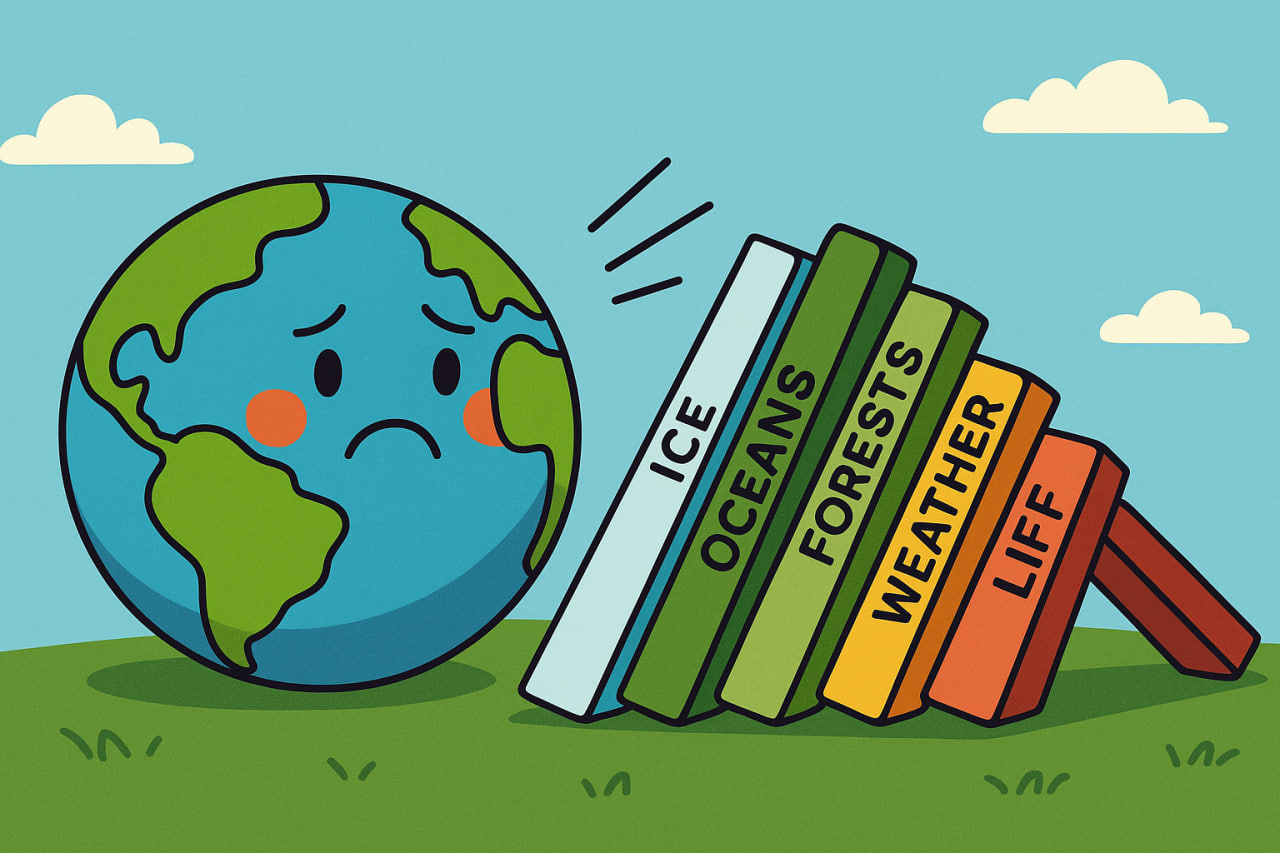
The climate system of our planet functions like a complex web — every part, from the oceans to the atmosphere, is connected.
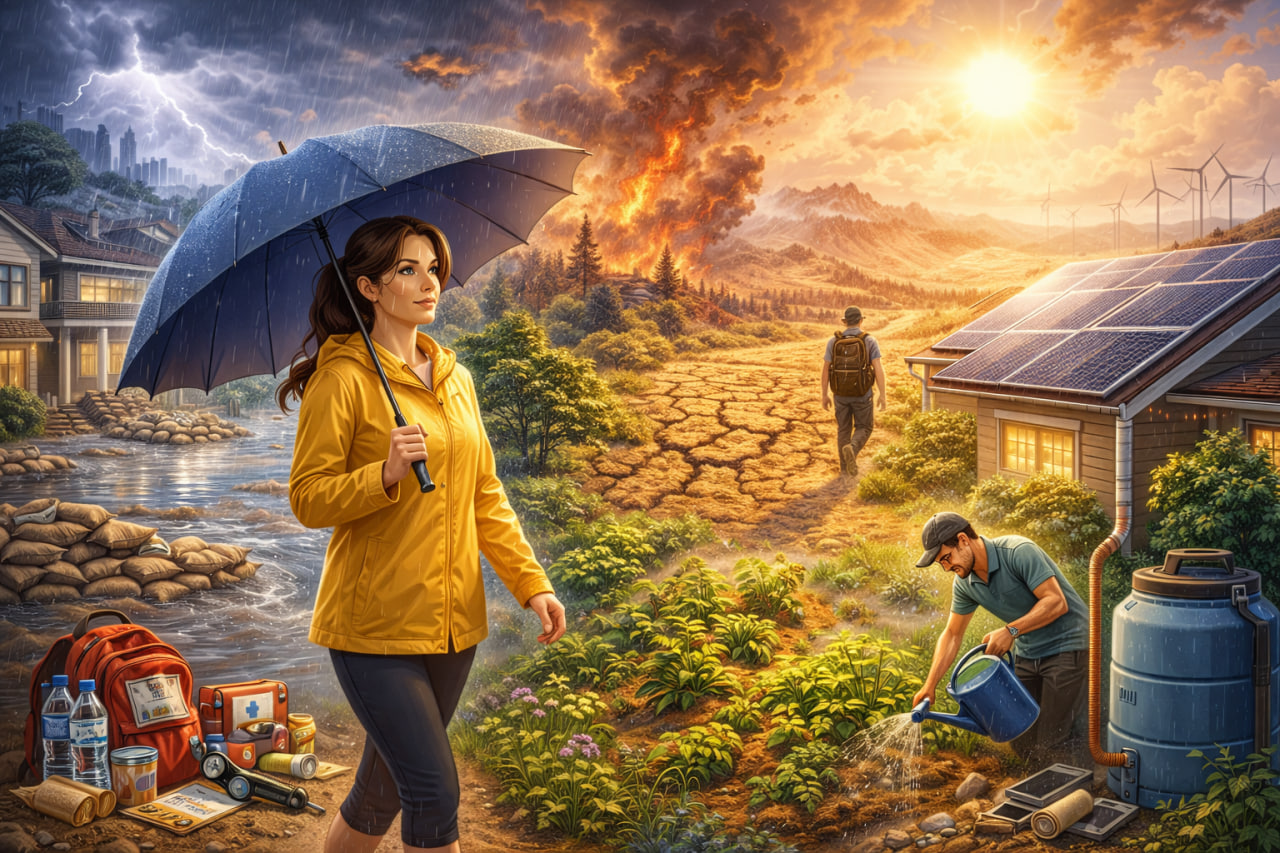
In an era defined by rising global temperatures, extreme weather events, and environmental instability, adapting to the realities of climate change is no longer a distant concern — it is a...