
Food Waste: How to Reduce Food Loss at Home and on a National Scale
Food waste is one of the most overlooked environmental and social problems of the modern world.
This section explores biodiversity preservation, sustainable resource use, and climate-related issues. Learn about environmental threats, green initiatives, legislation, and the path toward a more sustainable future.
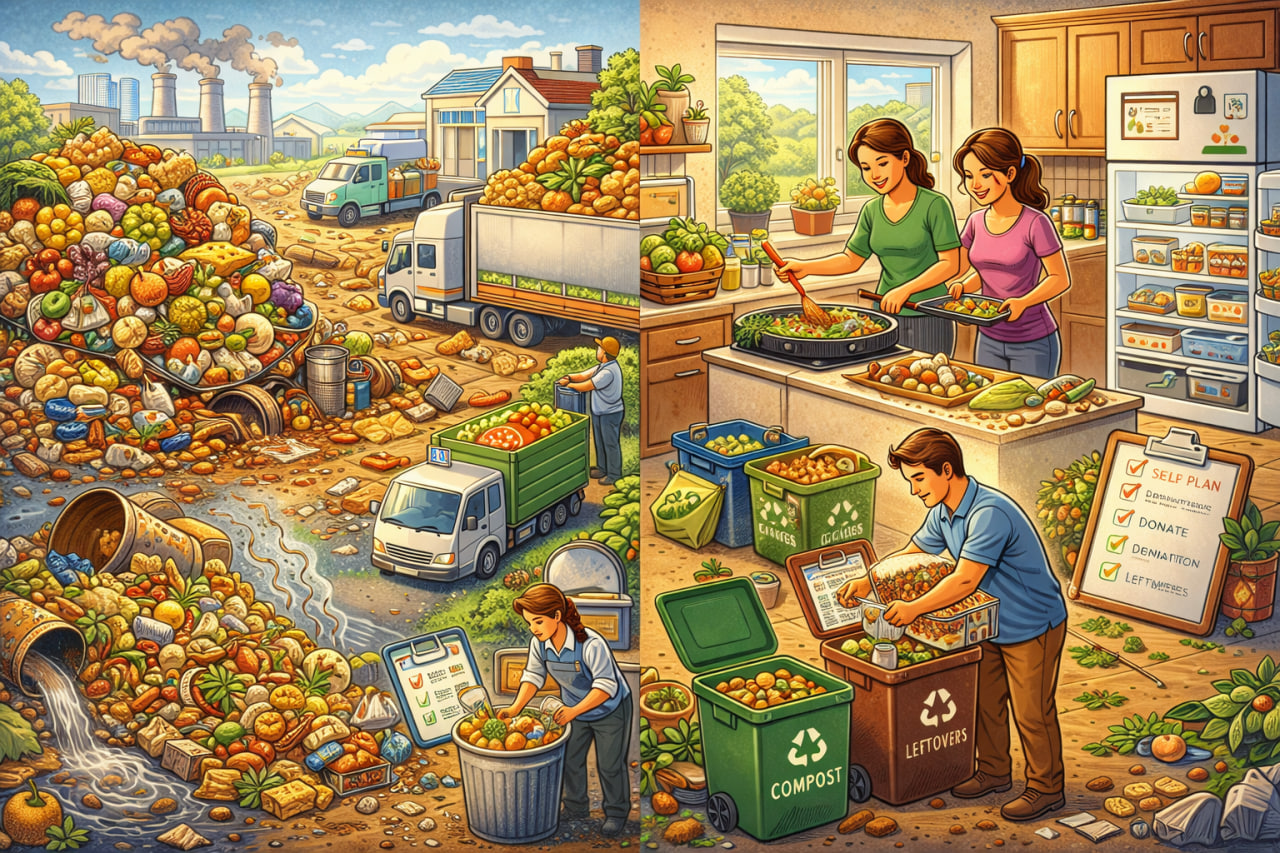
Food waste is one of the most overlooked environmental and social problems of the modern world.

Upcycling is a creative and practical approach to sustainability that gives everyday objects a second life instead of sending them to waste.
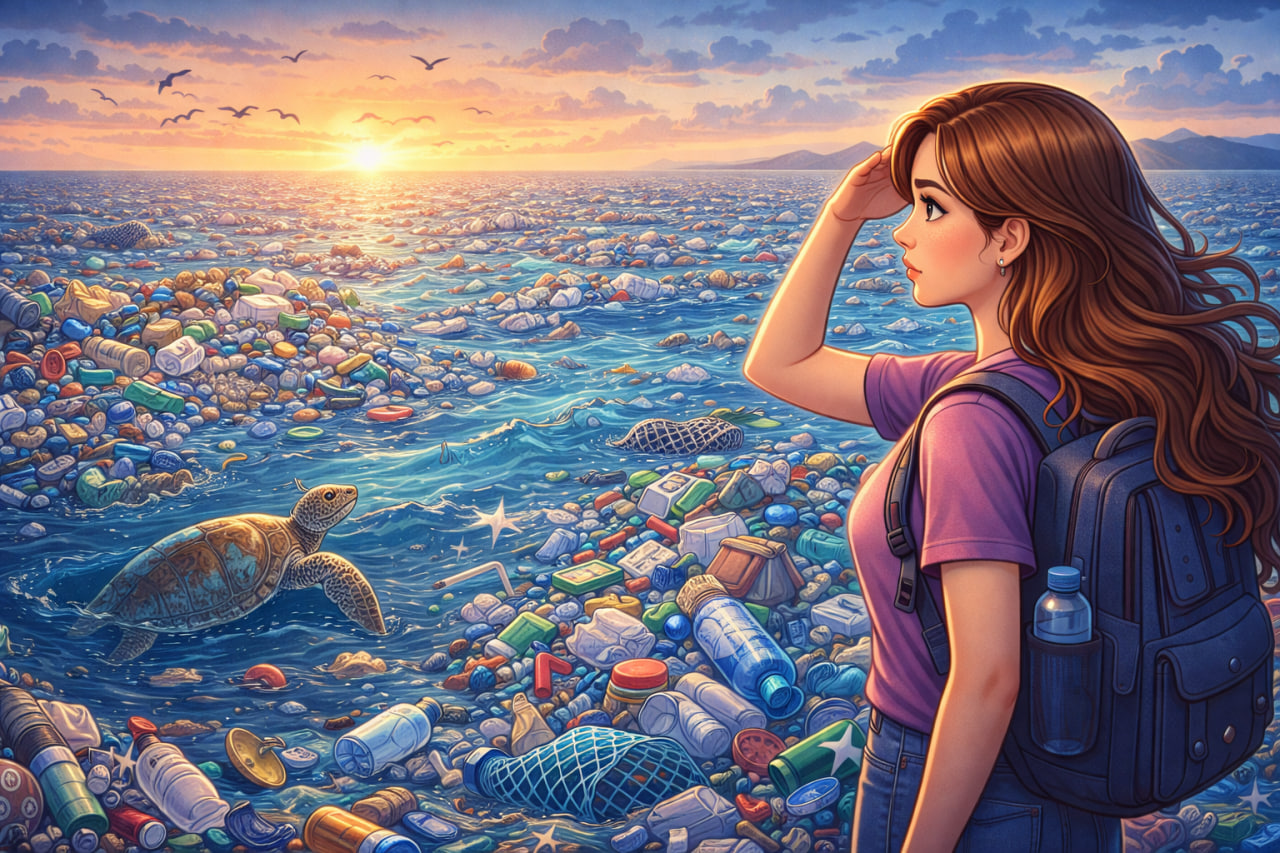
In the world’s oceans, a vast accumulation of floating waste has formed what is often called a “garbage continent.
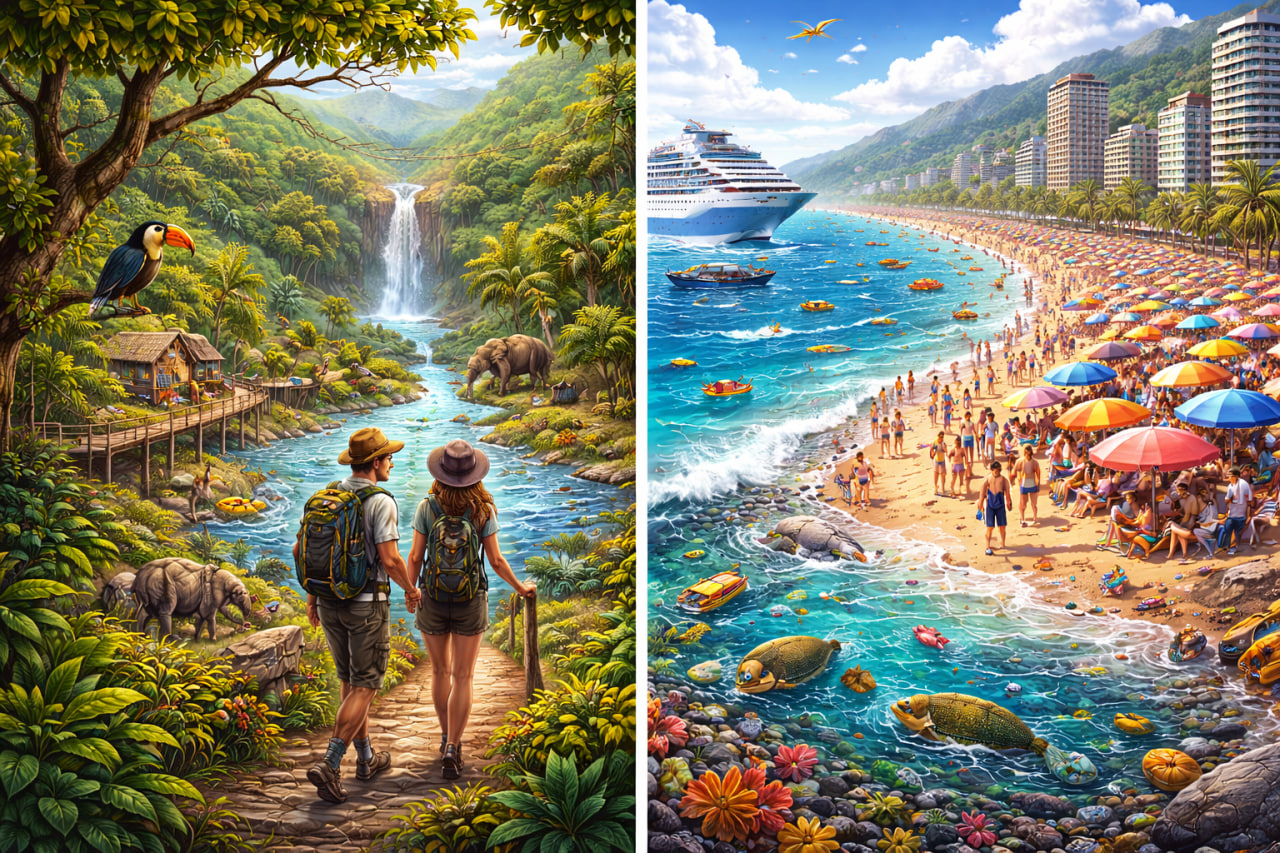
Tourism connects people with new cultures, landscapes, and experiences, but it also leaves a significant footprint on the planet.
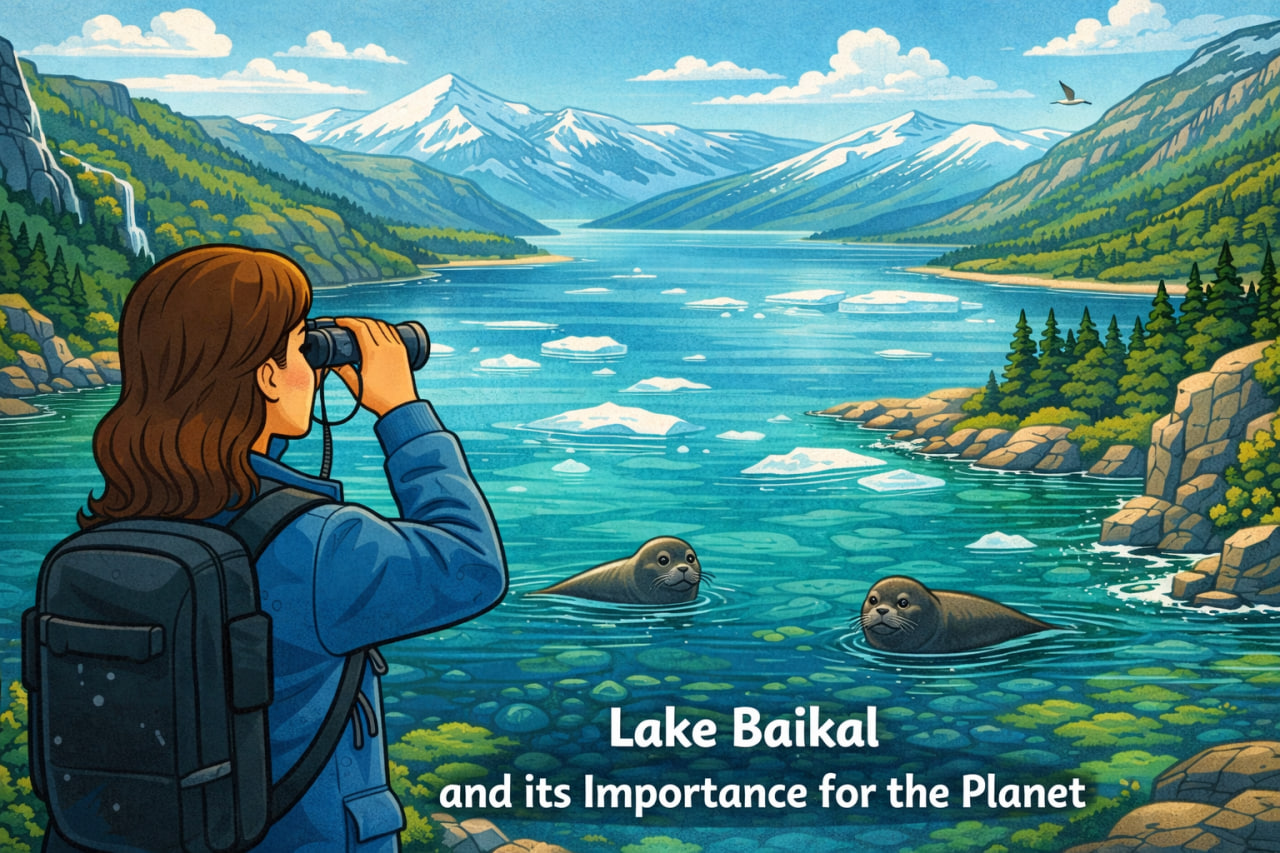
Lake Baikal is far more than a natural landmark of Siberia; it is one of the most important freshwater ecosystems on Earth.
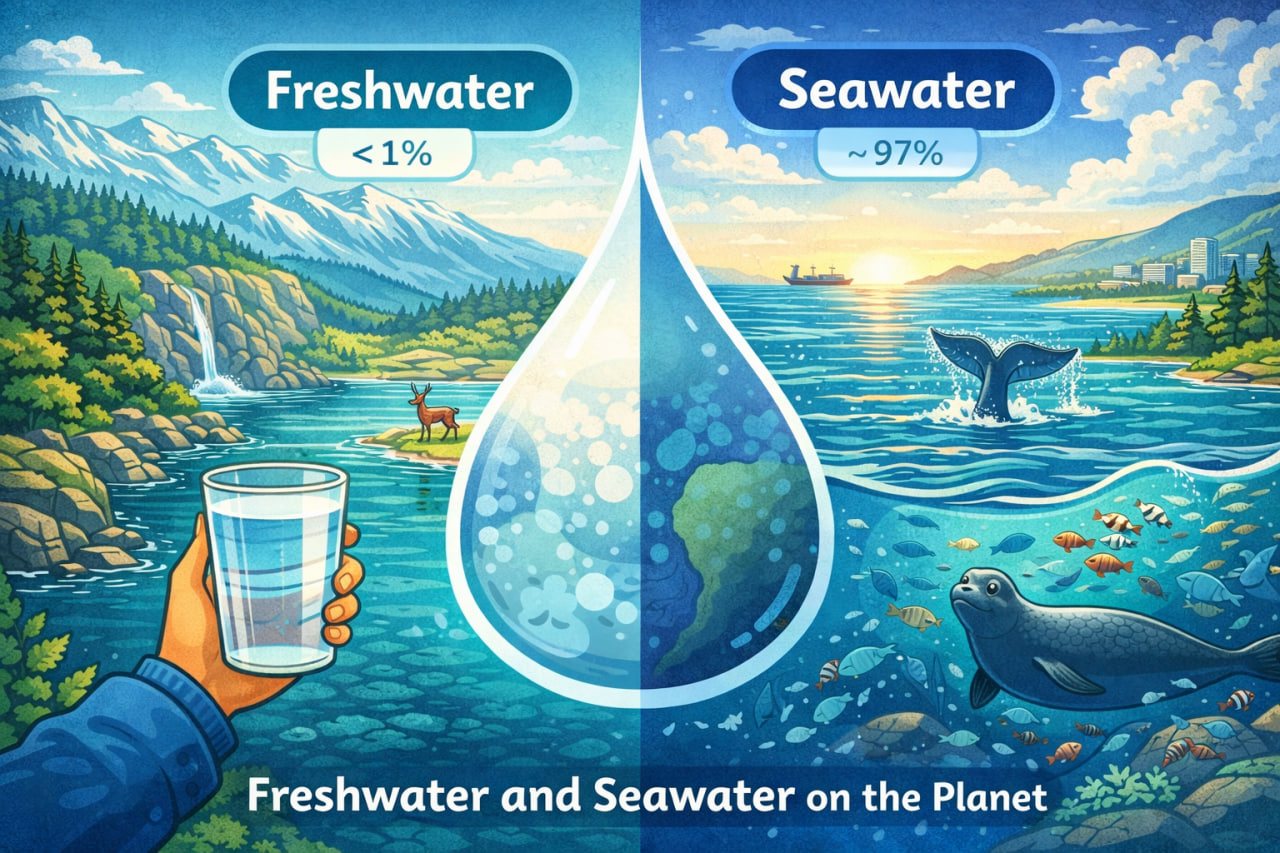
Water covers most of Earth’s surface, yet not all water is equally available or suitable for life and human use.
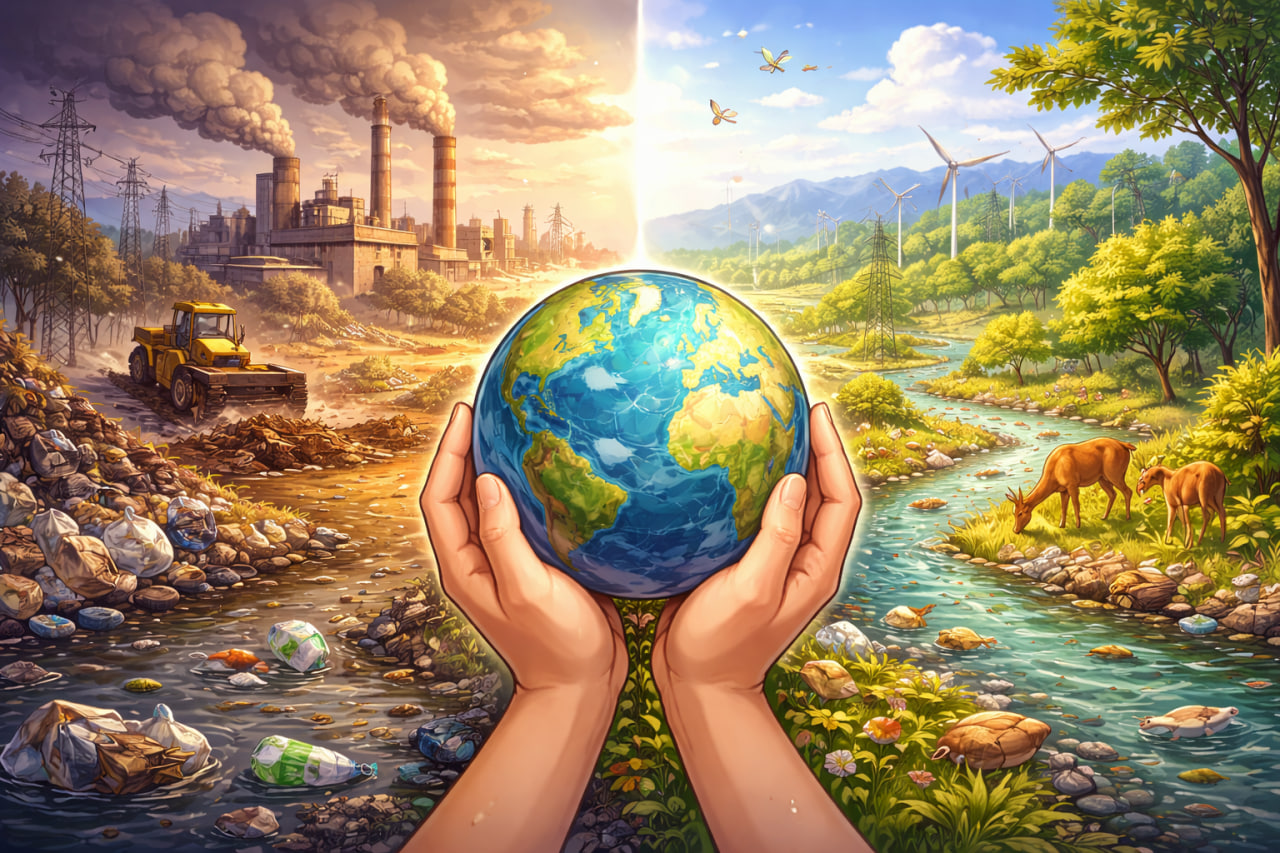
Human influence on nature is one of the defining forces shaping Earth in the modern era.
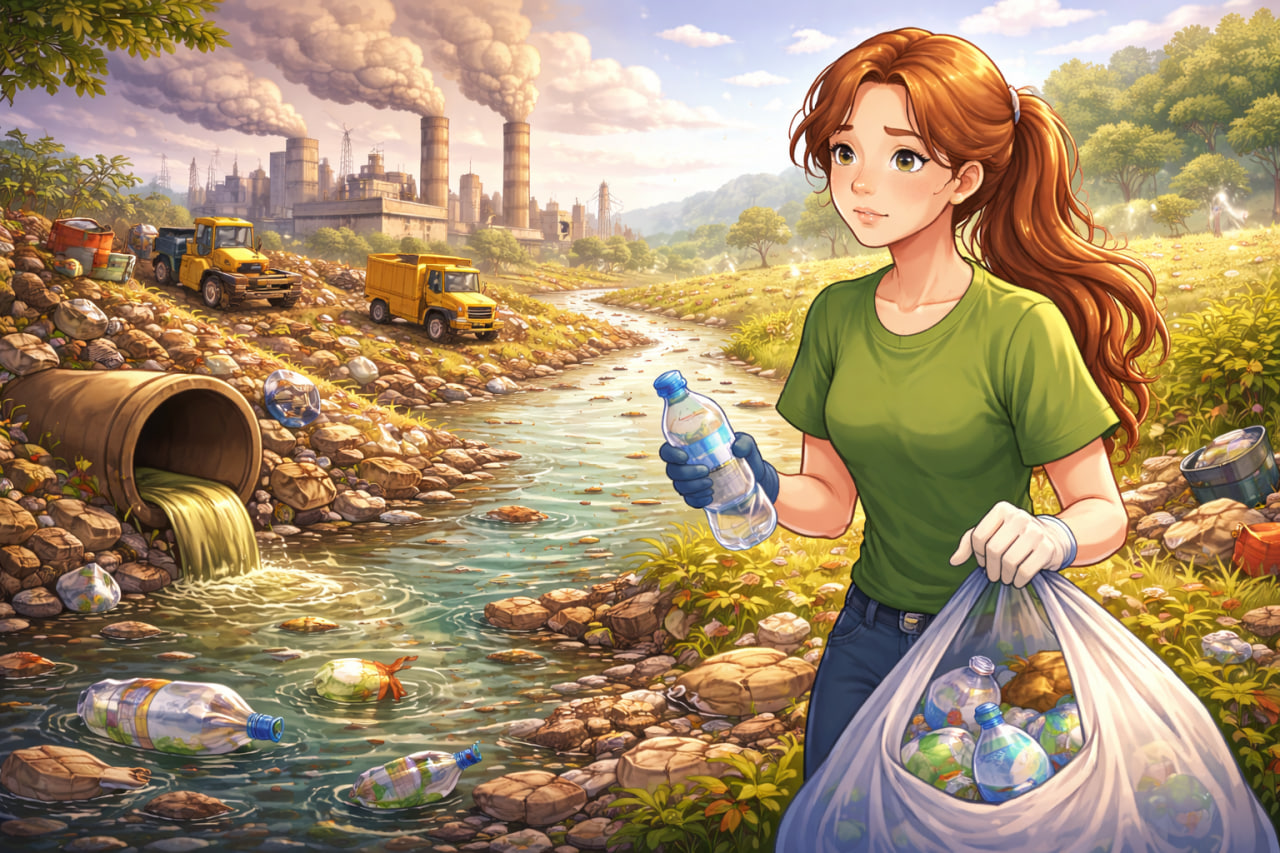
Human pollution of the natural environment is not the result of a single action, but the cumulative outcome of everyday activities scaled to billions of people.
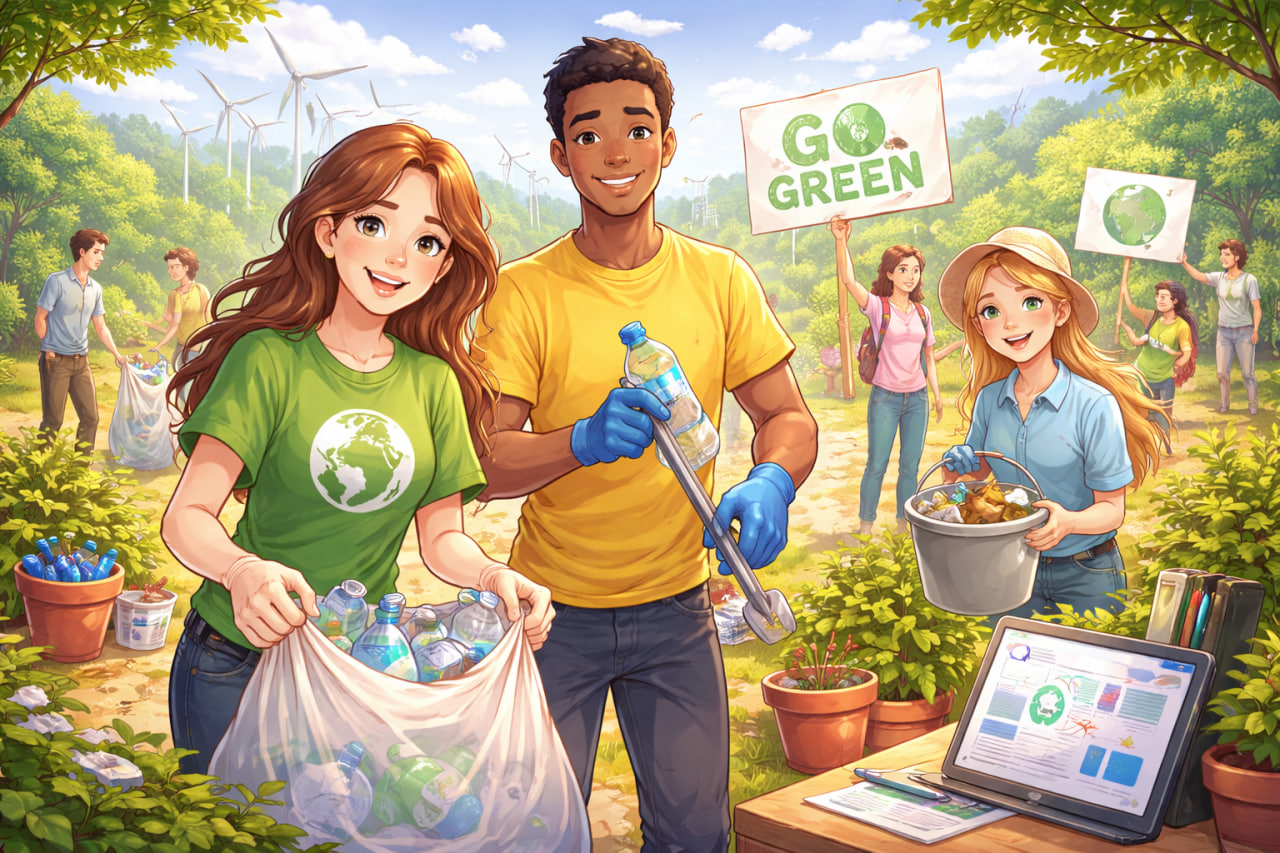
Eco-activism refers to organized efforts aimed at protecting the environment and reducing human impact on natural systems.
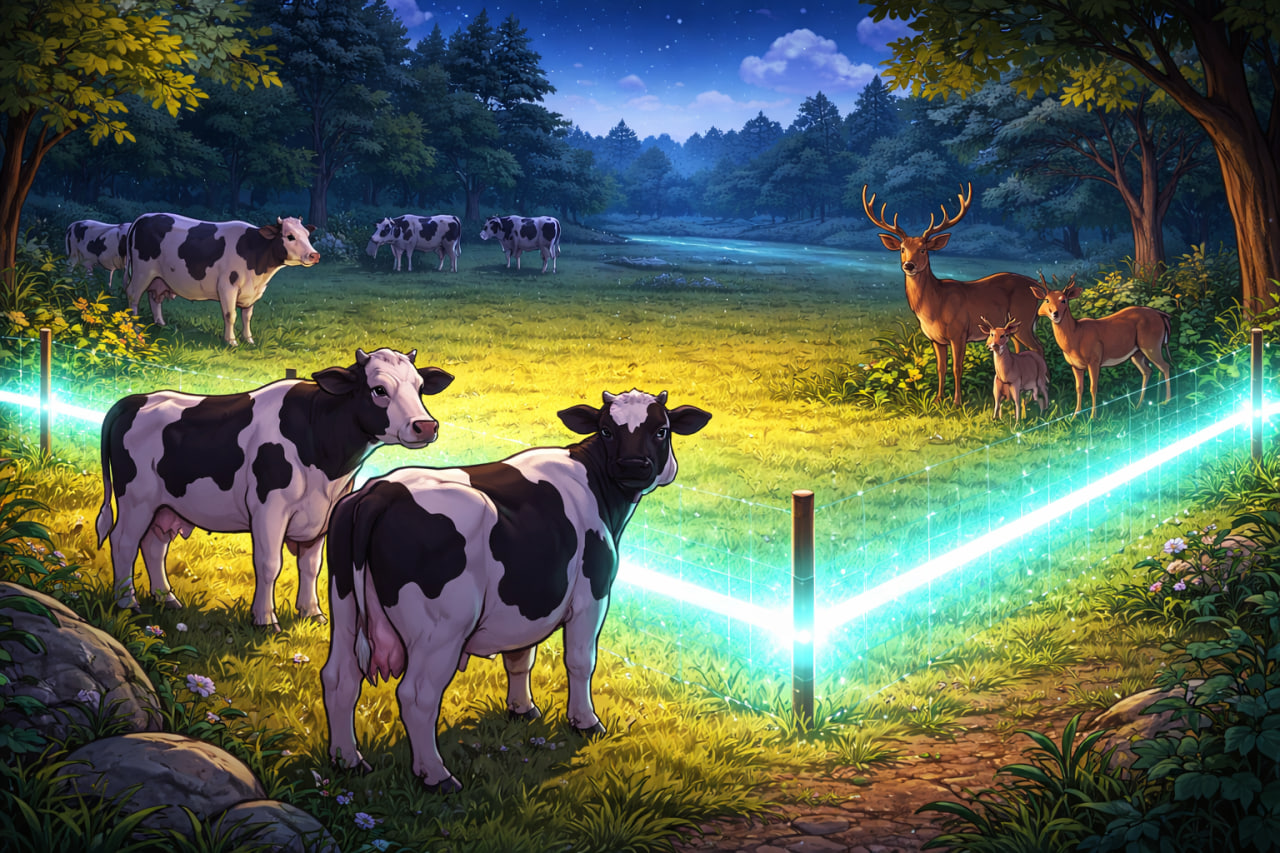
Light fences for animals are an unconventional but increasingly discussed method of guiding, restricting, or redirecting animal movement without using physical barriers.