
Landfills: What Should Be Done With Them and Why It Matters
Landfills are one of the most visible symbols of modern consumption and waste generation.
This section explores biodiversity preservation, sustainable resource use, and climate-related issues. Learn about environmental threats, green initiatives, legislation, and the path toward a more sustainable future.
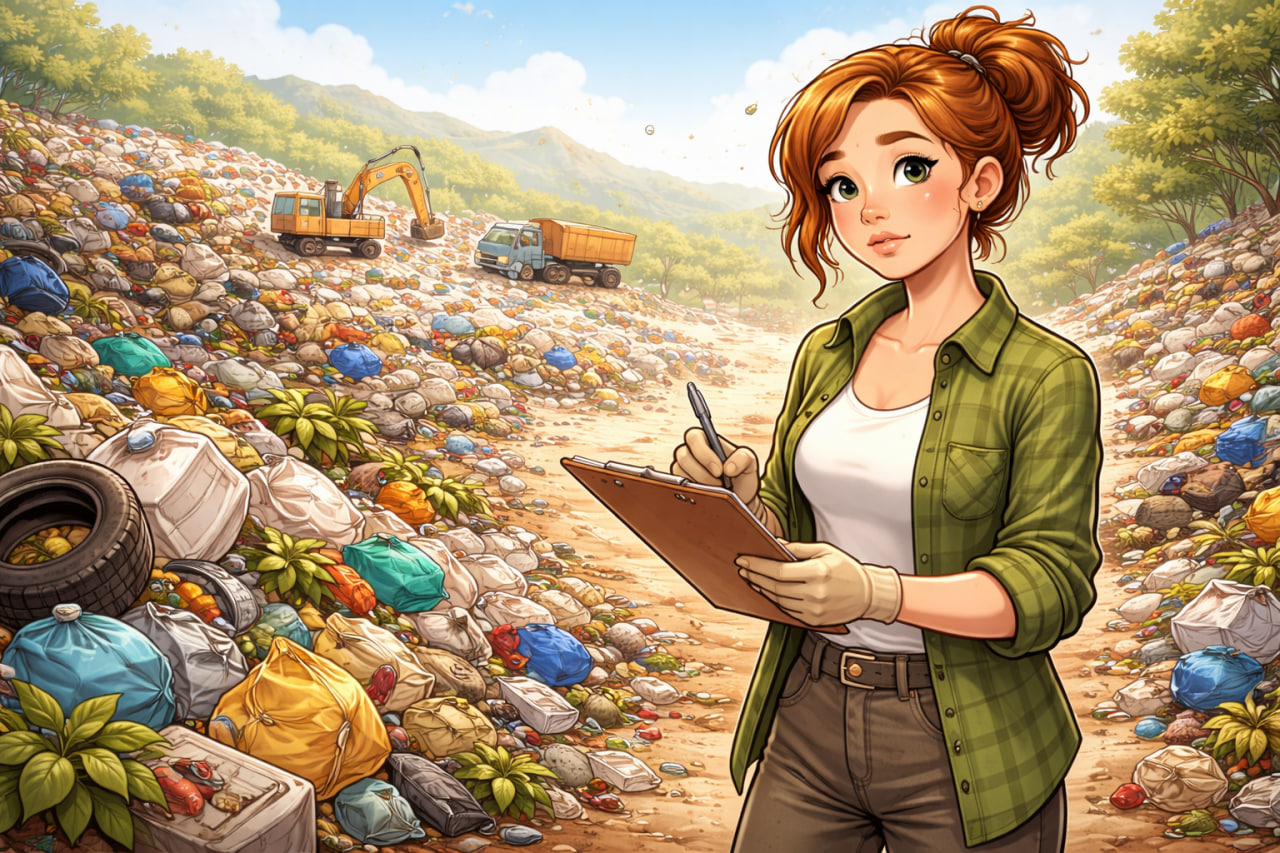
Landfills are one of the most visible symbols of modern consumption and waste generation.

A single drop of water may look empty to the naked eye, but under a microscope it reveals an astonishingly complex and vibrant world.
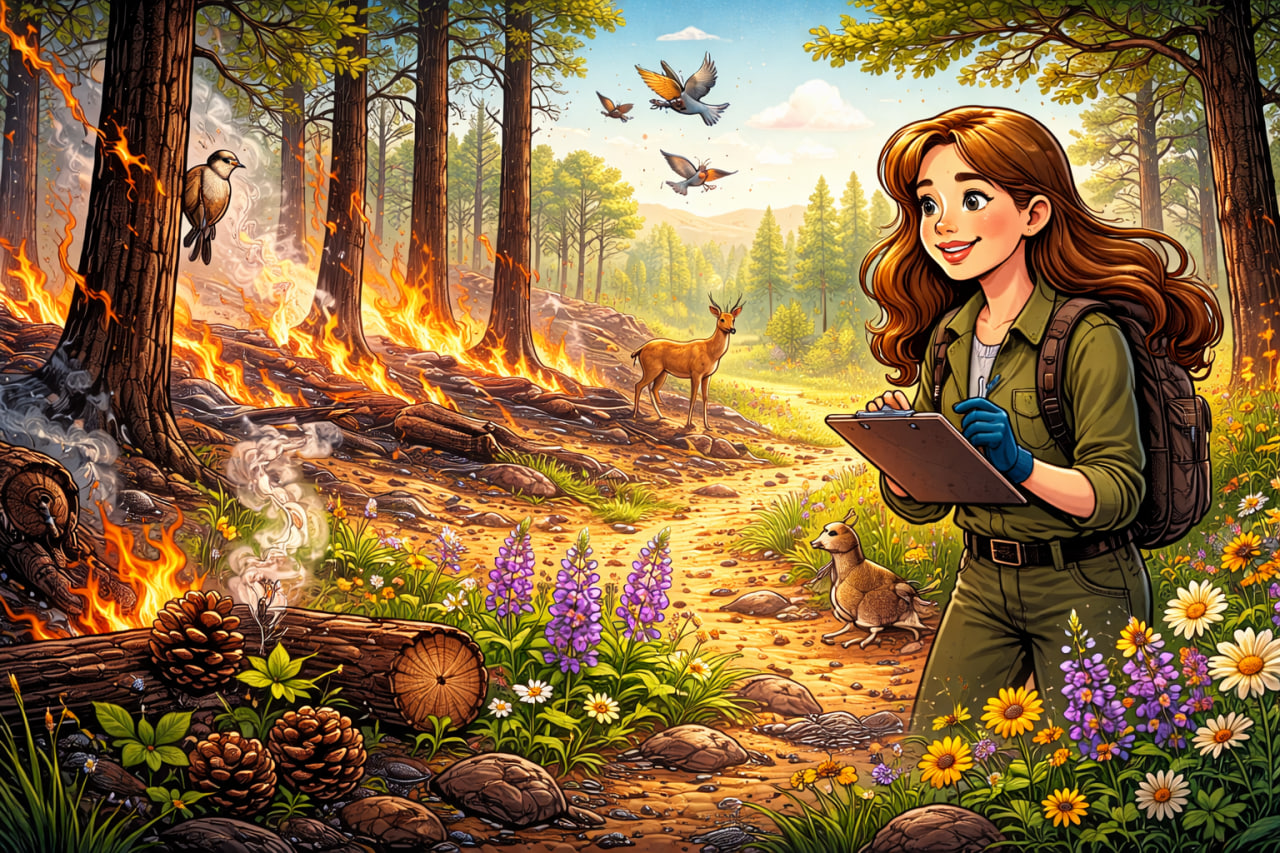
Forest fires are often perceived only as destructive events that threaten wildlife, forests, and human settlements.

Zero waste is a lifestyle and environmental philosophy that focuses on minimizing the amount of waste sent to landfills, incinerators, or the natural environment.
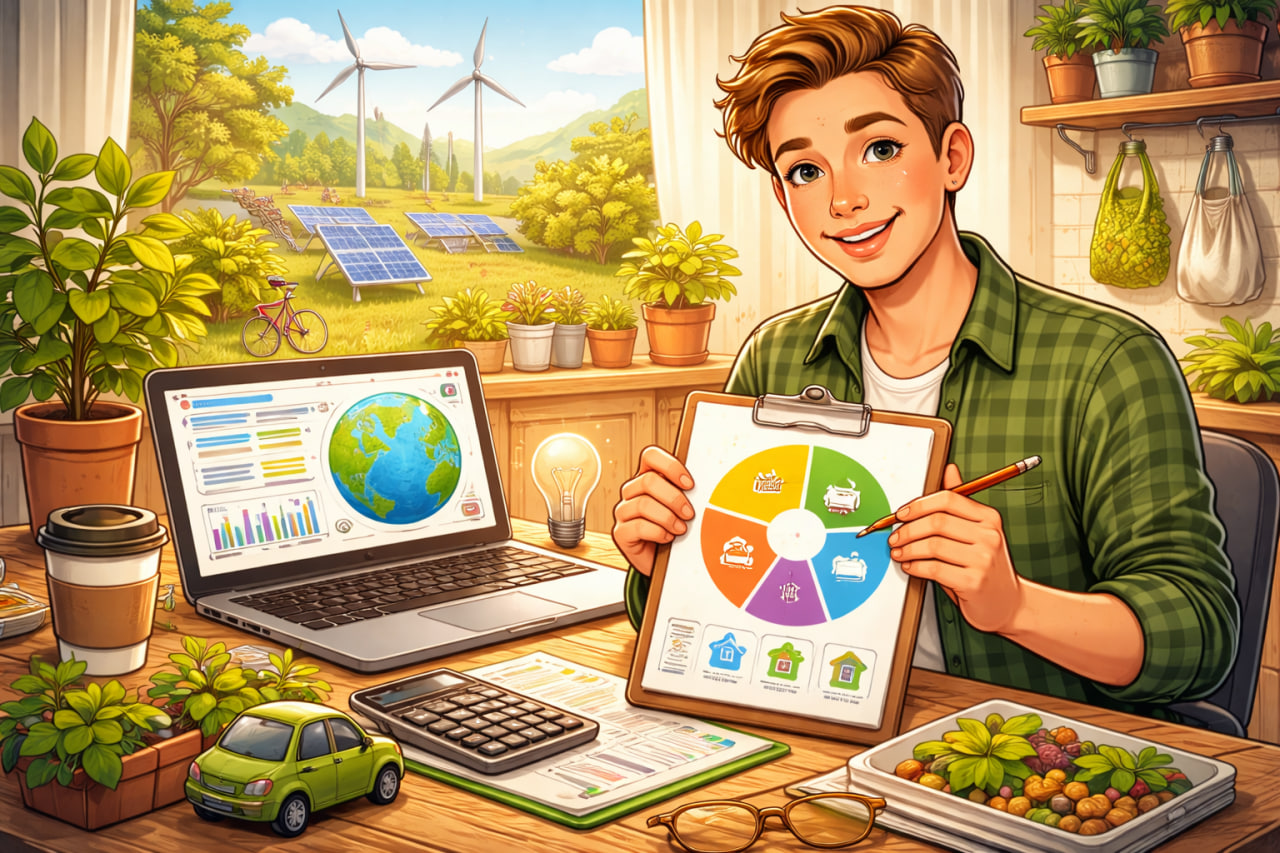
The ecological footprint is a concept used to measure how much natural resources a person, community, or country consumes compared to what the Earth can regenerate.
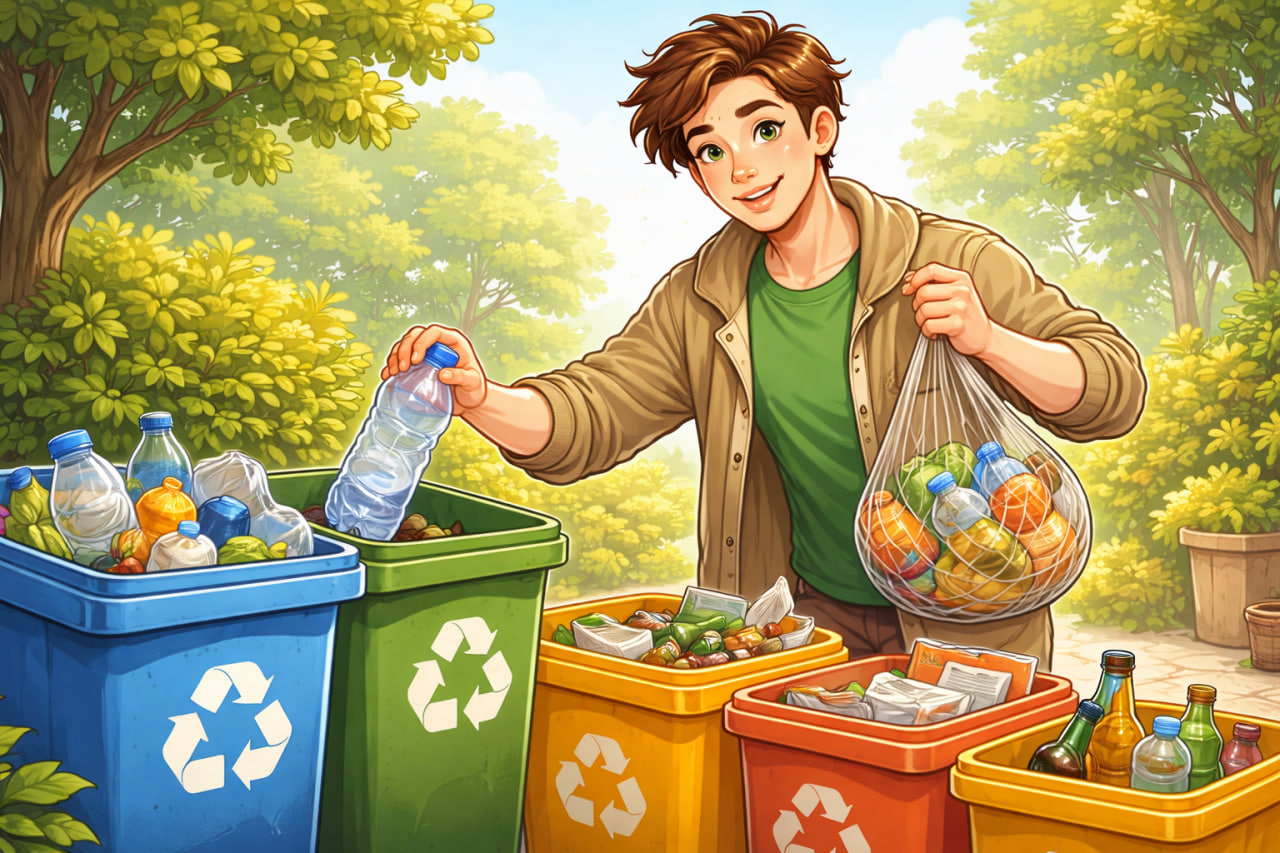
Waste separation is a system of sorting household and commercial waste into different categories so materials can be recycled, composted, or processed safely.
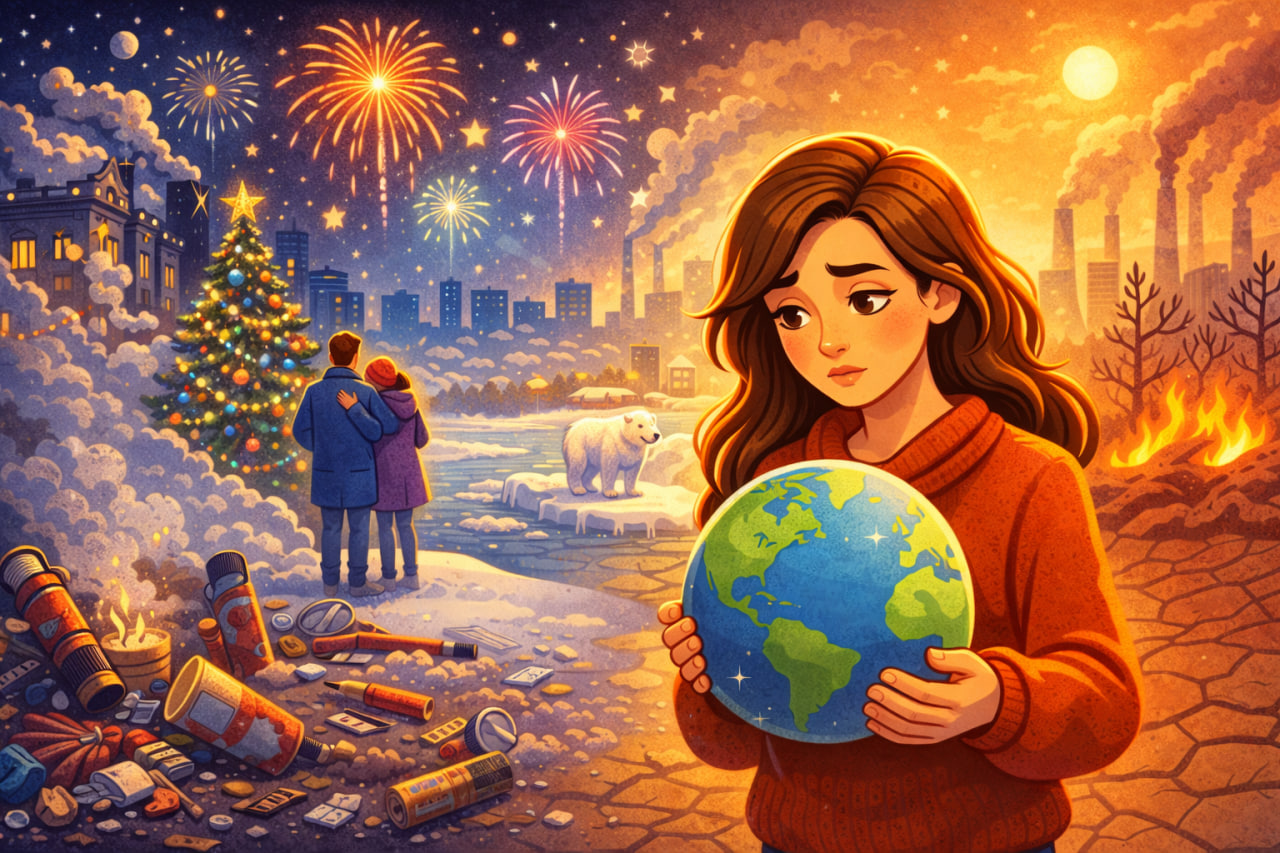
The New Year is a global celebration that unites billions of people, yet behind the lights, fireworks, and festivities lies a noticeable environmental footprint.

For a long time, life on Earth was thought to exist primarily on the planet’s surface, where sunlight fuels ecosystems and shapes biological diversity.

Plastic pollution has moved far beyond beaches and landfills, silently entering the food chain that sustains life on Earth.
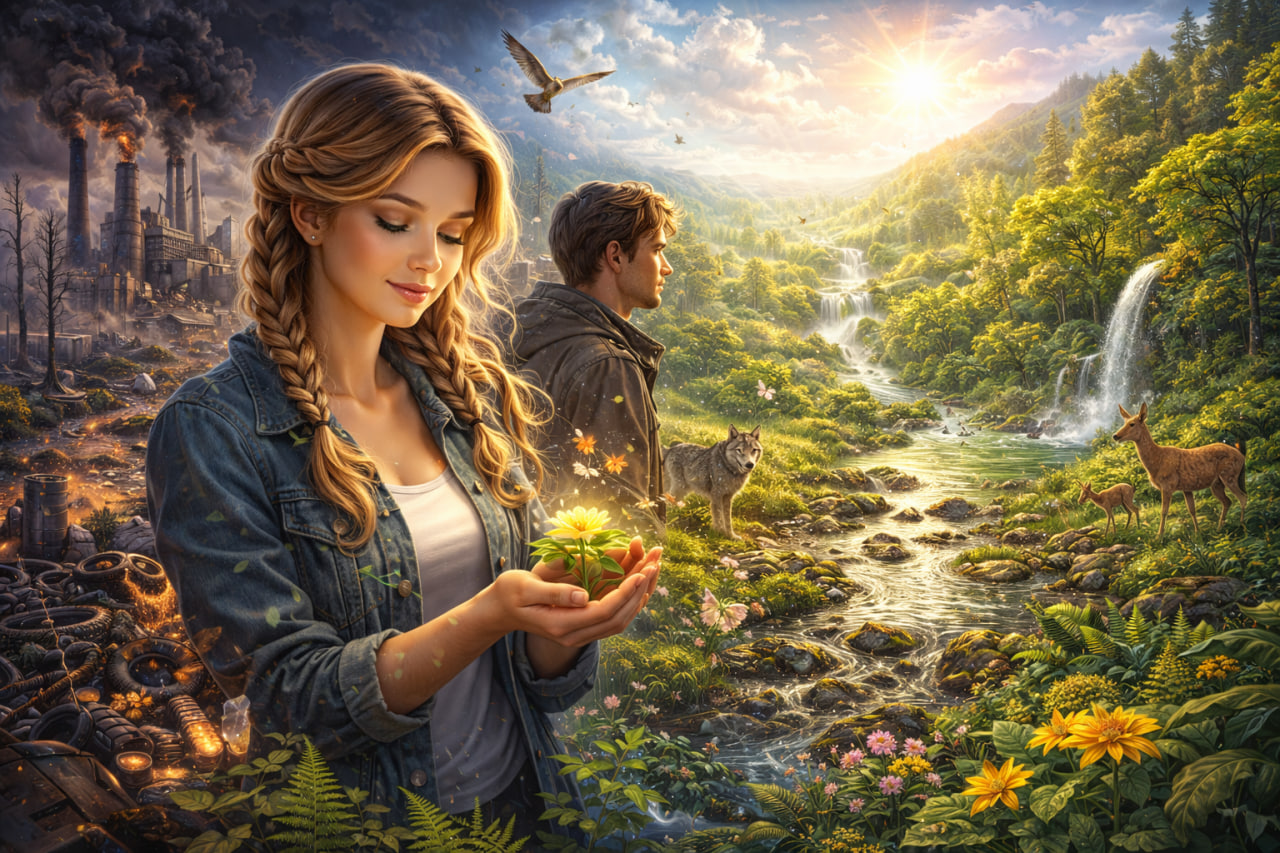
Nature has an extraordinary capacity for recovery, often surprising scientists with its ability to rebound after disturbance.