
Why the Extinction of Insects Is More Terrifying Than the Extinction of Dinosaurs
At first glance, the extinction of dinosaurs may seem like the ultimate ecological catastrophe, wiping out some of the most iconic creatures in Earth’s history.
This section explores biodiversity preservation, sustainable resource use, and climate-related issues. Learn about environmental threats, green initiatives, legislation, and the path toward a more sustainable future.
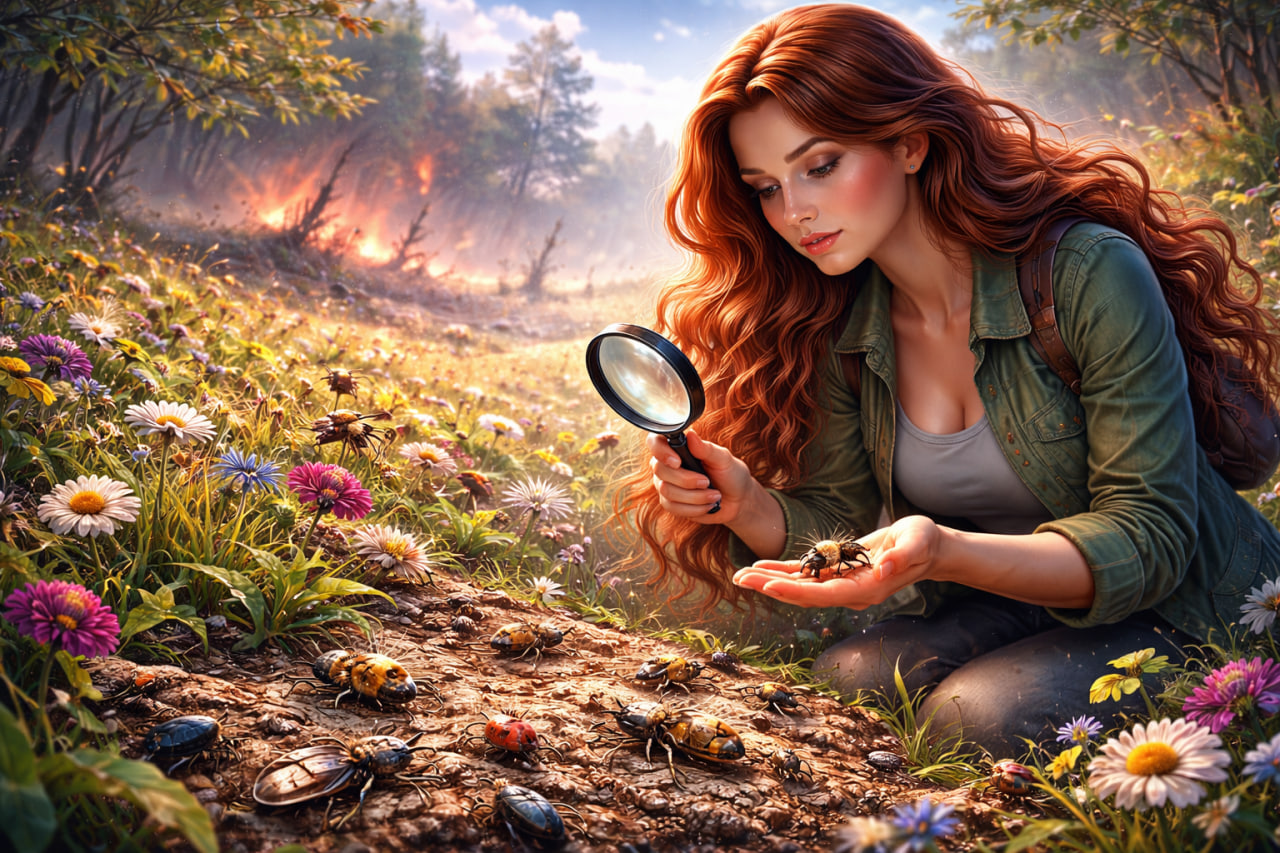
At first glance, the extinction of dinosaurs may seem like the ultimate ecological catastrophe, wiping out some of the most iconic creatures in Earth’s history.
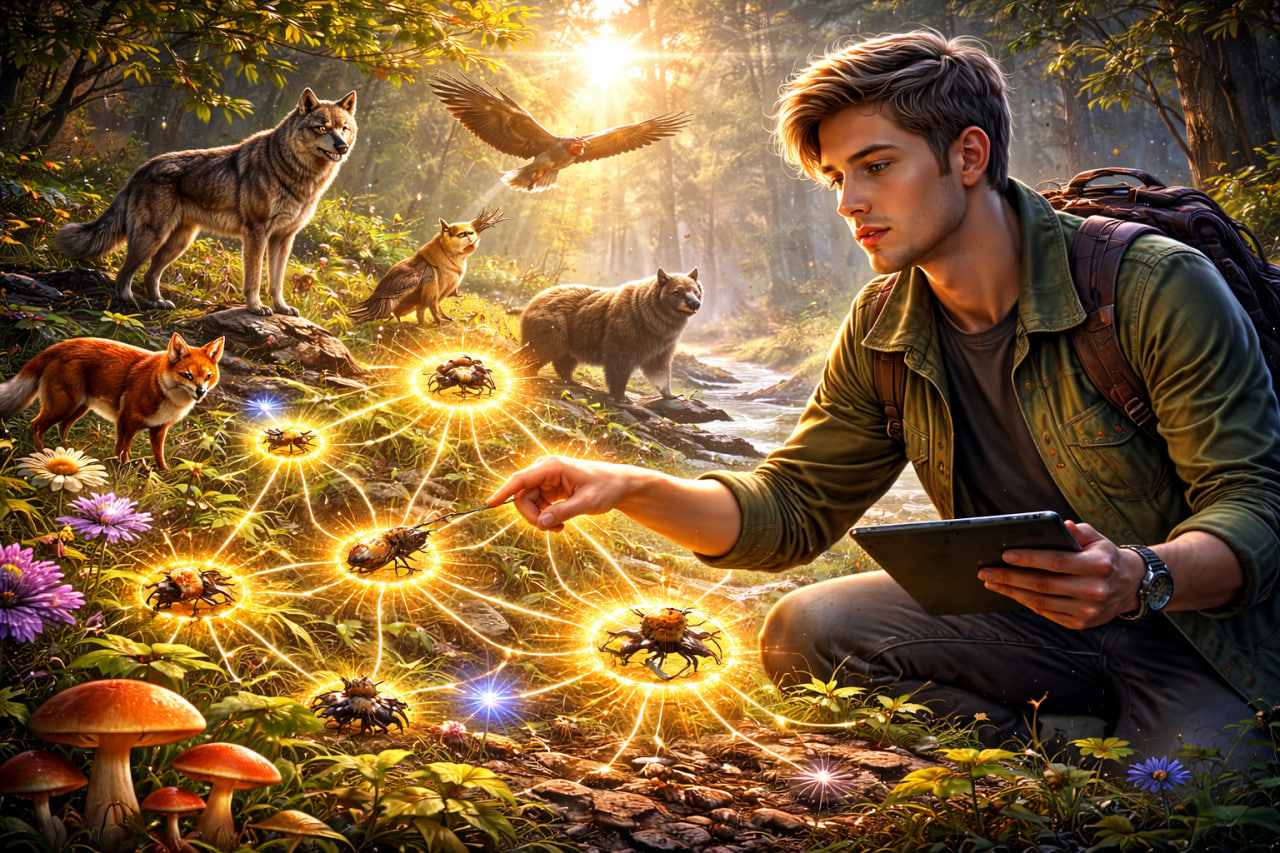
A food web is one of the most fundamental concepts in ecology, describing how energy and nutrients move through living systems.
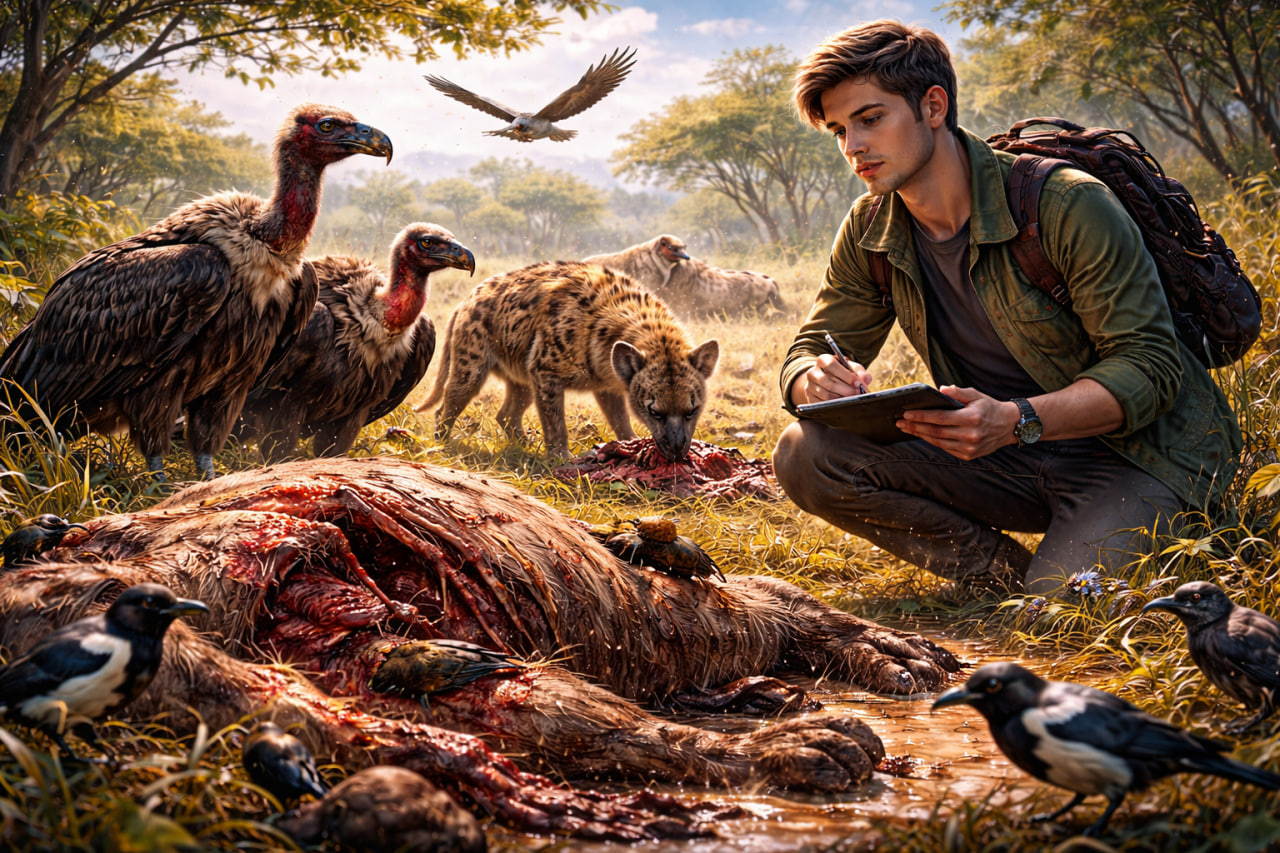
Scavengers play a crucial yet often misunderstood role in natural ecosystems, acting as nature’s cleanup specialists.

Cities are often perceived as environments dominated by concrete, glass, and technology, yet beneath this surface lies a surprisingly rich and dynamic natural world.

Beneath the ocean’s surface exist vast, complex ecosystems often called underwater forests, formed primarily by large seaweeds such as kelp.

Regeneration is one of the most astonishing phenomena in biology, allowing certain animals to restore lost or damaged body parts with remarkable precision.
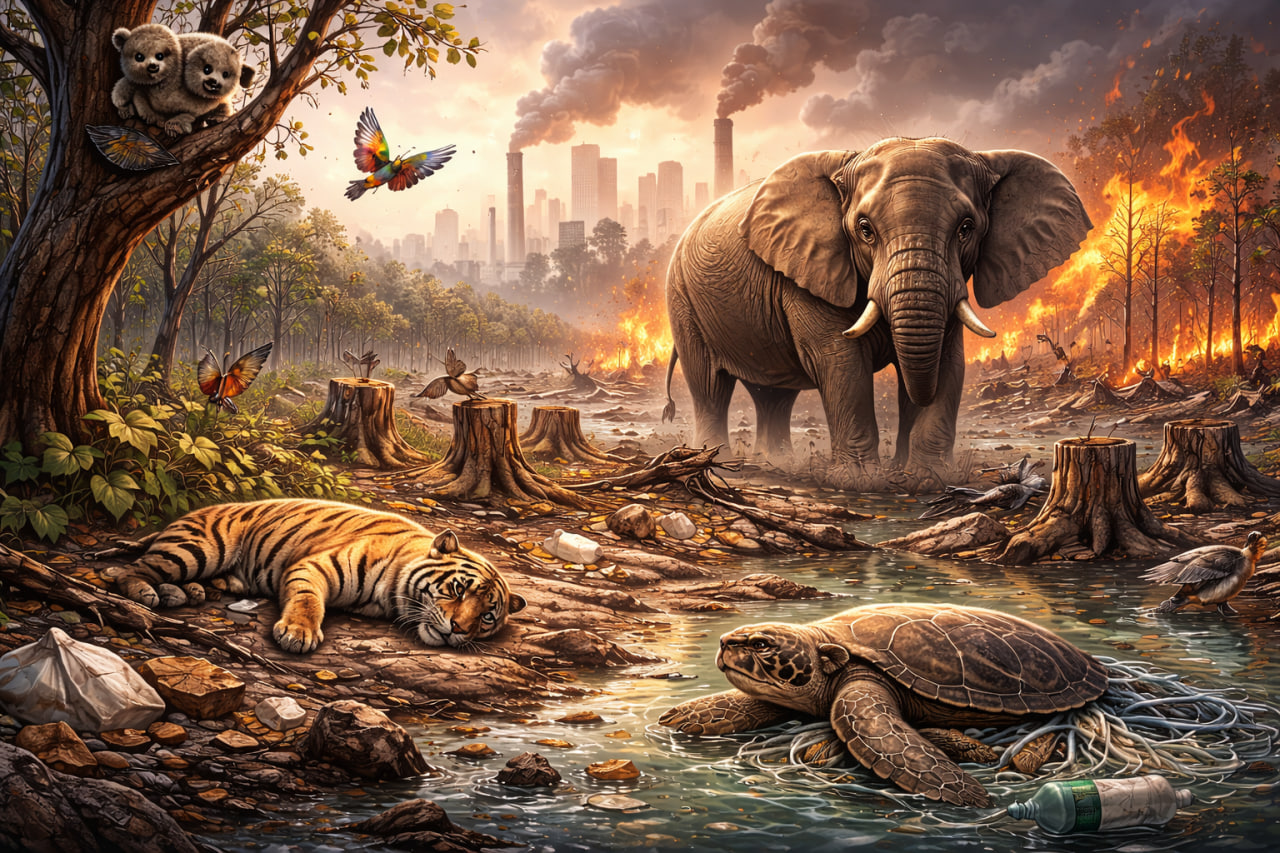
The sixth mass extinction refers to the ongoing and rapid loss of biodiversity occurring on Earth today.
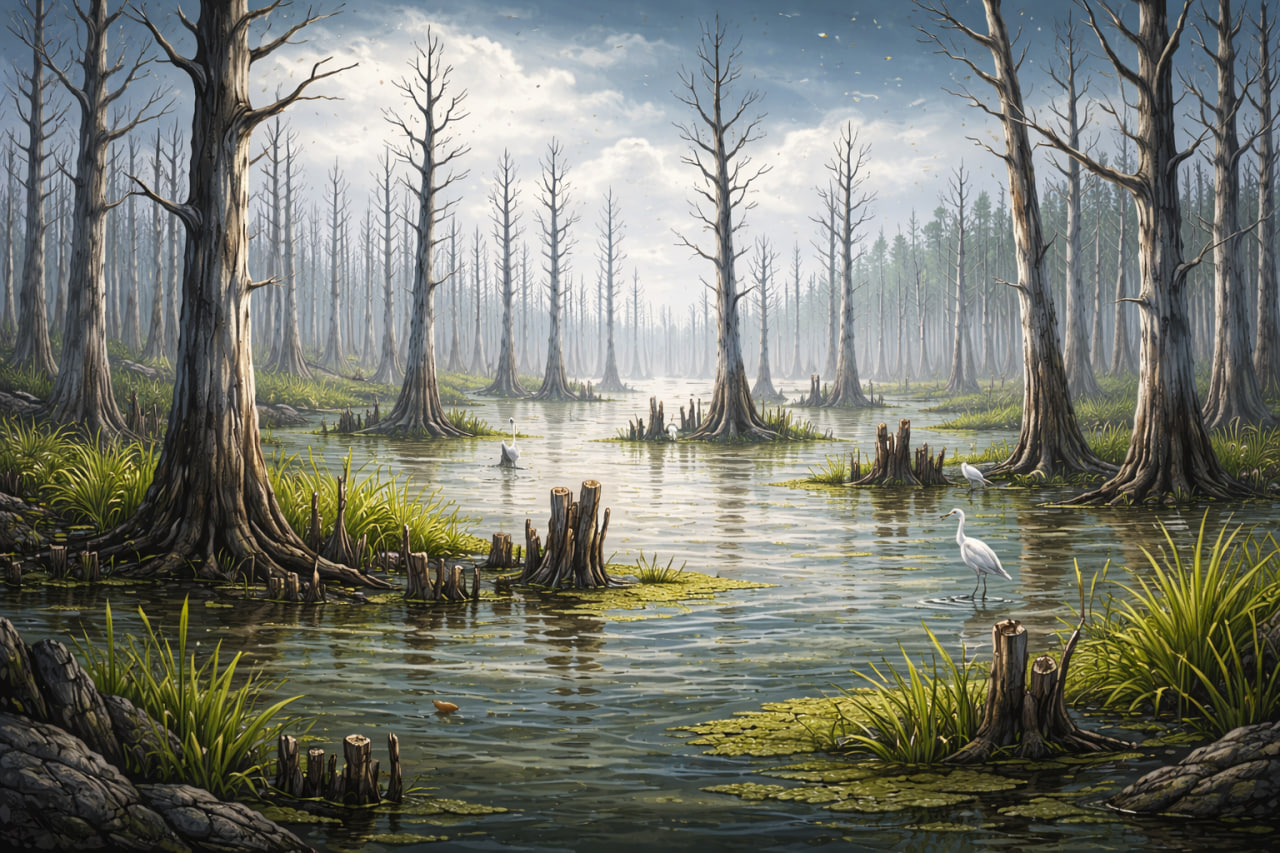
Ghost forests are haunting landscapes where once-living forests stand dead, their bare trunks rising silently from the ground.
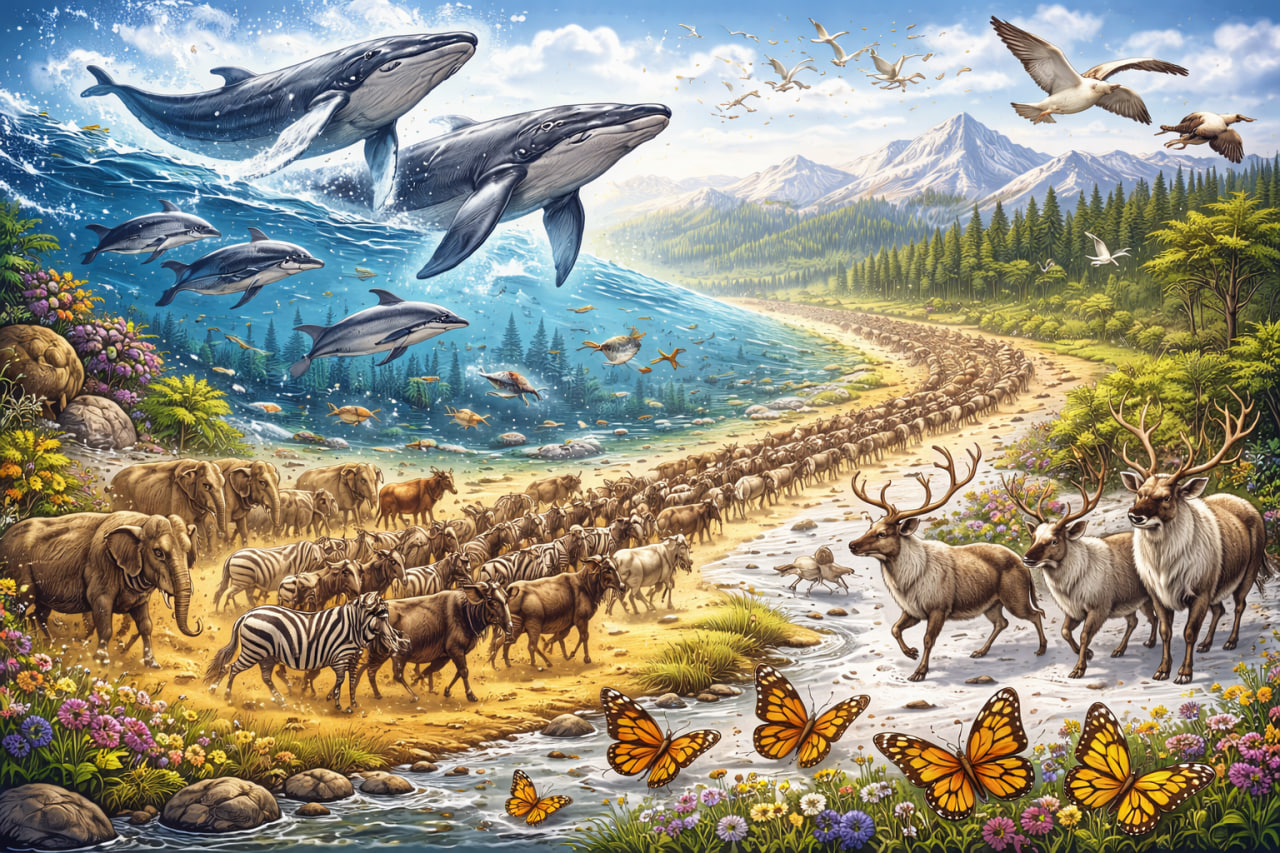
Great animal migrations are among the most awe-inspiring natural phenomena on Earth, involving the seasonal movement of millions of animals across vast distances.
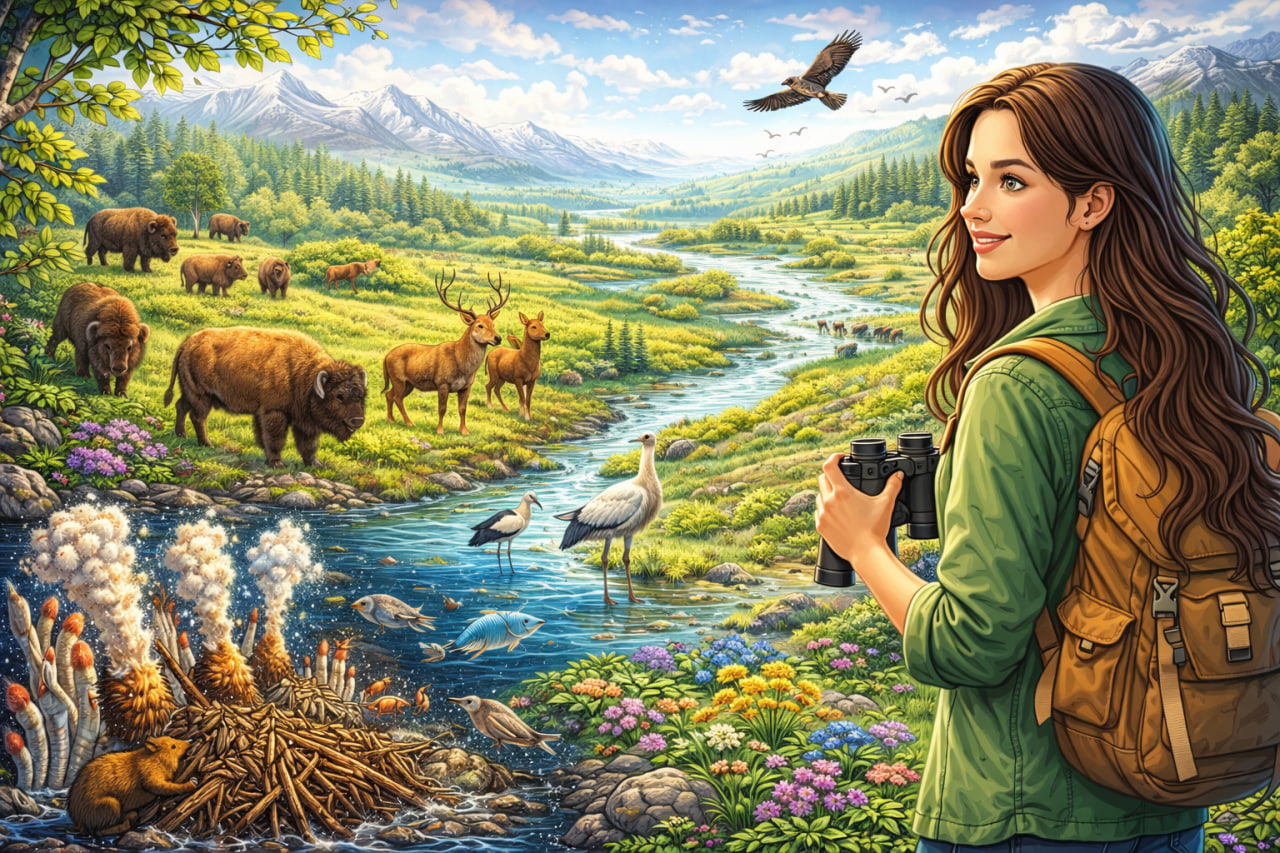
Rewilding is an ecological approach focused on restoring natural processes and allowing ecosystems to recover with minimal human intervention.