
Eco-Friendly Cities: What They Are and Why They Matter
As global urban populations continue to grow, the concept of the eco-friendly city has become one of the most important directions in modern urban planning.
This section explores biodiversity preservation, sustainable resource use, and climate-related issues. Learn about environmental threats, green initiatives, legislation, and the path toward a more sustainable future.
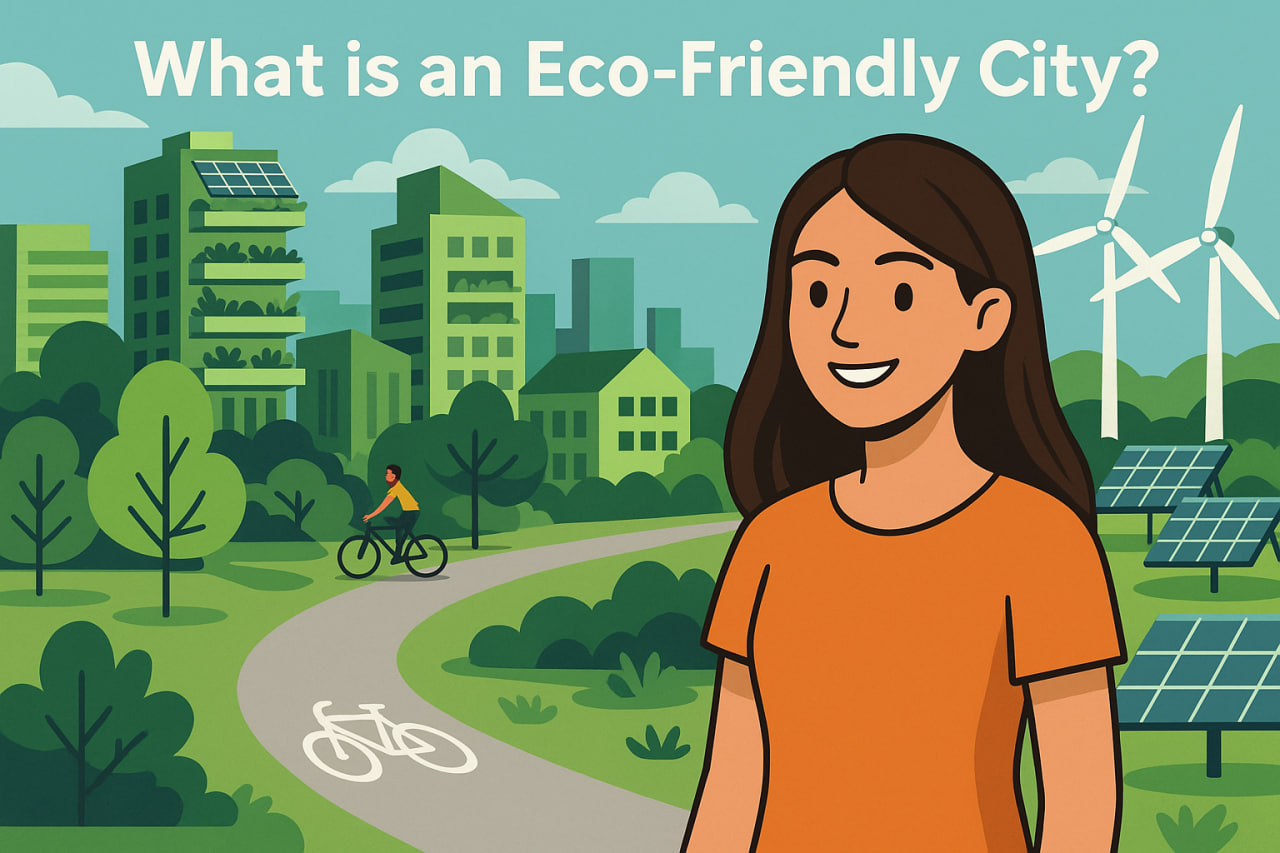
As global urban populations continue to grow, the concept of the eco-friendly city has become one of the most important directions in modern urban planning.
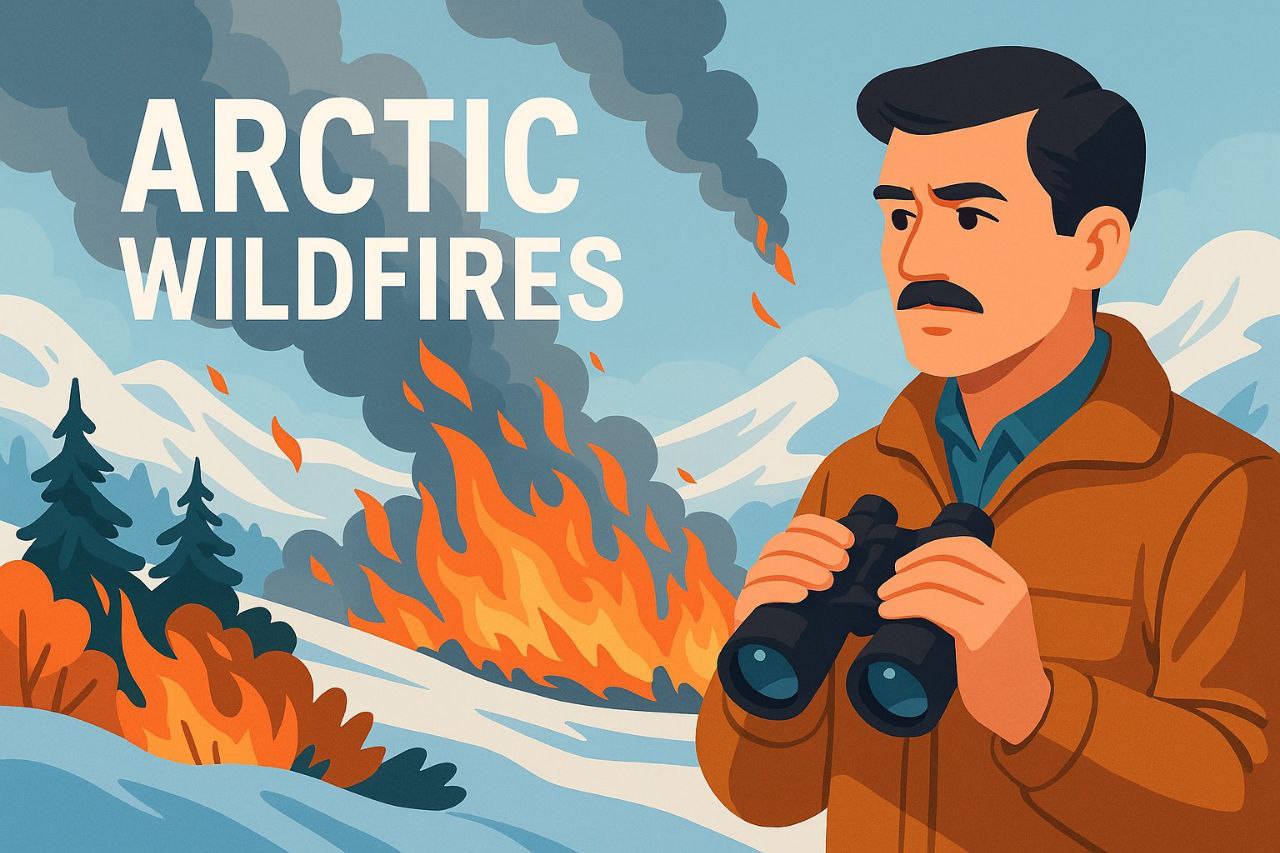
Arctic wildfires have become one of the most alarming indicators of rapid climate change in high-latitude regions.
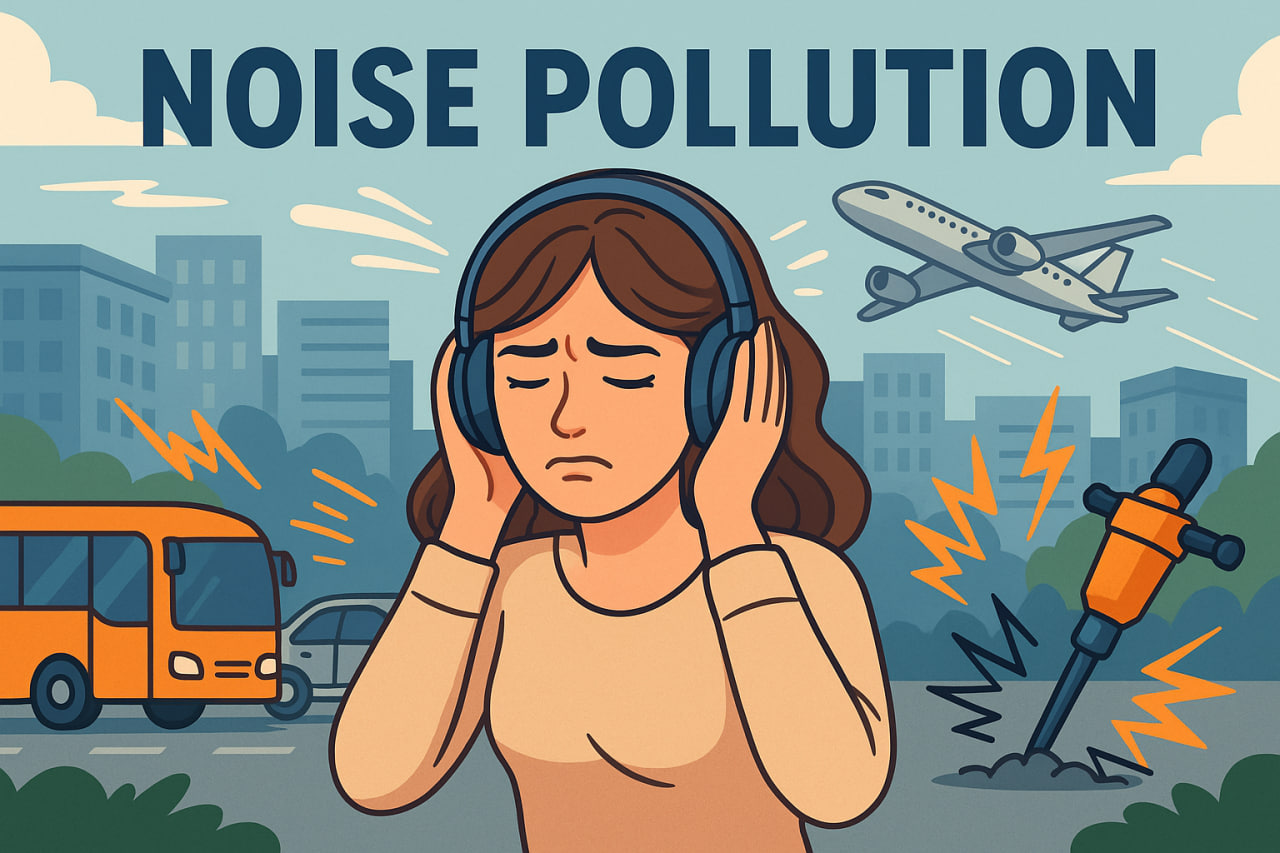
Noise pollution refers to unwanted or harmful levels of sound that disrupt natural environments, human health, and daily activities.
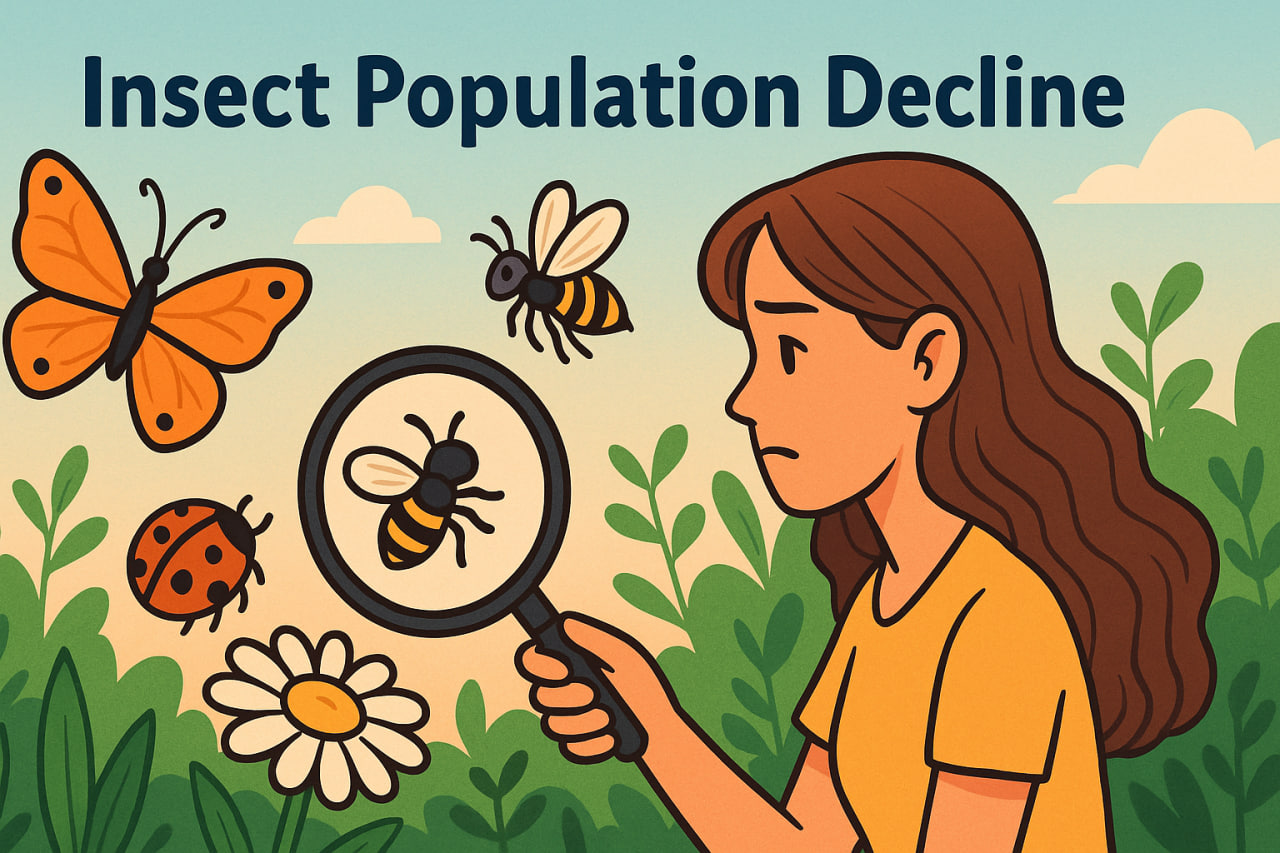
Insect populations around the world have experienced a dramatic decline over the past century, raising concerns among scientists, ecologists, and policymakers.

The world’s oceans cover more than 70% of Earth’s surface and are vital for climate regulation, weather systems, biodiversity, and human life.
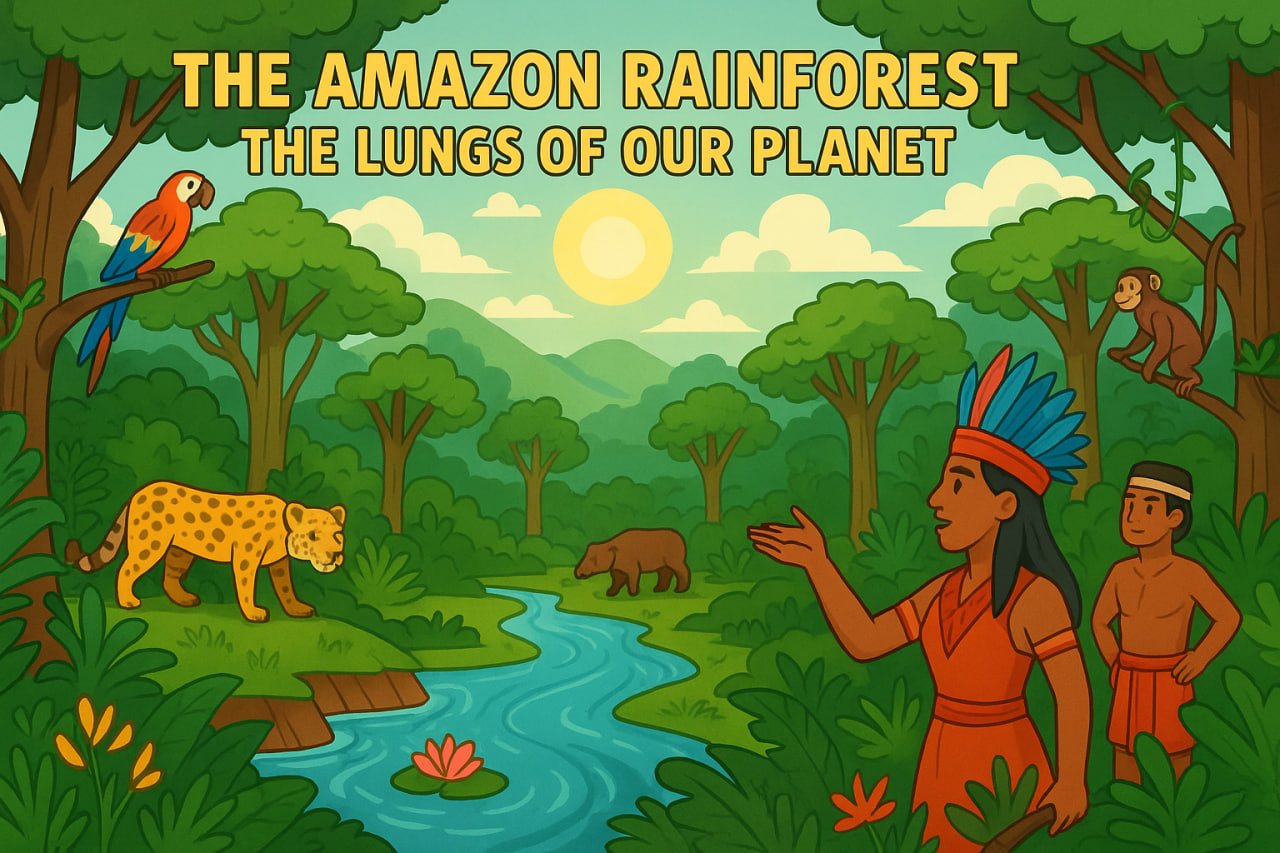
The Amazon Rainforest, stretching across nine South American countries, is the largest tropical rainforest on Earth — a living treasure of biodiversity and an essential regulator of the...
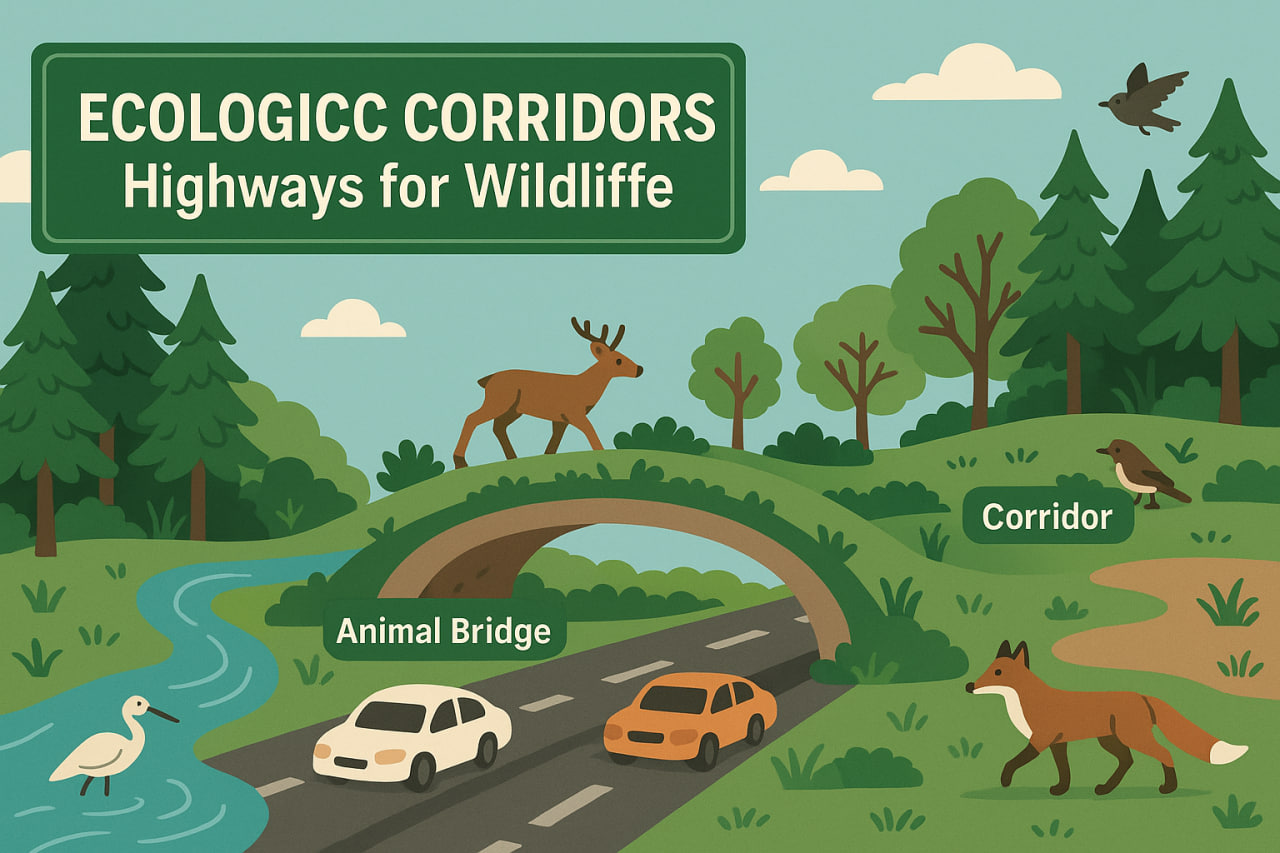
In a rapidly changing world, wildlife faces one of its greatest challenges — fragmented habitats.
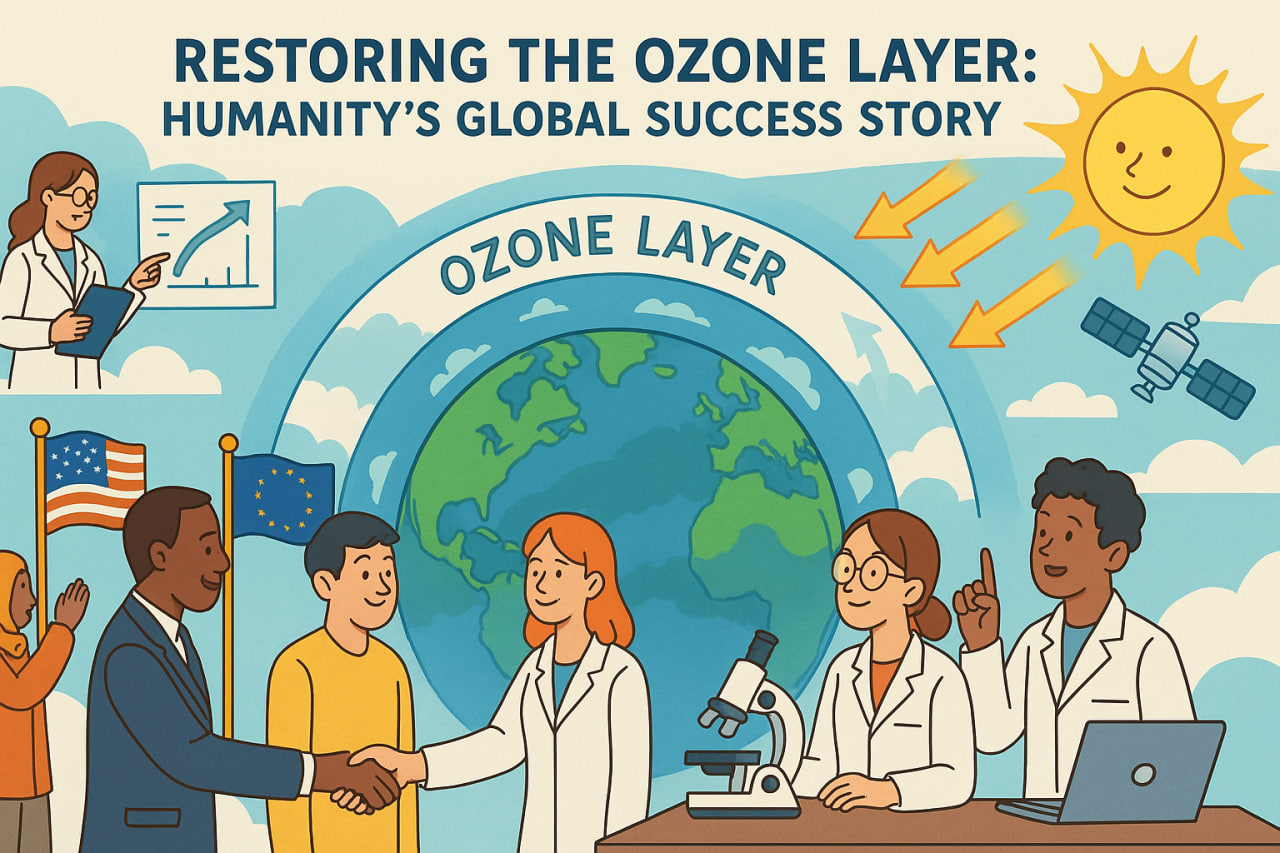
In an age of environmental crises, the recovery of the ozone layer stands as one of humanity’s most inspiring success stories.

Corals are marine organisms that form some of the most biodiverse and visually stunning ecosystems on Earth: coral reefs.

The Batagaika Crater, located in the Sakha Republic (Yakutia) in Siberia, is one of the most dramatic geological formations linked to climate change and permafrost thaw.