
Swamps: The Living Filters of the Planet
Swamps are often misunderstood landscapes, frequently associated with danger or decay, yet in reality they are among the most valuable ecosystems on Earth.
This section explores biodiversity preservation, sustainable resource use, and climate-related issues. Learn about environmental threats, green initiatives, legislation, and the path toward a more sustainable future.
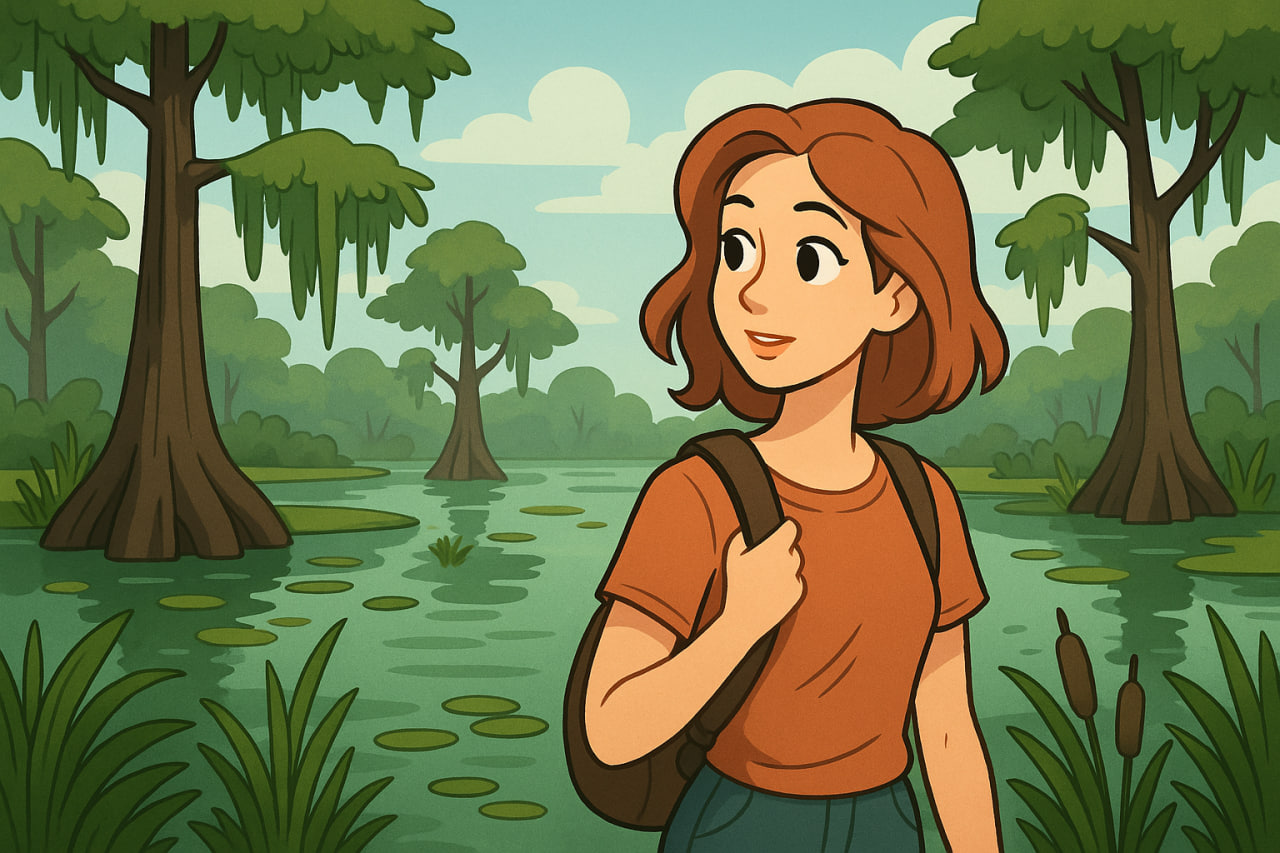
Swamps are often misunderstood landscapes, frequently associated with danger or decay, yet in reality they are among the most valuable ecosystems on Earth.
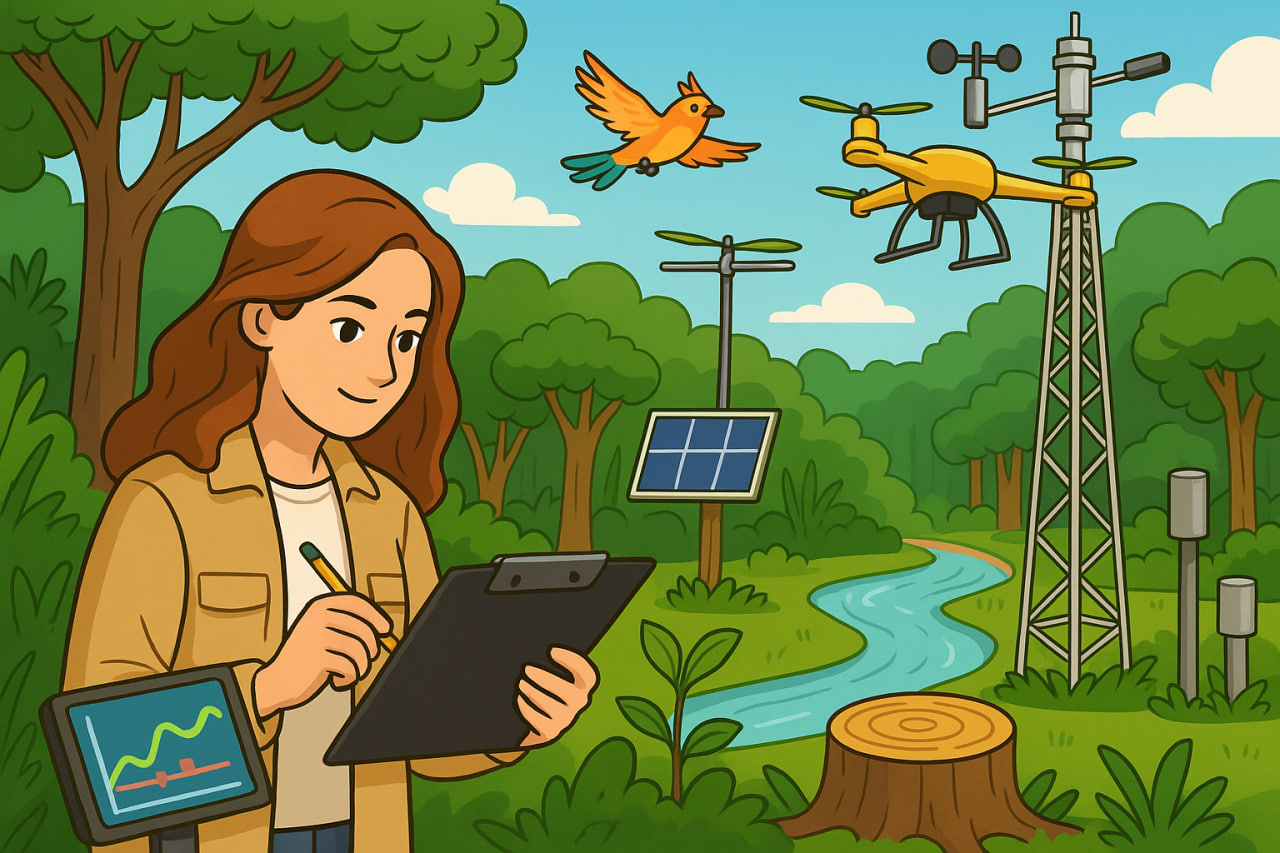
The Amazon rainforest is often called the “lungs of the planet” because it plays a critical role in absorbing carbon dioxide and regulating Earth’s climate.
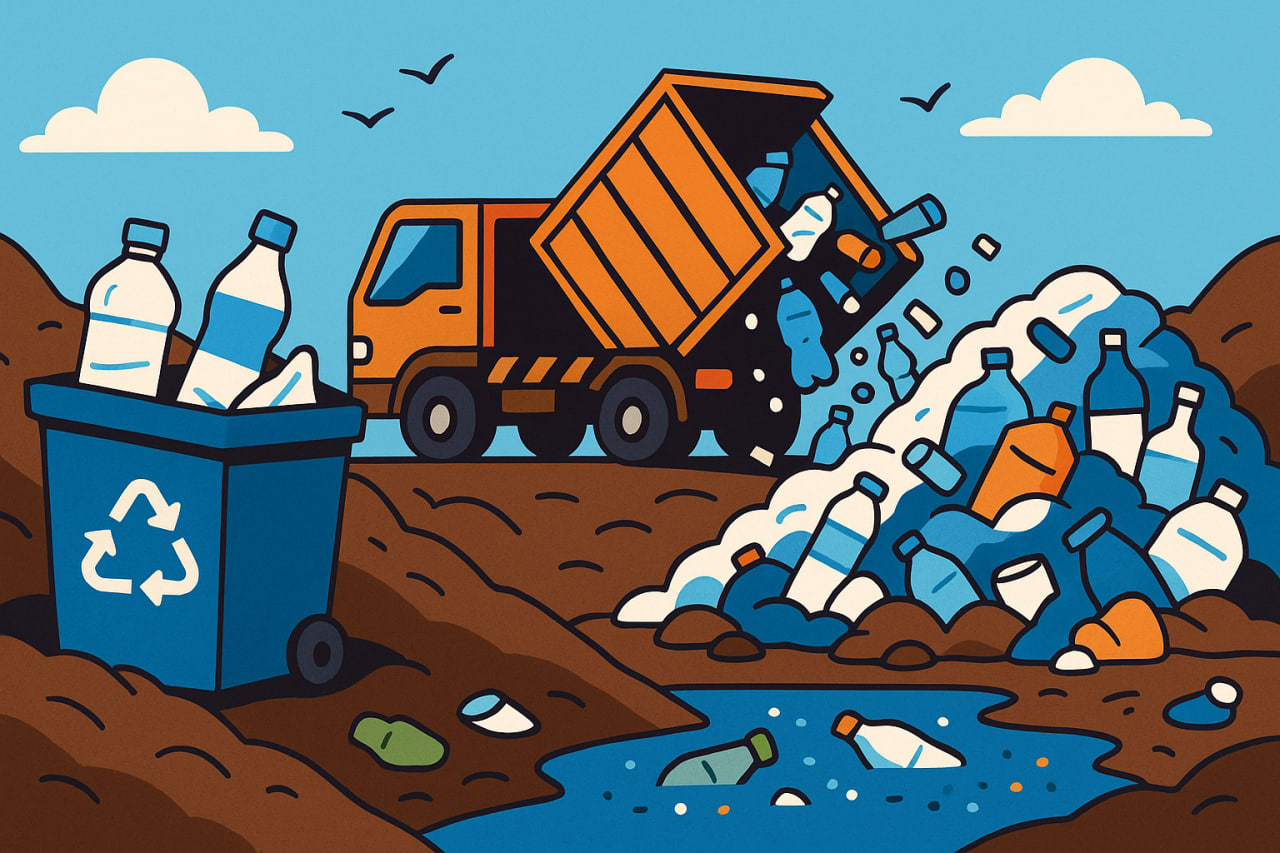
Plastic has become an inseparable part of modern life, used in packaging, clothing, electronics, and countless everyday products.
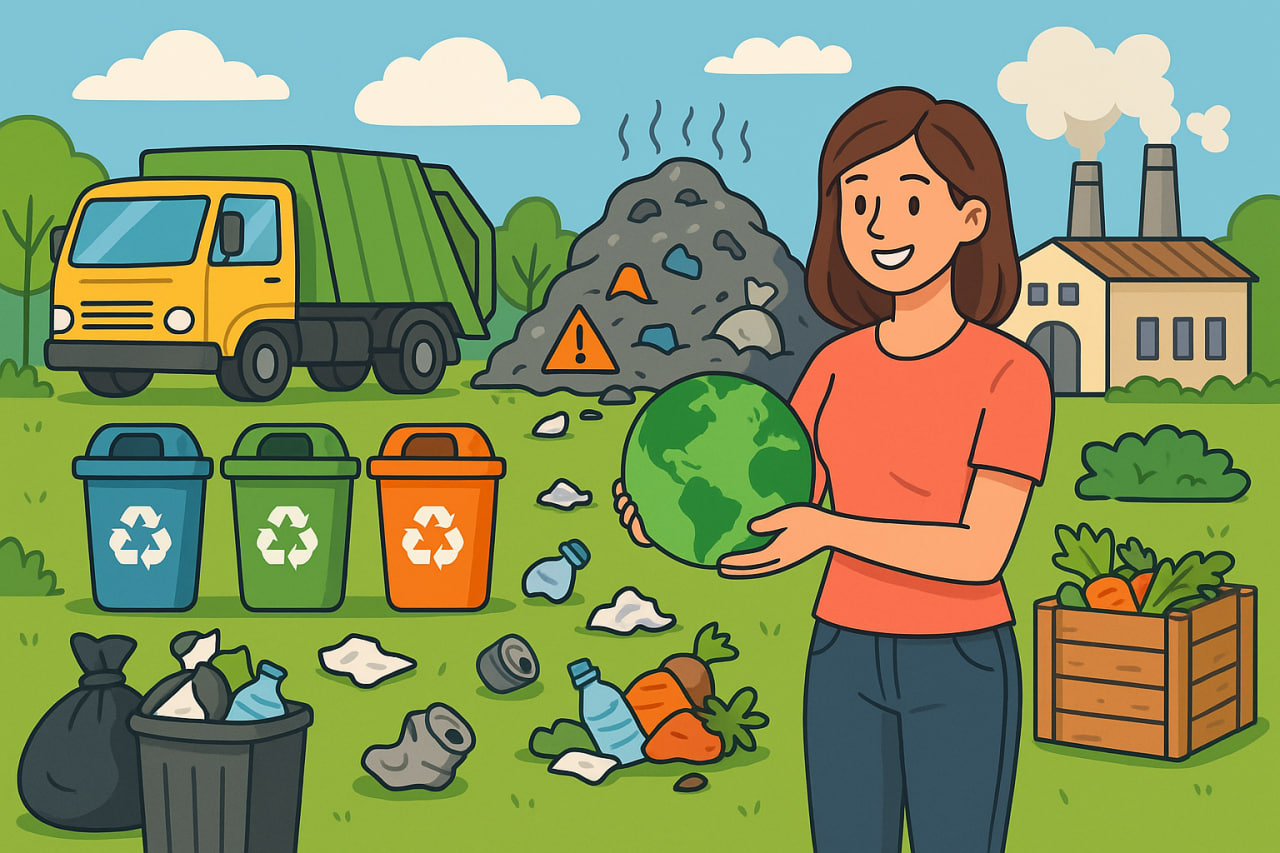
The world is facing a rapidly growing waste crisis, driven by population growth, consumer culture, urbanization, and the rise of disposable products.
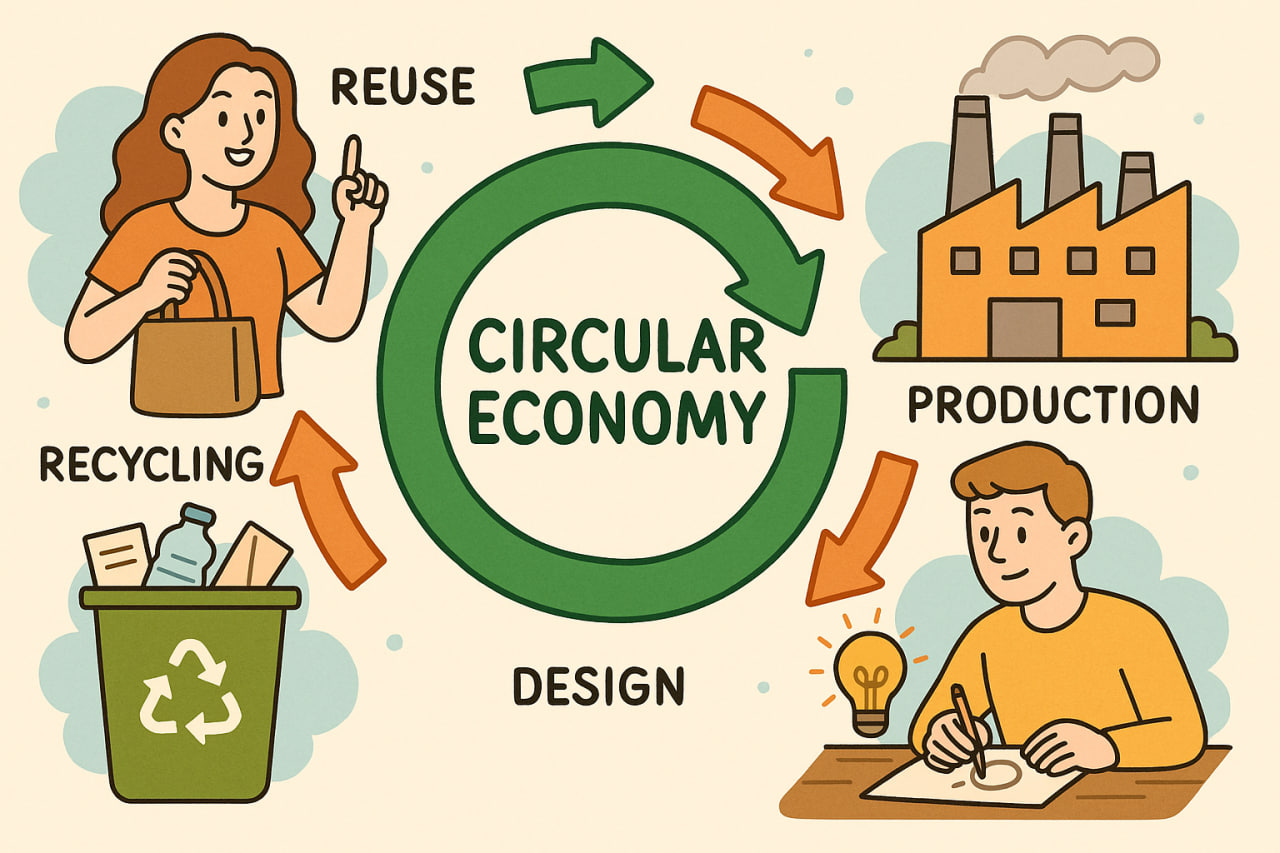
The circular economy is a modern economic model designed to reduce waste, conserve resources, and create long-lasting value by keeping materials in circulation for as long as possible.
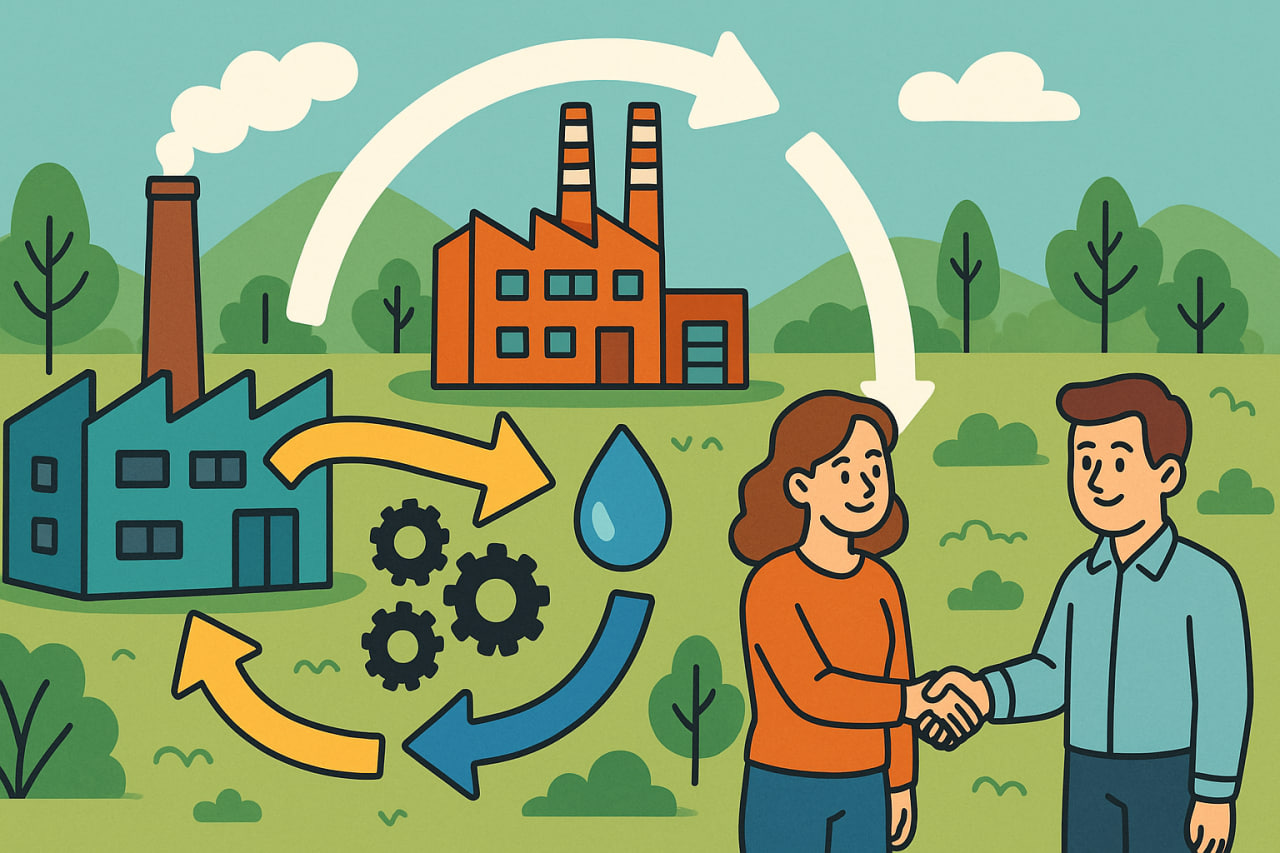
Industrial symbiosis is an innovative approach to resource management in which different companies cooperate by sharing materials, energy, water, and by-products.
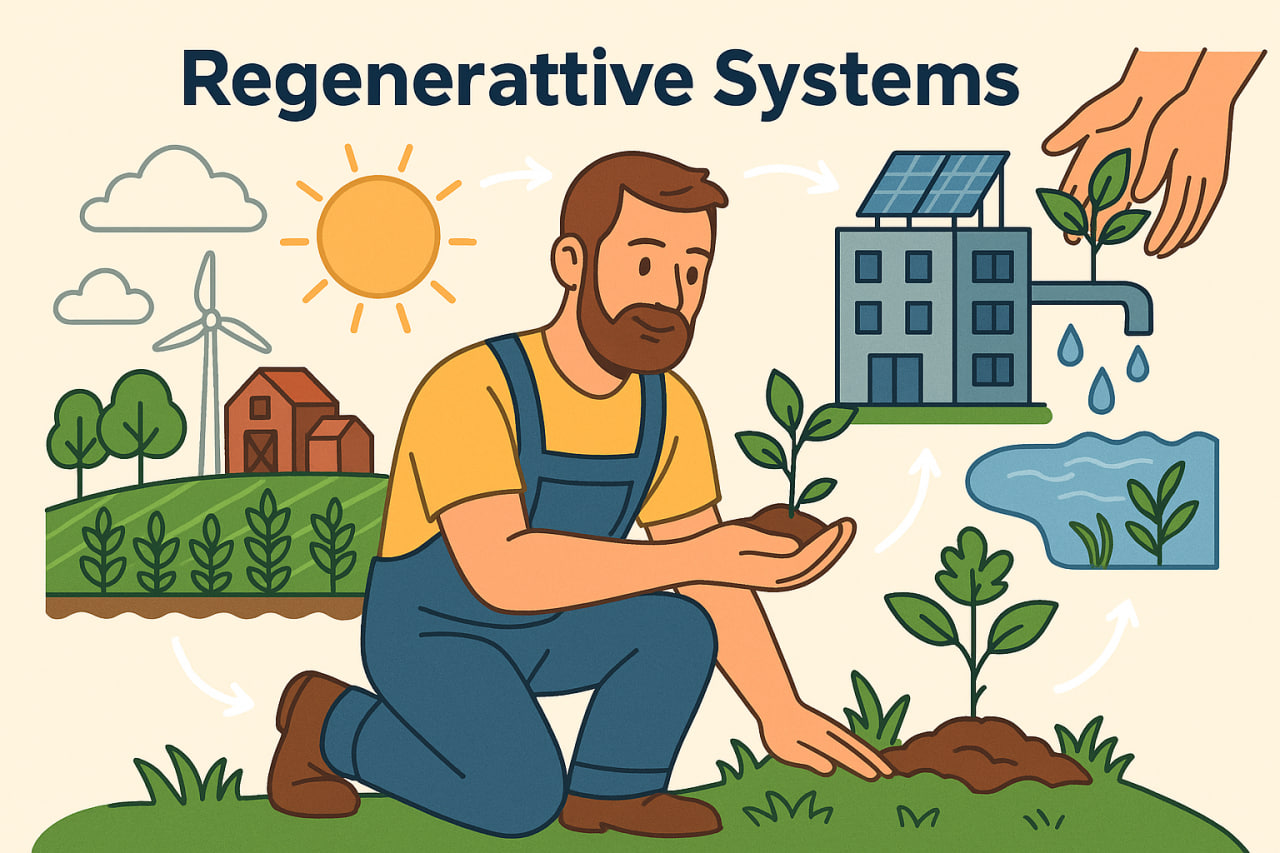
Regenerative systems represent a transformative approach to environmental design, agriculture, industry, and economics.
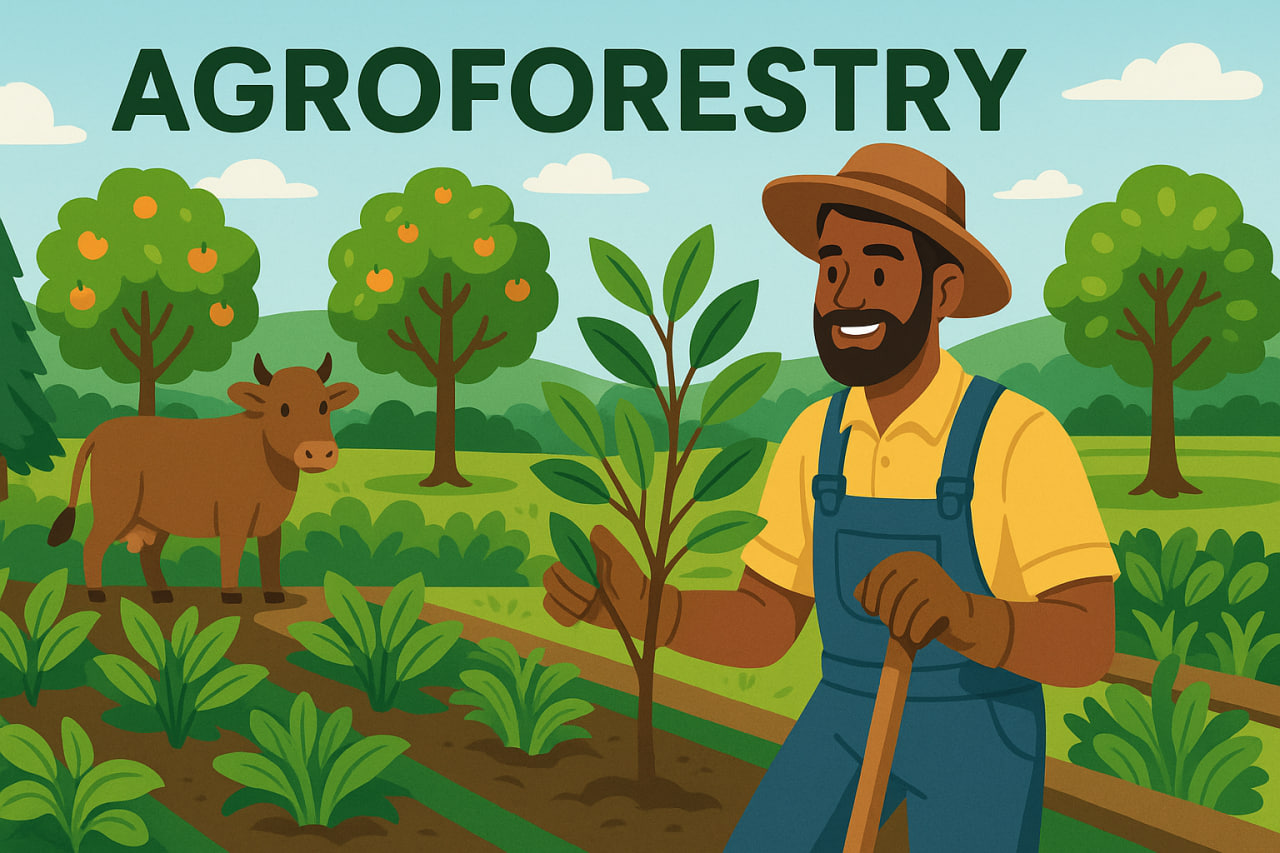
Agroforestry is a land-use system that combines trees, crops, and sometimes livestock on the same piece of land to improve productivity, biodiversity, and long-term environmental health.
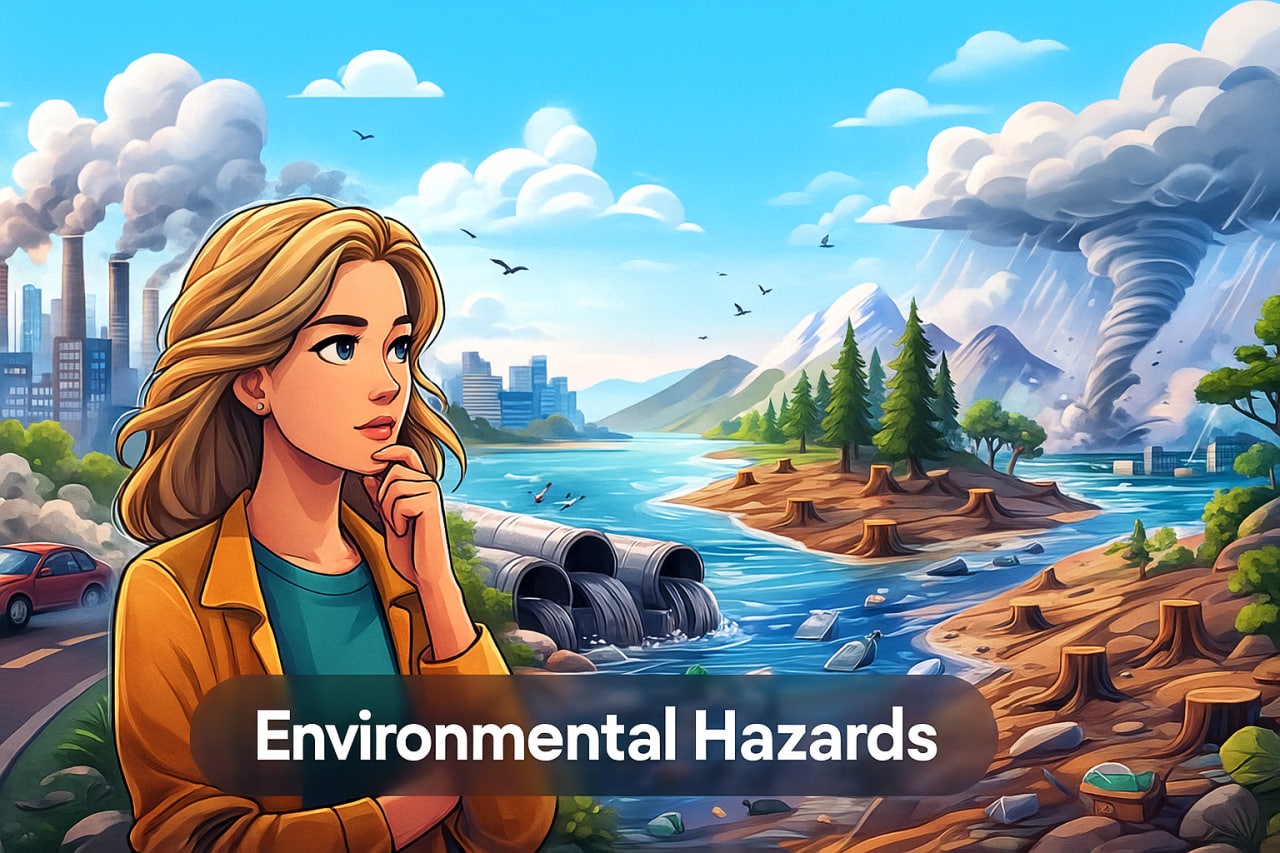
Environmental hazards include a wide range of natural and human-made factors that threaten ecosystems, public health, and global stability.
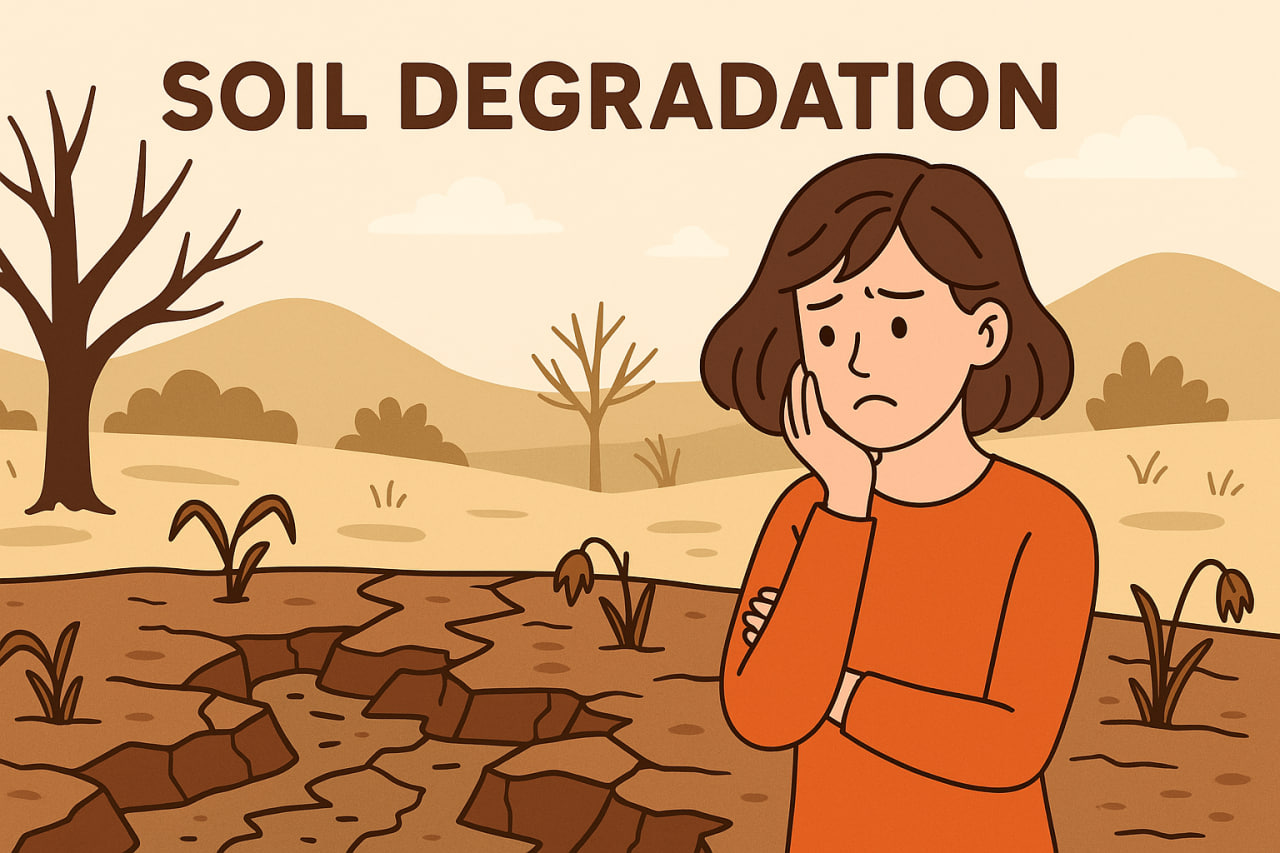
Soil degradation is one of the most critical environmental challenges of the modern world, affecting ecosystems, agriculture, water resources, and long-term sustainability.