
Environmental Impact of Humans and Animals Over the Last 1000 Years
Over the past thousand years, both humans and animals have shaped the natural environment in significant ways, although the scale of influence differs greatly between them.
This section explores biodiversity preservation, sustainable resource use, and climate-related issues. Learn about environmental threats, green initiatives, legislation, and the path toward a more sustainable future.
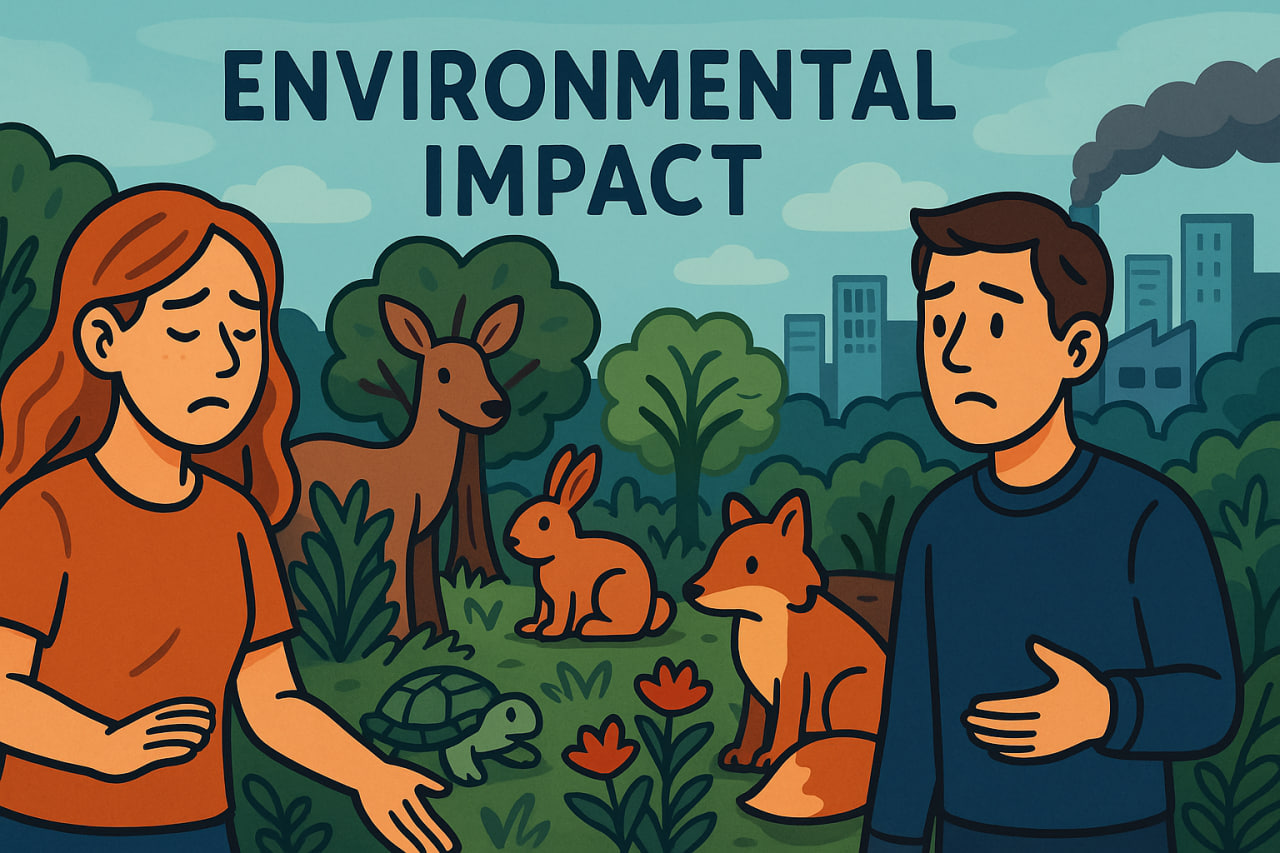
Over the past thousand years, both humans and animals have shaped the natural environment in significant ways, although the scale of influence differs greatly between them.
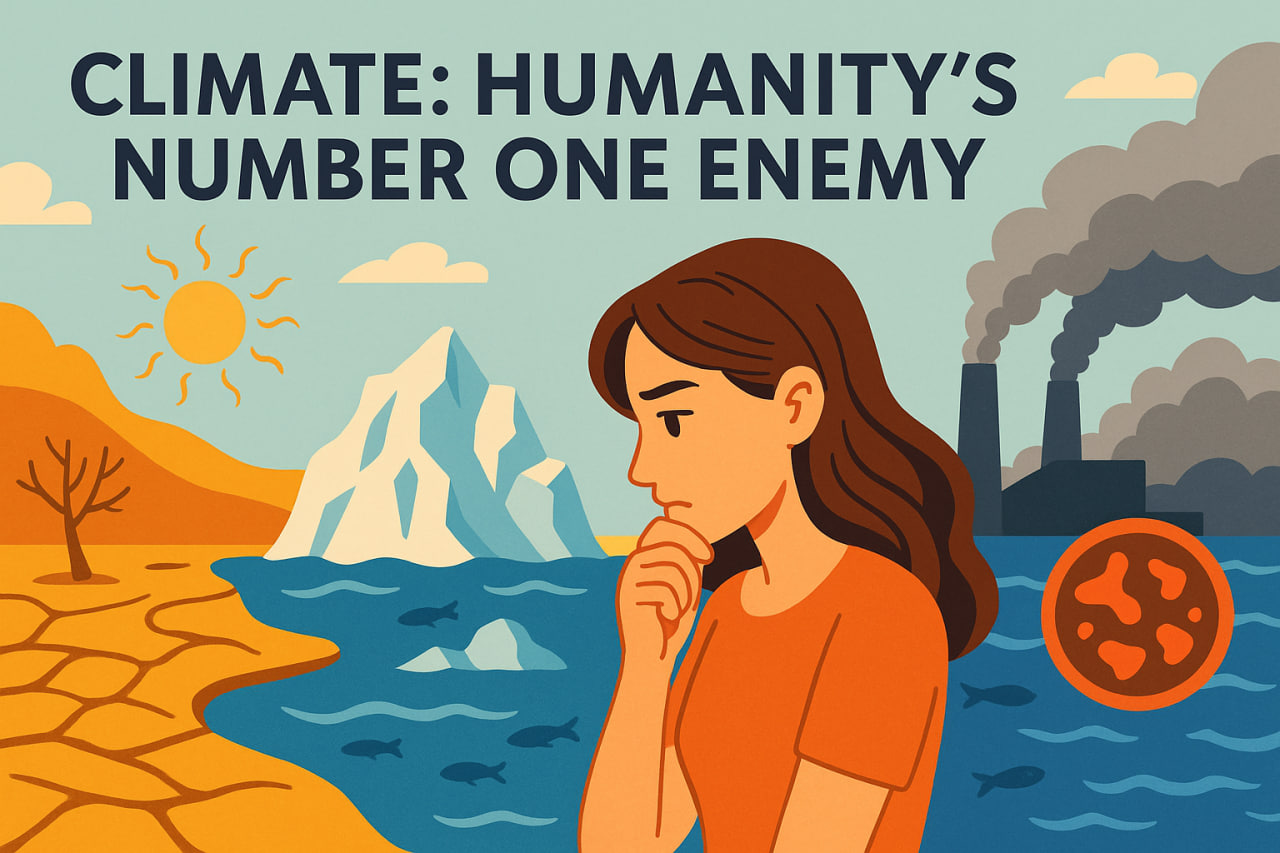
Climate operates as one of the most powerful forces shaping life on Earth, influencing ecosystems, weather patterns, and the stability of environments humans depend on.
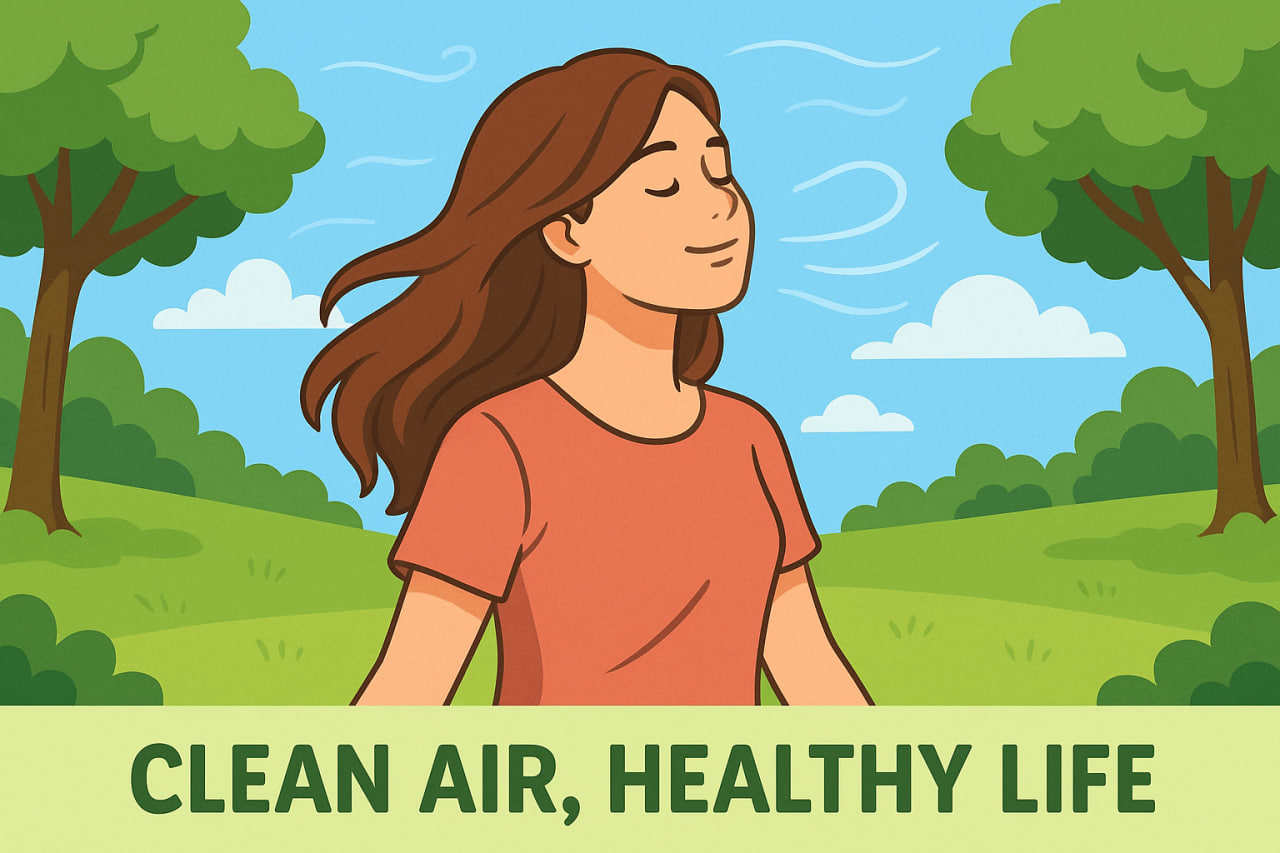
Clean air is one of the most fundamental requirements for human life, yet many people overlook how deeply it influences health and longevity.

In a world increasingly affected by urban heat and energy demand, self-cooling roofs are emerging as one of the most promising innovations in green architecture.
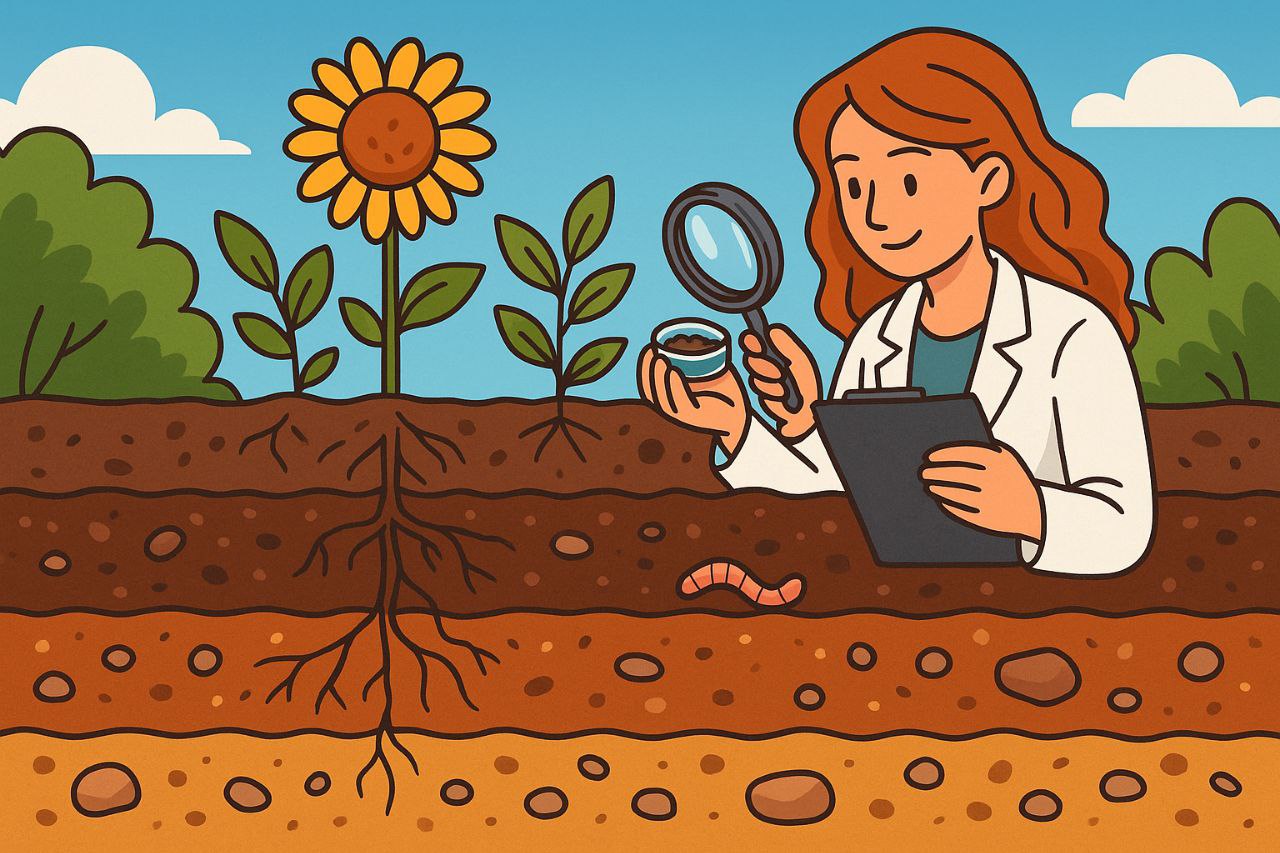
Soil is one of the most essential components of life on Earth. It is much more than just dirt — it is a living, breathing system that supports plants, animals, and humans alike.
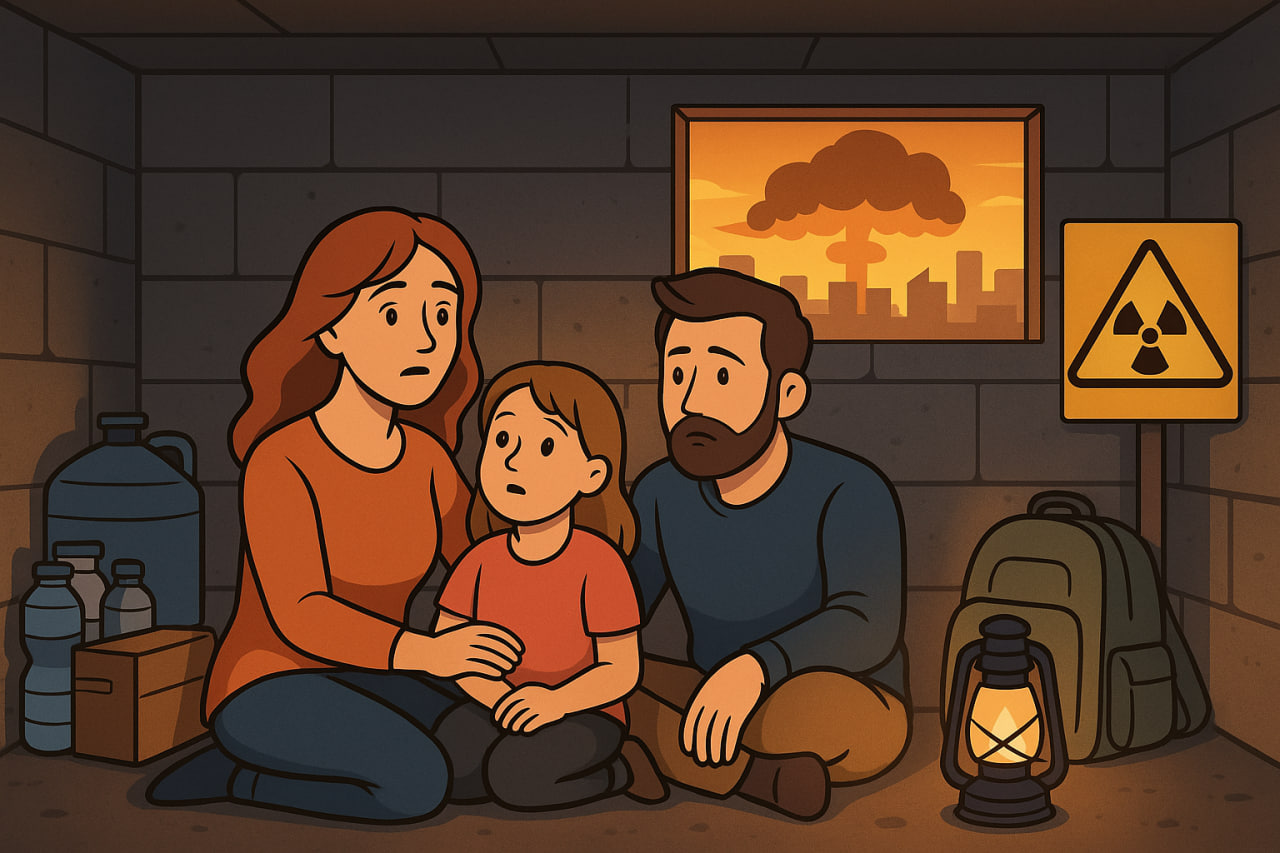
Radiation emergencies, though rare, remain one of the most serious hazards that can threaten public health and safety.
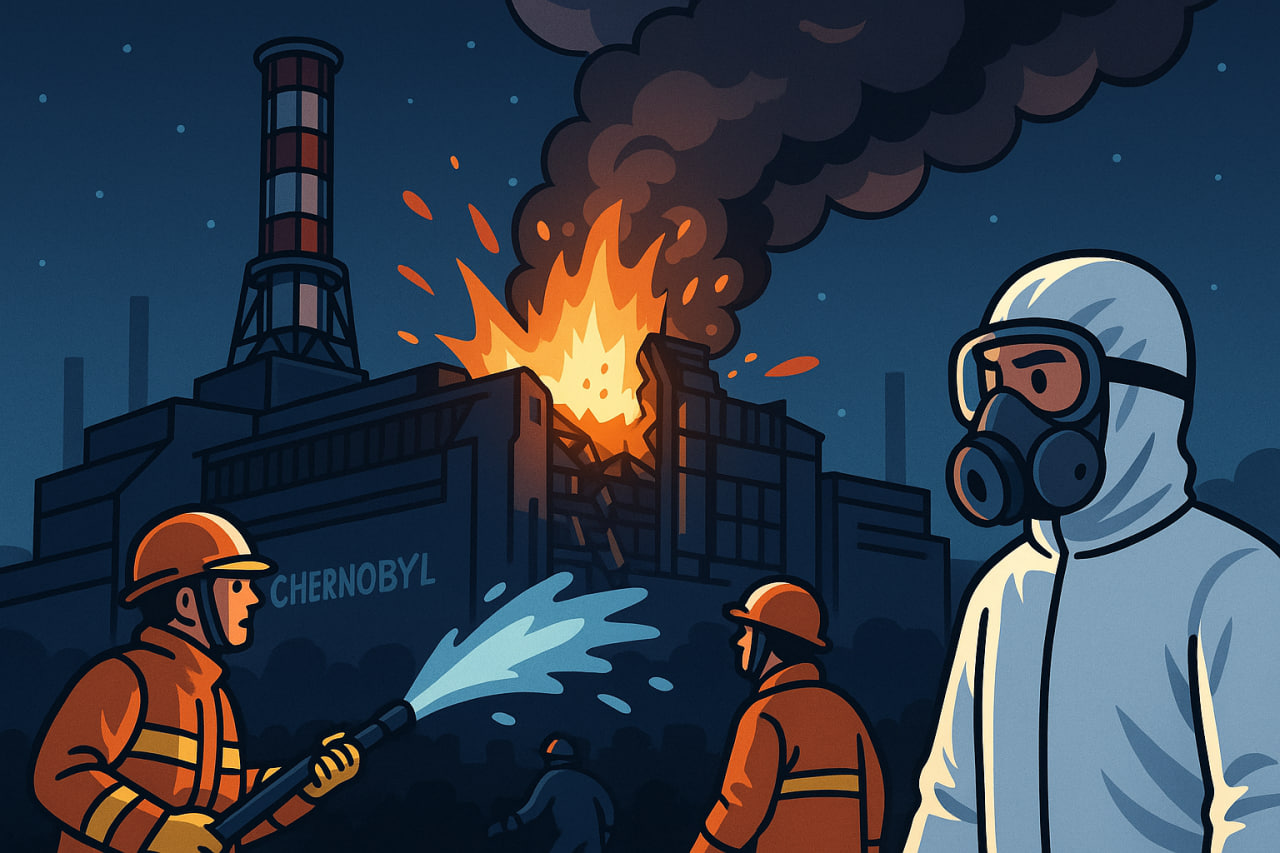
On April 26, 1986, at 1:23 a.m., the world witnessed one of the most catastrophic technological accidents in history—the explosion at Reactor No.
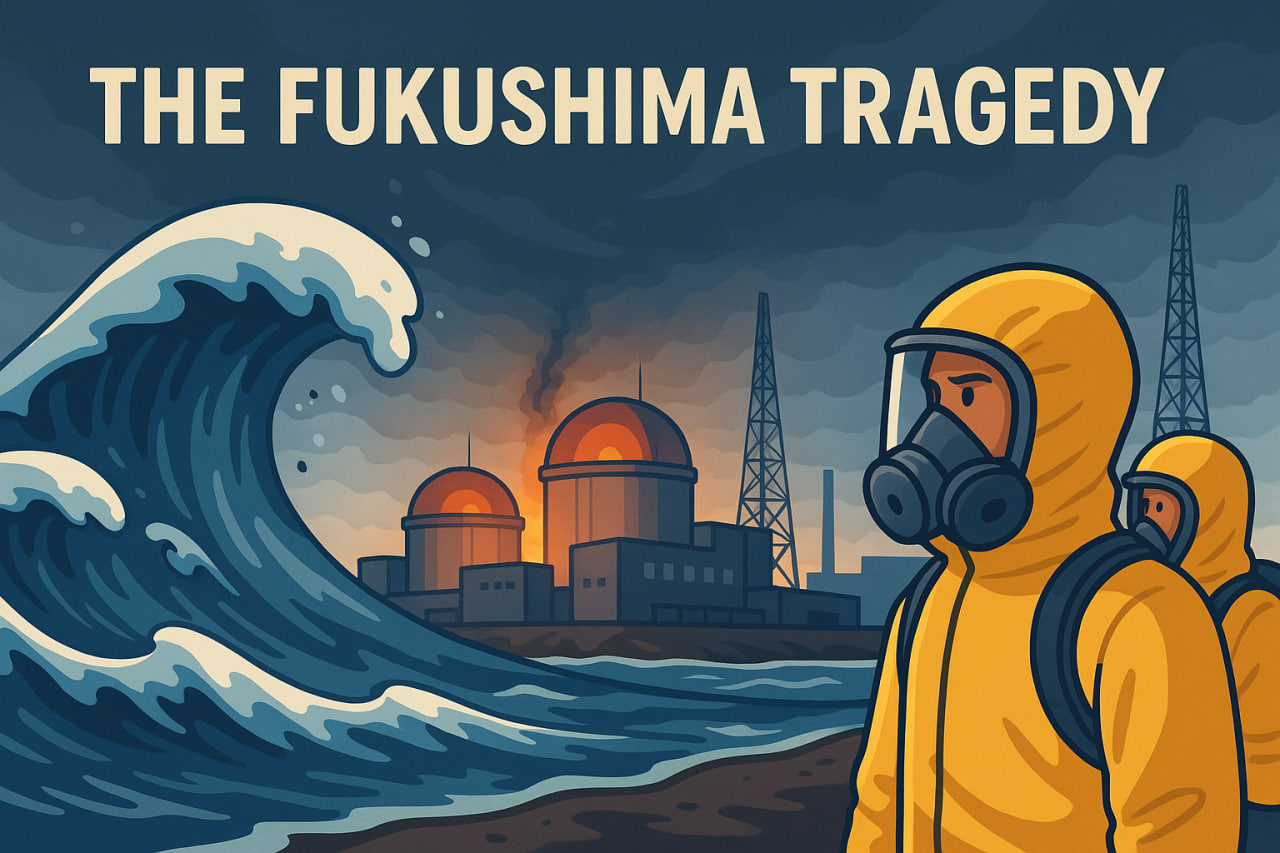
On March 11, 2011, the world witnessed one of the most devastating technological disasters since Chernobyl—the Fukushima Daiichi nuclear accident in Japan.
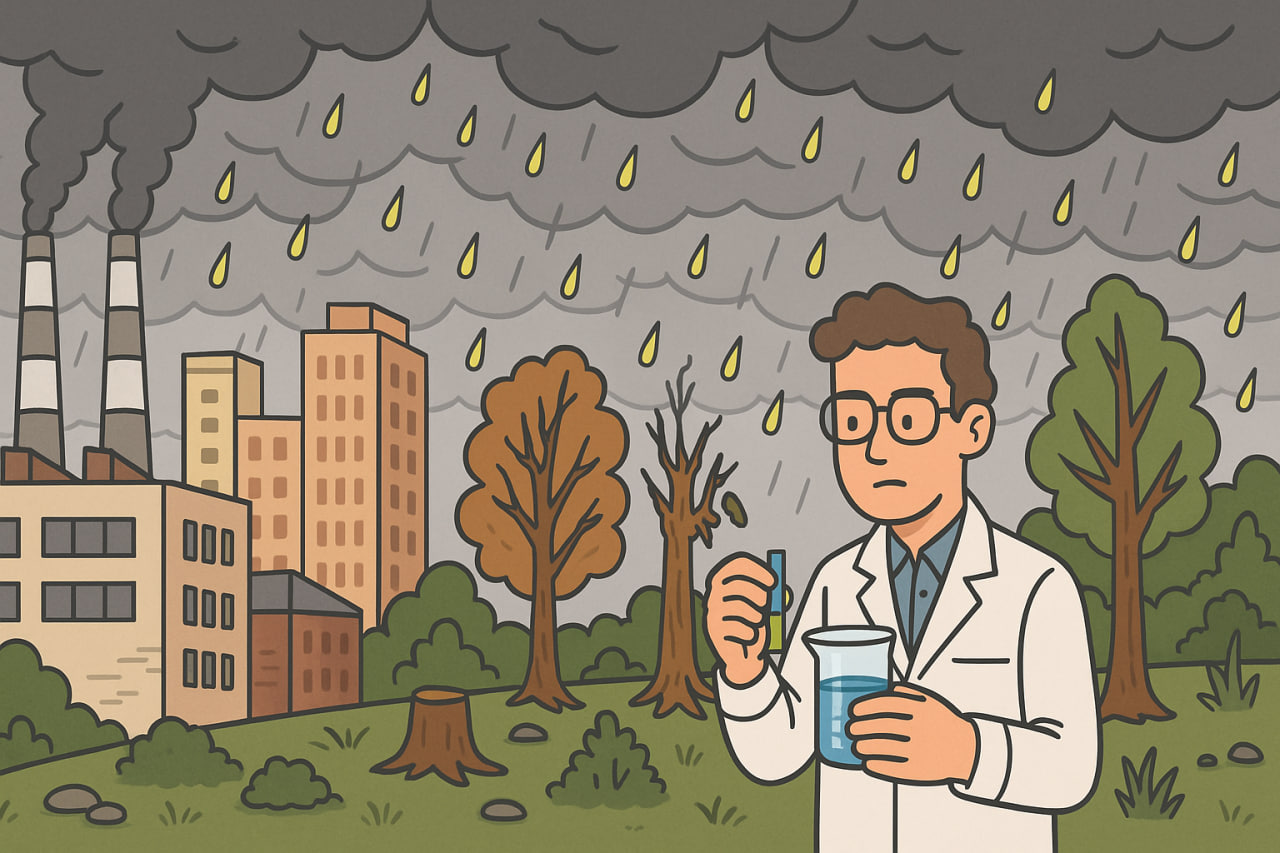
Acid rain is one of the most harmful forms of atmospheric pollution. It occurs when sulfur dioxide (SO₂) and nitrogen oxides (NOₓ) emitted into the air react with water vapor, oxygen, and...
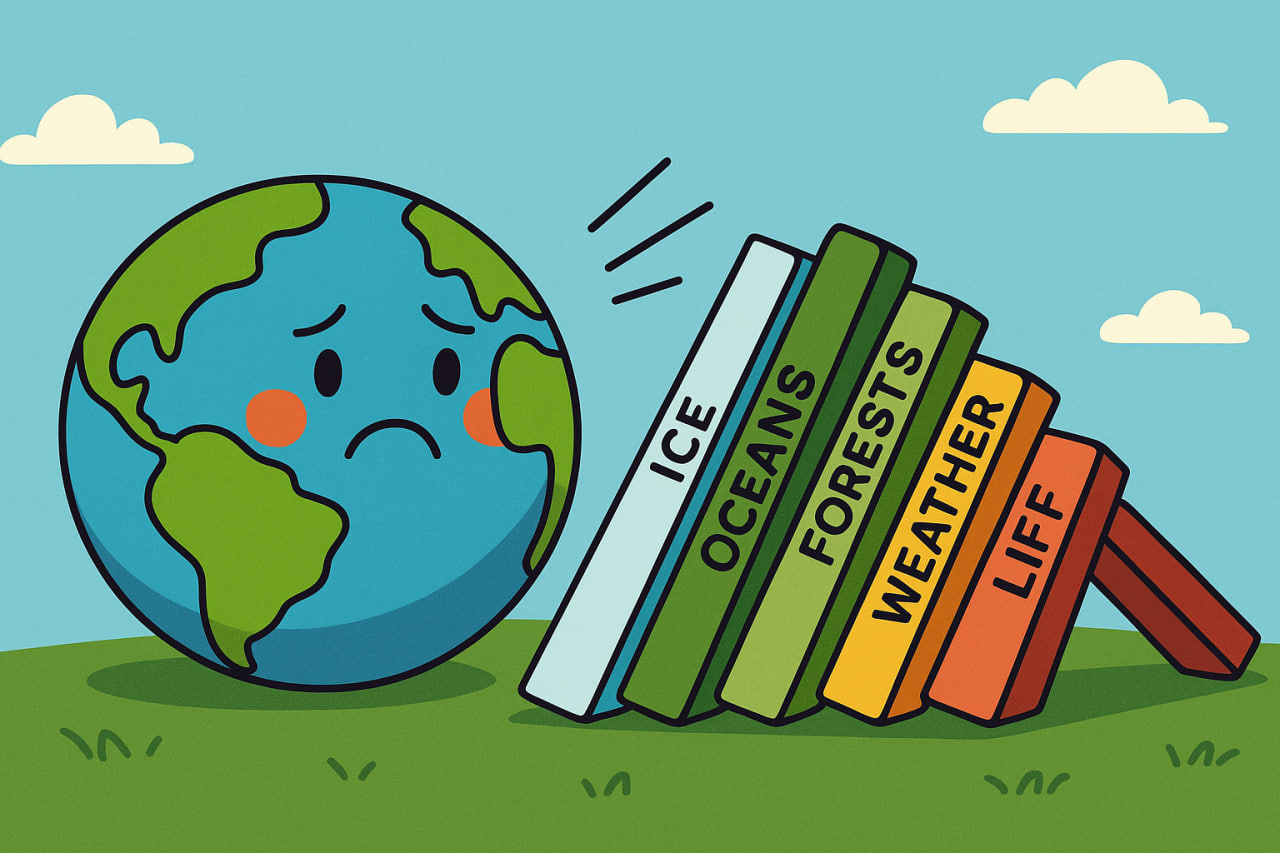
The climate system of our planet functions like a complex web — every part, from the oceans to the atmosphere, is connected.