
How to Clean the Ocean from Pollution
The ocean is Earth’s largest ecosystem, covering over 70% of the planet’s surface. It regulates the climate, produces oxygen, and supports countless forms of life.
This section explores biodiversity preservation, sustainable resource use, and climate-related issues. Learn about environmental threats, green initiatives, legislation, and the path toward a more sustainable future.
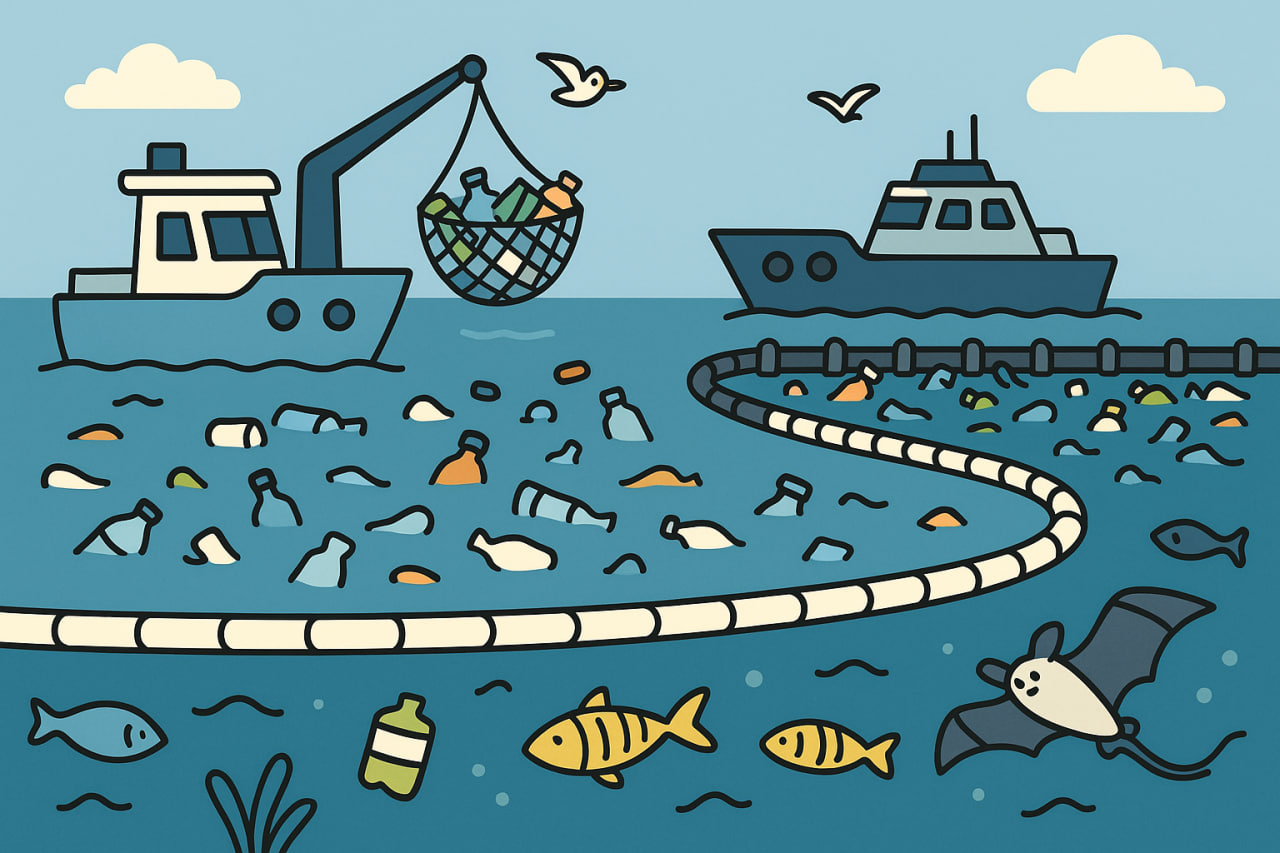
The ocean is Earth’s largest ecosystem, covering over 70% of the planet’s surface. It regulates the climate, produces oxygen, and supports countless forms of life.
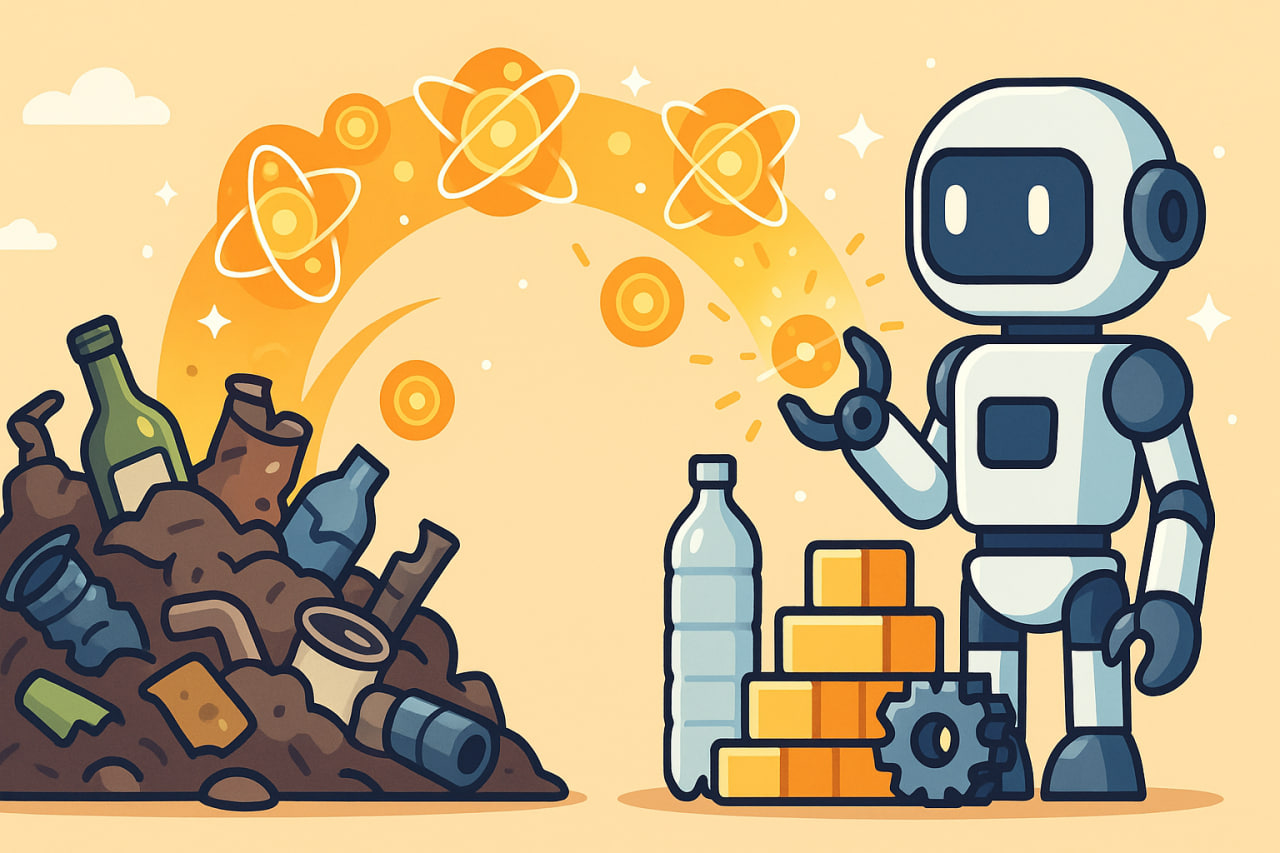
The idea of recycling waste down to its atoms sounds like science fiction, but it is rooted in real principles of physics and chemistry.
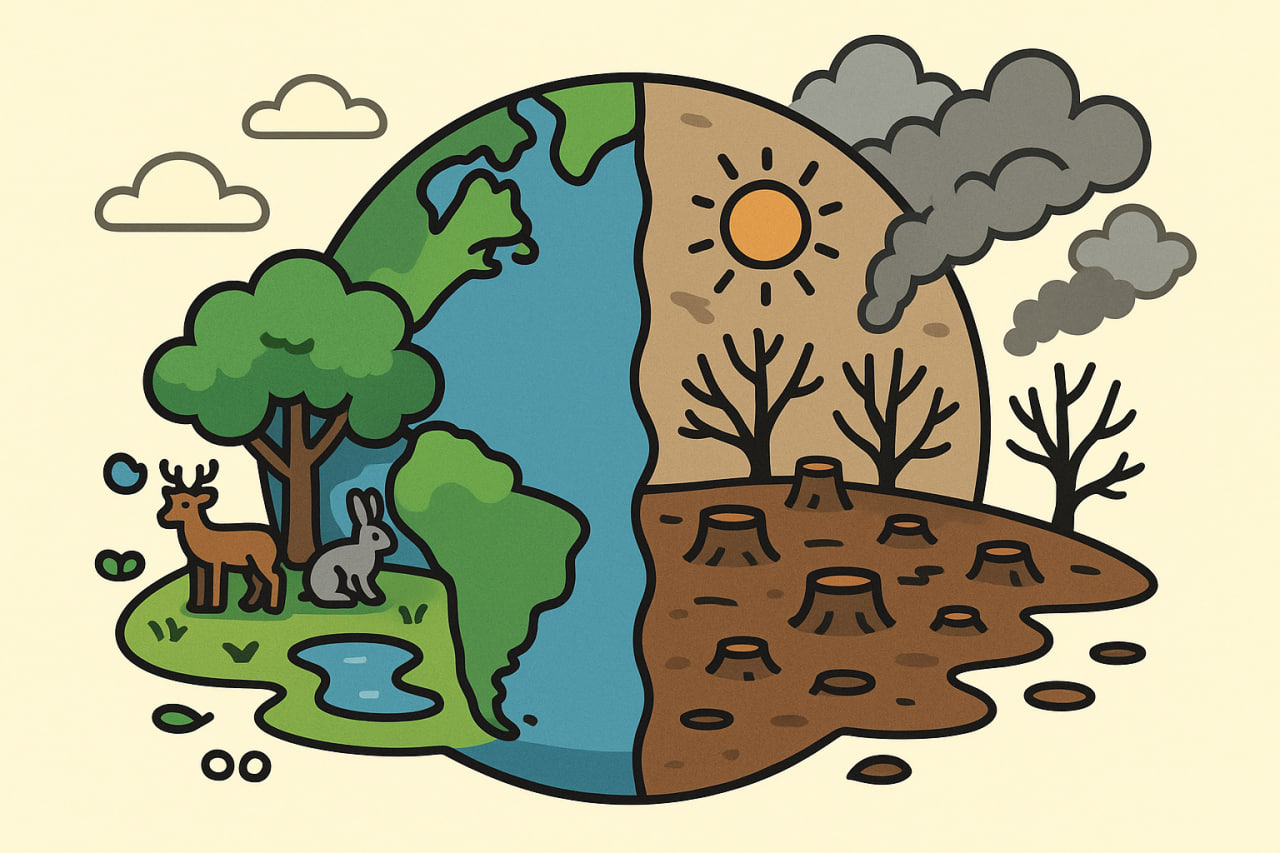
Forests play a critical role in maintaining Earth’s ecosystems. They absorb carbon dioxide and release oxygen, making them the "lungs of the planet.
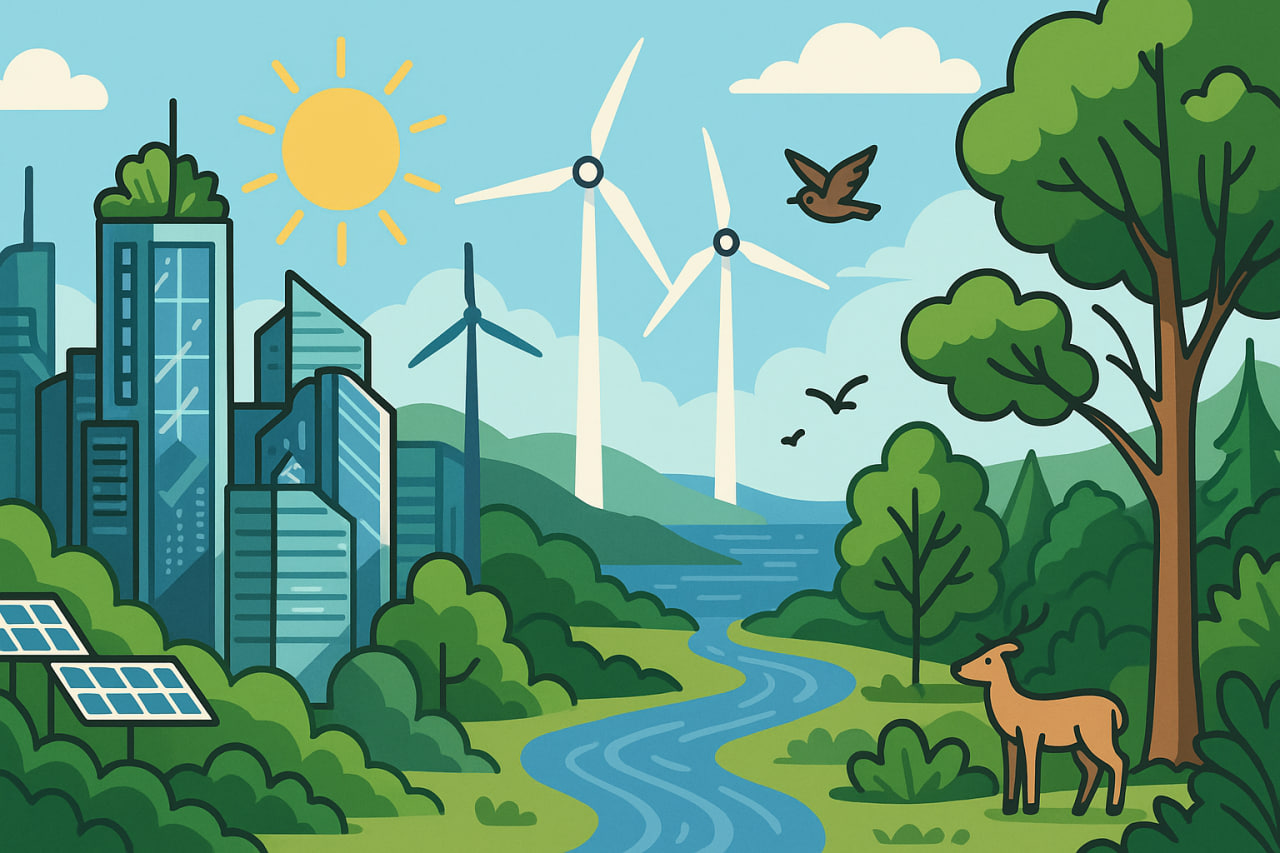
Modern civilization has brought rapid technological progress, but also unprecedented pressure on the environment.
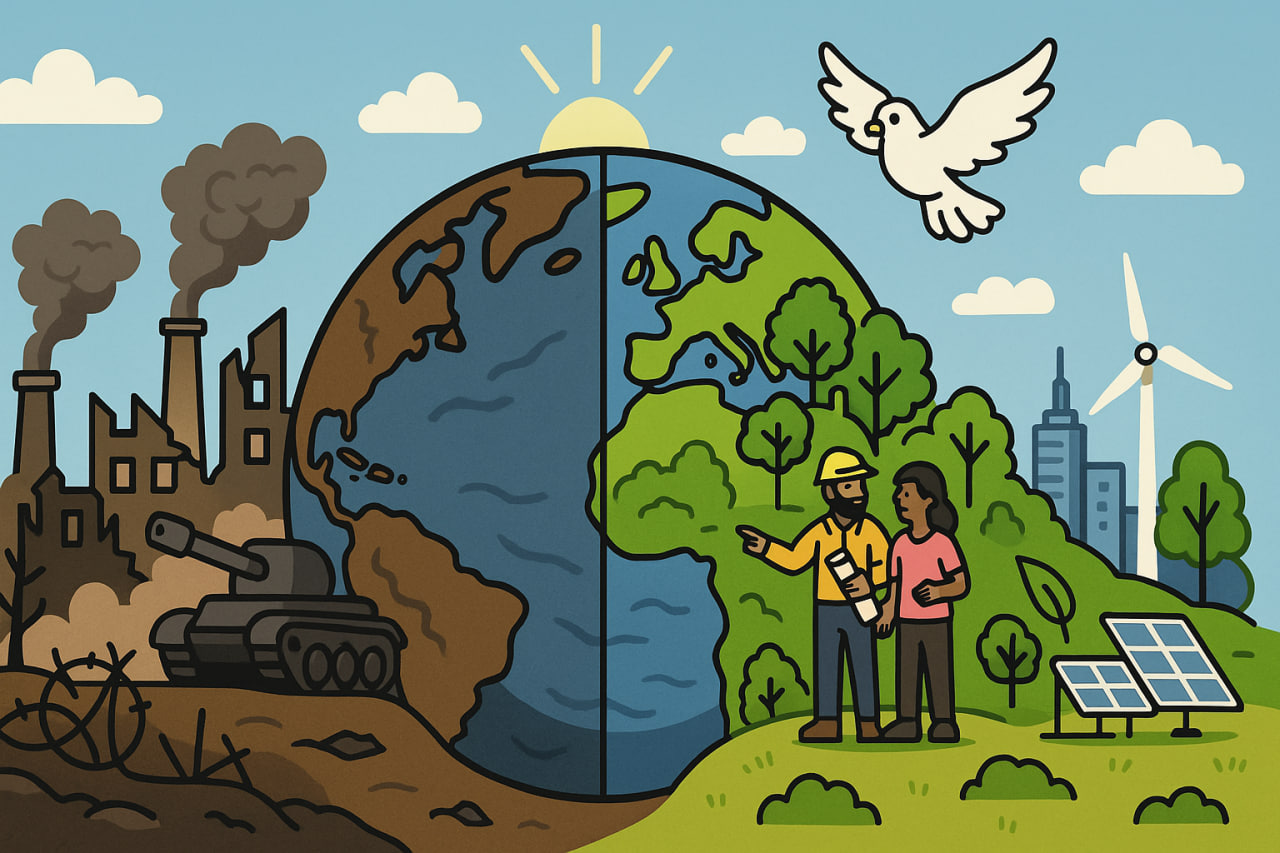
War consumes enormous financial and material resources. If humanity stopped all conflicts, trillions of dollars currently spent on weapons, military operations, and defense could be...
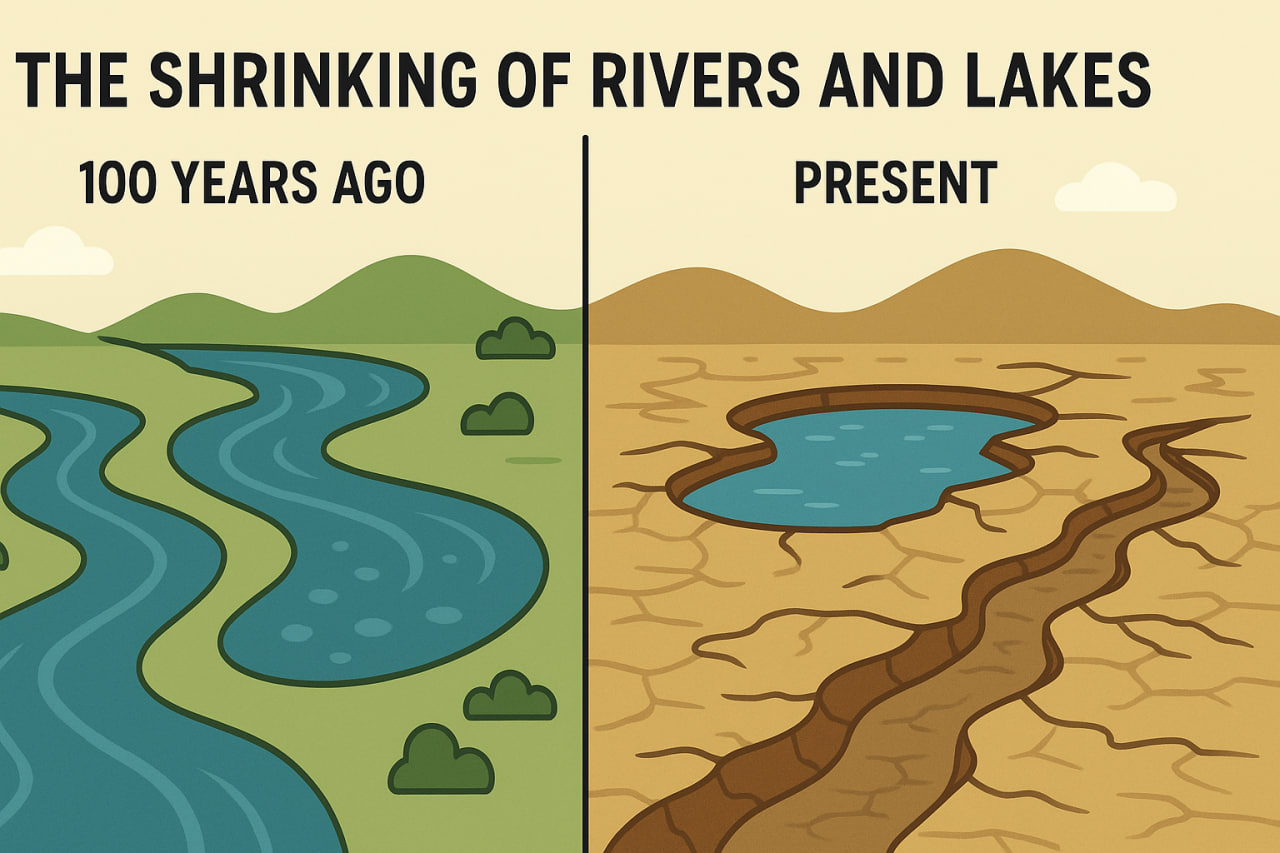
Over the past century, many rivers and lakes worldwide have experienced significant shrinkage.
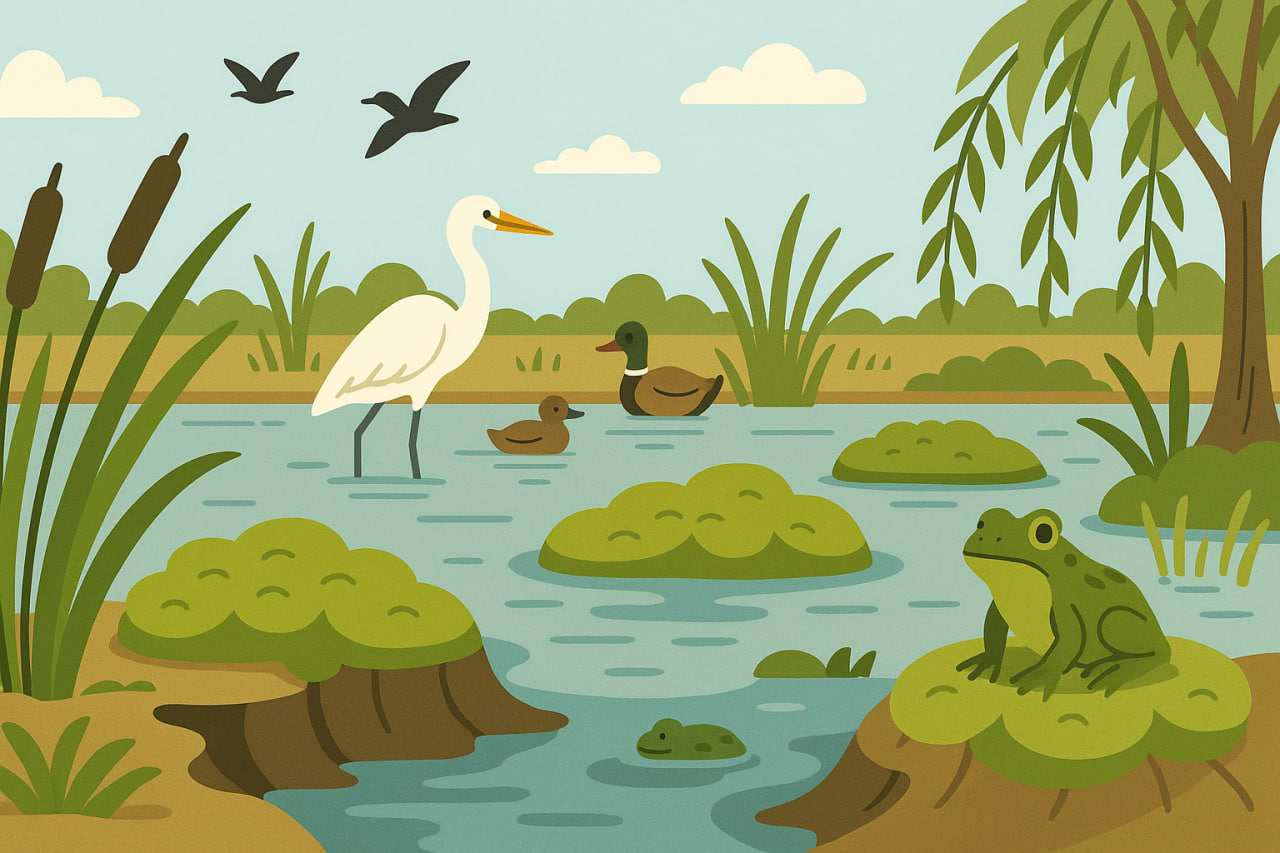
Wetlands, or swamps, form in areas where water accumulates on the surface or just below the soil for long periods.
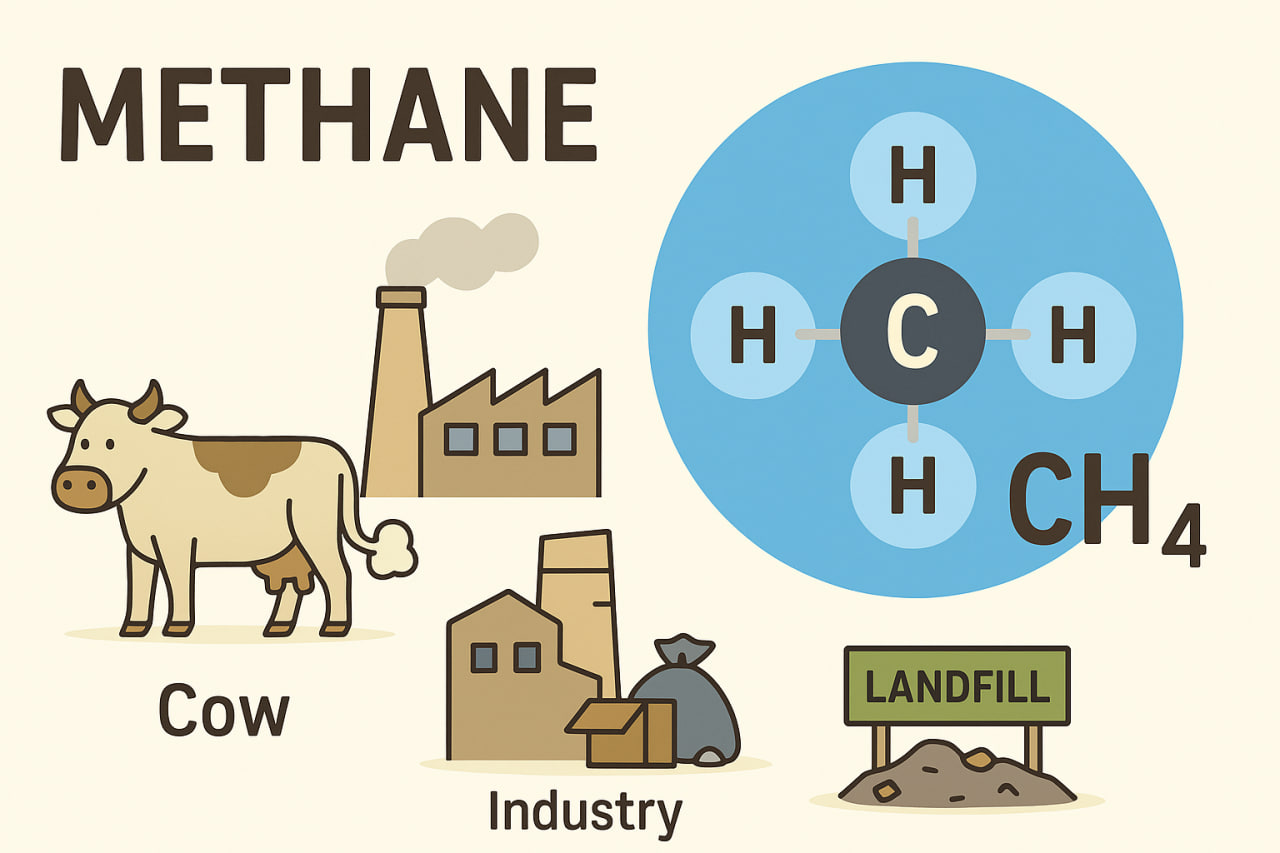
Methane (CH₄) is a simple hydrocarbon composed of one carbon atom and four hydrogen atoms. It is the main component of natural gas and one of the most abundant organic molecules on Earth.
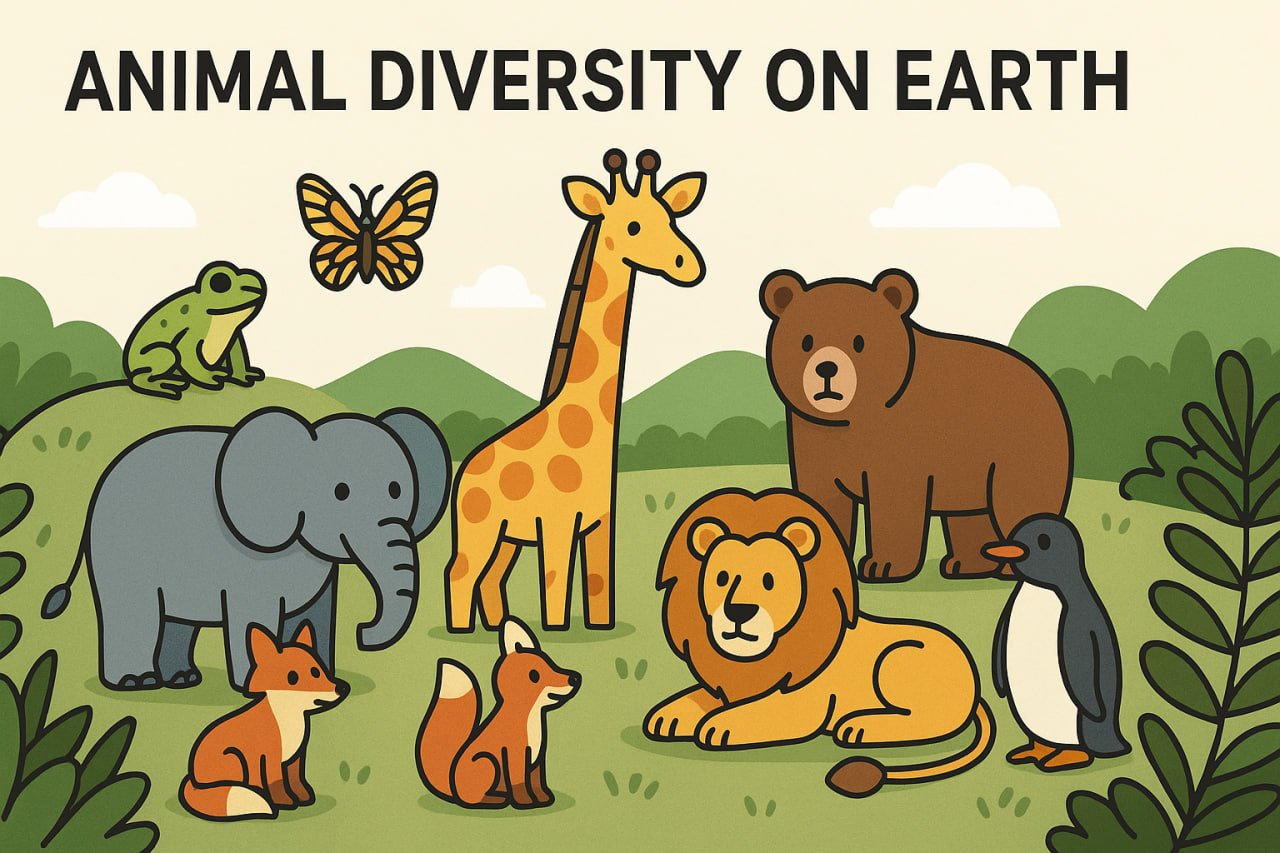
Animal diversity refers to the variety of animal species that inhabit Earth, ranging from microscopic organisms to the largest mammals.
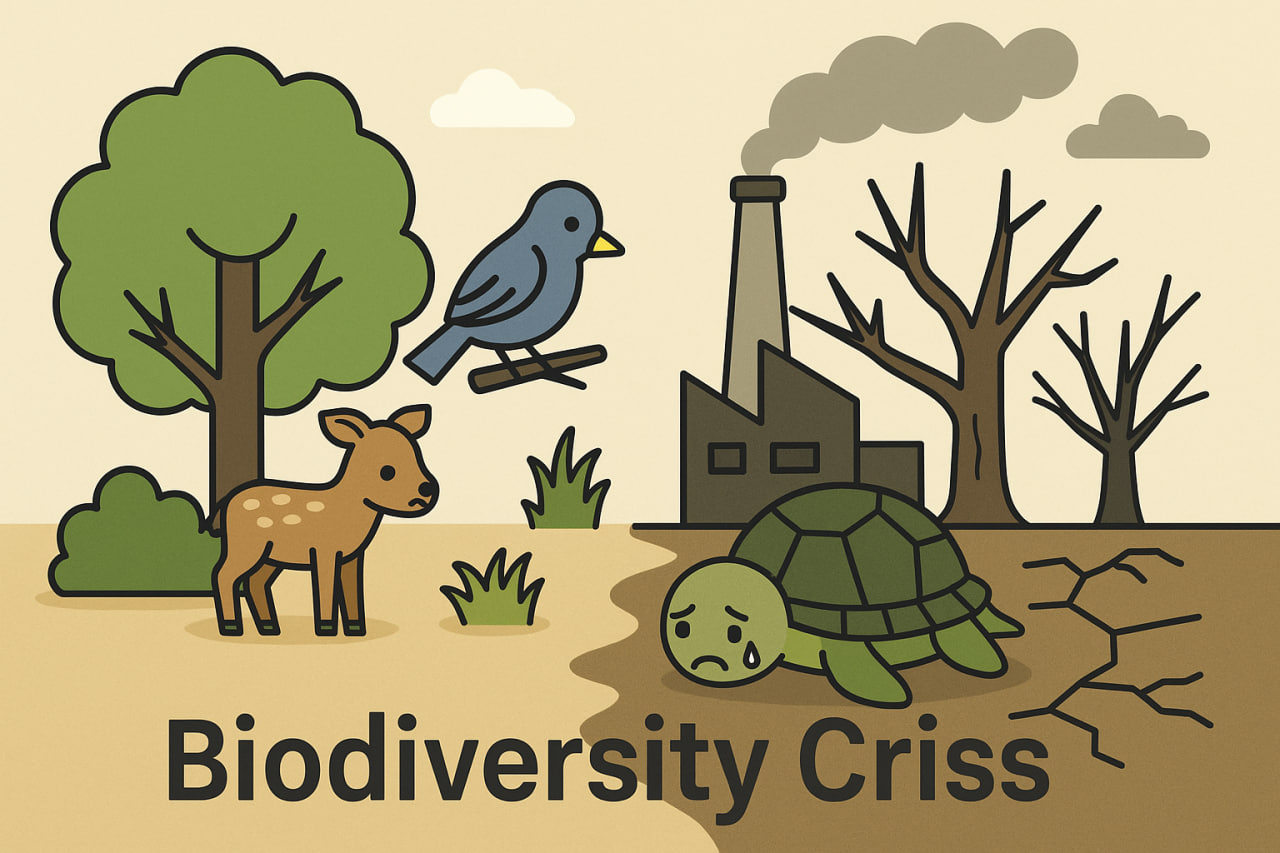
The biodiversity crisis refers to the rapid decline in the variety of species, ecosystems, and genetic diversity on Earth, primarily caused by human activities.