
Global Forest Loss Over the Last 50 Years: Causes, Consequences, and What Lies Ahead
Forests are essential to life on Earth, covering about 30% of the planet's land surface.
This section explores biodiversity preservation, sustainable resource use, and climate-related issues. Learn about environmental threats, green initiatives, legislation, and the path toward a more sustainable future.
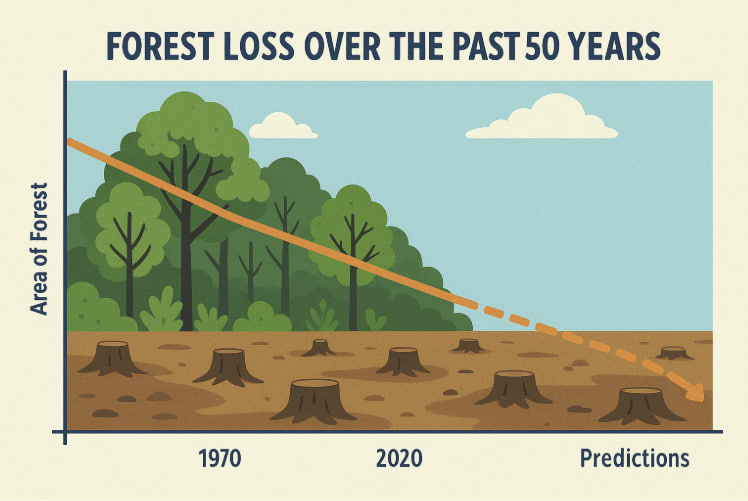
Forests are essential to life on Earth, covering about 30% of the planet's land surface.
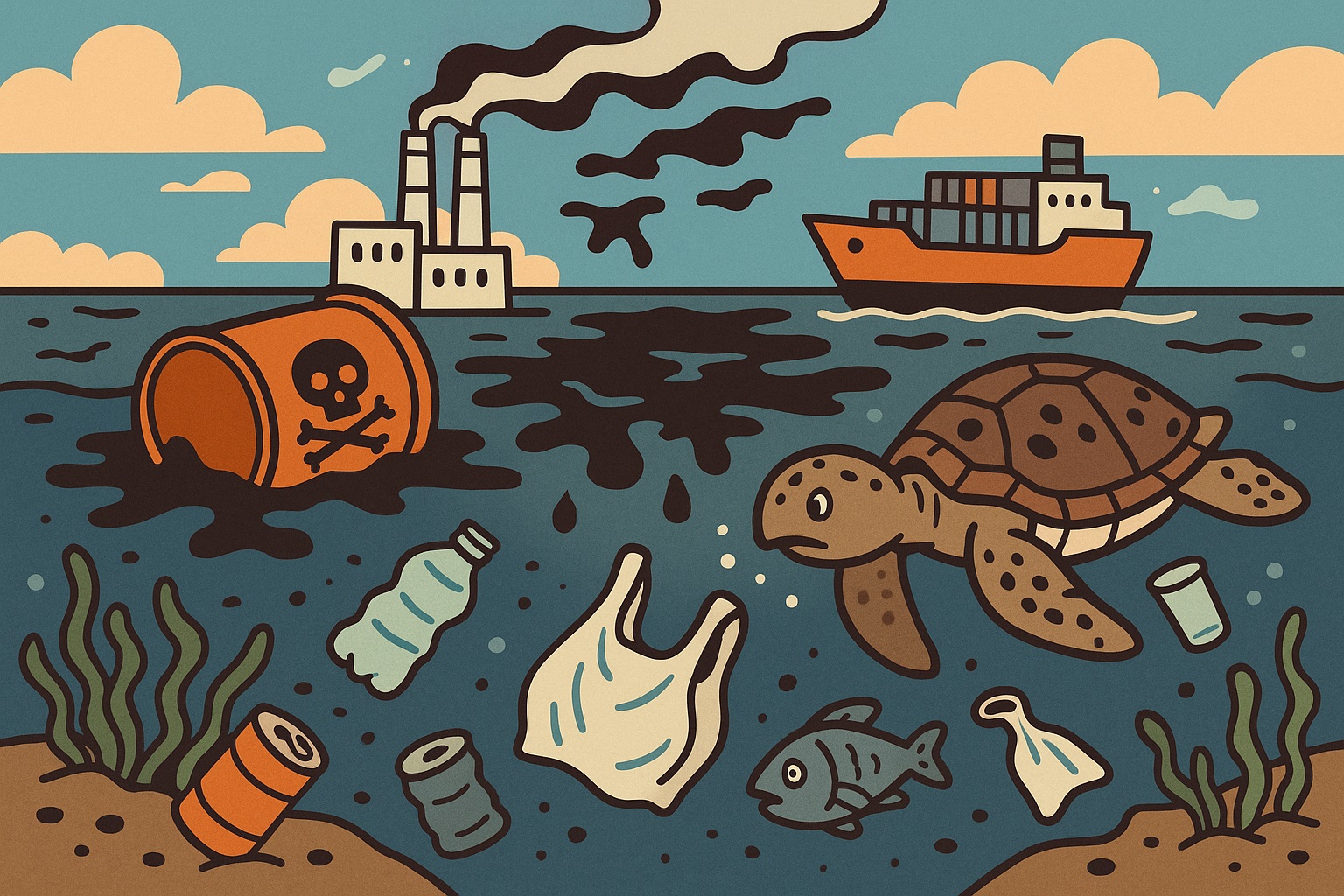
Over the past century, human activity has transformed the world’s oceans from pristine ecosystems into dumping grounds for waste, plastic, and industrial byproducts.
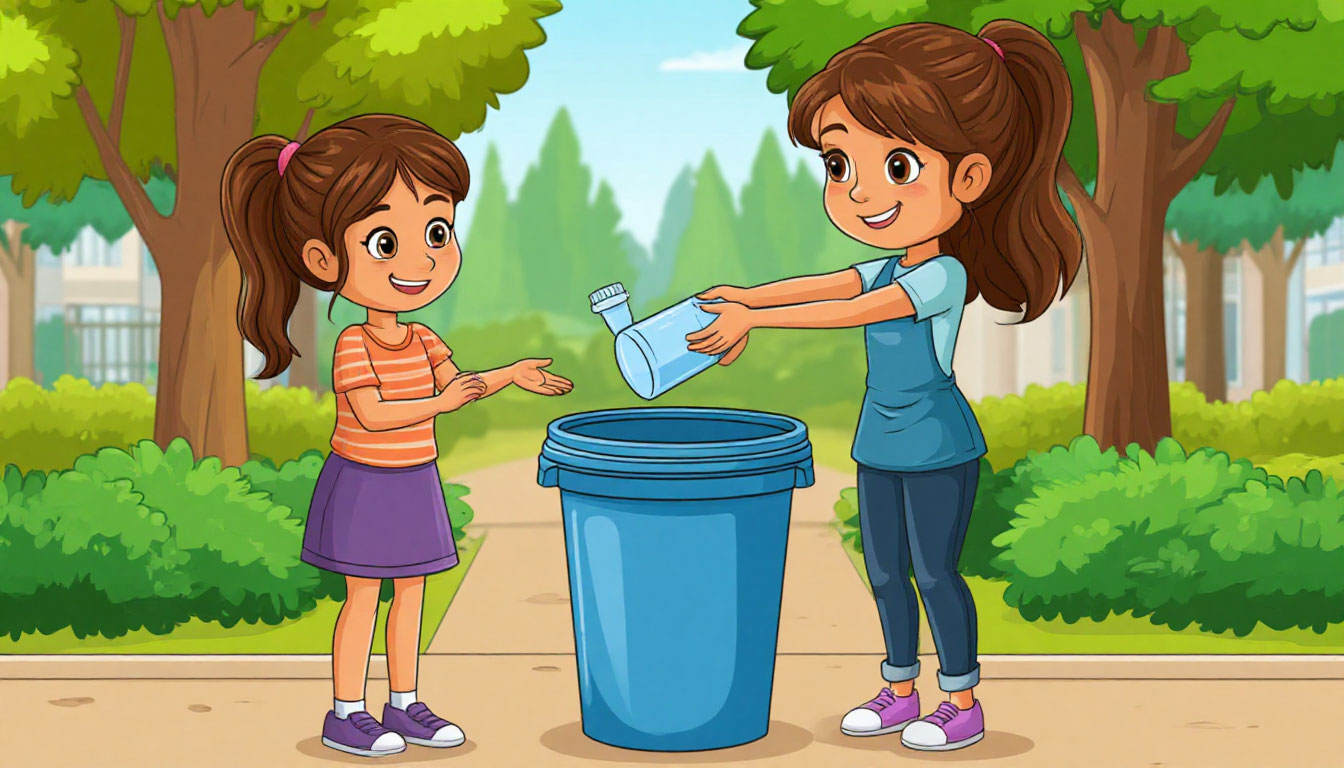
Plastic is one of the most widely used materials in the modern world. From packaging and electronics to clothing and medical tools, it has revolutionized nearly every industry due to its...
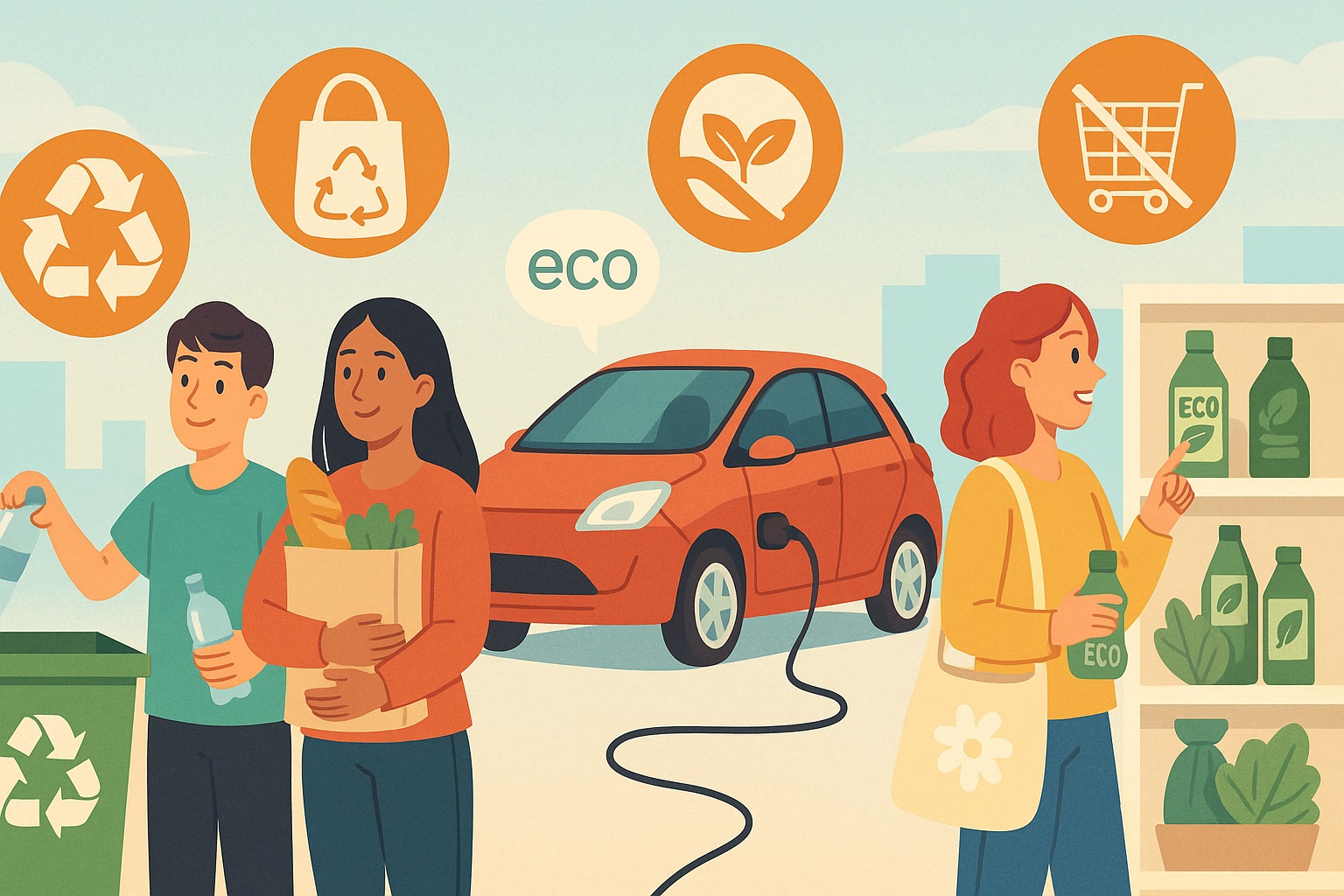
Environmental awareness has grown significantly over the past few decades, but along with it, many myths and misconceptions have spread.
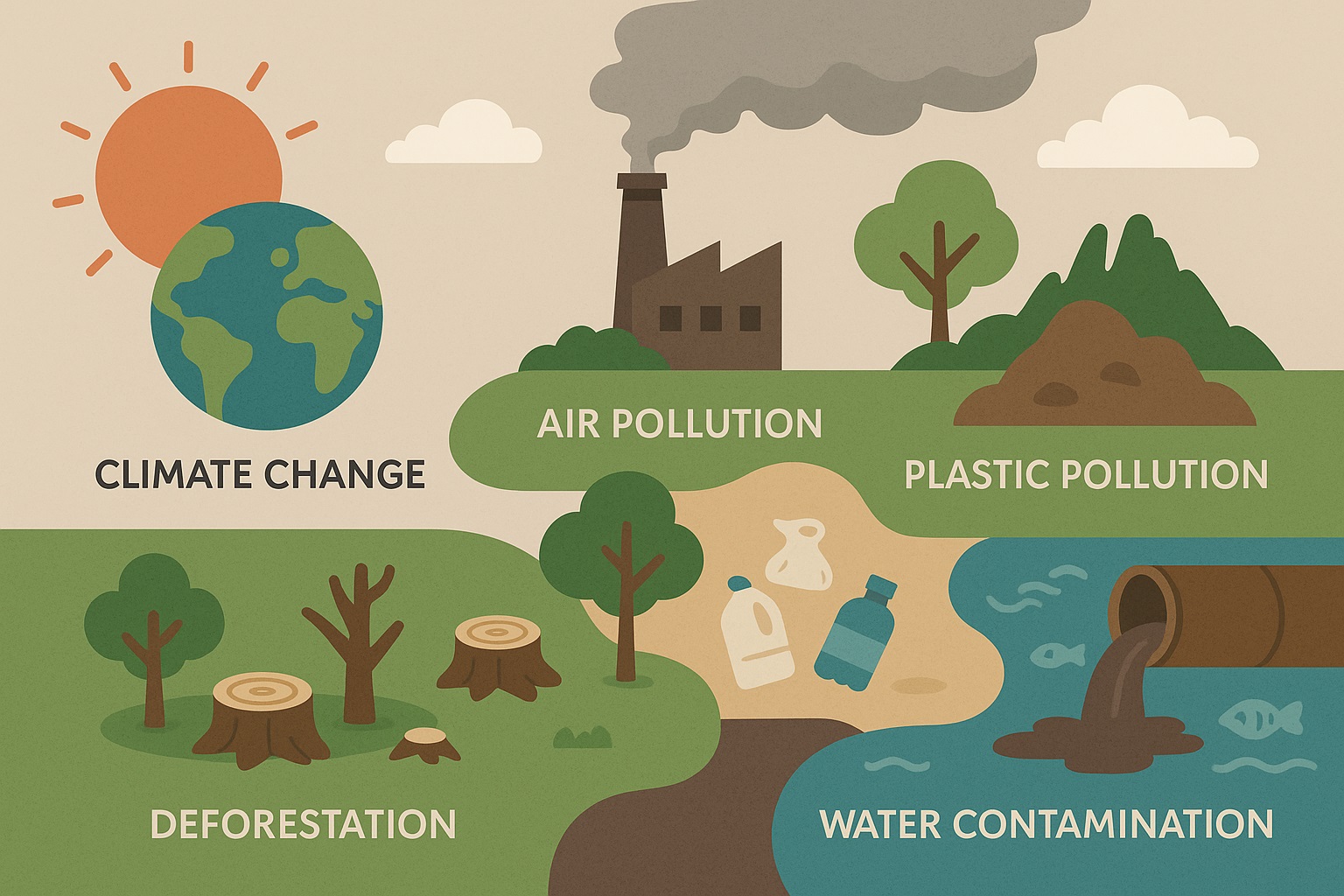
In the 21st century, humanity faces a series of urgent environmental crises that threaten the stability of ecosystems, human health, and global security.
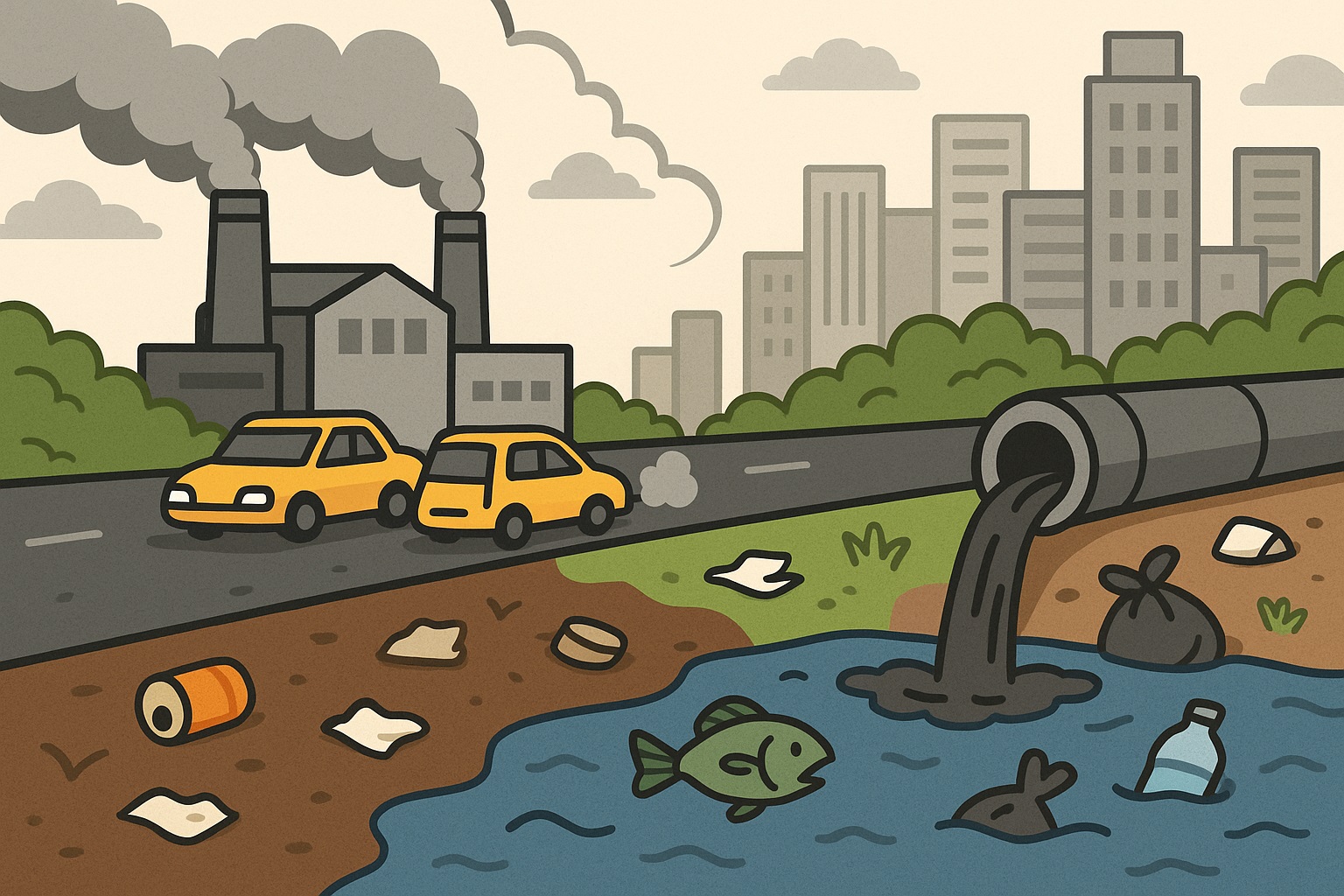
Modern life offers countless conveniences — from cars and factories to plastic packaging and electronics. Yet these very advancements come with a heavy price: environmental pollution.
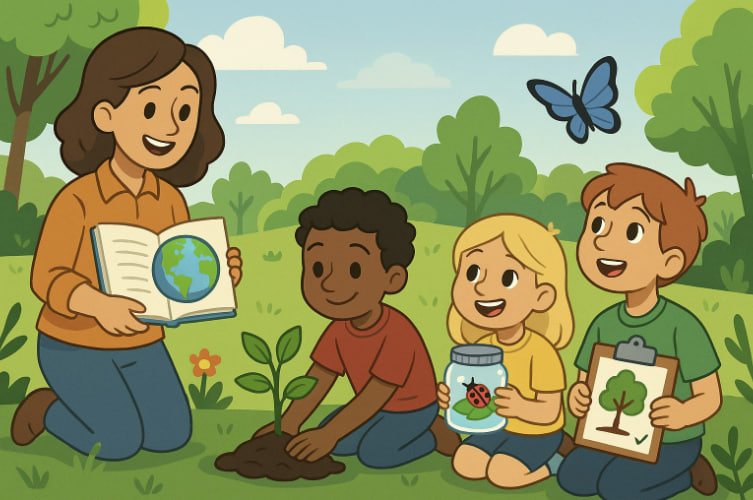
In a world facing climate change, biodiversity loss, and pollution, teaching the next generation to care for the environment is more important than ever.
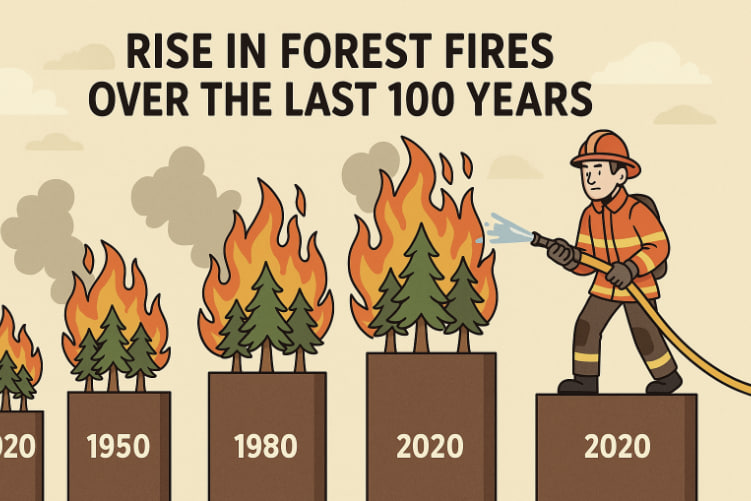
Over the past century, forest fires — also known as wildfires — have become larger, more frequent, and more destructive.
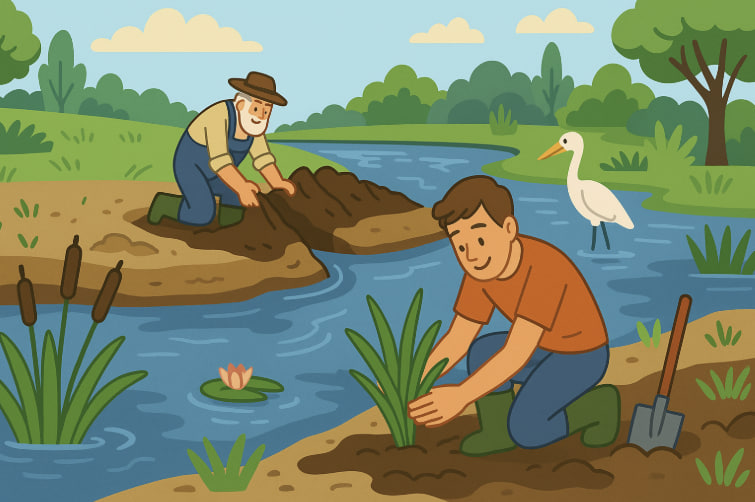
Wetlands — including swamps, bogs, marshes, and peatlands — are among the most valuable ecosystems on Earth.
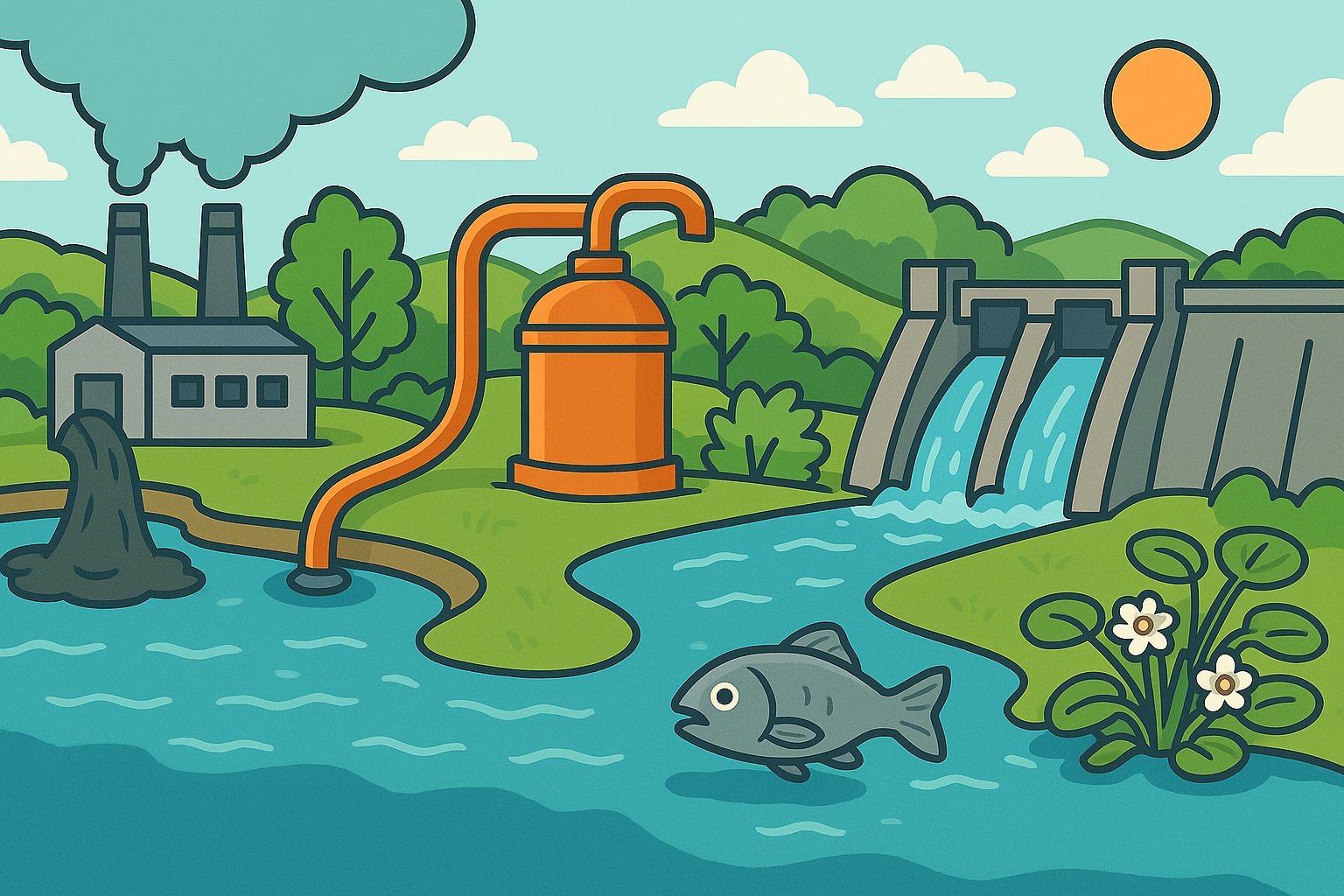
Rivers, lakes, and wetlands are the lifeblood of the planet. They supply drinking water, support agriculture, power industries, and harbor countless species.