
Why Amphibians Are Disappearing
Amphibians — frogs, toads, salamanders, and caecilians — are among the most threatened groups of animals on Earth.
This section explores biodiversity preservation, sustainable resource use, and climate-related issues. Learn about environmental threats, green initiatives, legislation, and the path toward a more sustainable future.
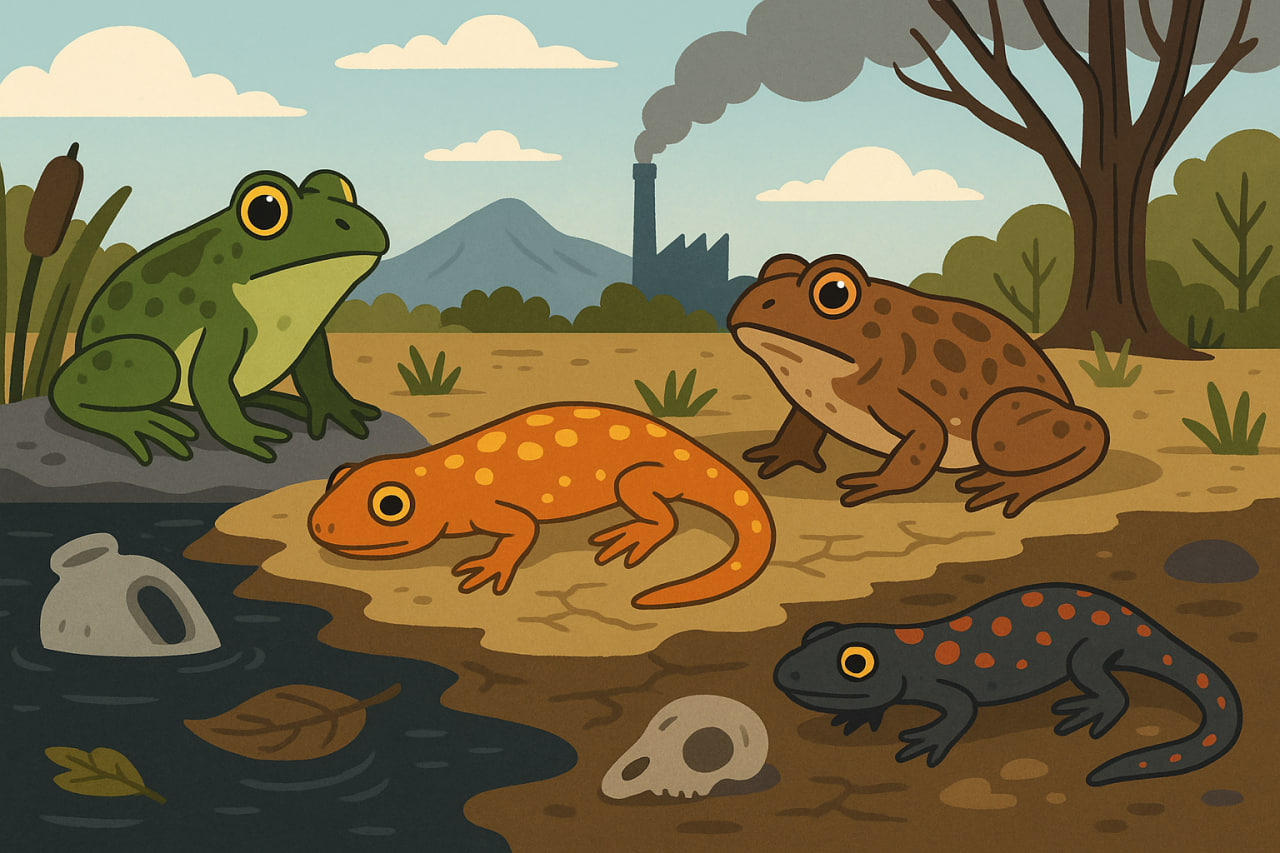
Amphibians — frogs, toads, salamanders, and caecilians — are among the most threatened groups of animals on Earth.
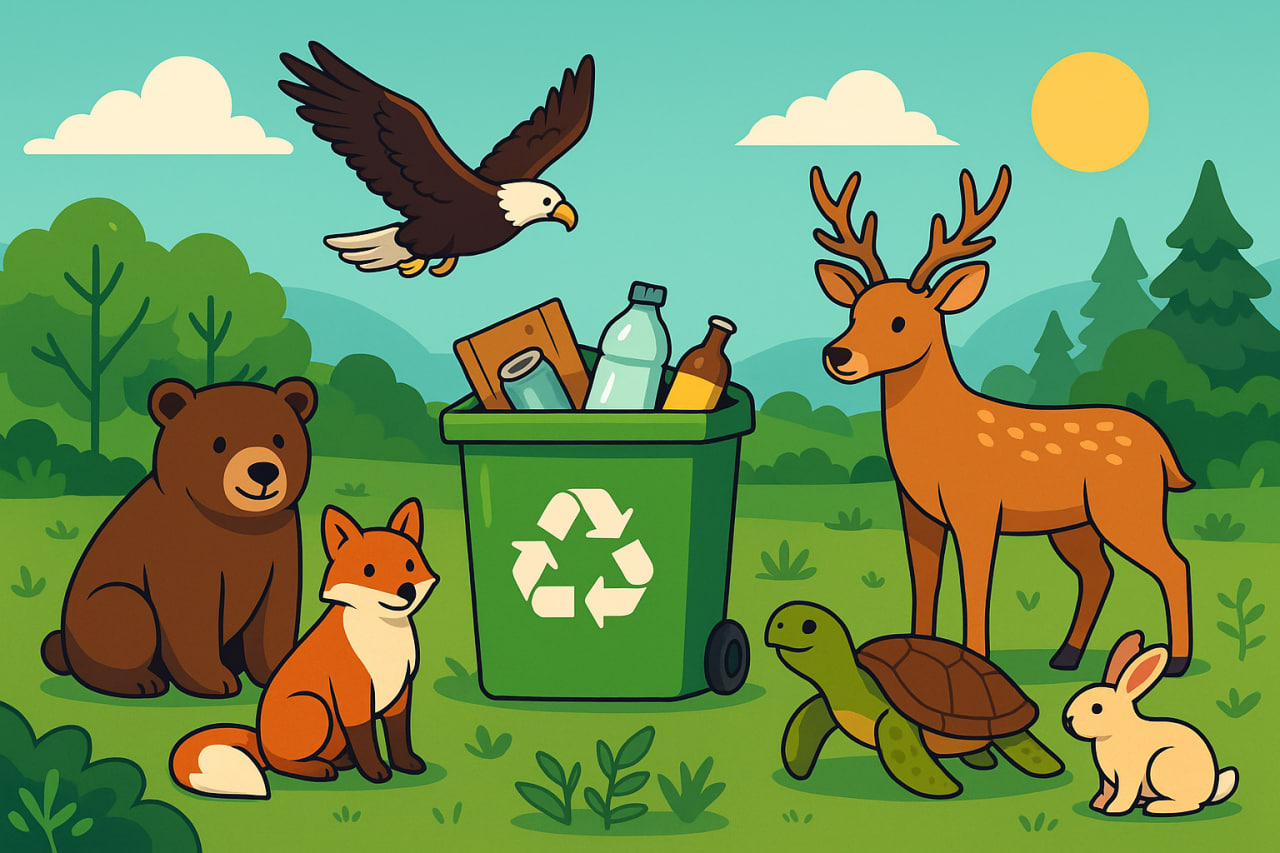
Recycling is often seen as an environmental responsibility that reduces landfill waste, conserves resources, and saves energy. But its role in protecting animals is equally important.
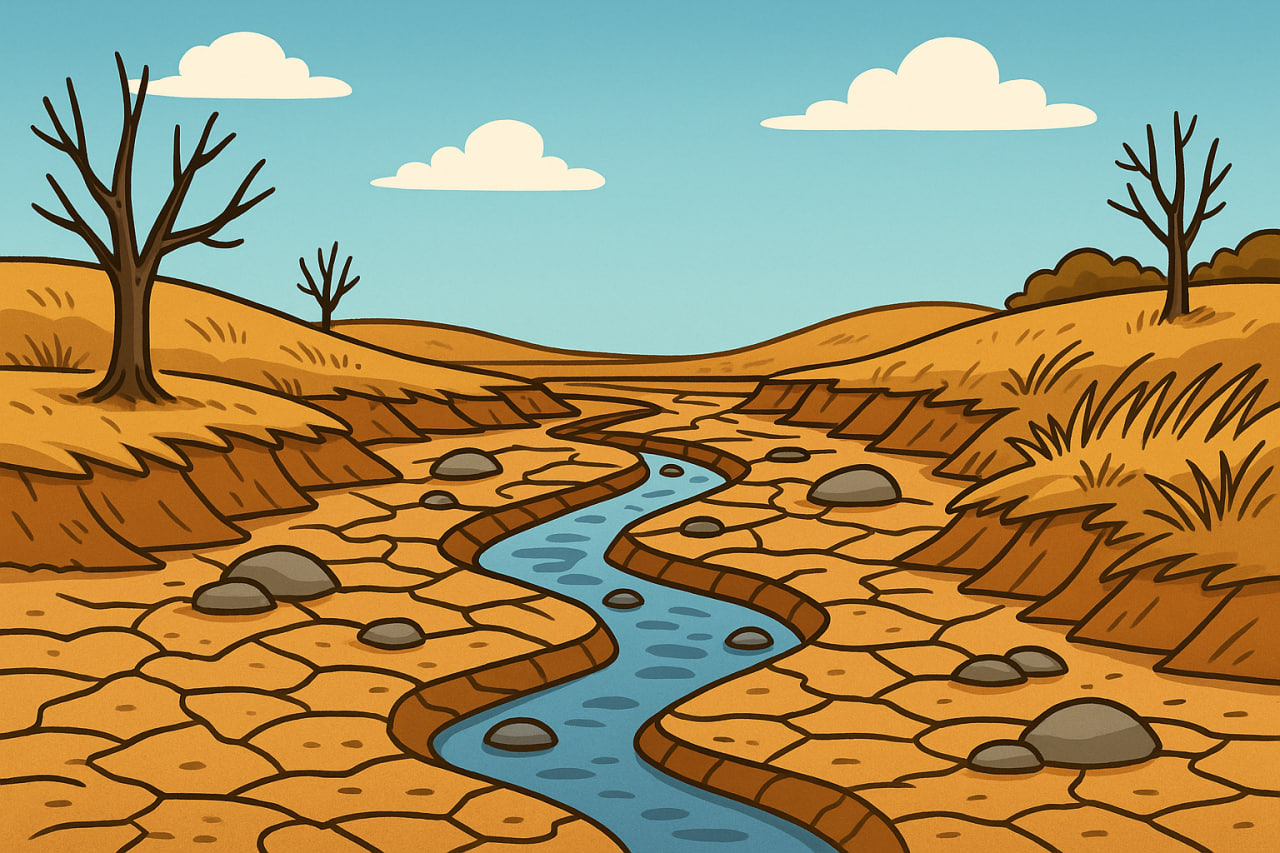
Rivers are vital lifelines for ecosystems, agriculture, and human communities. Yet, across the world, many rivers are experiencing seasonal or permanent drying.

Ecology is the scientific study of the relationships between living organisms and their environment.
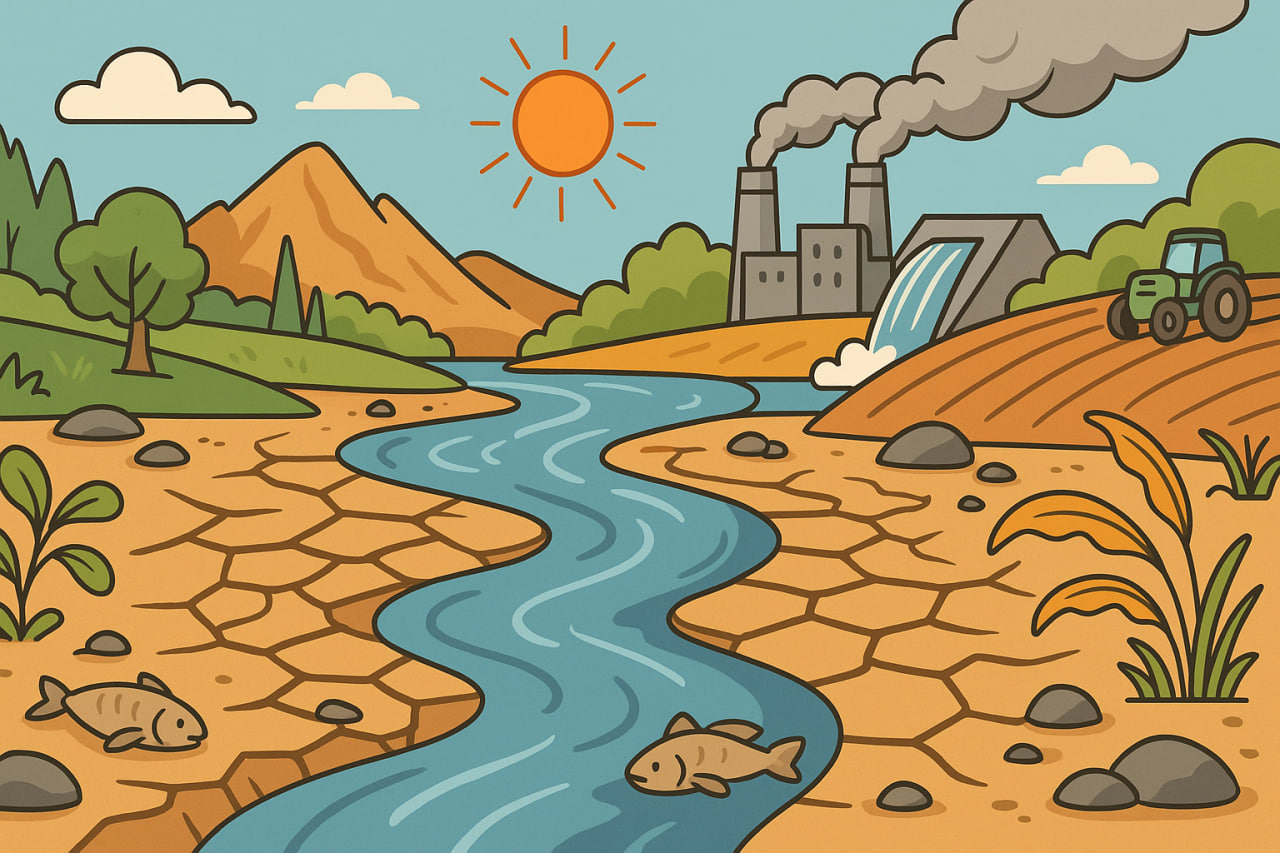
Rivers are vital freshwater systems that support ecosystems, agriculture, and human settlements.
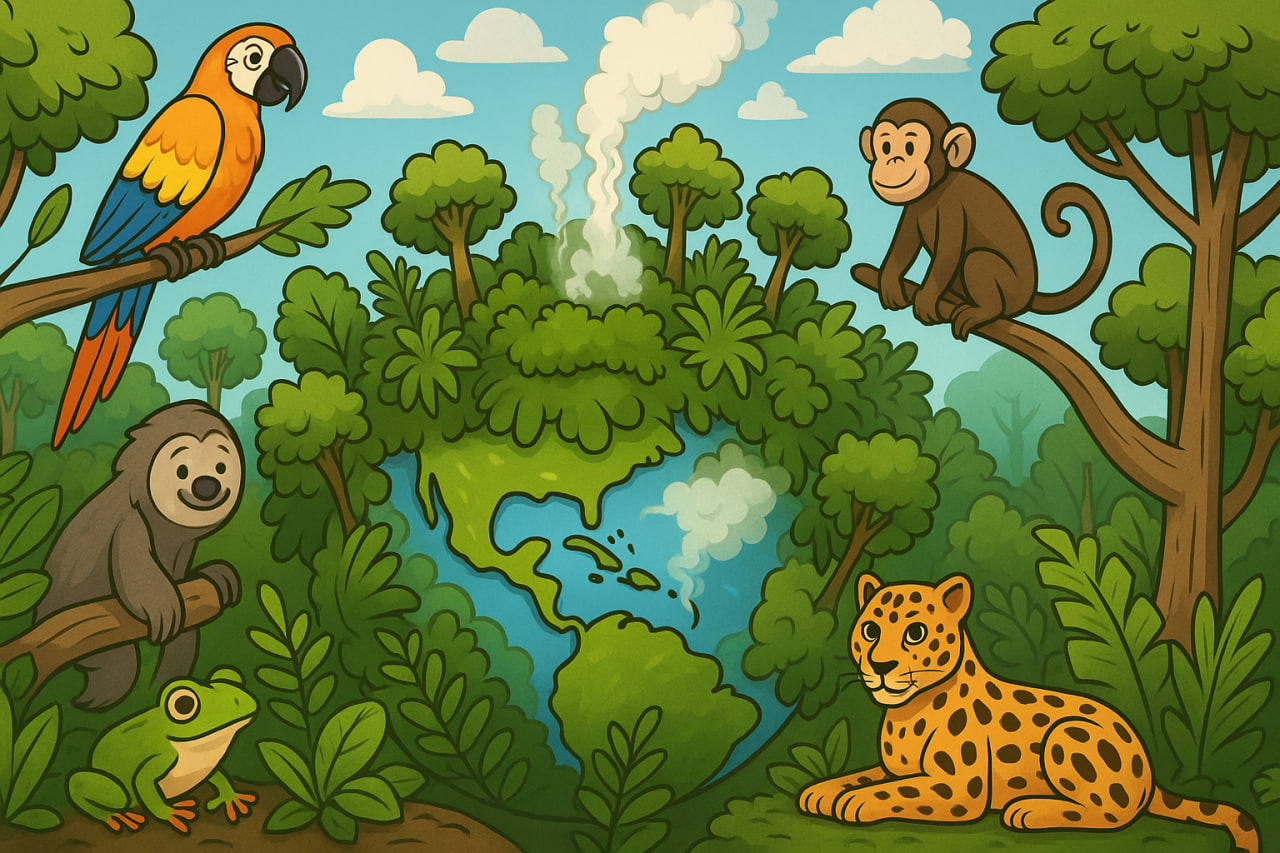
The Amazon Rainforest is the largest tropical rainforest on Earth, stretching across nine South American countries and covering more than 5.5 million square kilometers.
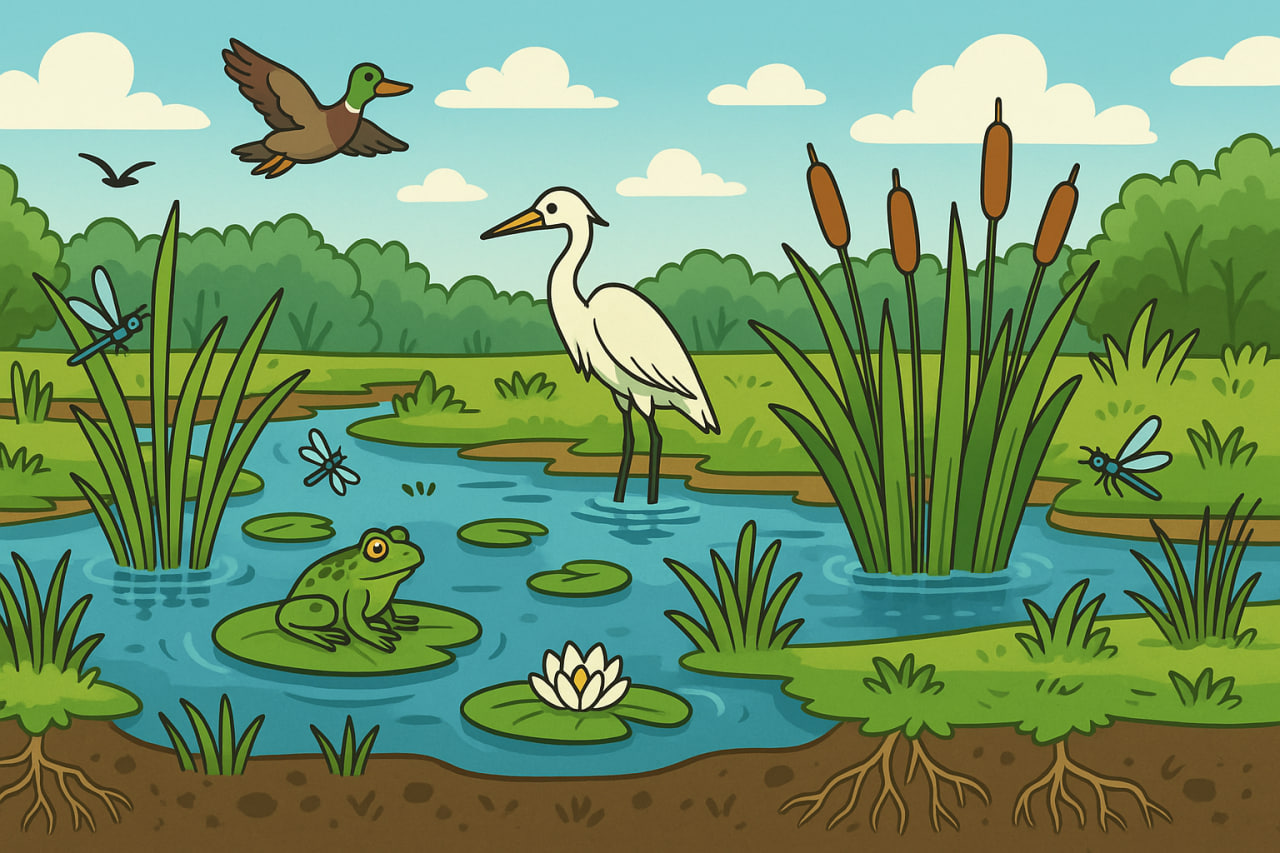
Wetlands are unique ecosystems that exist at the interface between land and water. They include marshes, swamps, bogs, and fens, and are found on every continent except Antarctica.
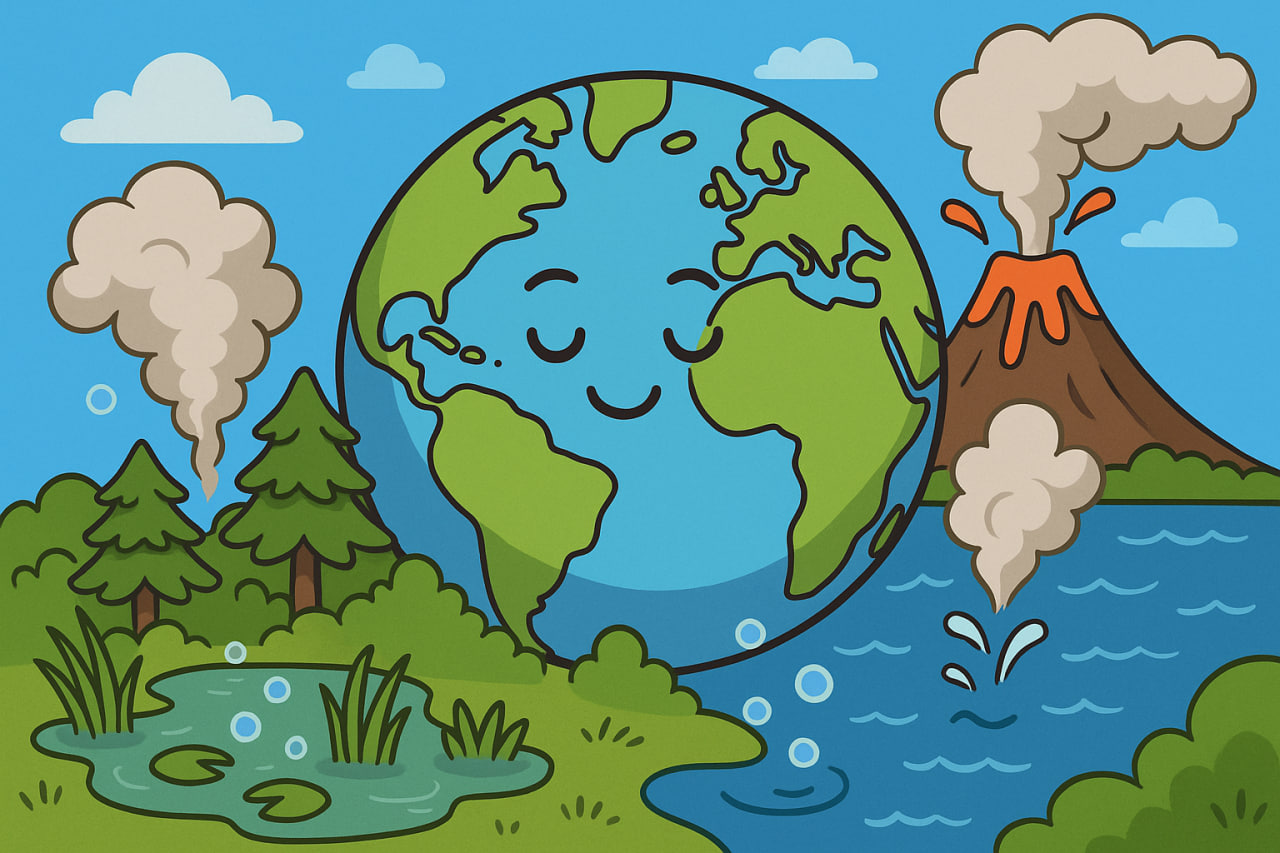
When discussing greenhouse gases, most attention focuses on human activities such as burning fossil fuels and industrial pollution.
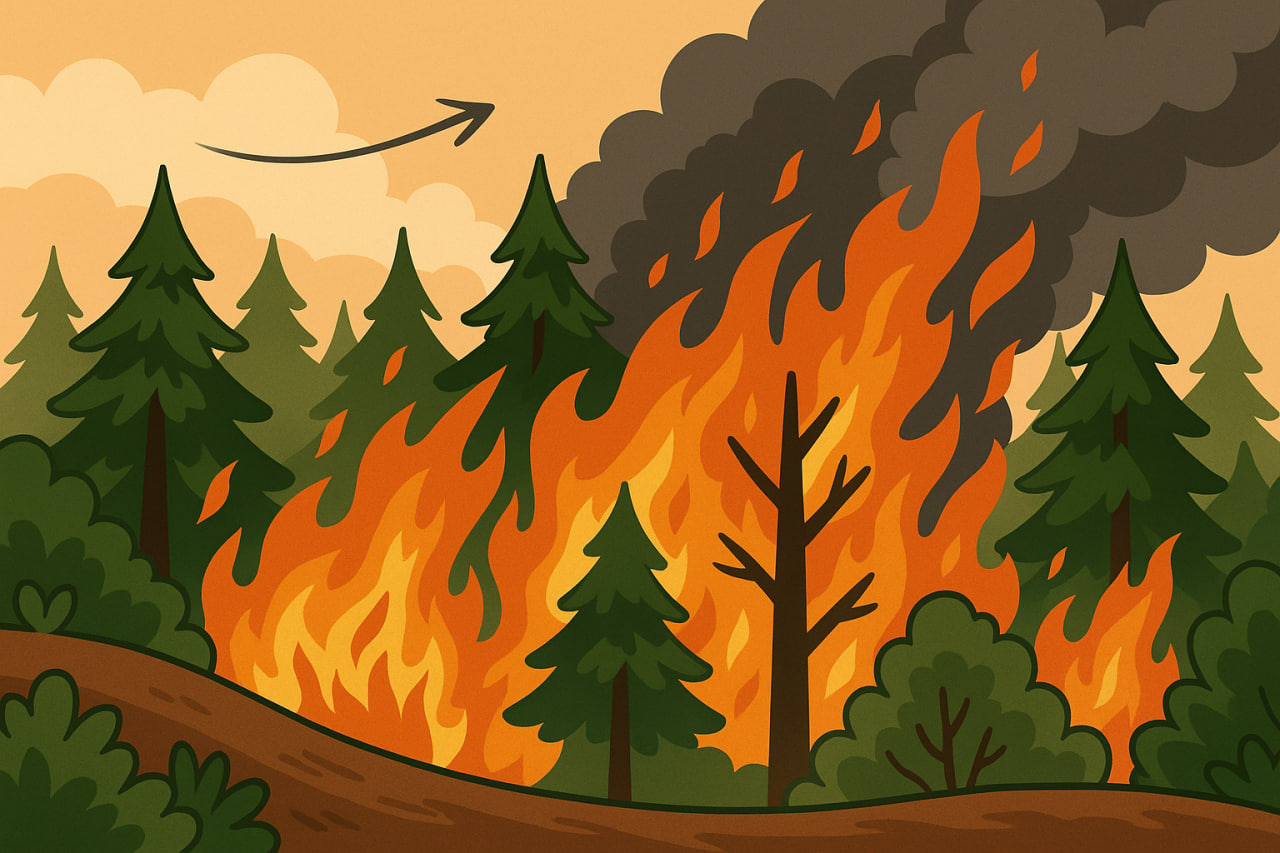
Wildfires are powerful and fast-moving natural events that can devastate entire landscapes within hours.
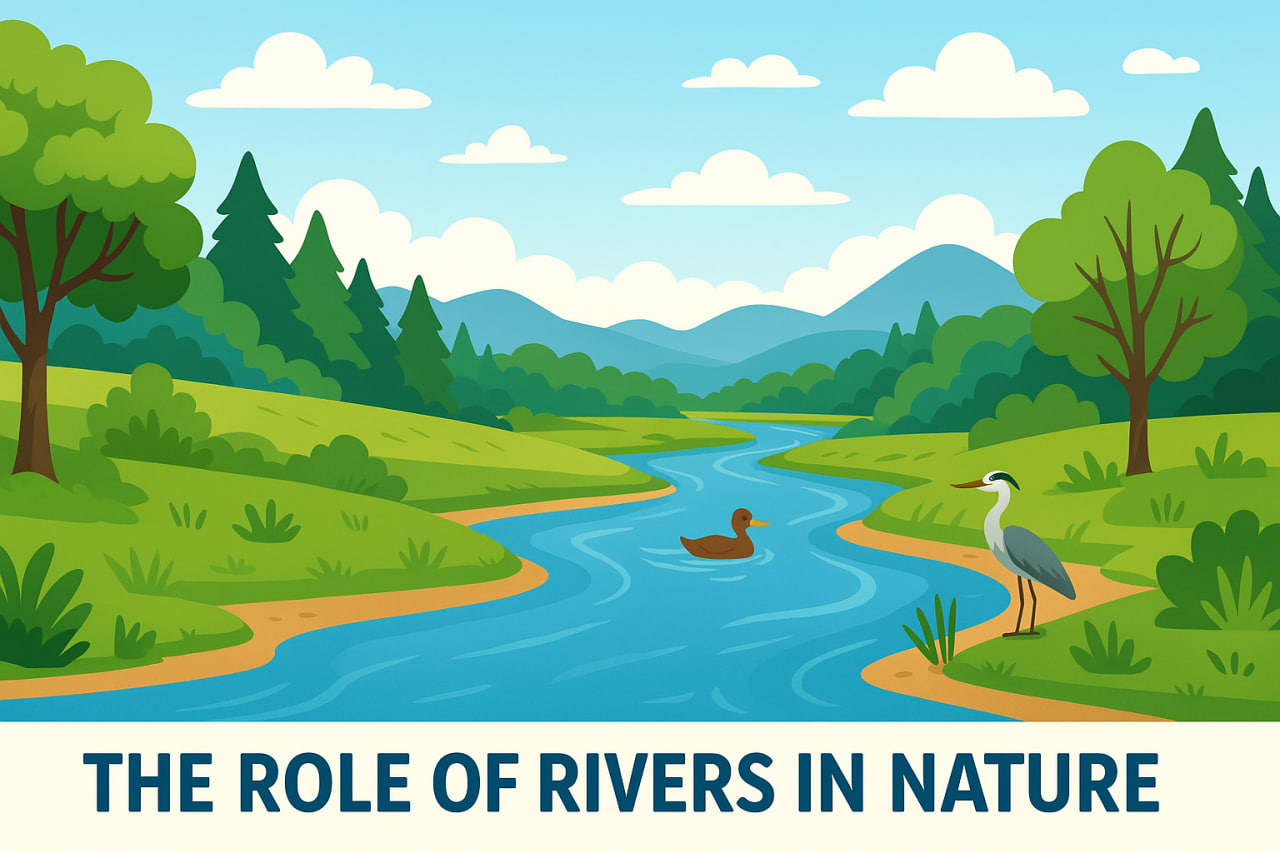
Rivers are more than flowing bodies of water—they are essential lifelines for ecosystems, landscapes, and human civilization.