
Urban Biodiversity: How to Create a Habitat for Birds and Insects in the City
Cities are often seen as concrete jungles, but even the busiest urban environments can support rich biodiversity.
This section explores biodiversity preservation, sustainable resource use, and climate-related issues. Learn about environmental threats, green initiatives, legislation, and the path toward a more sustainable future.
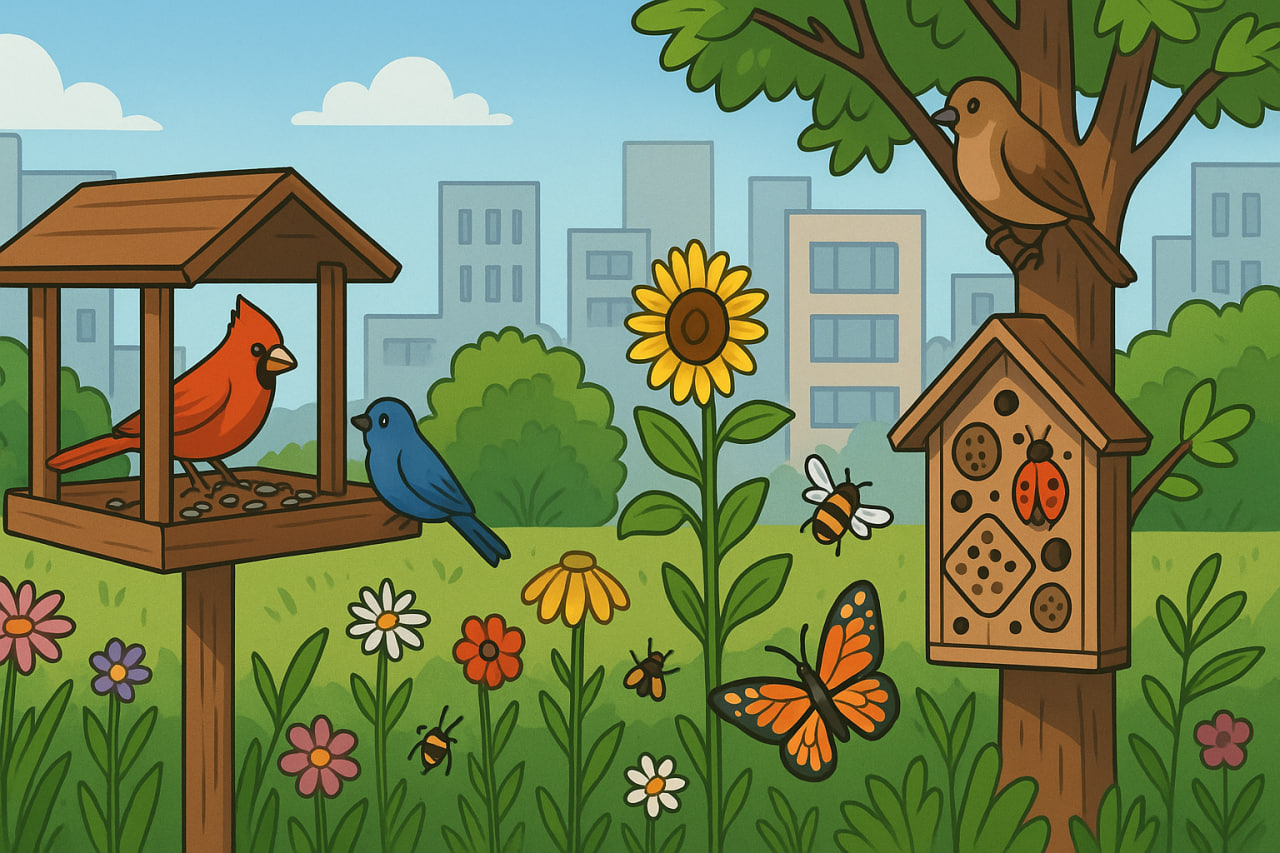
Cities are often seen as concrete jungles, but even the busiest urban environments can support rich biodiversity.
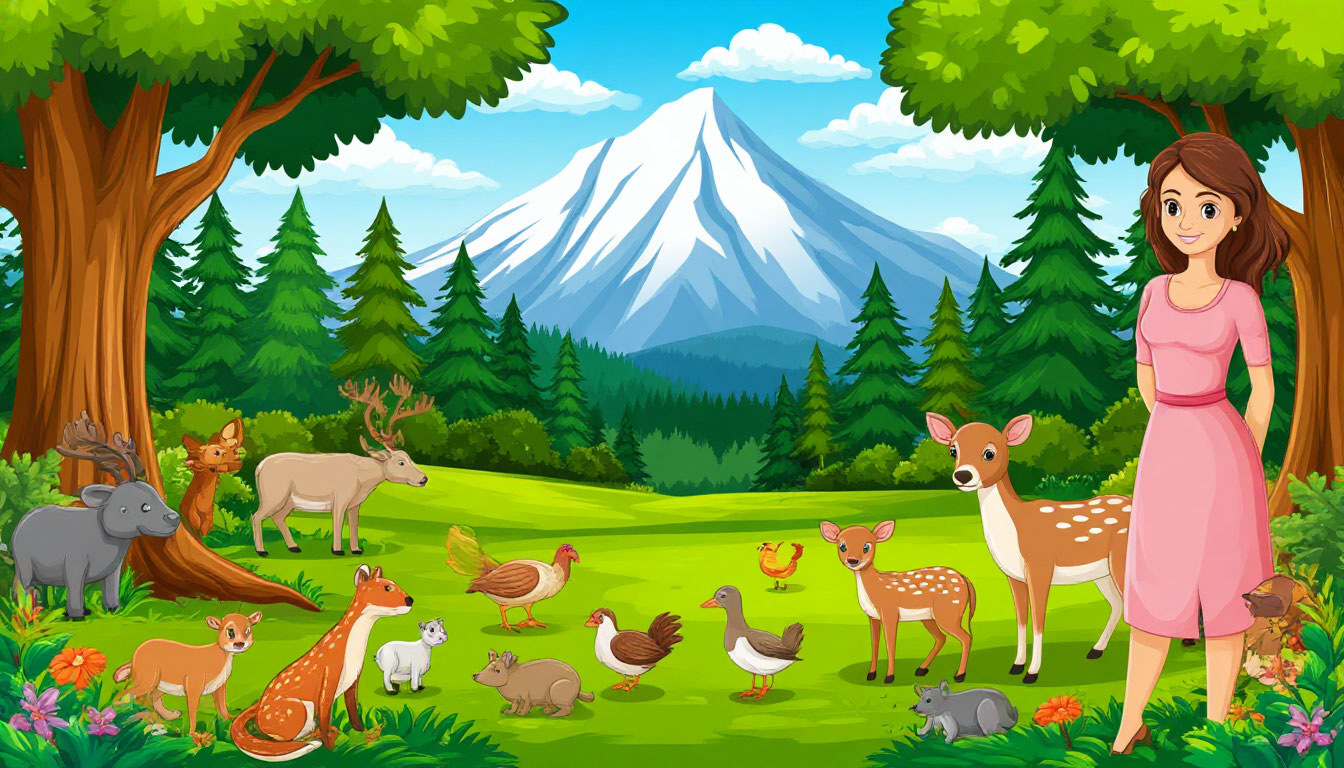
Ecology is the branch of science that studies how living organisms interact with each other and with their physical environment.
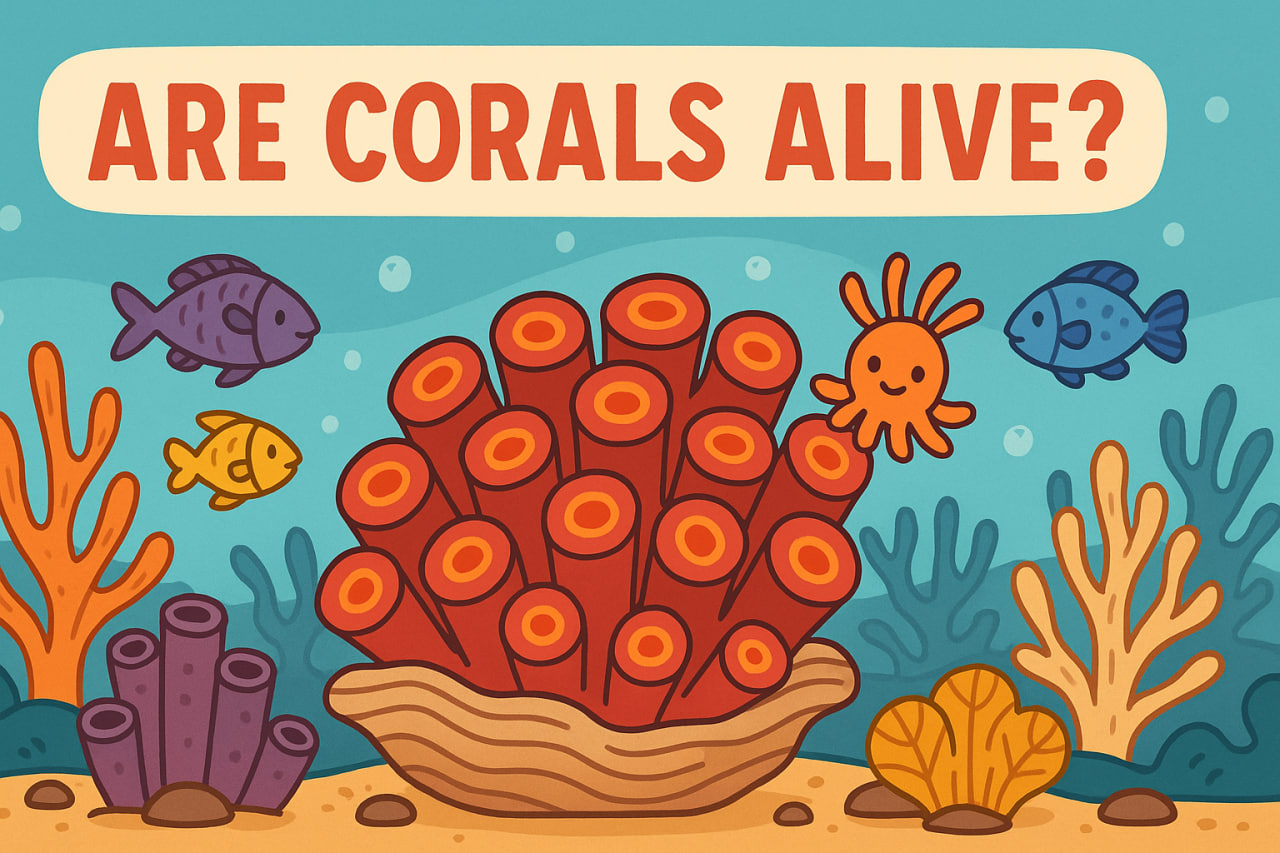
At first glance, corals might look like colorful rocks or underwater plants, but they are in fact alive—amazingly so.
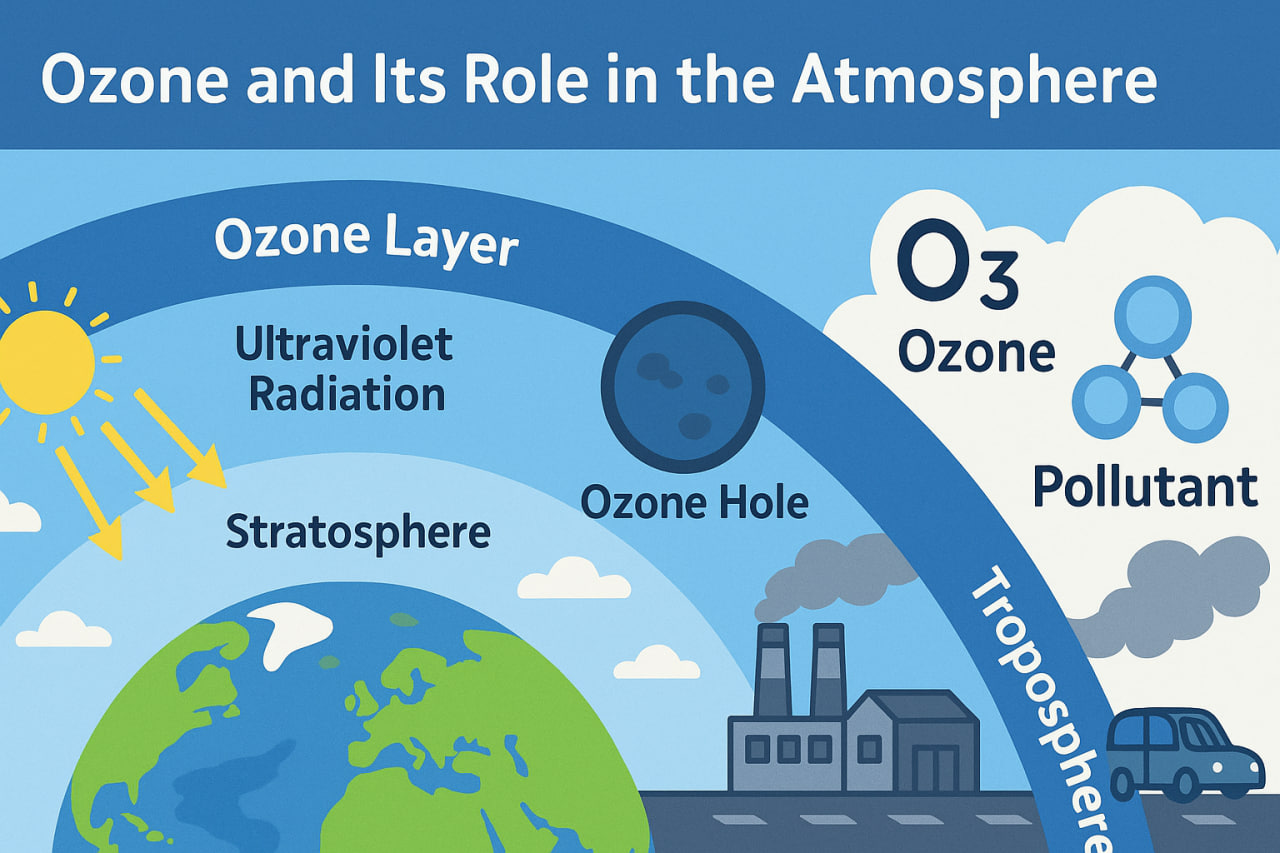
Ozone is a simple molecule made up of three oxygen atoms (O₃), yet it plays a complex and vital role in protecting life on Earth.
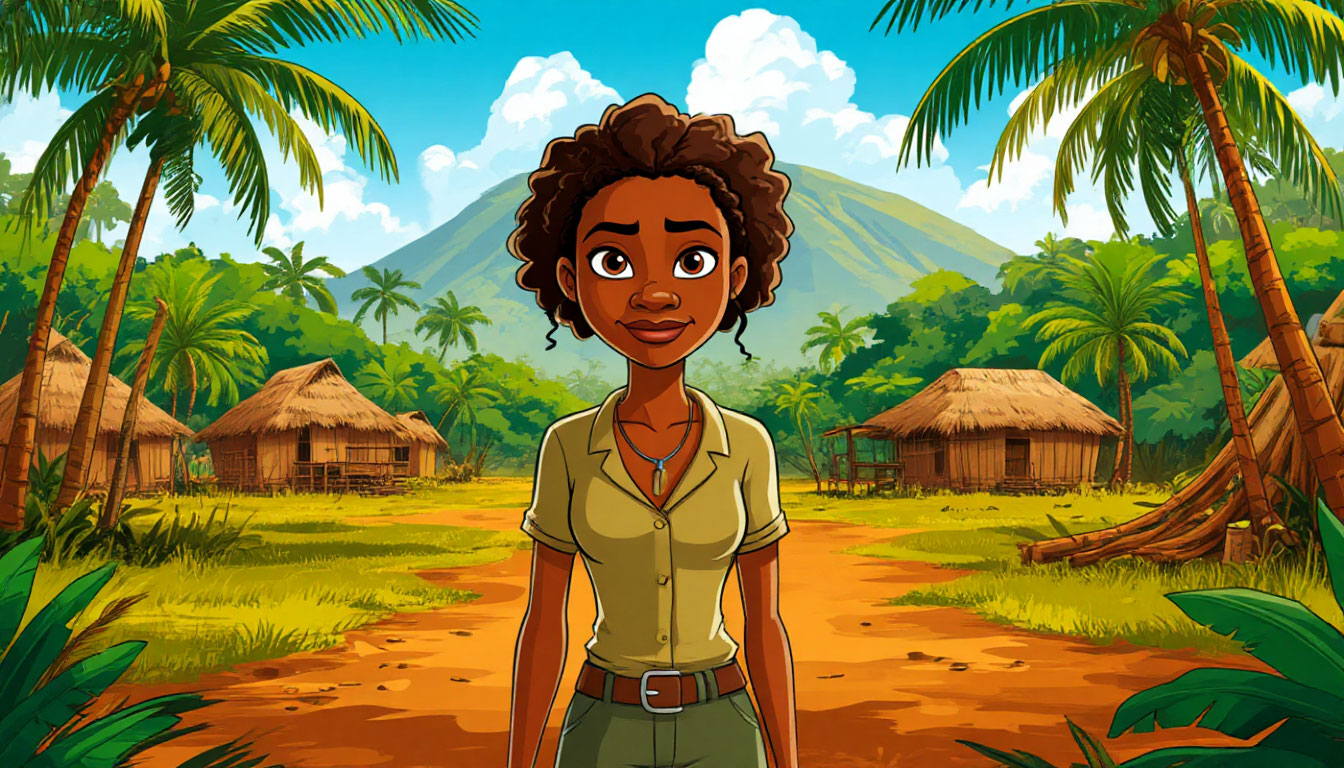
Madagascar is the fourth largest island in the world, located in the Indian Ocean off the southeastern coast of Africa.
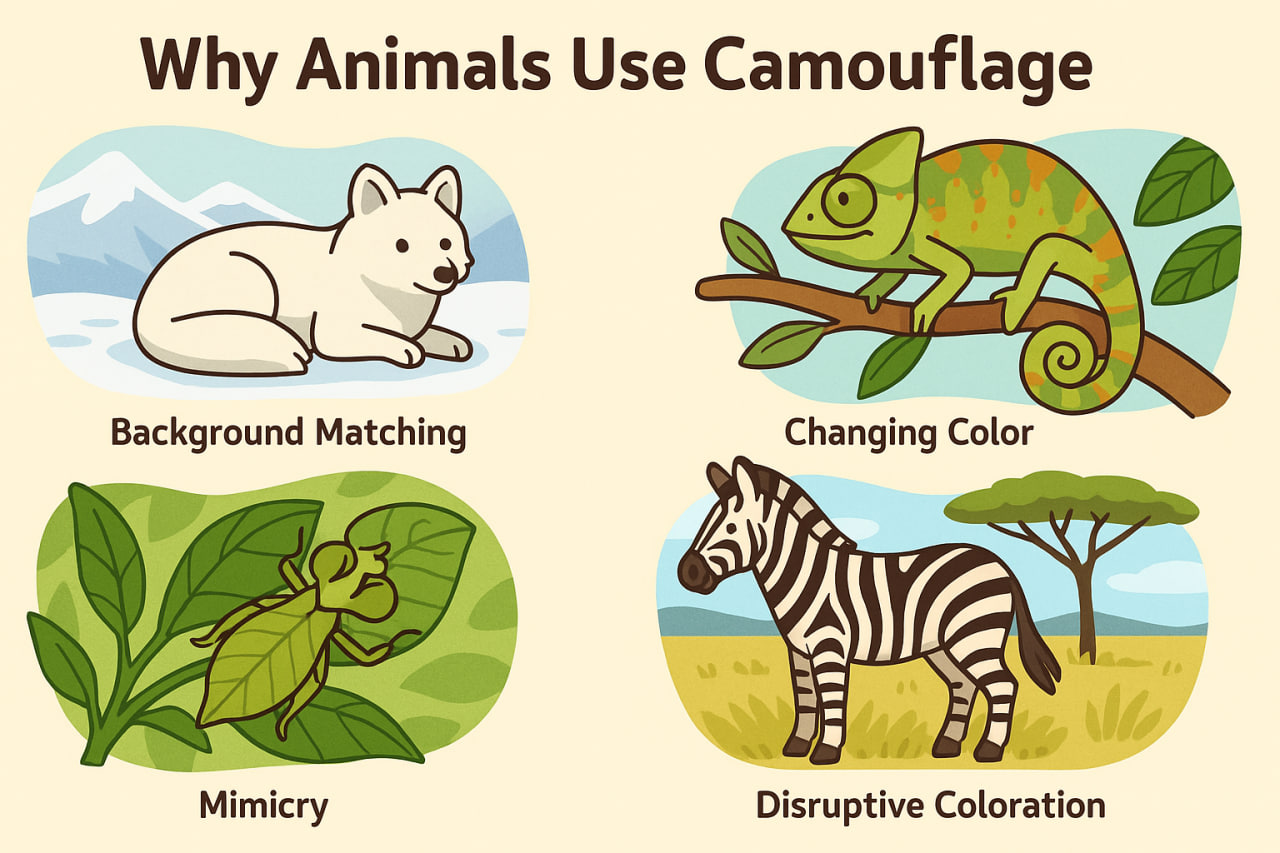
Camouflage is one of nature’s most fascinating survival strategies. Many animals have developed colors, patterns, and behaviors that help them blend into their surroundings, making them...

Forests are among the most vital ecosystems on Earth. Covering about 31% of the planet’s land area, they provide food, shelter, clean air, and are home to more than 80% of terrestrial species.
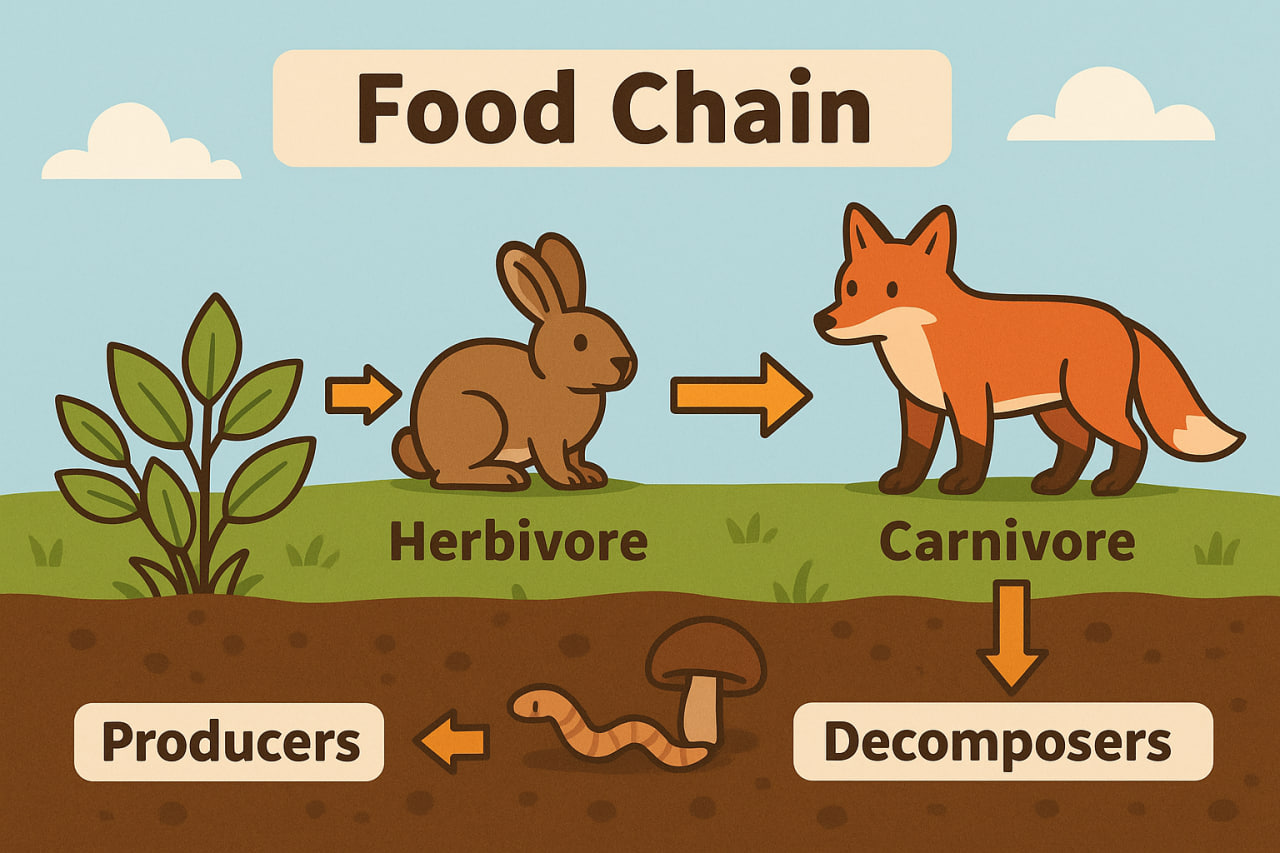
A food chain is a sequence that shows how energy and nutrients flow through an ecosystem. Each organism in the chain feeds on the one below it and is, in turn, eaten by the one above.
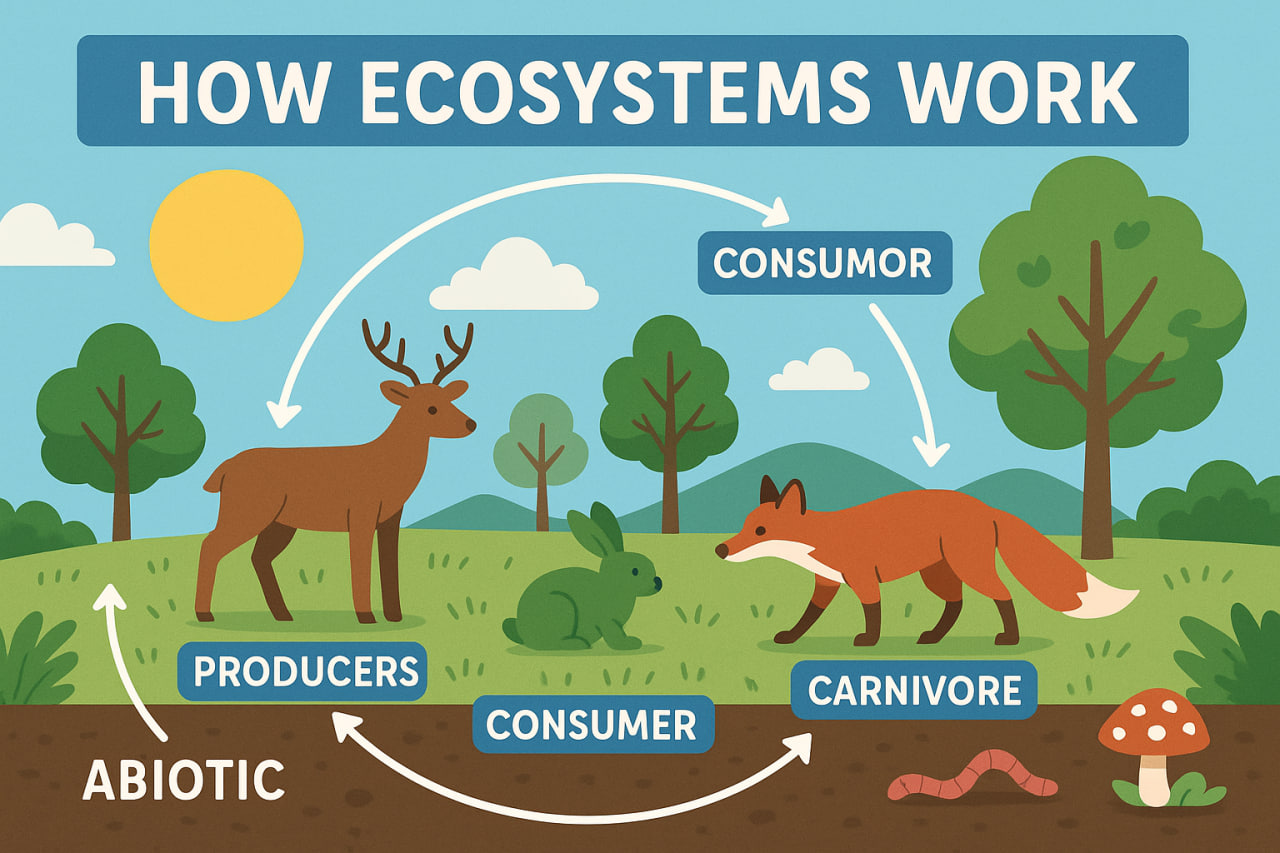
An ecosystem is a dynamic community of living organisms interacting with one another and with their physical environment.
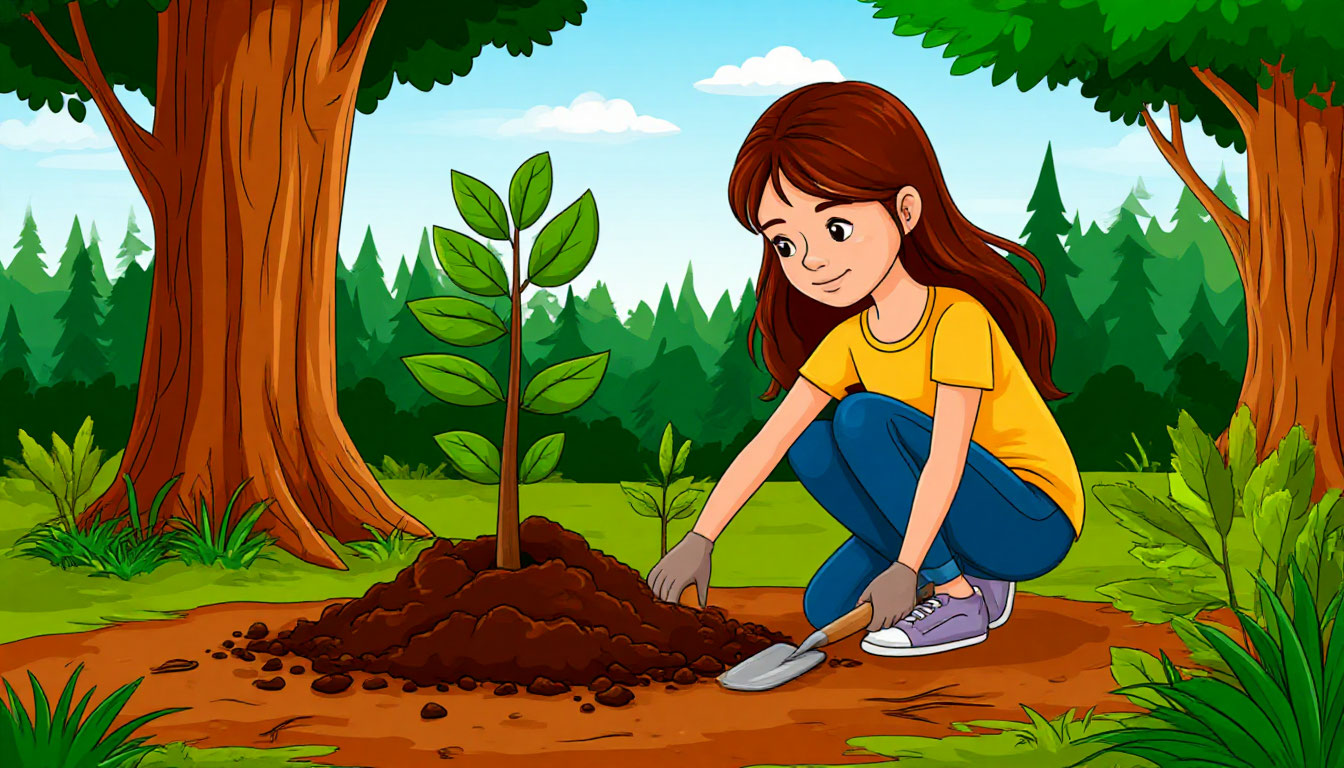
Forests are vanishing at an alarming rate, with millions of hectares lost each year. But this trend is not inevitable.