
Ice Safety: Understanding Risks on Frozen Lakes and Rivers
Ice safety is an essential topic for anyone who spends time near frozen lakes, rivers, or ponds during winter.
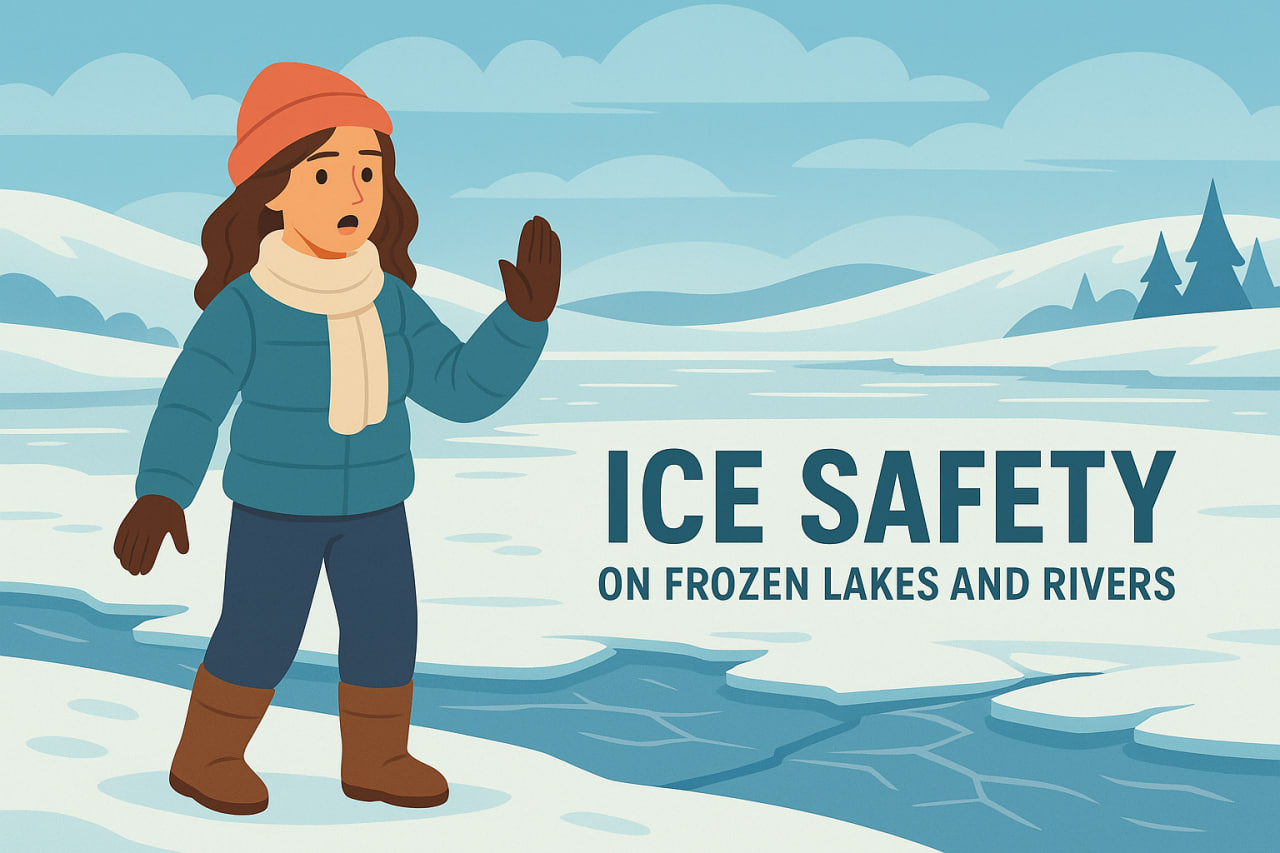
Ice safety is an essential topic for anyone who spends time near frozen lakes, rivers, or ponds during winter.
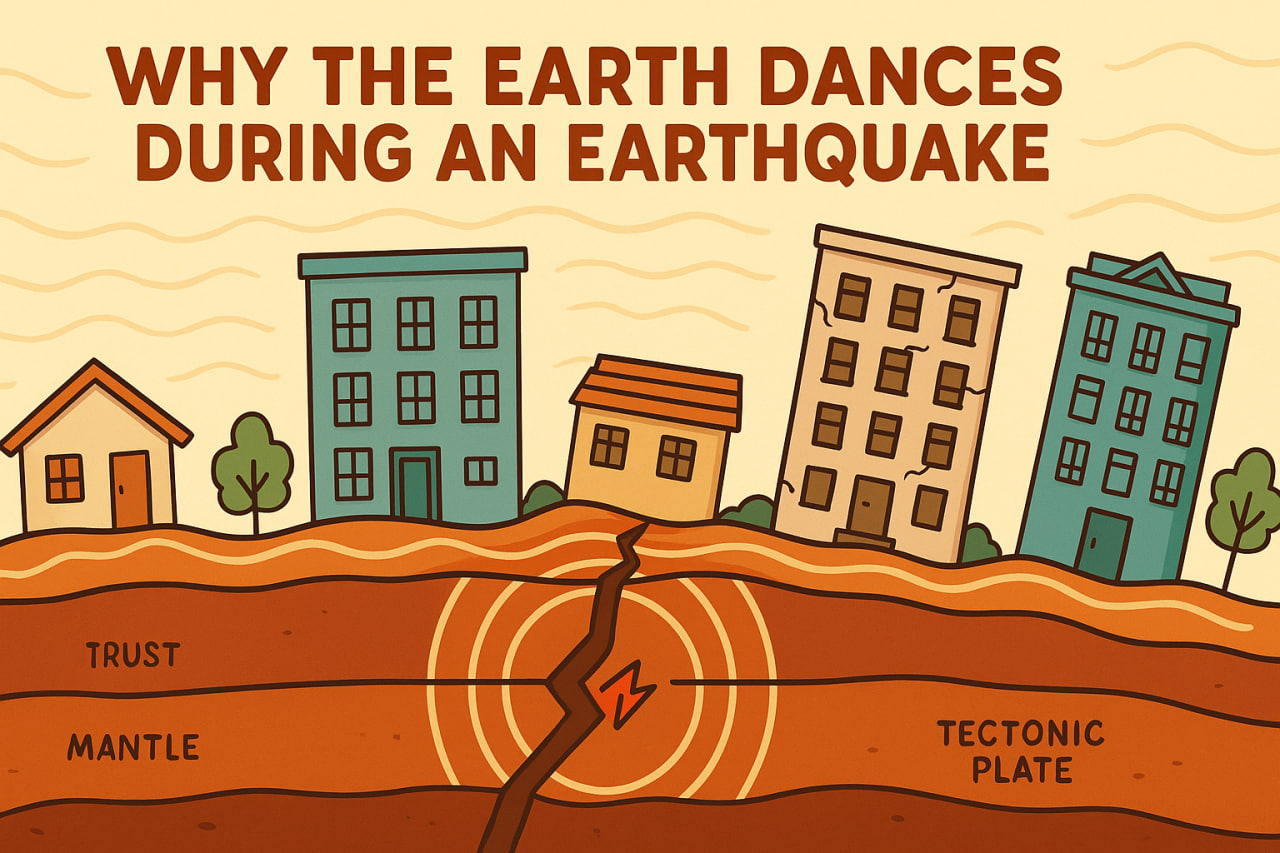
When an earthquake strikes, the ground beneath our feet can appear to move, ripple, and even dance. Streets twist, buildings sway, and the solid earth seems suddenly fluid.
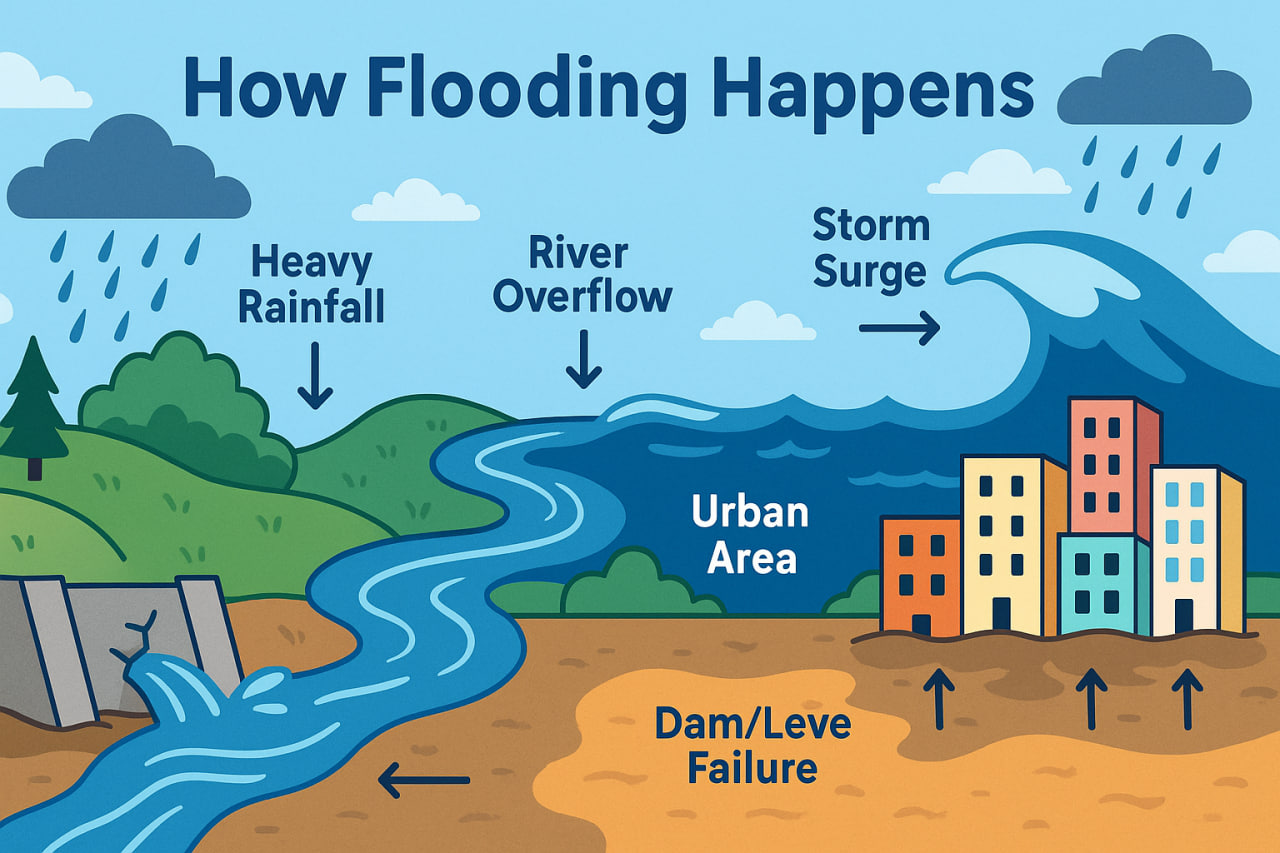
Flooding is one of nature’s most powerful and destructive forces. It can turn calm rivers into raging torrents, submerge entire neighborhoods, and reshape landscapes within hours.
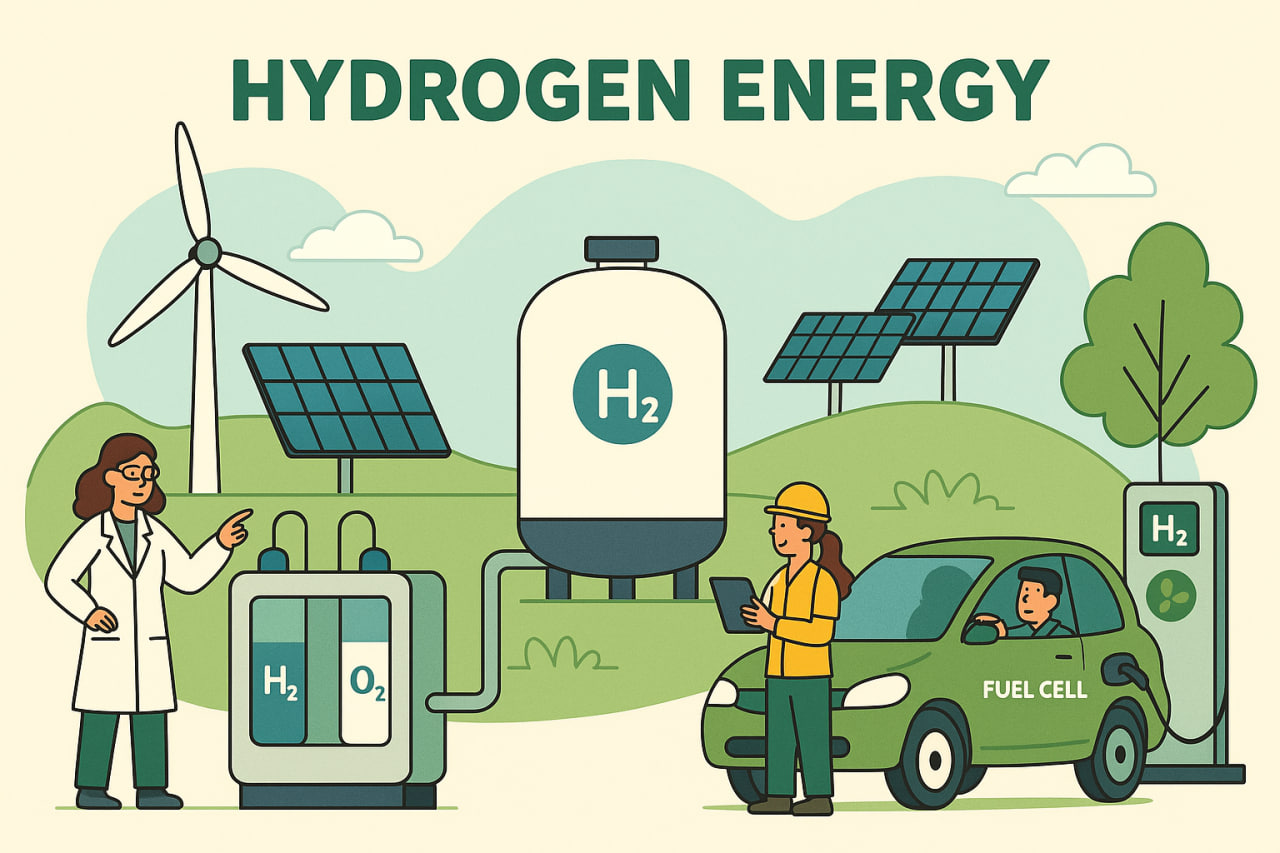
As the world transitions toward cleaner energy, hydrogen has emerged as one of the most promising alternatives to fossil fuels.
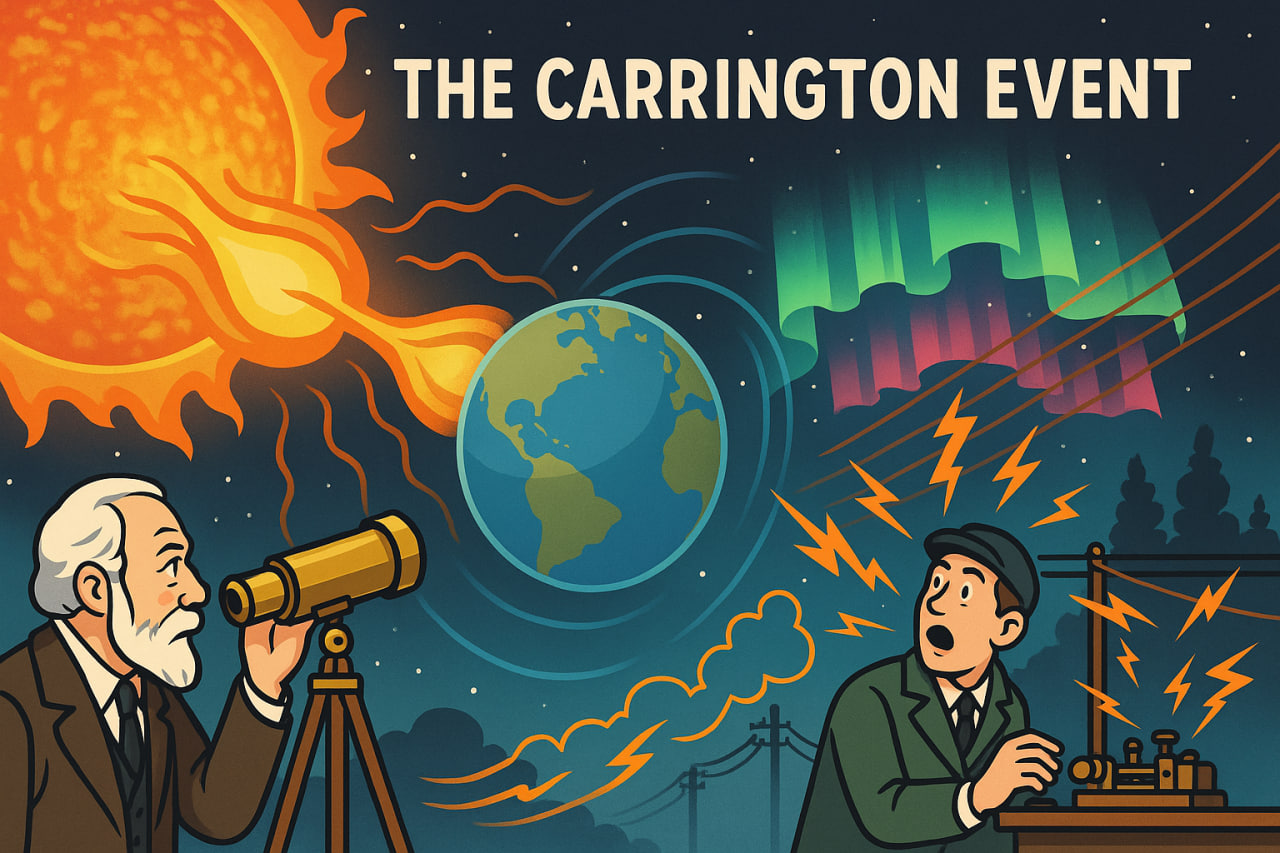
In 1859, long before satellites or smartphones existed, Earth was struck by the most powerful solar storm ever recorded — known as The Carrington Event.
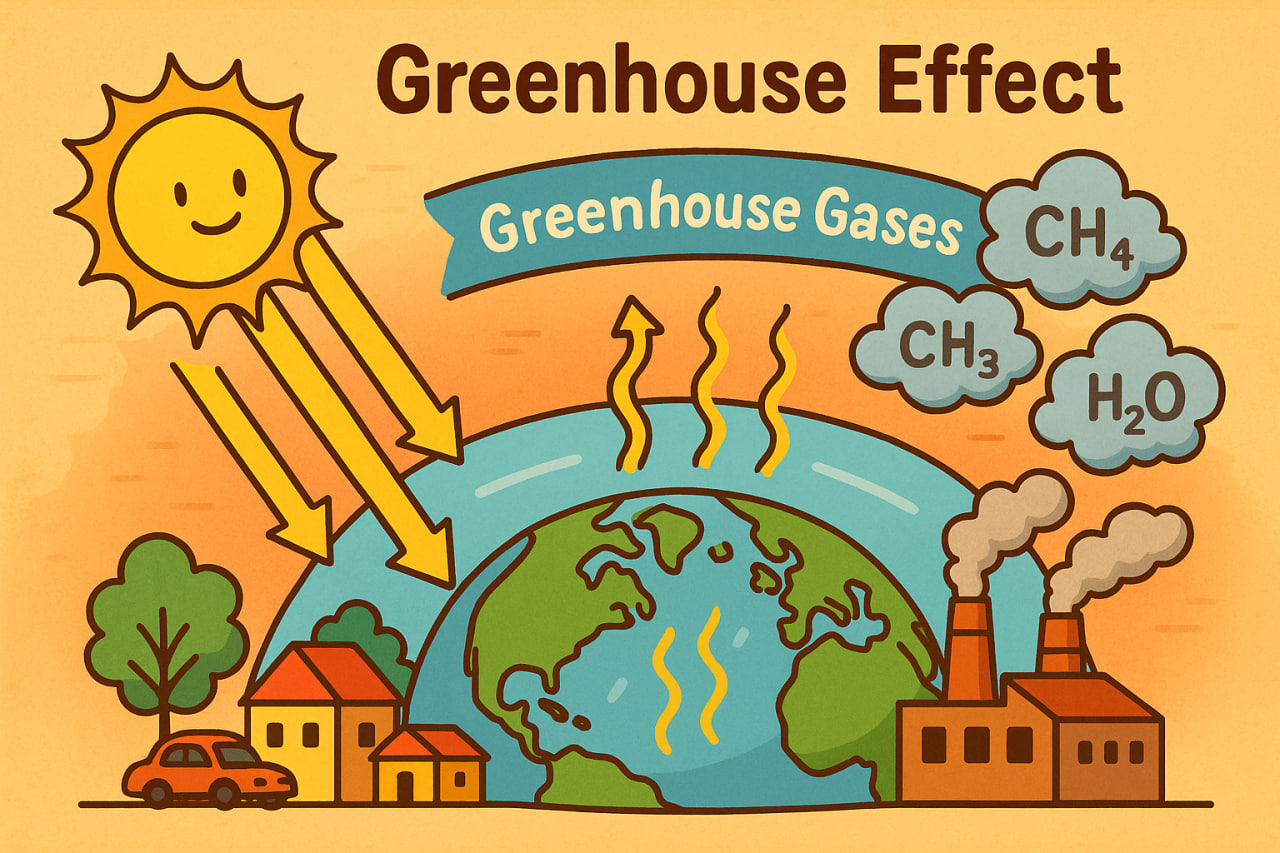
The greenhouse effect is a natural atmospheric process that helps regulate the Earth’s surface temperature and maintain conditions suitable for life.
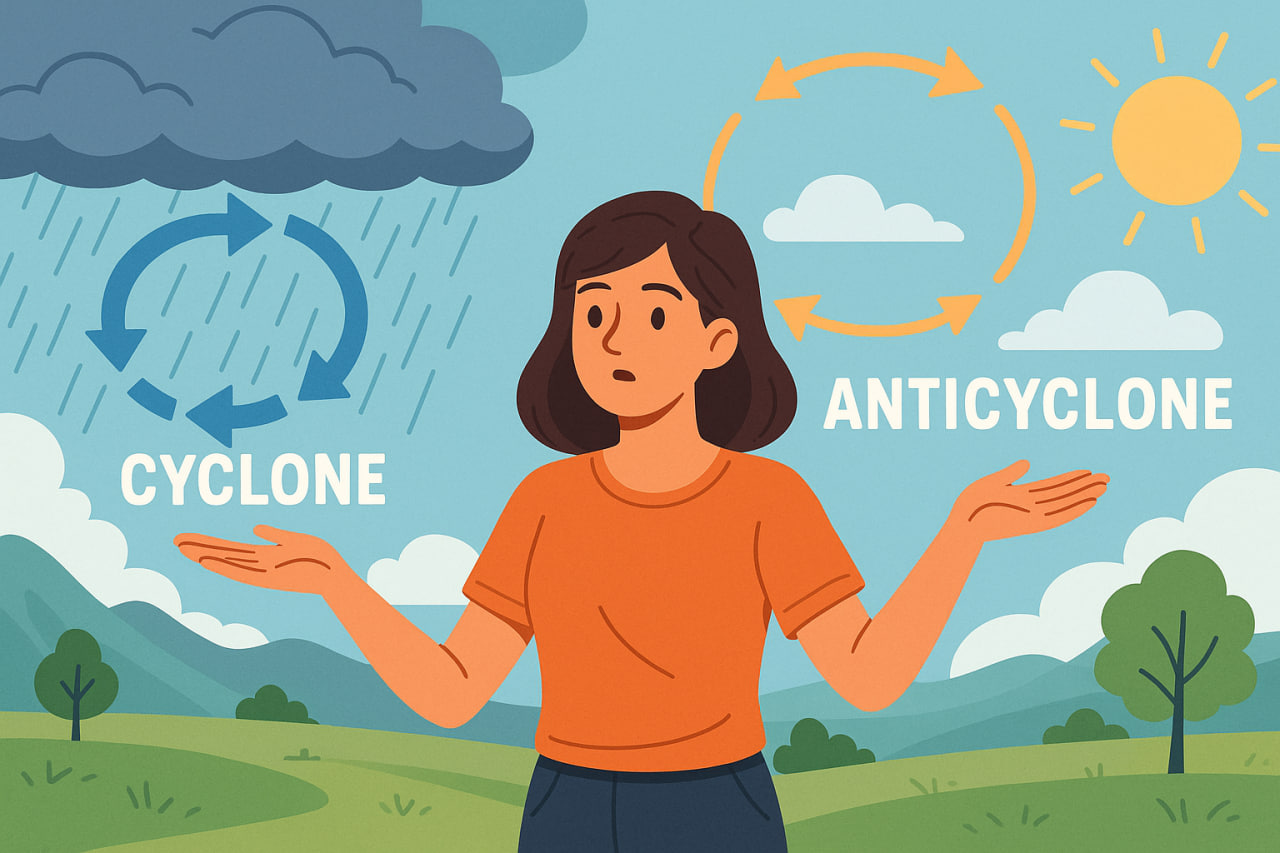
A cyclone and an anticyclone are two large-scale atmospheric pressure systems that play a major role in shaping weather patterns around the world.
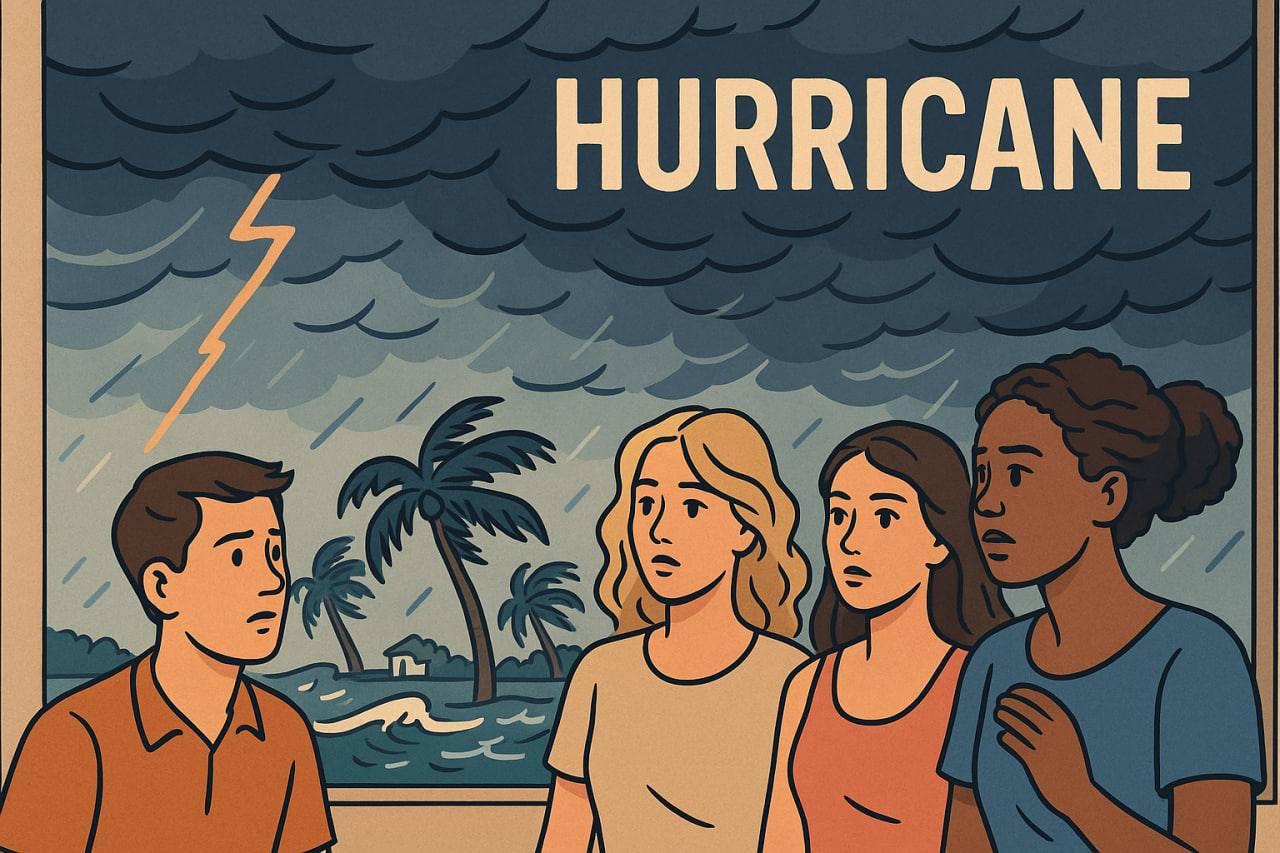
A hurricane is a large and powerful tropical cyclone characterized by strong winds, heavy rainfall, and a rotating storm system formed over warm ocean waters.
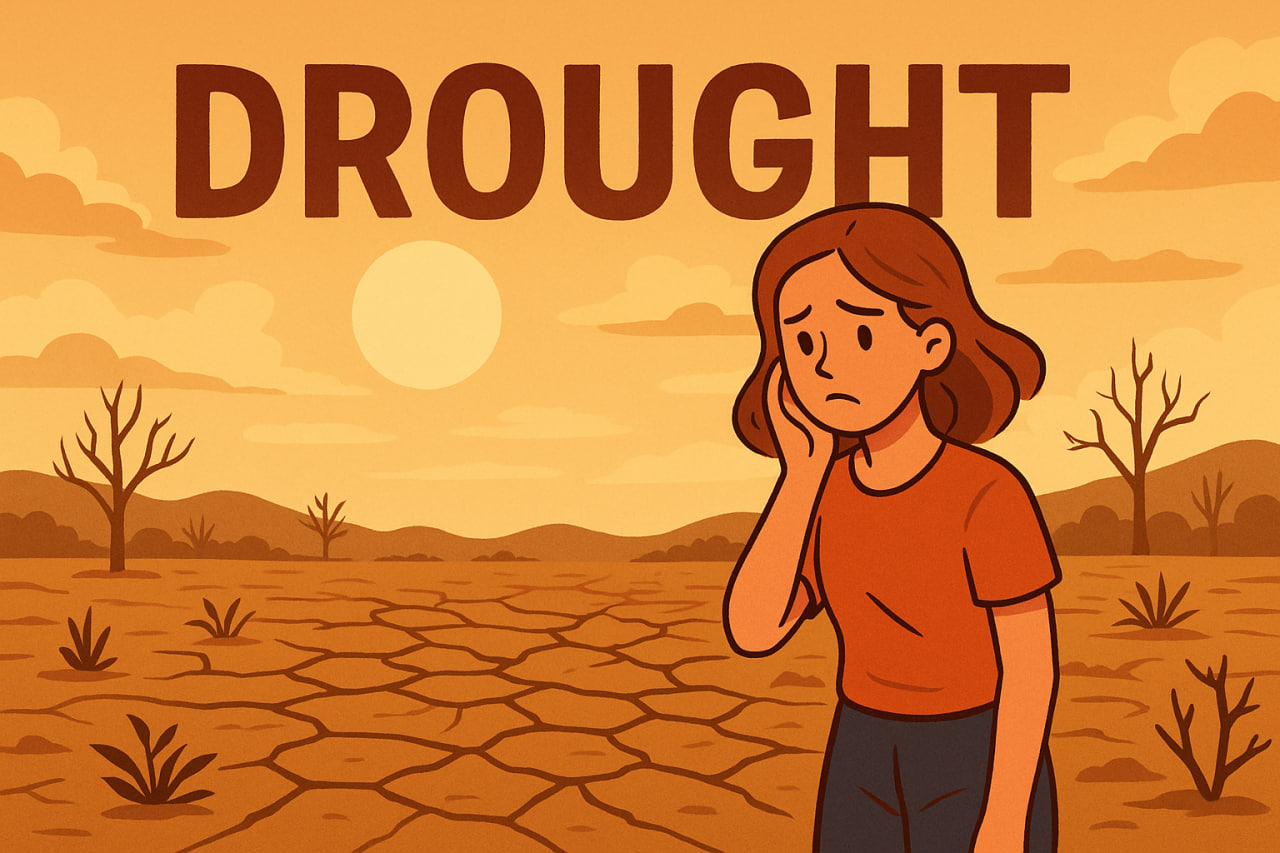
Drought is a prolonged period of unusually low rainfall that leads to water shortages across landscapes, affecting agriculture, ecosystems, and human populations.
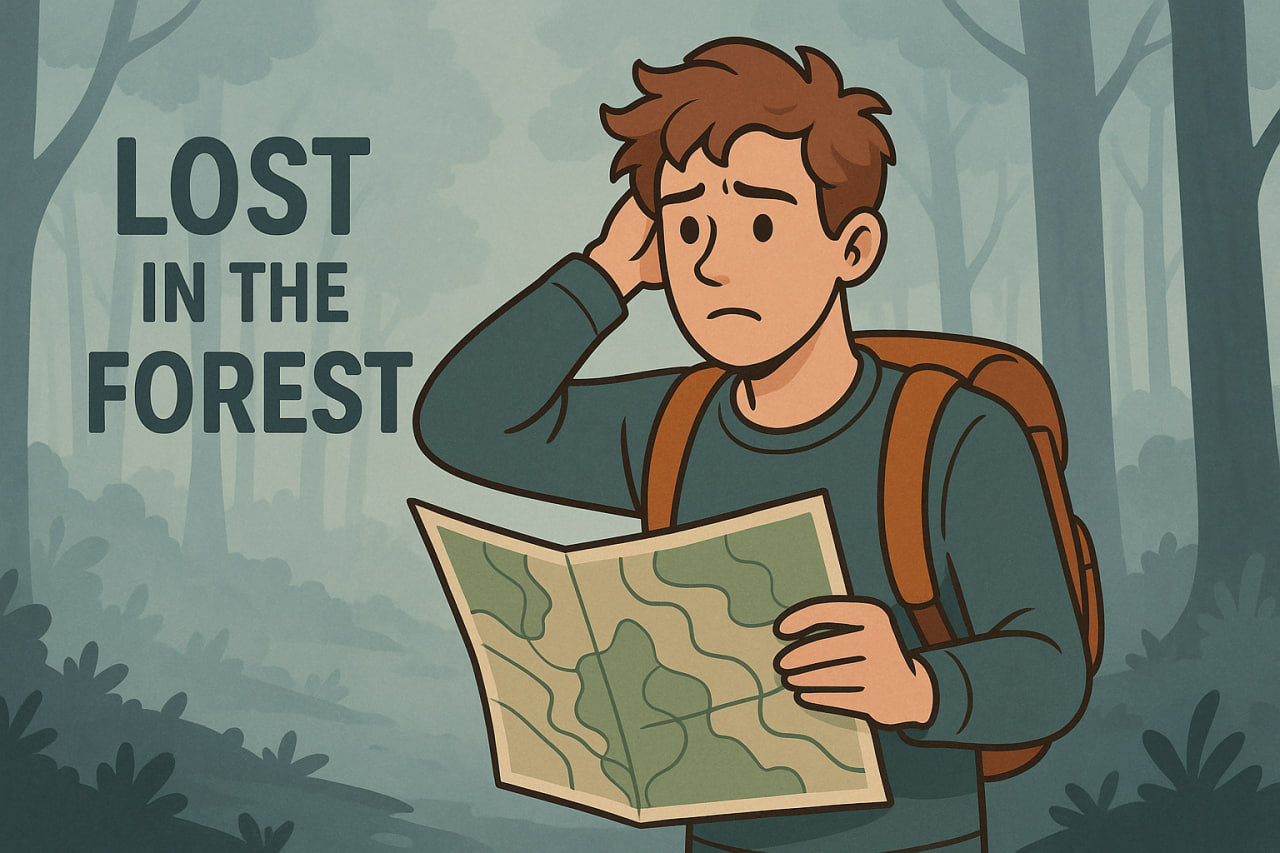
Getting lost in the forest can be stressful, but staying calm and making clear decisions is essential for your safety.