
Acid Rain: Causes, Effects, and How Humanity Can Stop It
Acid rain is one of the most harmful forms of atmospheric pollution. It occurs when sulfur dioxide (SO₂) and nitrogen oxides (NOₓ) emitted into the air react with water vapor, oxygen, and...
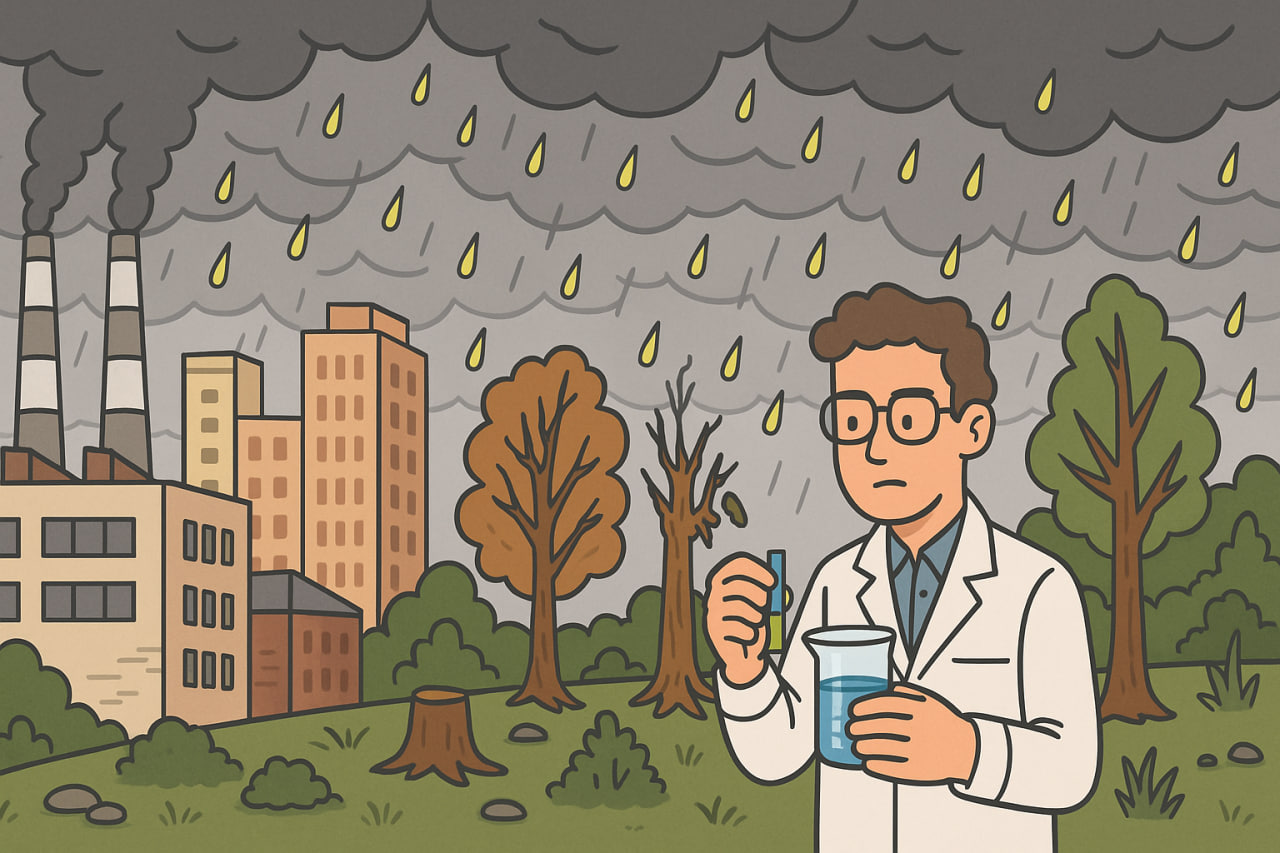
Acid rain is one of the most harmful forms of atmospheric pollution. It occurs when sulfur dioxide (SO₂) and nitrogen oxides (NOₓ) emitted into the air react with water vapor, oxygen, and...
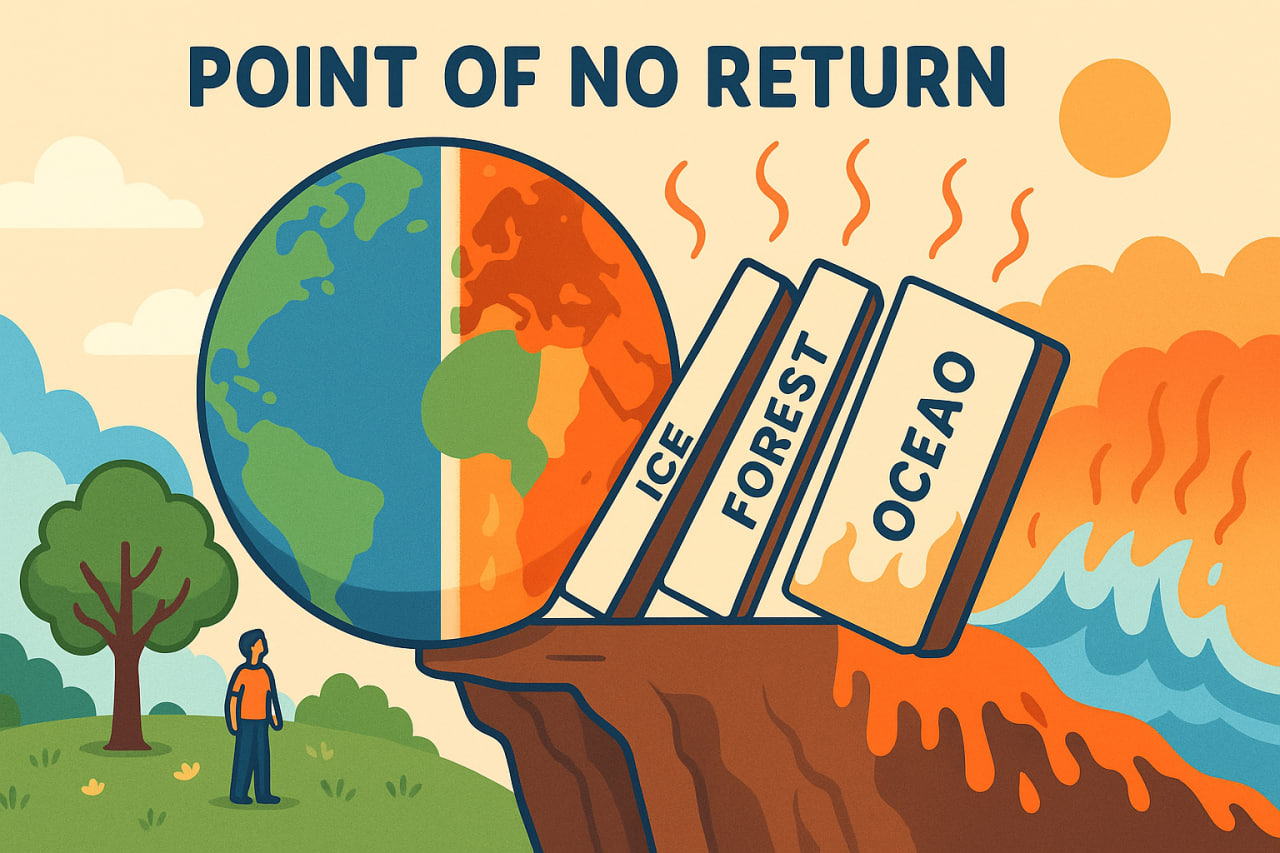
The term “point of no return” in climate science refers to a critical threshold beyond which environmental changes become self-sustaining and irreversible.
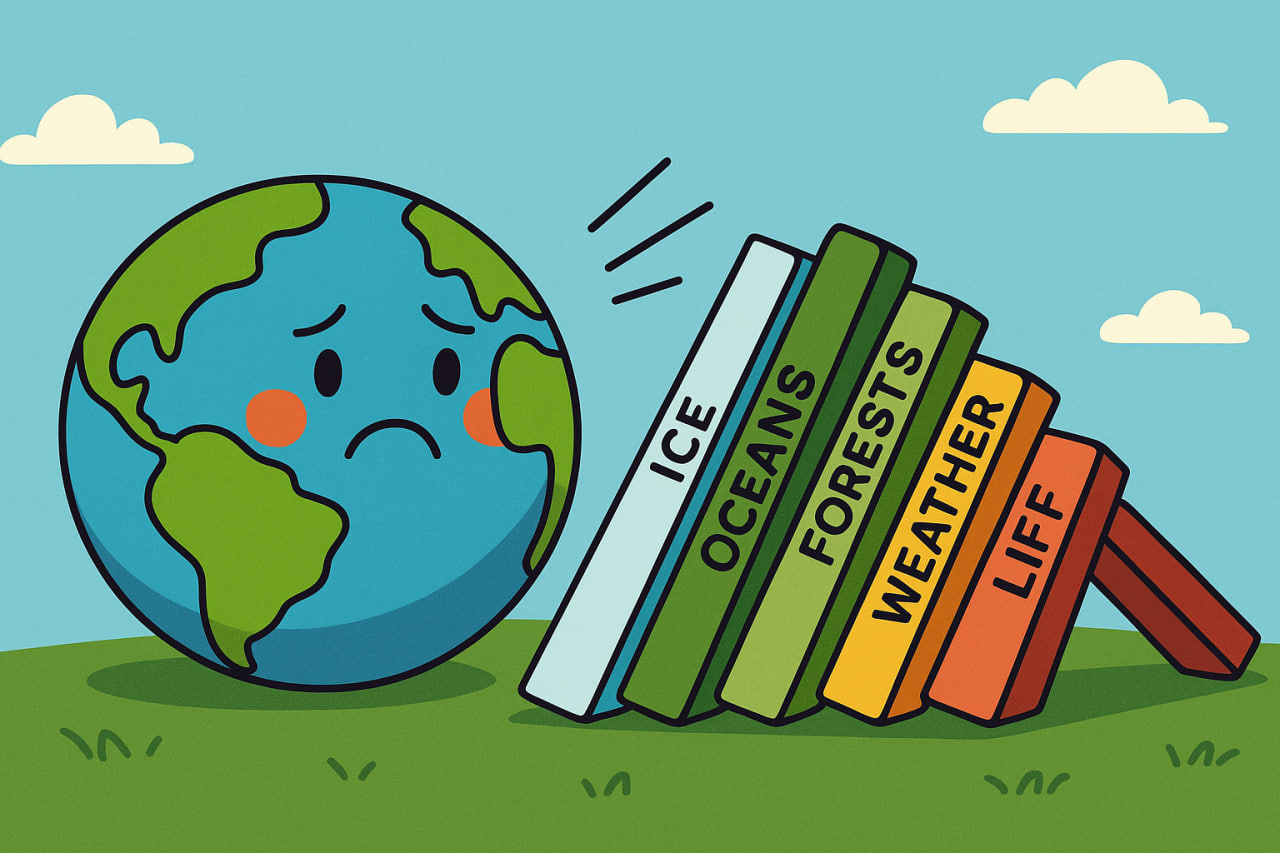
The climate system of our planet functions like a complex web — every part, from the oceans to the atmosphere, is connected.
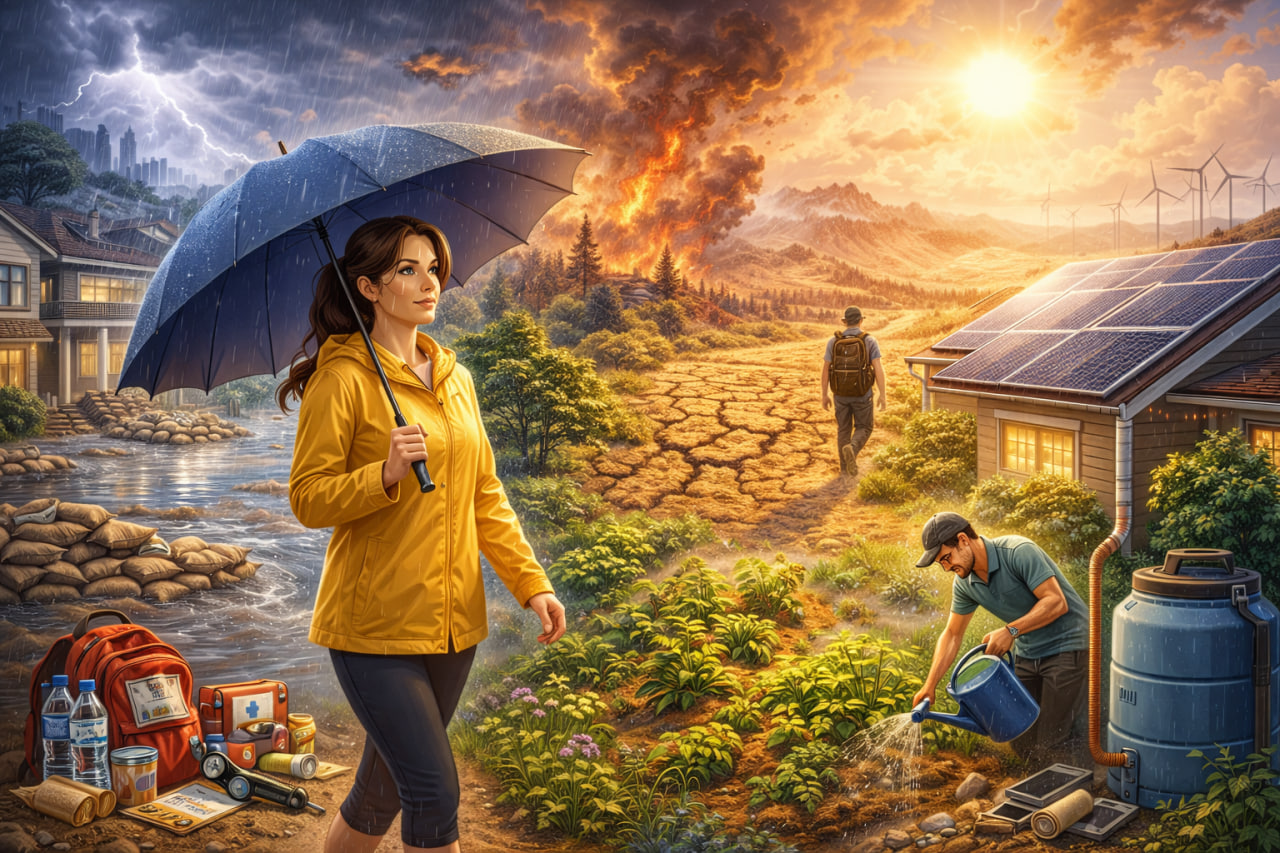
In an era defined by rising global temperatures, extreme weather events, and environmental instability, adapting to the realities of climate change is no longer a distant concern — it is a...
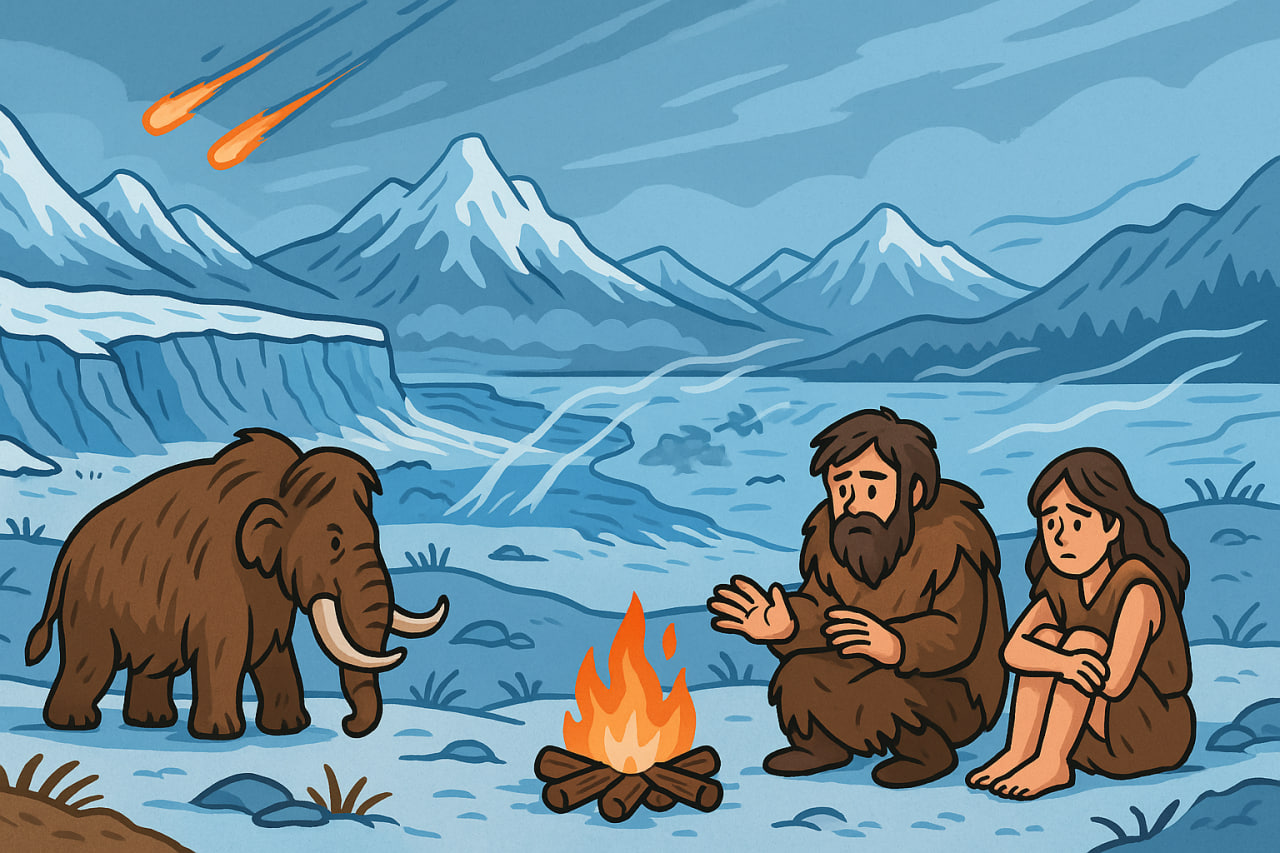
About 12,900 years ago, just as the Earth was warming after the last Ice Age, the planet experienced a shocking climatic reversal.
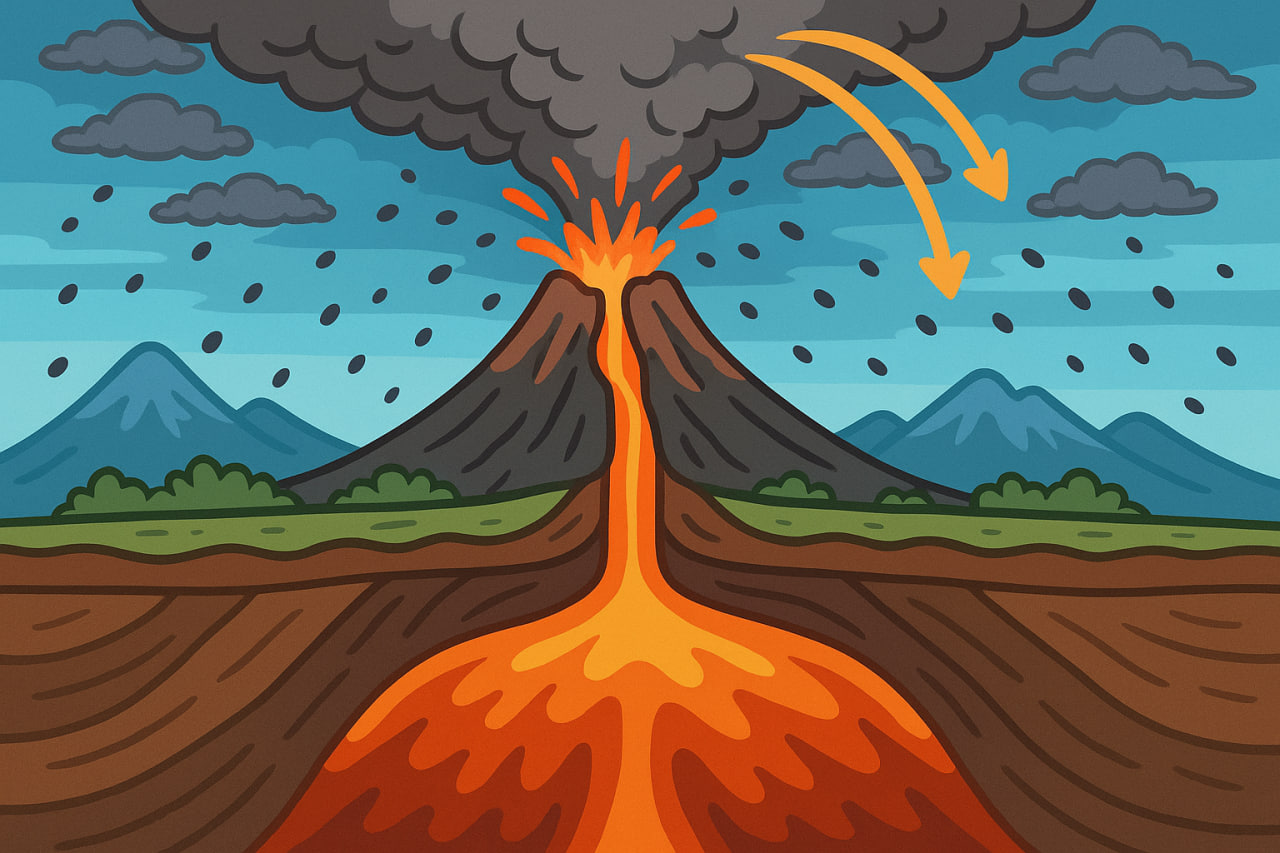
Supervolcanoes are among the most powerful natural forces on Earth. Unlike regular volcanoes, whose eruptions can devastate nearby regions, supervolcanoes can alter the planet’s climate...
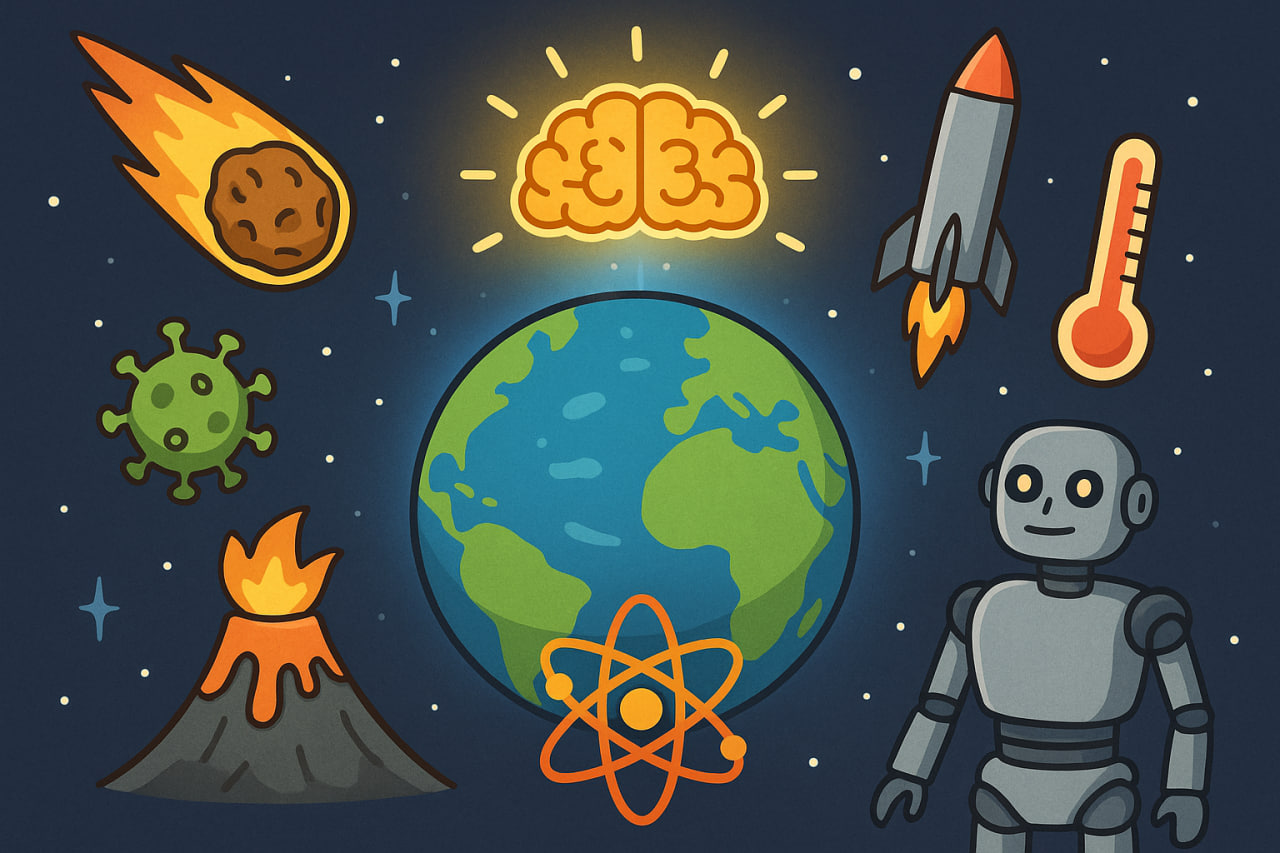
The concept of “Doomsday” — the end of the world — has existed for thousands of years in myths and religions. But modern science approaches this question differently.
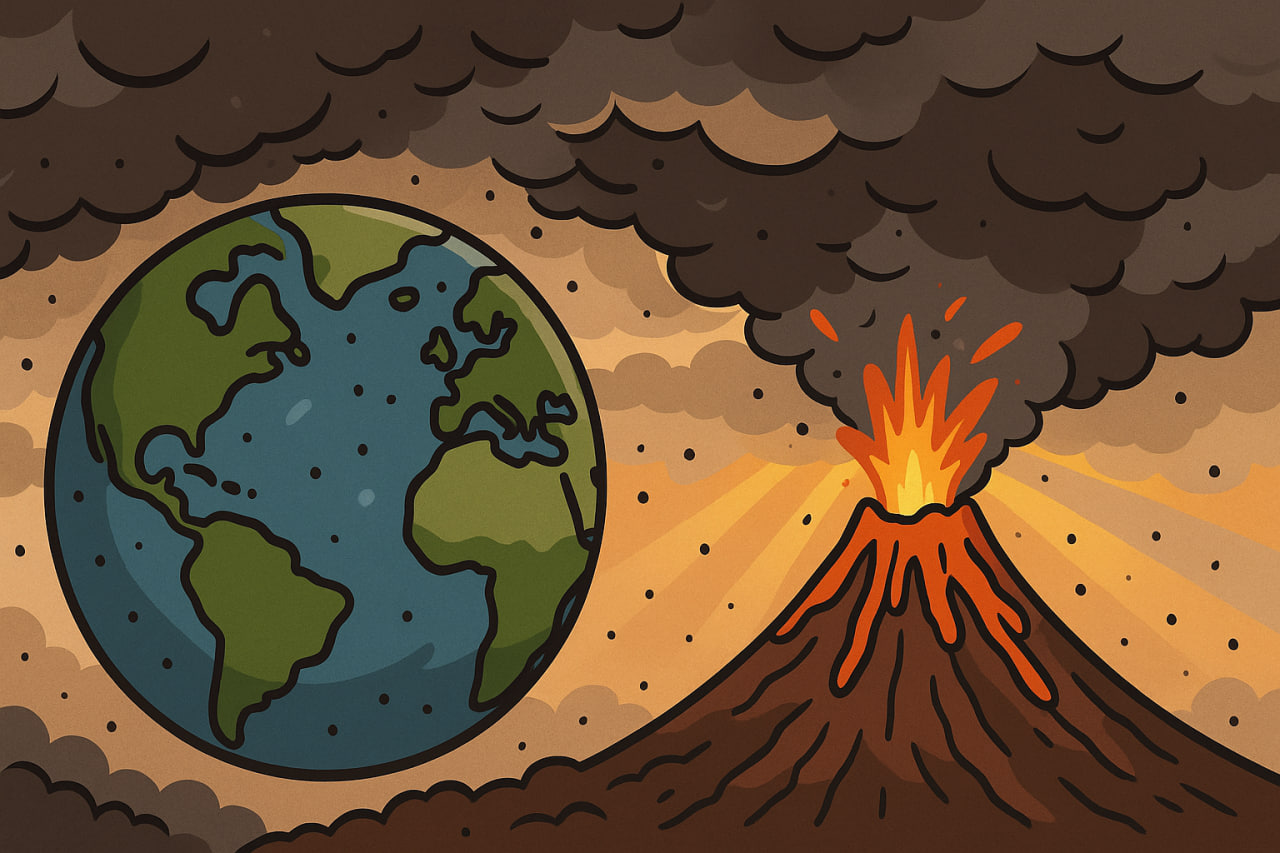
Throughout history, volcanic eruptions have dramatically shaped the Earth’s climate. Among the most powerful natural events, a massive eruption can release enough ash and gas to block...

Air is the most vital resource on Earth — we can live weeks without food or days without water, but only minutes without air. Yet, despite its importance, clean air is becoming increasingly rare.
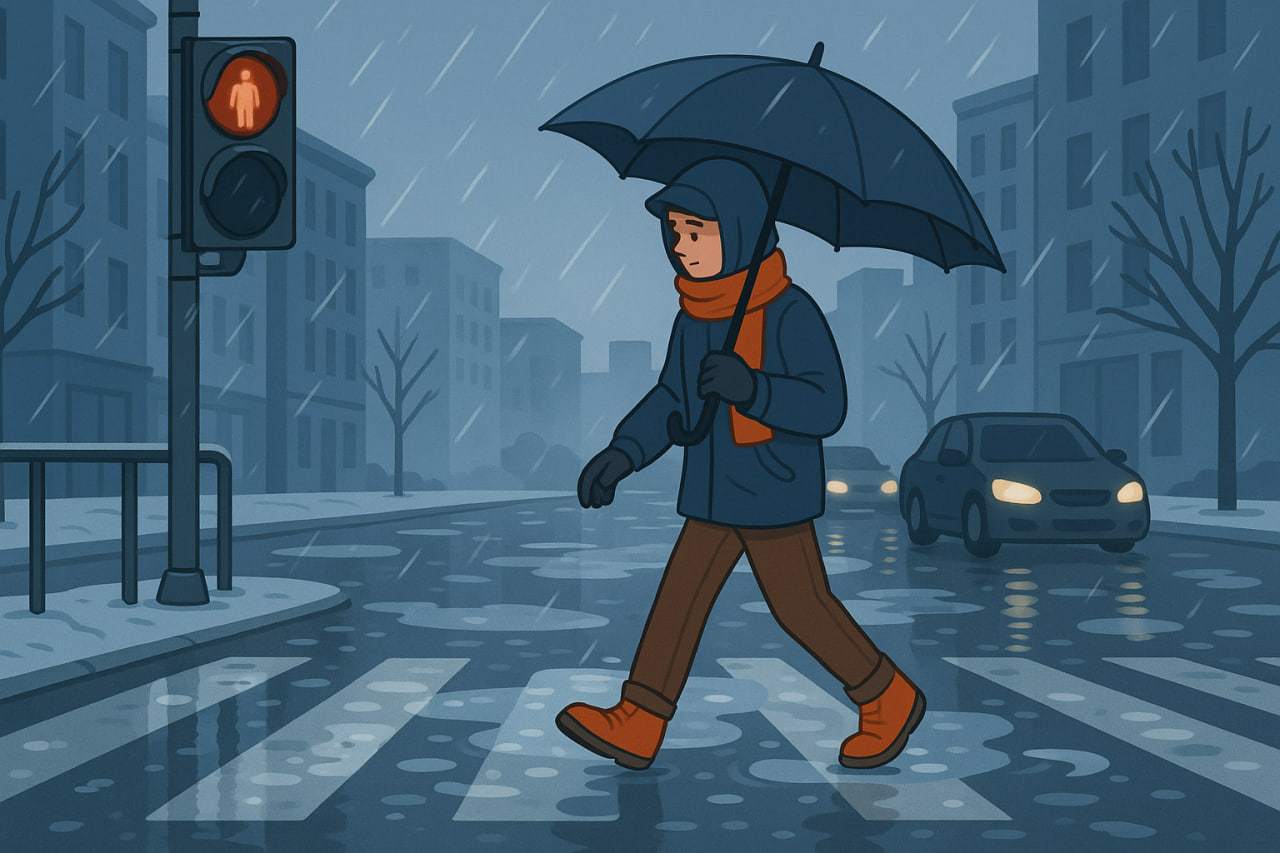
When rain meets cold air, city streets can quickly turn from wet to icy, creating hidden dangers for pedestrians and drivers alike.