
Super Tsunamis: Causes and Consequences
A super tsunami is a rare and catastrophic type of tsunami, much larger and more destructive than typical ones.
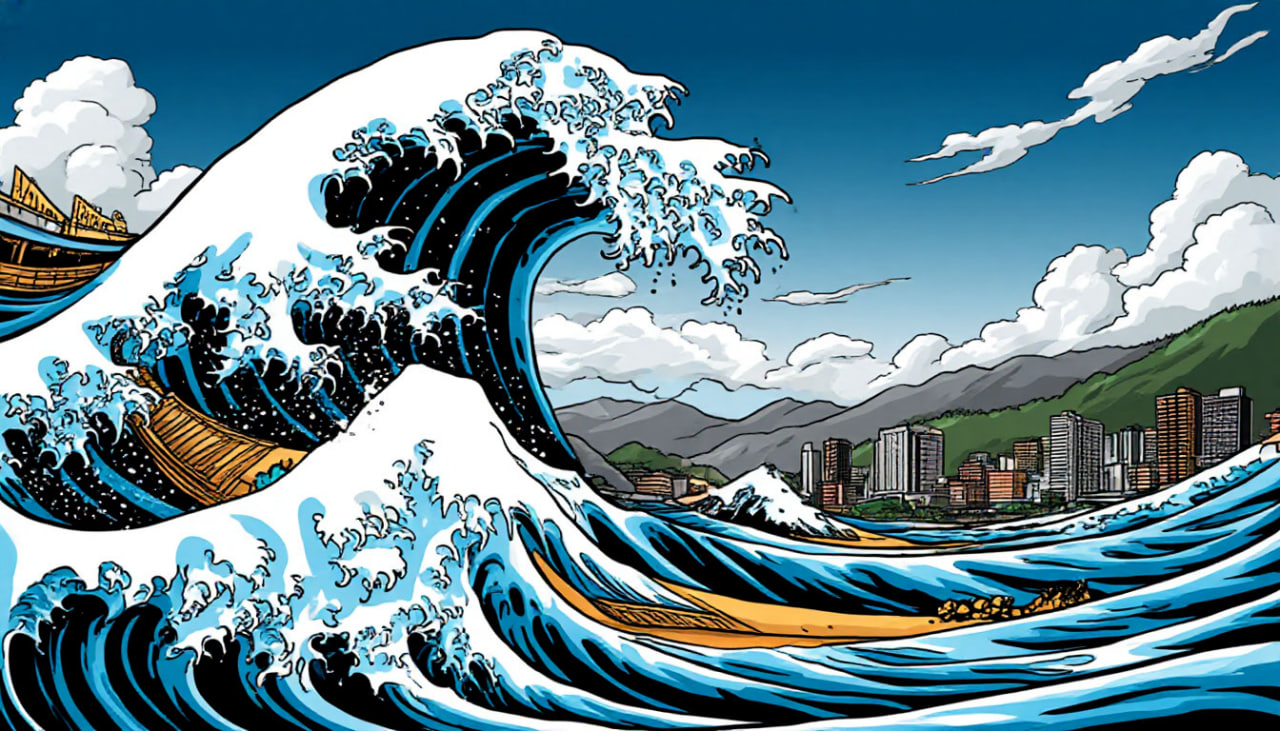
A super tsunami is a rare and catastrophic type of tsunami, much larger and more destructive than typical ones.
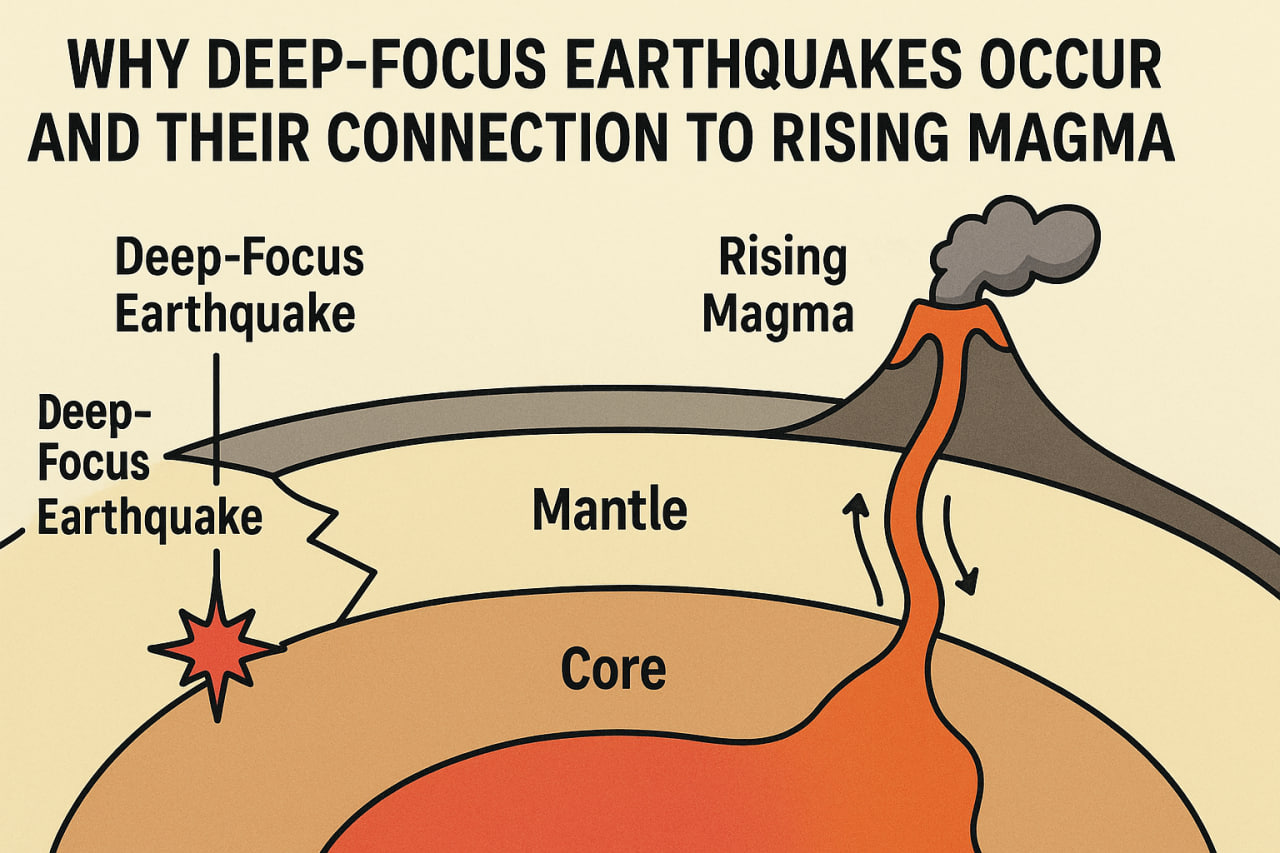
Deep-focus earthquakes are seismic events that occur at depths greater than 300 km below Earth’s surface, sometimes reaching 700 km.
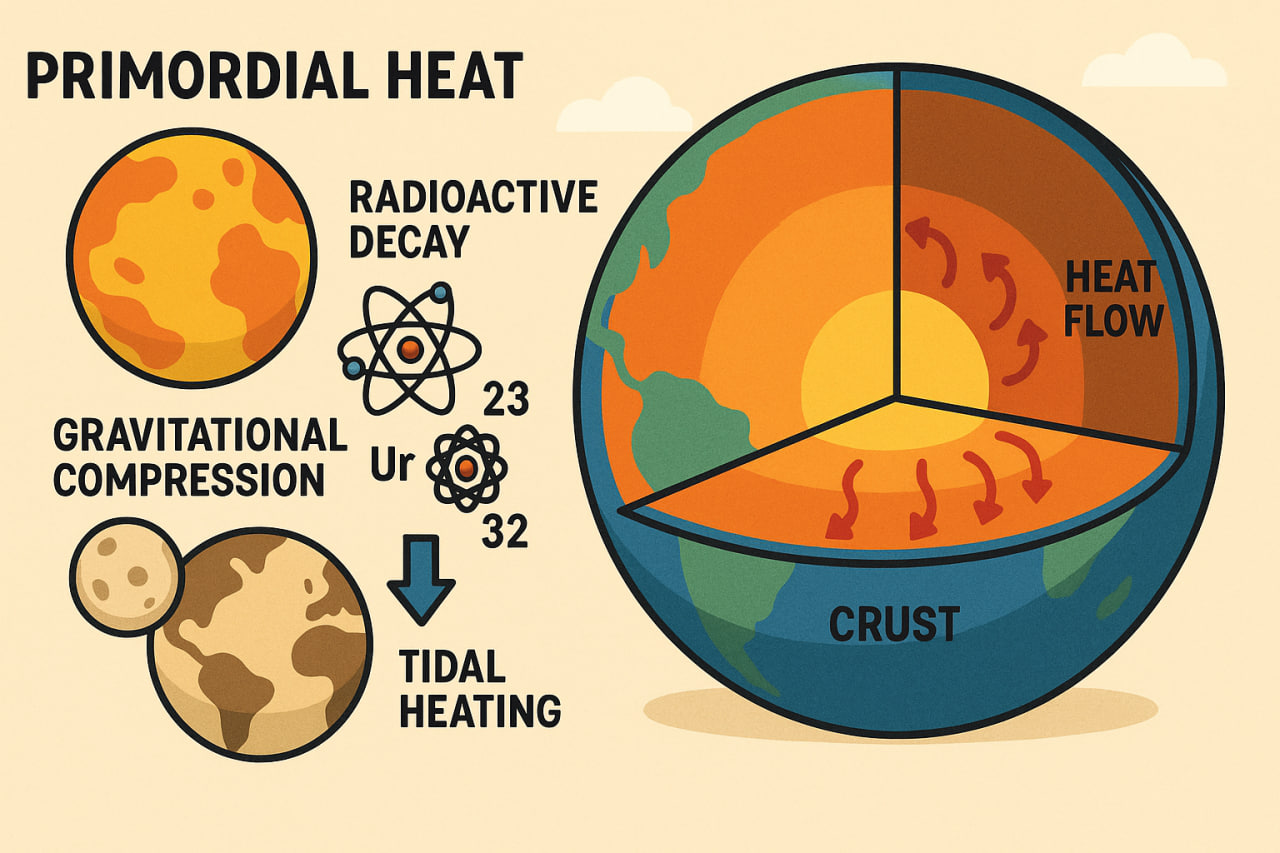
The Earth is not only warmed by the Sun but also heated from within. This internal heat is a driving force behind volcanic eruptions, earthquakes, and the movement of tectonic plates.
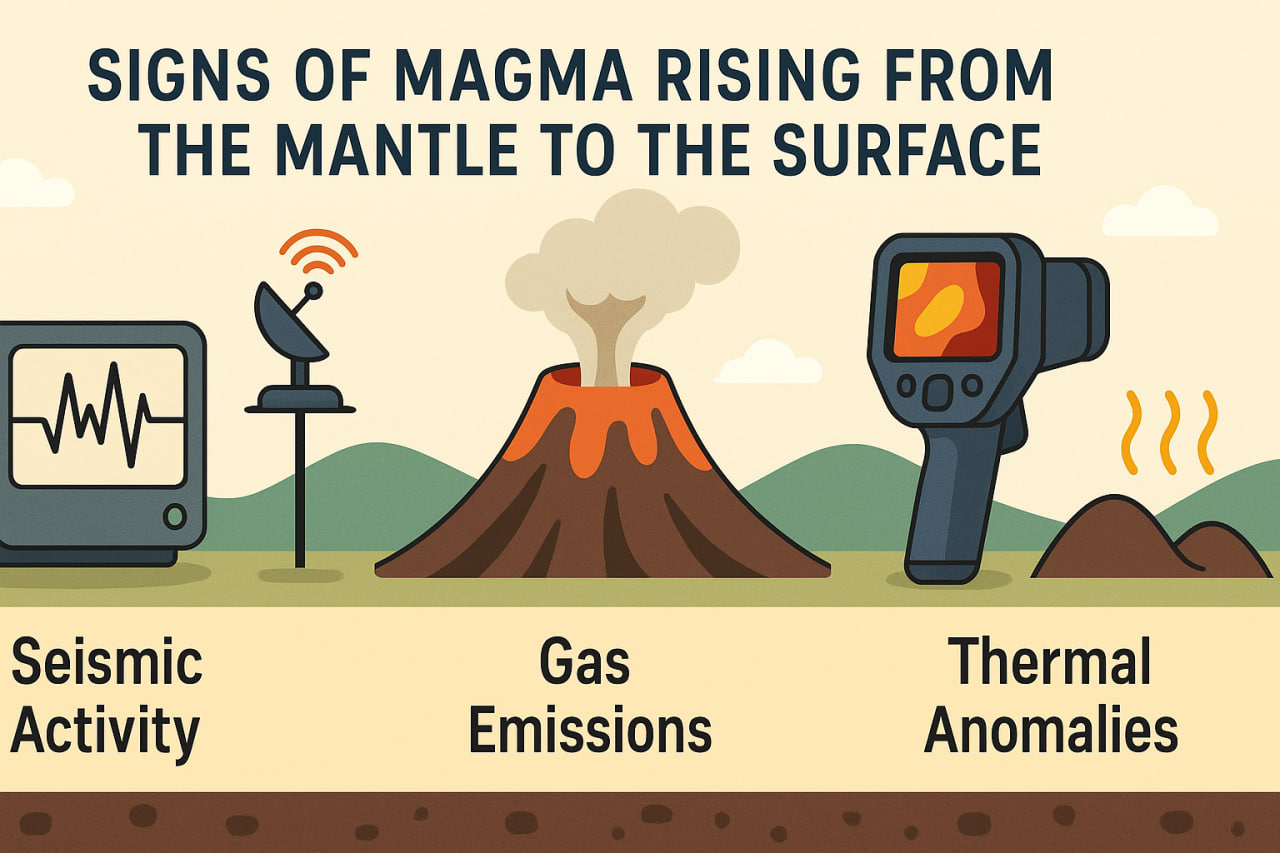
One of the clearest indicators of magma movement is seismic activity. As magma pushes through cracks in the Earth’s crust, it causes small earthquakes called volcanic tremors.
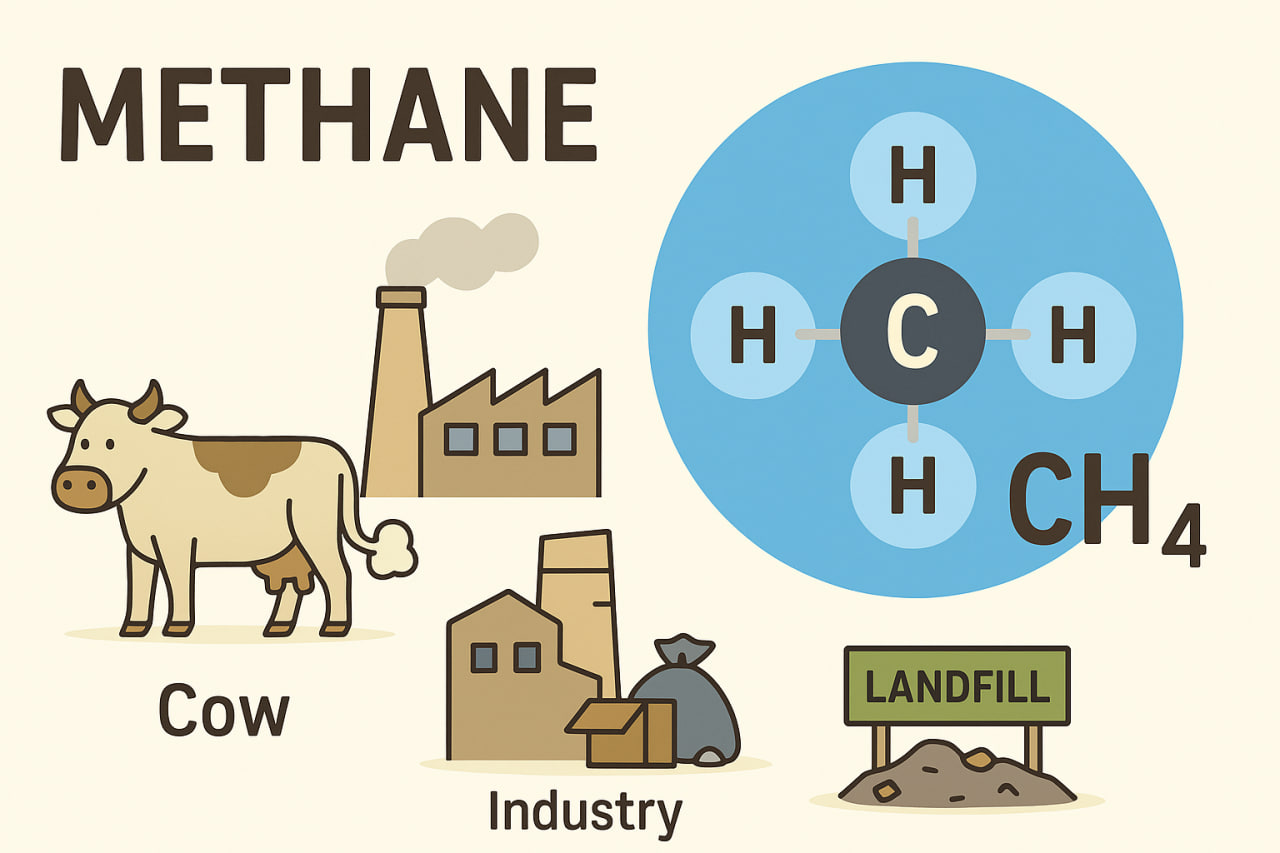
Methane (CH₄) is a simple hydrocarbon composed of one carbon atom and four hydrogen atoms. It is the main component of natural gas and one of the most abundant organic molecules on Earth.
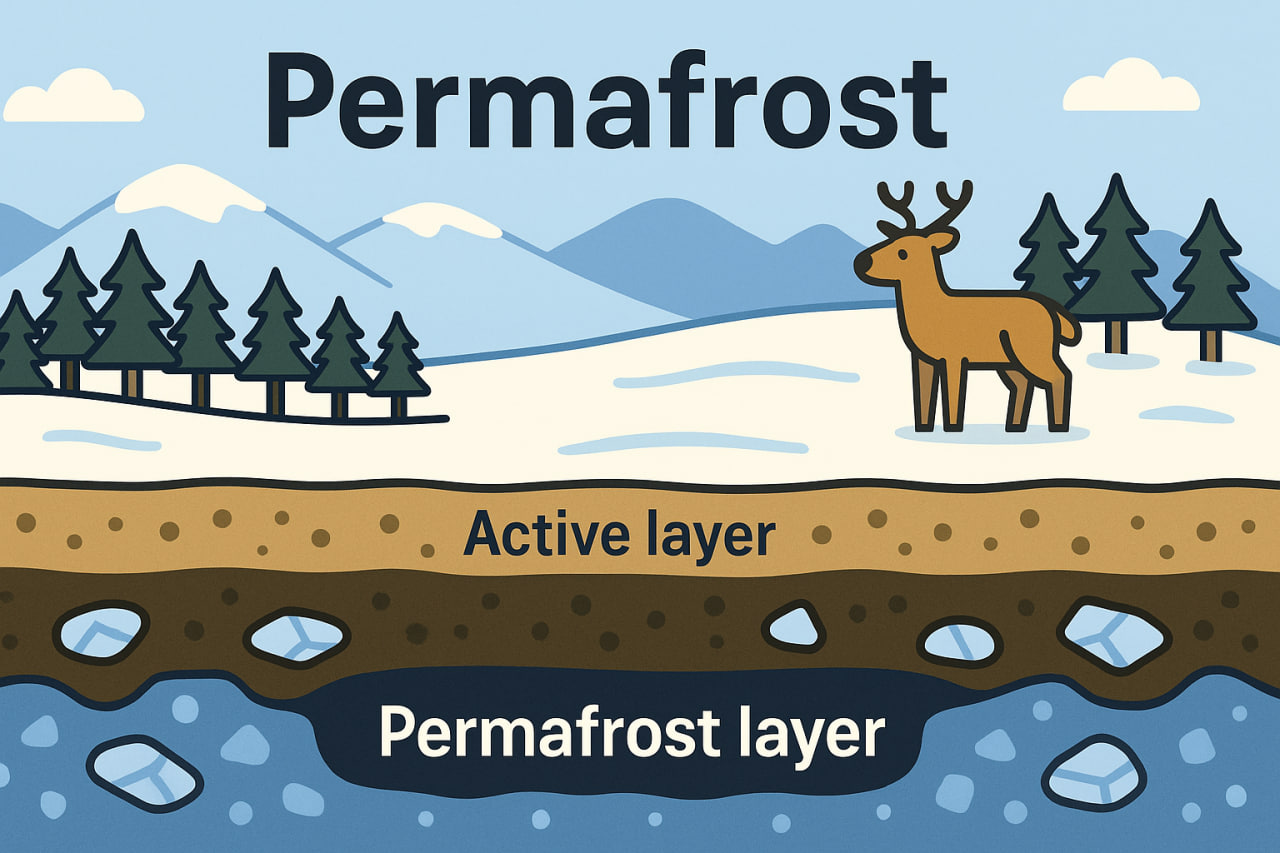
Permafrost is ground that remains frozen for at least two consecutive years. It is composed of soil, rocks, sand, and organic material bound together by ice.
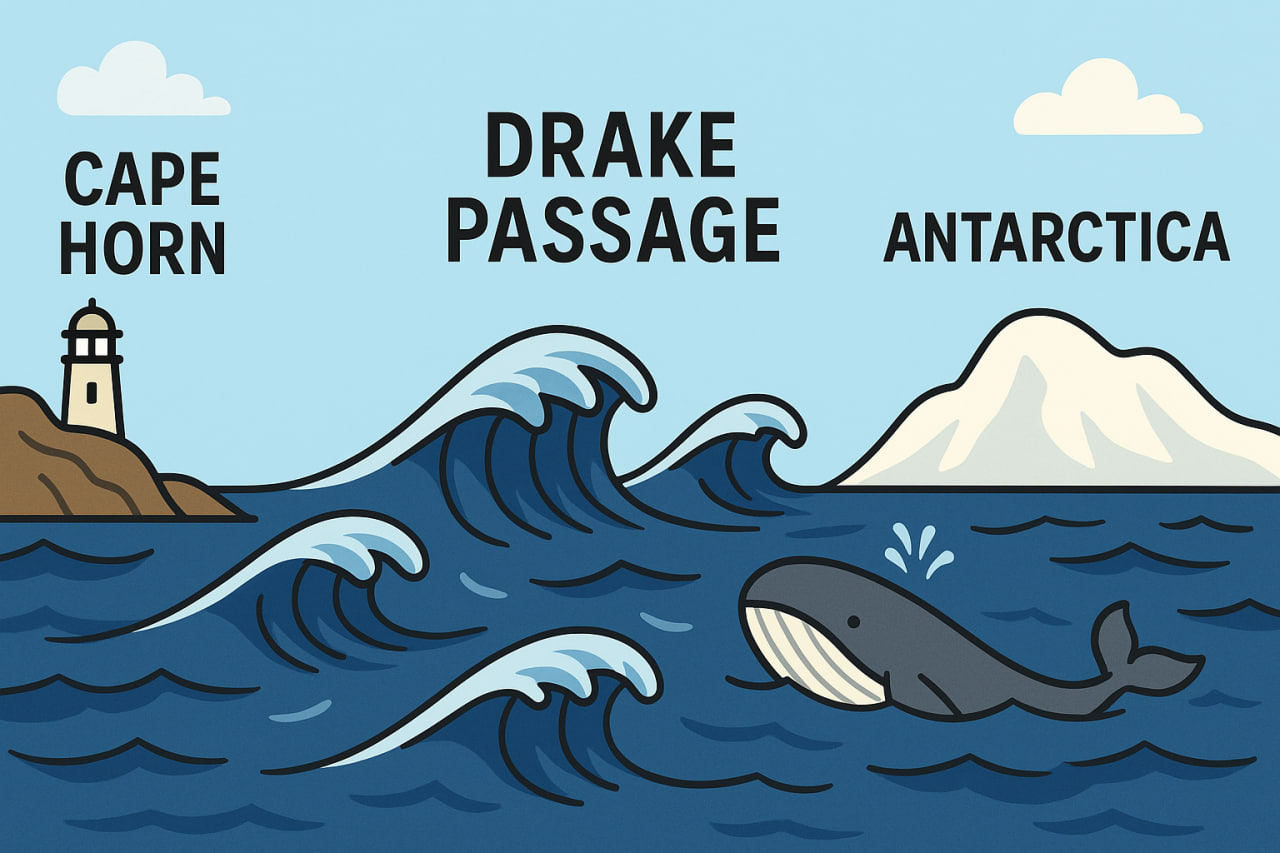
The Drake Passage is a body of water that lies between the southern tip of South America (Cape Horn, Chile) and the northernmost part of the Antarctic Peninsula.
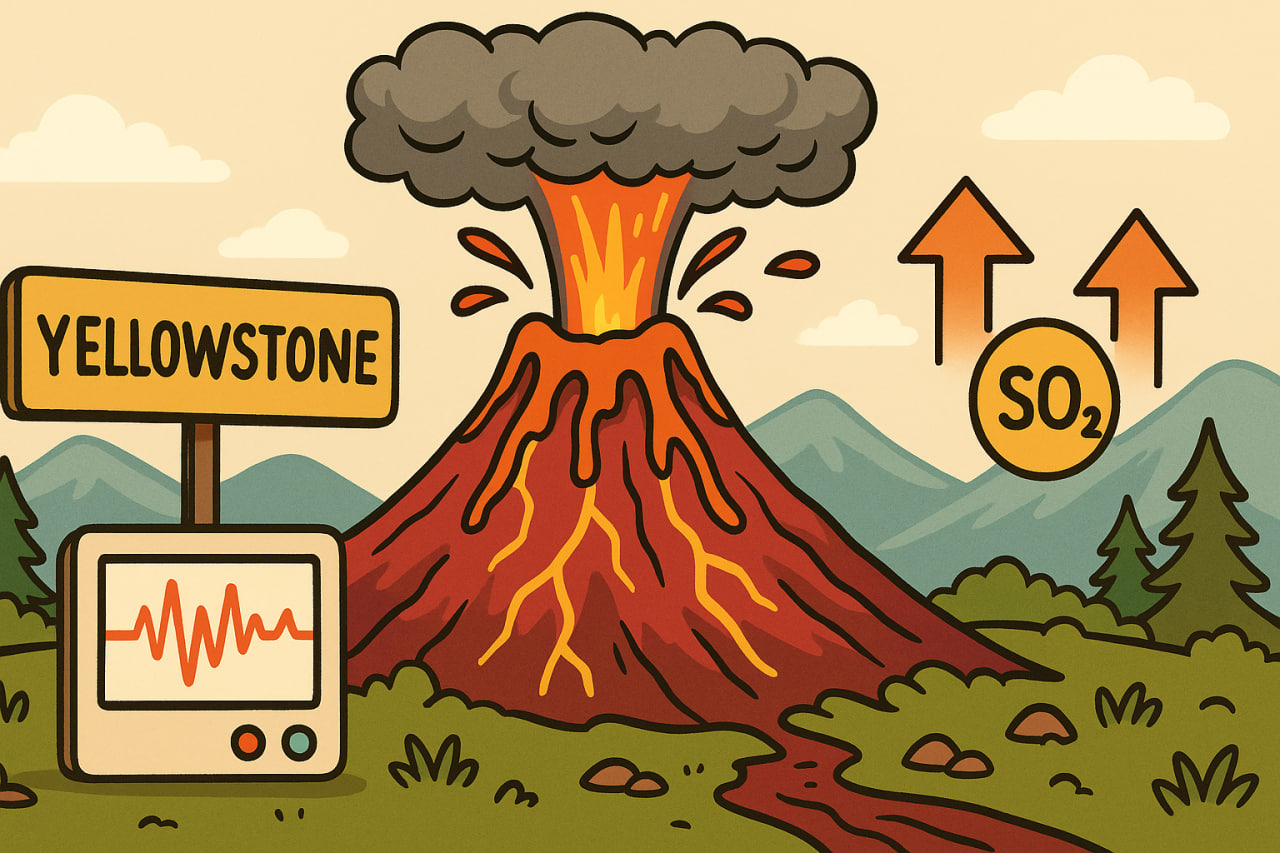
The Yellowstone supervolcano, located in Wyoming, USA, is one of the largest and most closely monitored volcanic systems in the world.
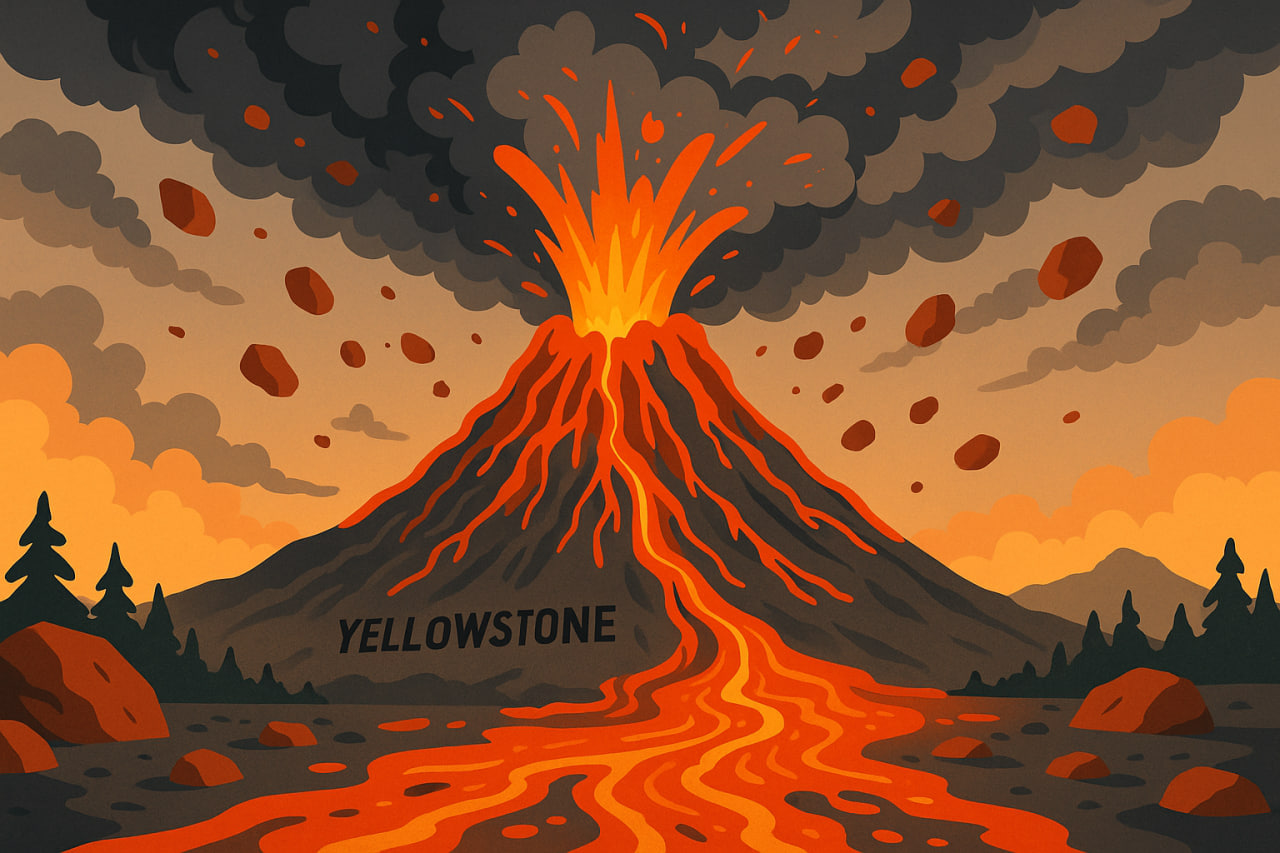
The Yellowstone supervolcano is capable of producing eruptions thousands of times larger than typical volcanoes.
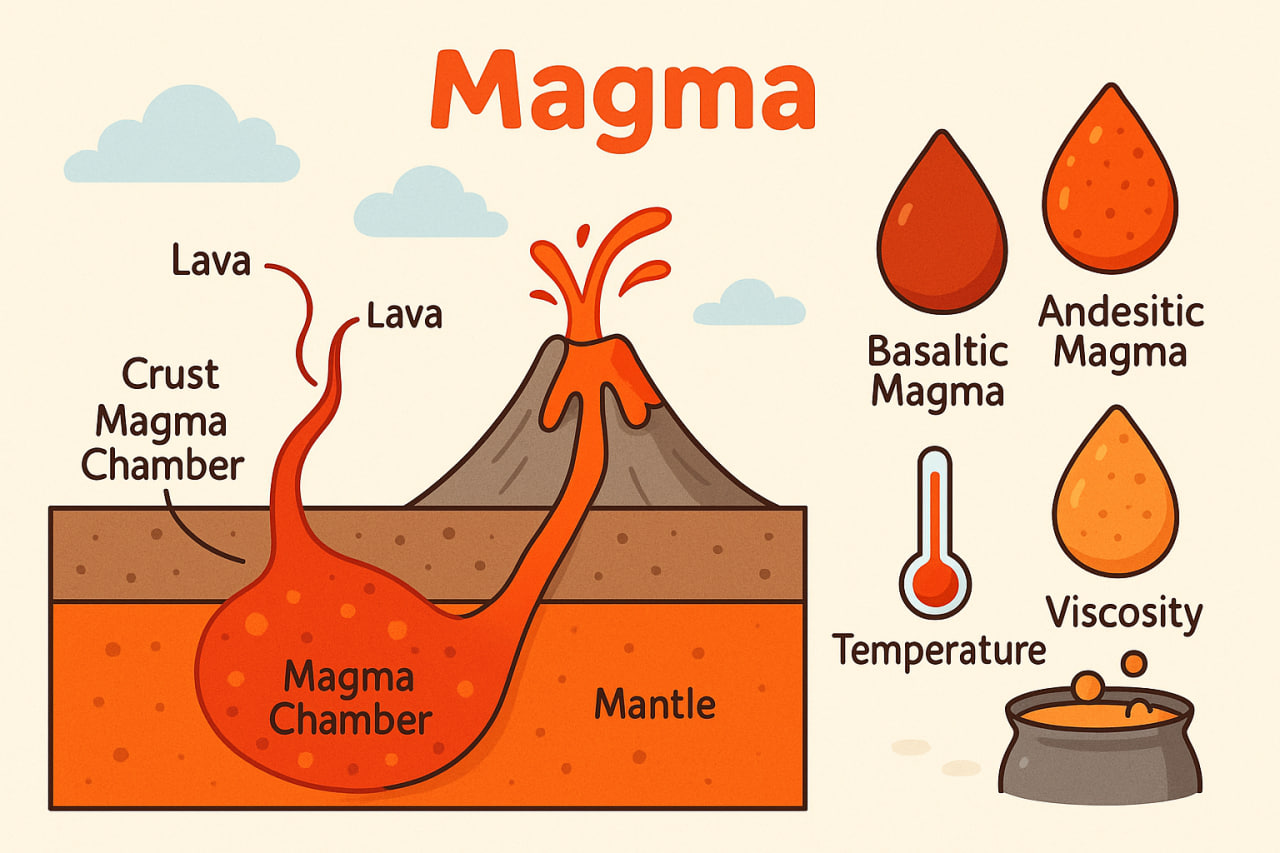
Magma is molten or partially molten rock located beneath the Earth’s surface. It forms deep underground where high temperatures and pressures cause solid rock to melt.