
Deep-Focus Earthquakes: Shaking the Earth's Interior
Most people associate earthquakes with shaking ground and damaged buildings near the surface. But not all earthquakes happen close to the Earth's crust.
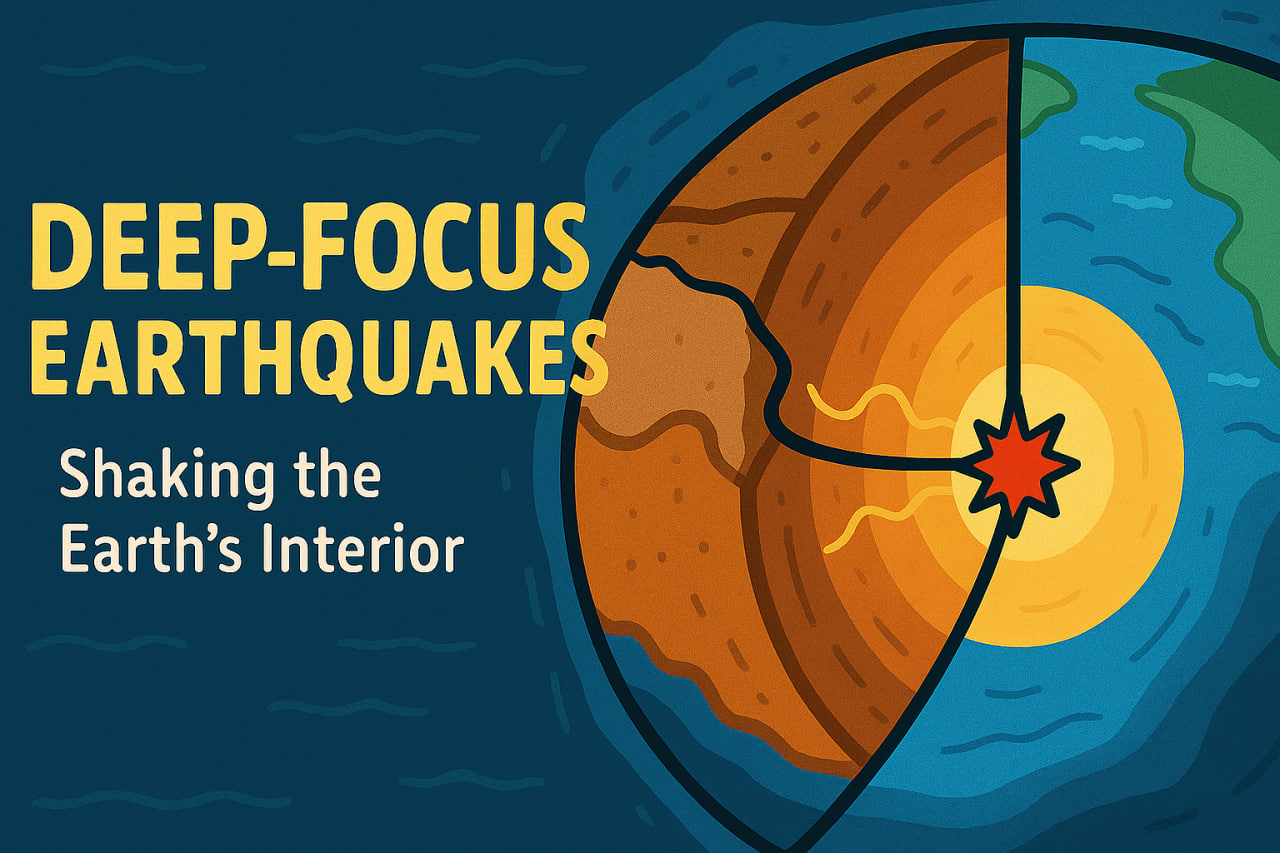
Most people associate earthquakes with shaking ground and damaged buildings near the surface. But not all earthquakes happen close to the Earth's crust.
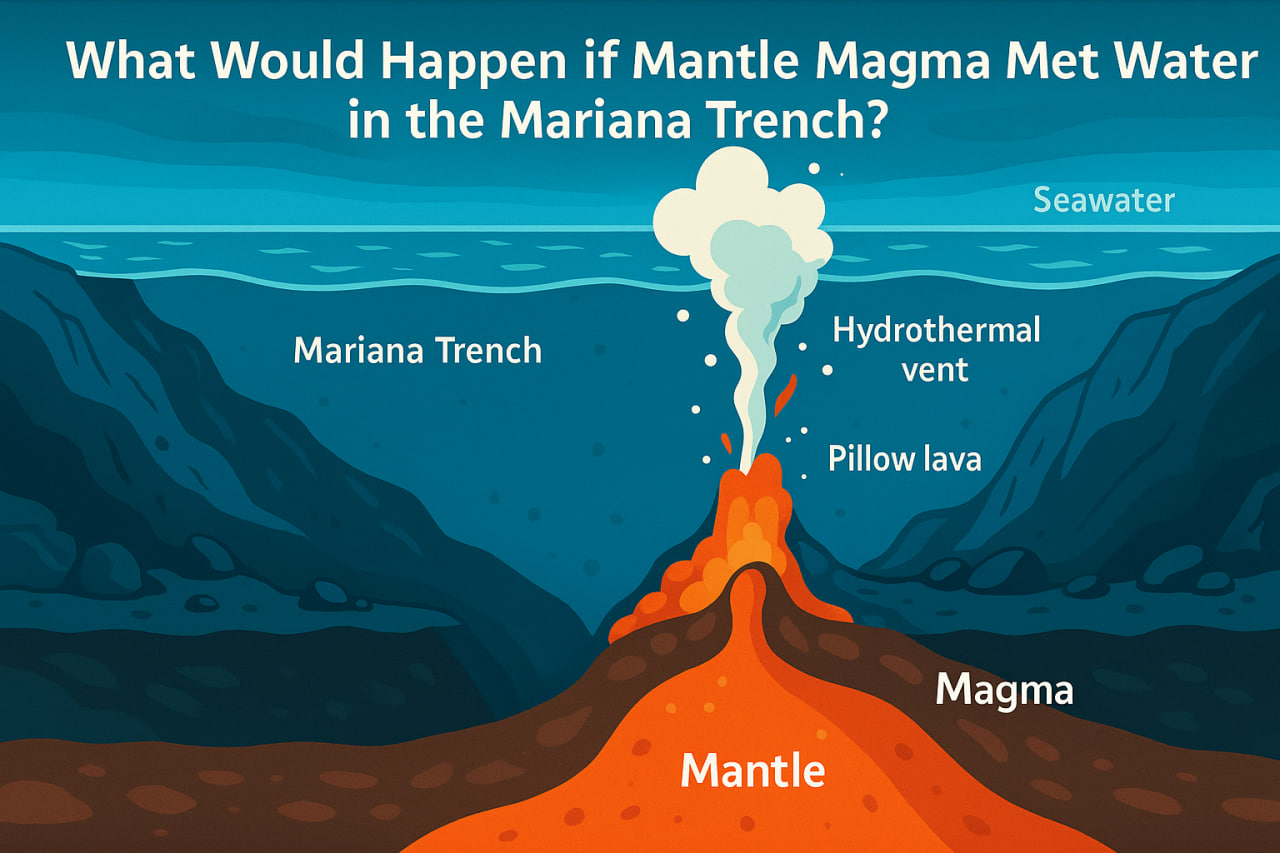
The Mariana Trench is the deepest known part of Earth's oceans, reaching nearly 11 kilometers (7 miles) below sea level.
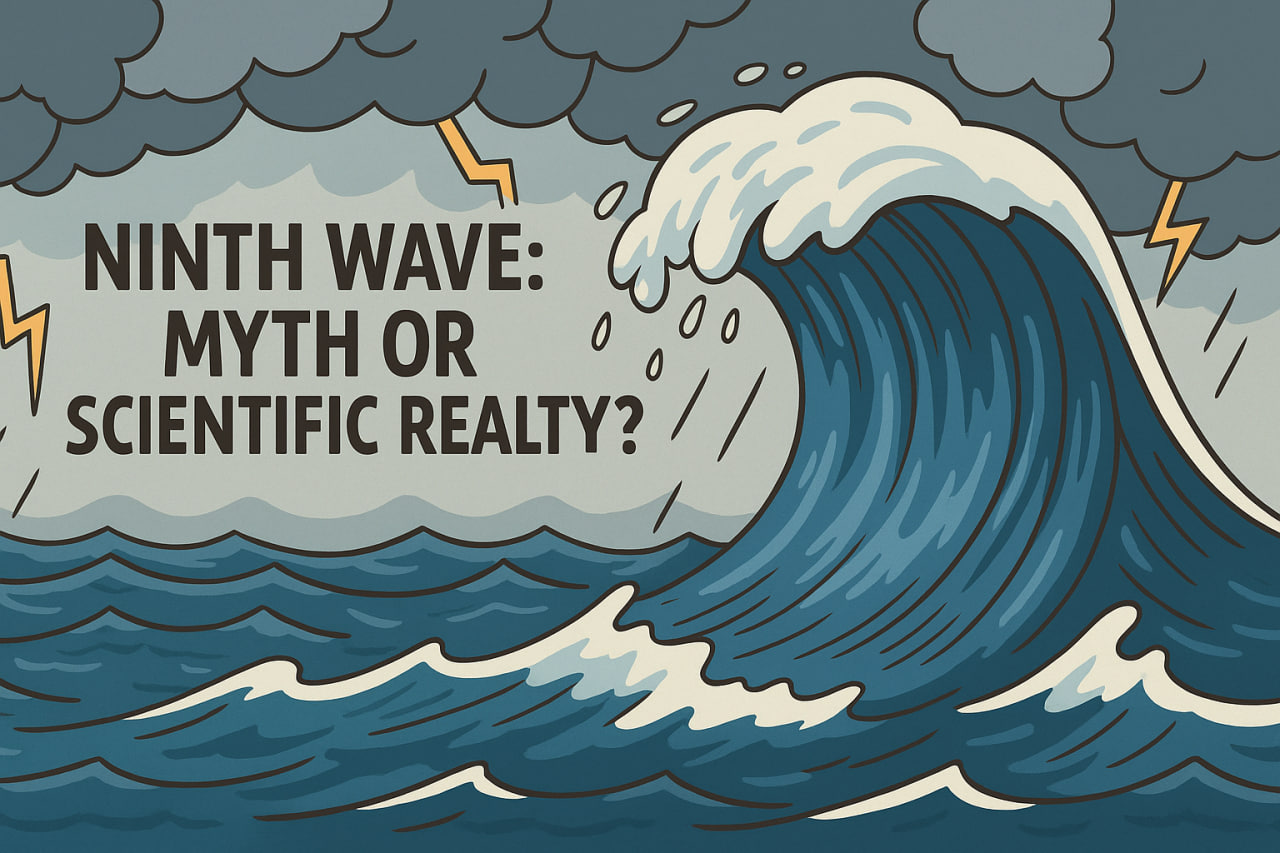
The idea of the ninth wave is deeply rooted in maritime folklore, often described as the largest and most dangerous wave in a series of ocean swells.
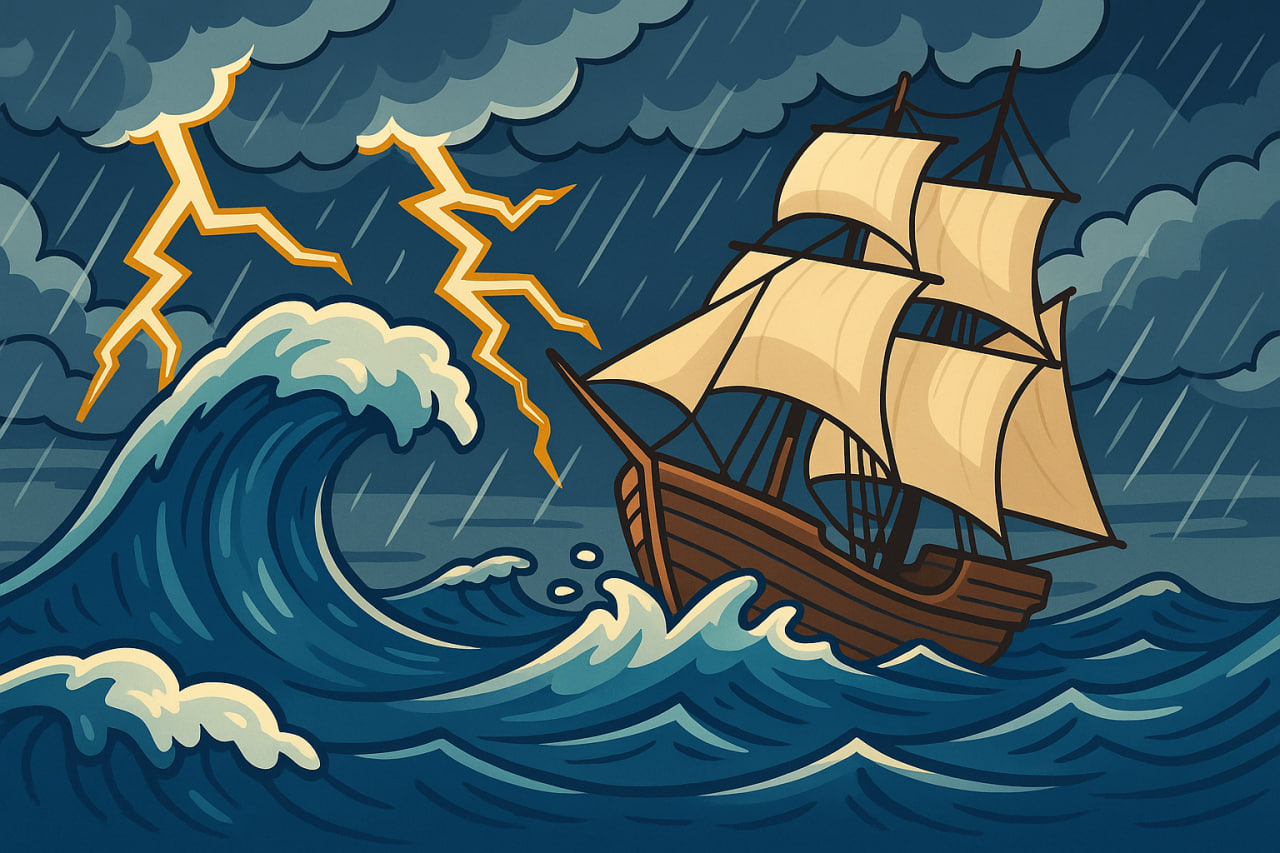
Sea storms are among the most dramatic and dangerous natural events on Earth. They can appear suddenly, with strong winds, high waves, and heavy rain, creating serious risks for ships...
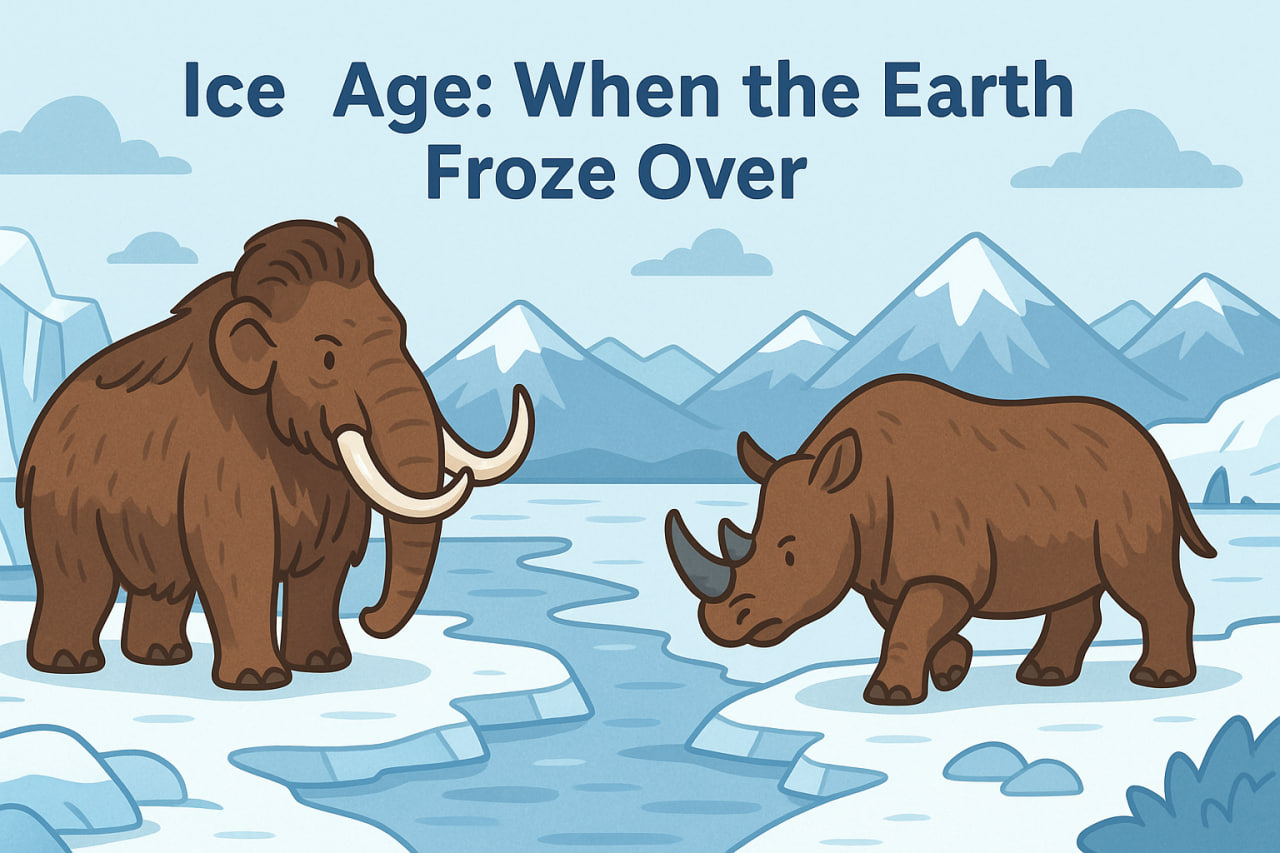
An Ice Age is a long period in Earth’s history when global temperatures drop significantly, causing large parts of the planet to be covered in glaciers.
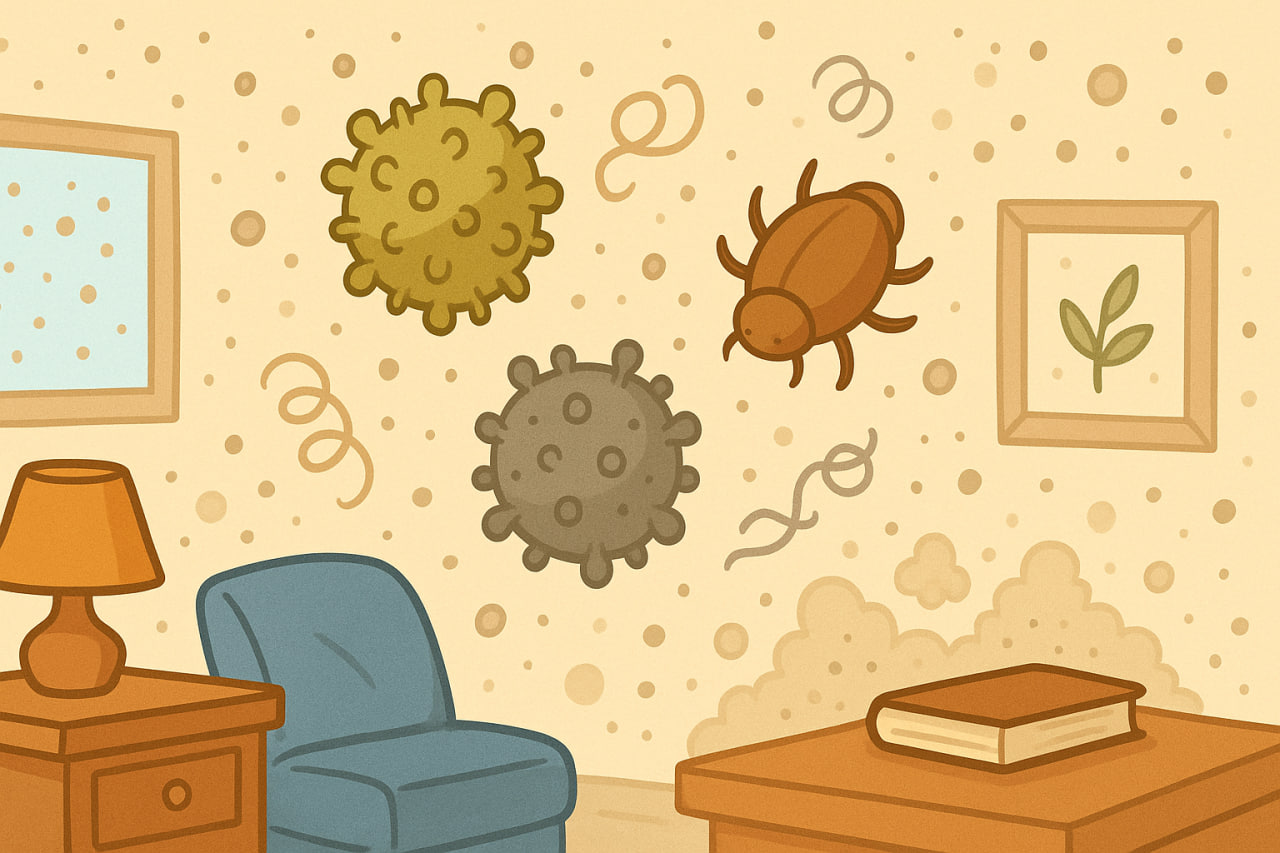
Dust is all around us—on furniture, in sunlight beams, and even floating through the air we breathe.
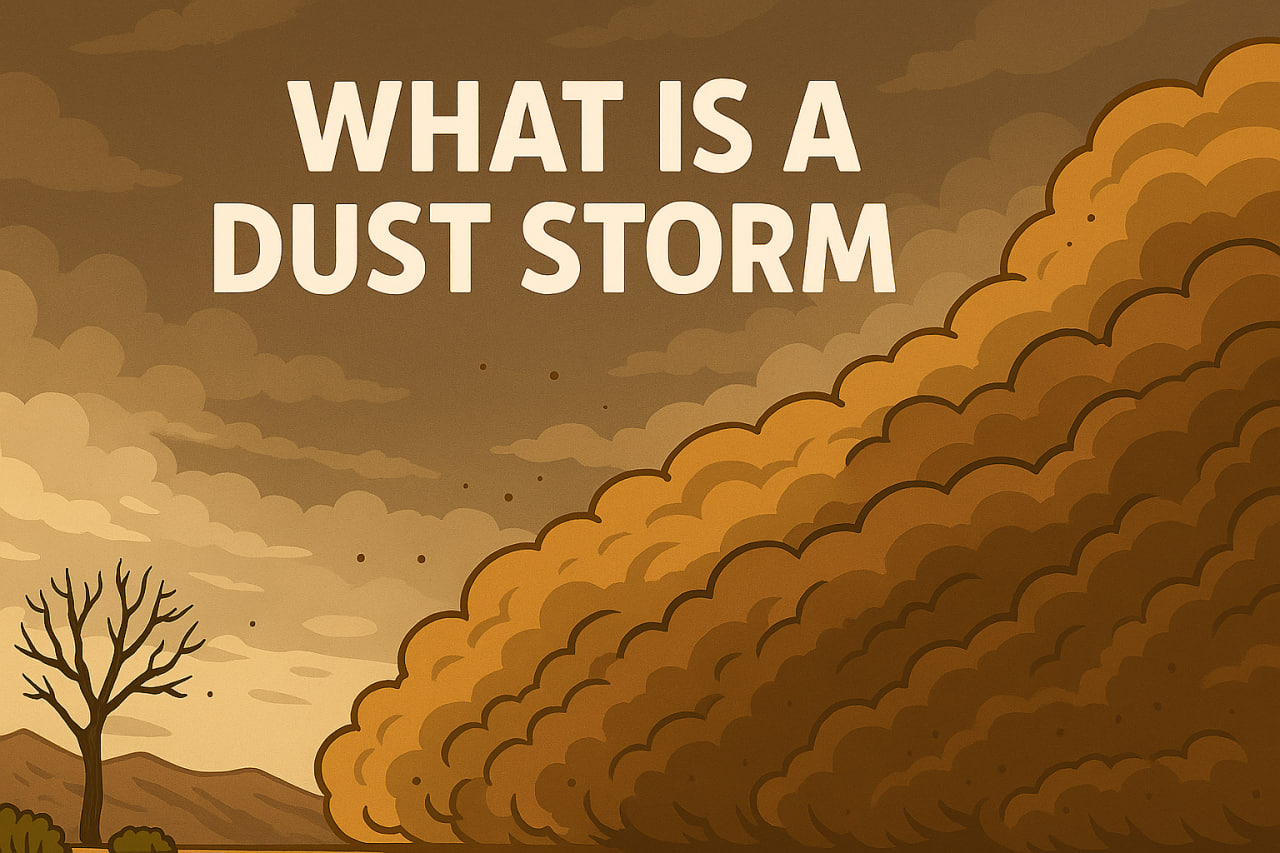
A dust storm is a strong wind event that lifts large amounts of dust, sand, and dirt into the air, creating thick clouds that can reduce visibility and cause environmental and health problems.
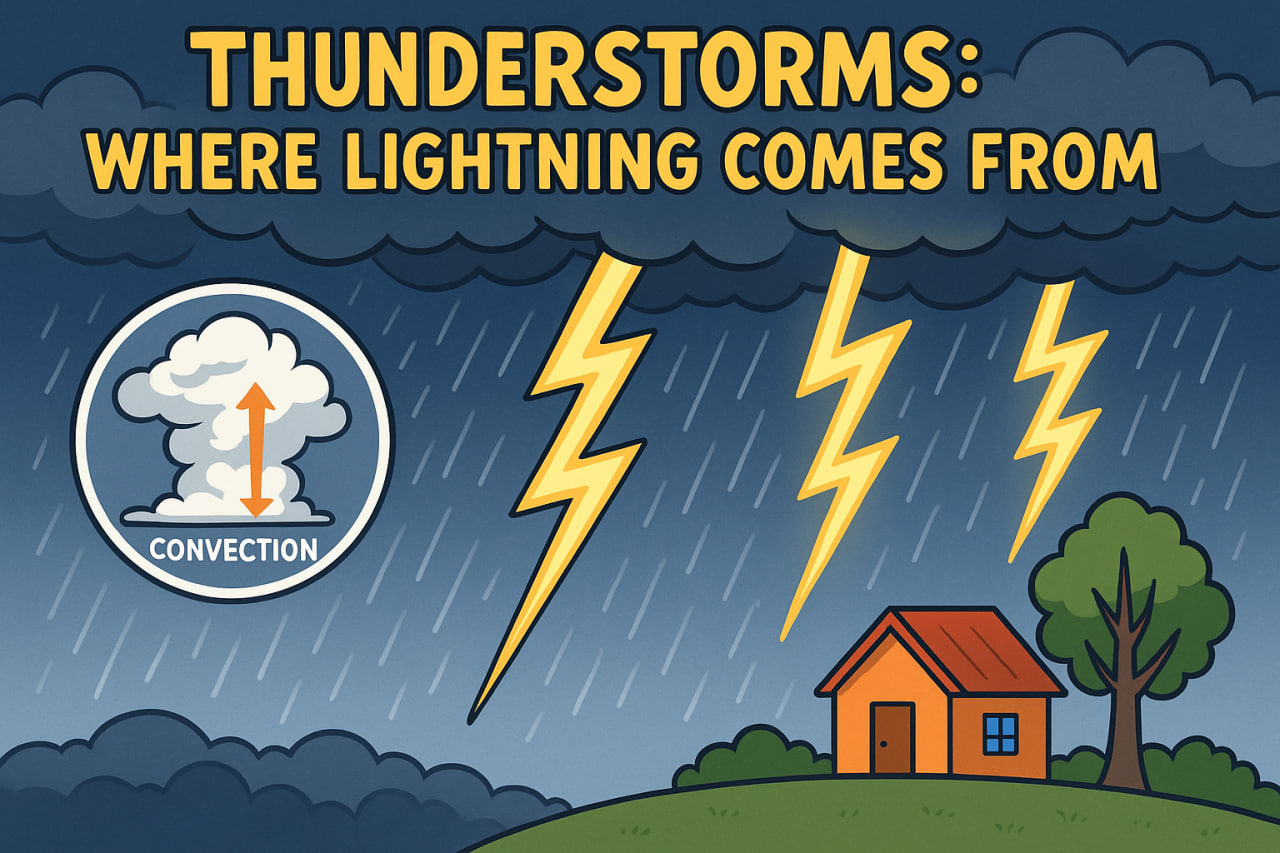
Thunderstorms are dramatic weather events that bring rain, wind, thunder, and lightning.
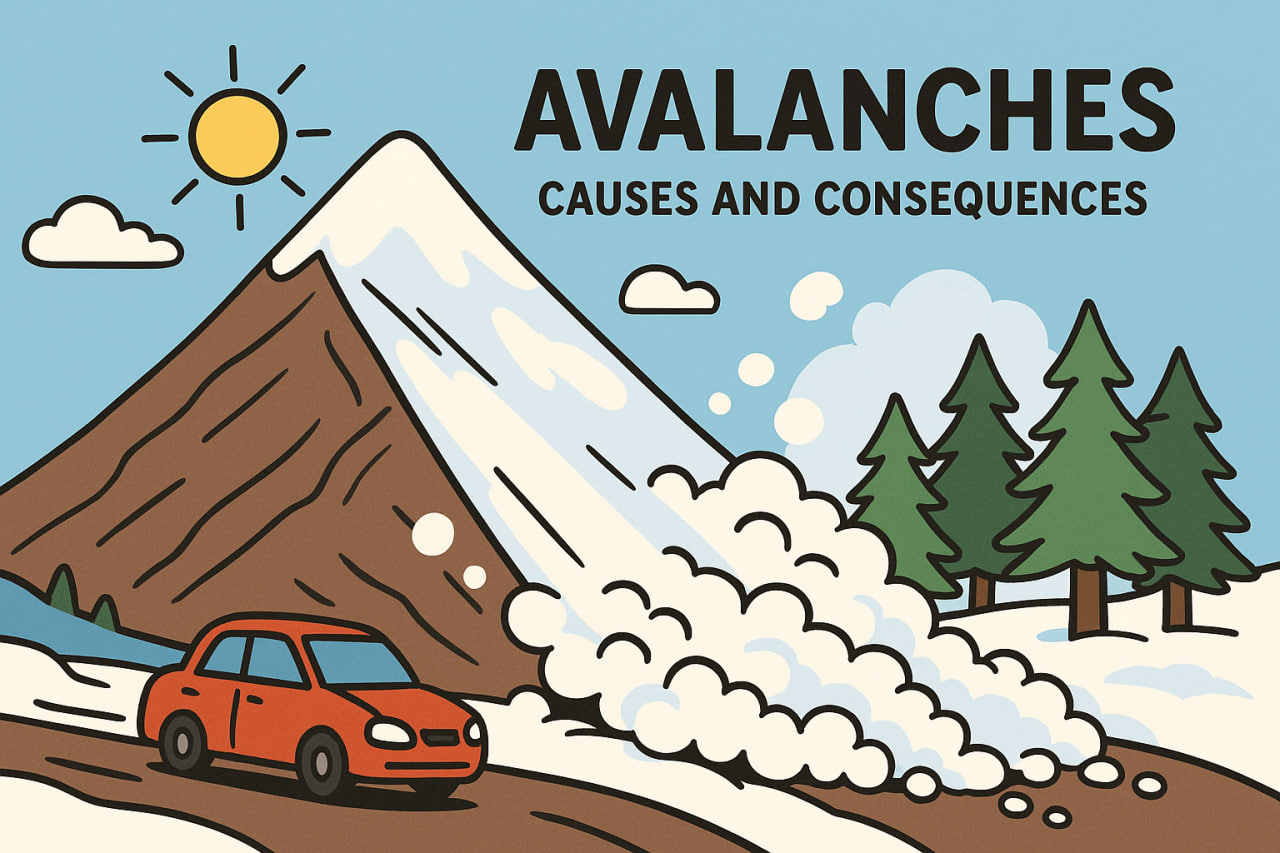
Avalanches are rapid flows of snow down a mountainside, often triggered by natural forces or human activity.
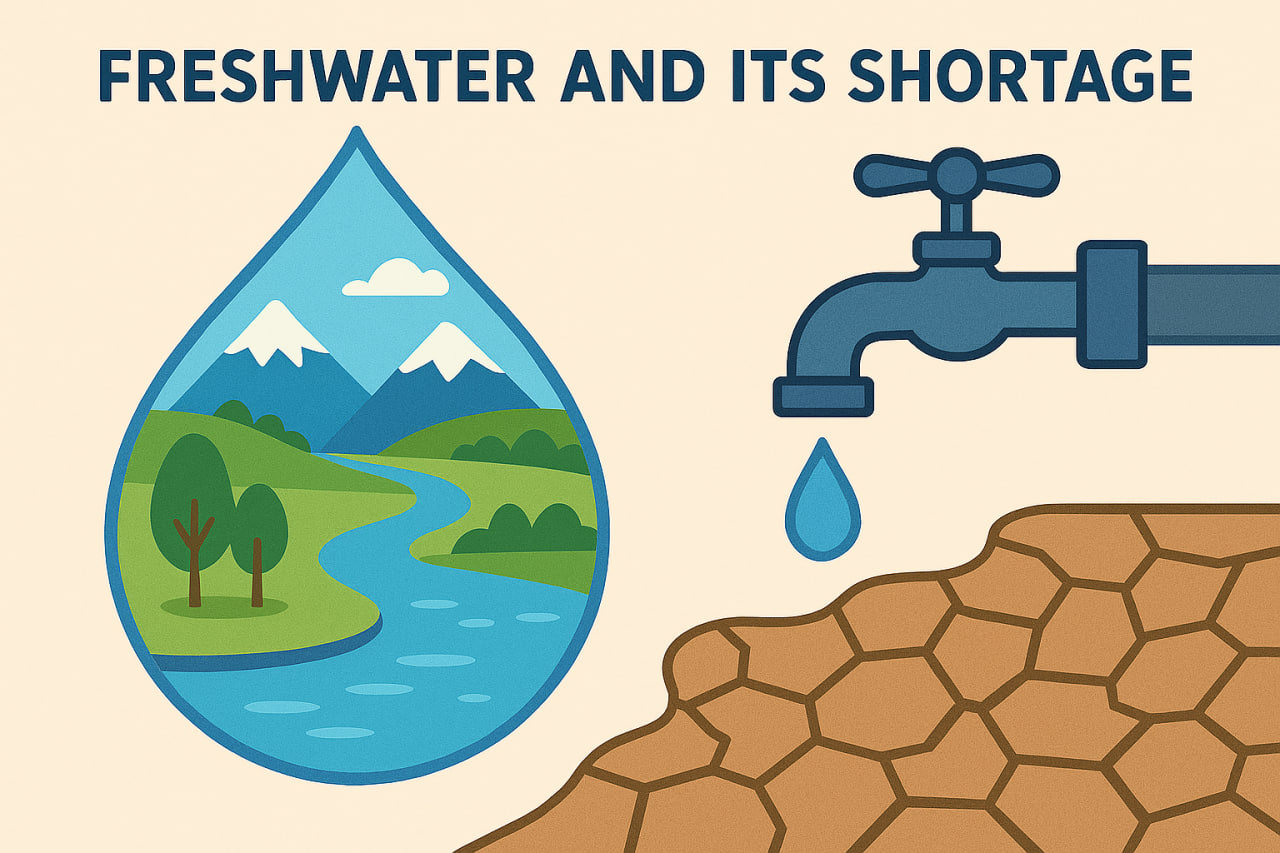
Freshwater is essential for all known forms of life. It makes up only about 2.5% of all water on Earth, and just a fraction of that is accessible for human use.