
A Thriving Roman City Near the Shadow of a Volcano
Pompeii was a prosperous Roman city located near the Bay of Naples, in southern Italy.
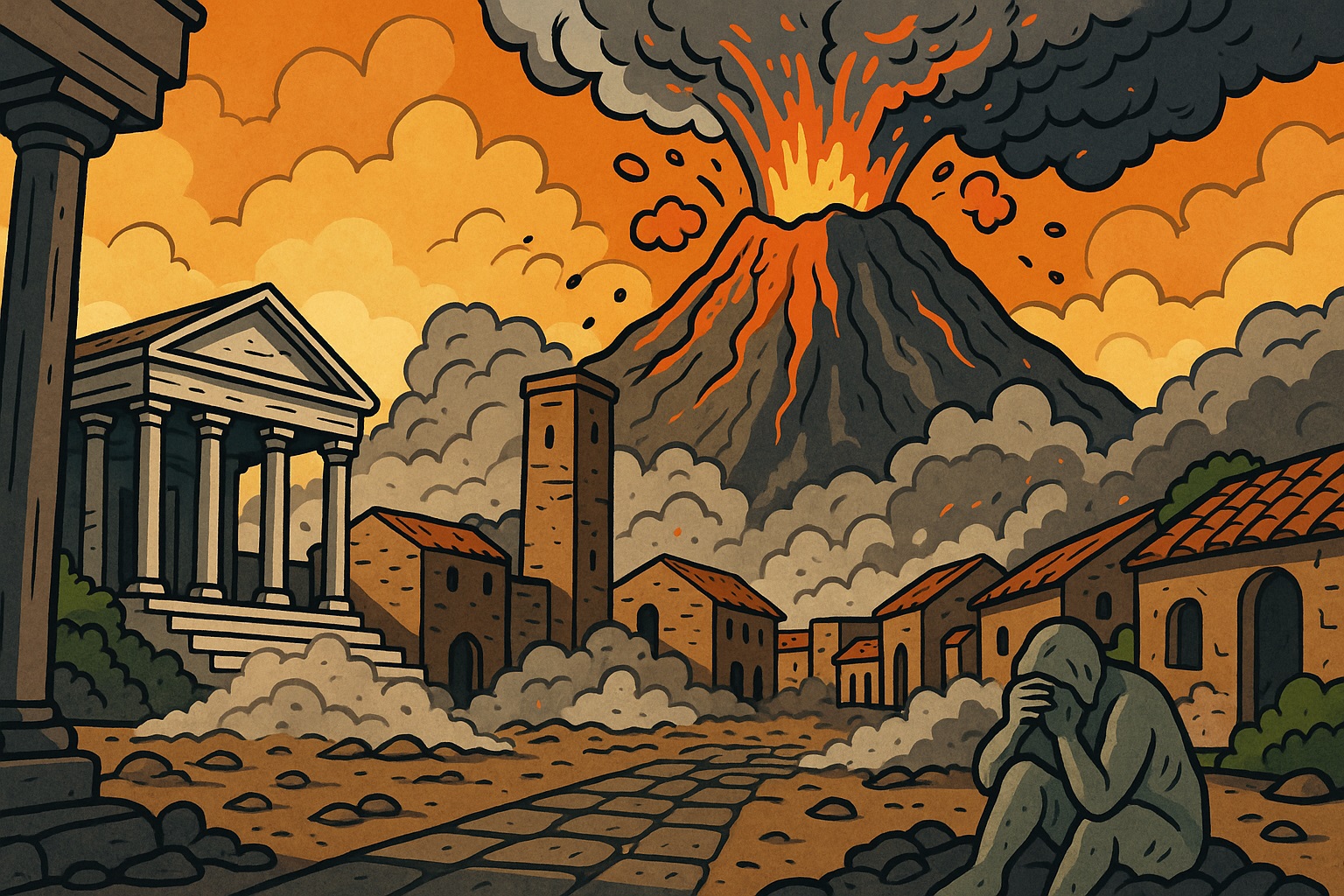
Pompeii was a prosperous Roman city located near the Bay of Naples, in southern Italy.
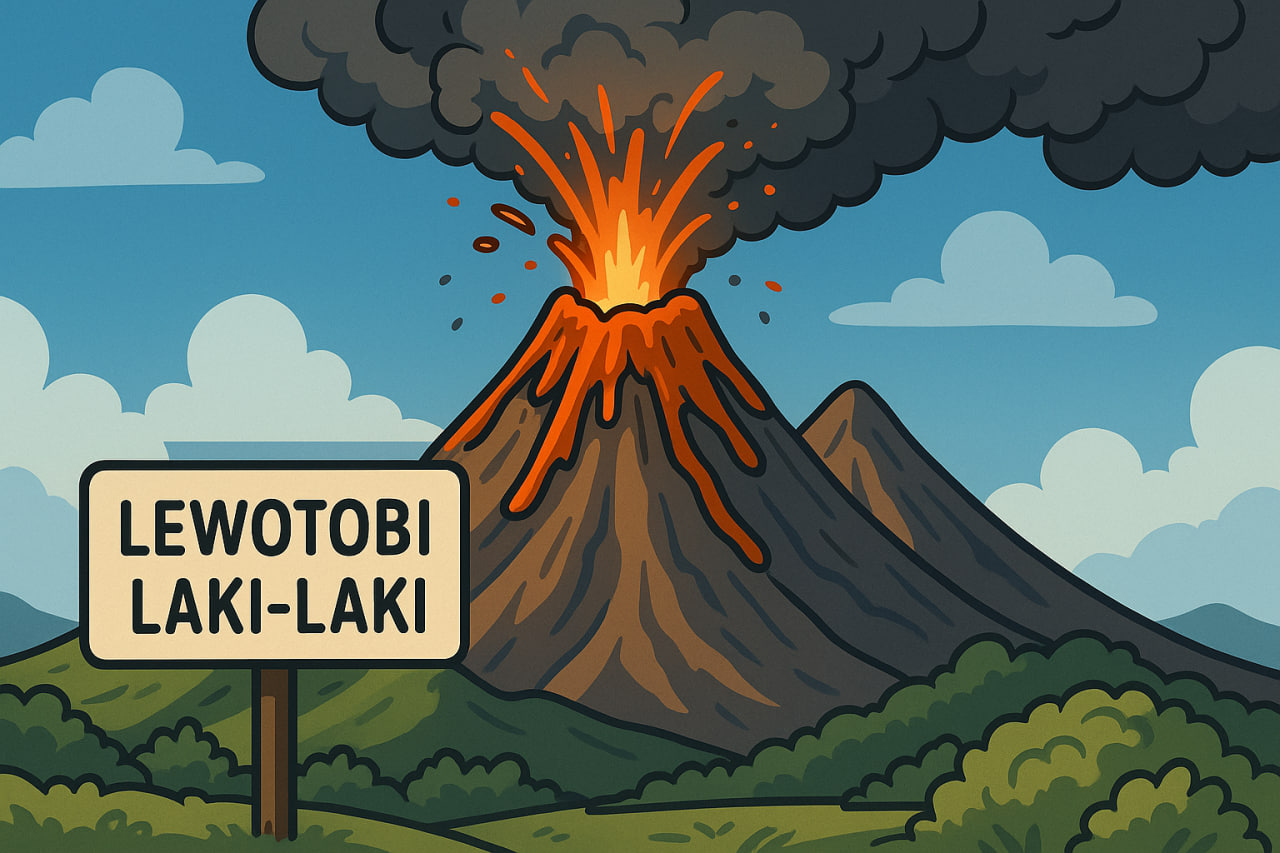
Lewotobi Laki-Laki, part of the Lewotobi volcanic complex in East Flores, Indonesia, is one of the most striking twin volcanoes in Southeast Asia.
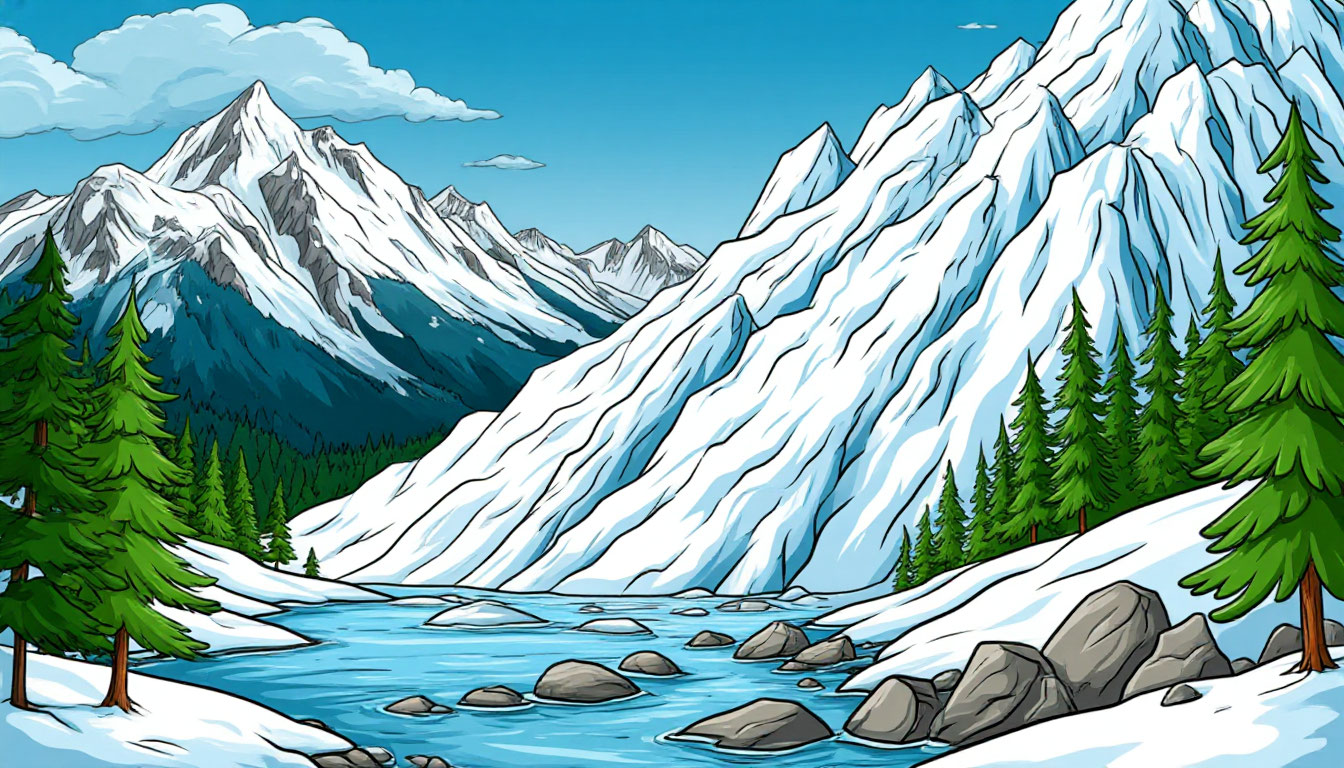
An avalanche is a sudden, rapid flow of snow down a mountain slope, often triggered naturally or by human activity.
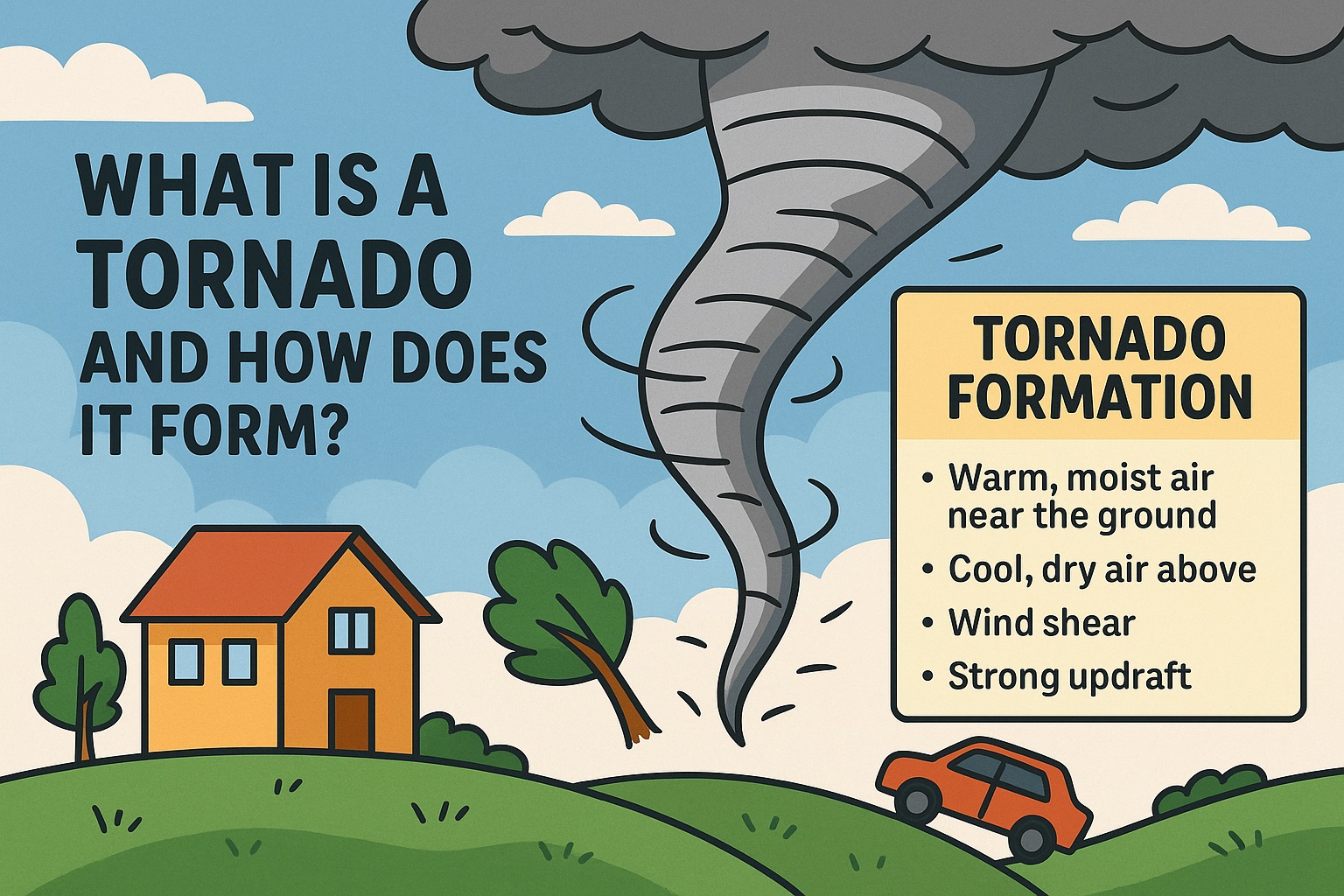
A tornado is a violently rotating column of air that extends from the base of a thunderstorm to the ground.
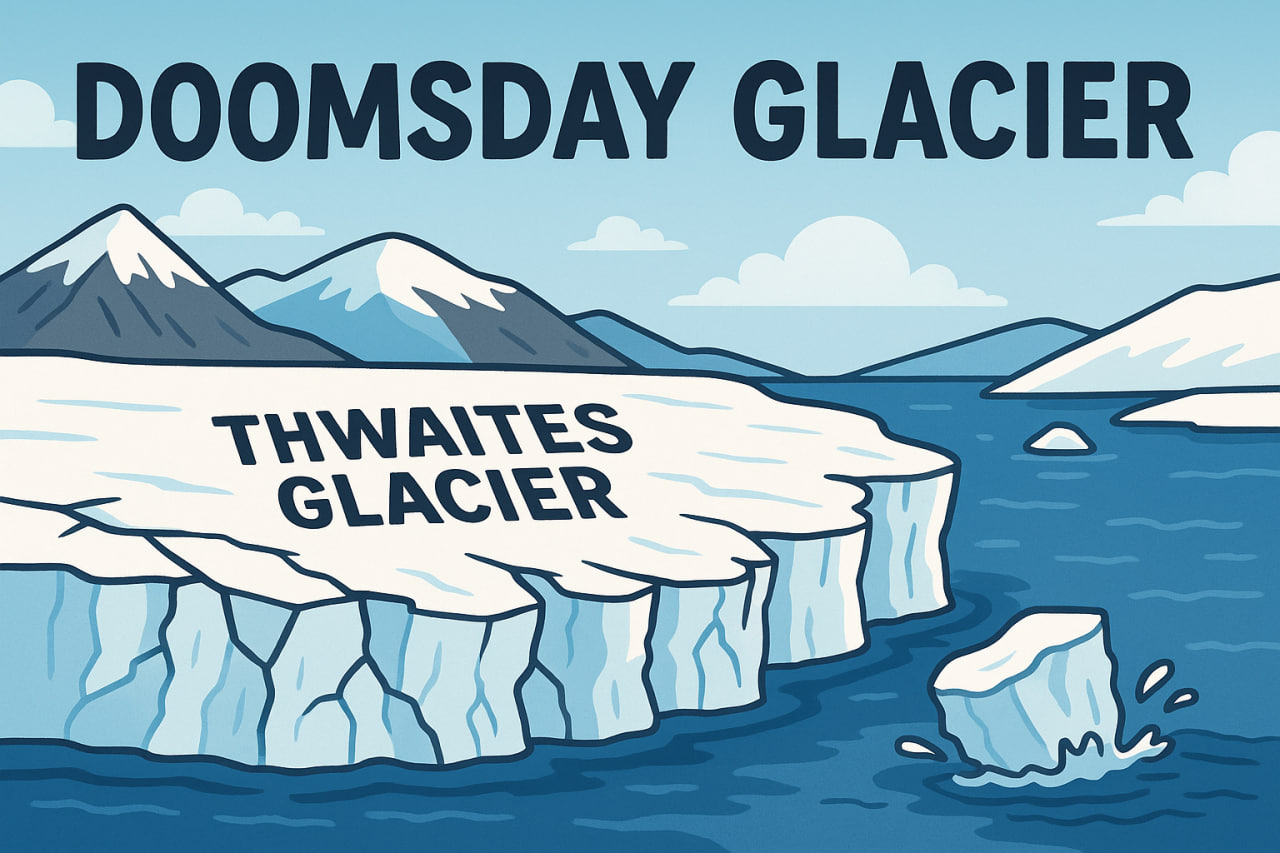
Nicknamed the "Doomsday Glacier," Thwaites Glacier in West Antarctica has captured global attention due to its potential to raise sea levels dramatically if it collapses.
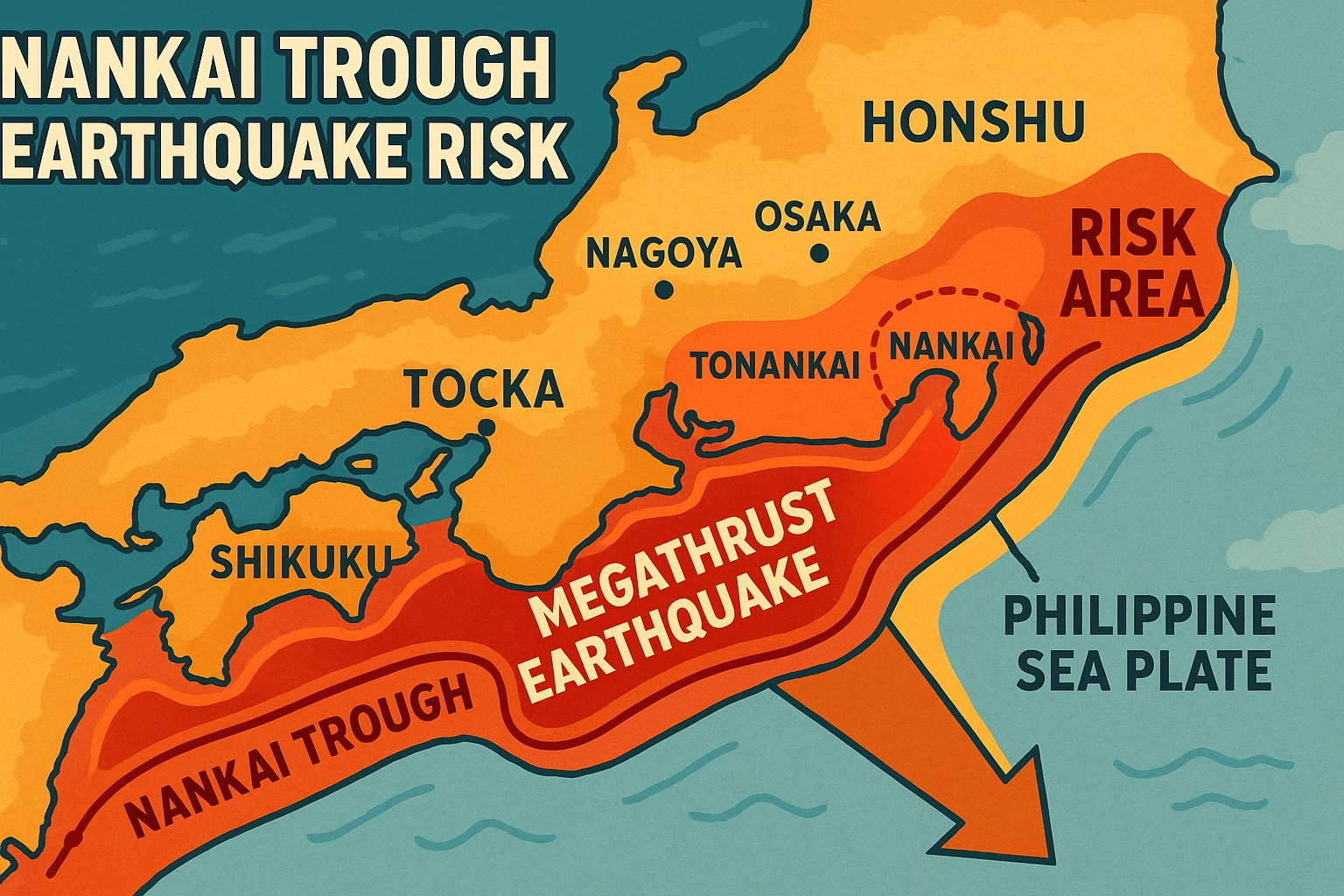
Russian geophysicist Alexey A. Lyubushin has developed a novel method to evaluate long-term seismic hazards using multifractal analysis of continuous low-frequency microseismic noise.
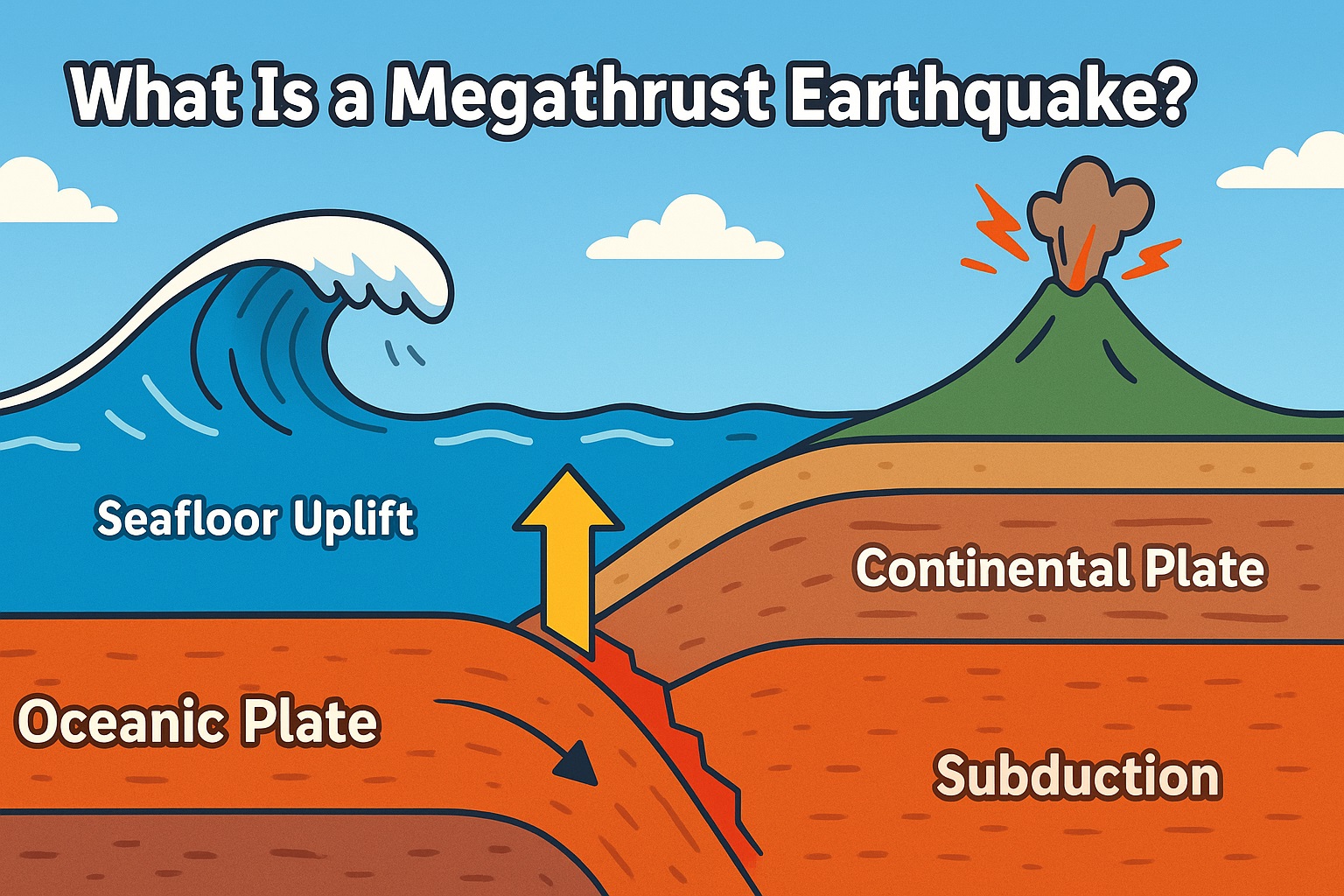
A megathrust earthquake is the most powerful type of earthquake known to science, occurring at subduction zones where one tectonic plate is forced beneath another.
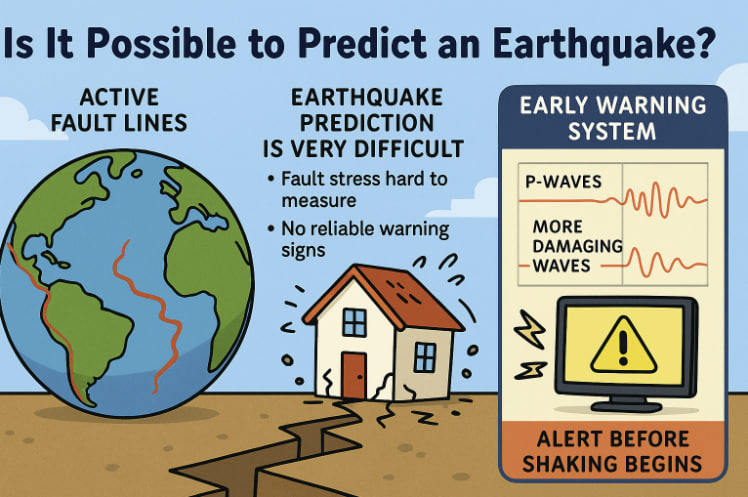
Despite decades of scientific research, earthquakes remain largely unpredictable in terms of their exact time, location, and magnitude.
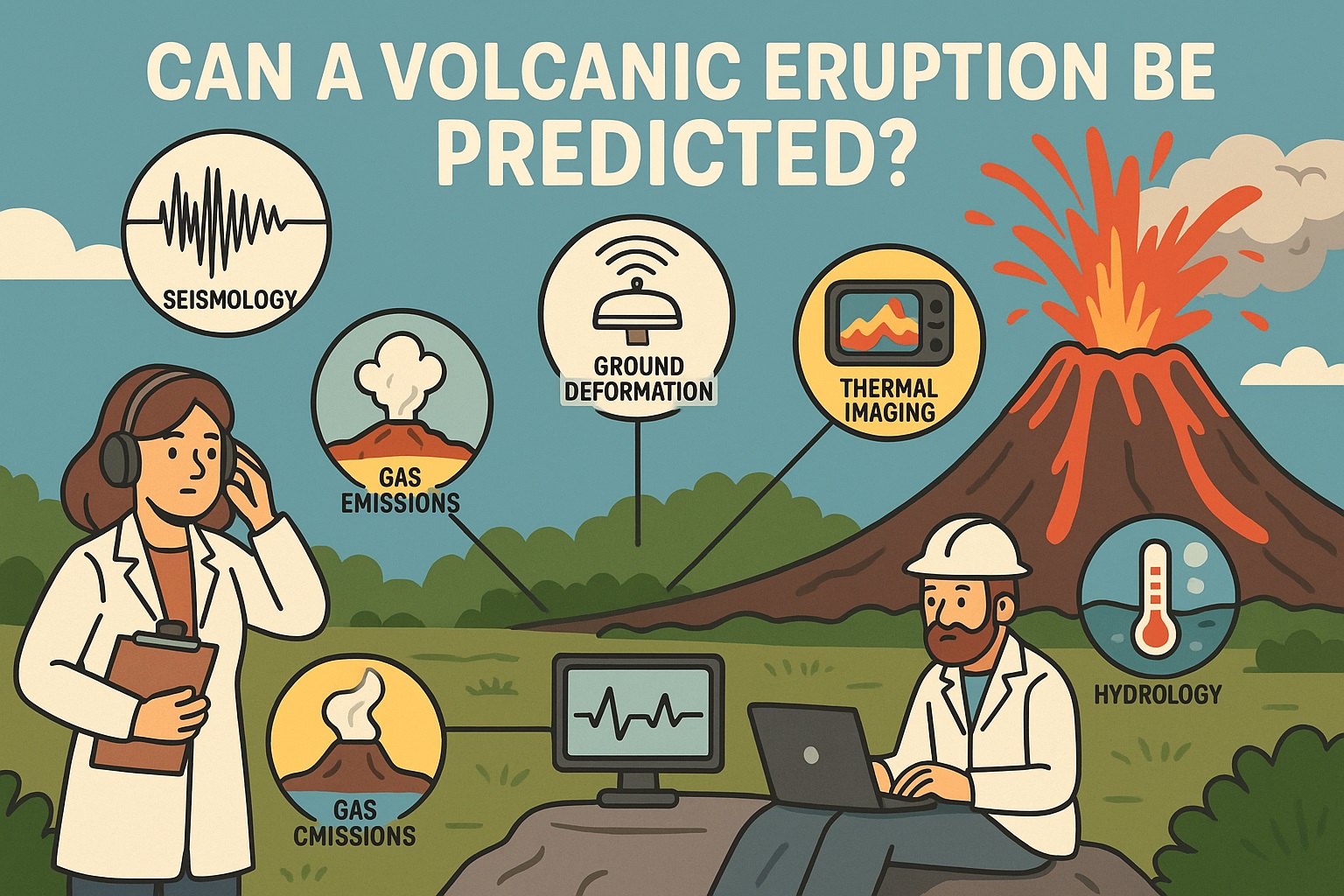
Volcanoes are some of the most powerful forces on Earth, capable of shaping landscapes, affecting global climate, and endangering lives.
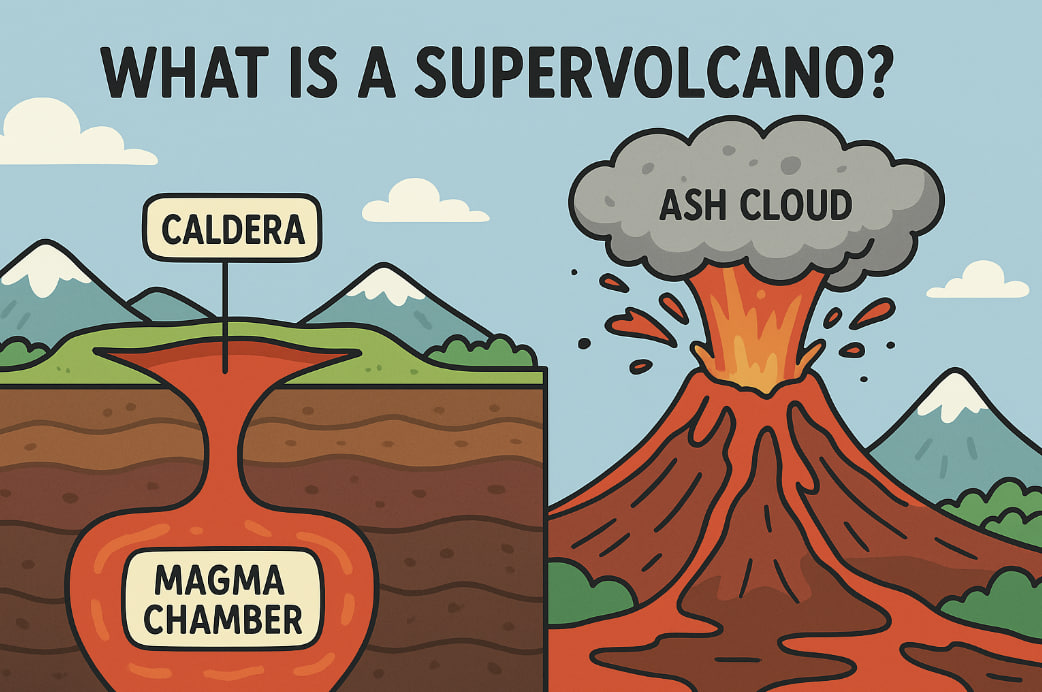
Supervolcanoes are massive volcanic systems capable of producing catastrophic eruptions far more powerful than any recorded in human history.