
Sleeping Viruses: What Might Awaken as Permafrost Thaws
As global temperatures rise, scientists are increasingly concerned about the thawing of permafrost, the permanently frozen ground found in Arctic and subarctic regions.
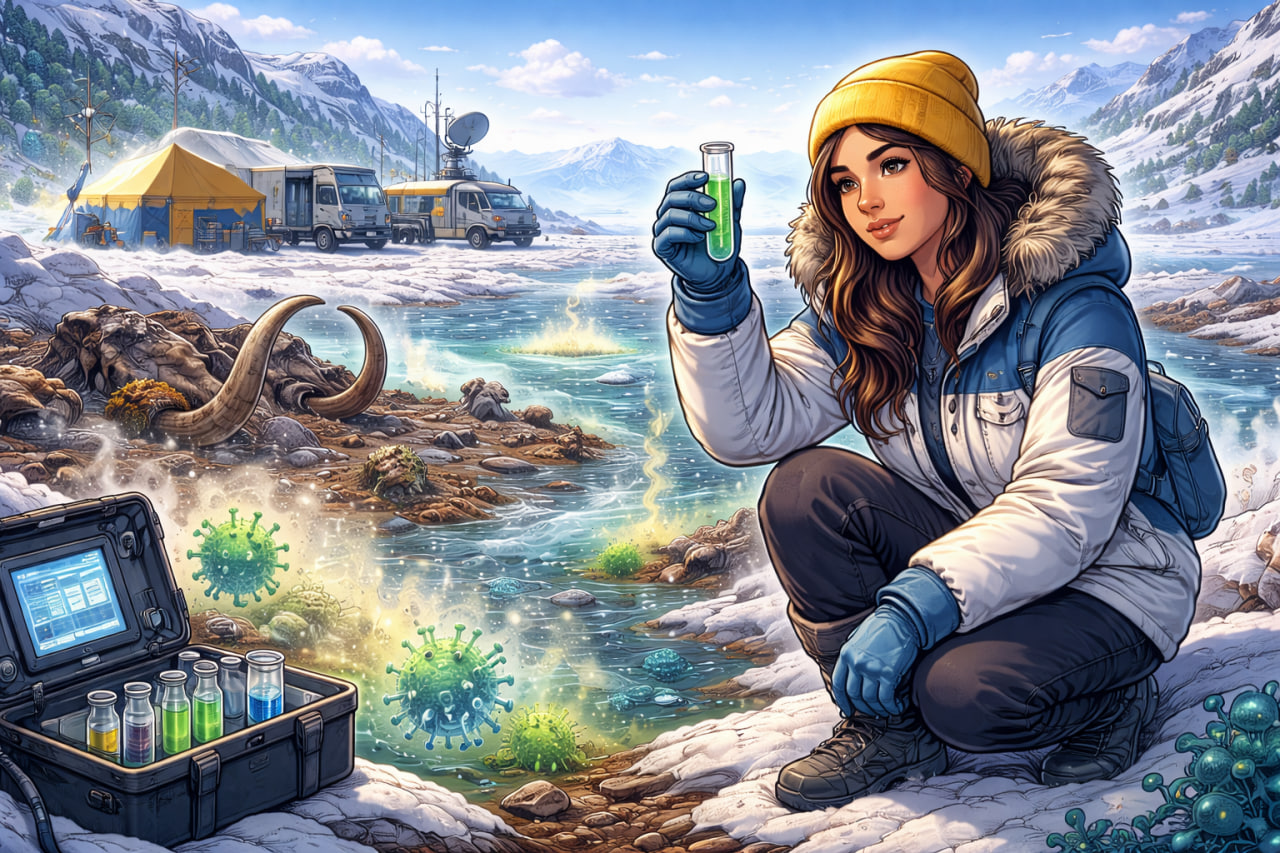
As global temperatures rise, scientists are increasingly concerned about the thawing of permafrost, the permanently frozen ground found in Arctic and subarctic regions.

Rising sea levels are one of the most visible and measurable consequences of global climate change.

The Global Climate Risk Index (CRI) is an analytical tool that evaluates how countries are affected by extreme weather events such as storms, floods, heatwaves, and droughts.
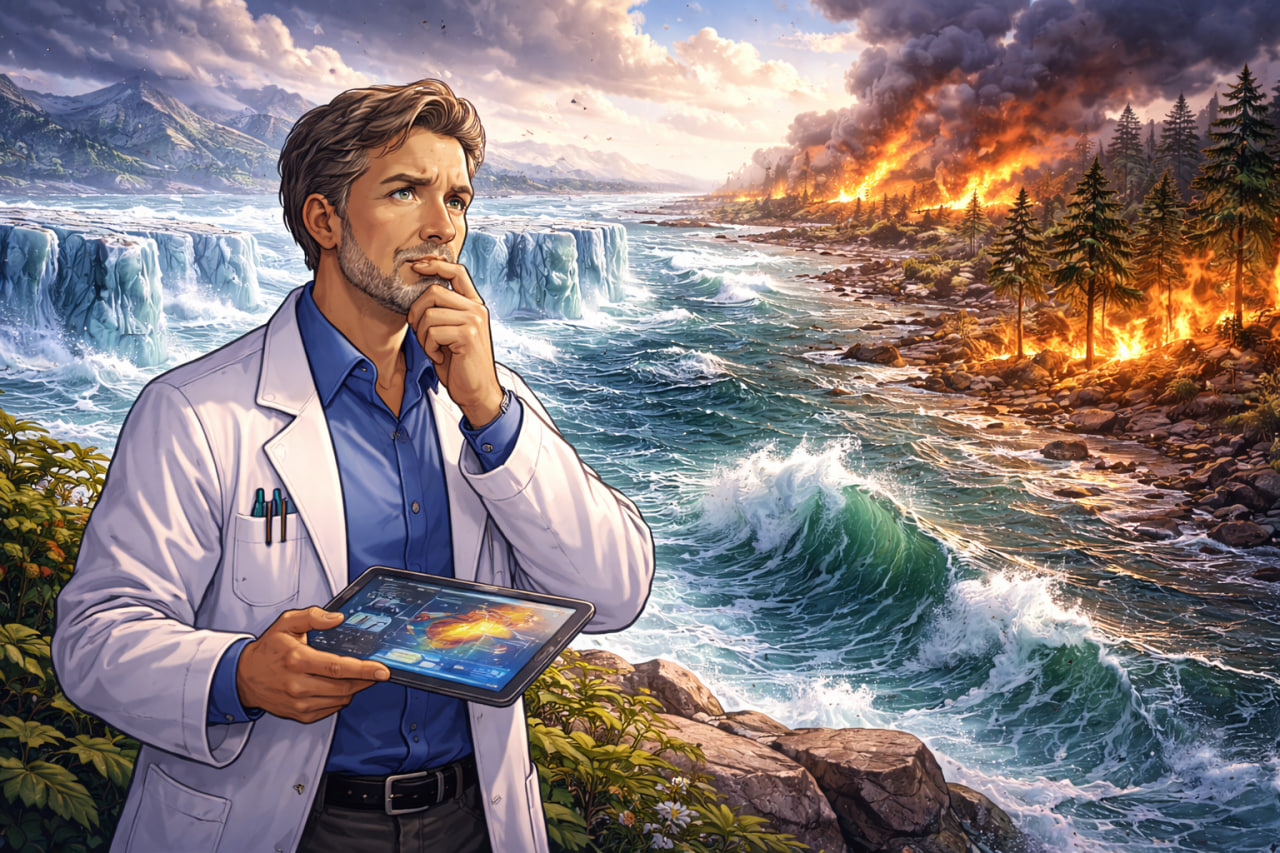
The term climate tipping point refers to a critical threshold in the Earth’s climate system beyond which changes become self-reinforcing and potentially irreversible on human timescales.

Climate change affects not only temperature but also the global water cycle. As the atmosphere warms, it can hold more moisture, altering rainfall distribution across regions.

Climate change is one of the most widely studied scientific issues of the modern era, yet public opinion remains divided in some regions.

The world’s oceans absorb more than 90% of the excess heat trapped by greenhouse gases, making them a central regulator of Earth’s climate system.

The world’s oceans absorb a significant portion of the carbon dioxide released into the atmosphere.
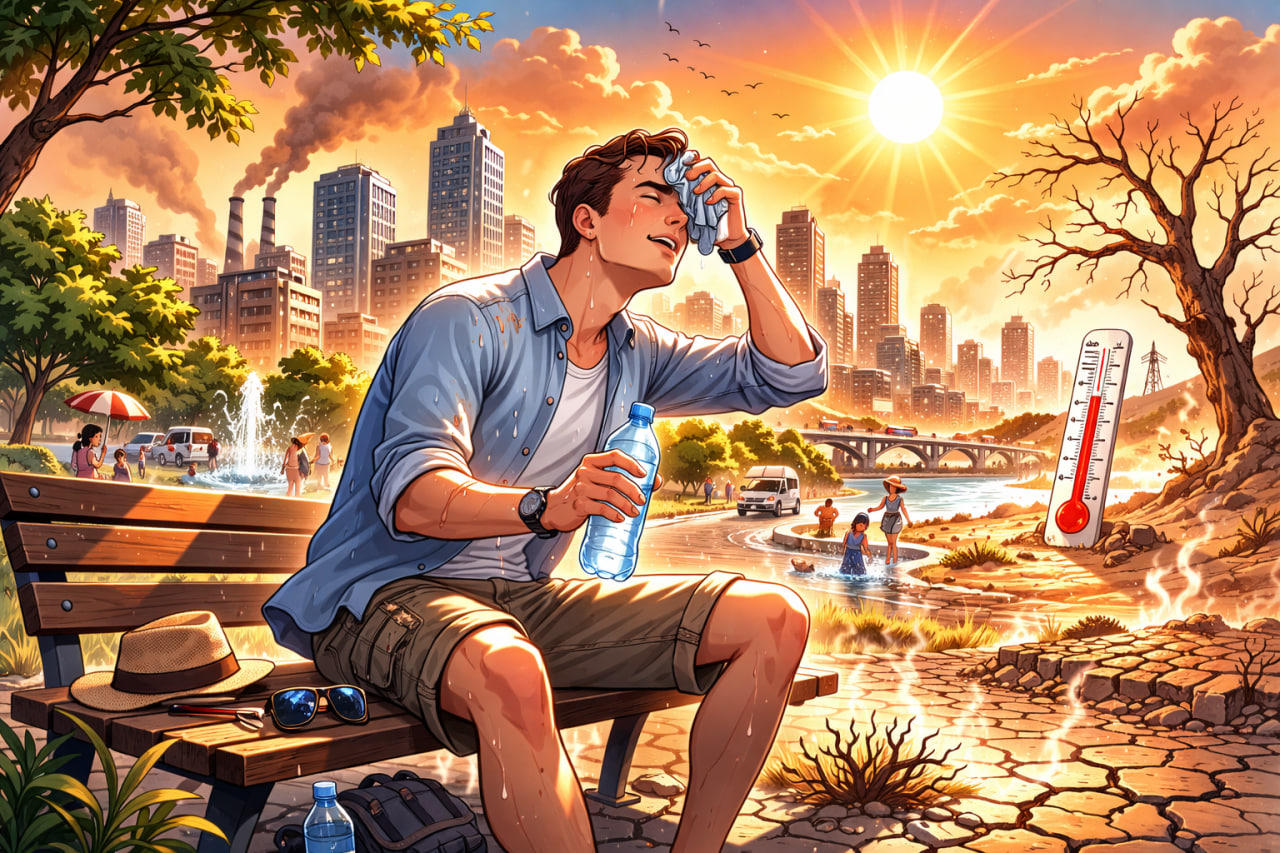
In recent years, extreme heat events have become more frequent, longer-lasting, and more intense across many regions of the world.

The Arctic is warming significantly faster than the rest of the planet, a phenomenon known as Arctic amplification.