
Weeds: Who Is to Blame and What Can Be Done?
Weeds are among the most persistent challenges faced by gardeners, farmers, landscapers, and land managers worldwide.
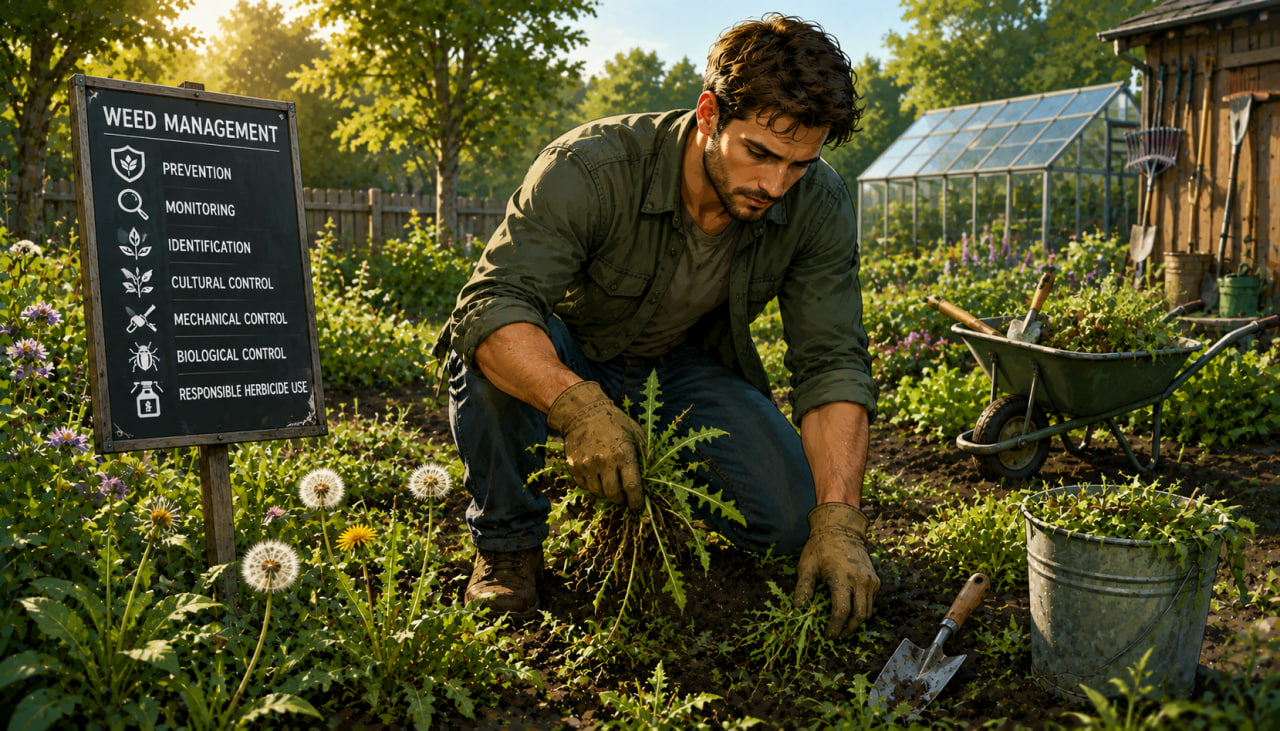
Weeds are among the most persistent challenges faced by gardeners, farmers, landscapers, and land managers worldwide.
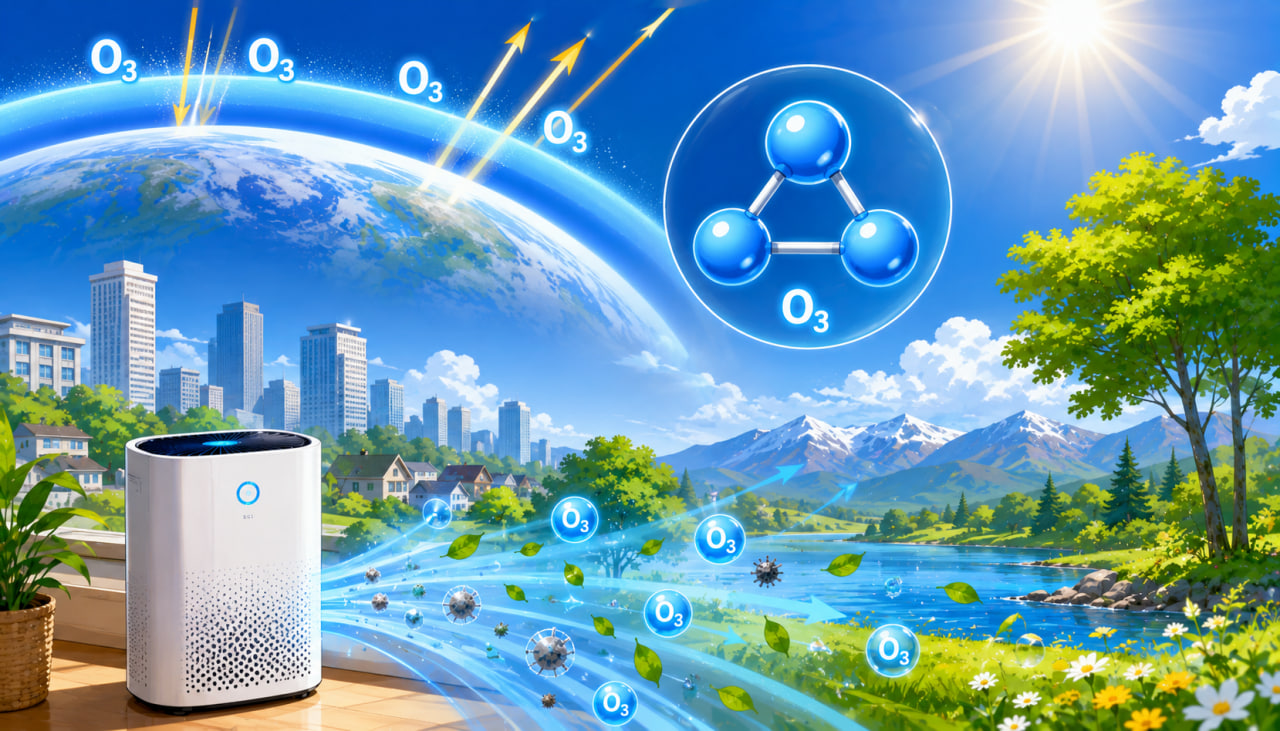
Ozone is a unique molecule composed of three oxygen atoms (O₃) and is known for its distinctive sharp smell, often noticed after thunderstorms.
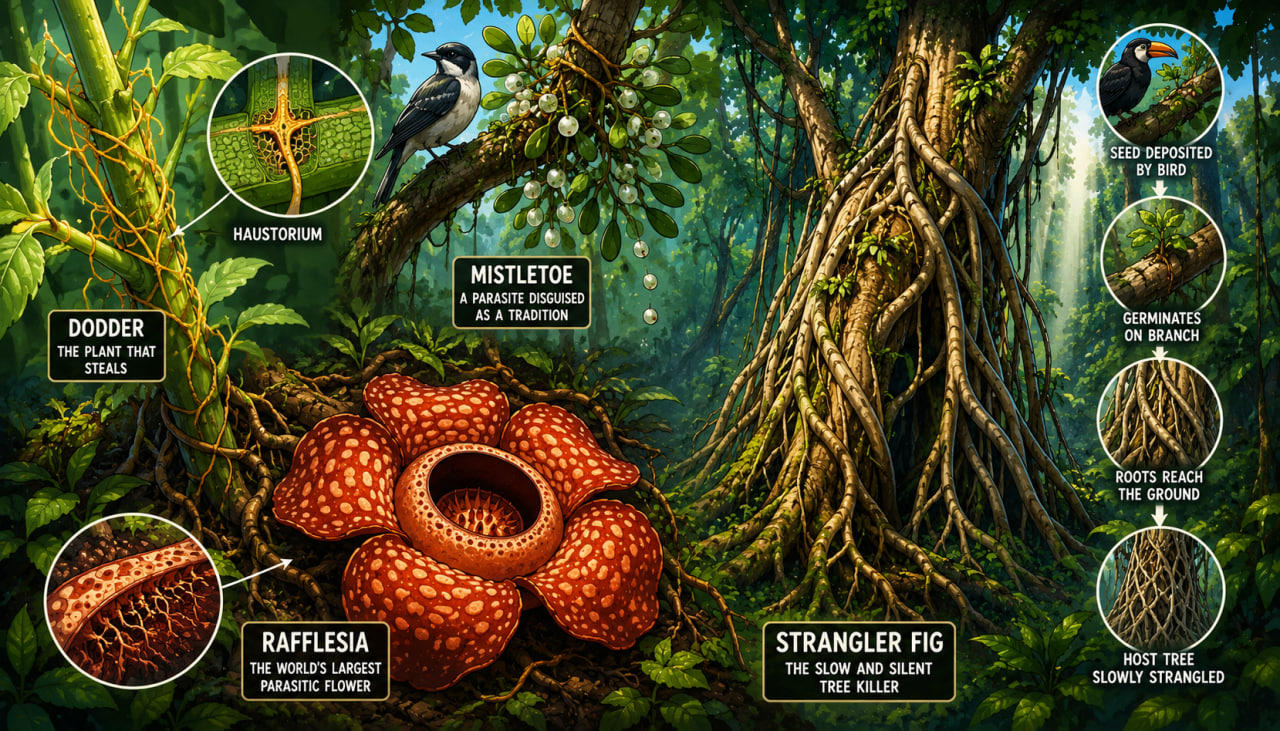
When most people think of plants, they imagine peaceful forests, colorful flowers, and life-giving greenery.
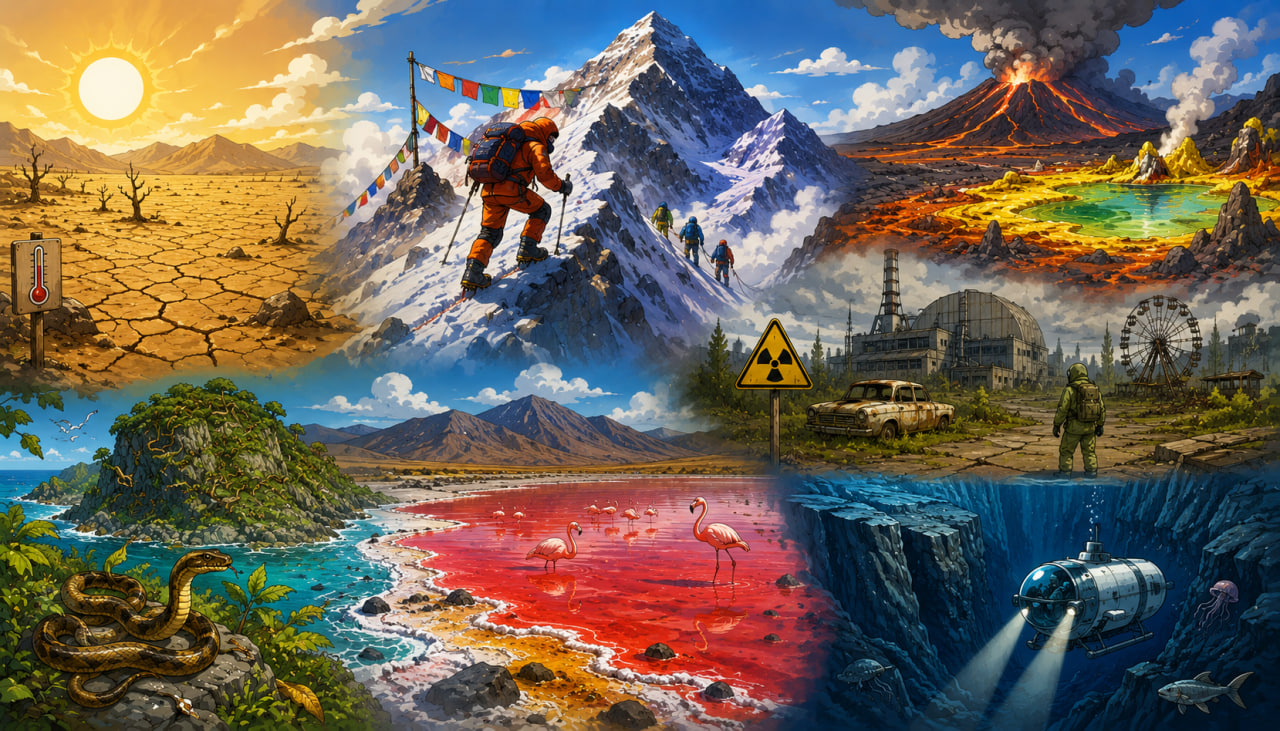
Planet Earth is filled with extraordinary landscapes, but some locations are so extreme and hazardous that they pose serious threats to human life.
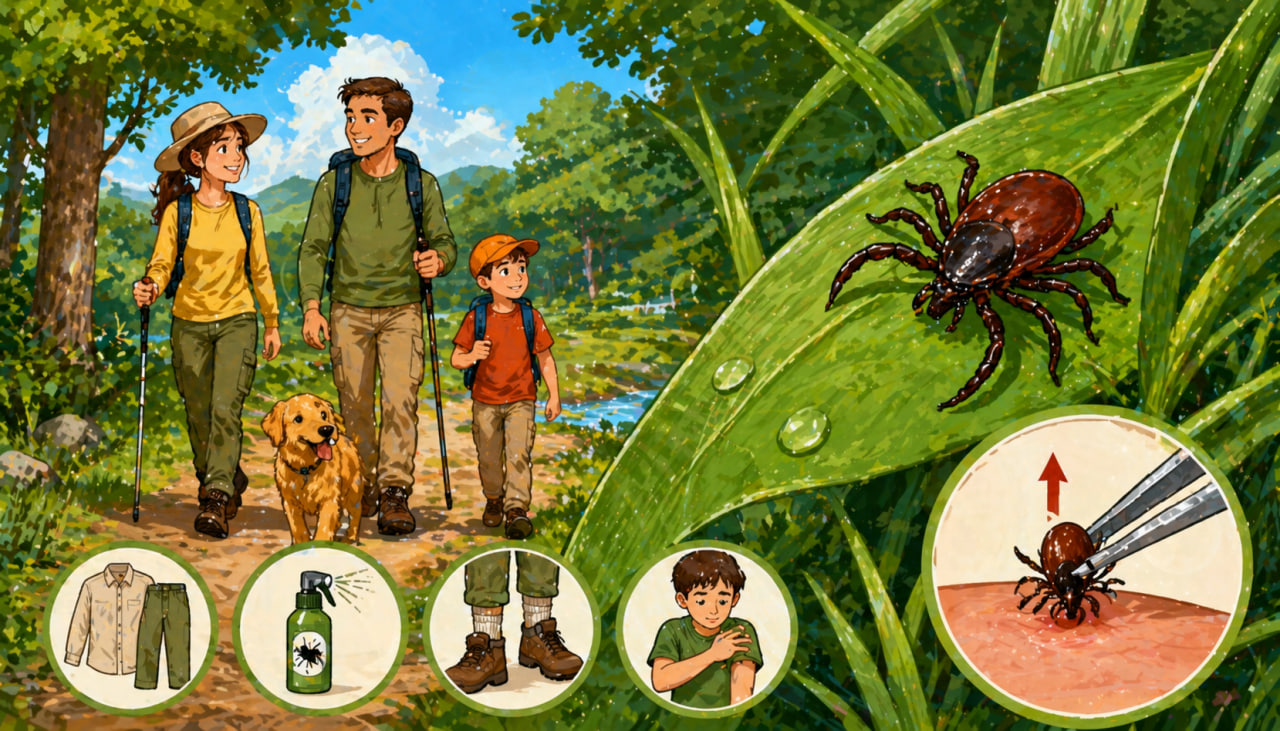
Ticks are small parasitic arachnids that feed on the blood of animals and humans. Despite their tiny size, they can pose serious health risks by transmitting diseases such as Lyme disease and...
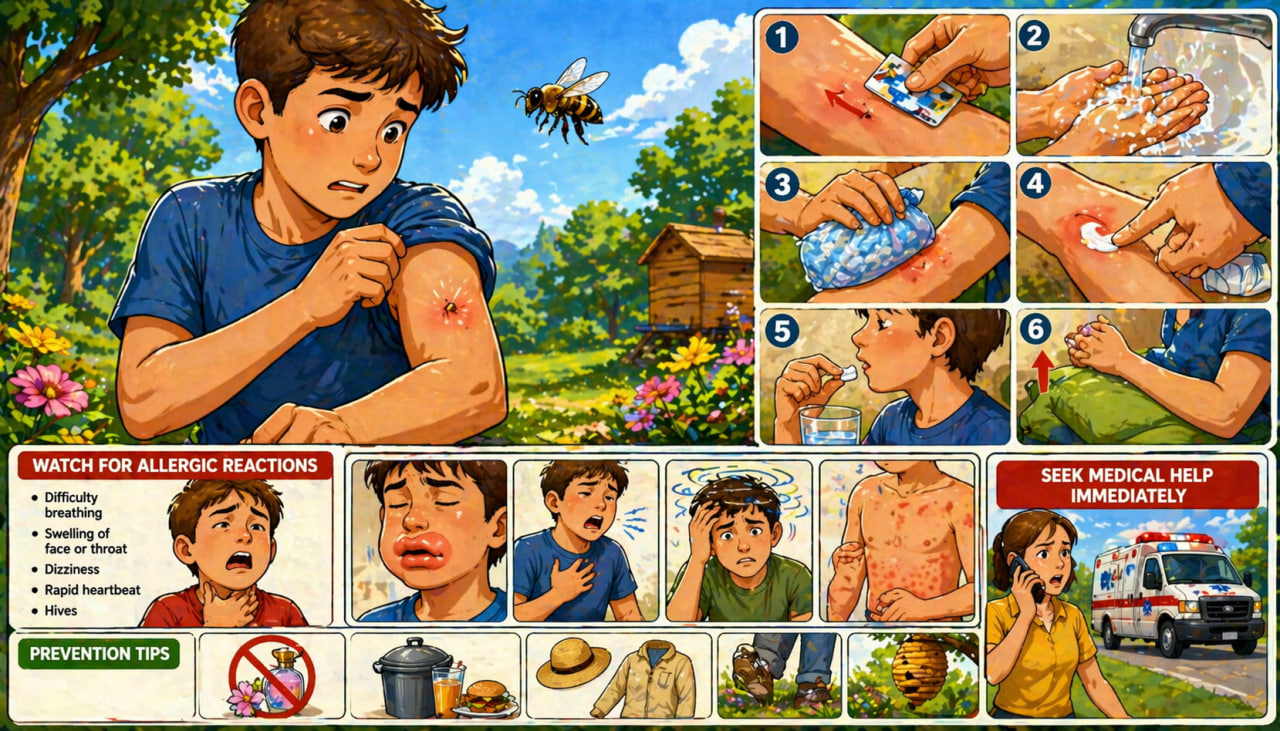
Bee stings are a common outdoor hazard, especially during warm seasons when people spend more time in nature.
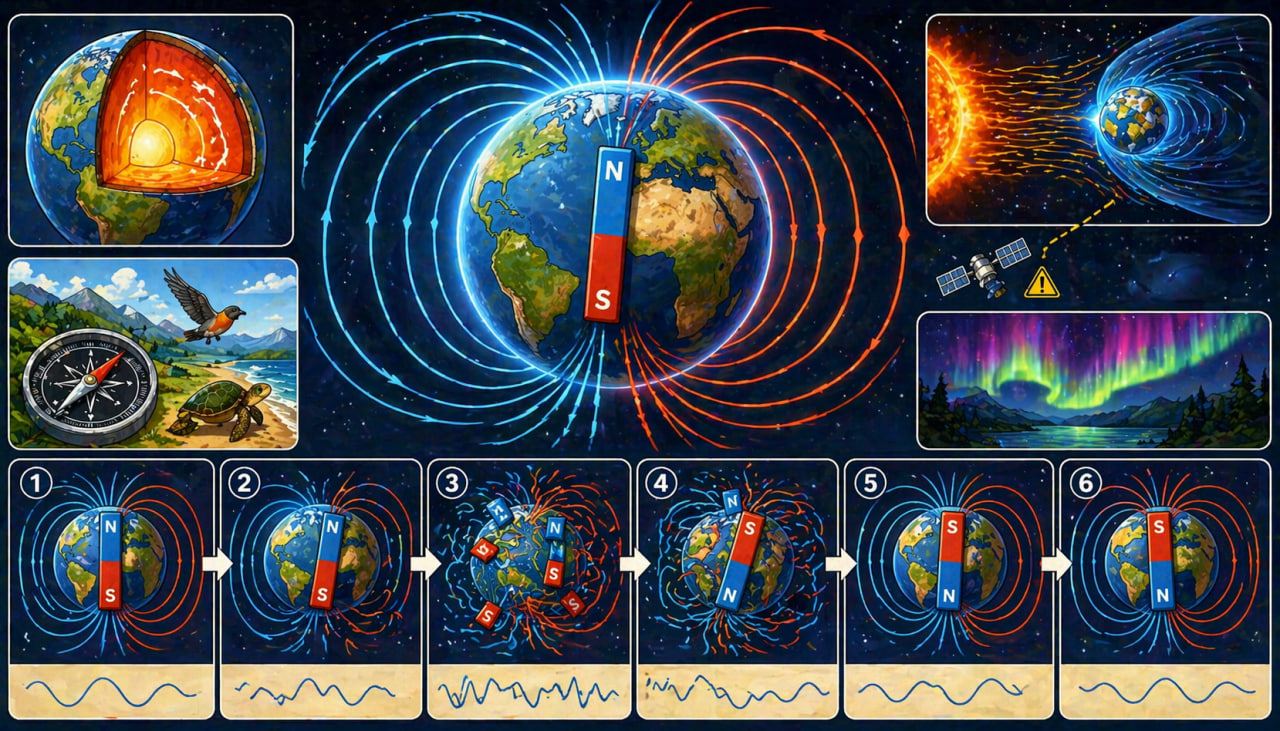
Earth’s magnetic field is one of the planet’s most important yet often overlooked natural systems.
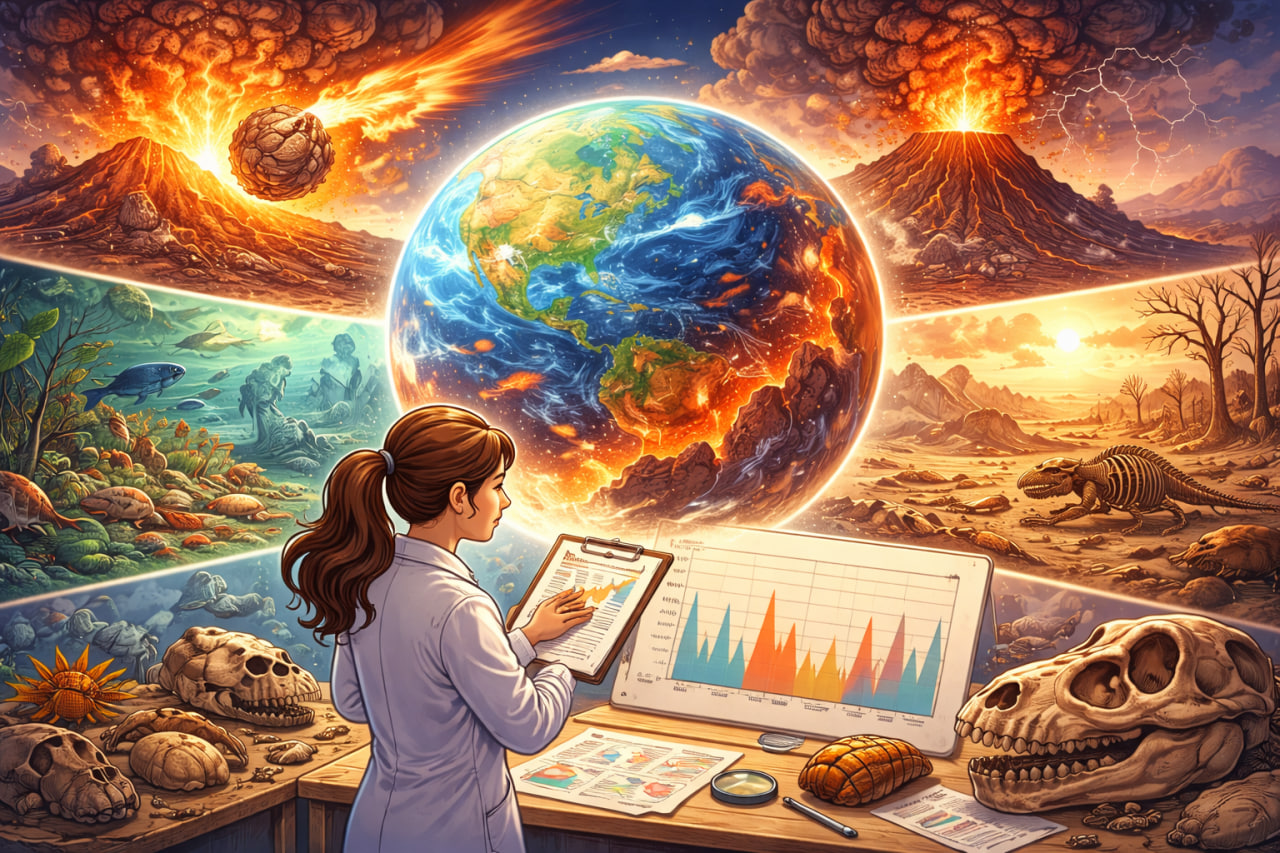
Mass extinctions are among the most dramatic events in Earth’s history, marked by the rapid loss of a large percentage of species in a relatively short geological time.
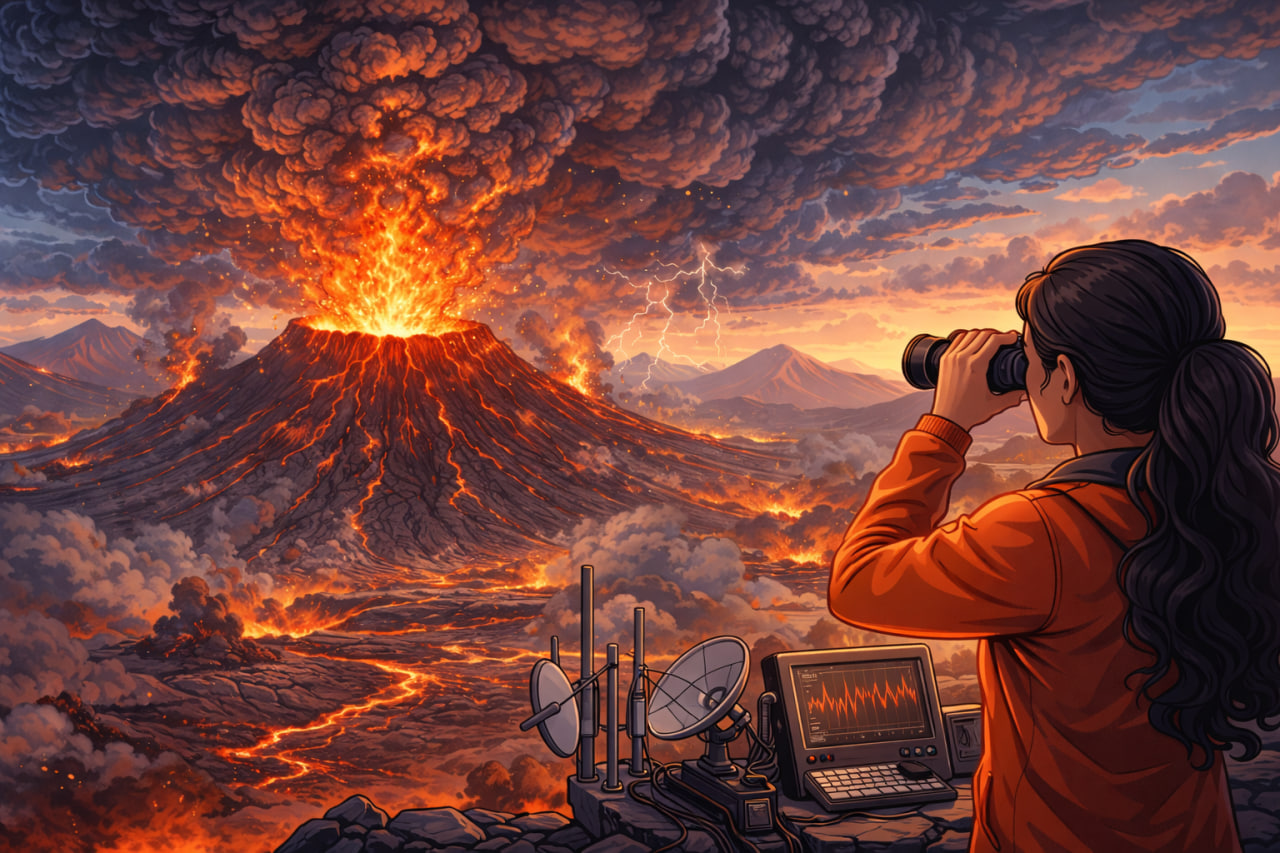
Supervolcanoes are among the most powerful natural phenomena on Earth, capable of producing eruptions thousands of times larger than typical volcanic events.

Tsunamis are capable of producing some of the most extreme natural disasters ever recorded, with waves that can reshape coastlines and impact entire regions within hours.