
Why Is the Aurora Different Colors?
The aurora, also known as the northern or southern lights, is one of the most spectacular natural phenomena on Earth.
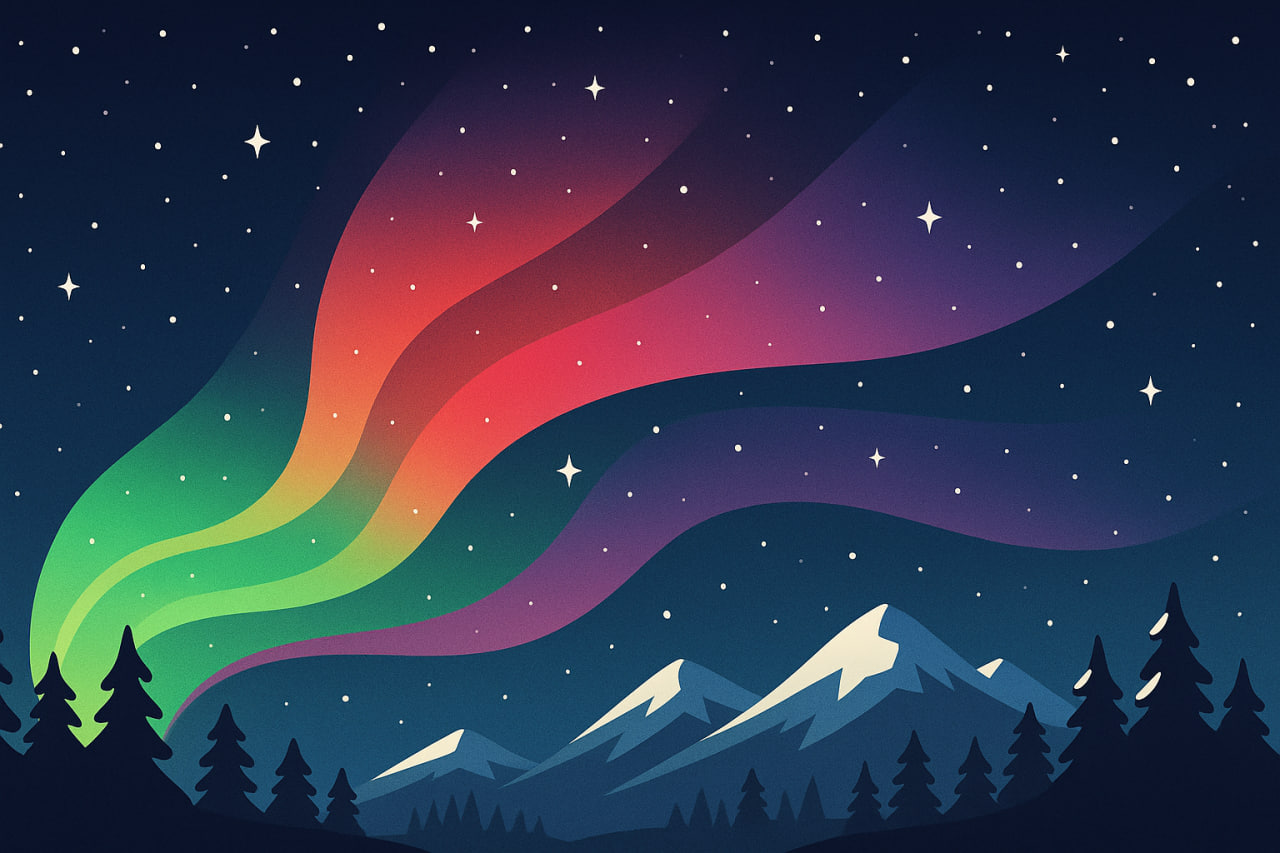
The aurora, also known as the northern or southern lights, is one of the most spectacular natural phenomena on Earth.
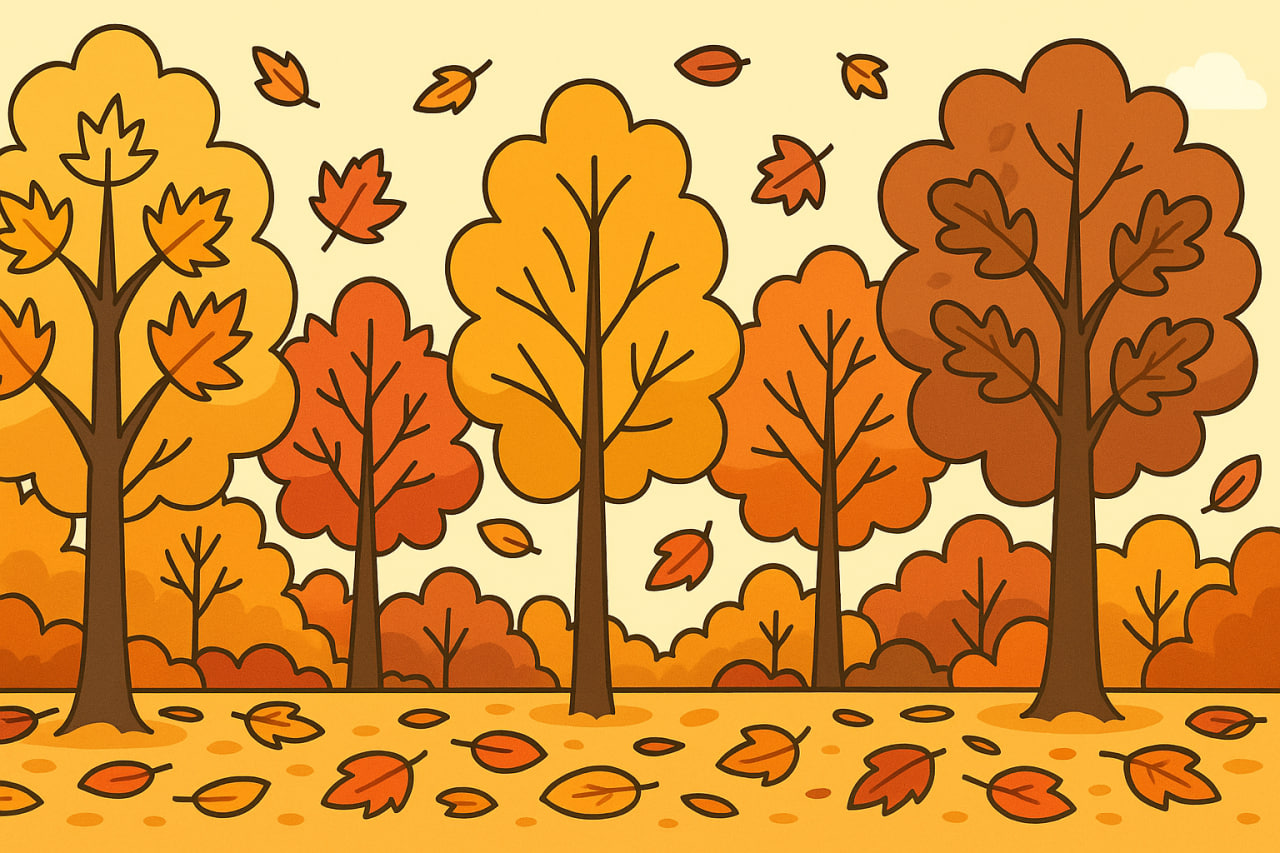
During spring and summer, leaves are green because of chlorophyll, the pigment that absorbs sunlight and helps plants make food through photosynthesis.
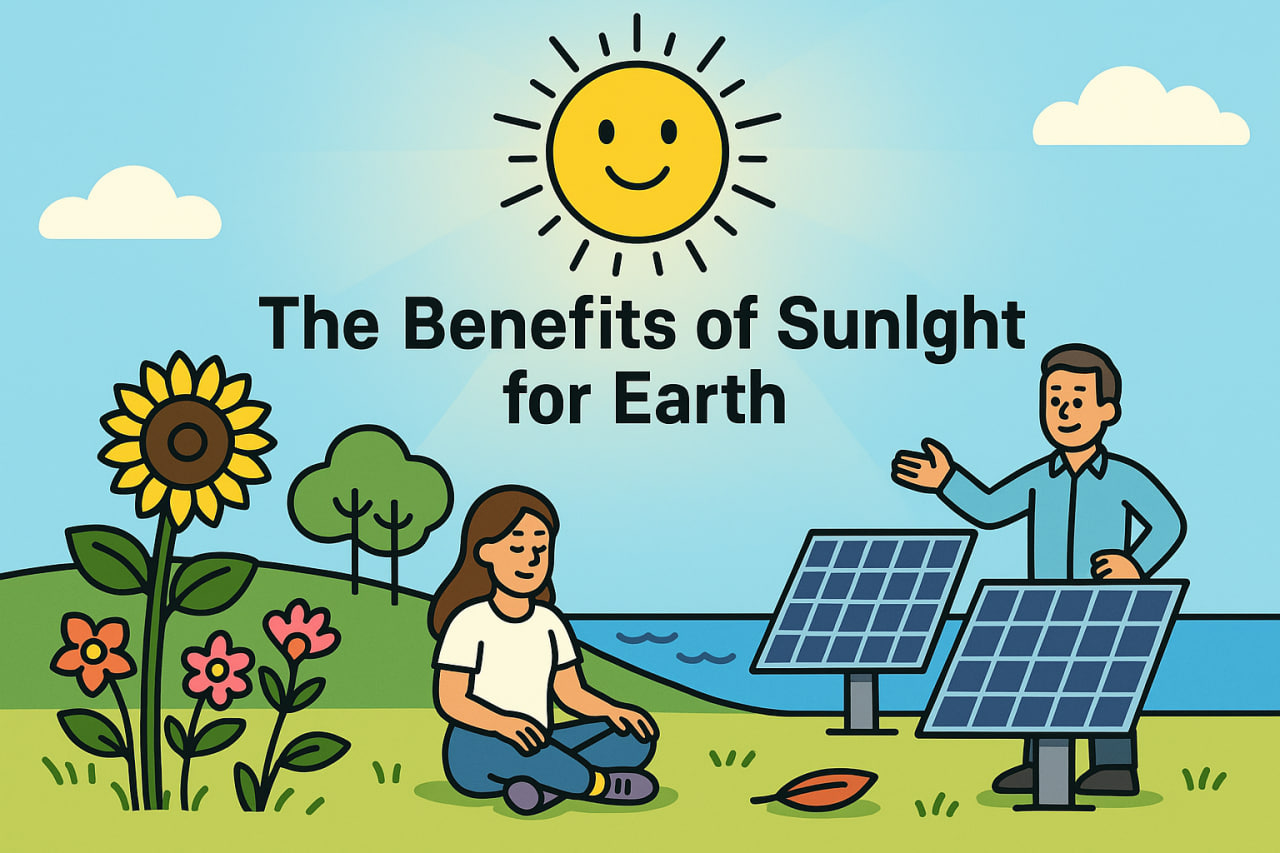
Sunlight is the primary source of energy for almost all life on Earth. Through photosynthesis, plants convert sunlight into chemical energy, forming the base of the food chain.
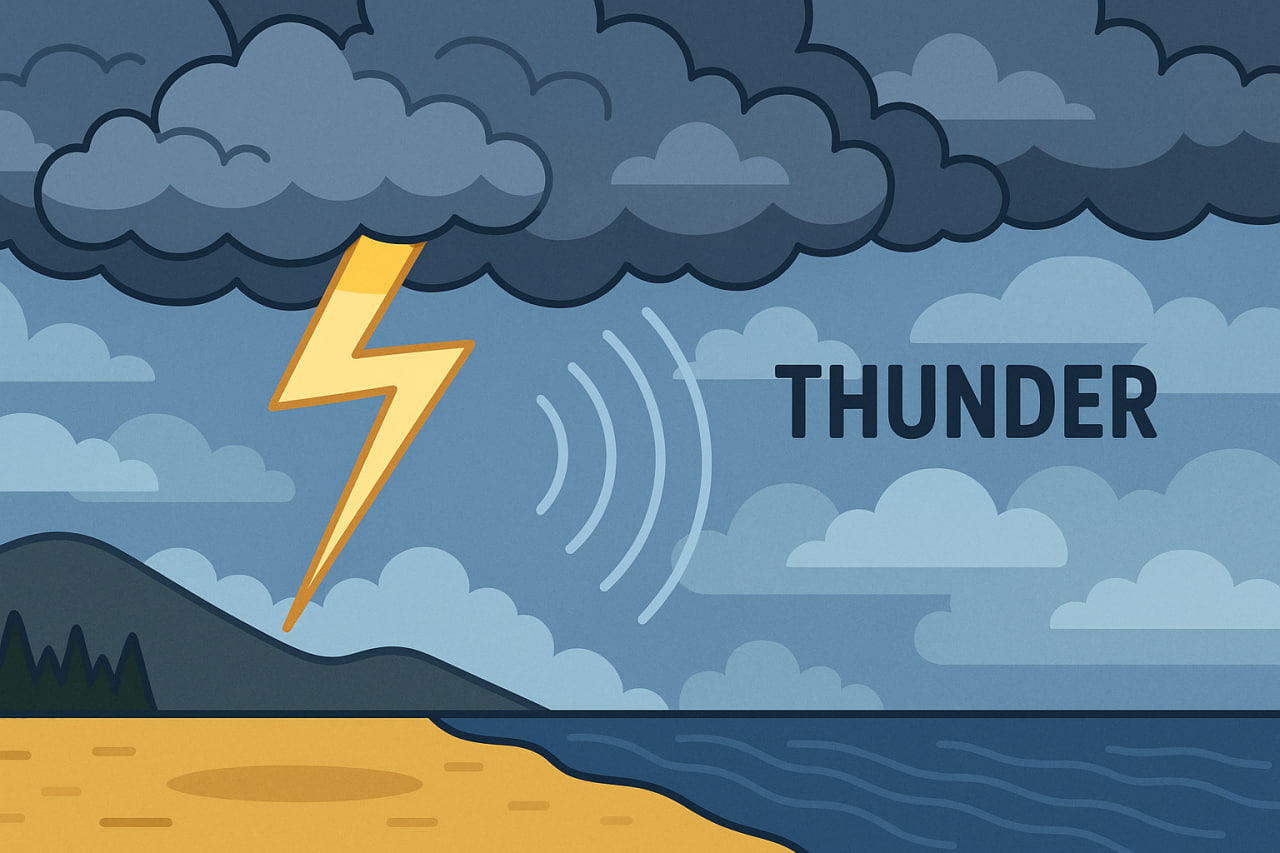
Thunder and lightning are atmospheric phenomena that develop inside large storm clouds, known as cumulonimbus clouds.
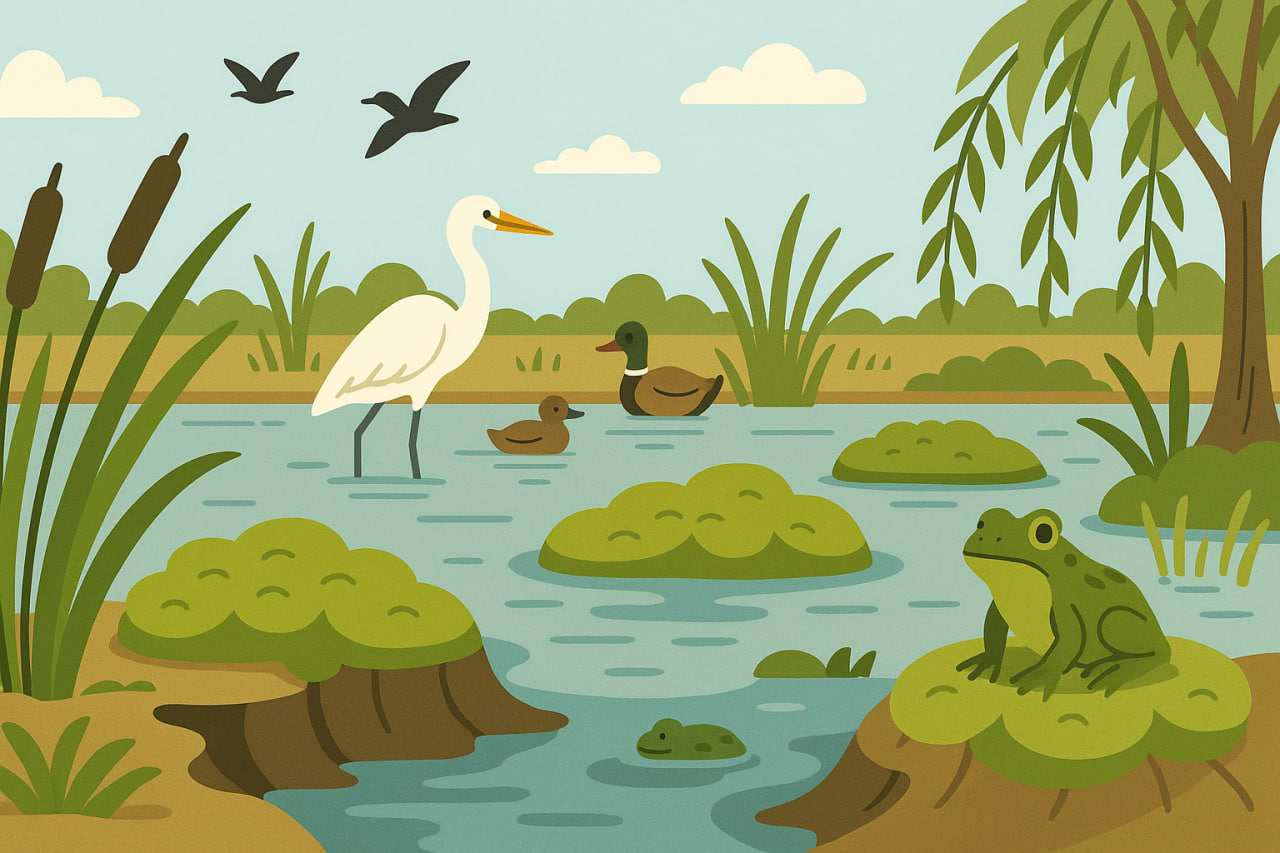
Wetlands, or swamps, form in areas where water accumulates on the surface or just below the soil for long periods.
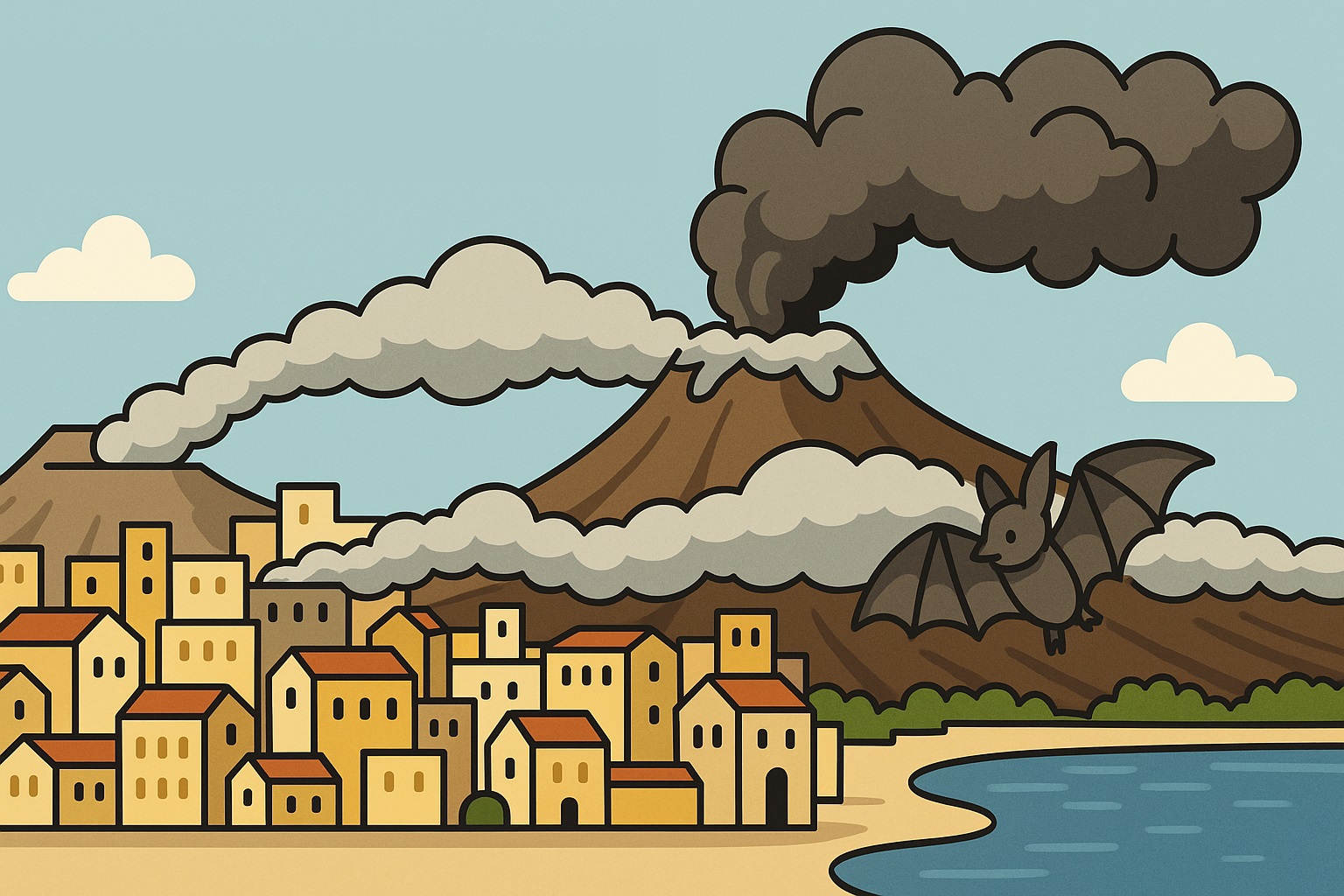
Campi Flegrei is a large volcanic caldera located near Naples, Italy. Unlike a single volcanic cone, it is a wide depression created by ancient super-eruptions.
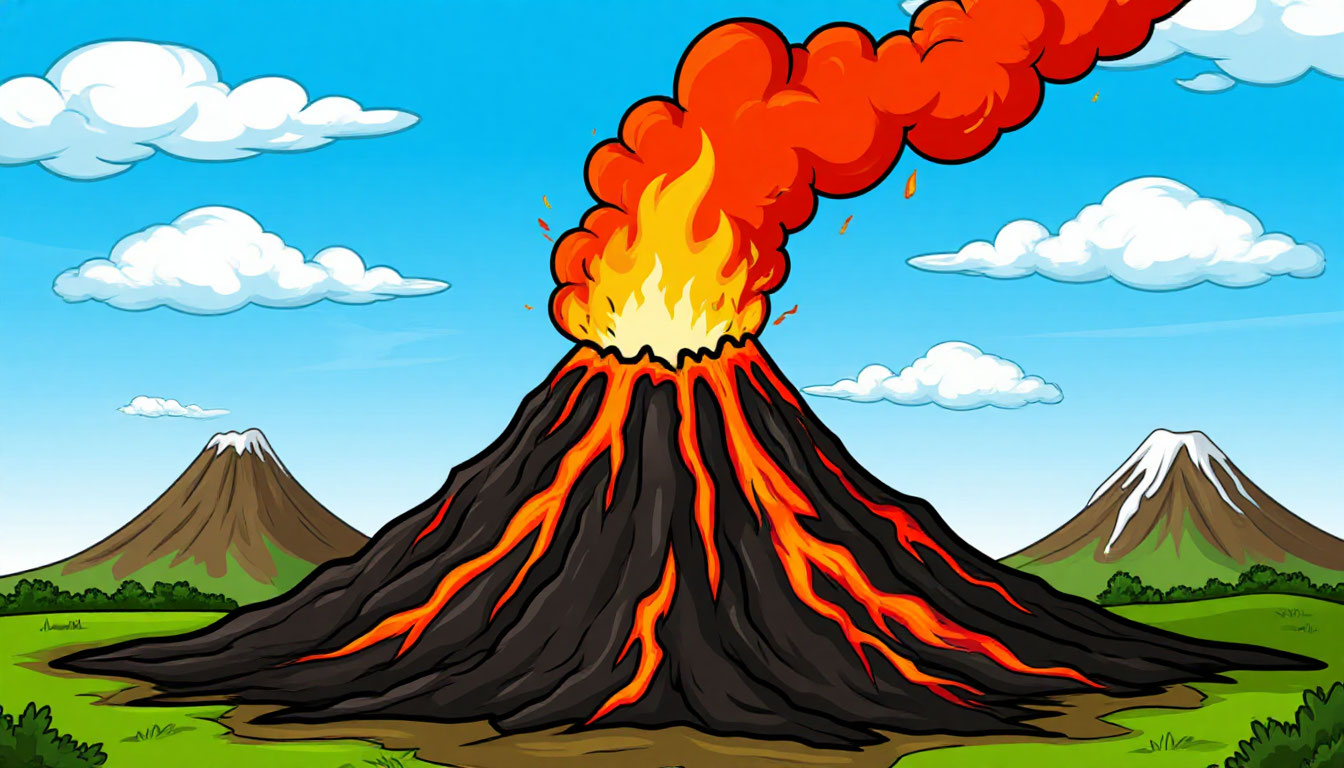
Not all volcanoes pose the same risk. A volcano’s danger depends on its eruption style, population density nearby, and history of activity.
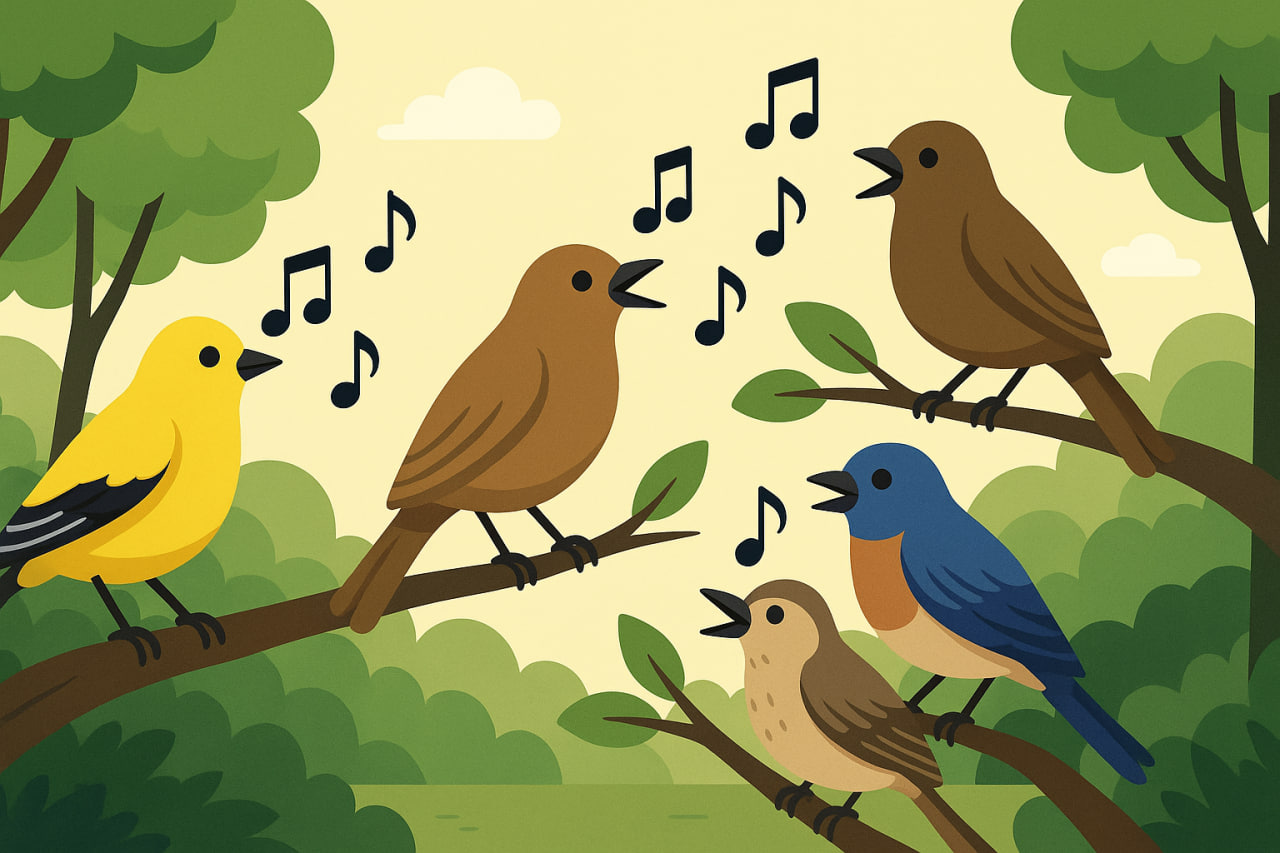
Birdsong serves multiple purposes in the life of birds. It is not just a pleasant sound for humans but a critical tool for survival and reproduction.
Nature encompasses all living organisms, landscapes, and physical phenomena that exist independently of human activity.
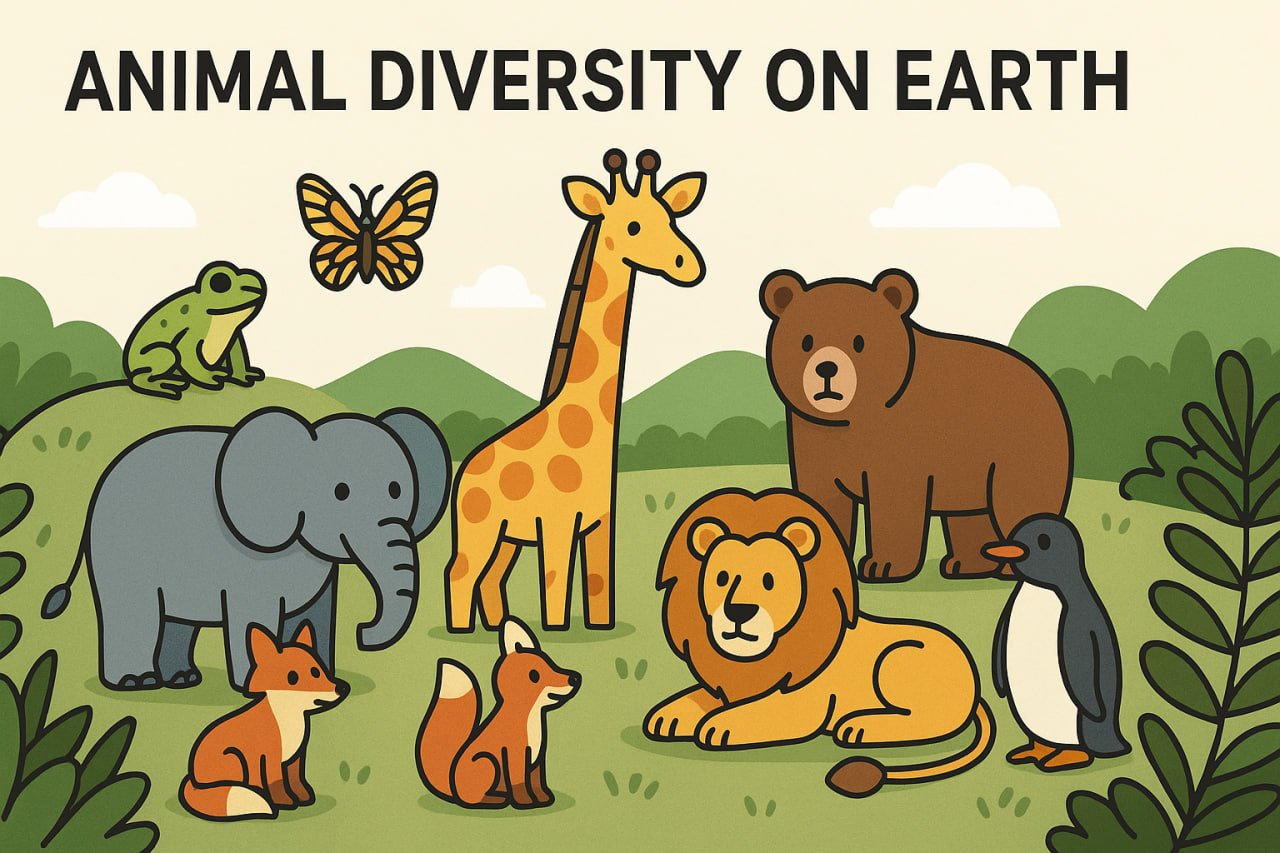
Animal diversity refers to the variety of animal species that inhabit Earth, ranging from microscopic organisms to the largest mammals.