
Why Clouds Are So Different
Clouds are among the most fascinating features of the sky, forming endless shapes, colors, and patterns.
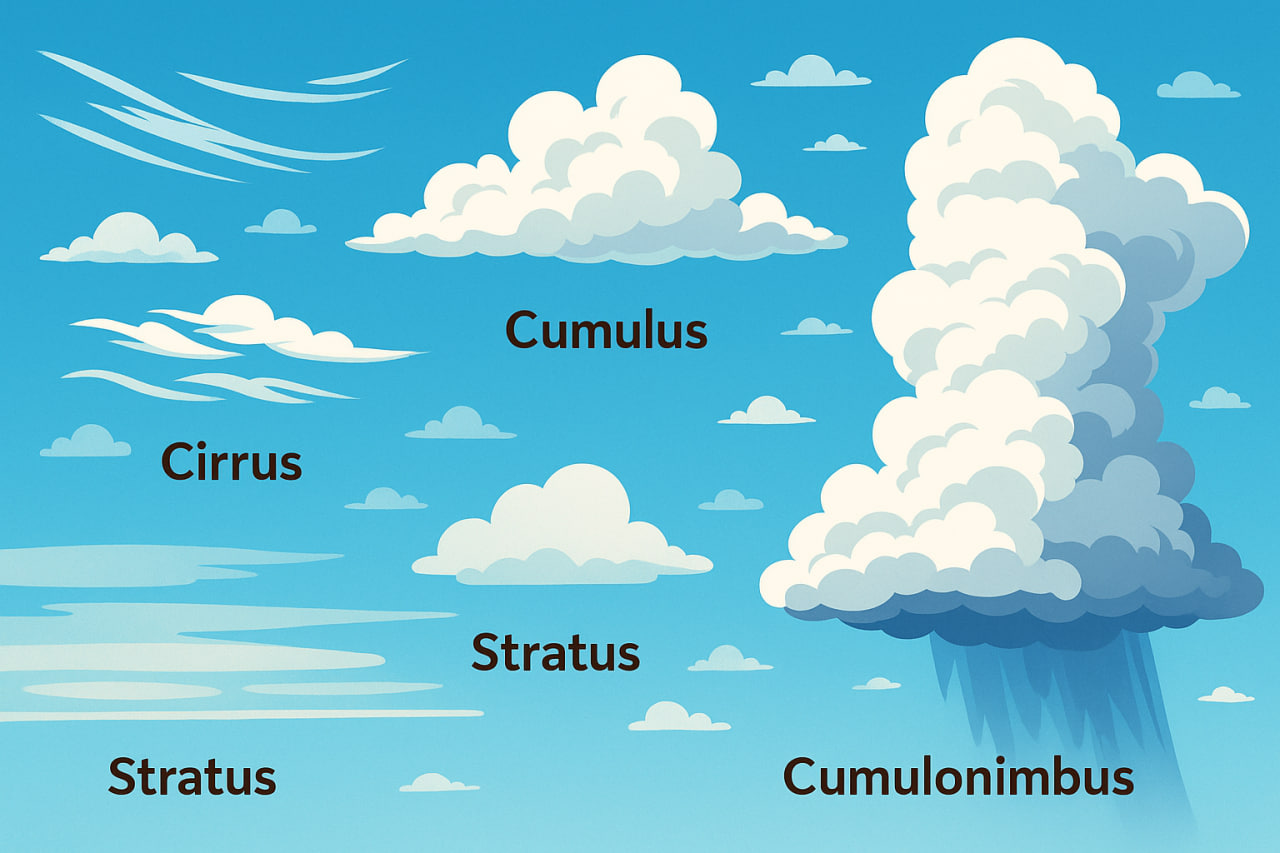
Clouds are among the most fascinating features of the sky, forming endless shapes, colors, and patterns.
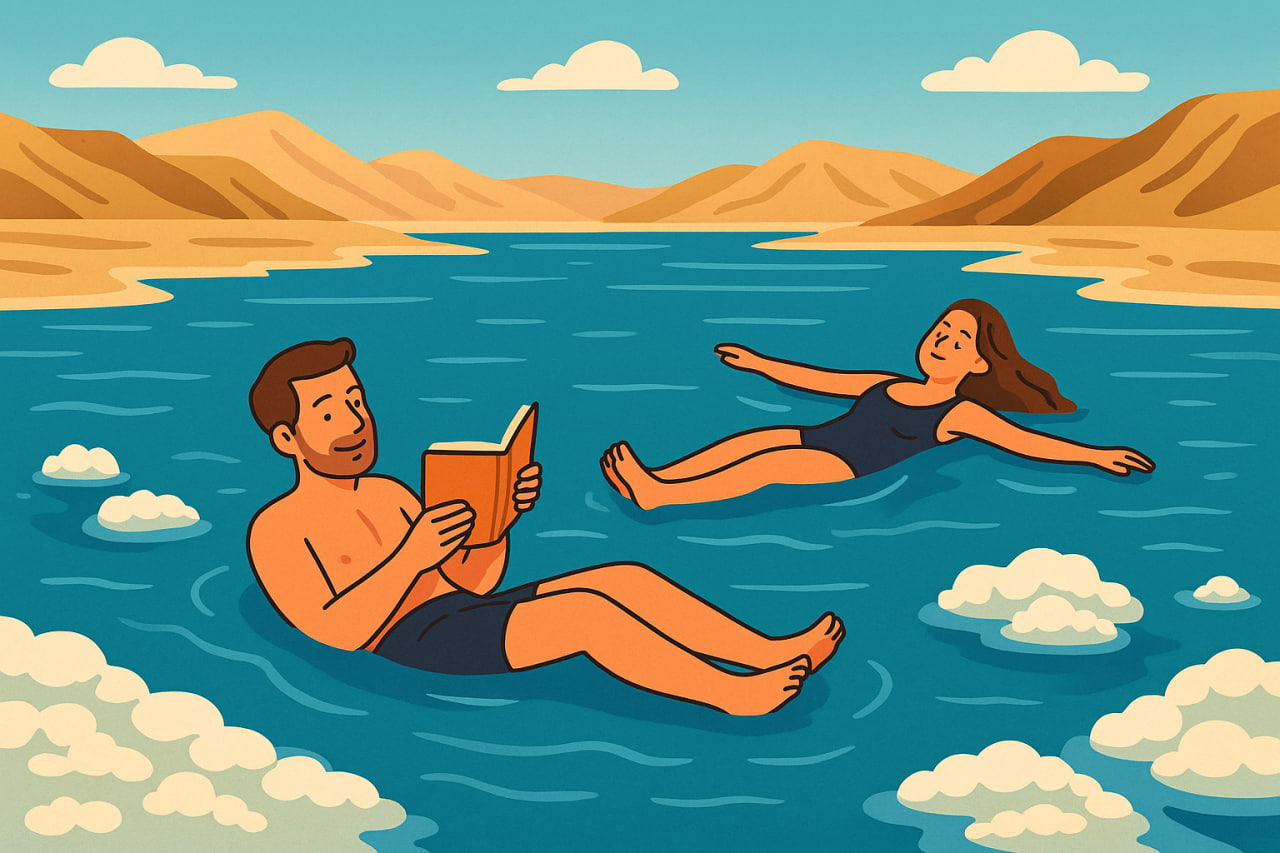
The Dead Sea, located between Israel, Jordan, and Palestine, holds the title of the saltiest large sea on Earth. Its salinity is around 30–35%, which is nearly 10 times saltier than most oceans.
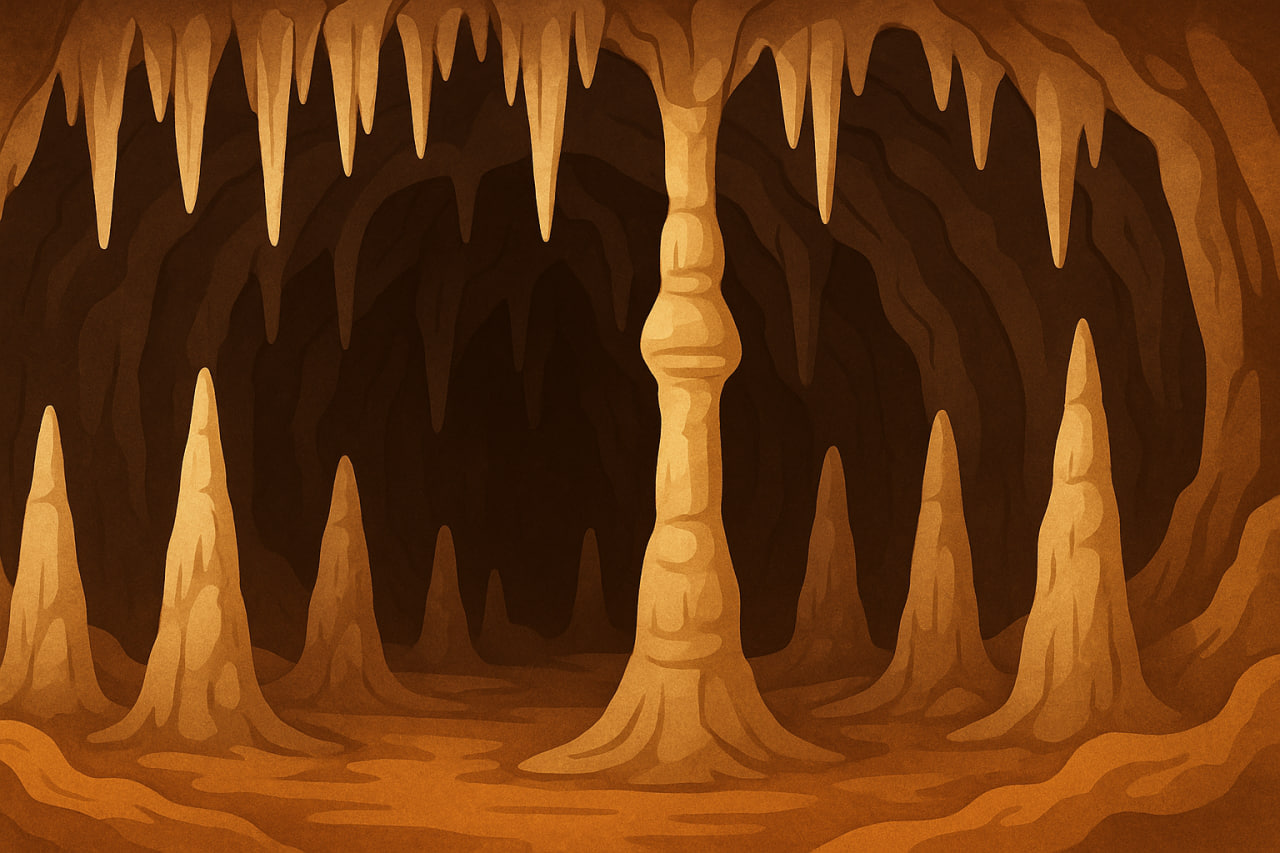
Inside caves, nature slowly creates stunning formations called stalactites and stalagmites.
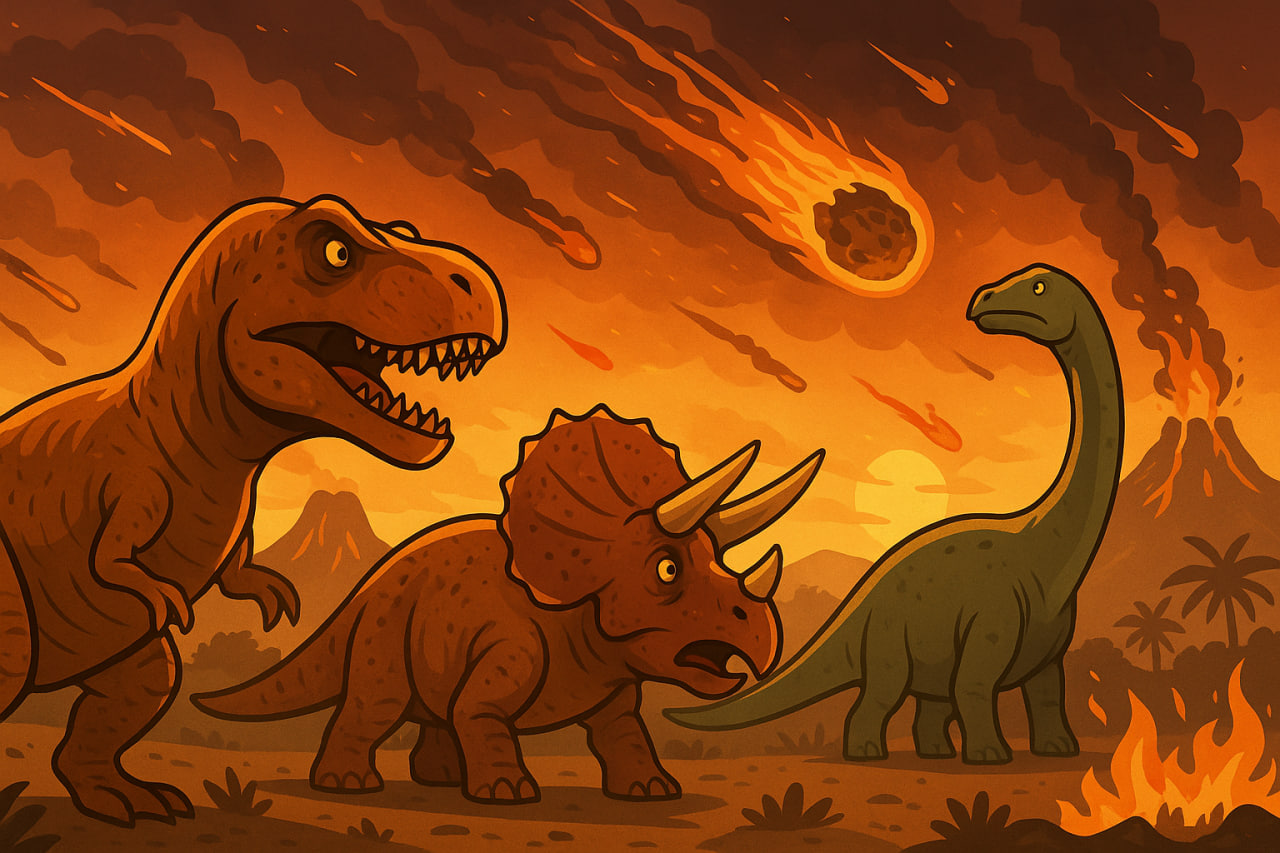
Dinosaurs dominated Earth for more than 160 million years, but around 66 million years ago, they suddenly disappeared in one of the most dramatic mass extinctions in history.
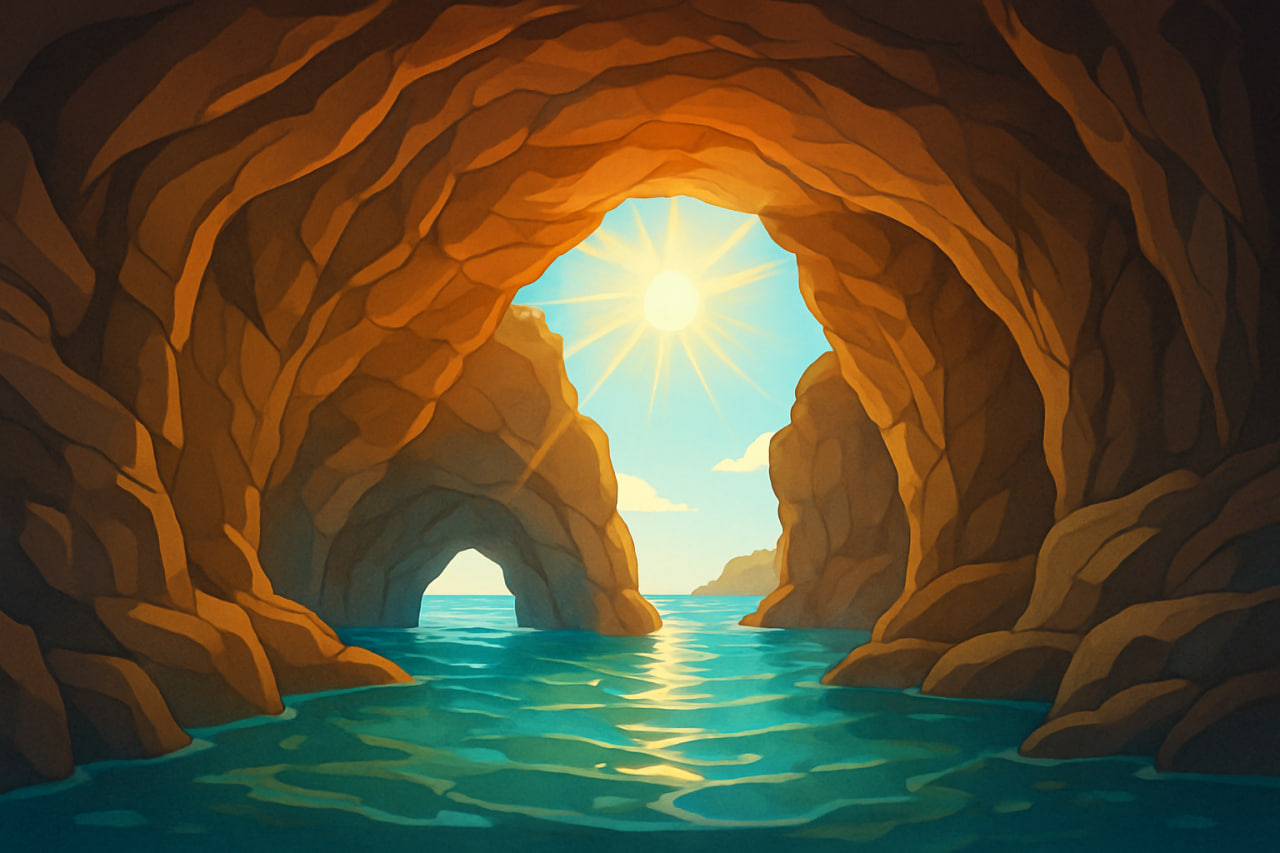
A grotto is a small cave or cavern, often with a picturesque or decorative appearance.
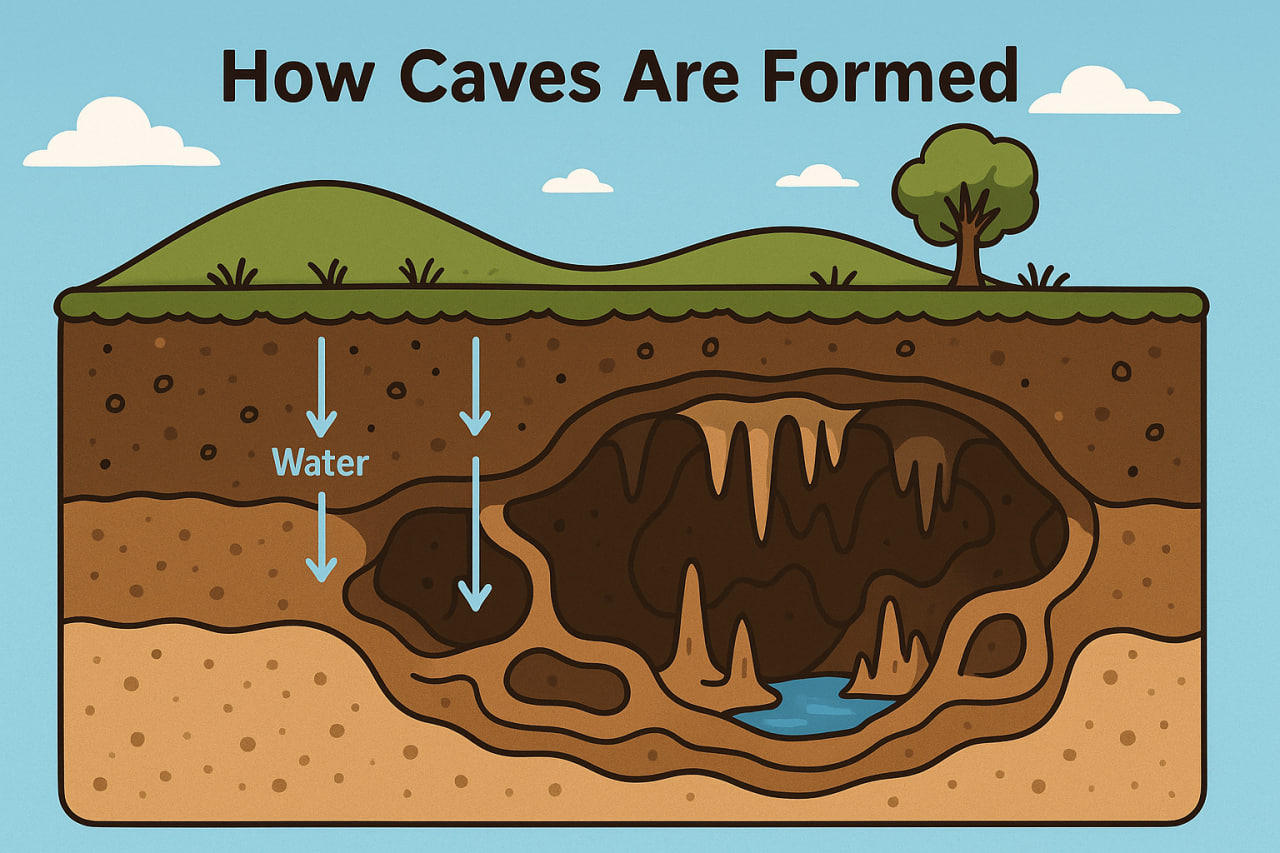
Caves are natural underground spaces that have fascinated humans for thousands of years. They can be small cavities or enormous labyrinths stretching for hundreds of kilometers.
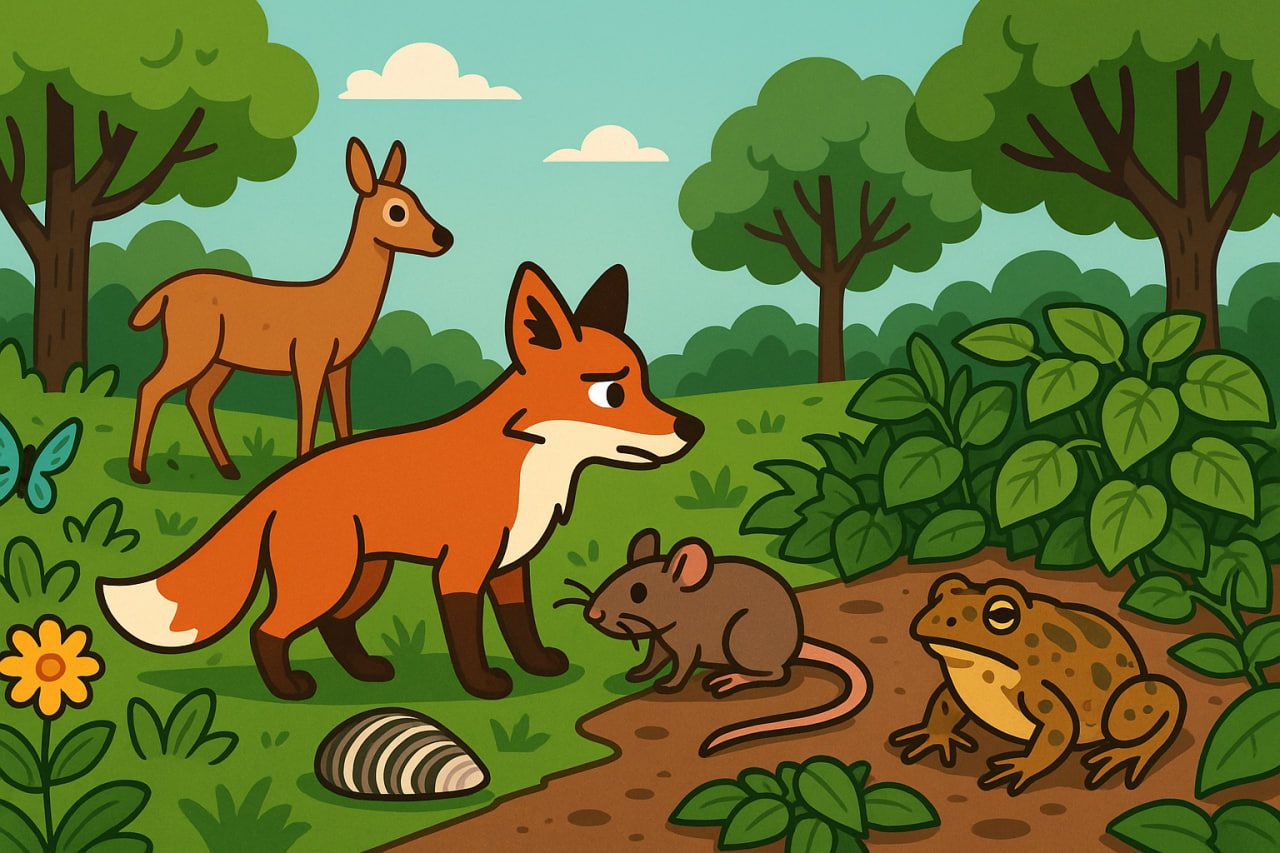
Invasive species are plants, animals, or microorganisms introduced—often by humans—into environments where they are not naturally found.
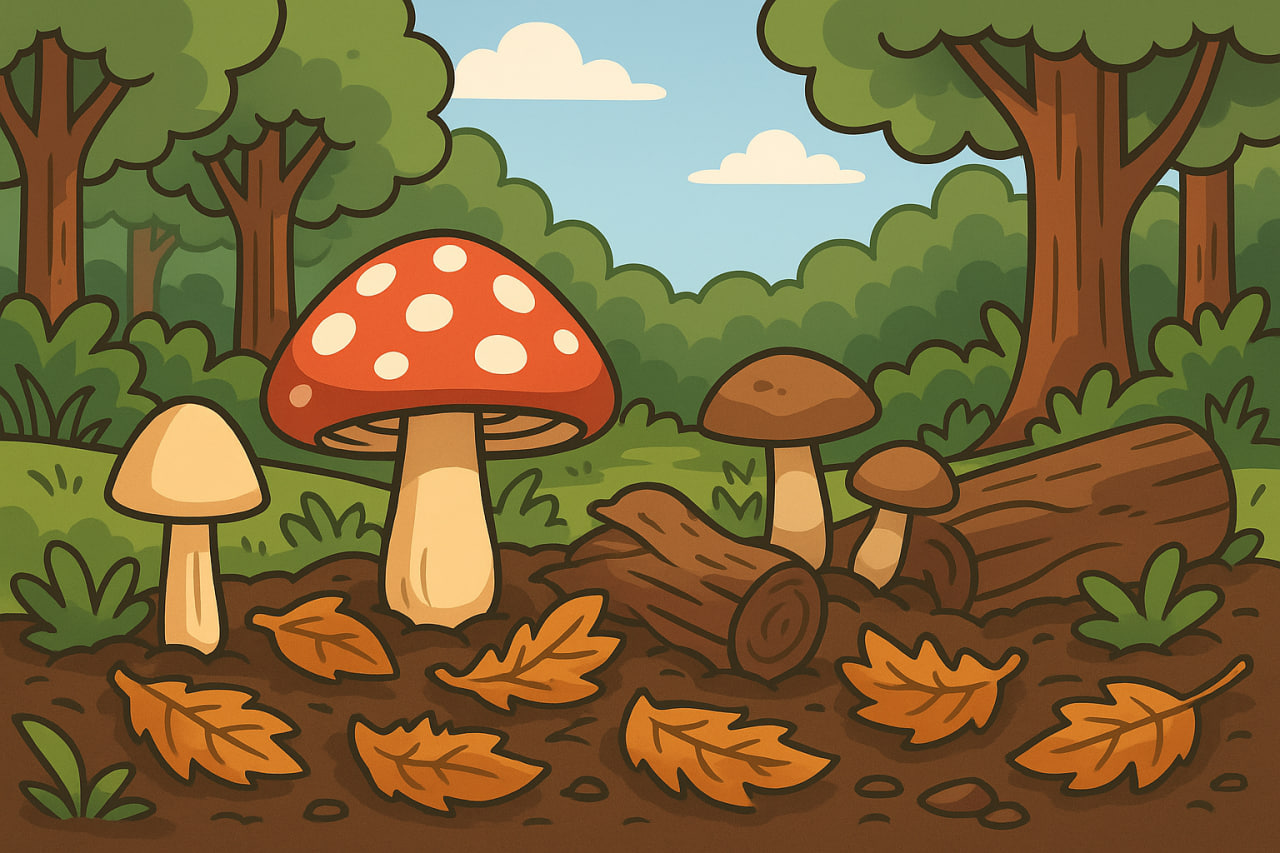
Fungi are essential players in the natural recycling system of ecosystems. Unlike plants, fungi do not produce their own food through photosynthesis.
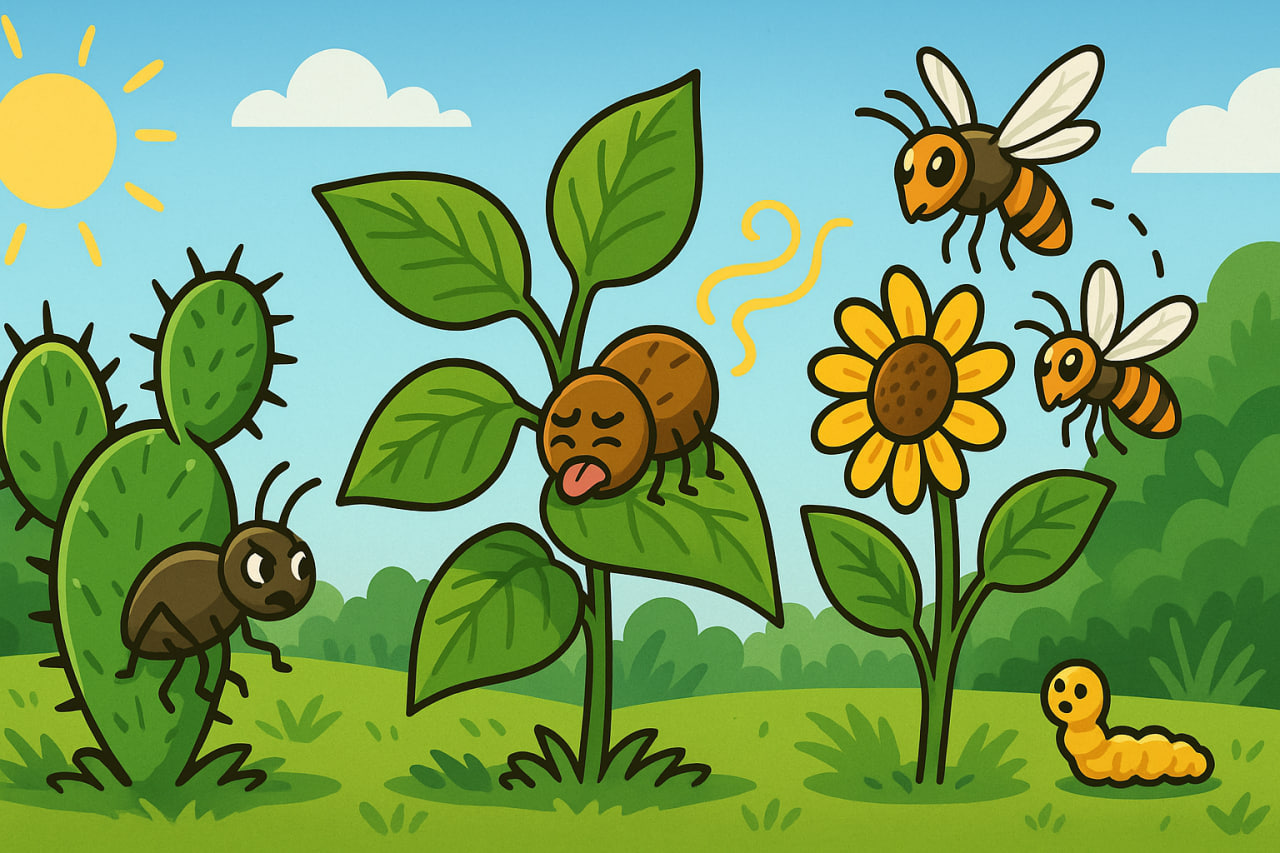
Plants may seem defenseless compared to animals, but they have developed remarkable strategies to survive in environments full of herbivores, insects, and pathogens.
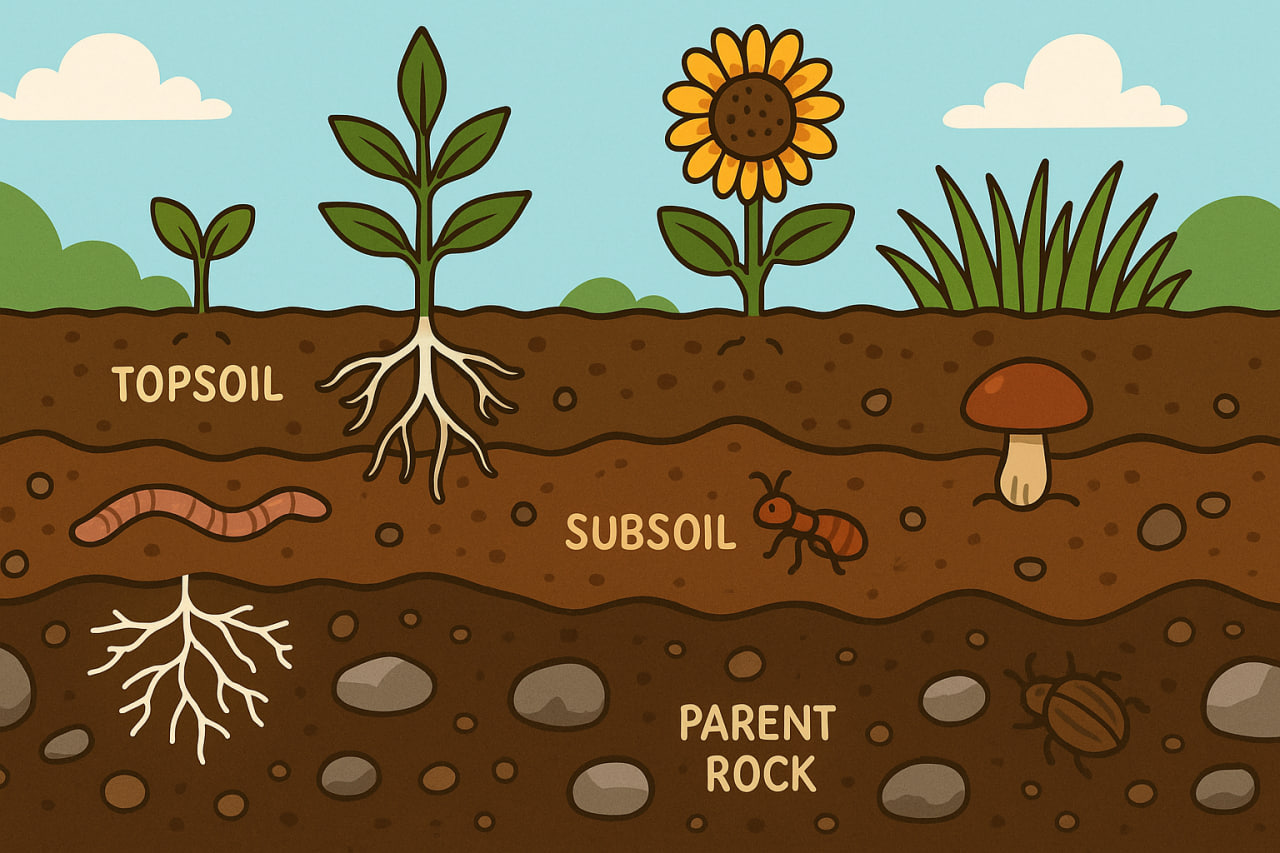
Soil is one of the most important natural resources on Earth. It forms the thin layer of material covering the land surface and serves as the foundation for plant growth, animal habitats, and...