
Evolution: The Story of Life on Earth
Evolution is the process by which living organisms change and diversify over time. It explains how simple life forms that appeared billions of years ago gradually developed into the complex...
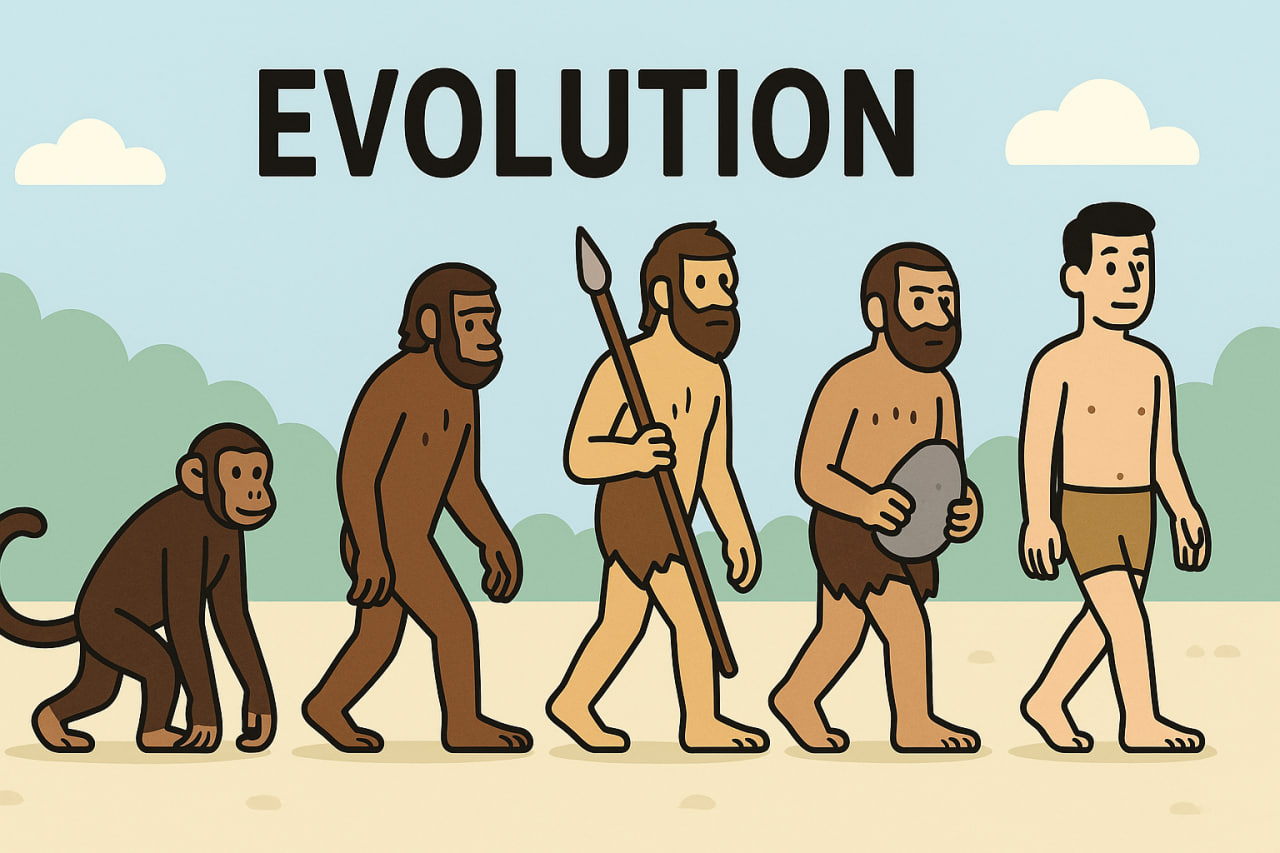
Evolution is the process by which living organisms change and diversify over time. It explains how simple life forms that appeared billions of years ago gradually developed into the complex...
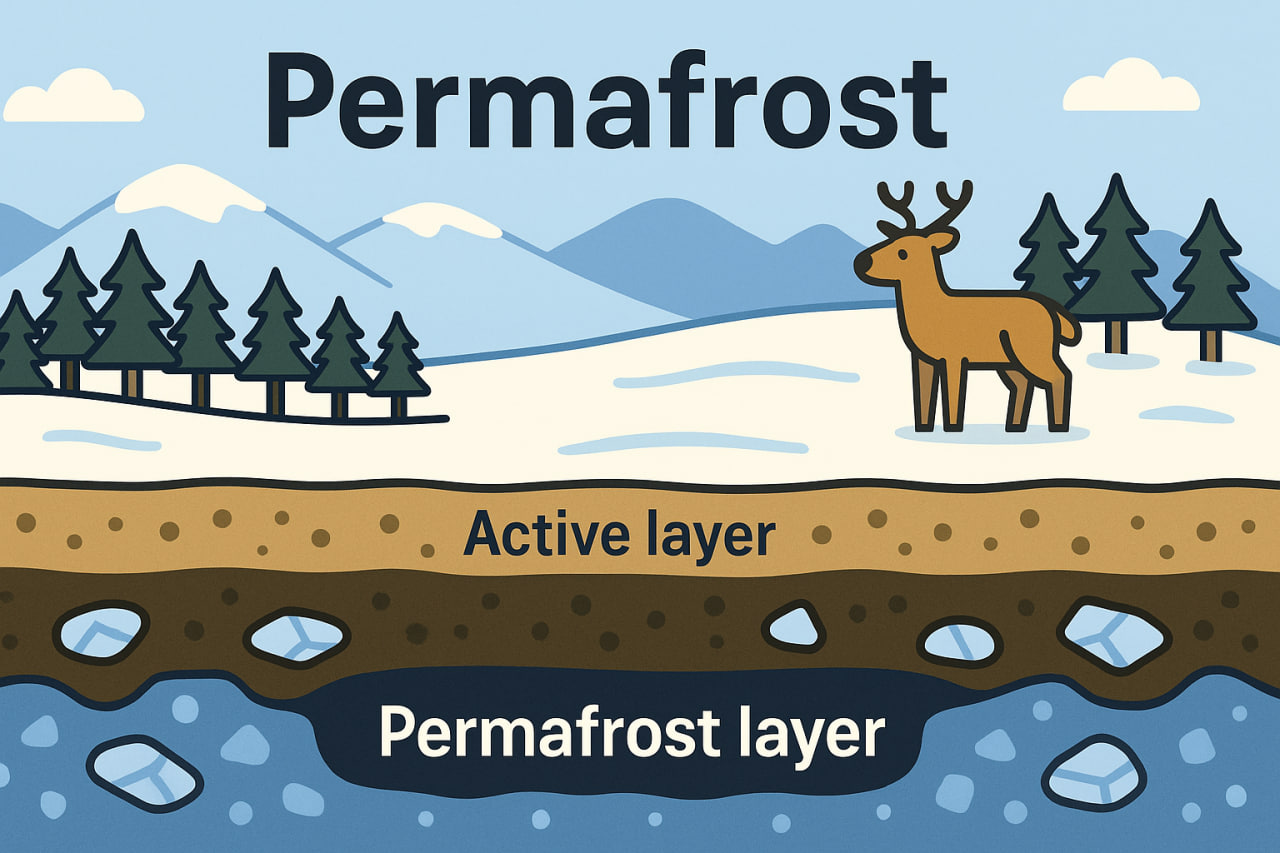
Permafrost is ground that remains frozen for at least two consecutive years. It is composed of soil, rocks, sand, and organic material bound together by ice.
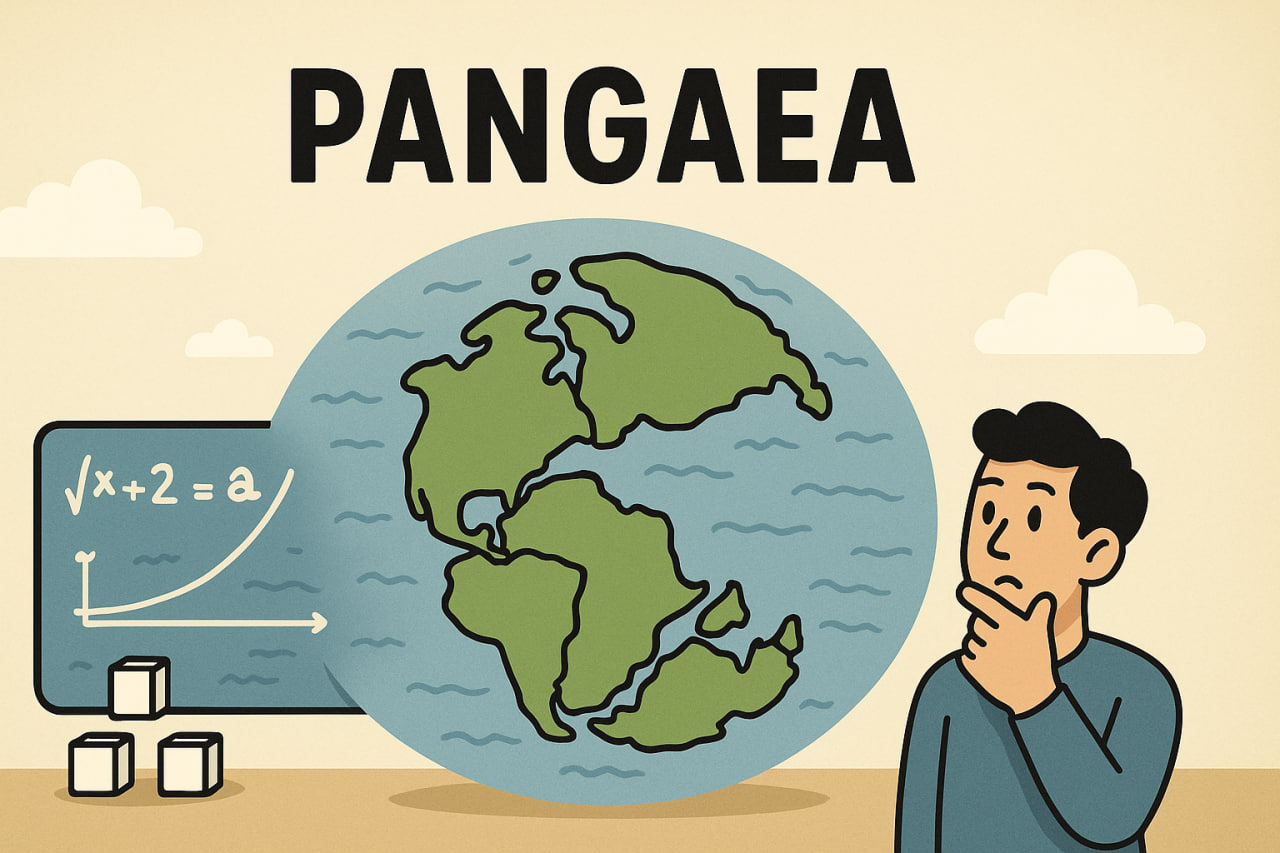
Pangaea was a massive supercontinent that existed about 335 to 175 million years ago during the late Paleozoic and early Mesozoic eras.
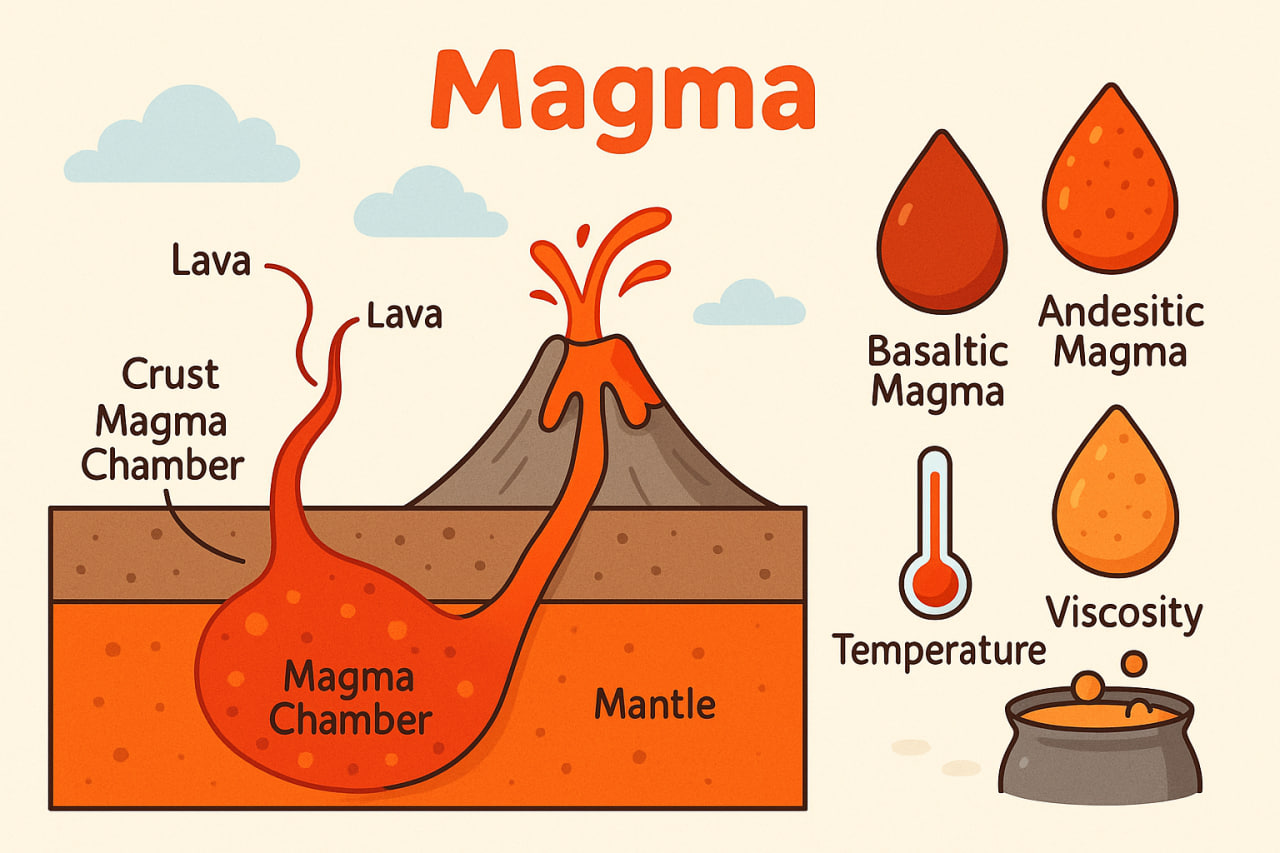
Magma is molten or partially molten rock located beneath the Earth’s surface. It forms deep underground where high temperatures and pressures cause solid rock to melt.
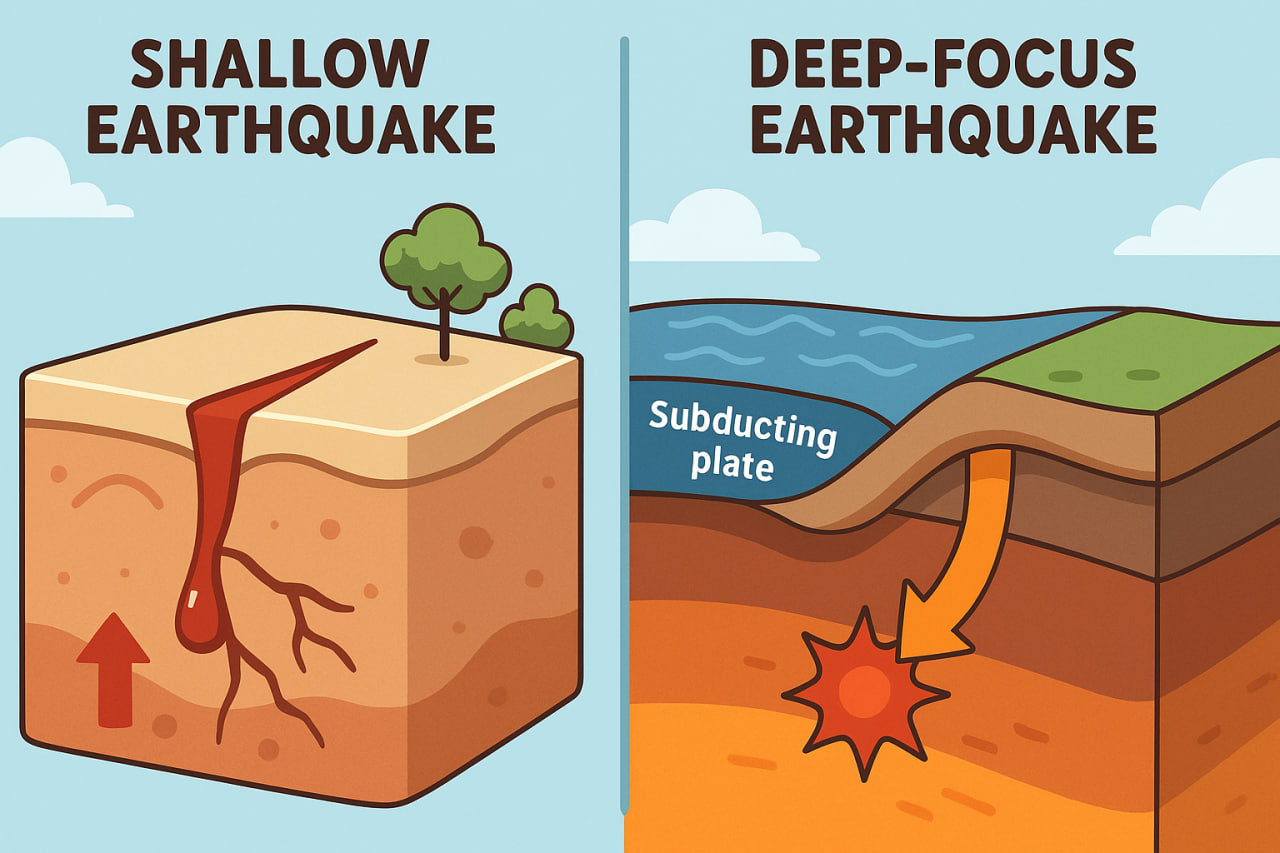
Earthquakes are sudden releases of energy in the Earth’s crust or mantle, producing seismic waves.
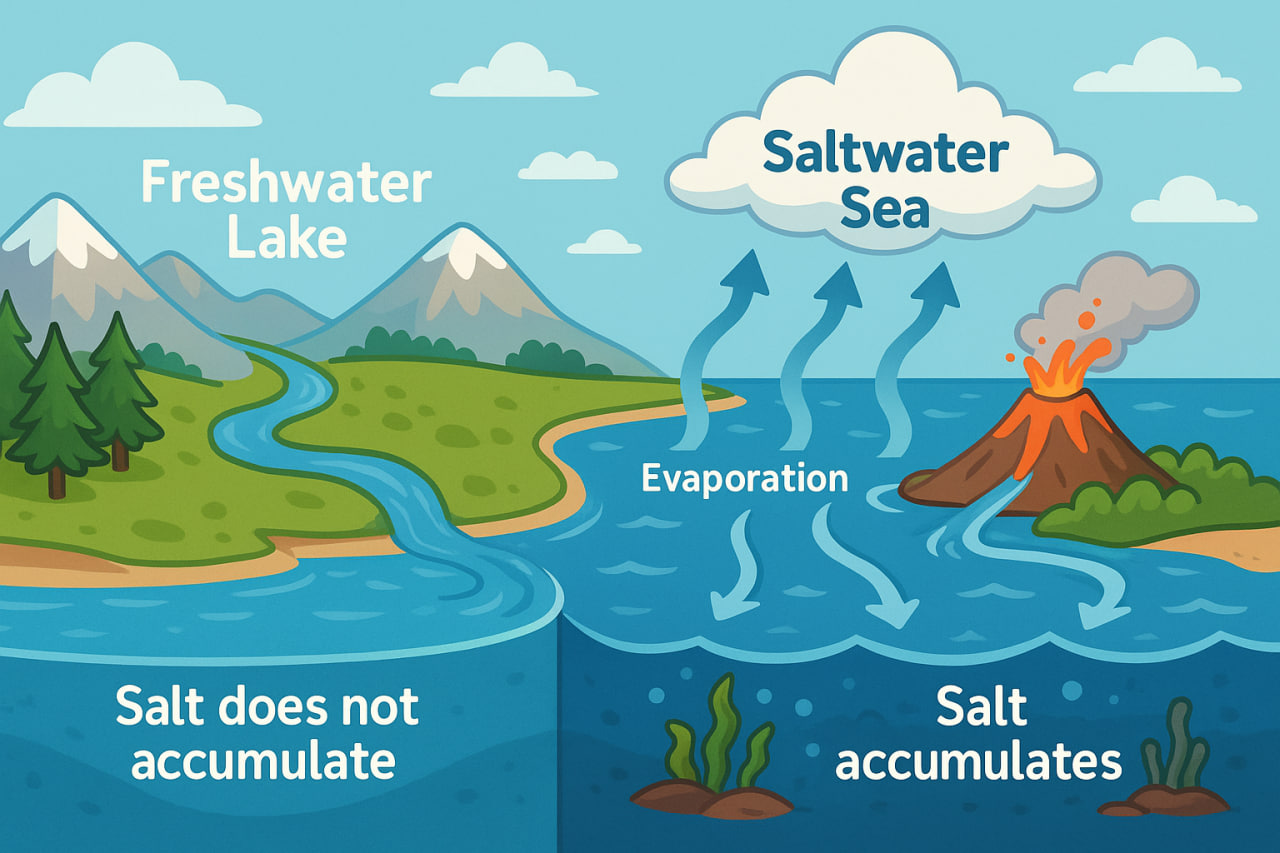
The salty taste of seawater is one of the most recognizable features of our oceans. While freshwater rivers flow constantly into the sea, carrying dissolved minerals, the oceans remain salty...
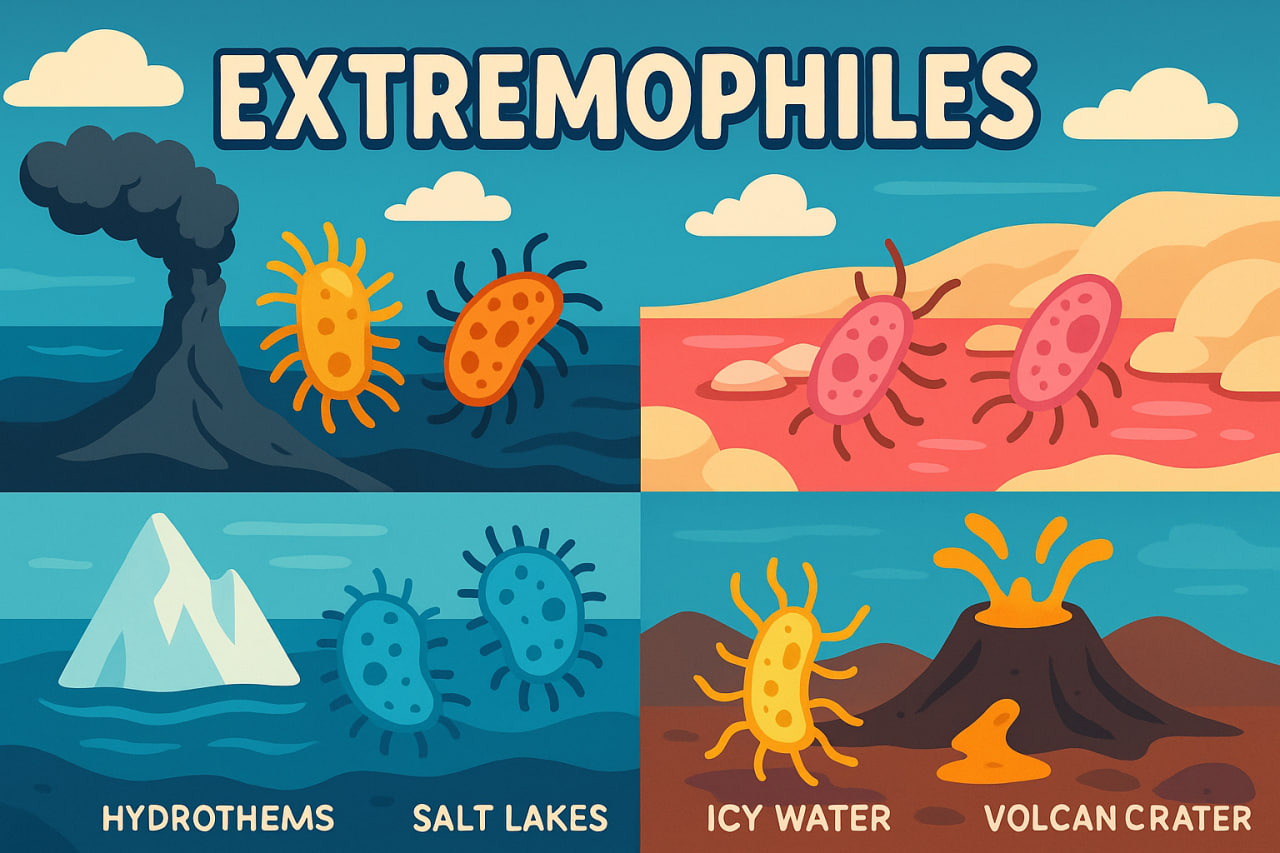
Extremophiles are organisms that thrive in environments once thought too harsh to support life.
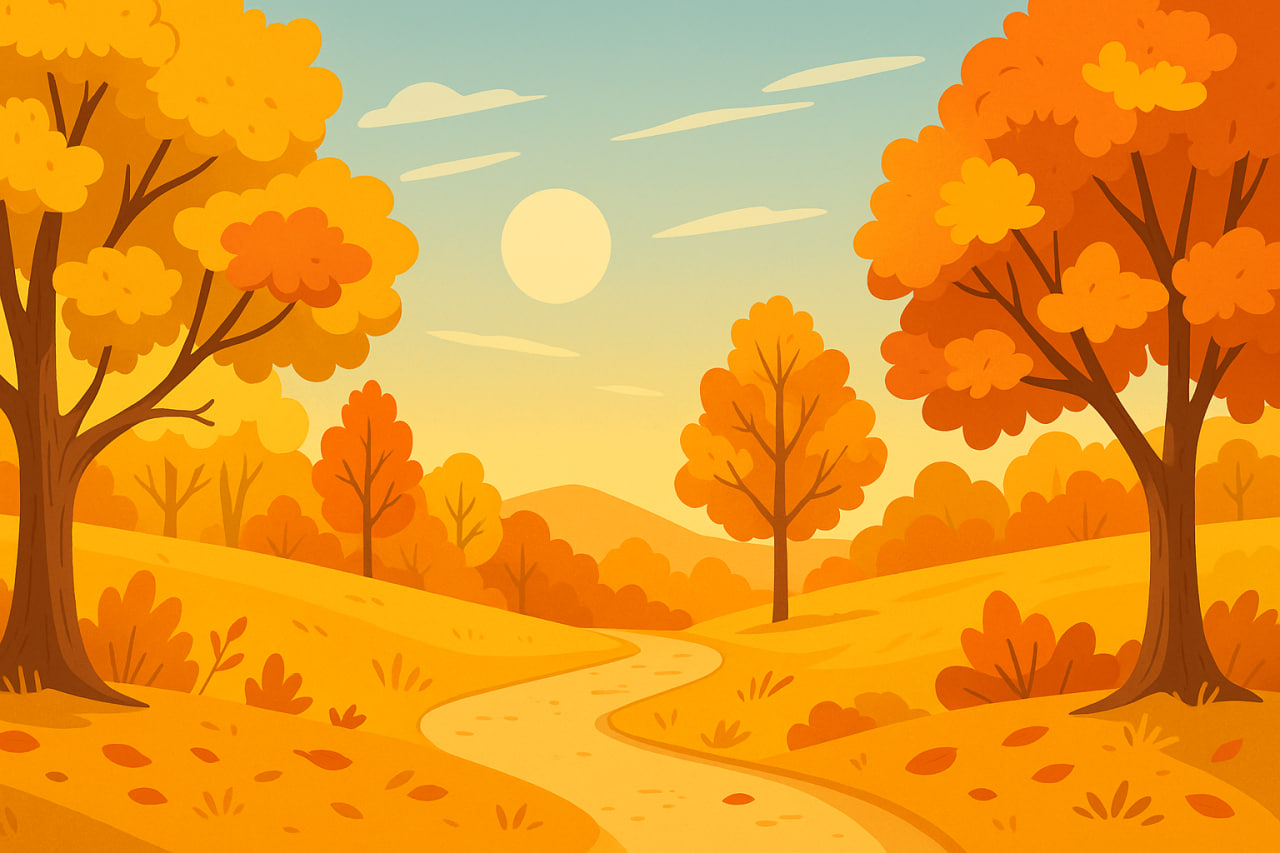
Indian summer is a short period of warm, sunny weather that occurs in early autumn, usually after the first noticeable cooling.
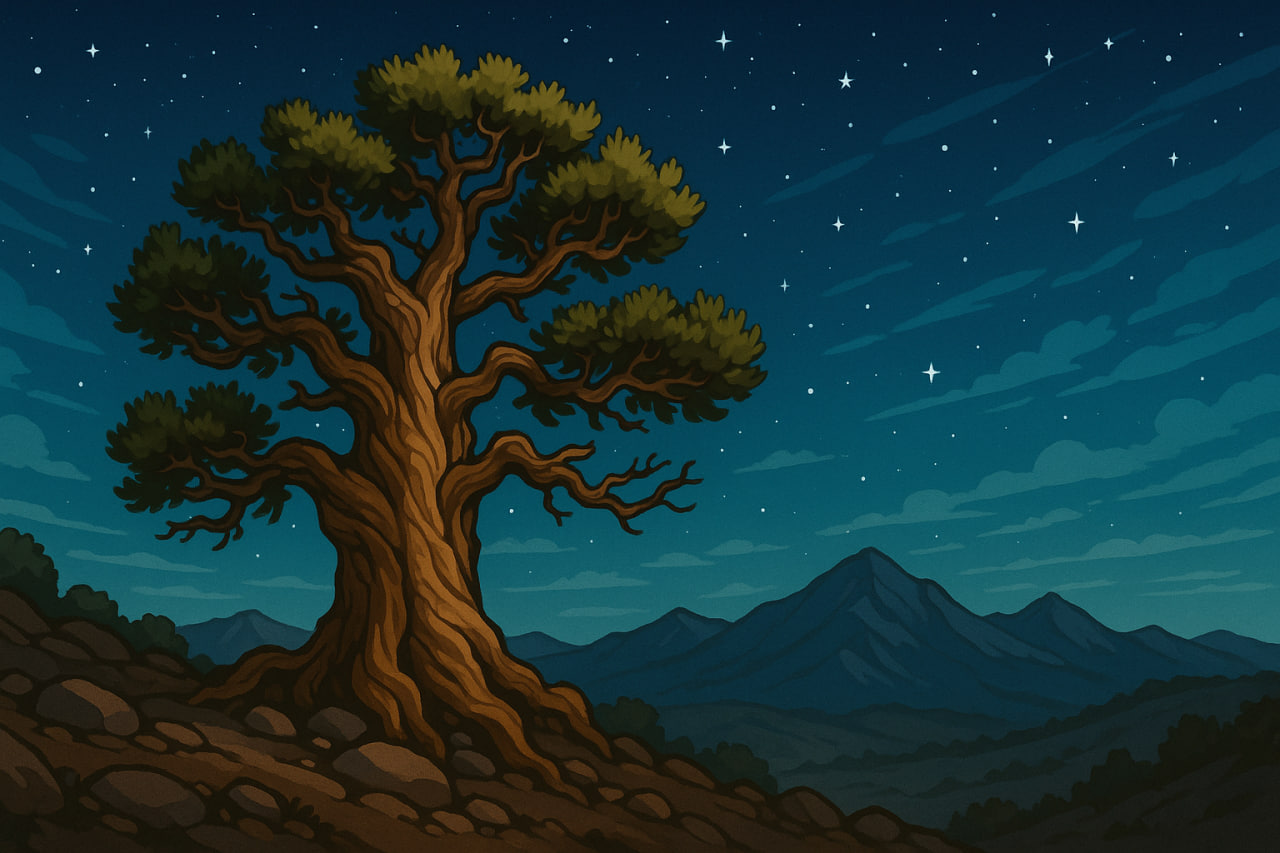
Trees are some of the most enduring organisms on Earth, capable of living for thousands of years.
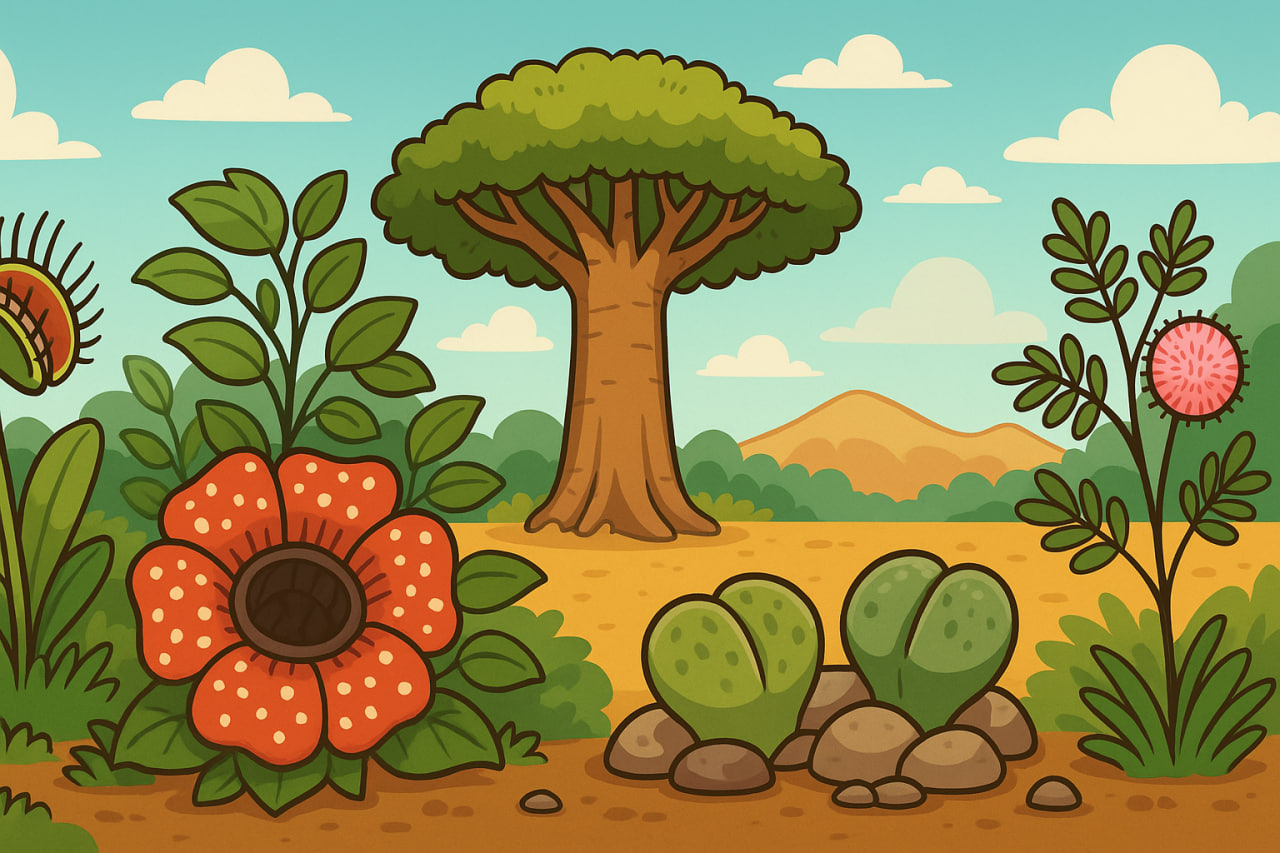
Nature is full of extraordinary plants that defy common expectations with their appearance, survival strategies, or behavior.