
Predators and Prey in Nature
The relationship between predators and prey is one of the most fundamental interactions in nature. It shapes ecosystems, controls populations, and drives evolution.
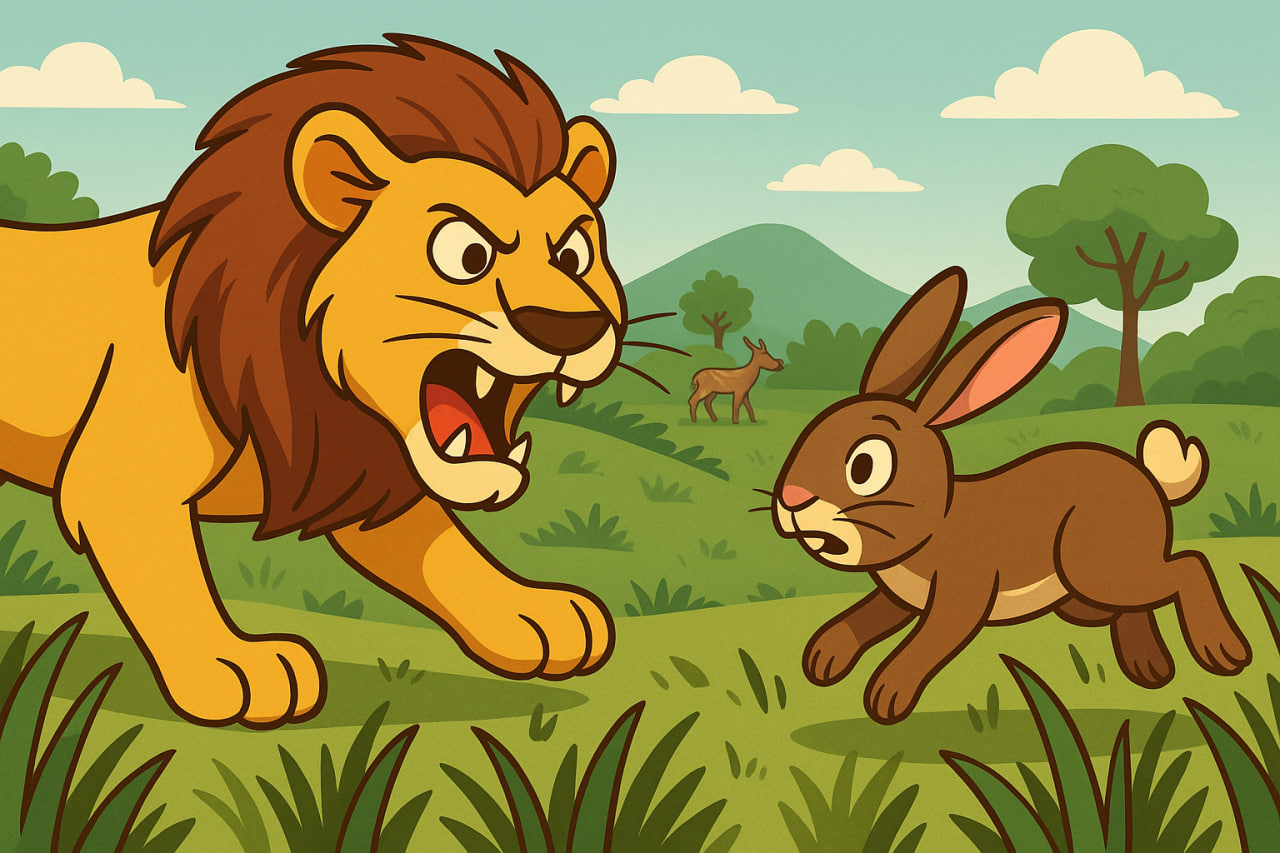
The relationship between predators and prey is one of the most fundamental interactions in nature. It shapes ecosystems, controls populations, and drives evolution.
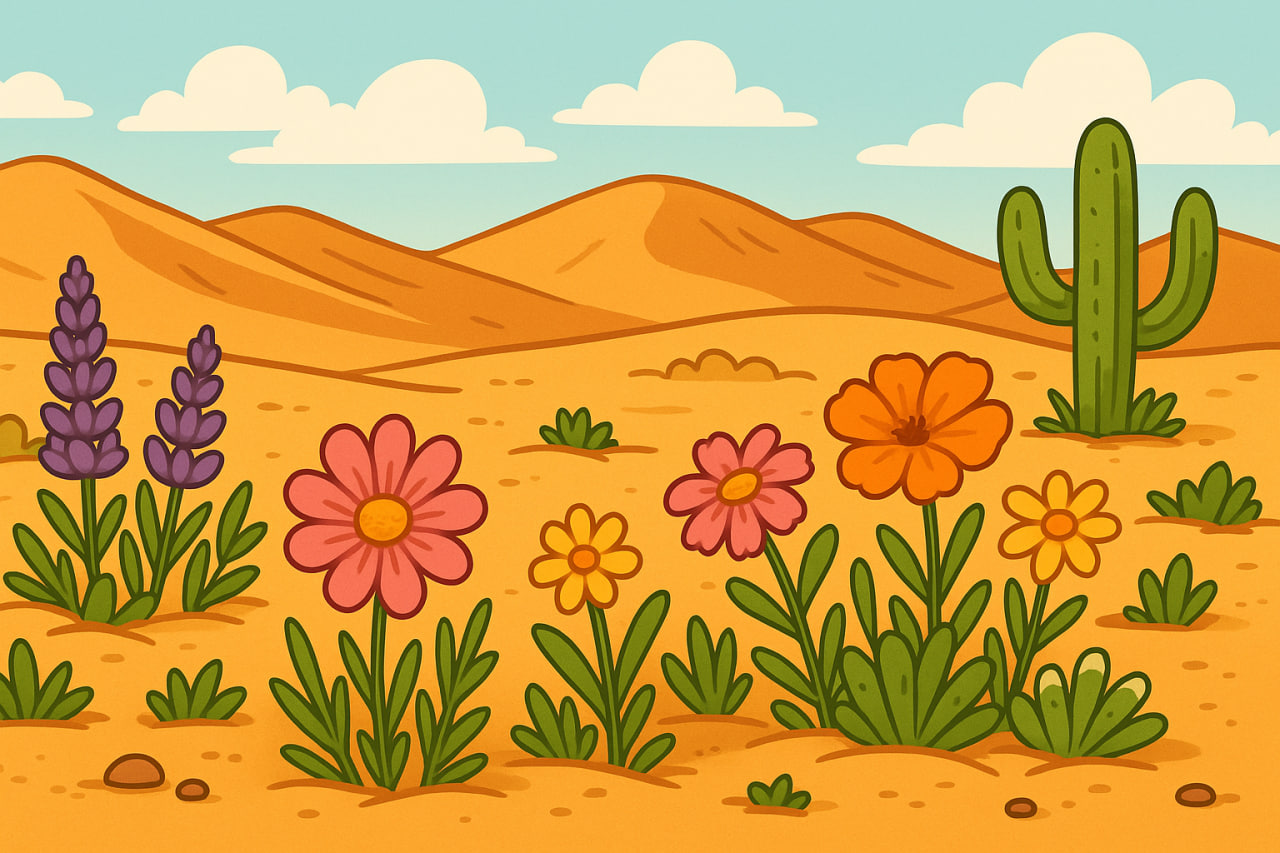
Deserts, often seen as barren and lifeless landscapes, can sometimes transform into fields of vibrant flowers.
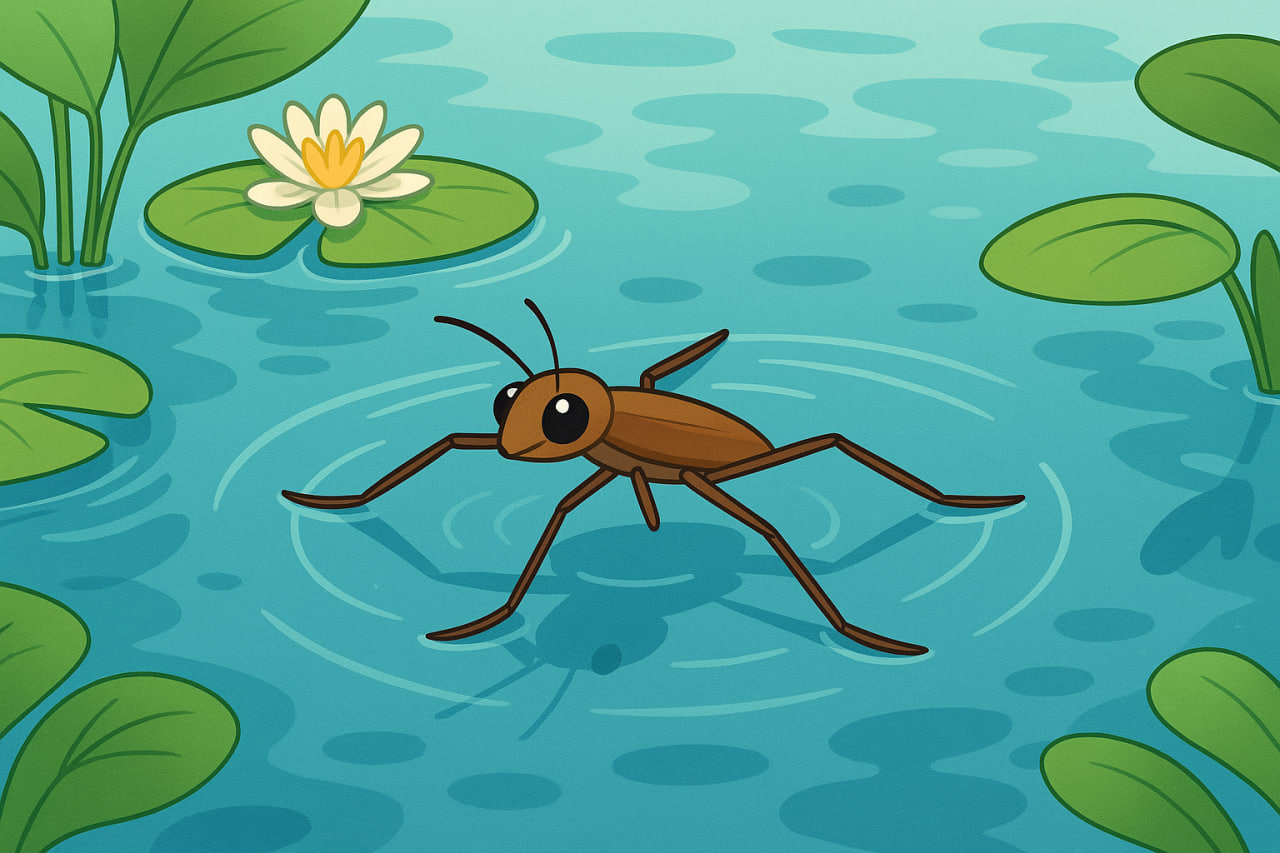
Water striders are fascinating insects known for their ability to walk effortlessly across the surface of ponds, lakes, and slow-moving streams.
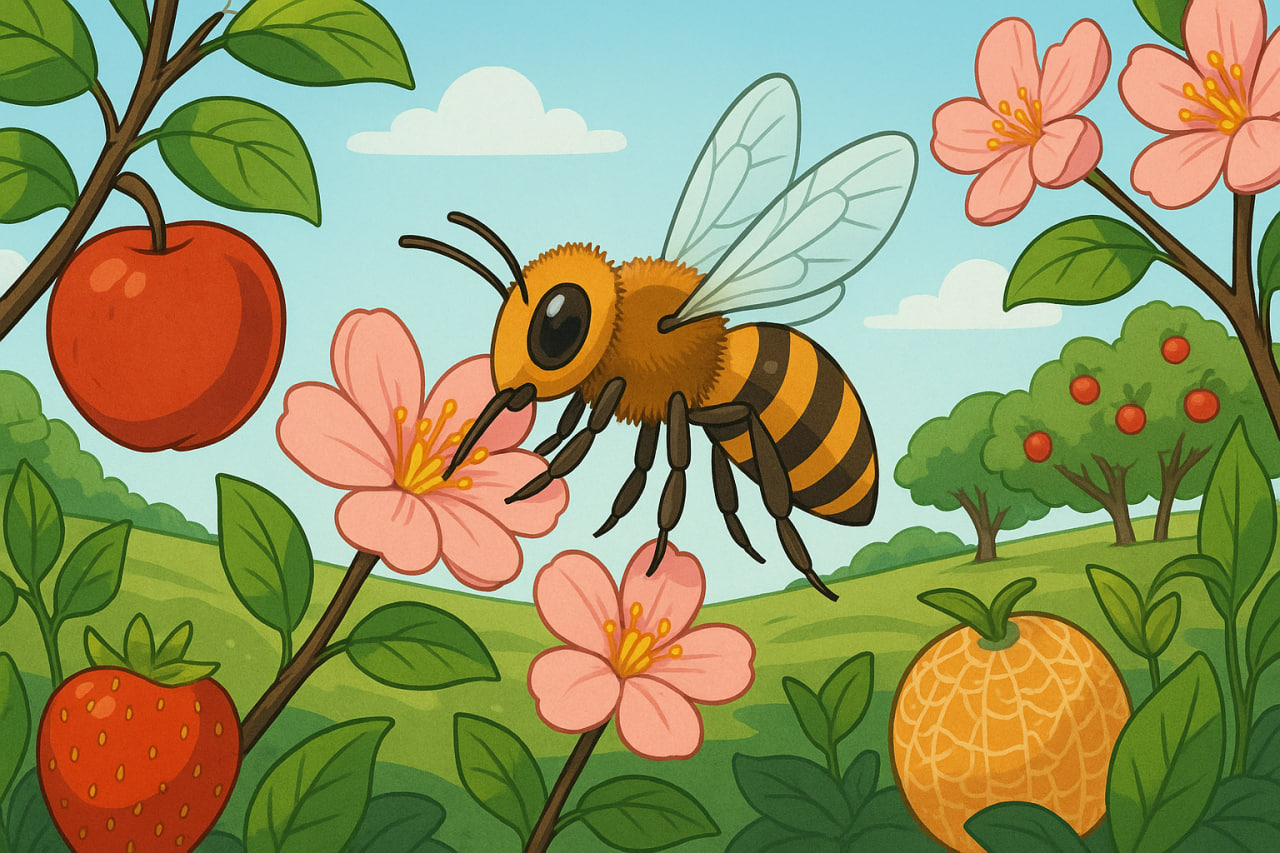
Insects play one of the most important roles in nature by helping plants reproduce. Many of the fruits we eat—such as apples, cherries, strawberries, and melons—exist thanks to insect...
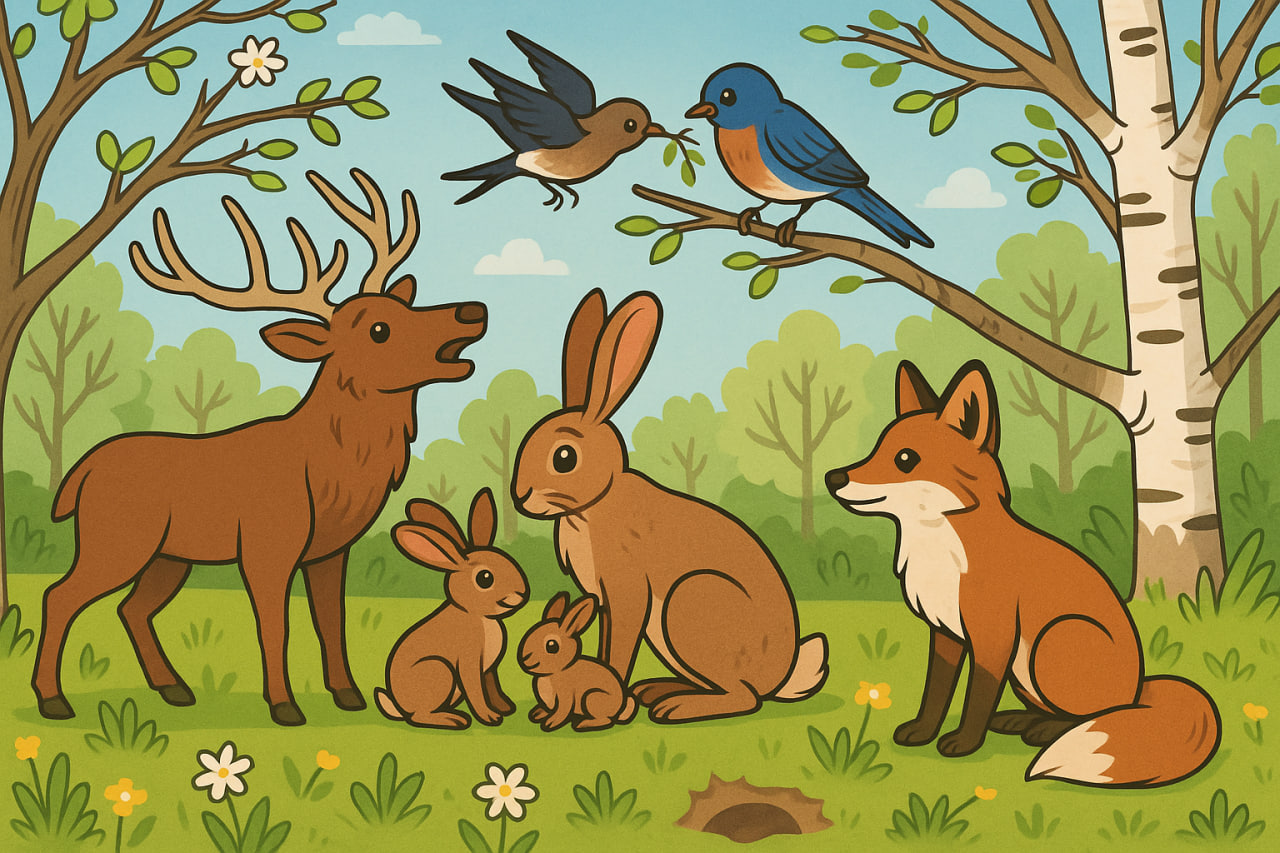
Spring is a season of renewal, and with it comes remarkable changes in the behavior of animals.
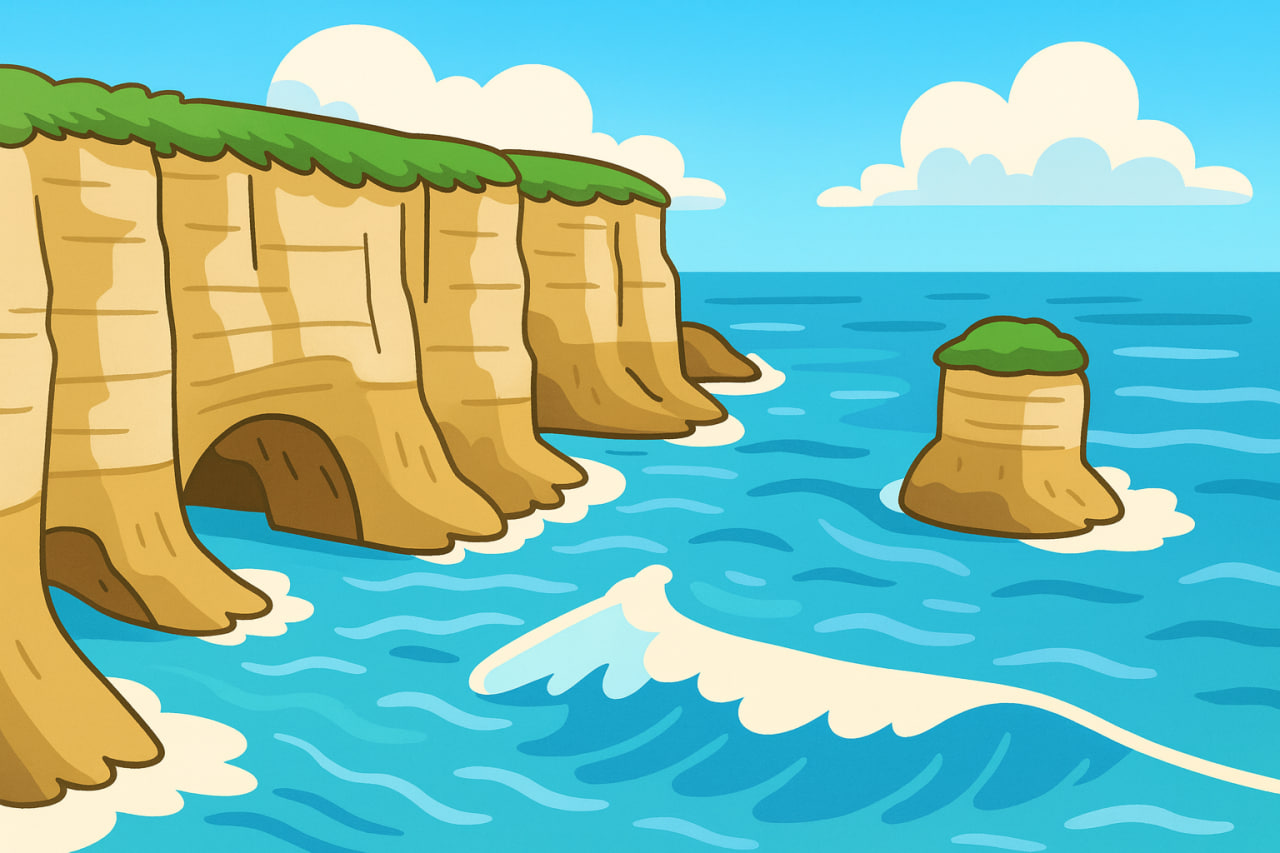
Coastal cliffs are dramatic landscapes where the land meets the sea in steep, towering formations.

Tropical heat refers to the high temperatures and humidity levels typical of regions near the equator.

Wind is the movement of air across the Earth’s surface caused mainly by differences in temperature and air pressure.
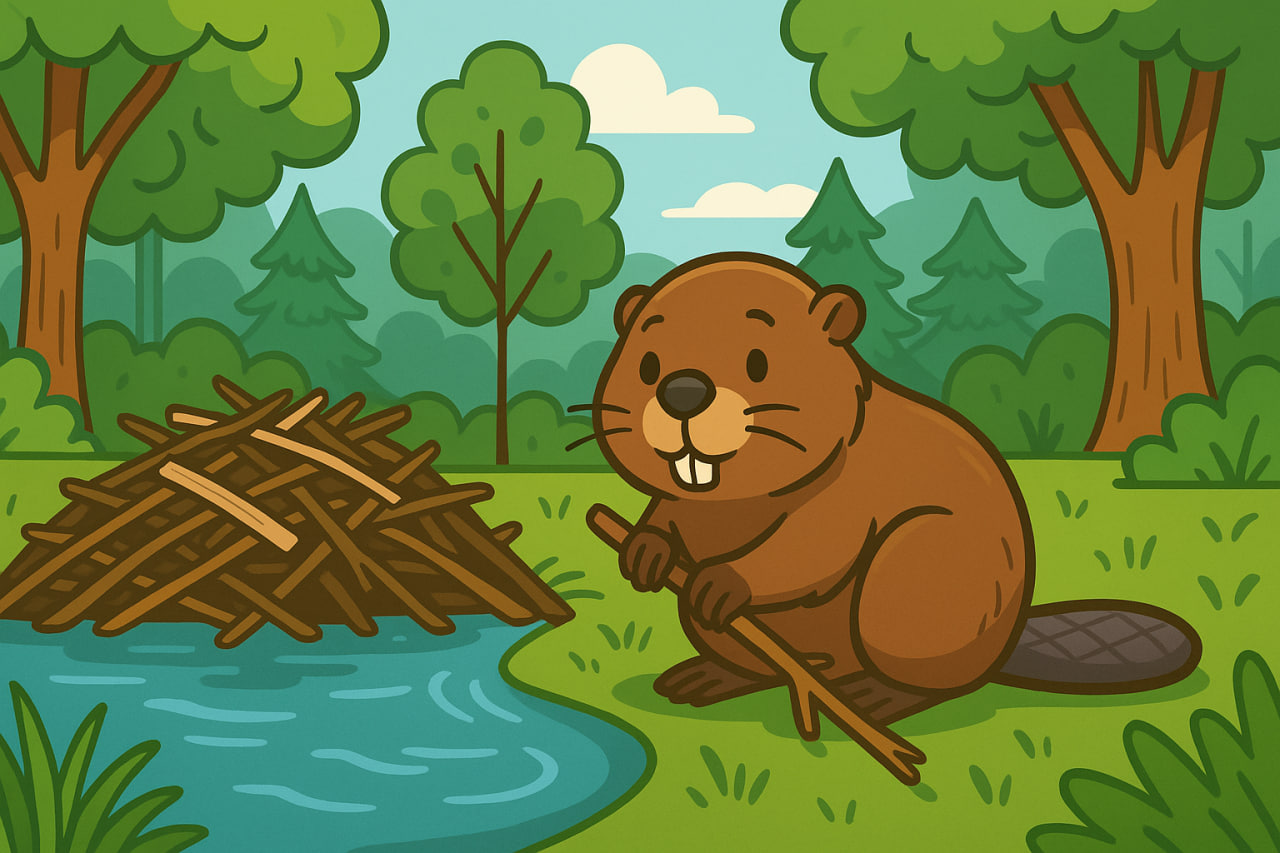
Beavers are fascinating mammals known for their unique ability to reshape ecosystems.
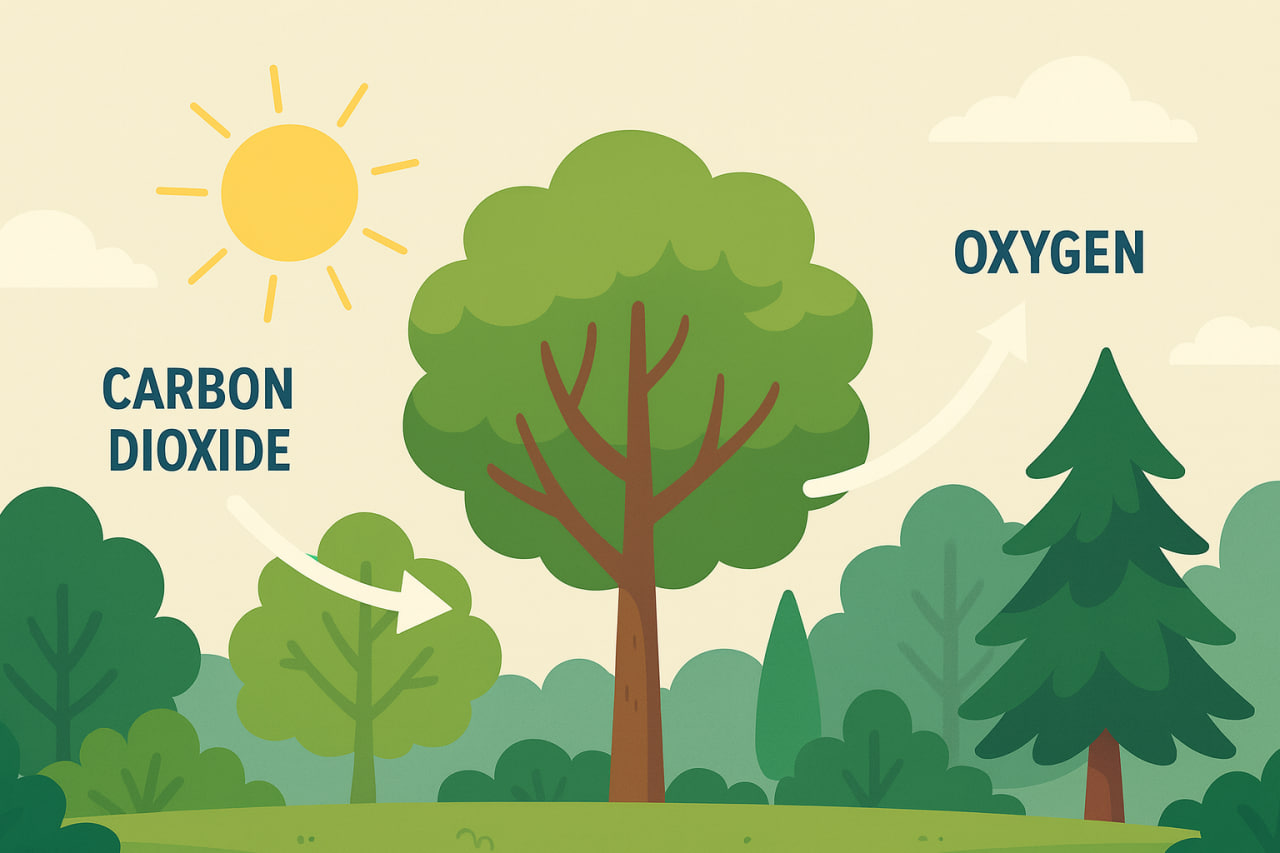
Forests are often called the lungs of the Earth because of their vital role in maintaining the balance of gases in the atmosphere.