
How Ant Hills Work
Ant hills are among nature’s most remarkable examples of collective engineering. Built and maintained by thousands of ants, these structures are essential for the survival and growth of their...
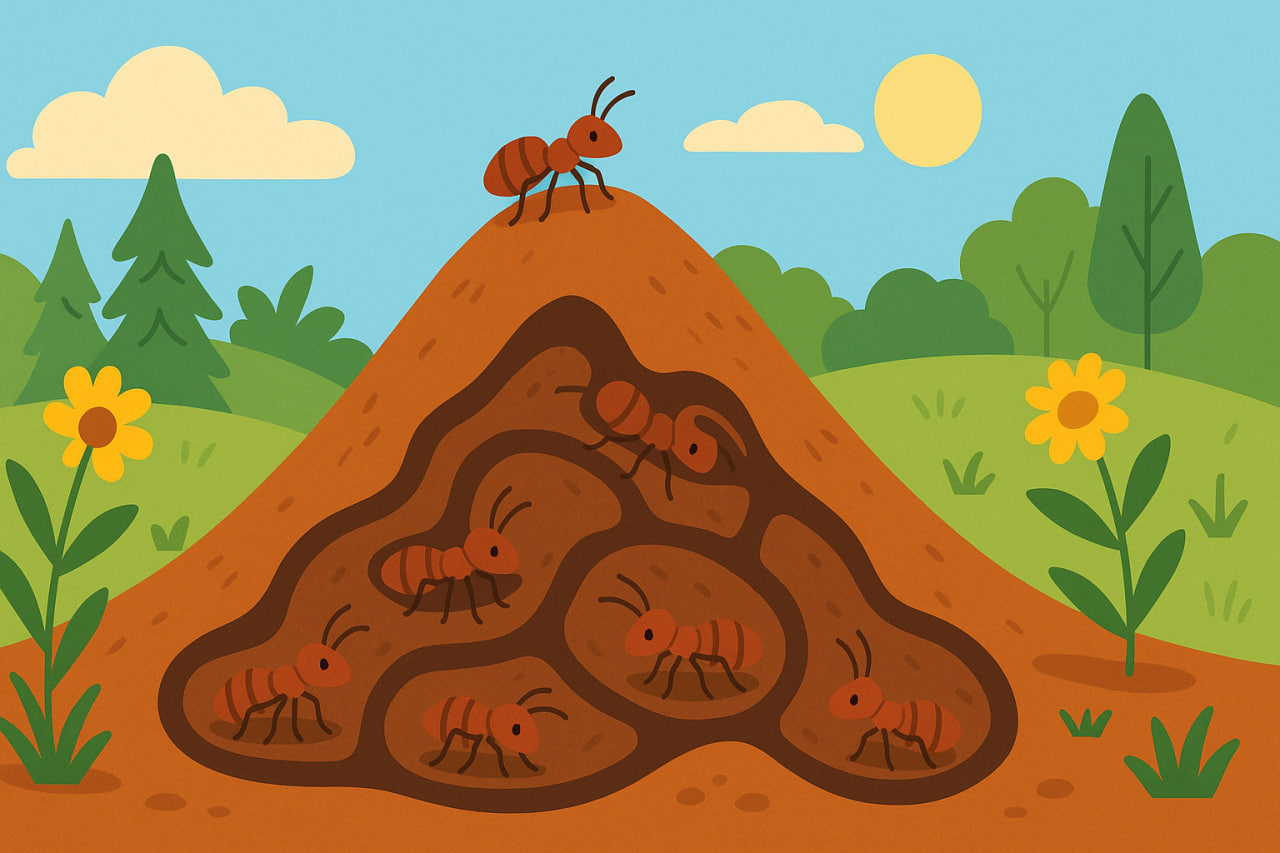
Ant hills are among nature’s most remarkable examples of collective engineering. Built and maintained by thousands of ants, these structures are essential for the survival and growth of their...
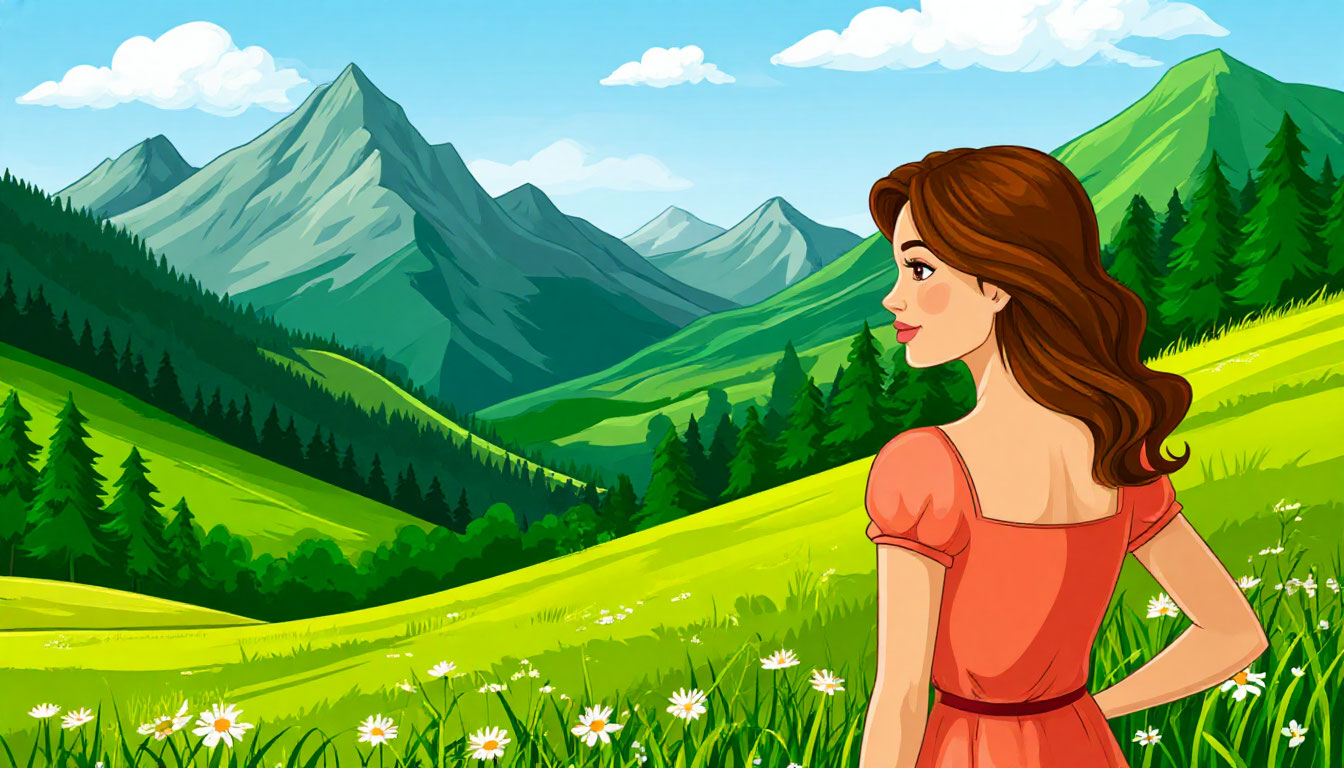
Landscape equilibrium is the state of natural balance between the physical, biological, and climatic components of a landscape.
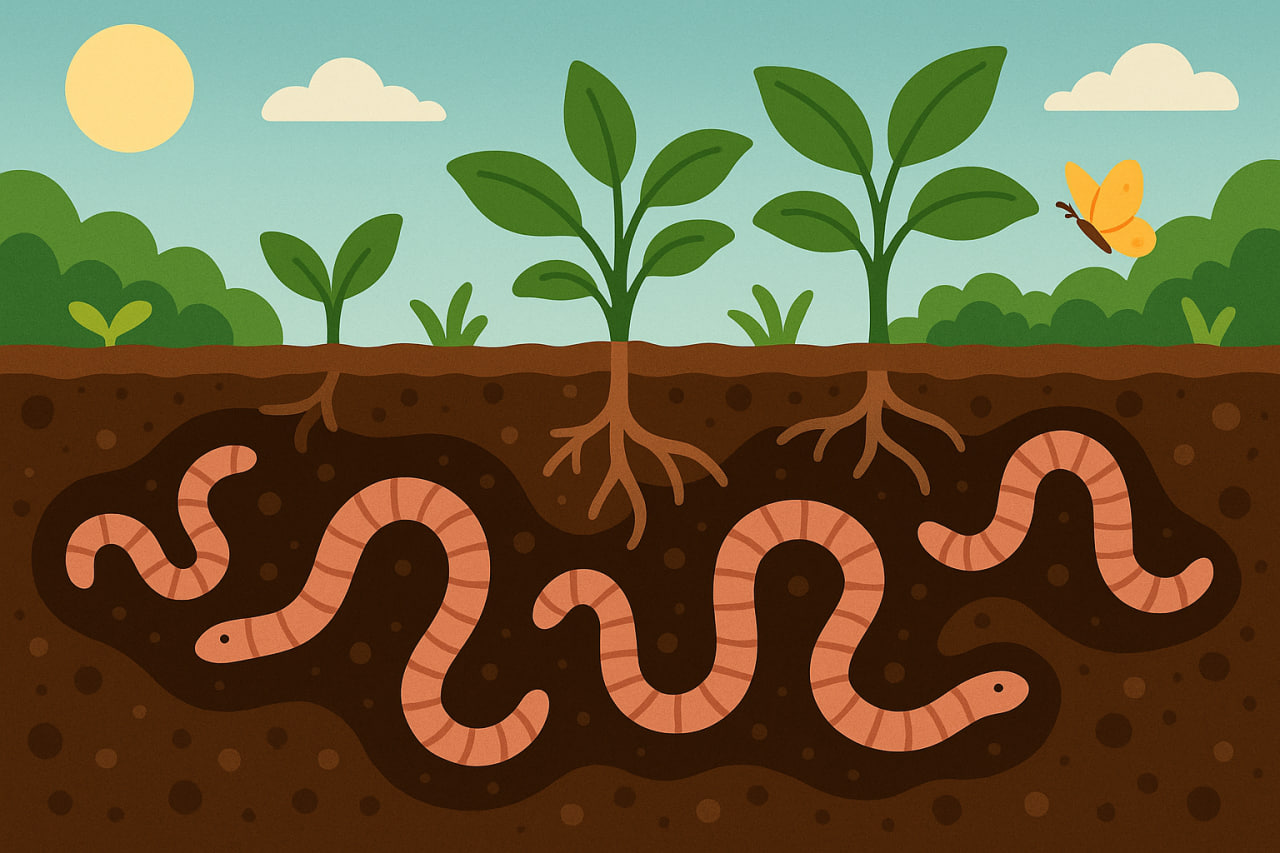
Earthworms are small but mighty engineers of the soil ecosystem. These humble creatures play a crucial role in maintaining soil health, supporting plant growth, and enhancing agricultural...

Equatorial jungles, also known as tropical rainforests, are among the most biologically rich and ecologically important ecosystems on Earth.

Tundra is a unique biome characterized by extreme cold, short growing seasons, and limited biodiversity.

Plants grow in some of the harshest, coldest environments on Earth — from Arctic tundra to high mountain peaks.

Pollination is the process of transferring pollen from the male part of a flower (anther) to the female part (stigma), enabling fertilization and seed production.

Bird feathers come in an astonishing variety of colors, patterns, and textures. While these features make birds beautiful to observe, they are not just for decoration — the colors serve vital...
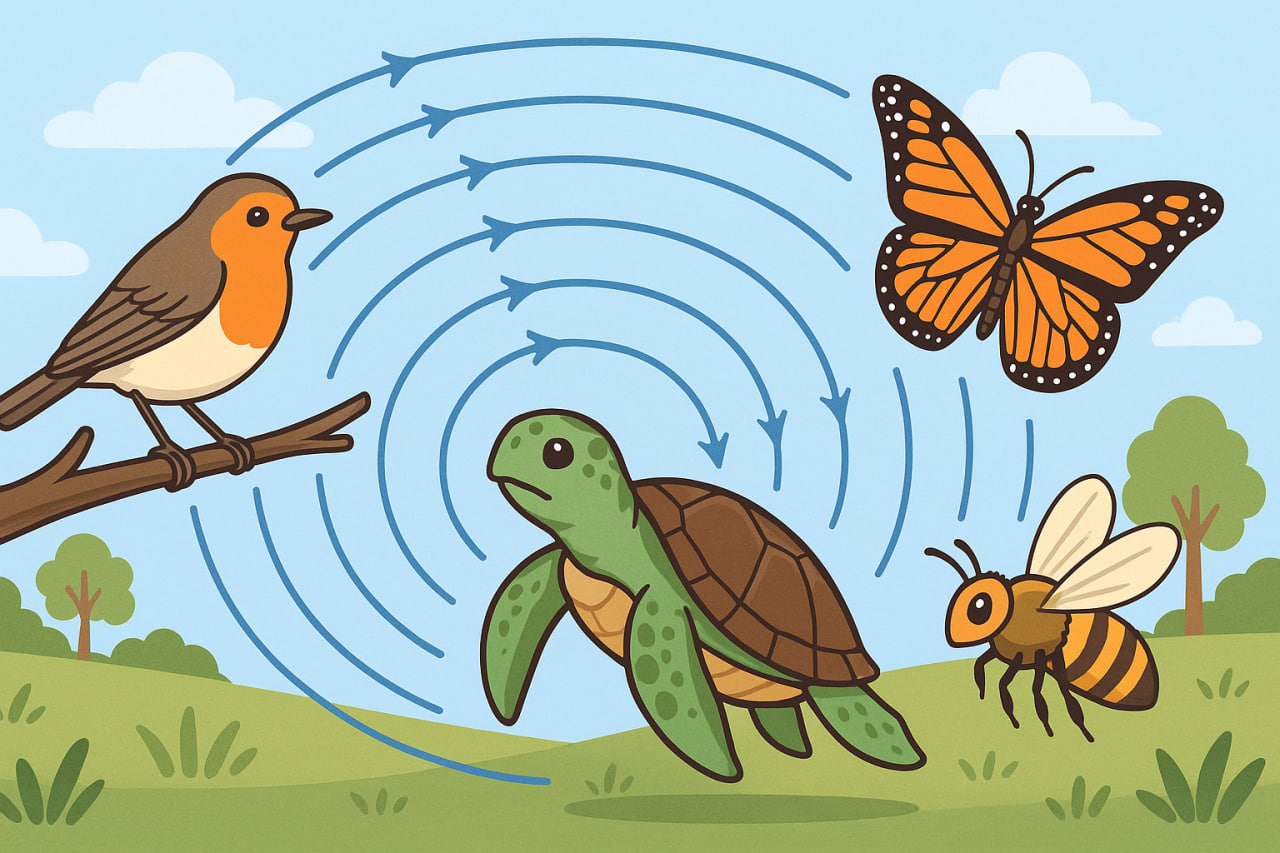
The Earth’s magnetic field is an invisible force that surrounds our planet, created by the movement of molten iron in its core.
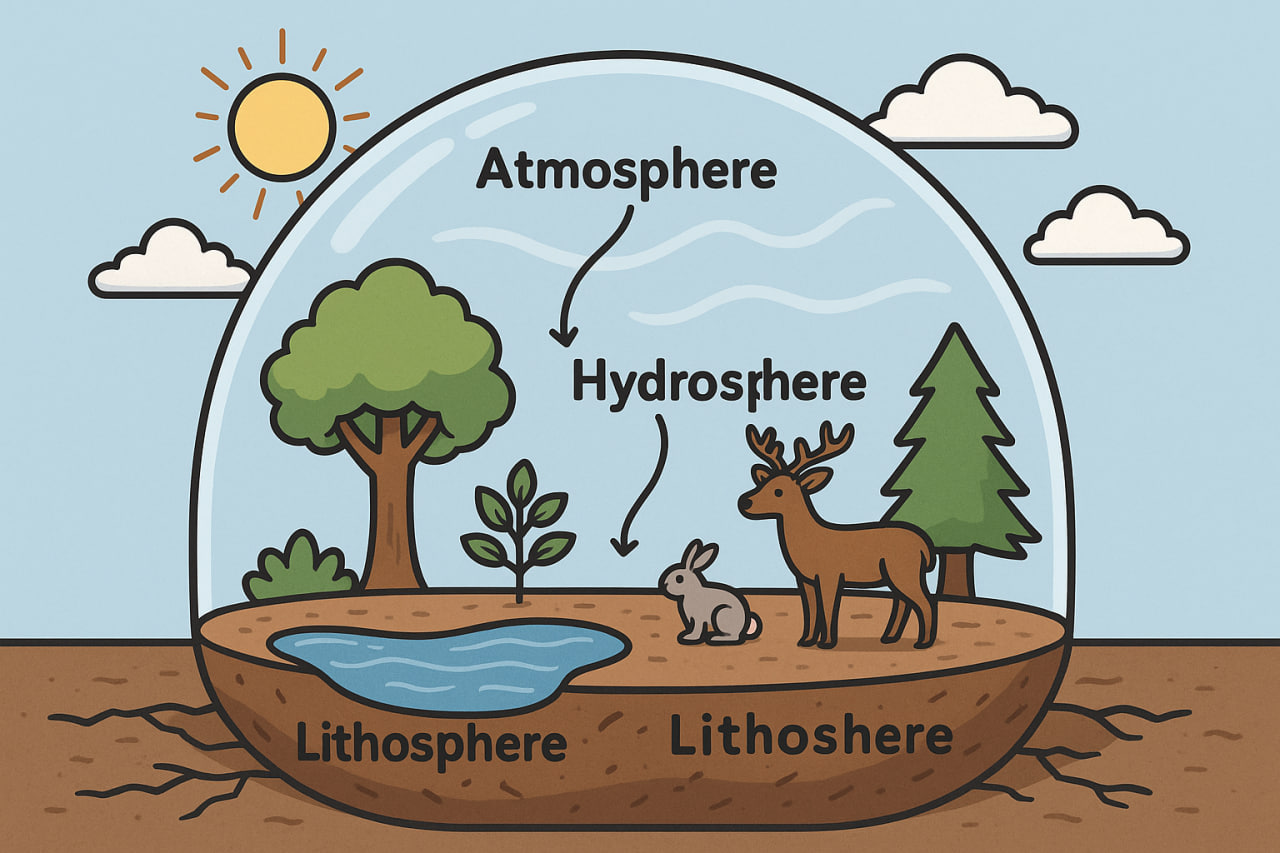
A biosphere is the global sum of all ecosystems — the regions of Earth (or a closed artificial system) where life exists and interacts with the atmosphere, hydrosphere, and lithosphere.