
Glacier Melt Over the Last 100 Years: What Is Happening and Why It Matters
Over the past century, glaciers around the world have been melting at an accelerating rate.
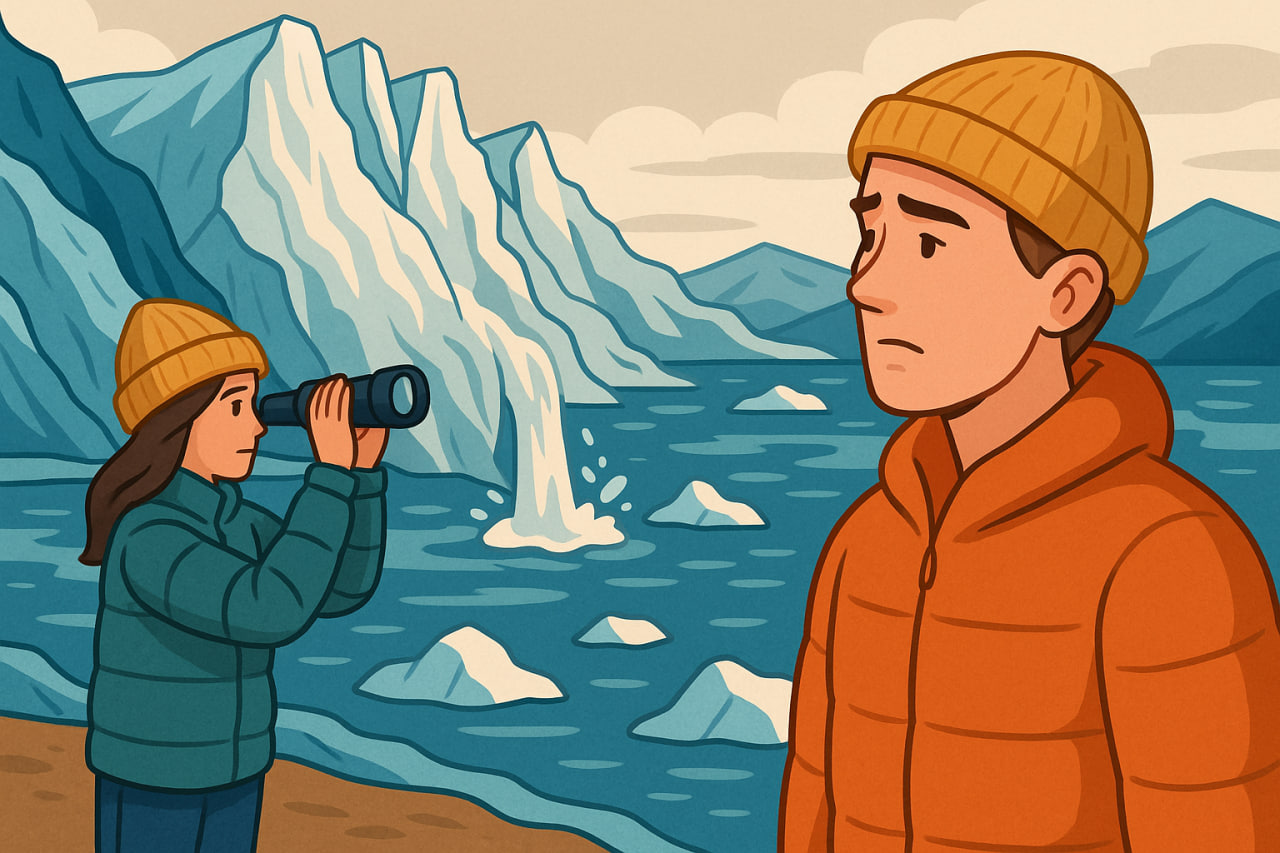
Over the past century, glaciers around the world have been melting at an accelerating rate.
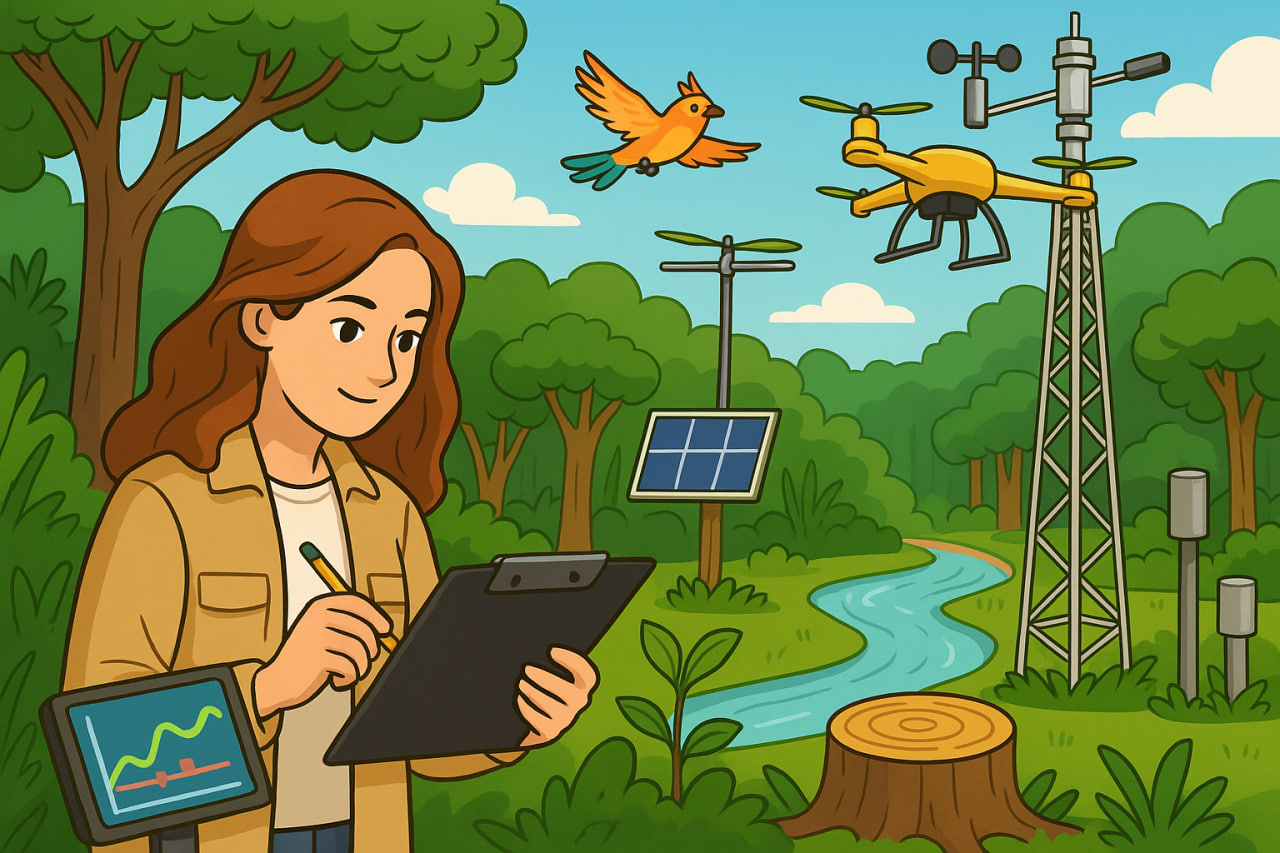
The Amazon rainforest is often called the “lungs of the planet” because it plays a critical role in absorbing carbon dioxide and regulating Earth’s climate.
Unicorns are among the most iconic mythical creatures in human history, often depicted as elegant horses with a single spiraling horn.
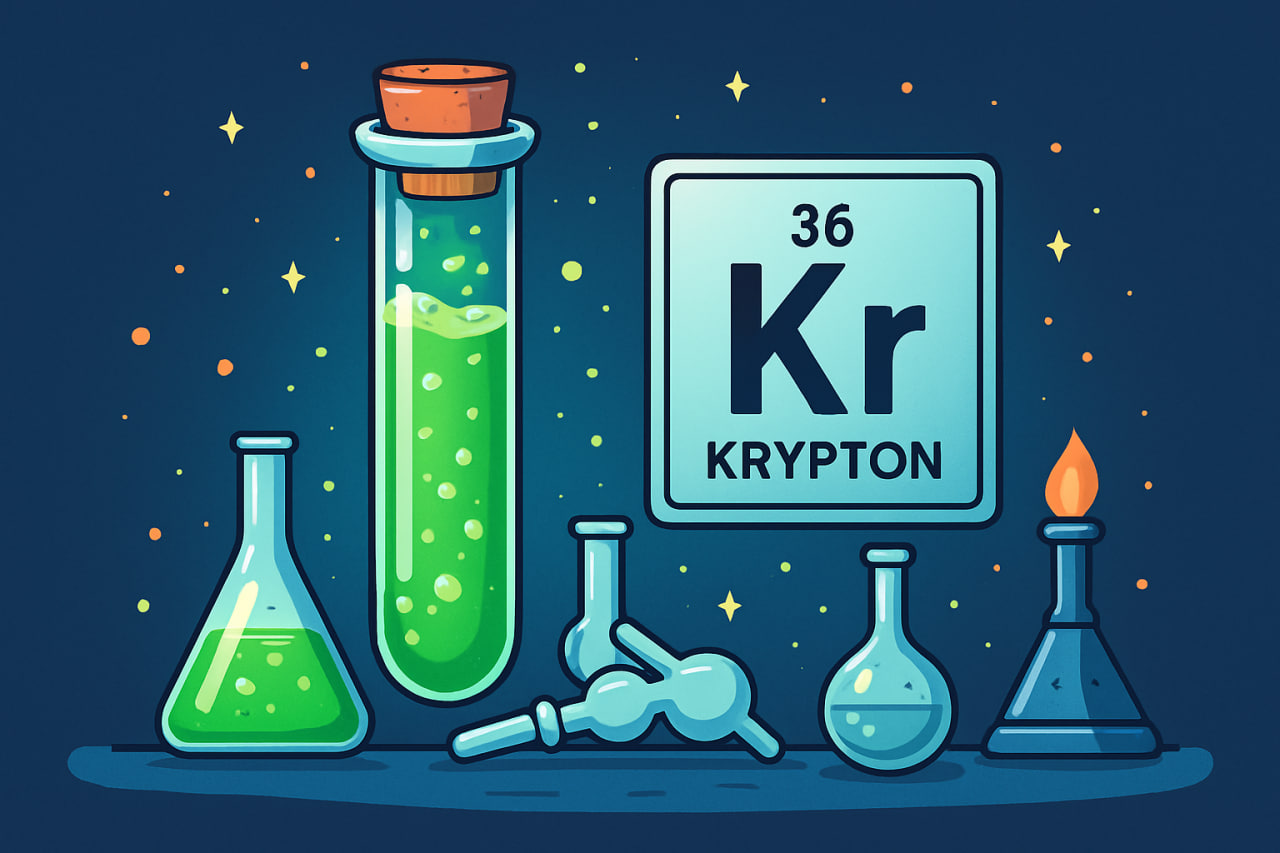
Krypton is a rare, colorless, and odorless noble gas found in Earth’s atmosphere in extremely small amounts.
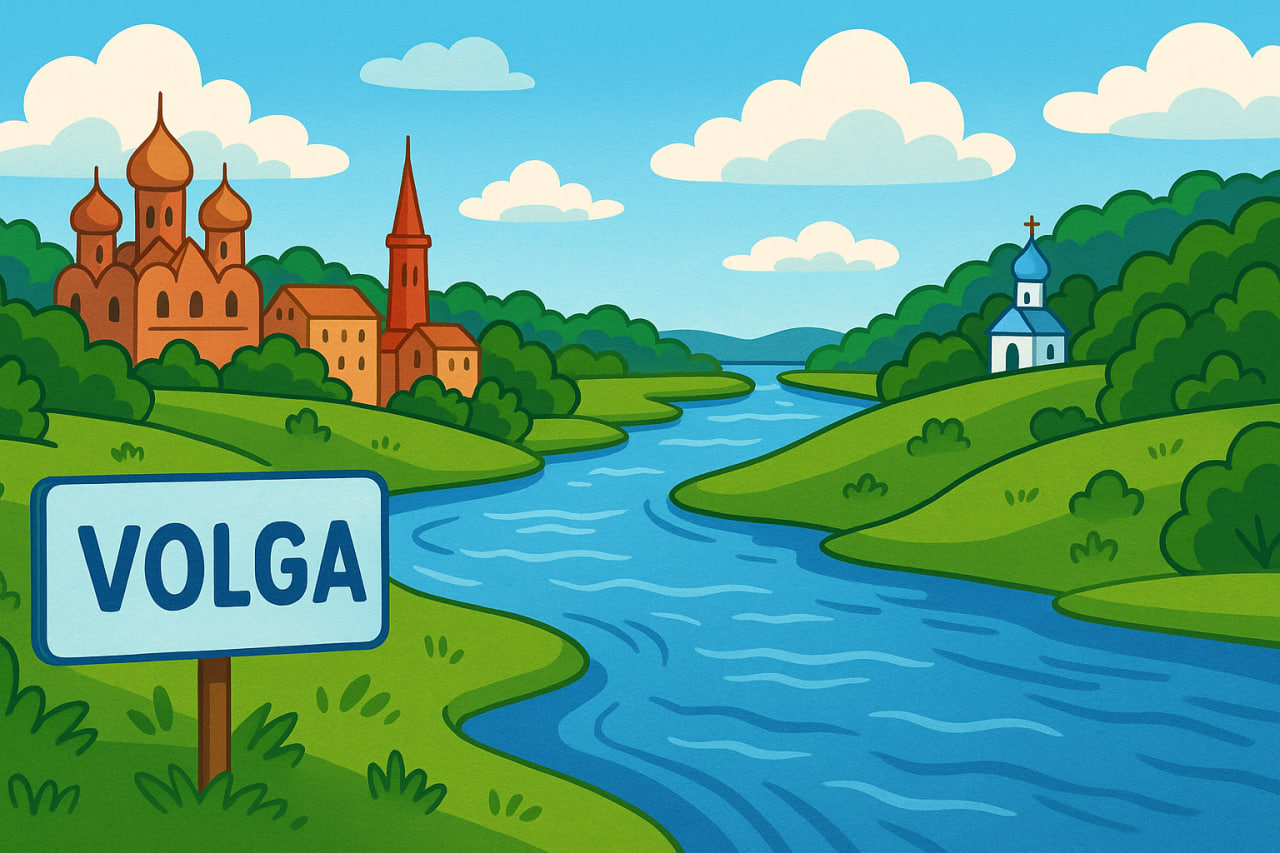
The Volga River, often called the “mother river” of Russia, is the longest river in Europe and one of the most influential waterways in human history.

Winter is a season of striking contrasts, shaping landscapes, ecosystems, and human behavior in profound ways.
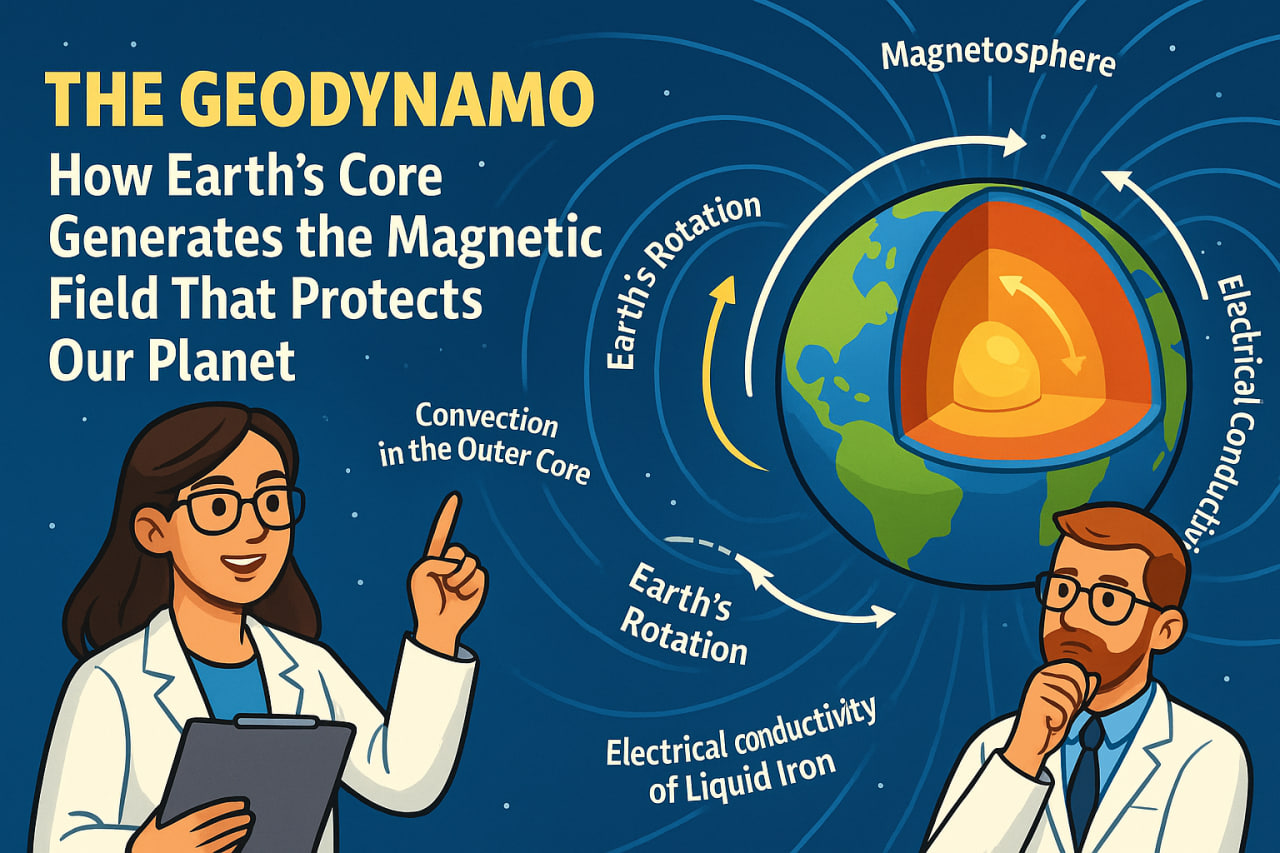
Earth’s magnetic field is one of the most important features of our planet — a protective shield that deflects harmful solar radiation, preserves our atmosphere, and enables life to thrive on...
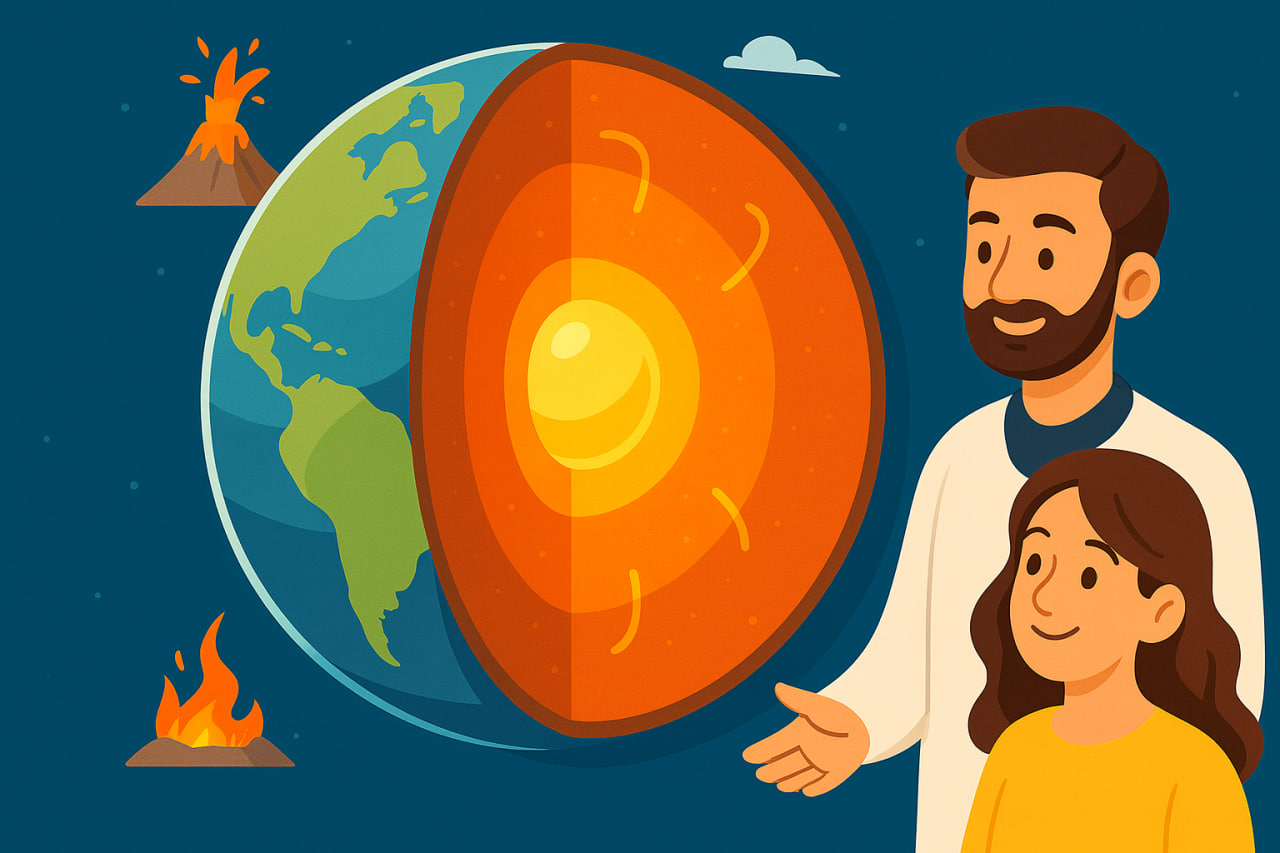
The interior of Earth is a dynamic, multilayered system filled with immense heat, pressure, and constant geological activity.
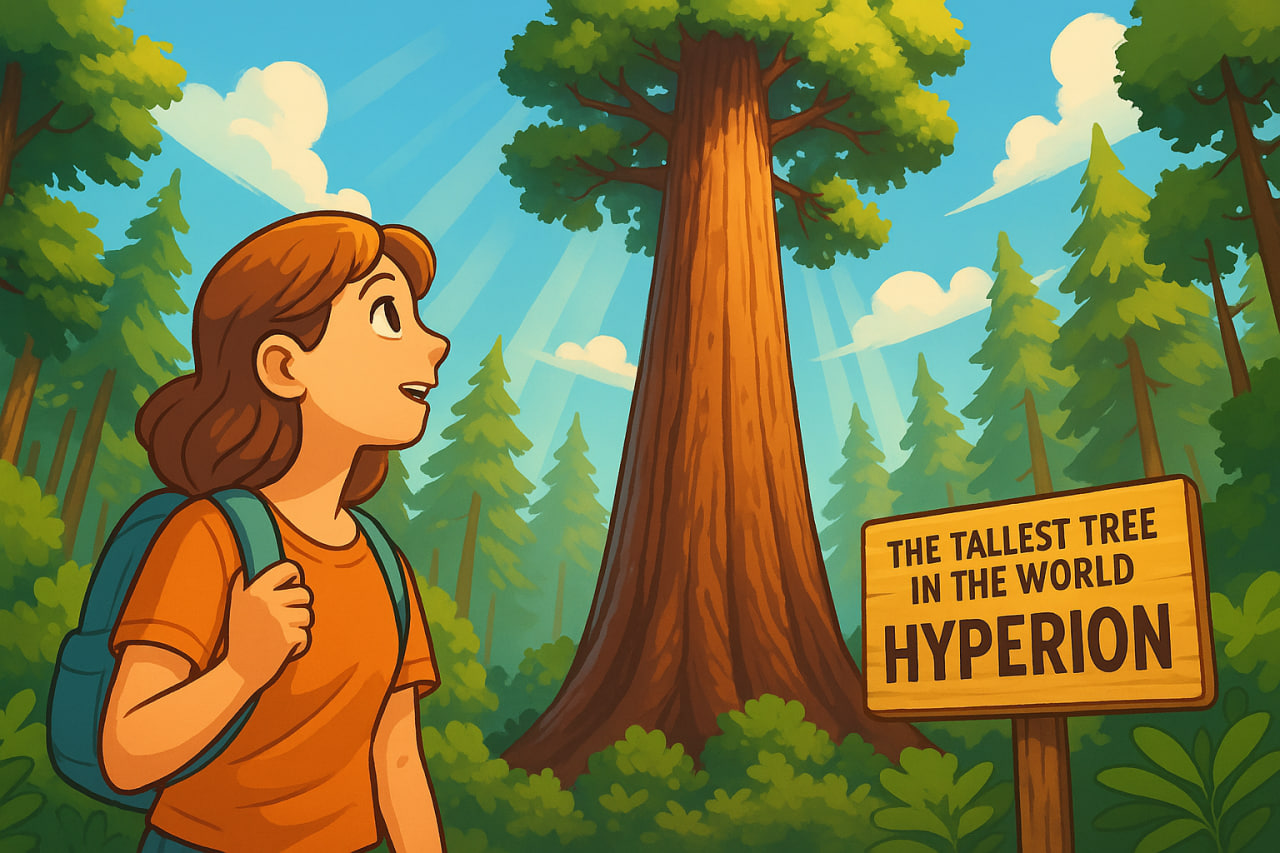
The tallest tree on Earth is a coast redwood (Sequoia sempervirens) named Hyperion, discovered in 2006 in a remote area of Redwood National Park in California.
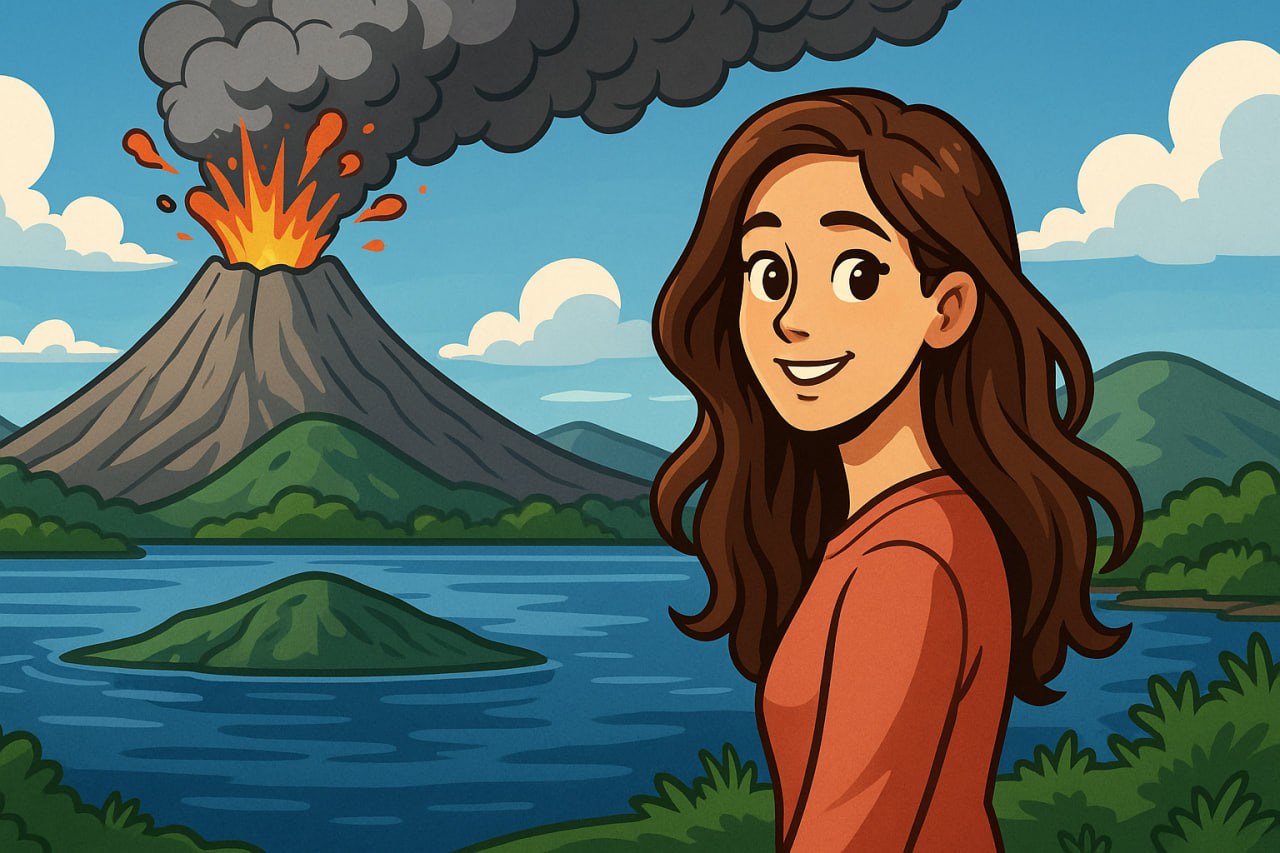
The Toba supervolcano, located on the Indonesian island of Sumatra, is one of the most powerful volcanic systems ever discovered.