
How Many People Can Planet Earth Support? The Science Behind Human Carrying Capacity
How many people the Earth can support is one of the most debated questions in environmental science, ecology, and global development.
How many people the Earth can support is one of the most debated questions in environmental science, ecology, and global development.
The global ecological crisis is one of the most urgent and complex challenges facing humanity today.
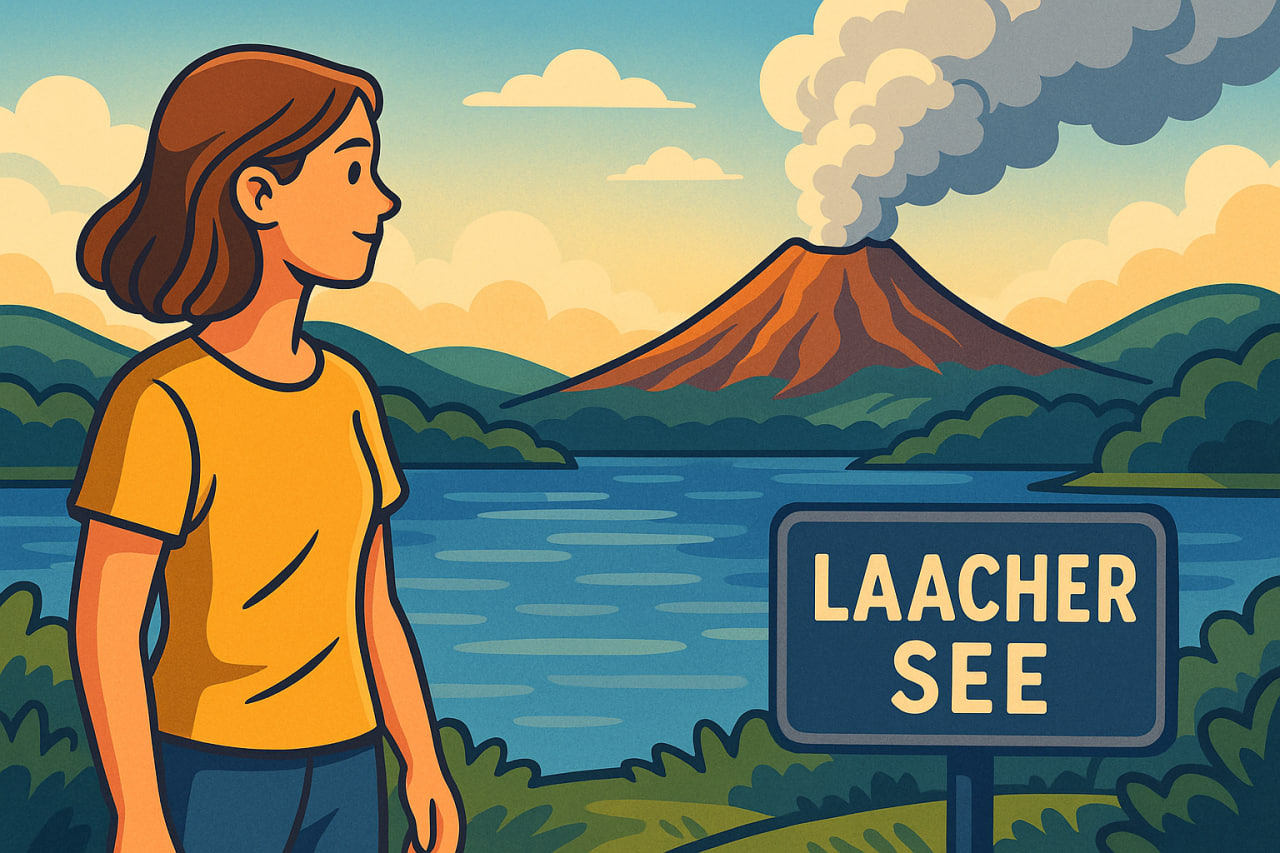
Laacher See, located in the Eifel region of western Germany, is one of Europe’s most fascinating volcanic lakes — and the site of a powerful eruption that occurred around 13,000 years ago.
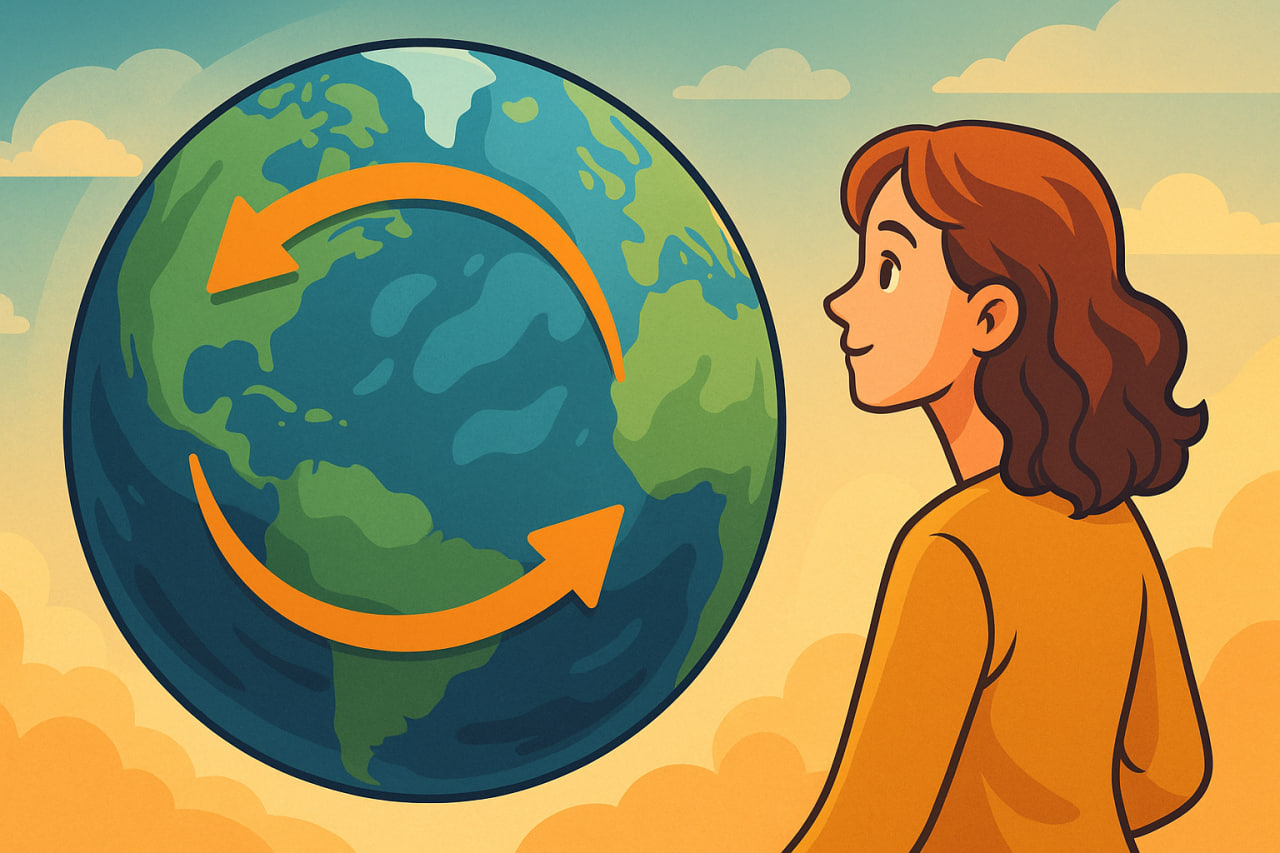
Earth’s rotation — from west to east — has been stable for billions of years, shaping everything from climate and atmospheric circulation to ocean currents and biological rhythms.
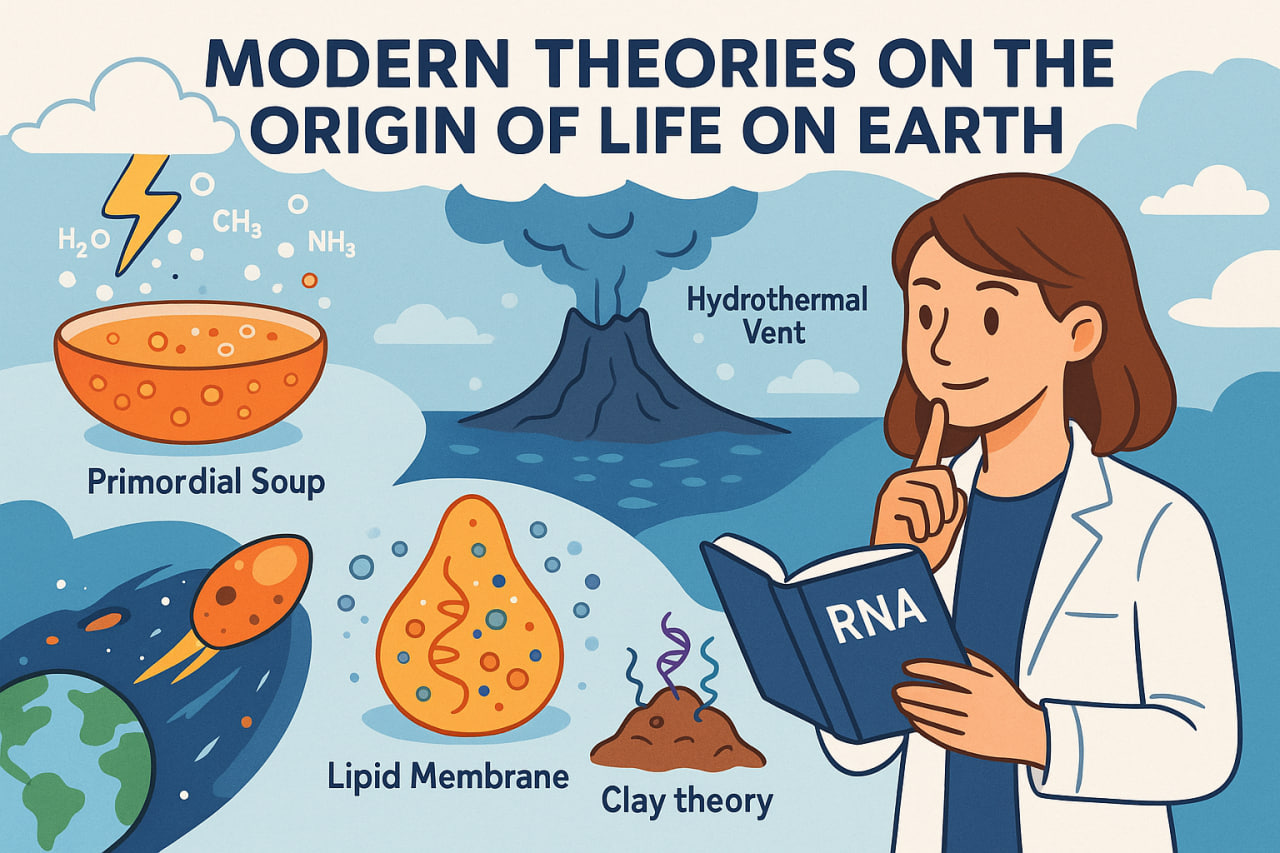
The origin of life on Earth remains one of the most profound and fascinating scientific questions of all time.
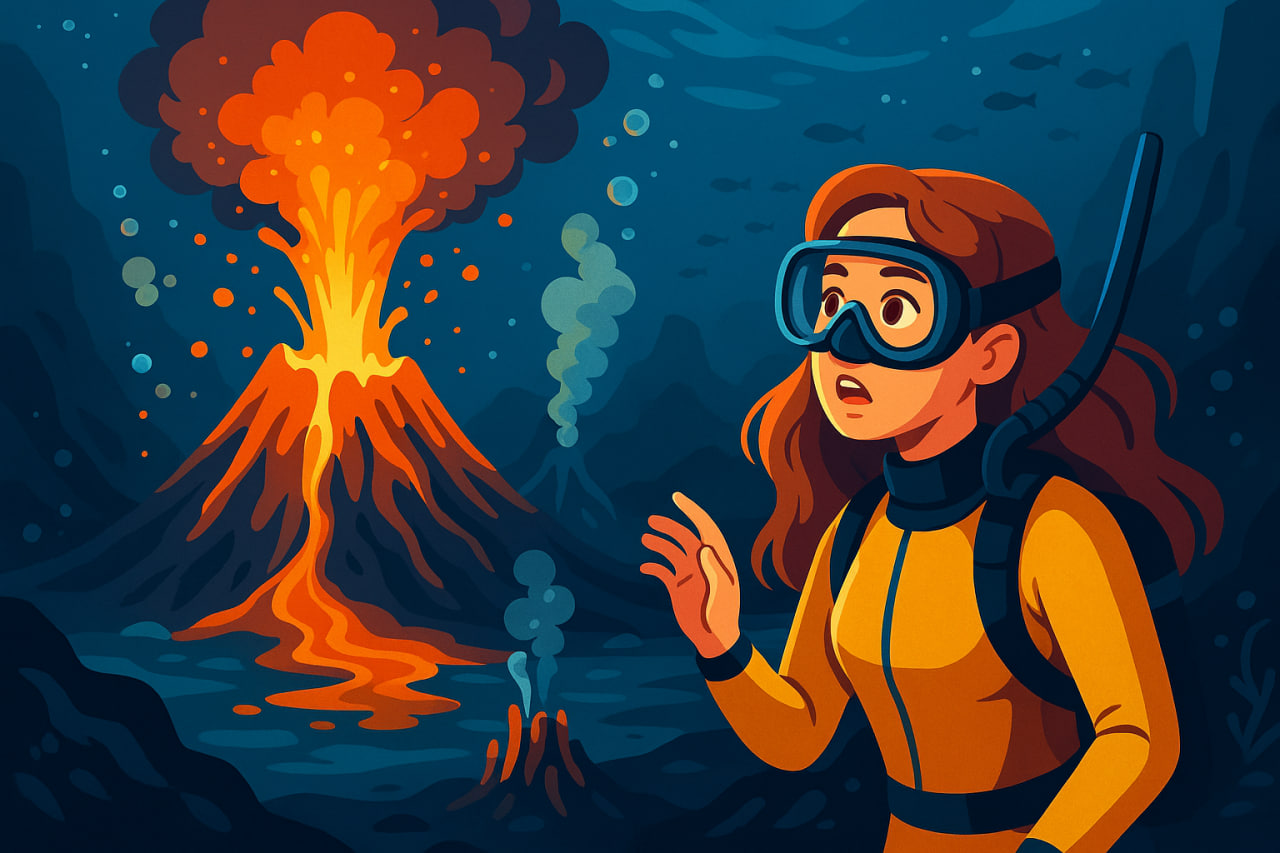
Underwater volcanoes, also known as submarine volcanoes, are hidden giants shaping the ocean floor and influencing Earth’s geology in powerful but often unseen ways.
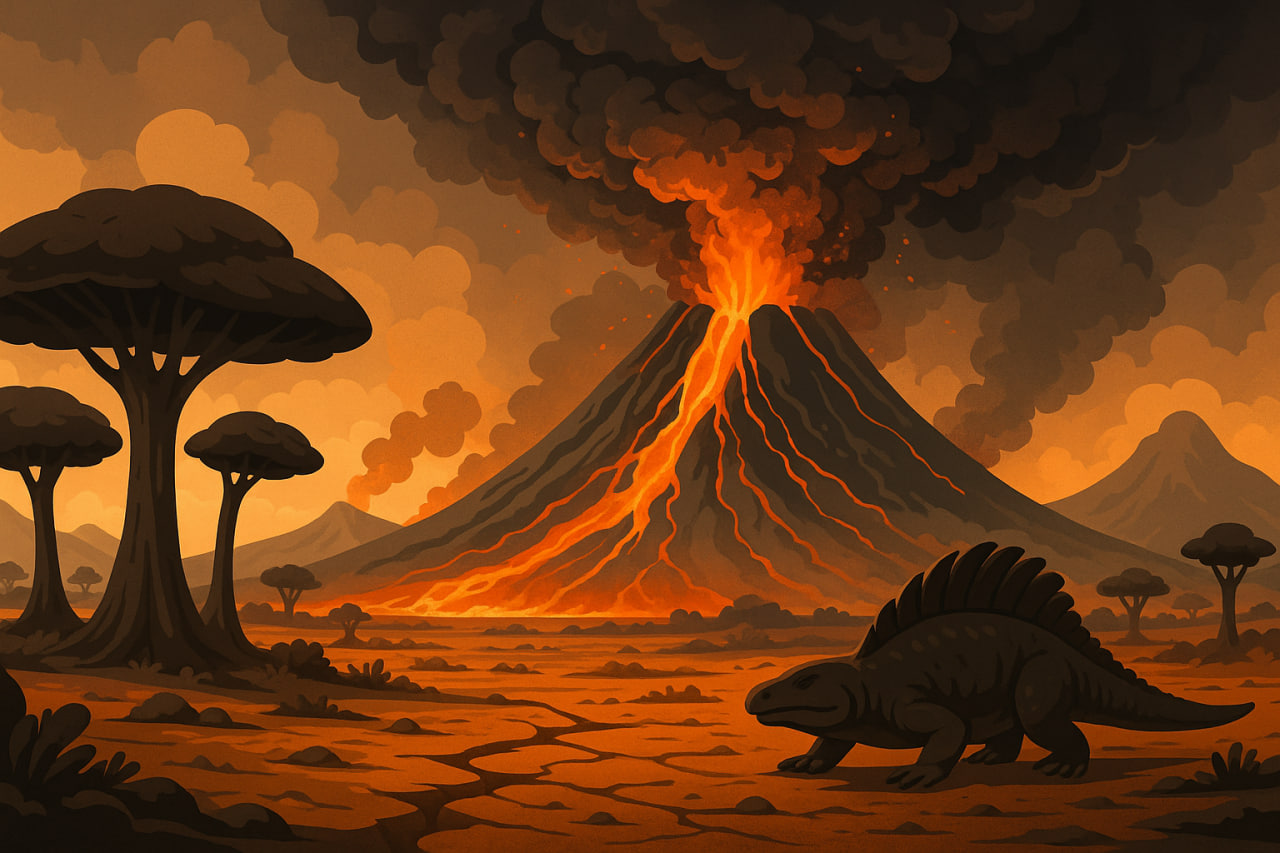
The Permian anomaly refers to a dramatic and still not fully understood period of geological and biological upheaval that occurred near the end of the Permian period, roughly 252 million...
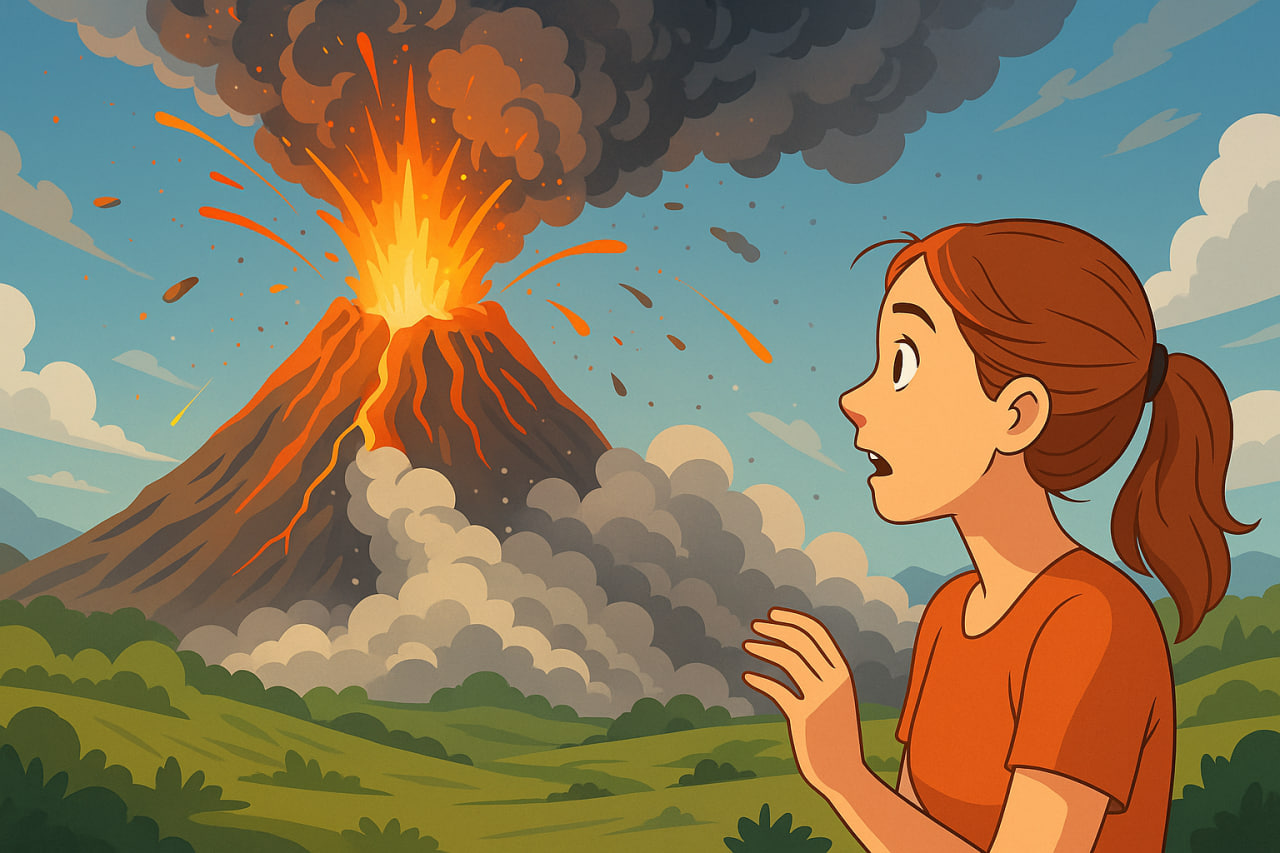
Explosive volcanic eruptions are some of the most powerful and destructive natural events on Earth.
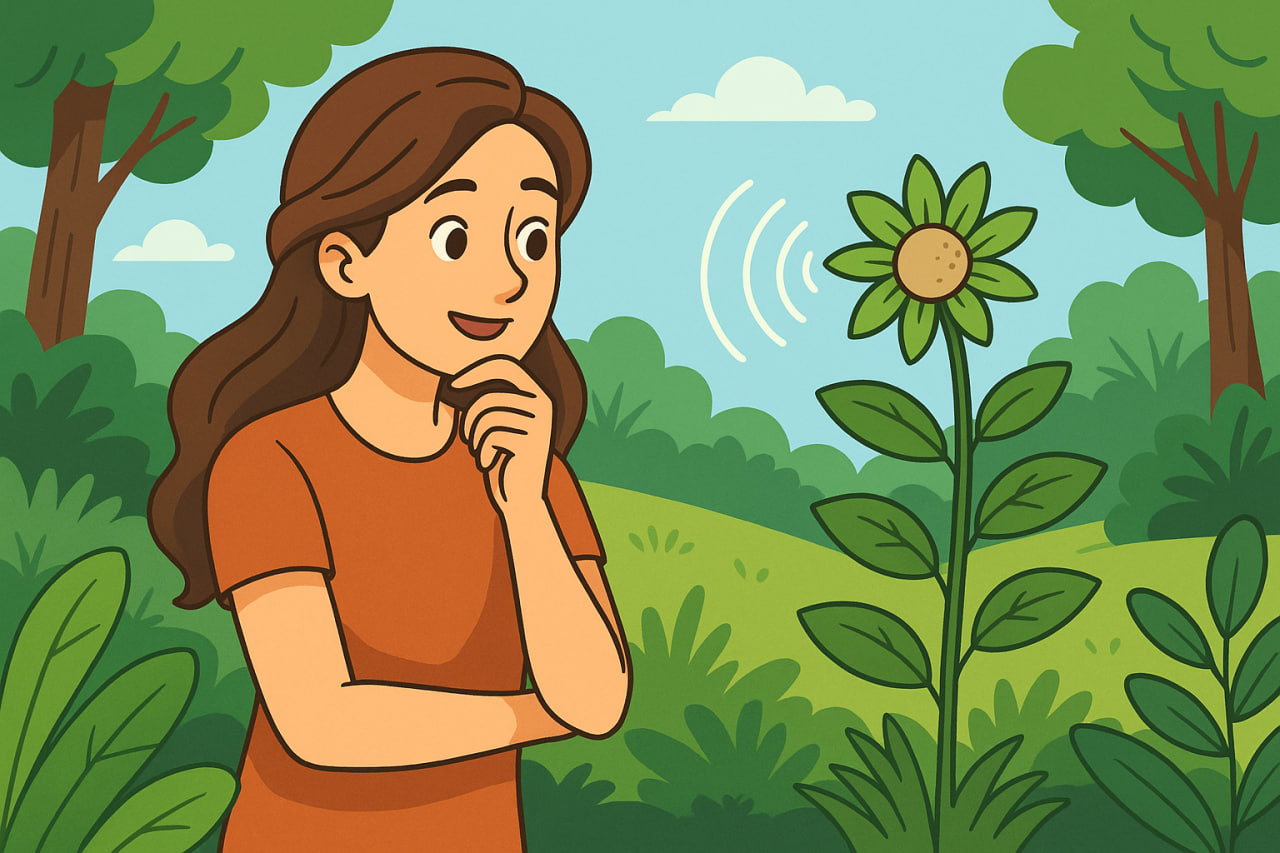
Plants may appear silent and passive, but modern science reveals that they are remarkably active communicators.
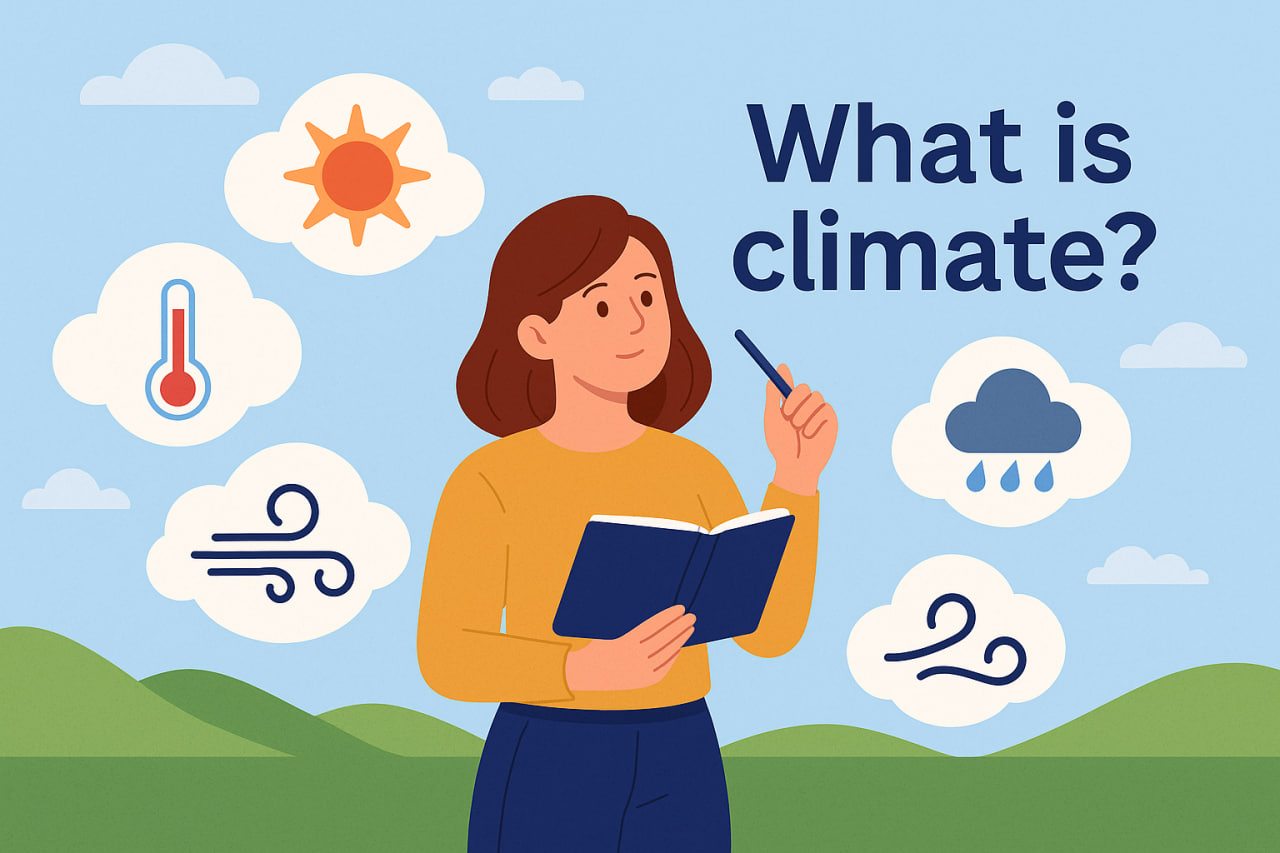
Climate is the long-term pattern of temperature, humidity, atmospheric pressure, wind, precipitation, and seasonal changes in a particular region or across the entire planet.